

Exploring Abu Simbel: The Temples of Ramses II and Nefertari

Day 8 – November 5, 2024

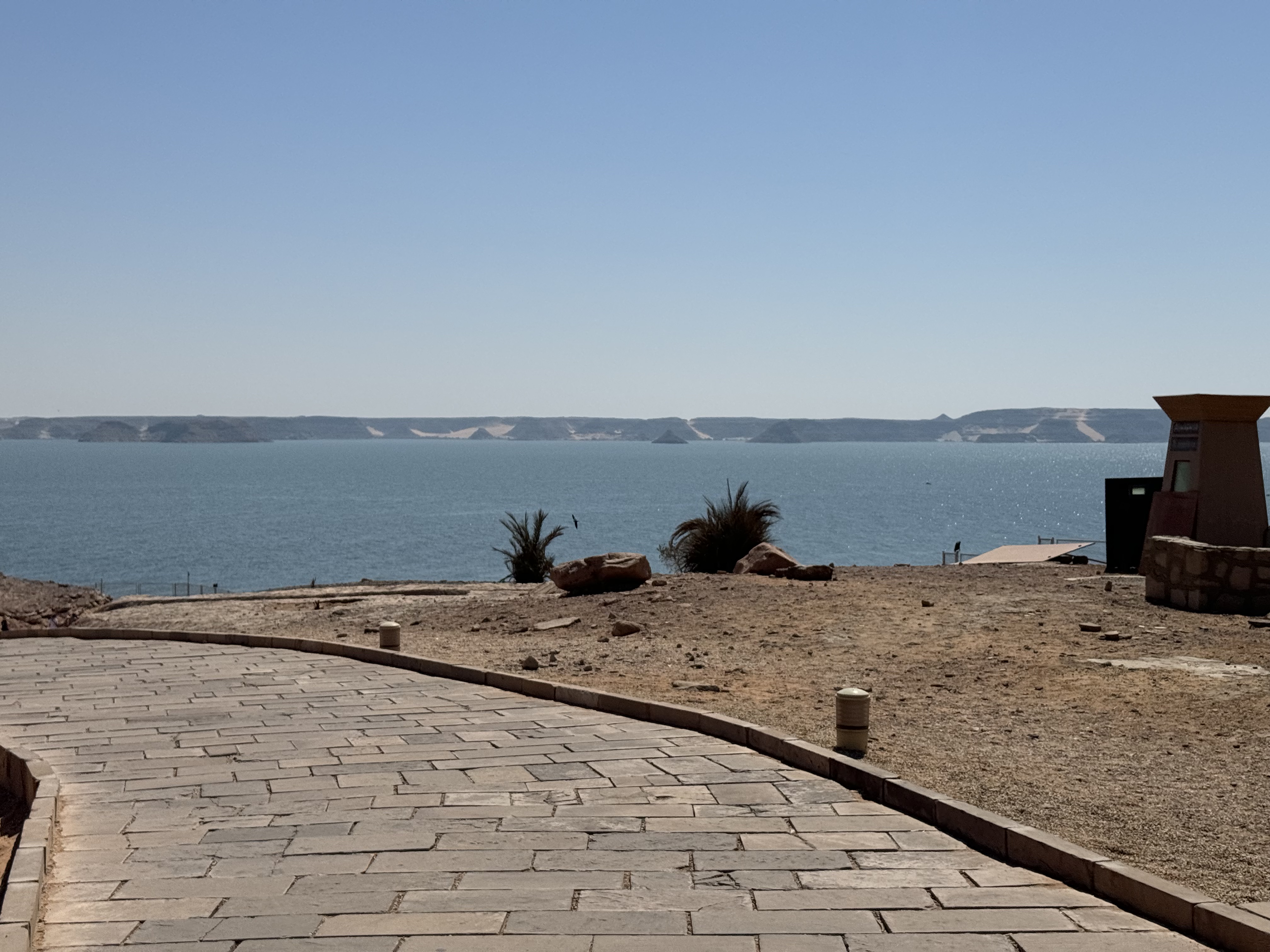
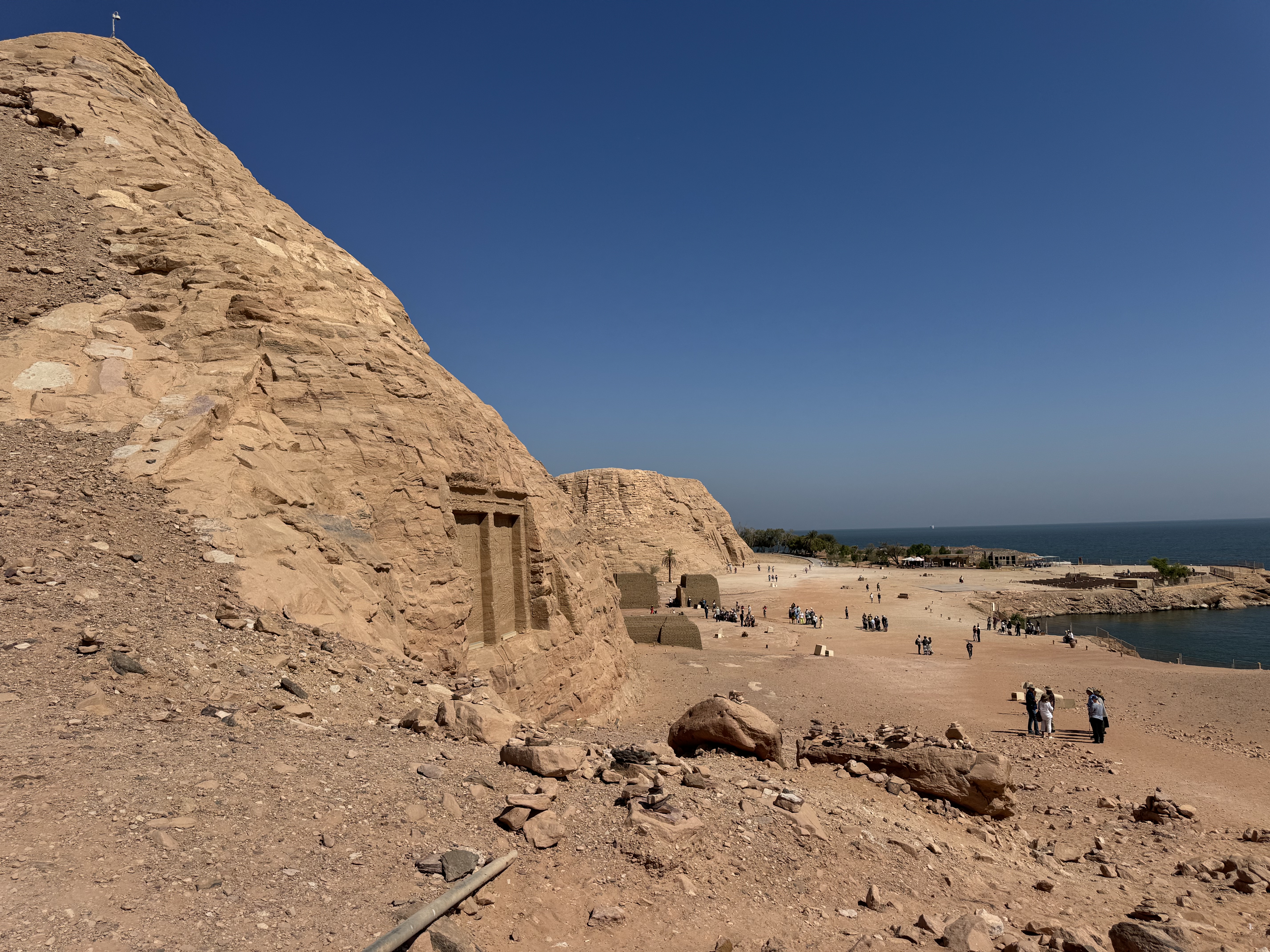
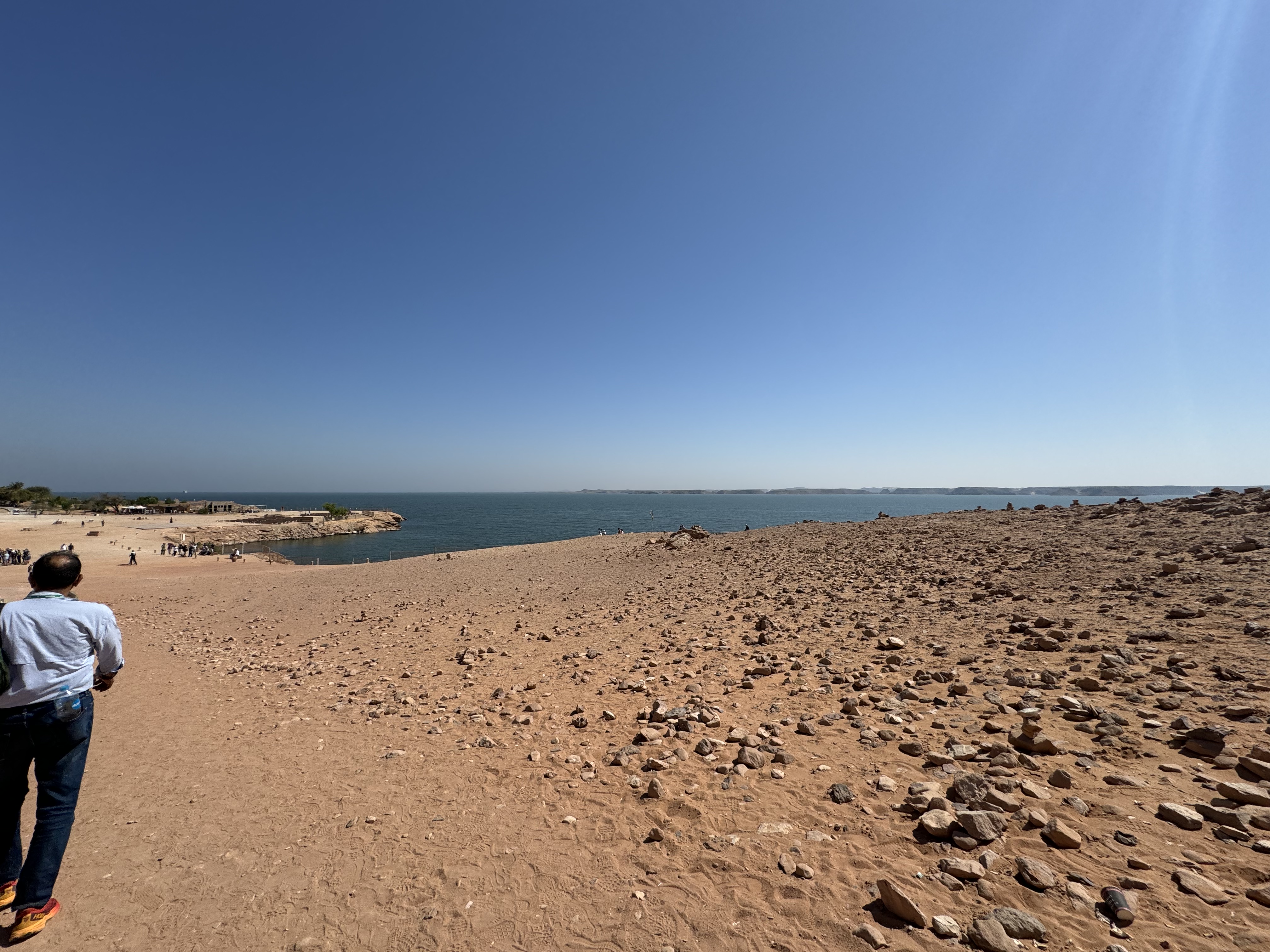
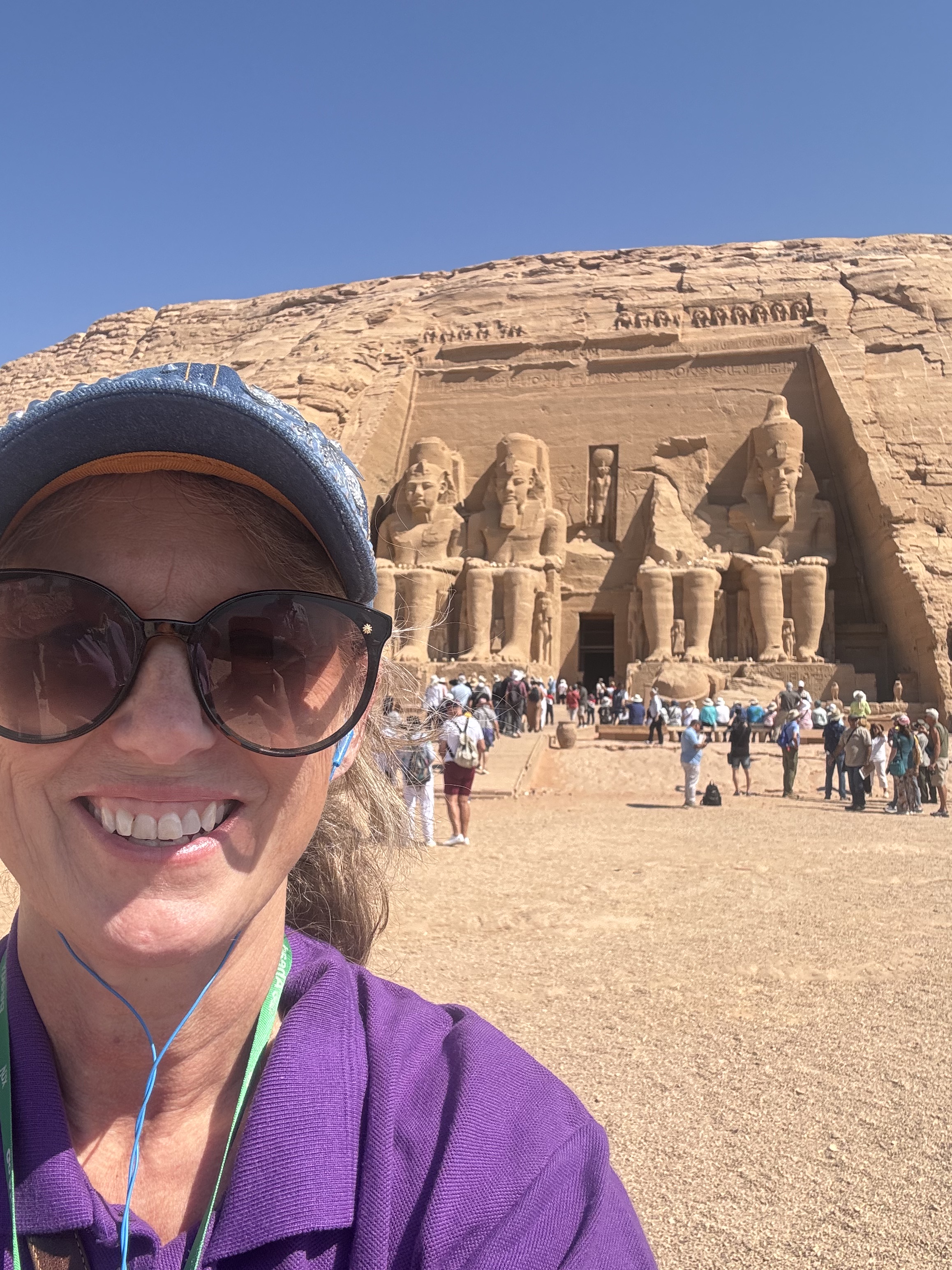
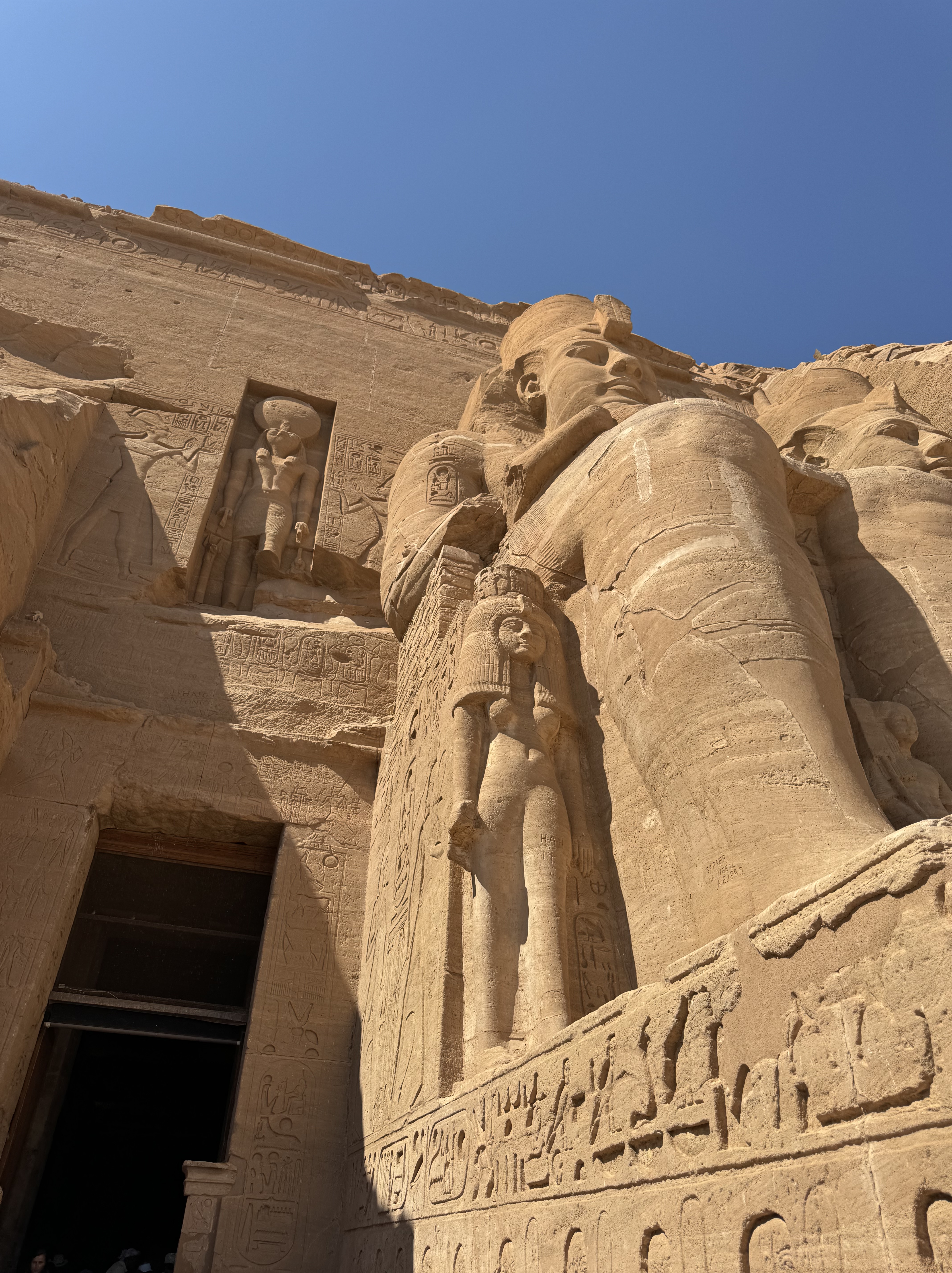
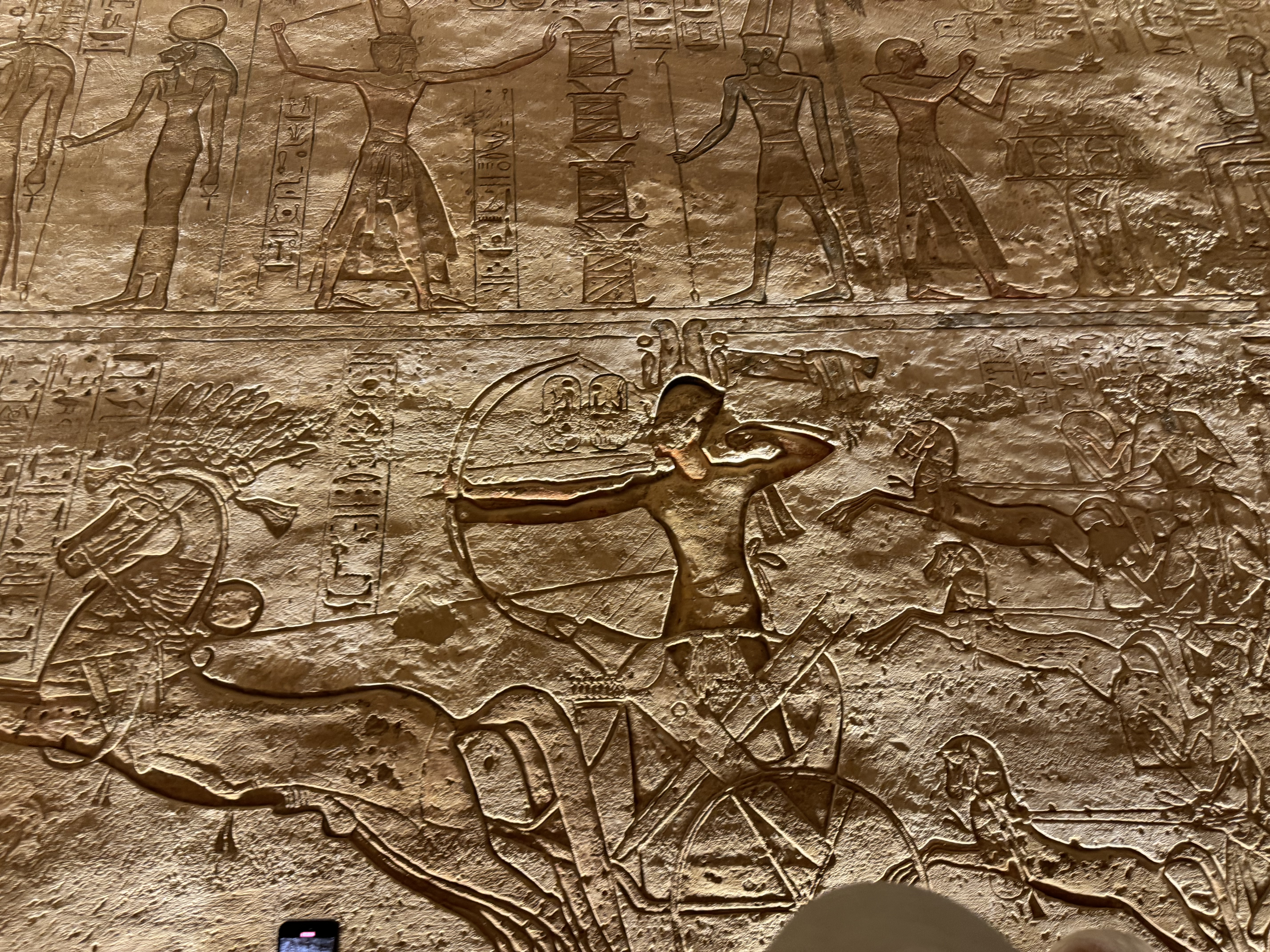
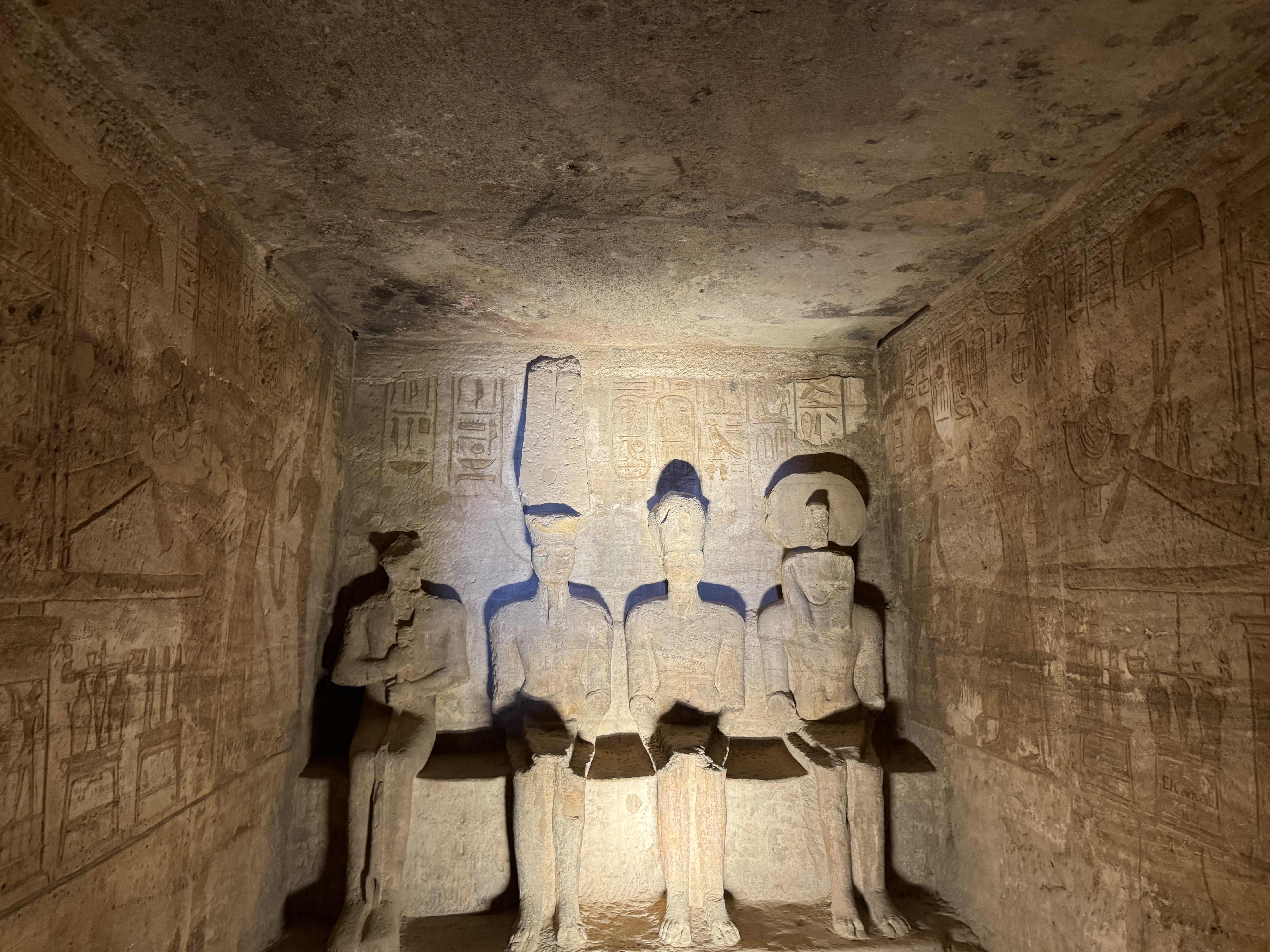
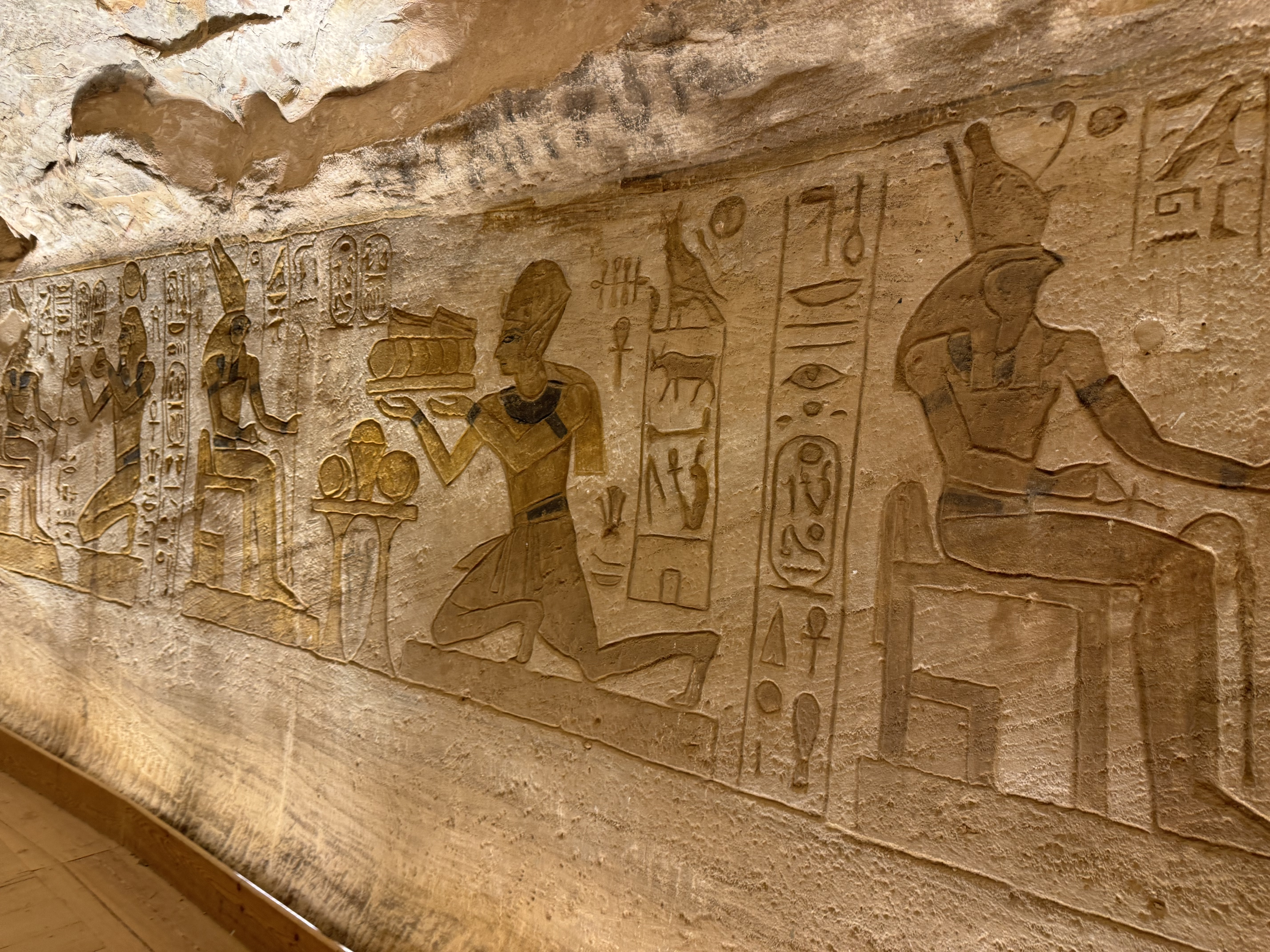
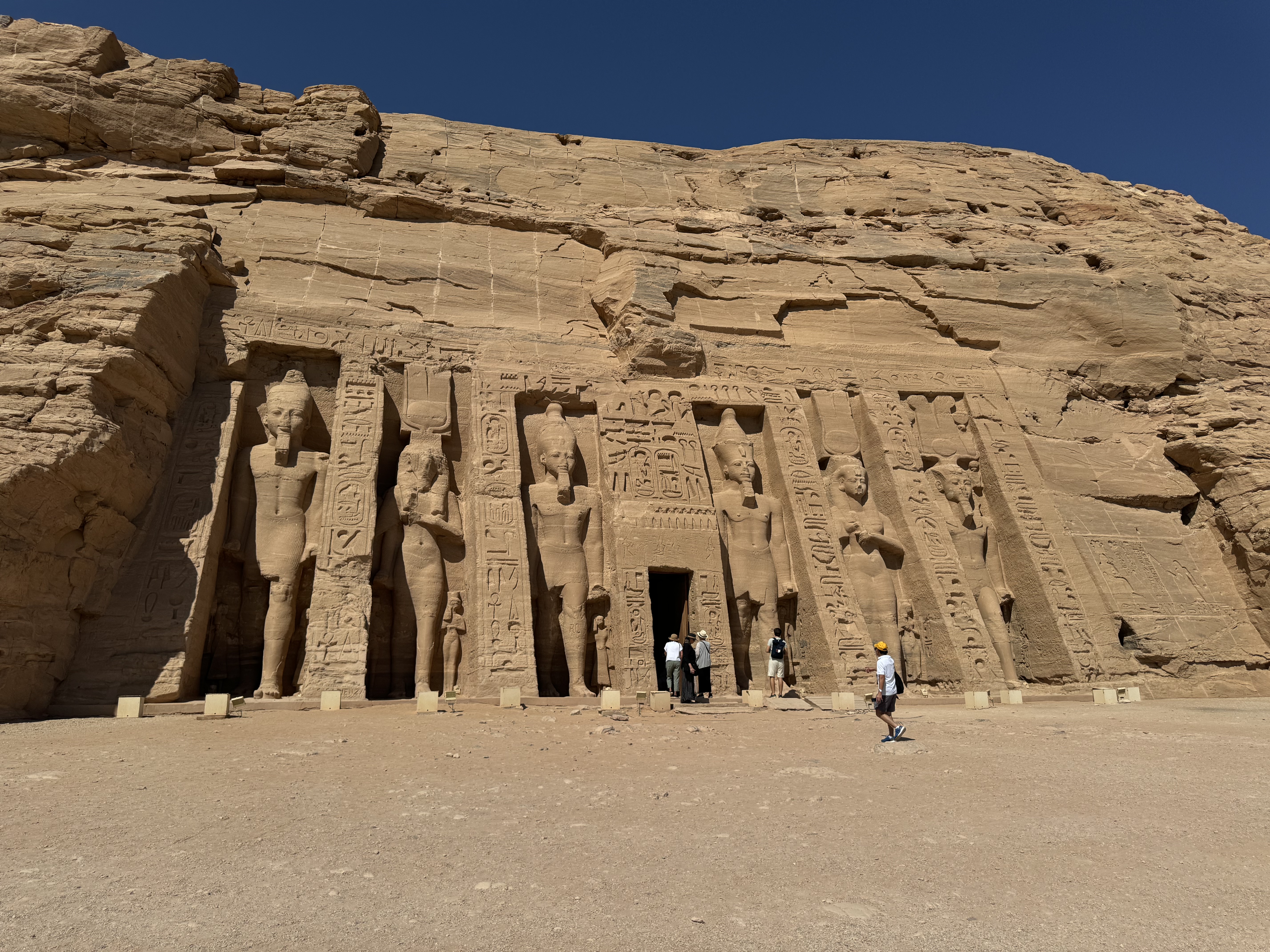
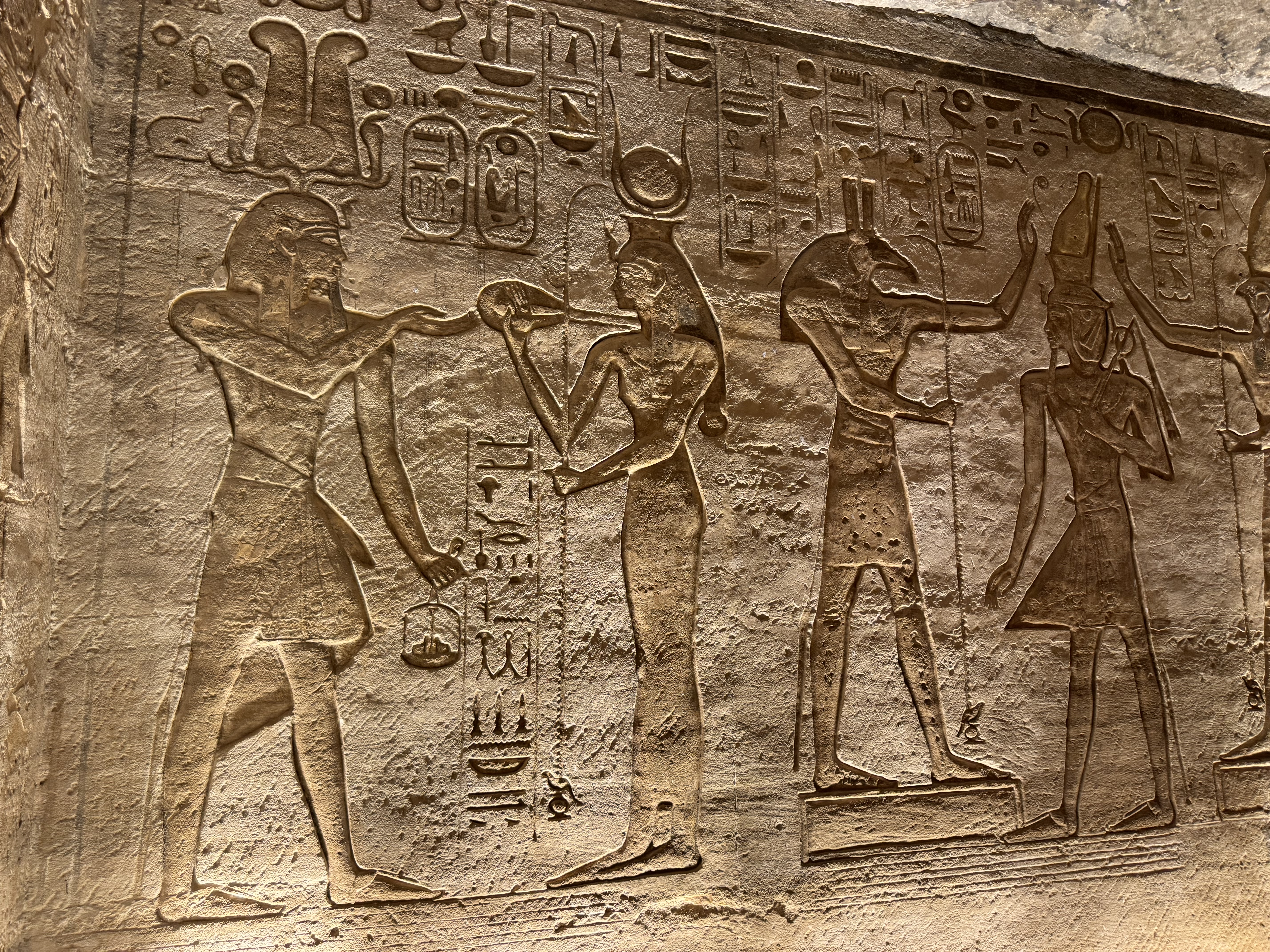
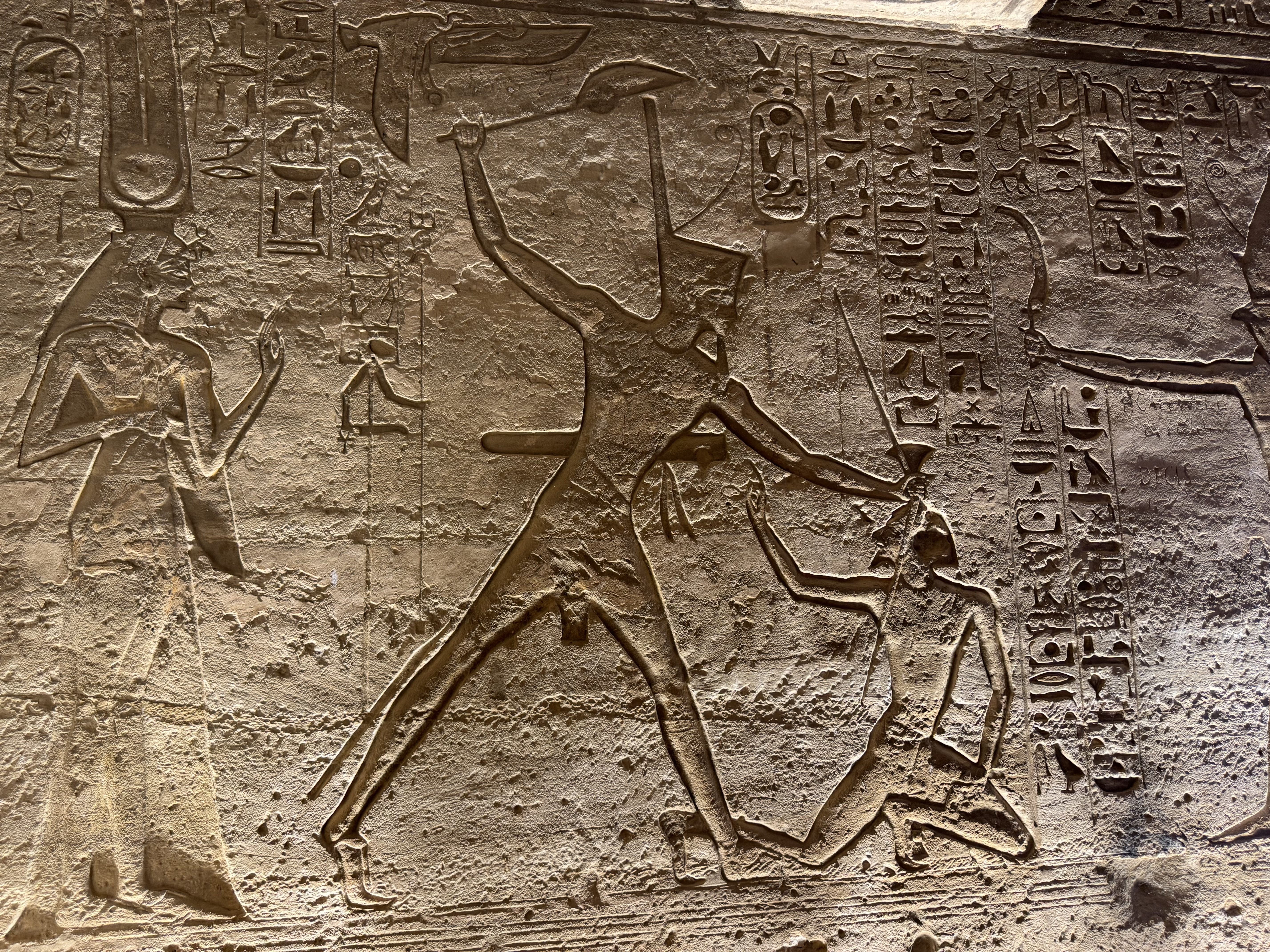
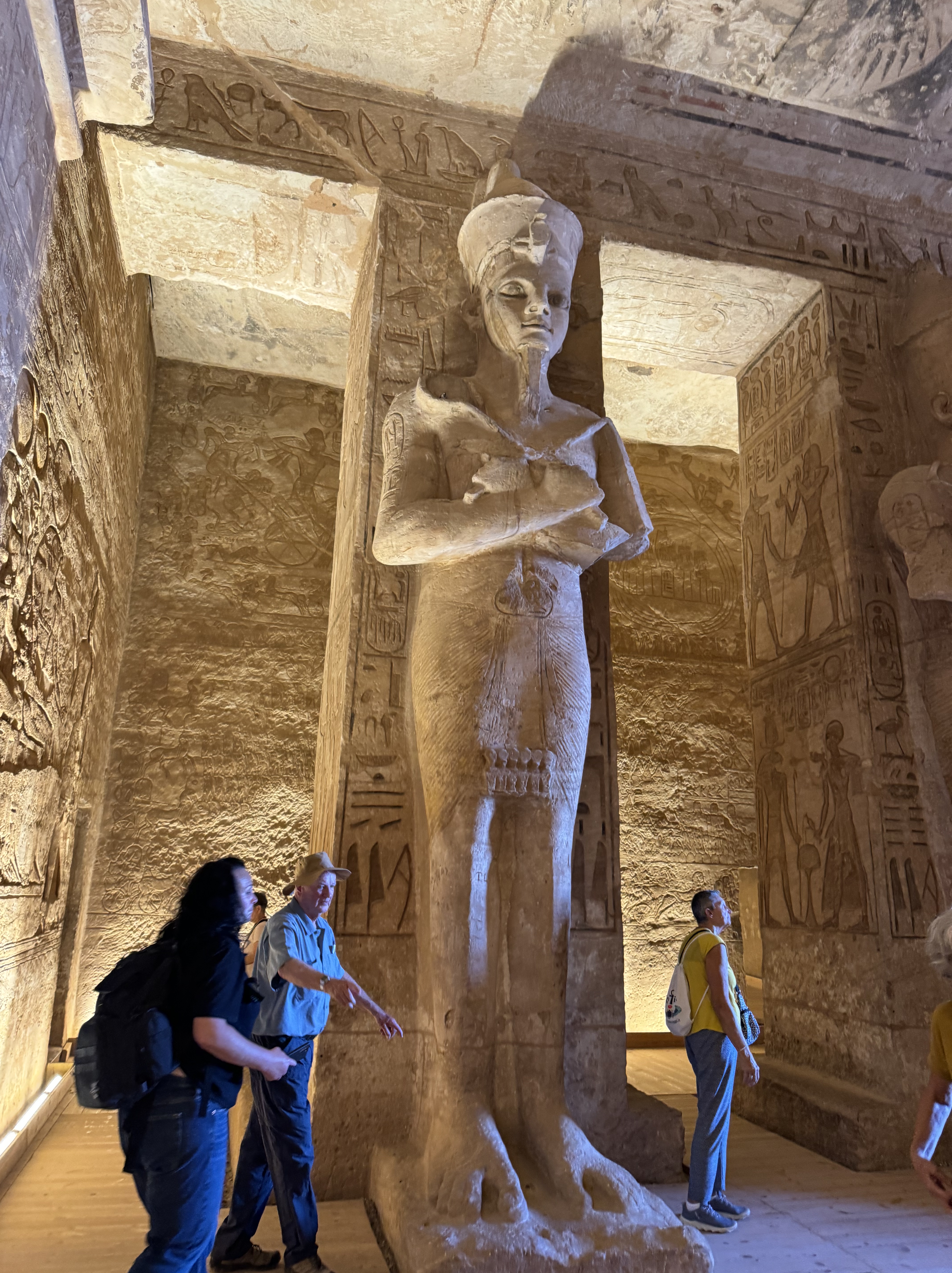
No free time for us as we trek to Abu Simbel, by Egyptair. The temples of Ramses II and his wife Nefertari were originally carved into the mountainside. They were painstakingly relocated to save them from being submerged by the damming of the Nile. These temples stand as monumental testaments to ancient Egyptian artistry and engineering. These remarkable structures boast intricate hieroglyphics and stunning sculptures. They tell stories of power and devotion. These stories reflect the grandeur of a civilization that flourished millennia ago. As we approach, the sheer scale and beauty of the temples captivate our senses. They invite us to imagine the vibrant ceremonies and daily life. These events once echoed within these hallowed walls.
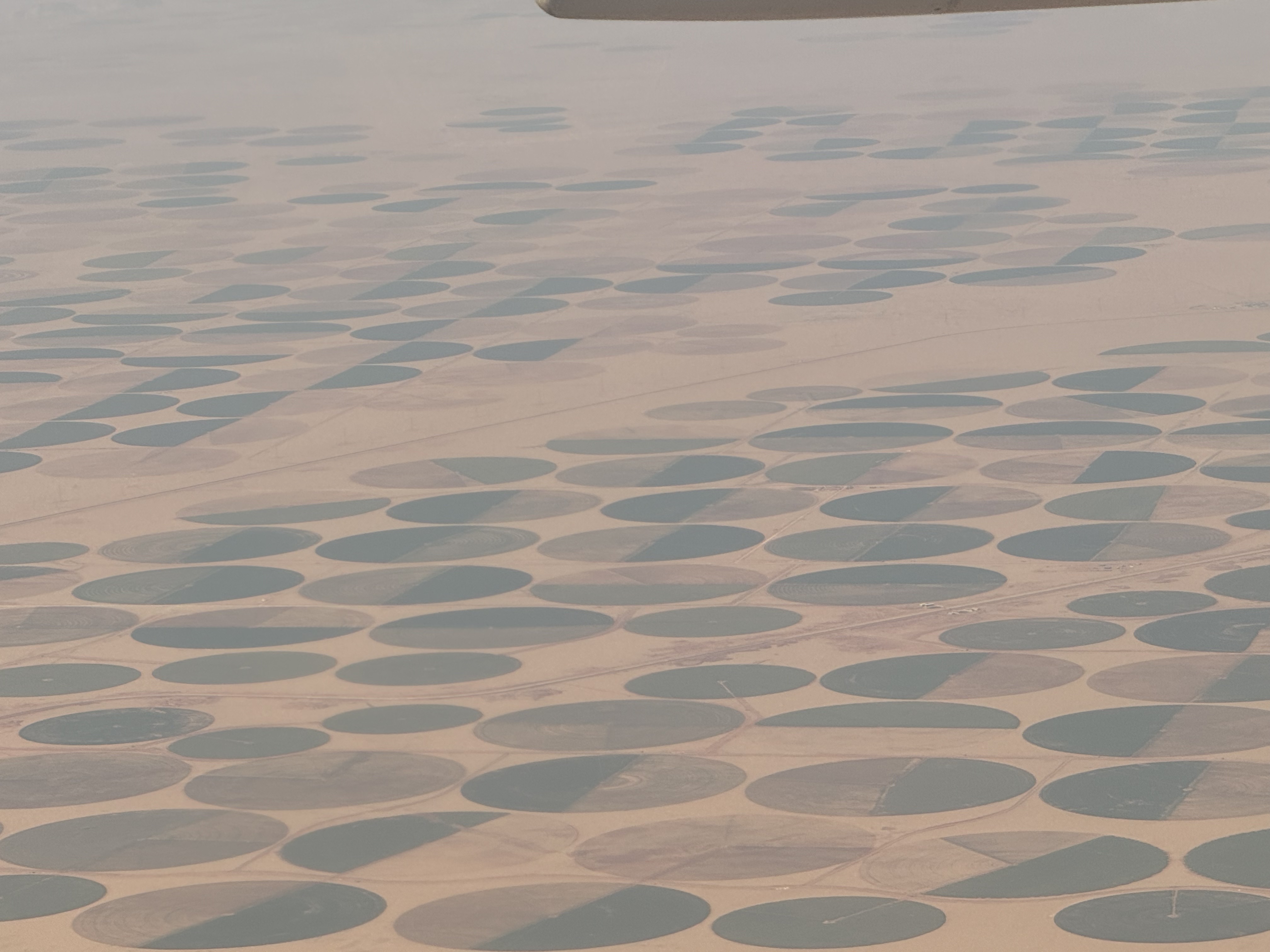
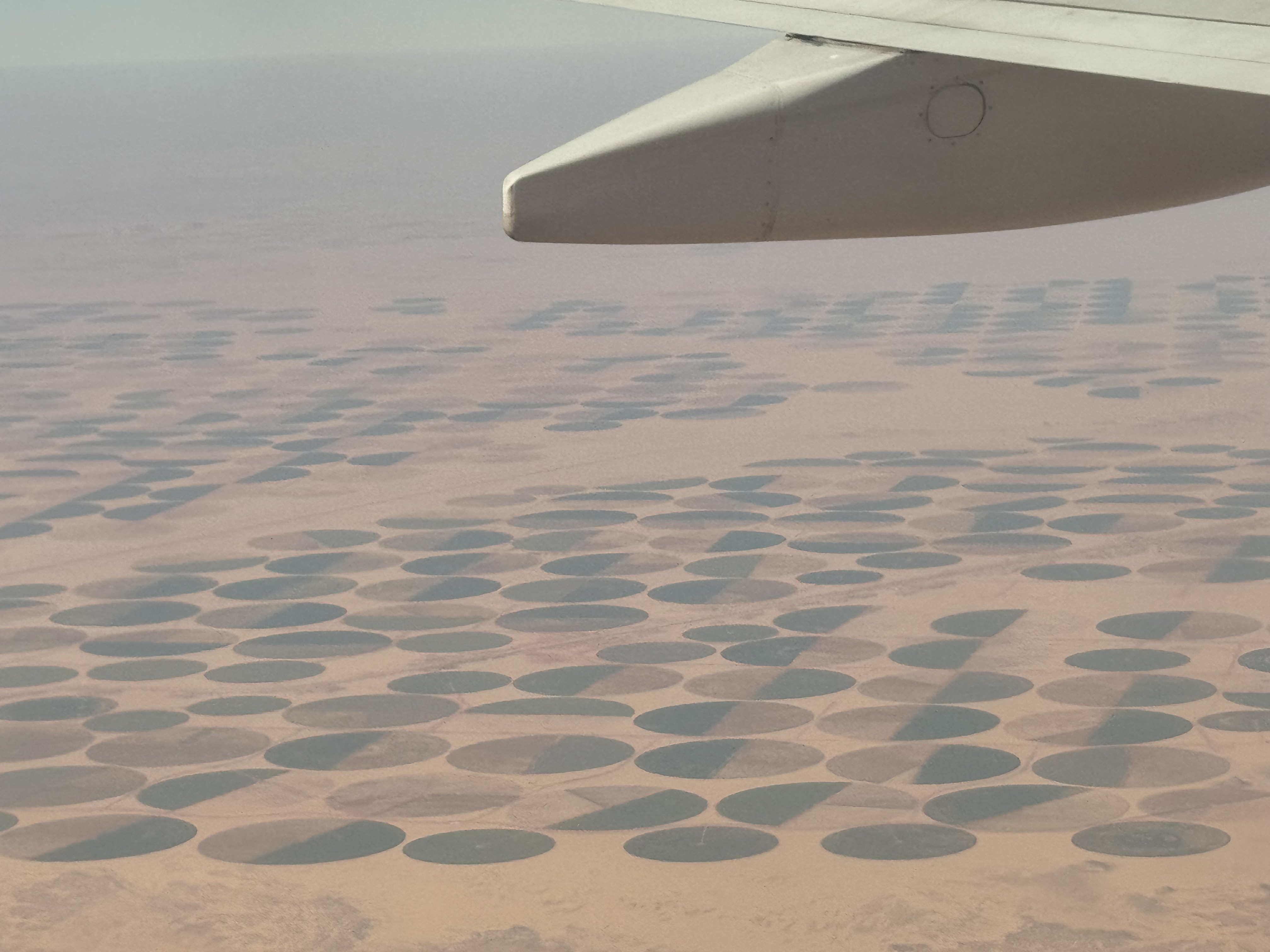
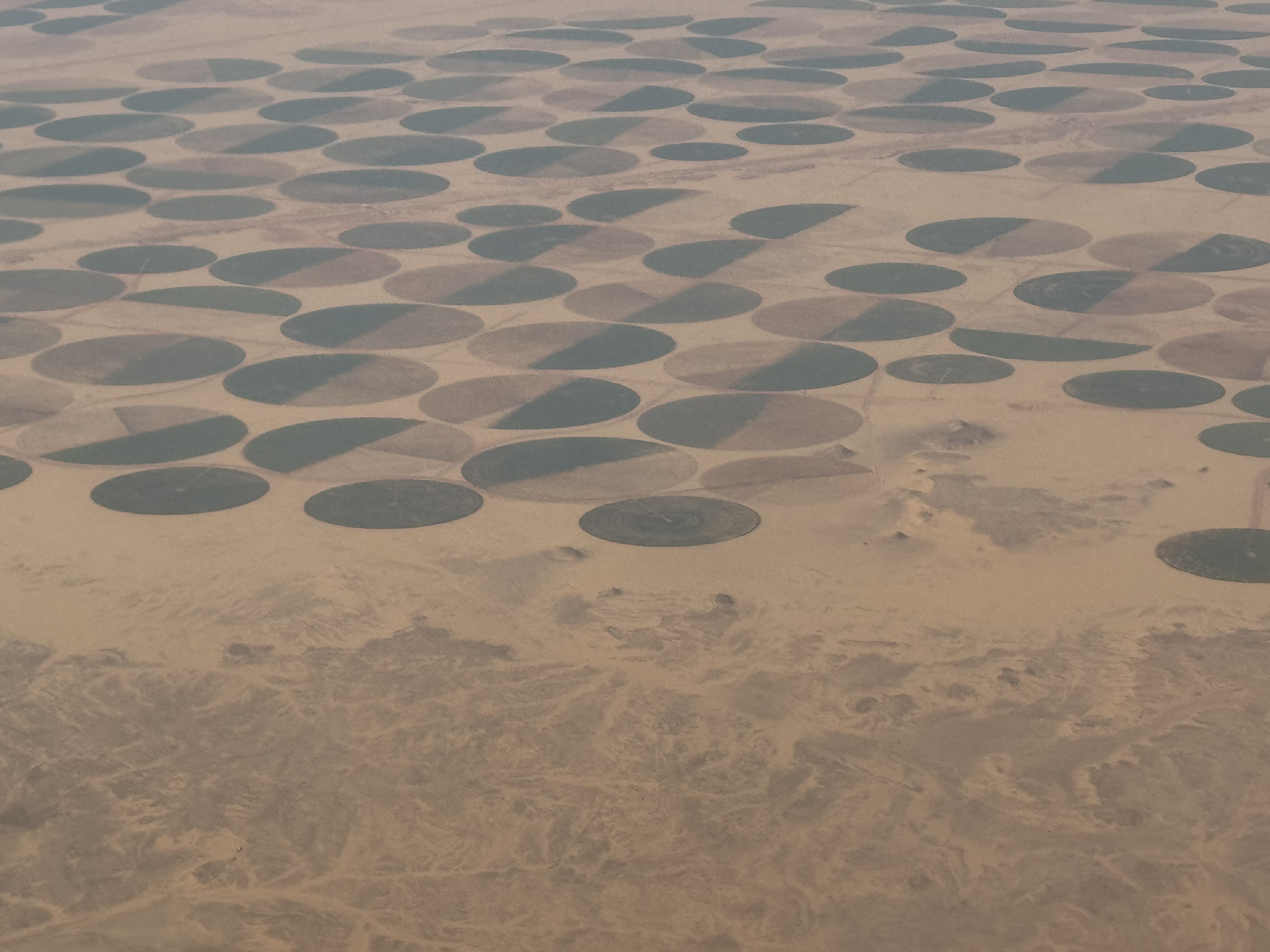
Egyptian Crop Circles? No they are aqueducts to supply water to a very arid desert area.

Exploring the Valley of the Kings: A Closer Look

DAY 6 – NOVEMBER 3, 2024

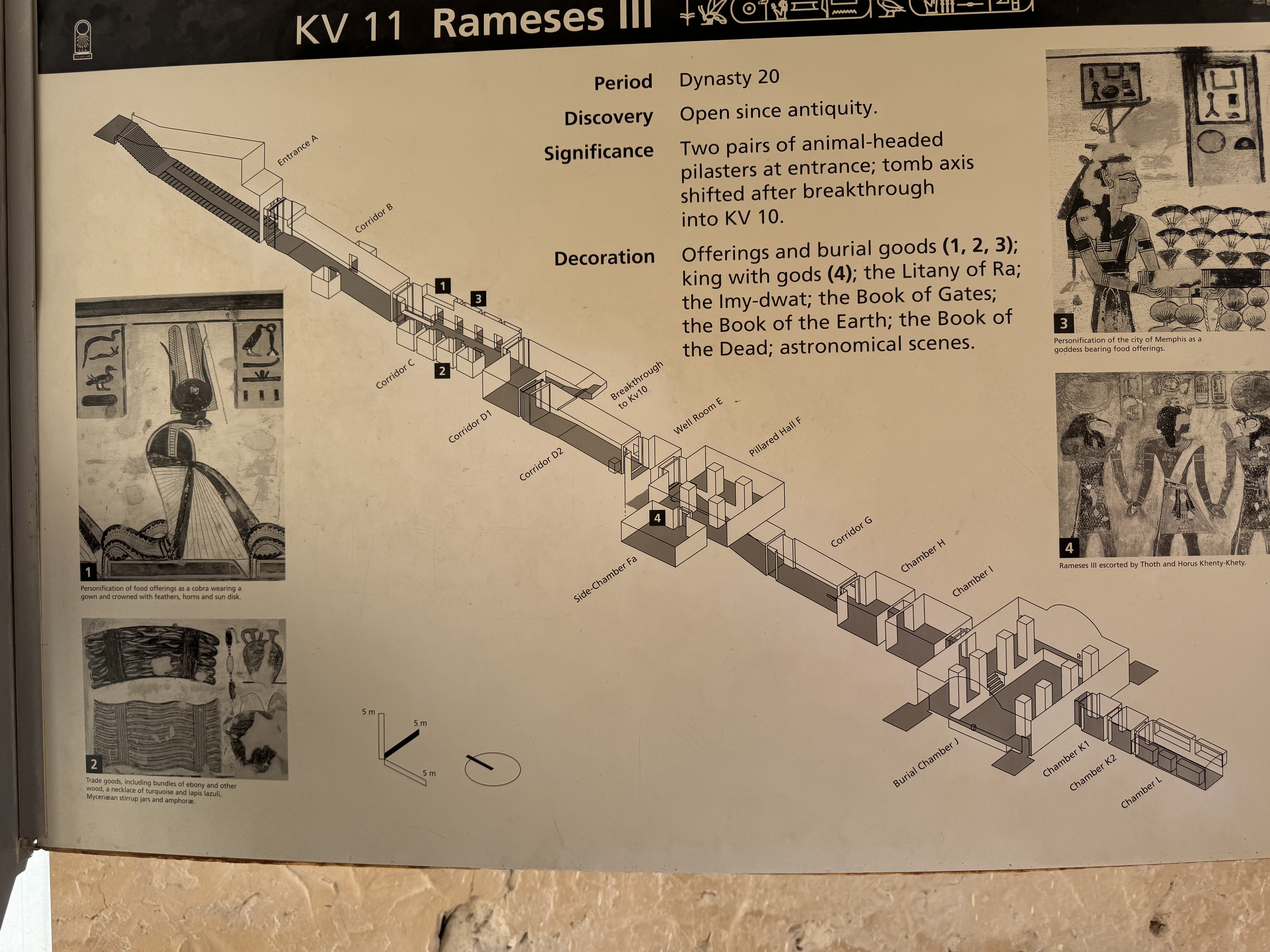
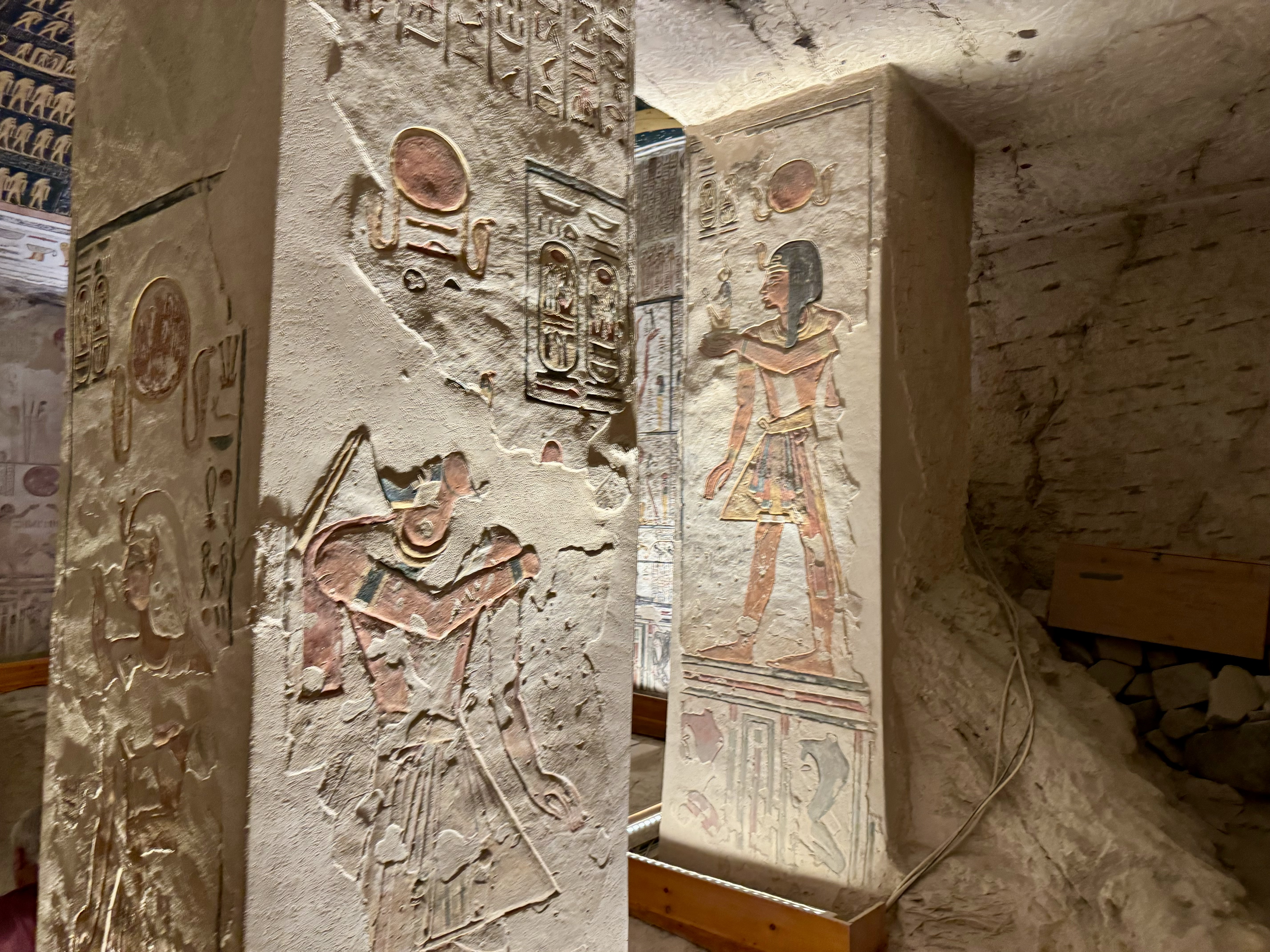
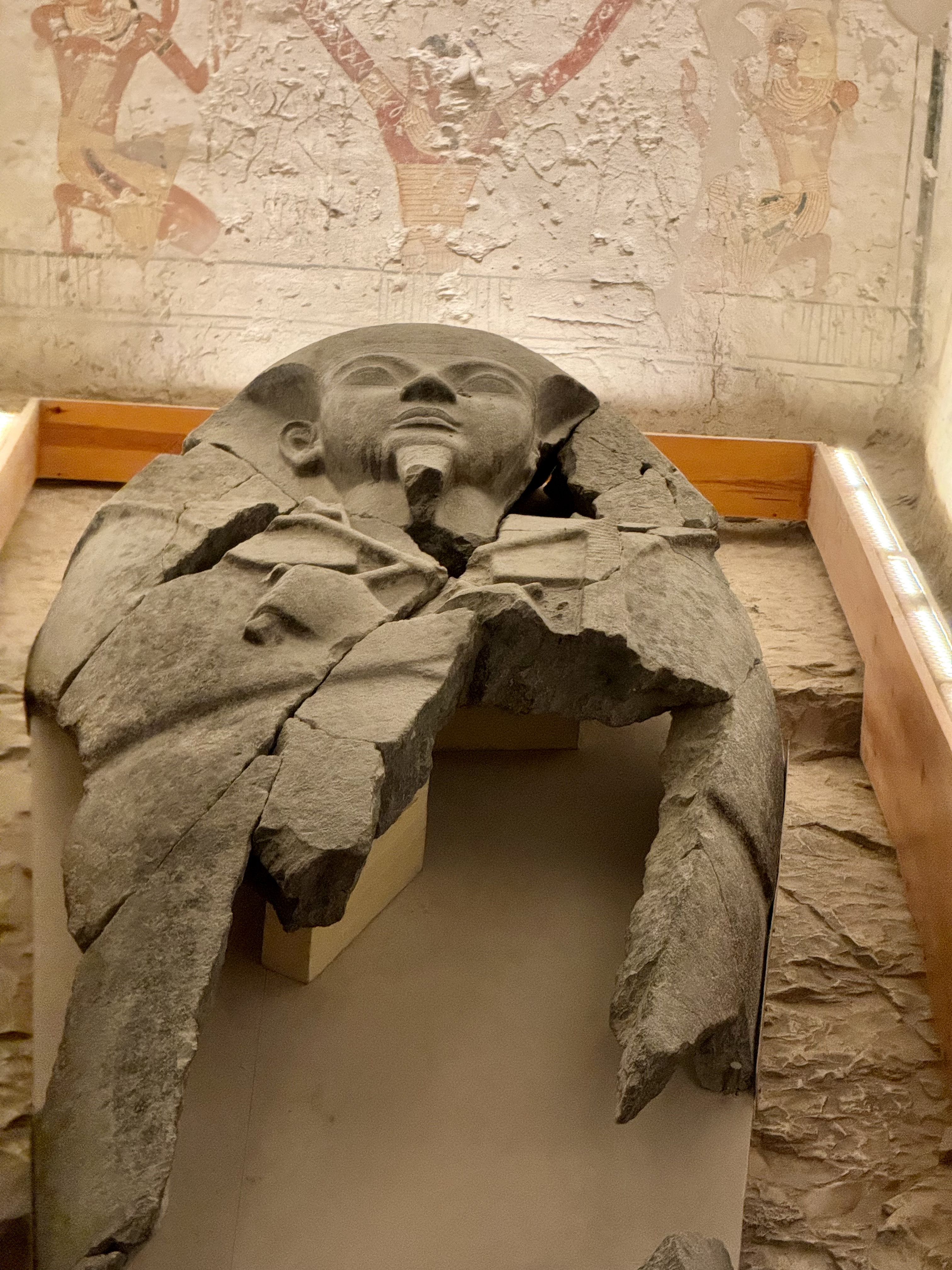
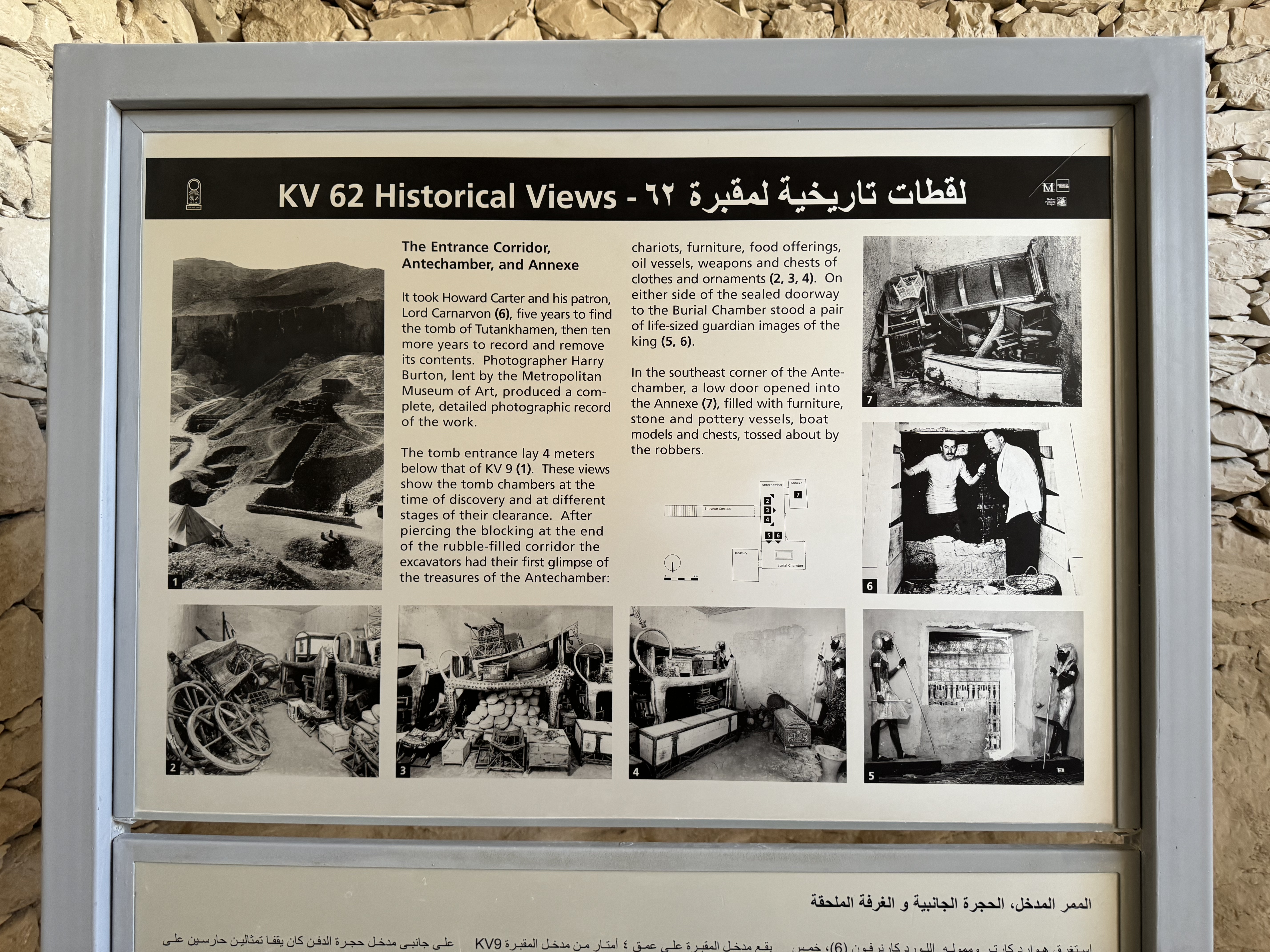
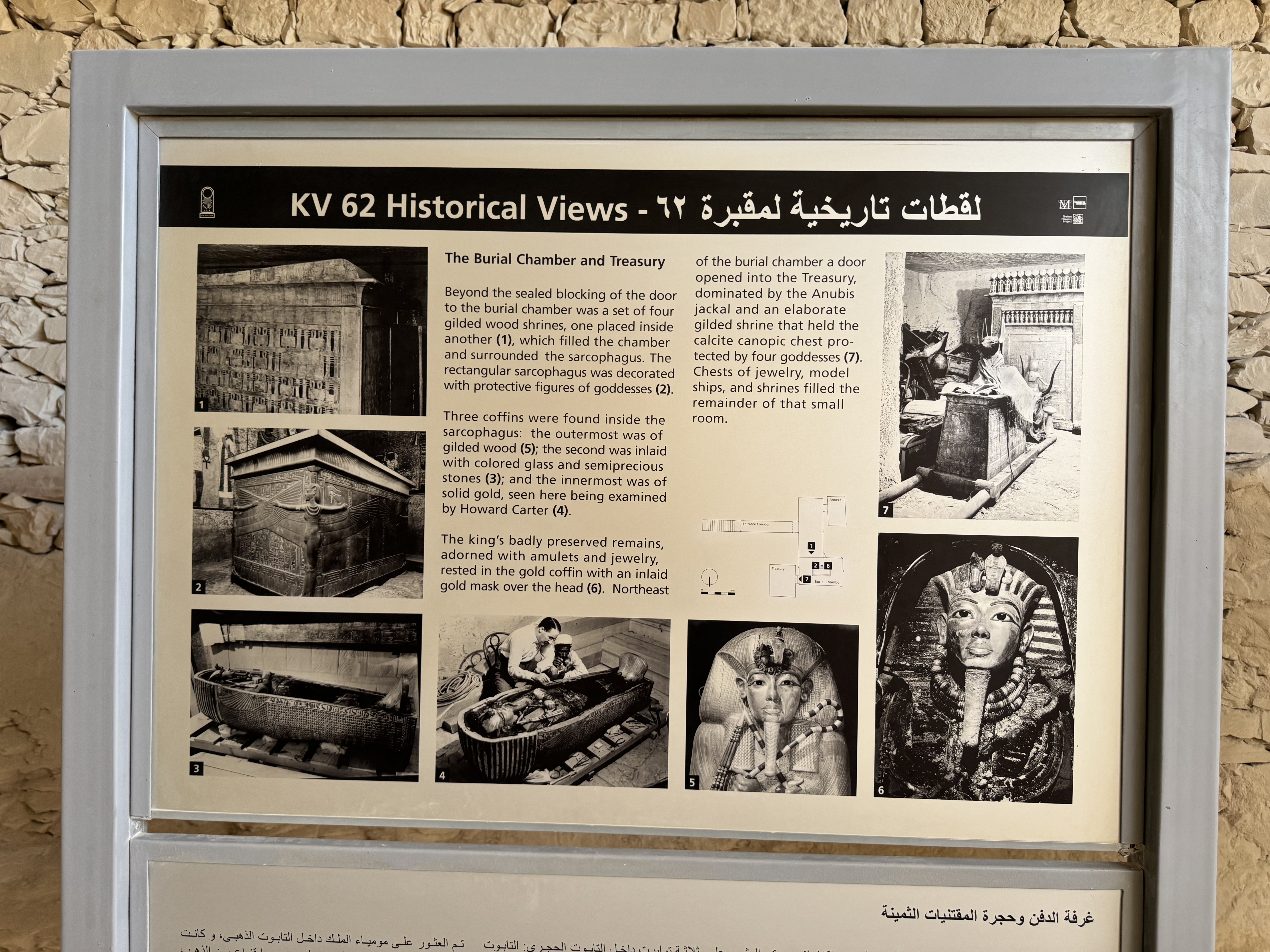
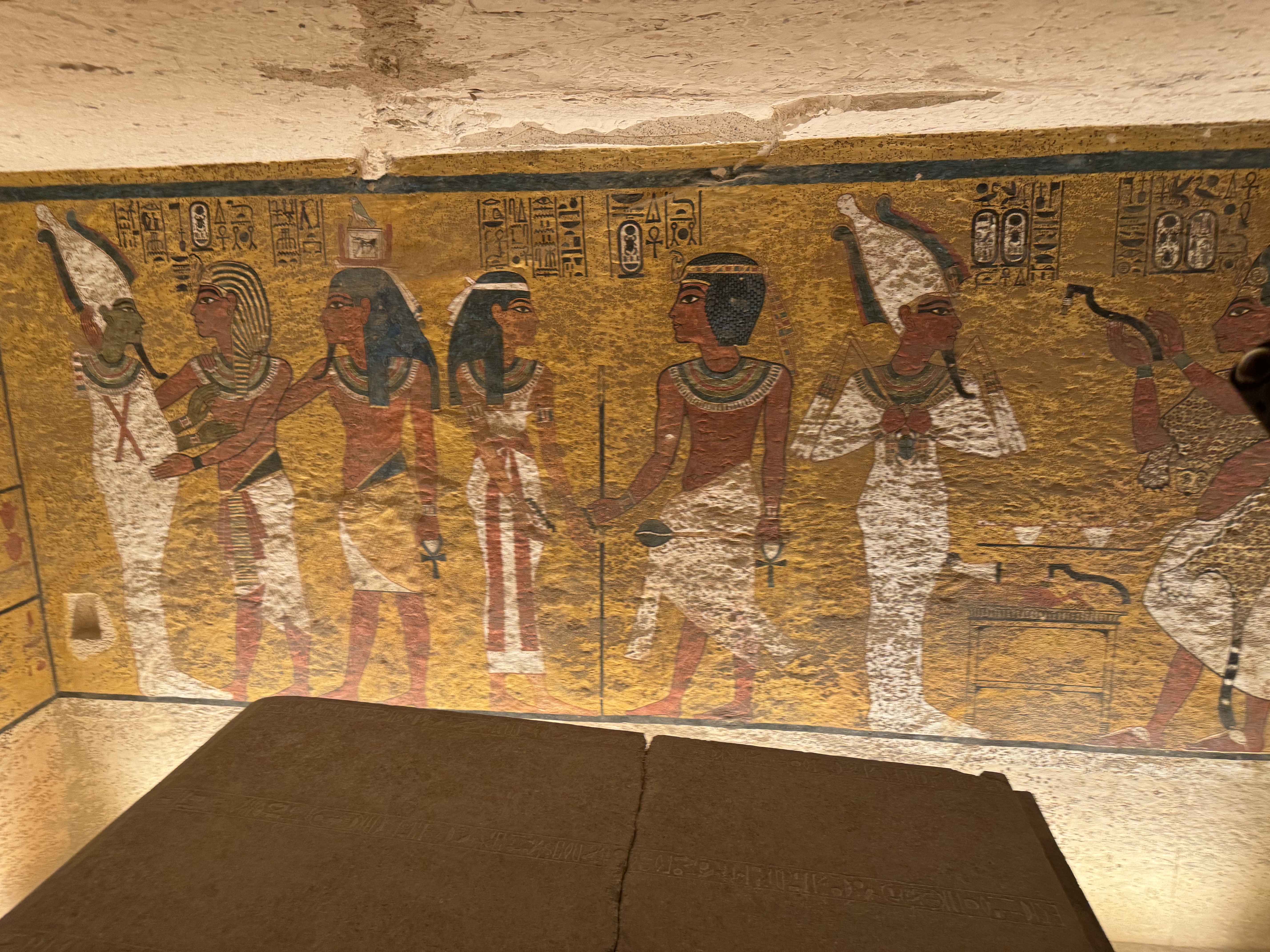
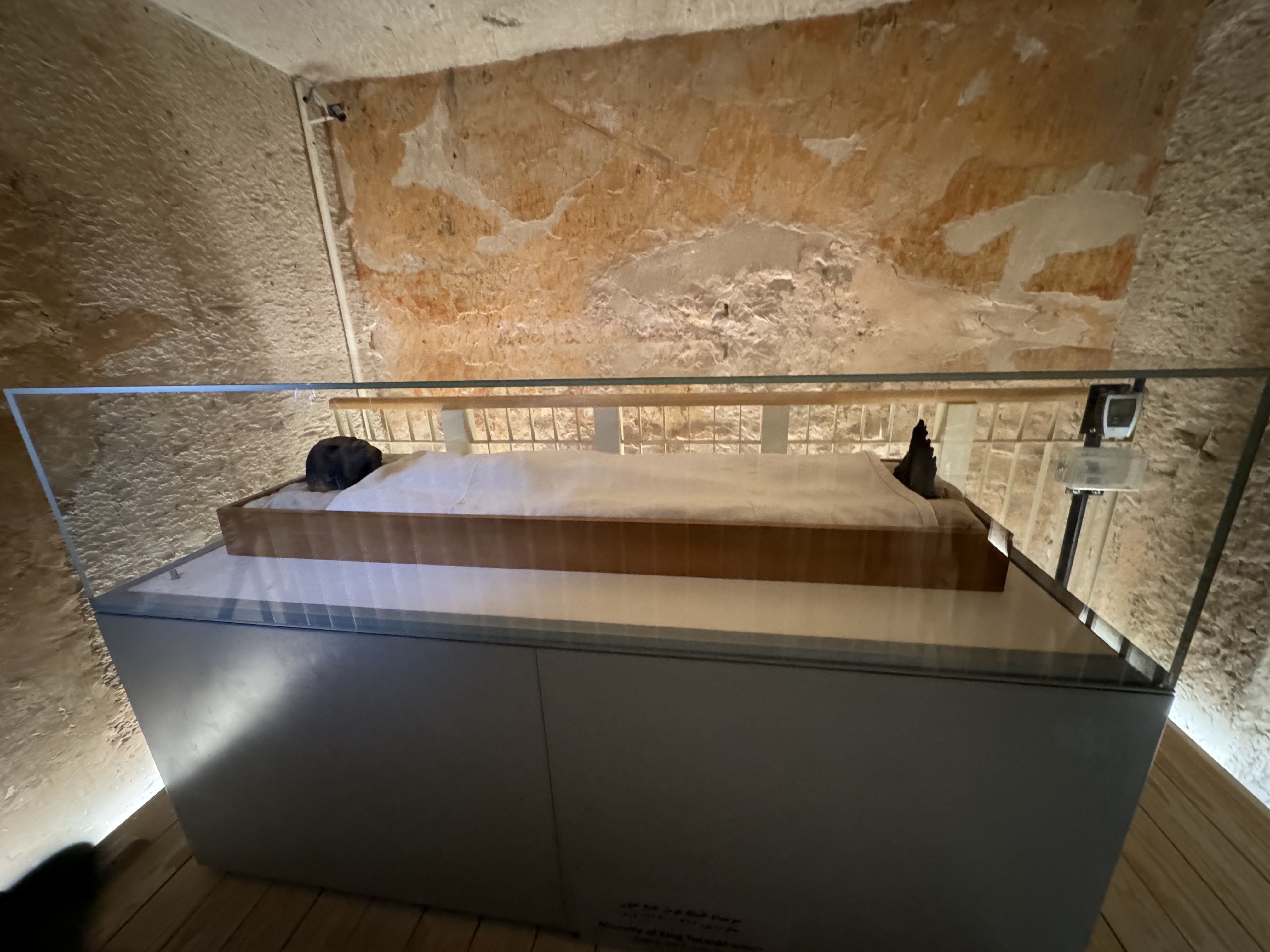
After seeing the Valley of the Kings from the Air we went to explore it closer.. It is a series of tombs nestled between rugged rocky terrain. This setting contrasts with the lush greenery of the Nile’s Eastern bank. We entered King Tut’s tomb, which contained treasures a pharaoh would need in the afterlife. These included clothing, food, chariots, games, and ceremonial items. These precious artifacts have since been relocated and are now seen in the museum. However, the tomb is still resting midst richly adorned walls.

KING TUT

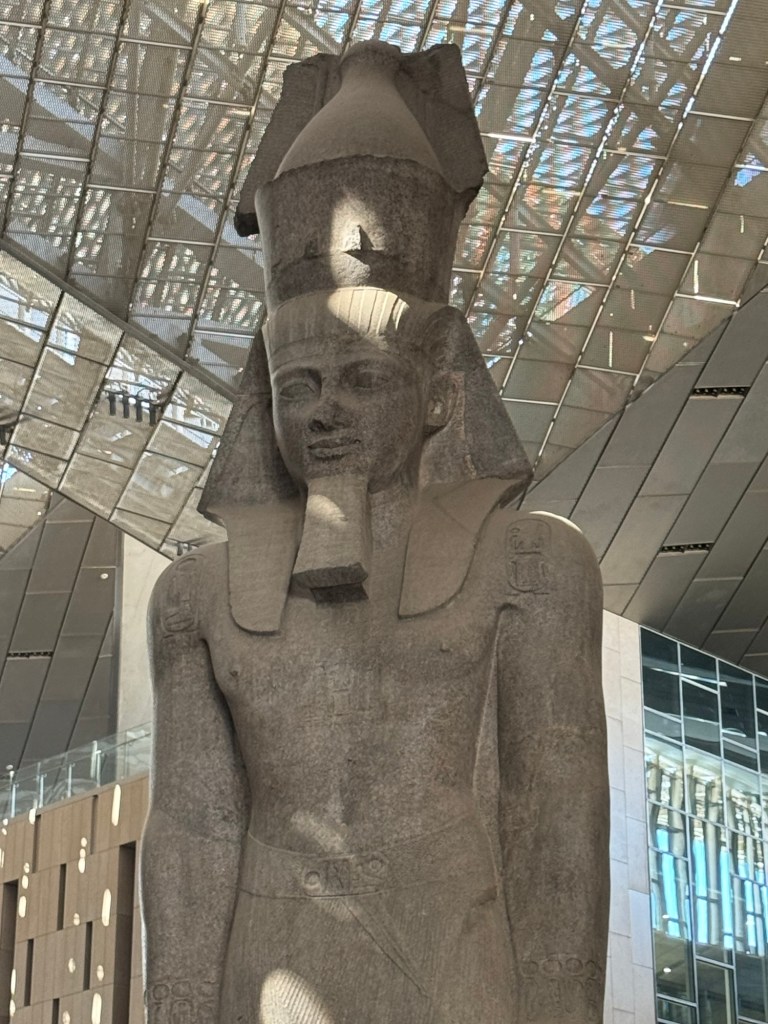
The GEM (Grand Egyptian Museum)

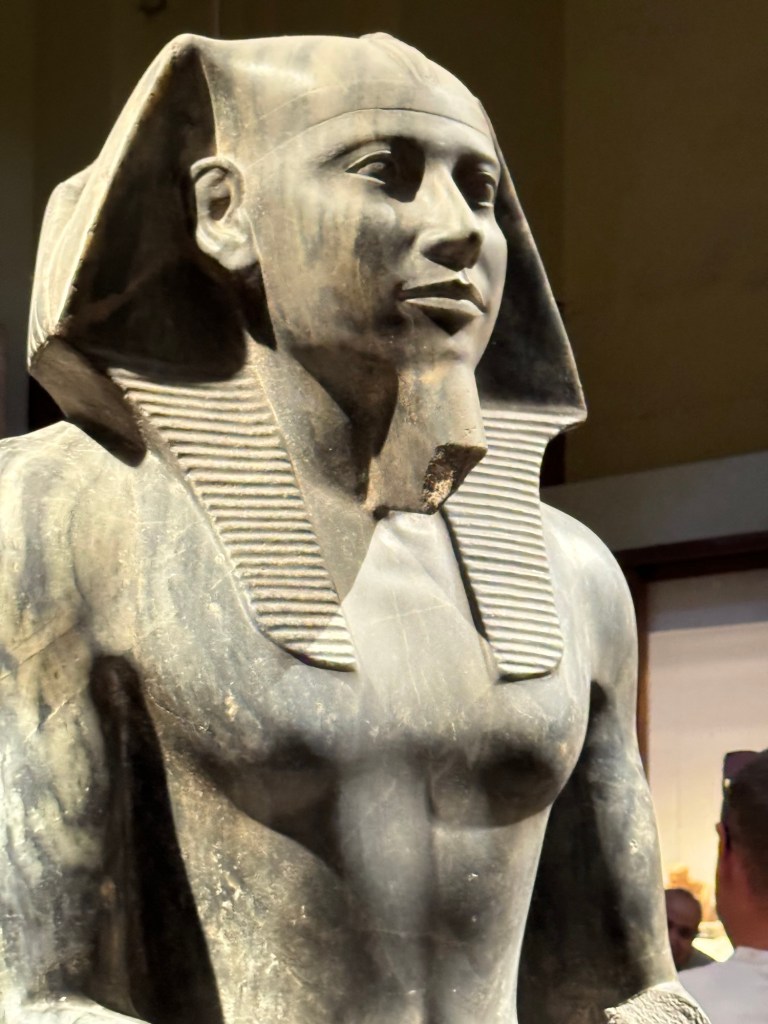
We were lucky to get to be some of the very first tourist to see the GEM the Grand Egyptian Museum, replacing the Egyptian Antiquities Museum . Some of the artifacts had not been moved yet so we visited both museums.

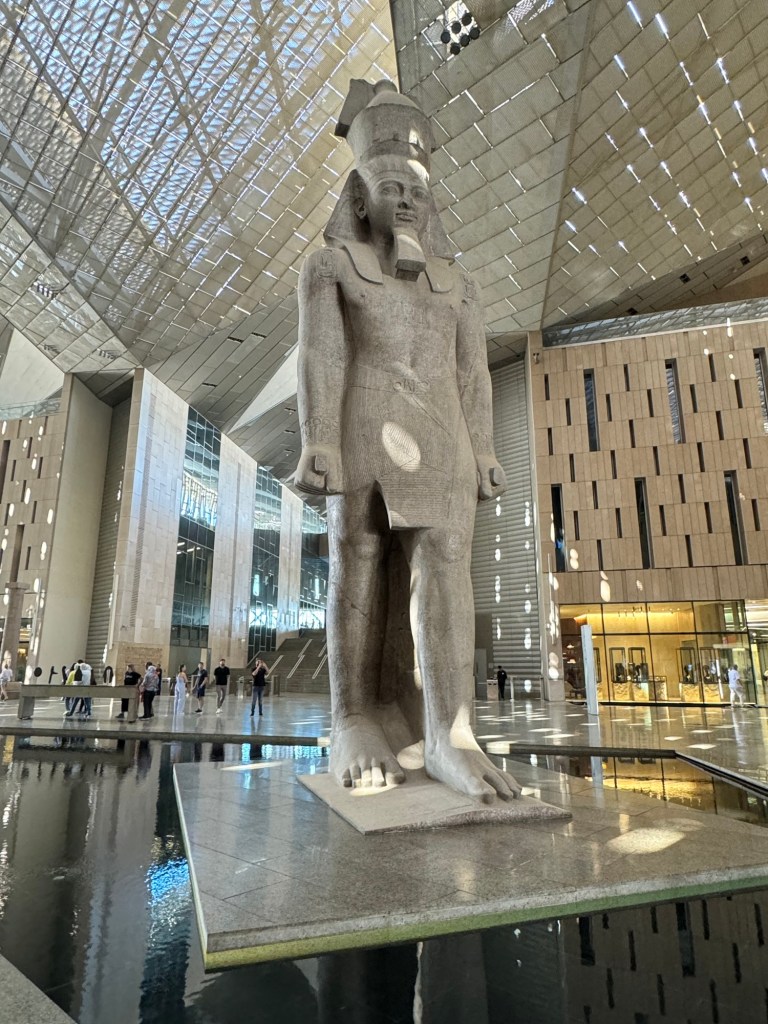
King Ramses II

Commonly known as Rameses the Great, was an Egyptian pharaoh. He is often regarded as the greatest, most celebrated and most powerful pharaoh of the 19th Dynasty.

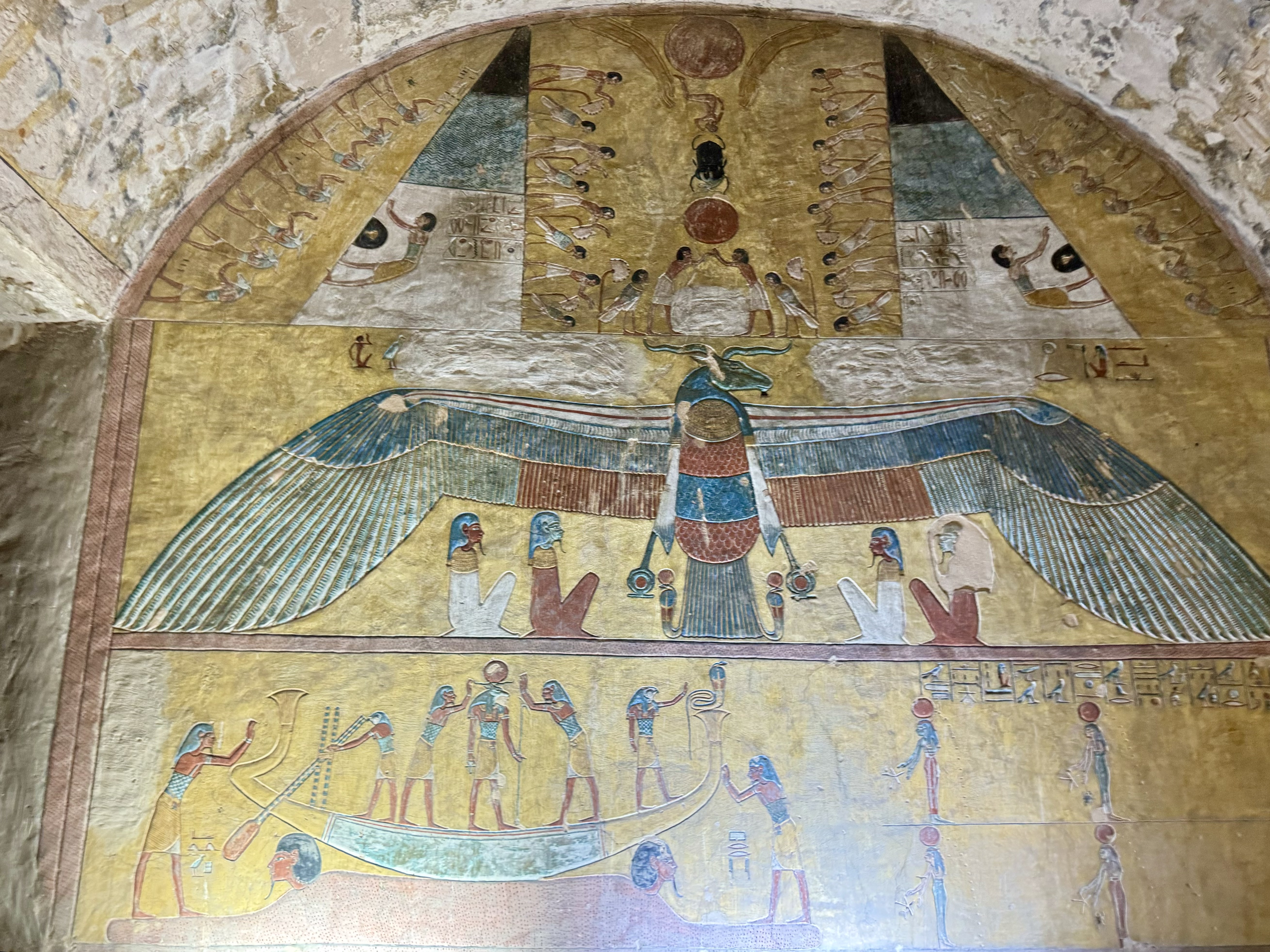
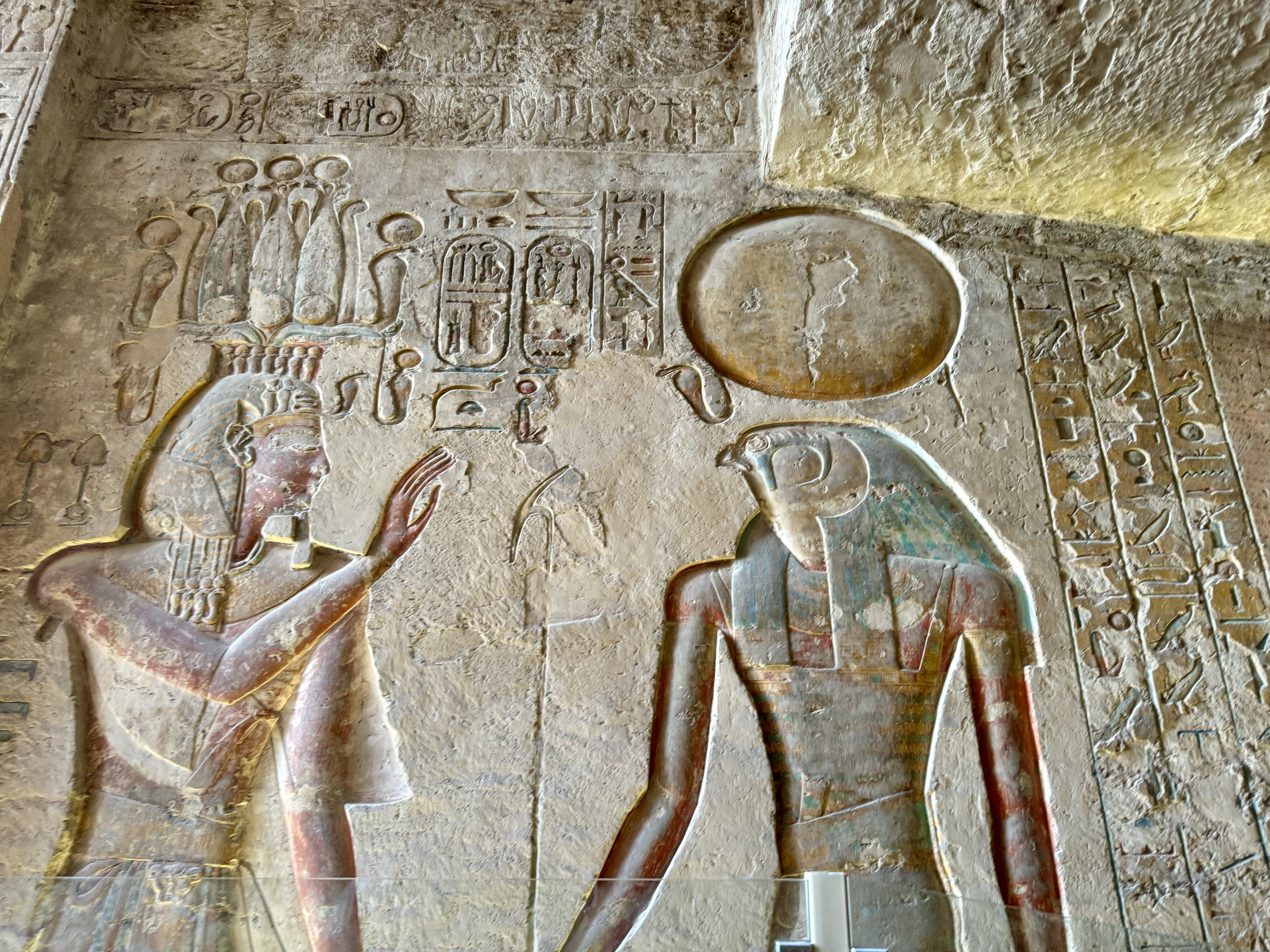
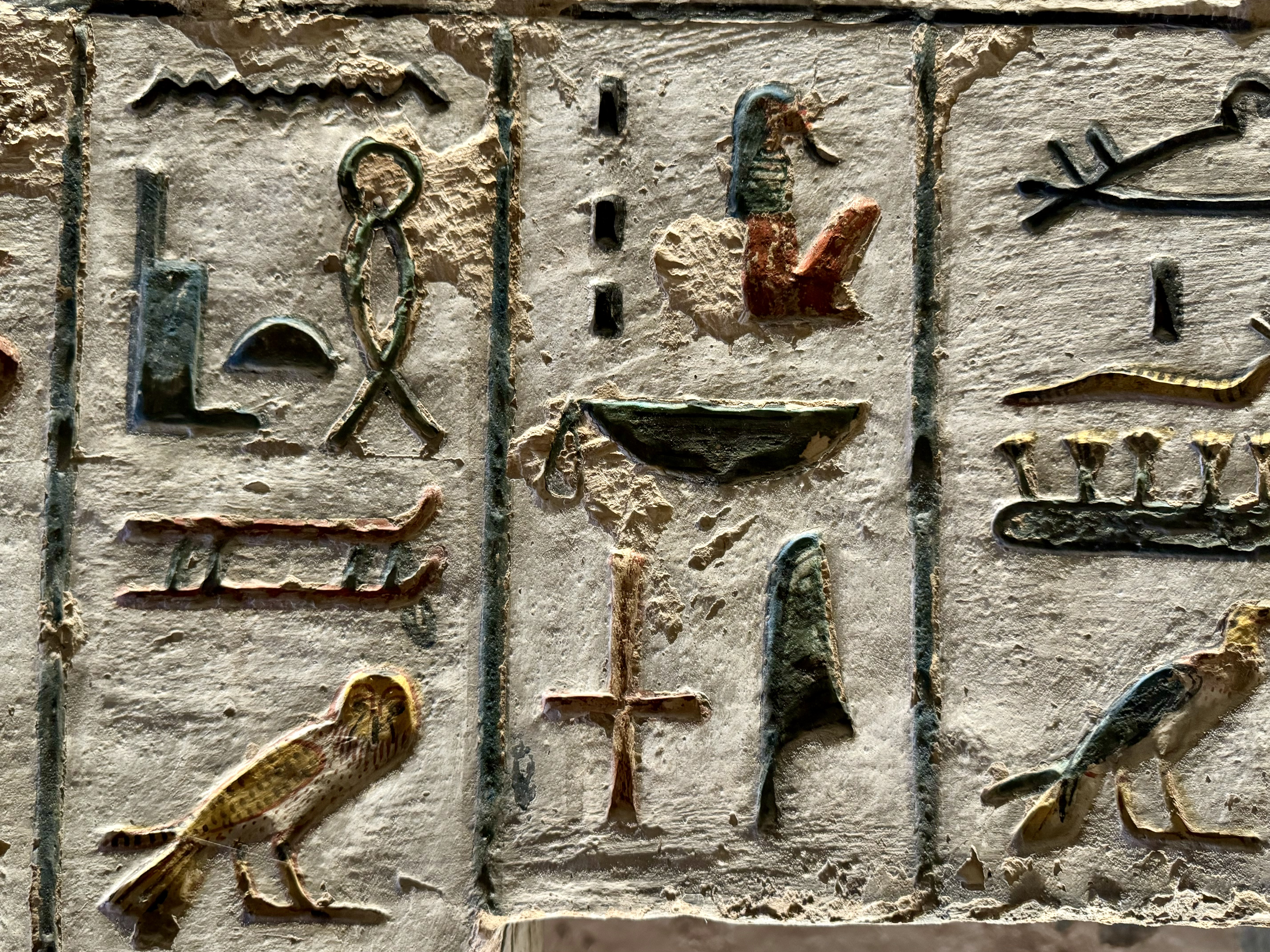
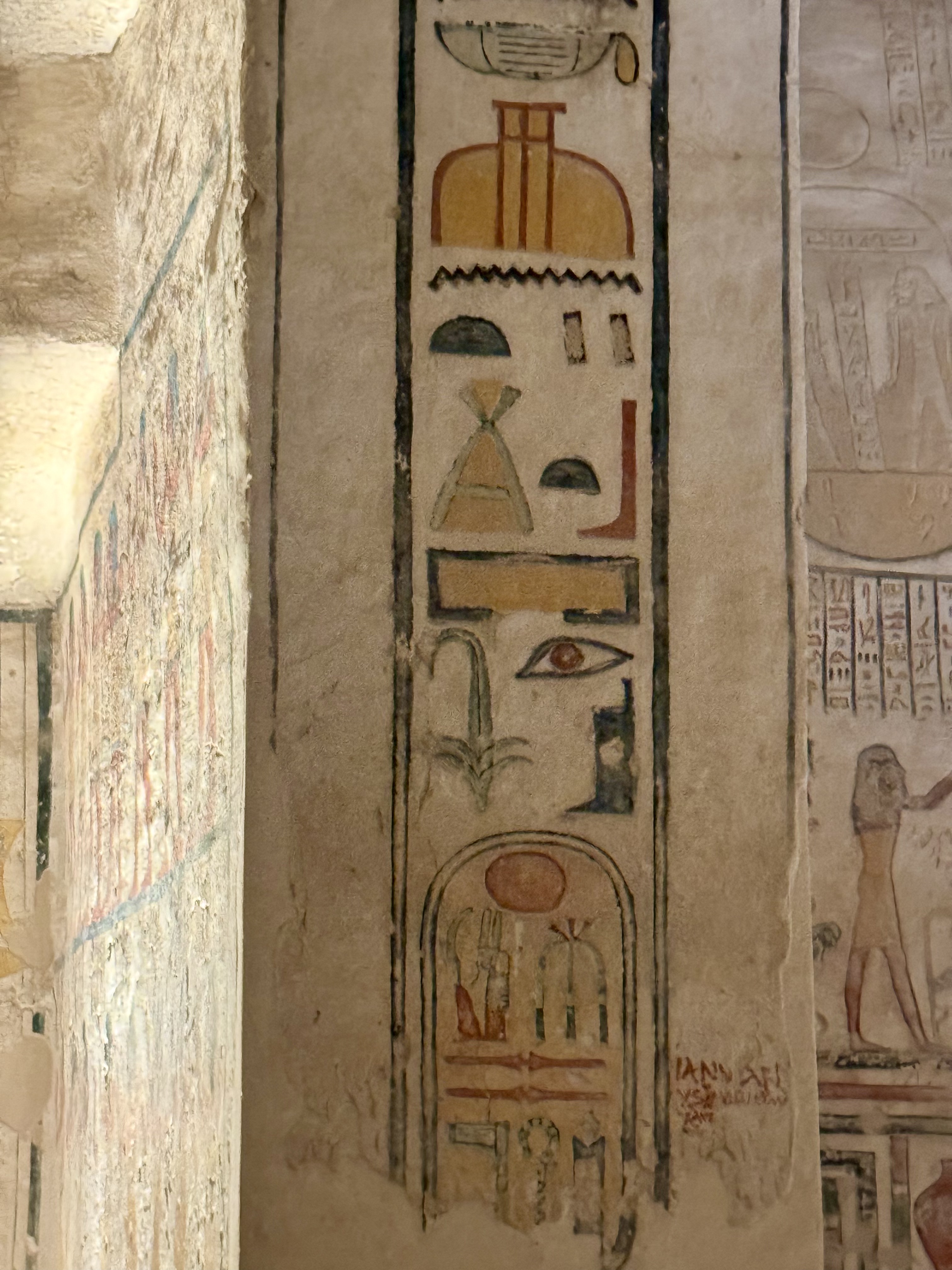
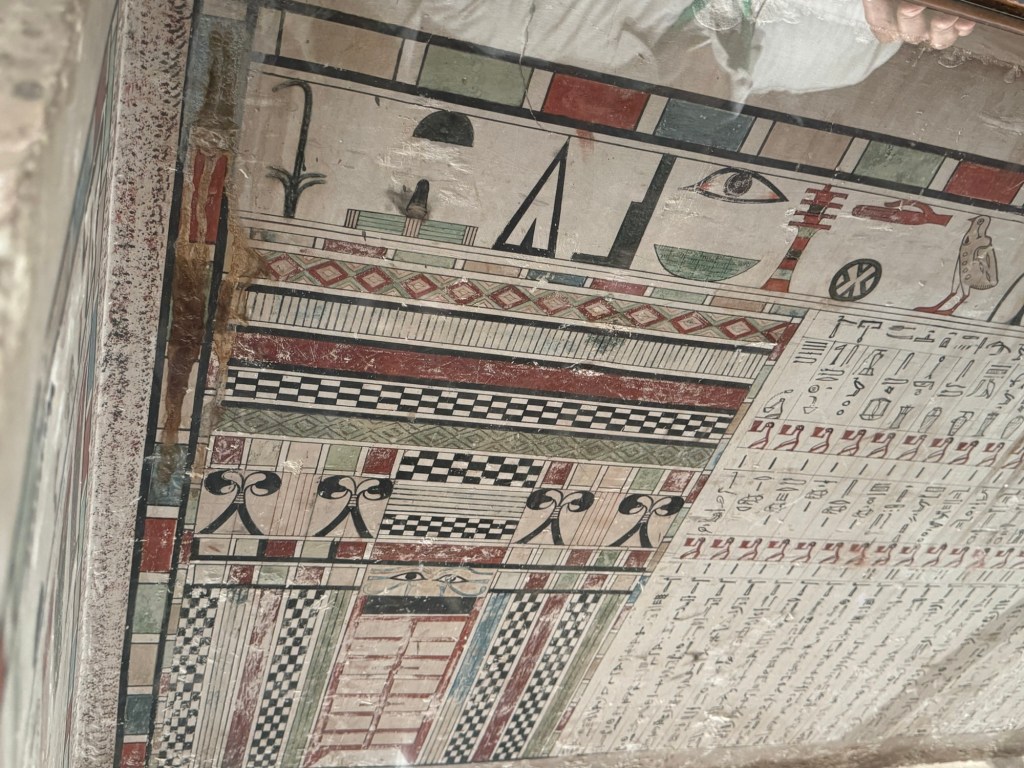
Hieroglyphics in tombs, were used to write prayers and other inscriptions for the deceased the inscriptions were intended to help the deceased travel to the afterlife
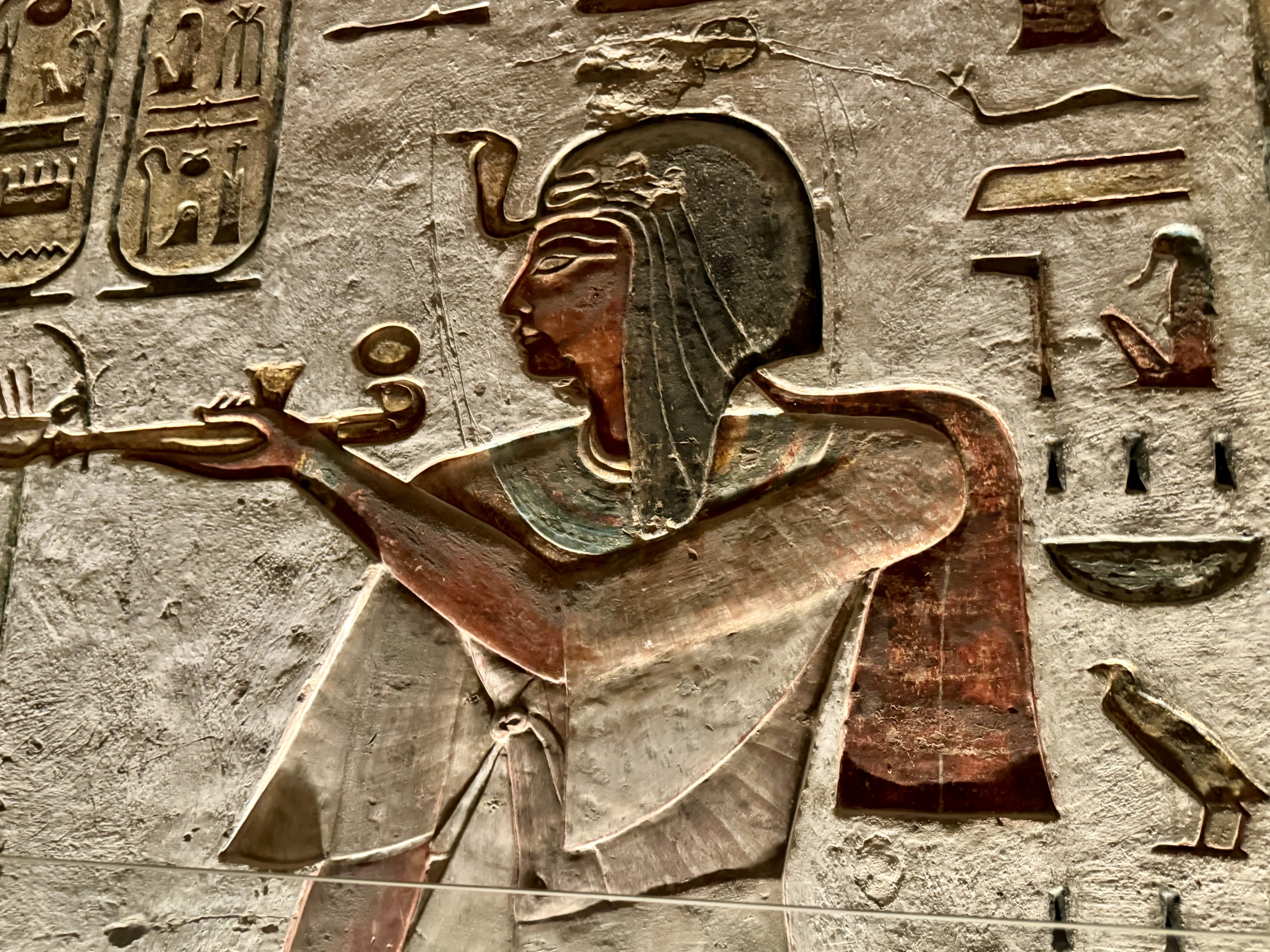
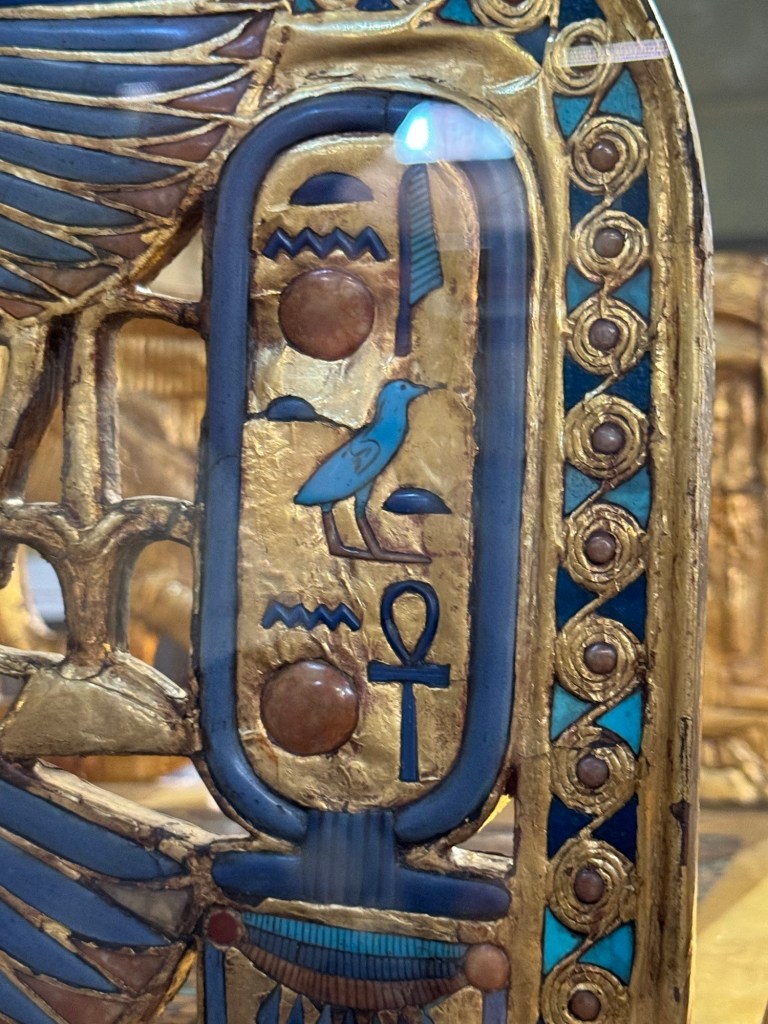
Cartouche
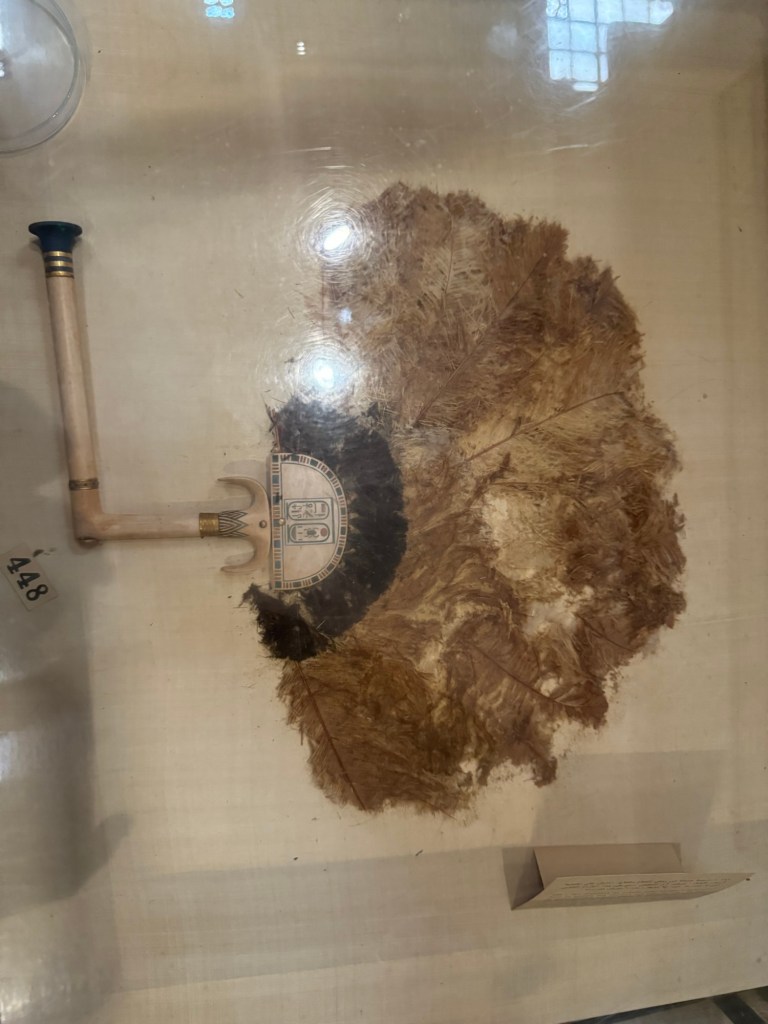
Fan made from ostrich feathers, and a handle made from ivory from the tomb of Tutankhamun. 1332-1323 BC
Paddle Doll 2030-1802 BC
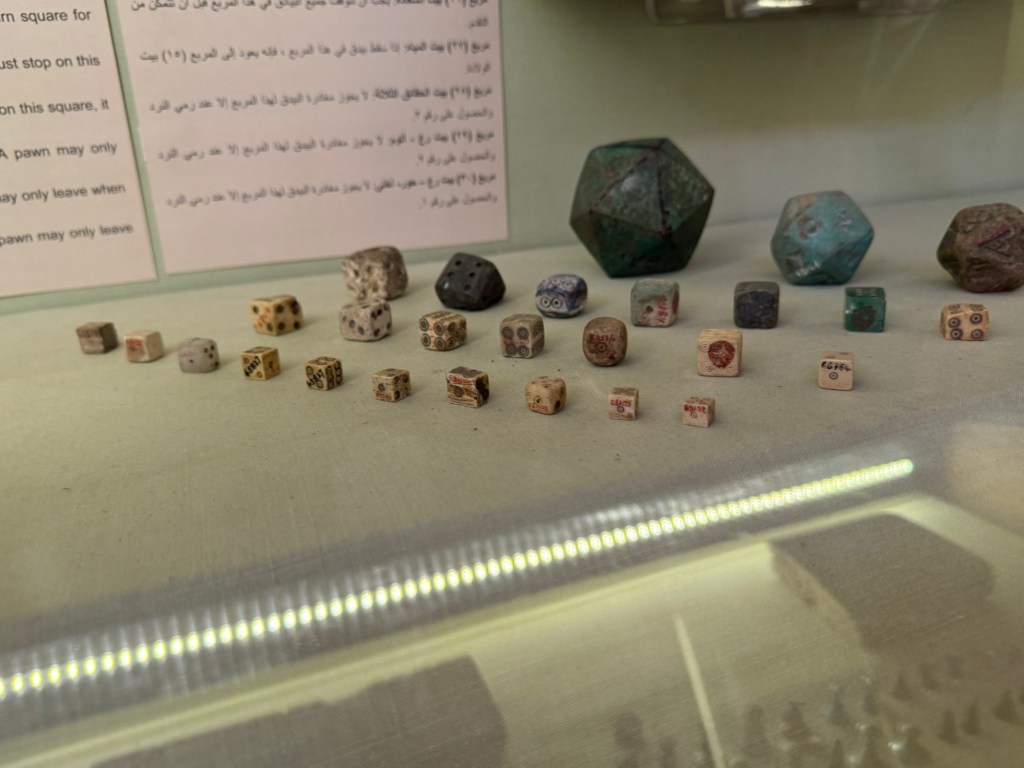
Dice and games