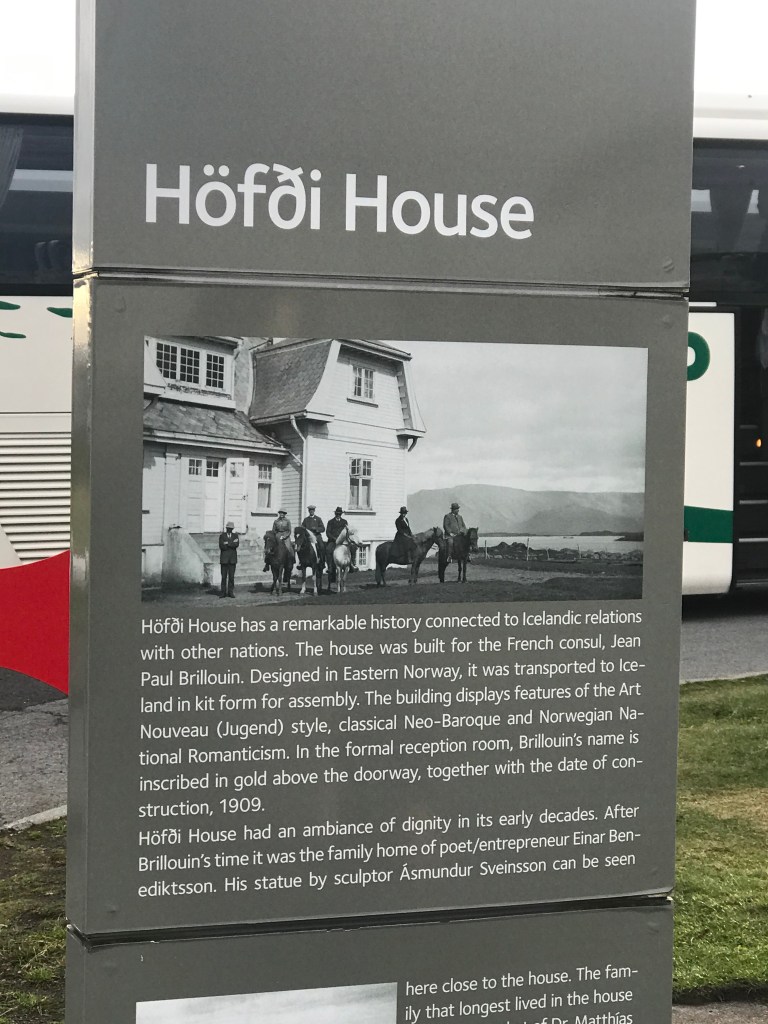
Höfði is a house in Reykjavík, Iceland, best known as the location for the 1986 Reykjavík Summit meeting of presidents Ronald Reagan of the United States and Mikhail Gorbachev of the Union of Soviet Socialist Republics. That effectively was a step to the end of the Cold War.
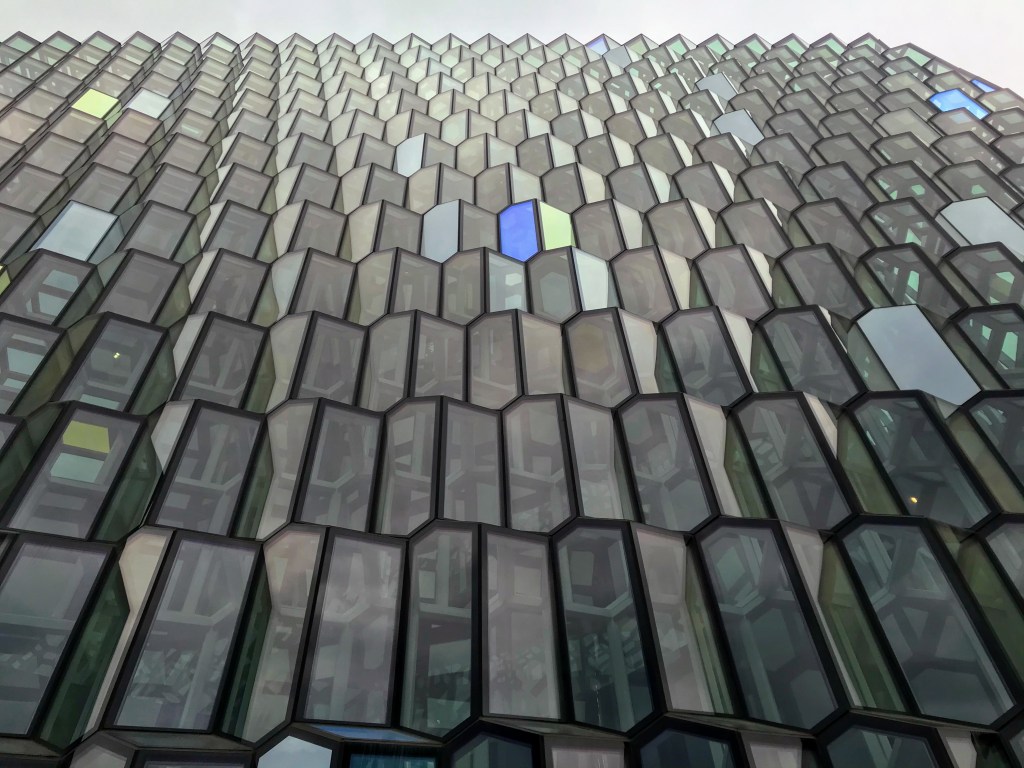
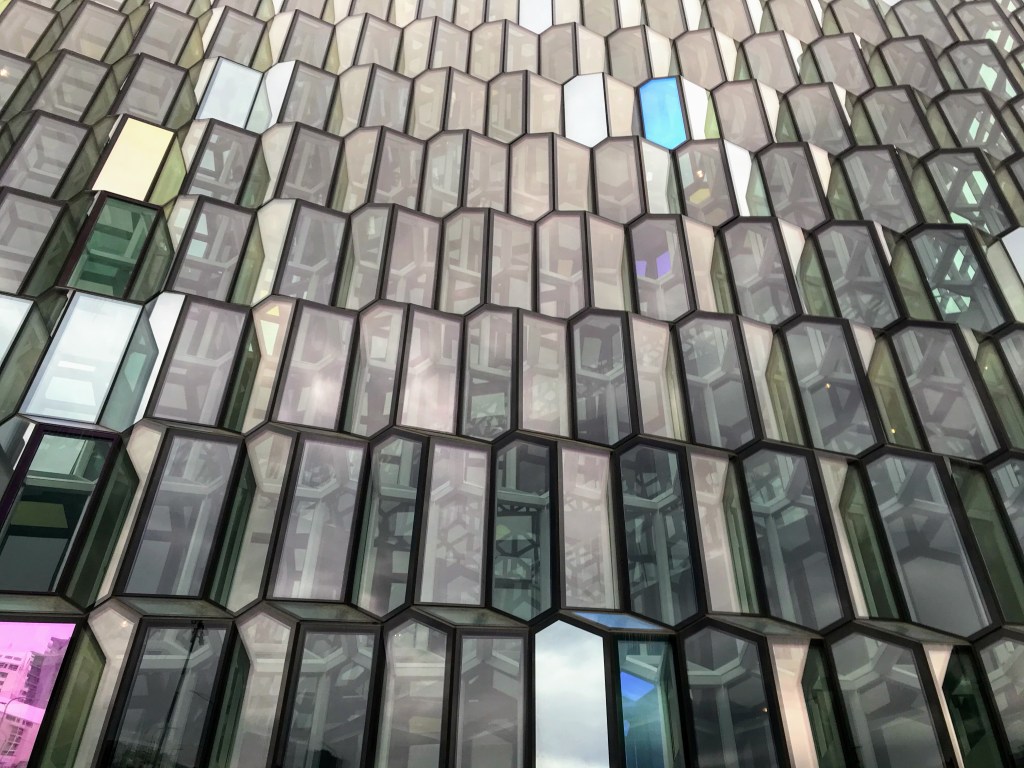
Harpa is one of Reykjavik‘s greatest and most distinguished landmarks. It is a cultural and social centre in the heart of the city and features stunning views of the surrounding mountains and the North Atlantic Ocean. The structure is made up of thousands of mirrored panels and is constantly changing the image of the Centre as the sun and moon rotate.
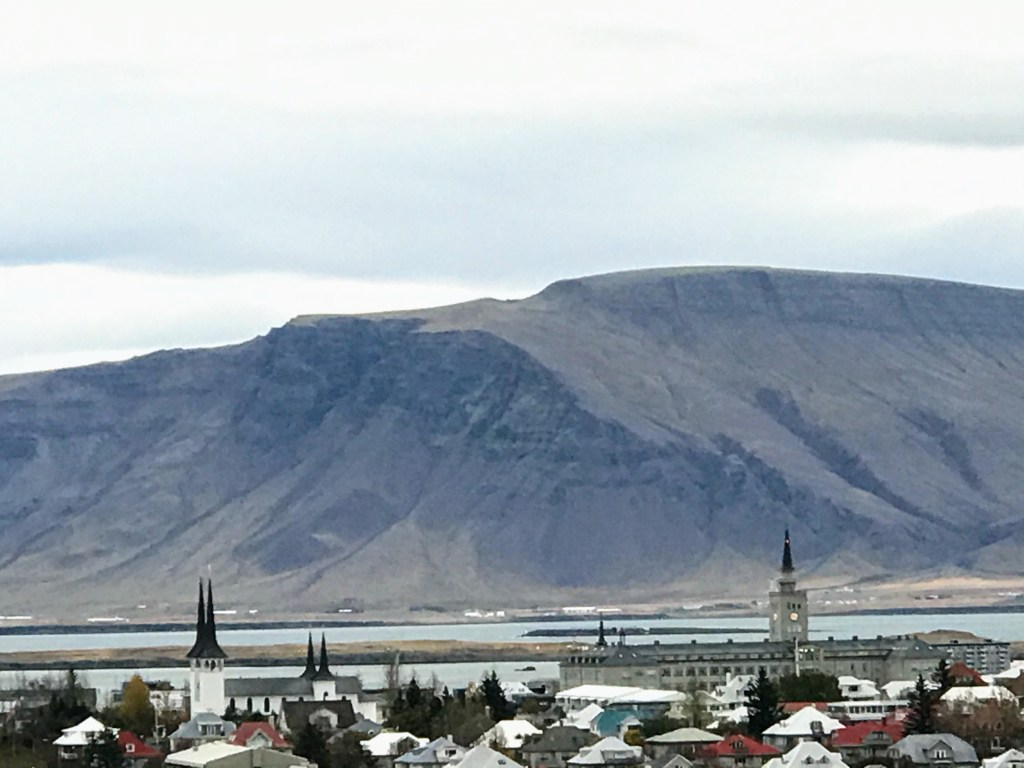
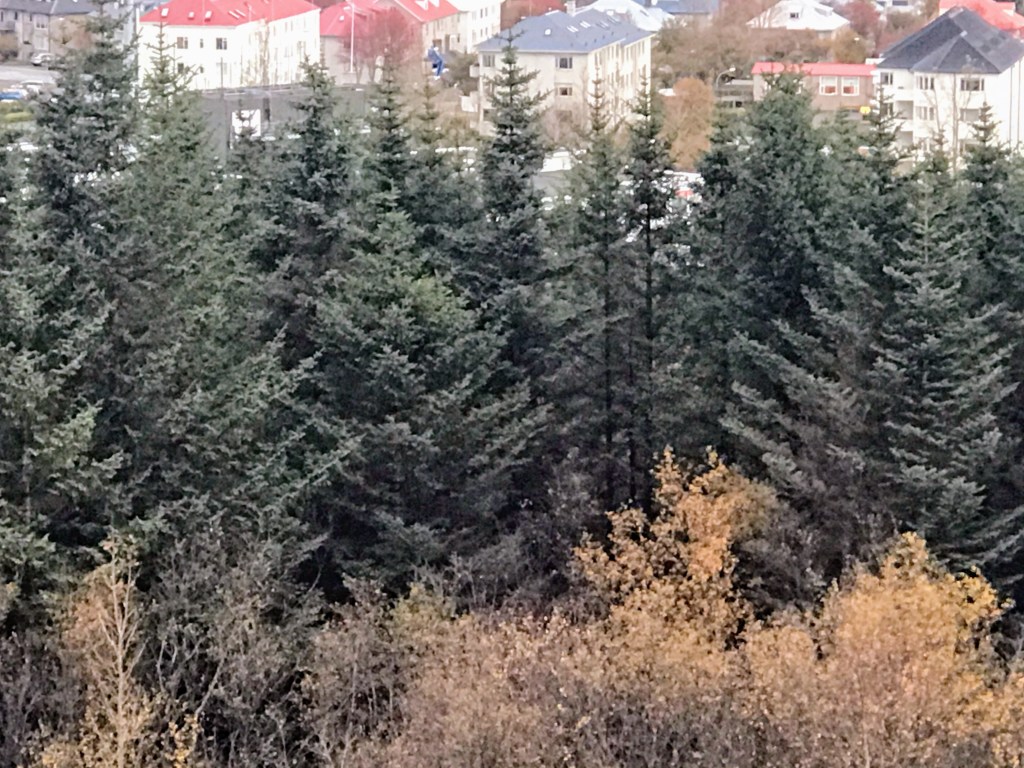
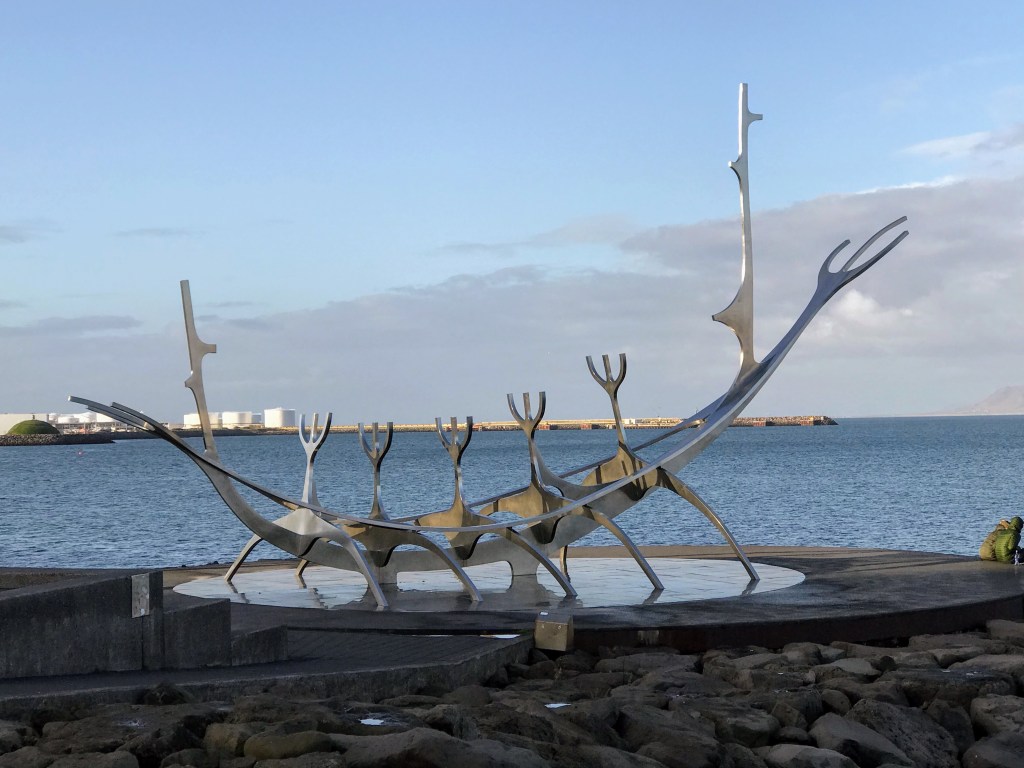
Just a few shots around Reykjavik! Such a beautiful peaceful city!
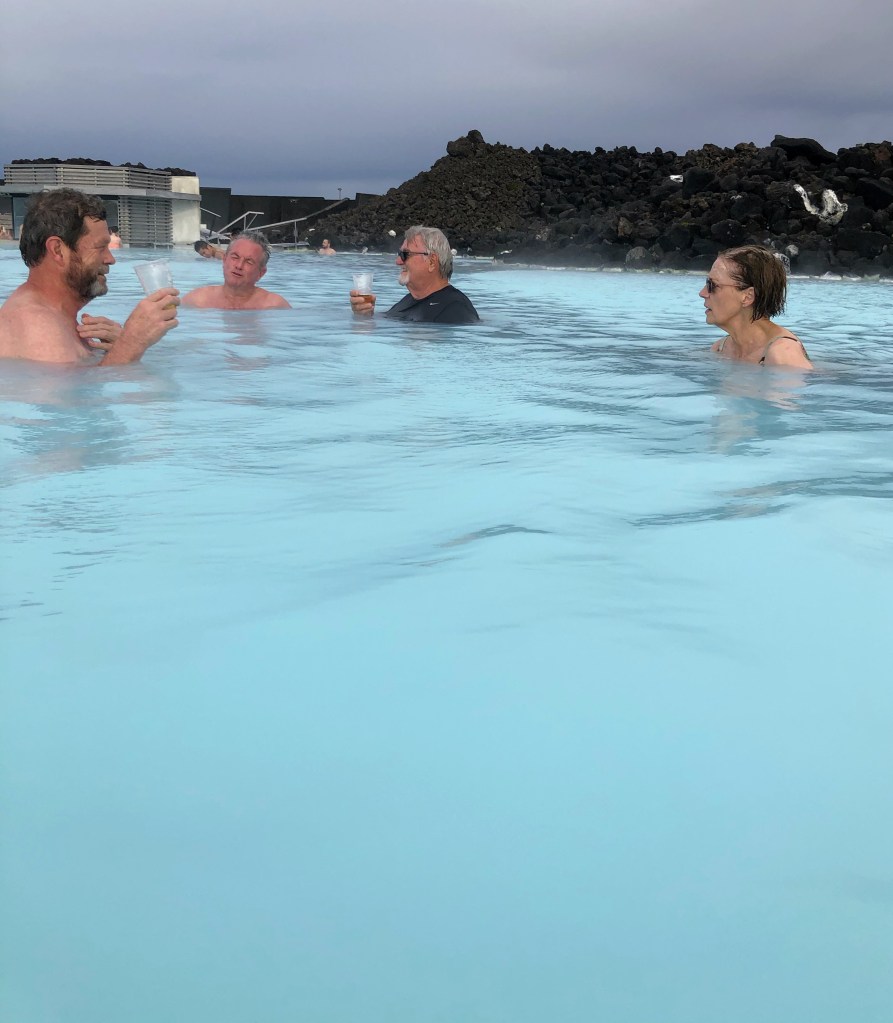
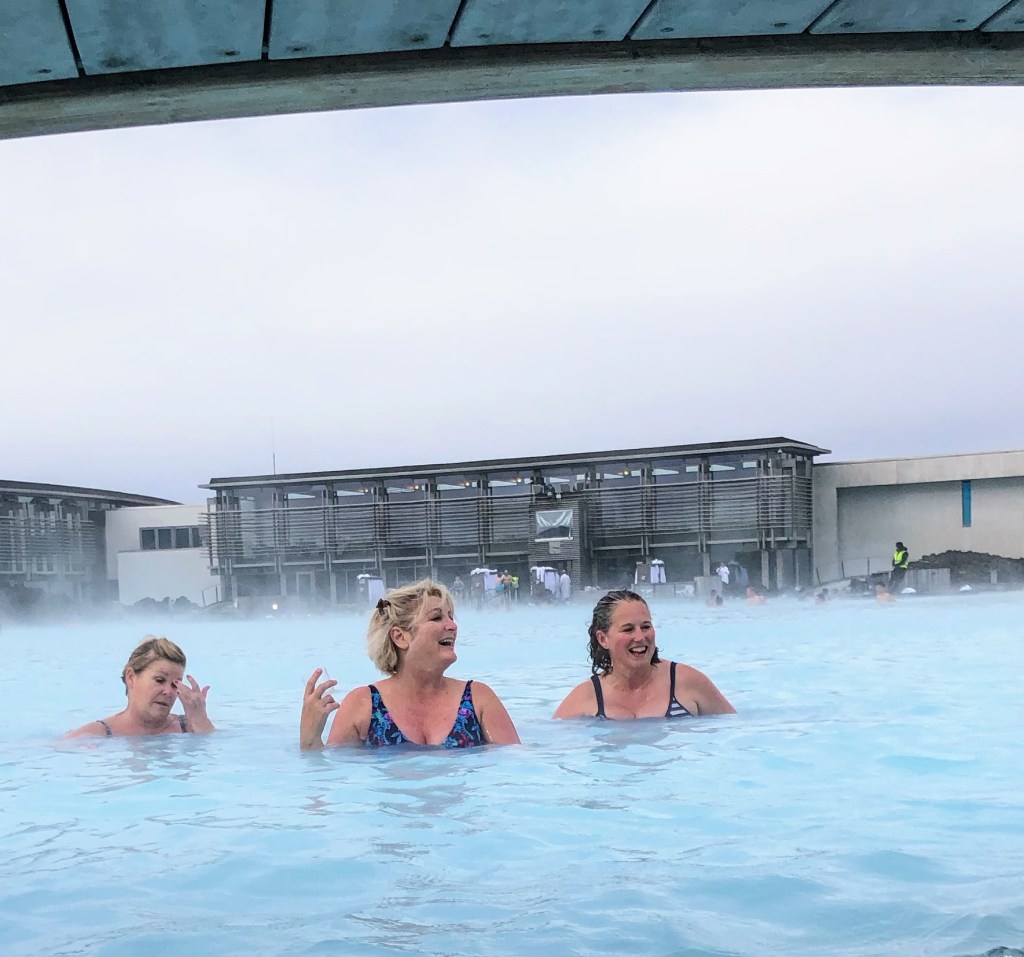
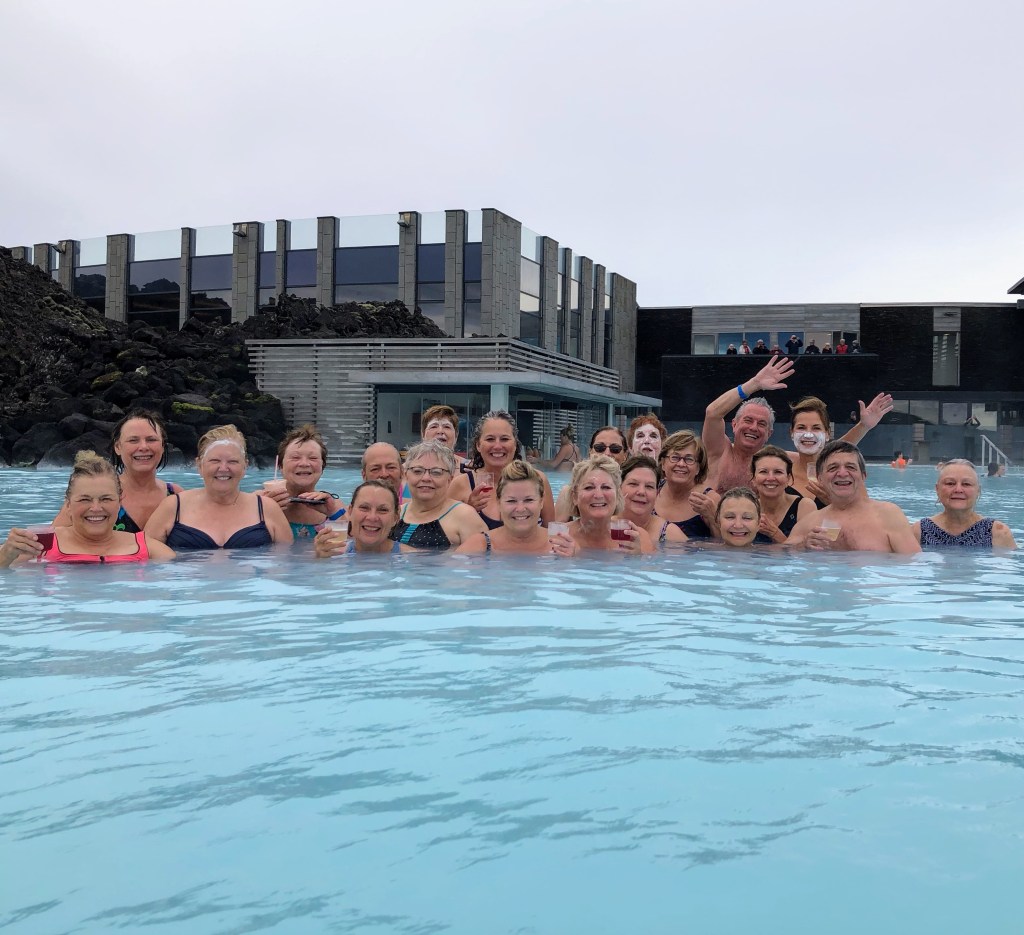
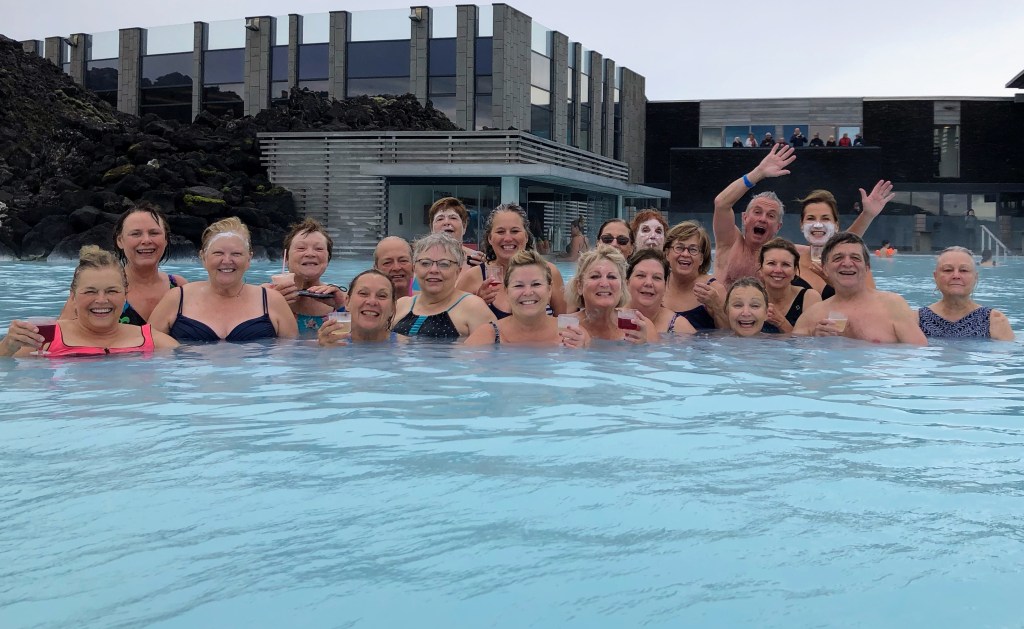
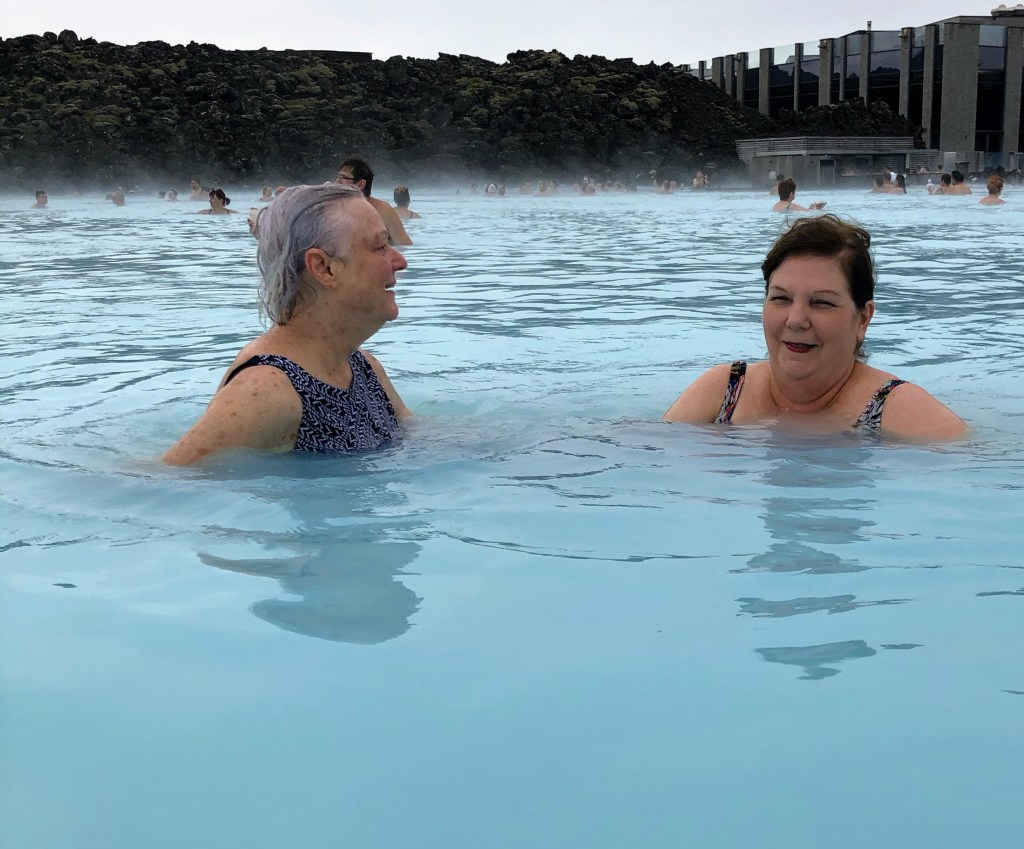
The Blue Lagoon’s geothermal seawater is 70% ocean water and 30% freshwater, enriched with silica, algae, and minerals.
Not only is it a delight simply to soak in, it heals, rejuvenates, and nourishes.
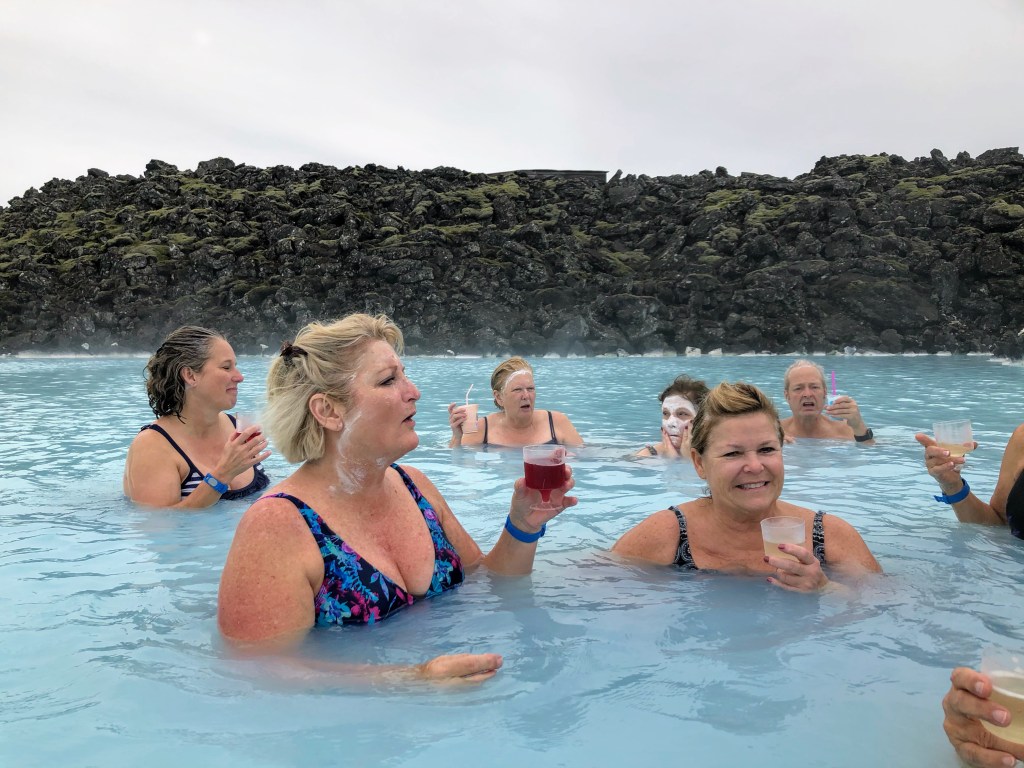
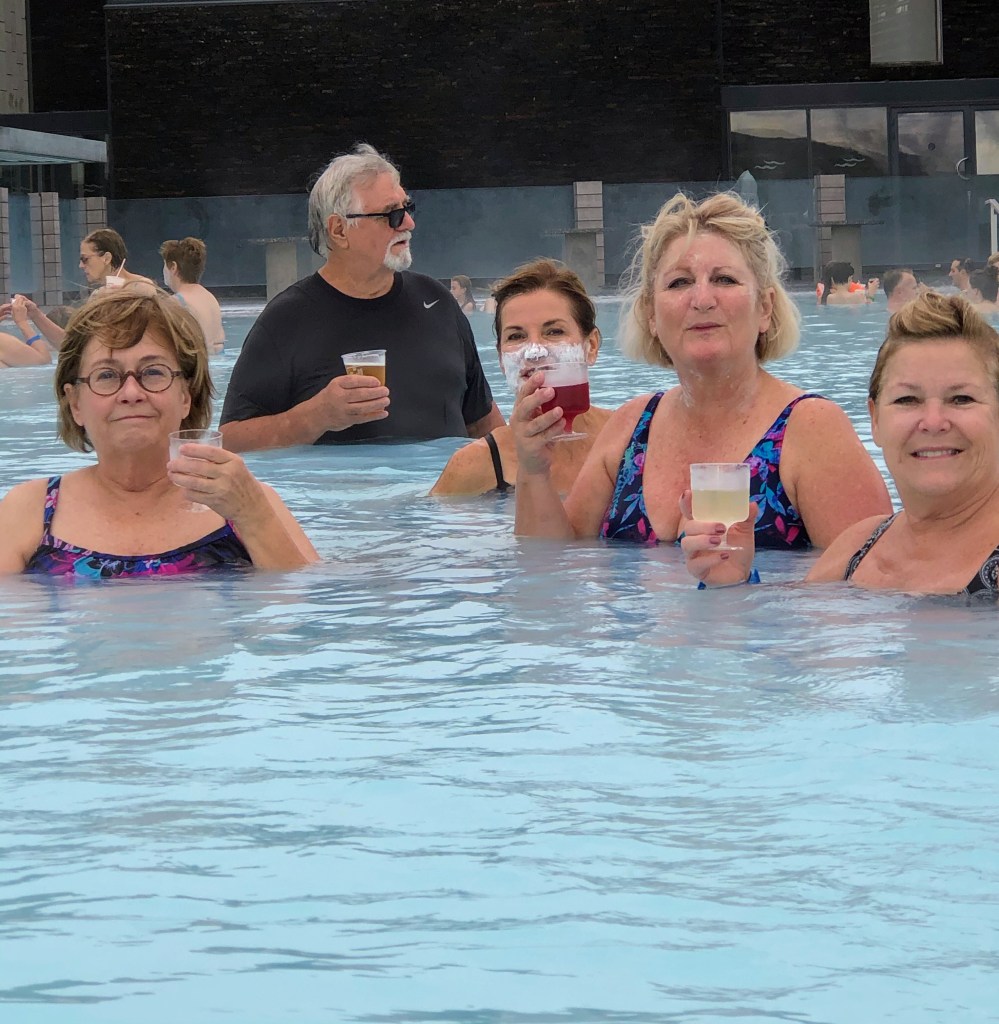
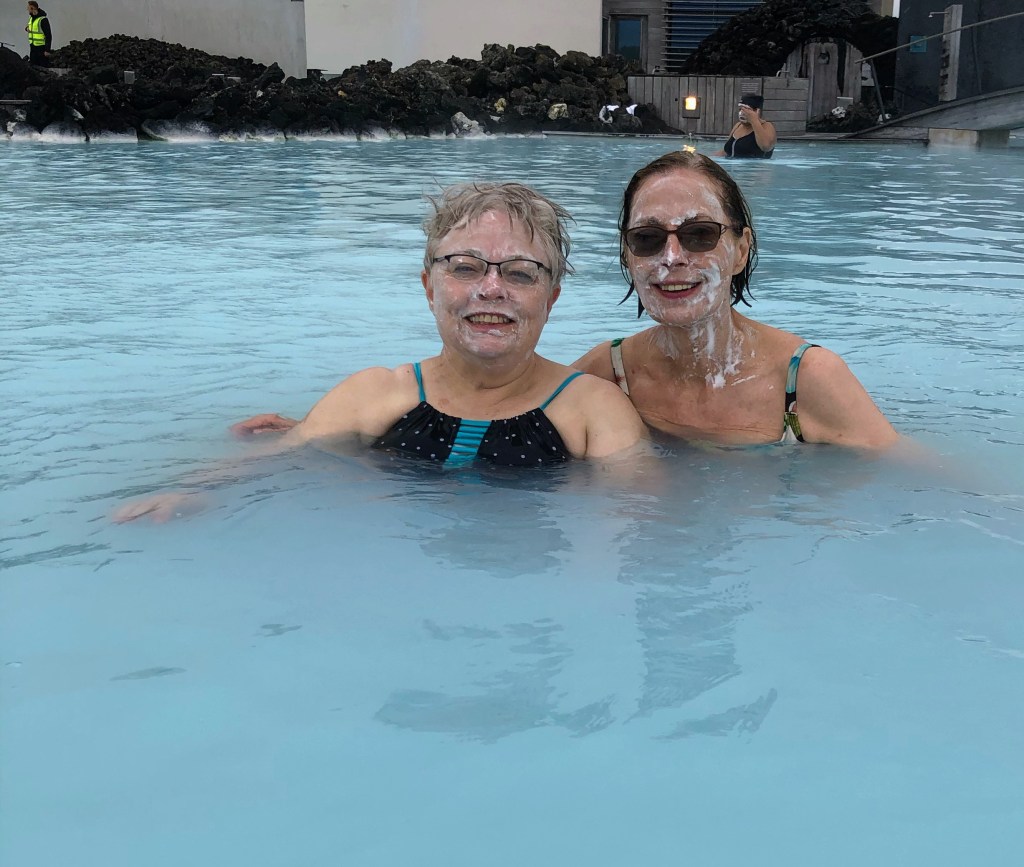
In some of the photos you may notice that we have something on our faces, this is a silica mask! Silica brings deep-cleansing radiance and strengthens the skin’s barrier function. Blue Lagoon algae catalyzes collagen production and diminishes collagen degradation. And Blue Lagoon minerals are renowned for their hydrating and revitalizing abilities. So in the after pictures we are so much prettier and hydrated and revitalized!!!
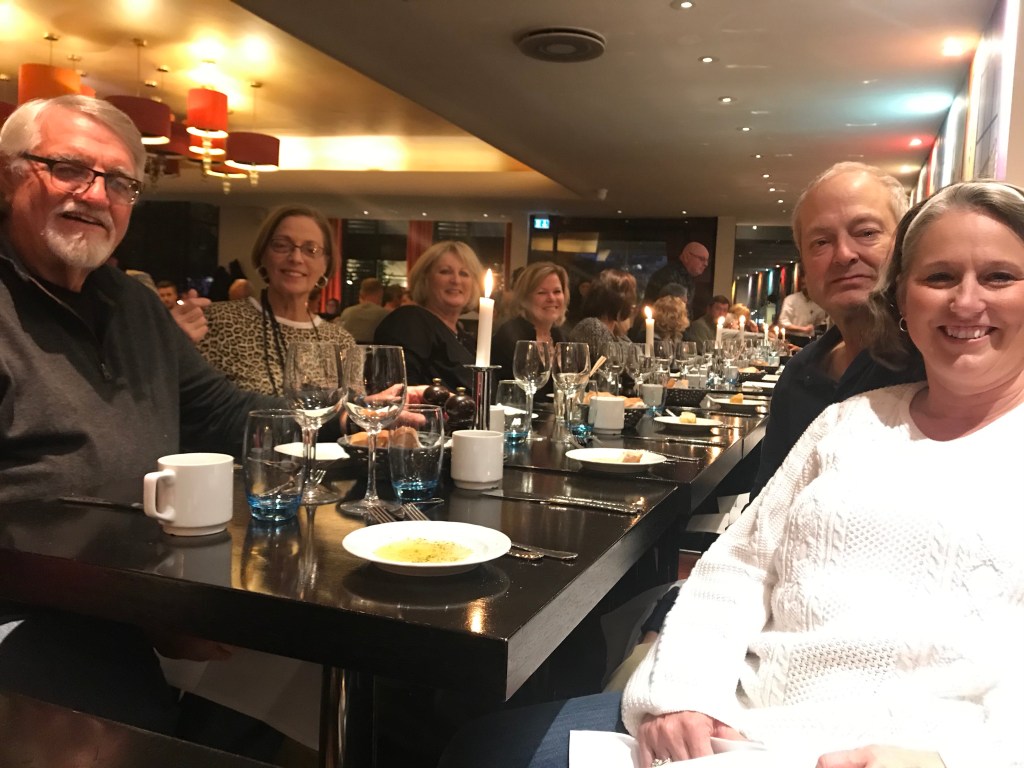
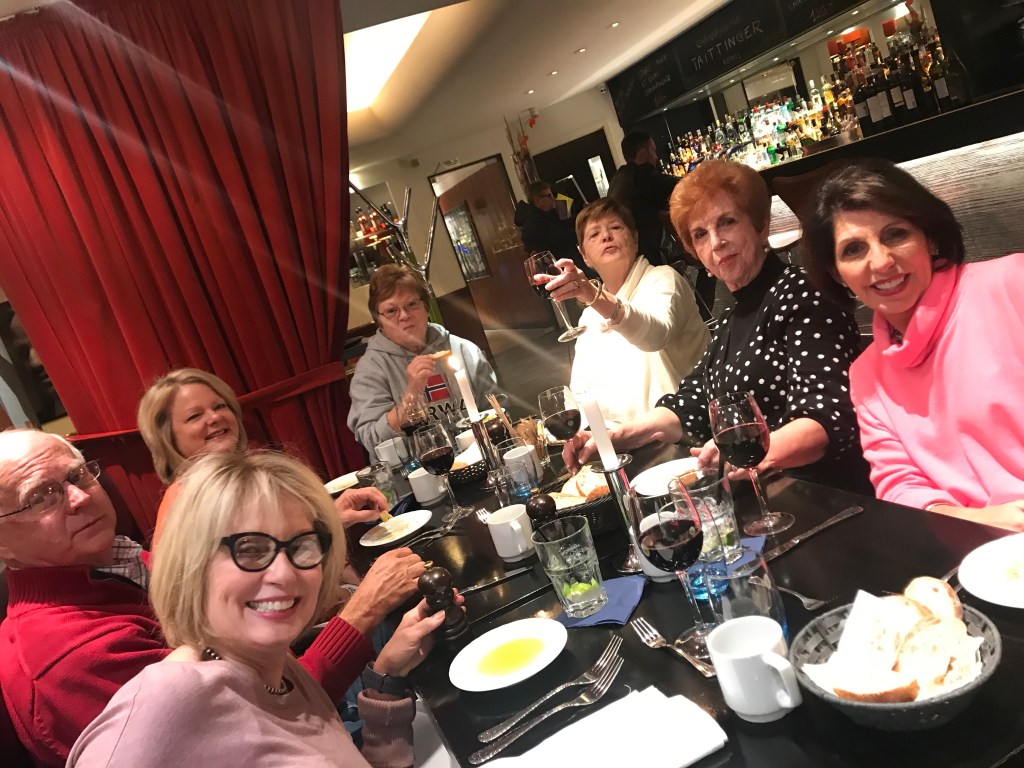
As customary with our travel group we have a last meal together. Some will return to the states tomorrow and the rest of us are traveling on to Iceland.
When you look closely, aquavit’s not so different from your favorite vodka or gin. Its mysterious aura is easily unveiled when you discover its distinct, yet familiar botanical and delve into its fascinating customs. Set out a plate of pickled fish and pour a glass of Scandinavia’s signature spirit.
1. CALLING ALL CARAWAY LOVERS.
If you believe nothing compares to a quality loaf of rye bread, chances are you’ll love aquavit. A neutral spirit distilled from grain or potato (much like vodka), aquavit is most commonly flavored with caraway as its dominant spice. Styles of aquavit vary and often include a range of other spices as well, such as dill, fennel, coriander, citrus and anise.
2. AQUAVIT IS THE NATIONAL SPIRIT OF SCANDINAVIA.
Heading to Sweden, Norway, Denmark or Finland? It won’t be long before you’re presented with a glass of aquavit. Caraway has long been a common flavor in the region and was originally considered a cure for indigestion. That signature spice gives aquavit an overarching savory character that pairs well with hard-to-pair foods, namely traditional Nordic fare like pickled herring, smoked fish and pungent cheeses.
3. IN ITS EARLIEST DAYS, AQUAVIT WAS BELIEVED TO HAVE HEALING POWERS.
Aquavit is derived from the Latin aqua vitae, meaning “water of life.” In the 1300s, a Spanish alchemist believed he had discovered a healing liquid after distilling a batch. The spirit supposedly helped ward off disease and old age, and it appears that it was commonly used as medicine during the Black Death period. By the 15th century, aquavit was (ironically) considered a cure for alcoholism, and today, it’s still believed to help digest rich food.
4. LEARN HOW TO TOAST LIKE A VIKING WITH AQUAVIT.
The Old Norse toast associated with aquavit originated with the Vikings. Skaal (or skoal) is now the standard toast that’s shouted when drinking aquavit, a cheers that references a small drinking cup or bowl that the Vikings used. When lifting your glass to give a skaal, it’s traditional to maintain eye contact. This custom stems from the Viking sensibility of keeping your eye on others (and potential threats) at all times, even during a celebration.
5. AQUAVIT’S A BIT OF A PARTY ANIMAL.
Though aquavit is enjoyed year-round in Scandinavia, it’s especially prevalent during special occasions and holidays. For Norwegians, May 17 is Constitution Day, a holiday that’s celebrated with parades, parties and all the aquavit you can drink. In Sweden and Denmark, it’s drunk socially during midsummer dinners to the tune of raucous drinking songs. There are currently 200 drinking songs dedicated to aquavit (or schnapps/snaps as it’s also called) recorded at the Historical Museum of Wine & Spirits in Stockholm, and an annual competition challenges locals to continue writing new ones.
6. AQUAVIT VARIES DEPENDING ON THE REGION.
The specific herbs and spices used to flavor aquavit are determined by local preference and cuisine. Swedish and Danish aquavit is usually distilled from grain, while Norwegian aquavit is traditionally made from potatoes. Danish aquavit leans heavier on dill, coriander and caraway and is enjoyed as a quick chilled shot at midday lunch. Swedish aquavit features more anise and fennel flavors, but is also downed in one go, often followed by a beer and meal of pickled herring. It’s quite different in Norway, where aquavit is meant to be sipped slowly to experience its barrel-aged quality and diverse aromatics like cumin and citrus peel.
Image: wowshack.com
7. NORWEGIAN AQUAVIT IS ESPECIALLY WELL-TRAVELED.
Denmark and Sweden consider aquavit a clear spirit, but in Norway, there’s a strong tradition of cask-aging. Norwegian aquavit matures in sherry oak casks that give the spirit a golden color and full-bodied character with hints of vanilla. Linie Aquavit is one of Norway’s most famous because of its unique aging process that was accidentally discovered in the early 19th century. Linie means “line,” as its oak barrels are loaded onto ships that cross the equator twice, supposedly enhancing the spirit’s flavor and smoothness due to the barrels’ constant rolling on the ocean and temperature fluctuations.
8. EVERYONE’S GOT A SIGNATURE AQUAVIT DRINKING STYLE. WHAT’S YOURS?
Scandinavians take their aquavit straight up. Sure, it could be a shot thrown back straight from the freezer or a glass sipped leisurely alongside a meal, but it’s rarely mixed. One exception happens in Copenhagen during winter, when aquavit is served with coffee as kaffepunch. The drink is prepared by putting a coin in the bottom of a cup and pouring in enough coffee to cover the coin, then adding enough aquavit to make the coin visible again. In the US, bartenders are more likely to use aquavit in cocktails, often as a substitute for vodka or gin in classic drinks like the Bloody Mary, Negroni and French 75.
9. AQUAVIT IS STARTING TO MAKE A SPLASH IN THE STATES.
Want to get your hands on a bottle? In addition to imported offerings like Norway’s Linie Aquavit and Denmark’s Aalborg Aquavit, domestic distillers are also starting to experiment with aquavit. Krogstad Aquavit from Portland and North Shore Aquavit from Chicago are becoming well known with bartenders for their richly savory caraway notes. Seattle’s Sound Spirits is also turning out a traditional style aquavit, while Wisconsin’s Gamle Ode offers three different styles: Dill, Celebration (the most traditional version) and Holiday (infused with orange peel, mint and allspice).
10. FANCY A GLASS? YOU CAN MAKE YOUR OWN AQUAVIT AT HOME.
Make like a true Scandinavian and DIY your aquavit. It’s surprisingly easy. A useful starter recipe begins with vodka infused with caraway seeds, fresh dill, star anise, fennel seeds and lemon zest. Let it steep for a few days and you’ll be rewarded with aromatic at-home aquavit, ready to be mixed into Bloody Marys or more adventurous options like the Barents Sea Collinsor Spring 2014. Just make sure to try it straight-up first.
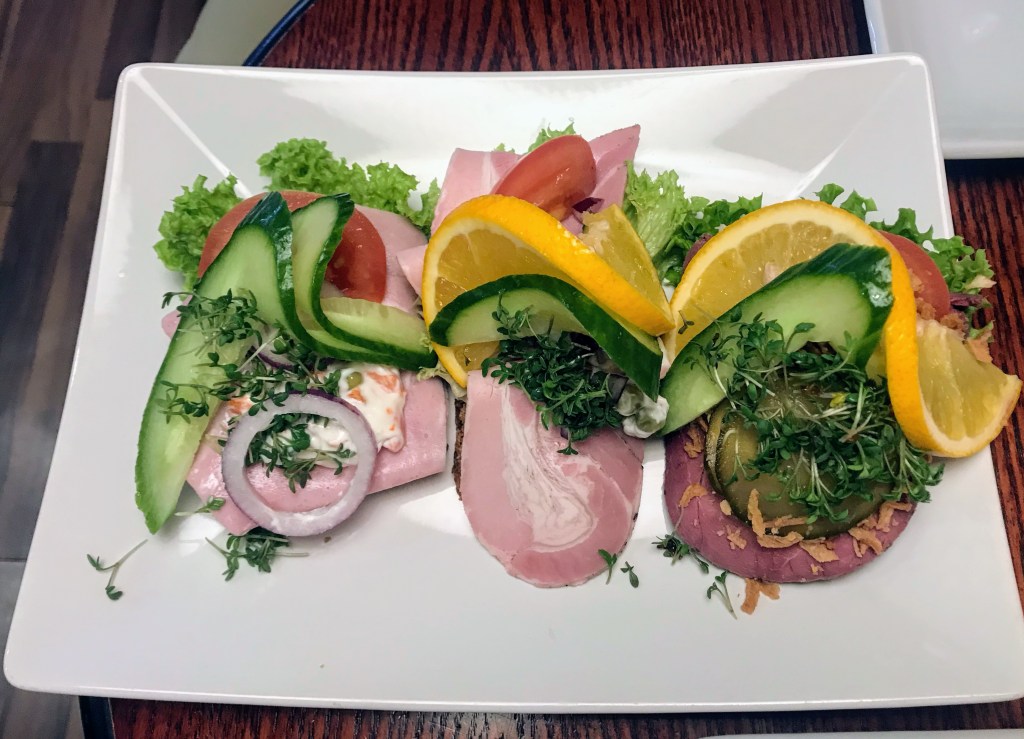
The Danish open faced sandwiches, smørrebrød, are perhaps the most famous of the Danish food classics.
This is three open face sandwiches that we tried for lunch. It is more like a salad on a piece of bread with a slice of meat thrown in. It is very tasty and filling and along with an ale is a perfect meal.
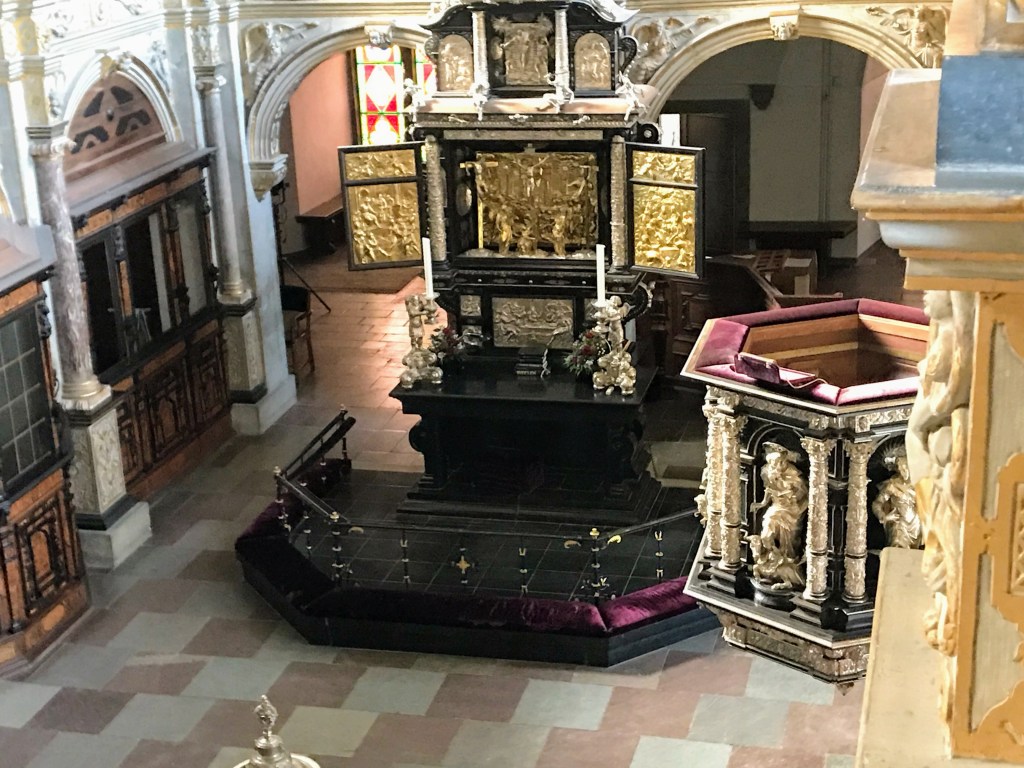
The Chapel’s most significant artifact is the organ, built by EsajasCompenius in 1610. It was installed by Compenius himself shortly before his death in Hillerød in 1617. The oldest organ in Denmark, it has 1,001 wooden pipes. Its original manually driven blower has been preserved. The instrument is richly decorated with ebony, ivory and silver.
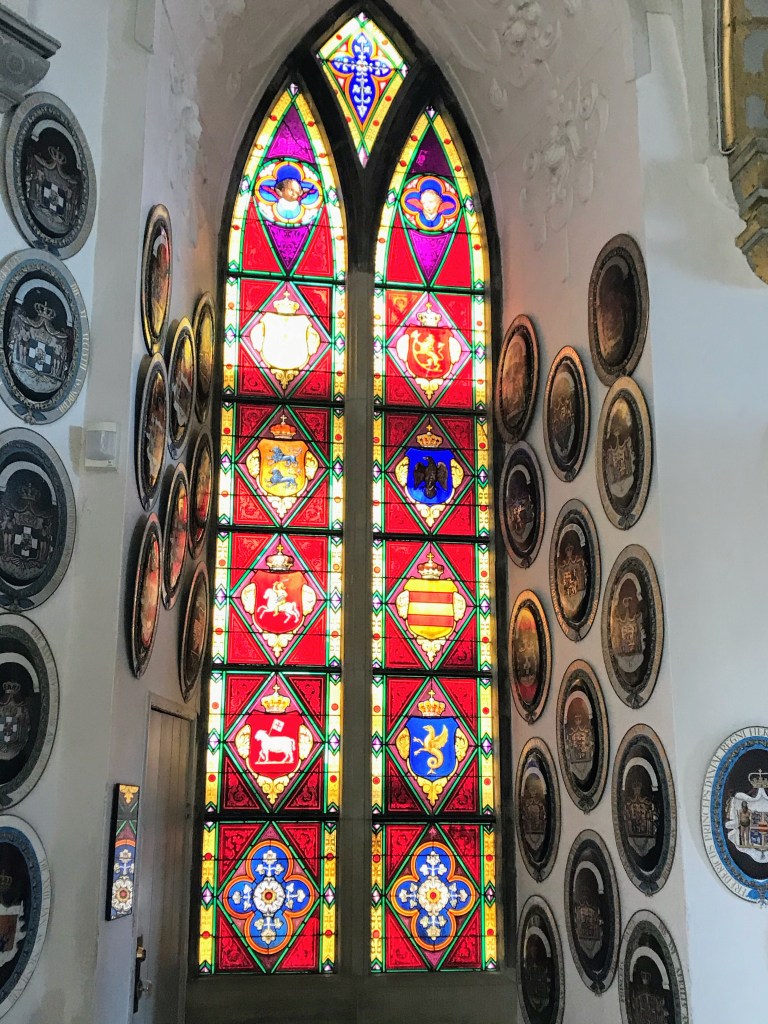
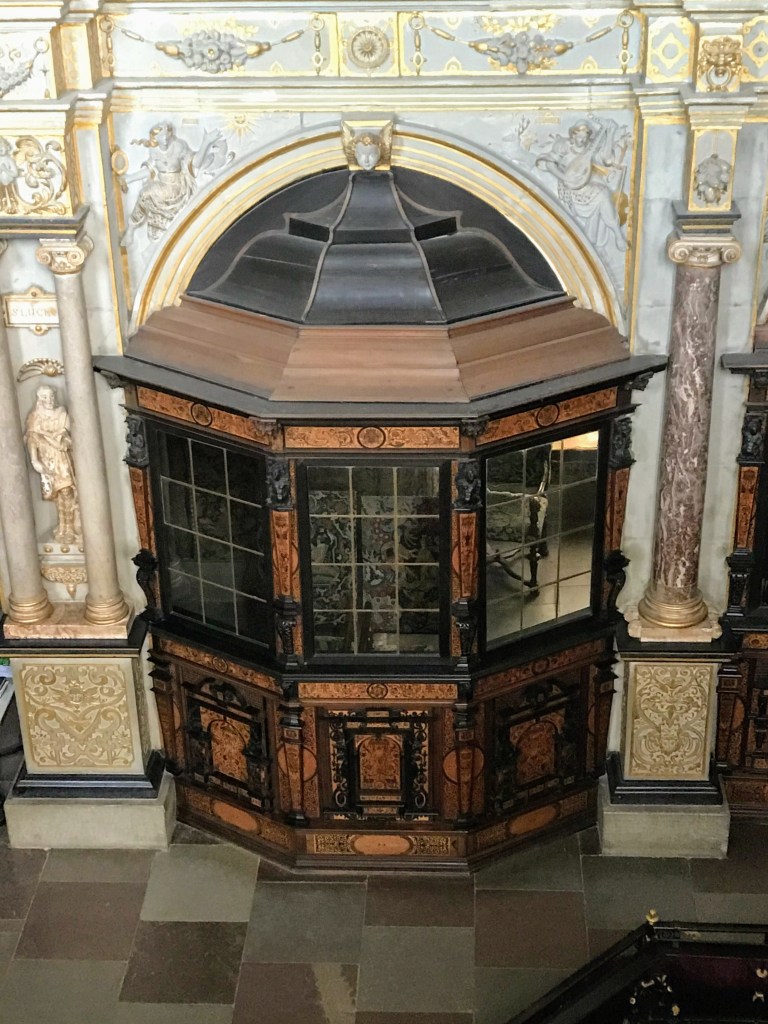
The chapel, consecrated in 1617, is also part of the museum. It is the best preserved part of the Renaissance complex, having largely escaped damage in the 1859 fire. The chapel extends along the entire length of the west wing with a long nave and a two-storey gallery. The richly decorated six-vaulted stucco ceiling is borne by pillars rising from the galleries.
The pillars bear grisaillefrescos of Biblical figures, painted in the 1690s. The galleries were decorated during the reign of Frederick III (1648–1670) as can be see from his arms.
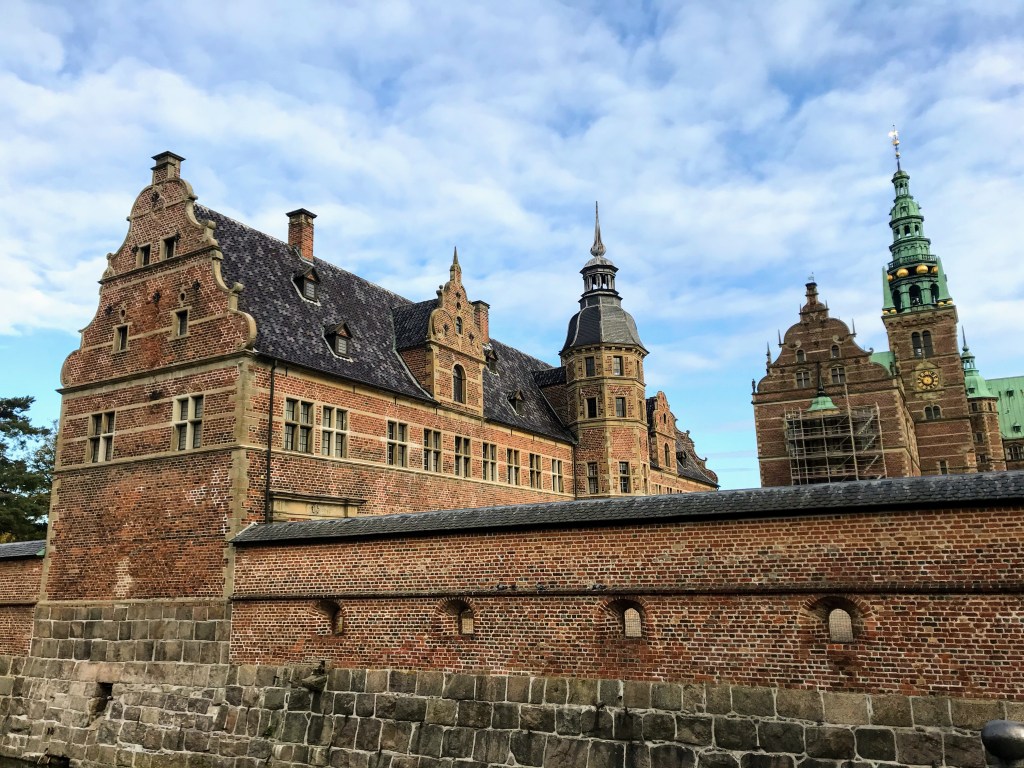
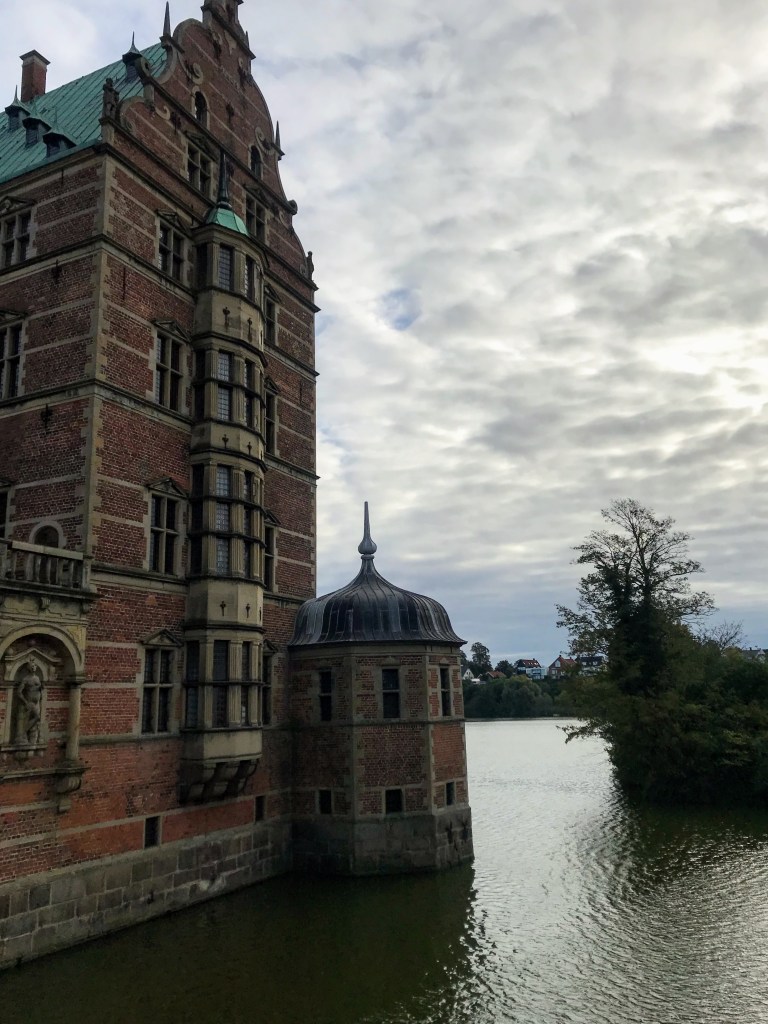
Check out this Renaissance Castle in Hillerød, Denmark!
Built in 1550 by King Frederick II
Frederiksborg translates to Frederik’s Castle
King Frederik’s son Christian IV was born in and loved the castle and maintained it during is 58 year reign.
After Christian IV’s death in 1648, the castle was used mainly for ceremonial events. The Chapel was the scene of the coronations and anointments of all the Danish monarchs from 1671 to 1840 except for that of Christian VII.
1671: Christian V and Charlotte Amalie of Hesse-Kassel
1700: Frederick IV and Louise of Mecklenburg-Güstrow
1721: Anna Sophia, consort of Frederick IV
1731: Christian VI and Sophia Magdalena of Brandenburg-Kulmbach
1747: Frederick V and Louise of Great Britain
1752: Juliana Maria of Brunswick-Wolfenbüttel, consort of Frederick V
1815: Frederick VI and Marie of Hesse-Kassel
1840: Christian VIII and Caroline Amalie of Schleswig-Holstein
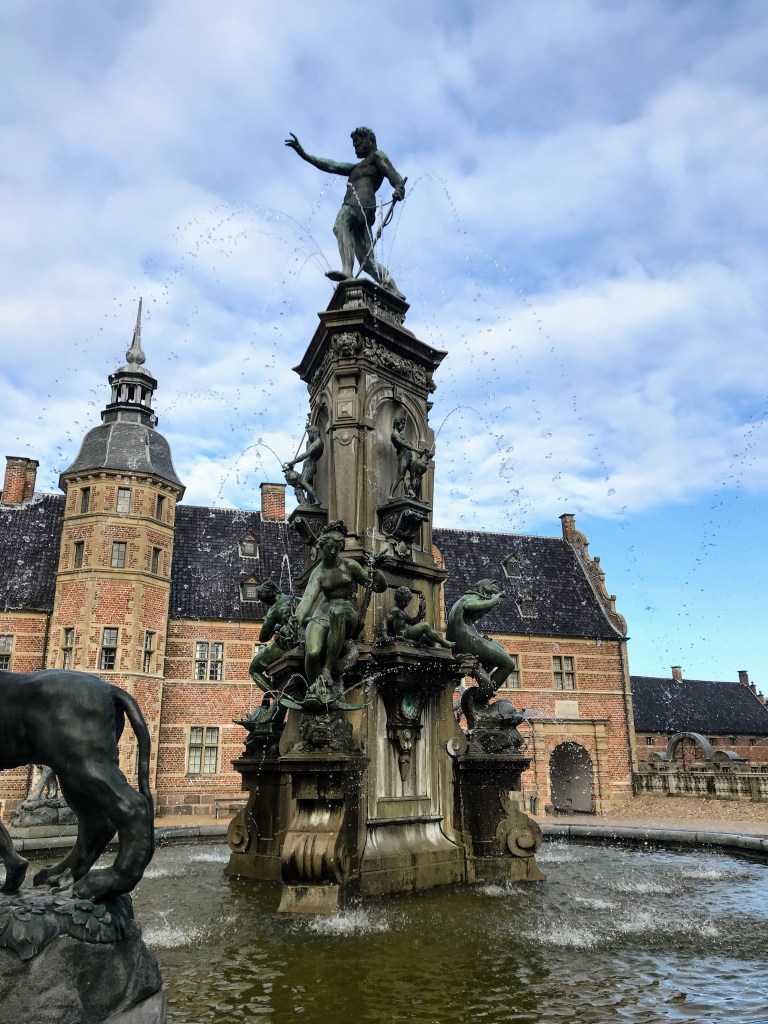
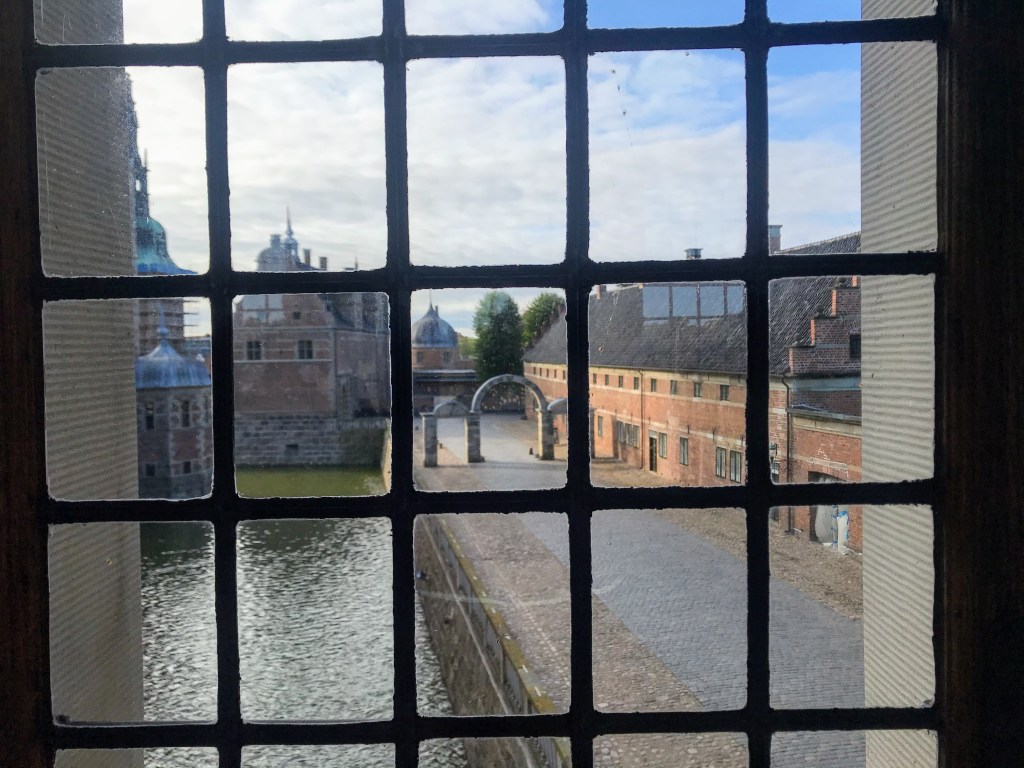
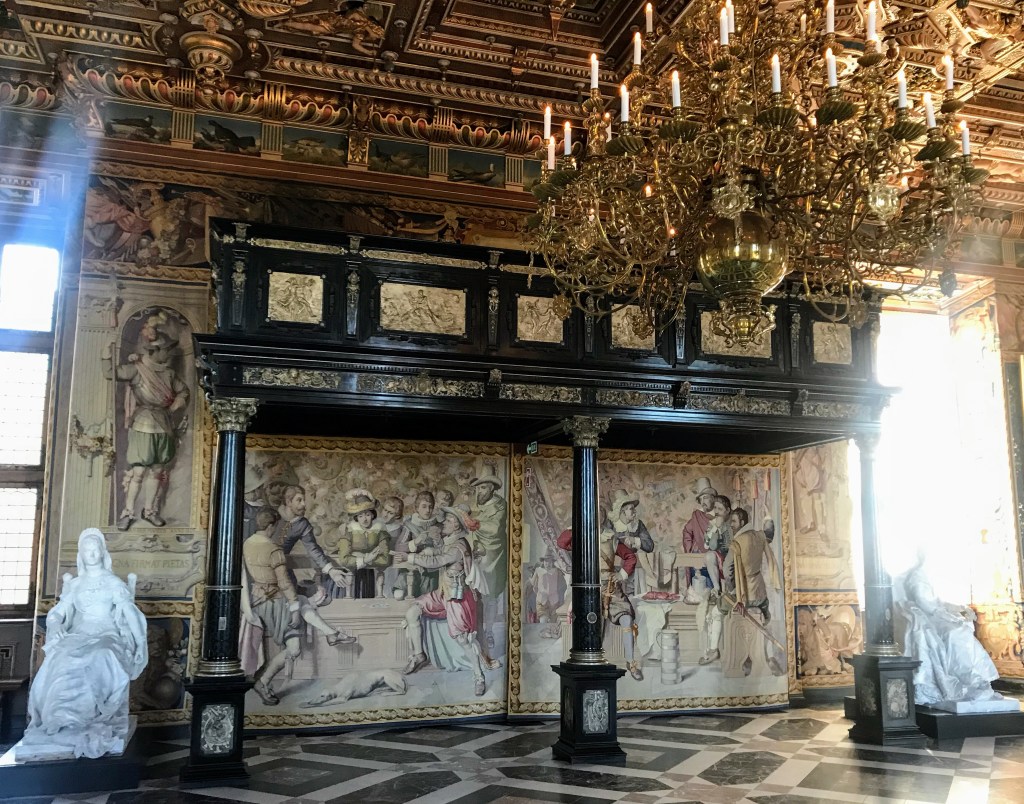
You enter the castle grounds over a drawbridge and enter through the arched gate shown above. Neptune Fountain is situated in the center with wings or halls all around. And the cherry on top is an actual mote around the castle.
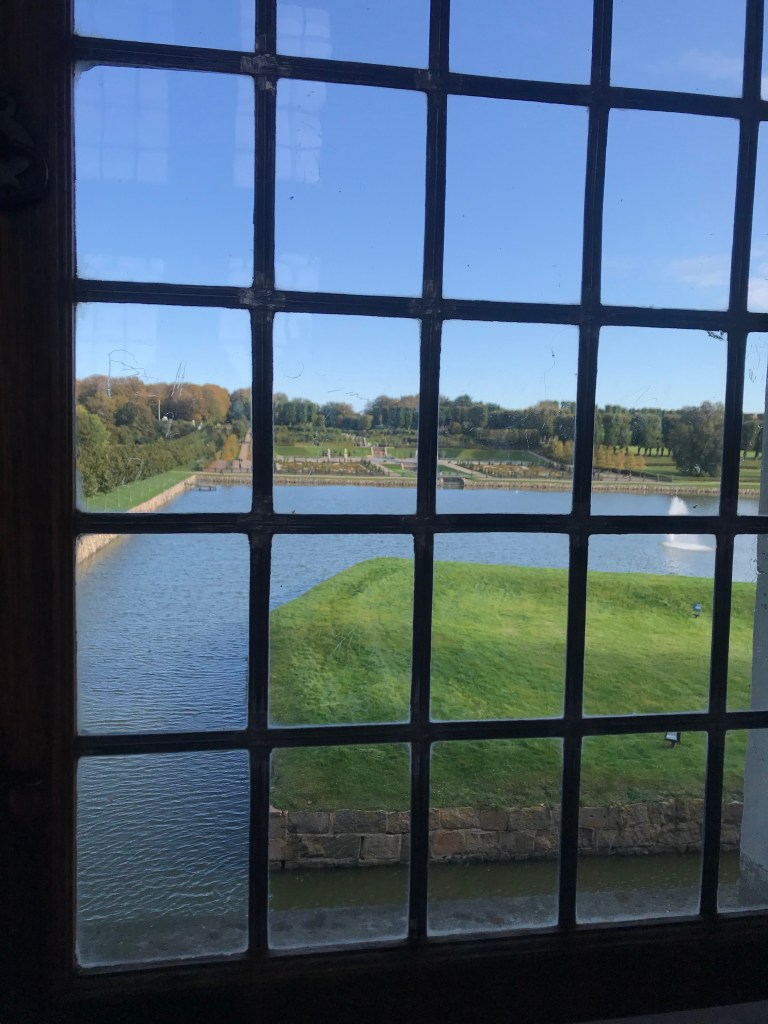
Pictures of the mote from within the castle! Can you imagine!
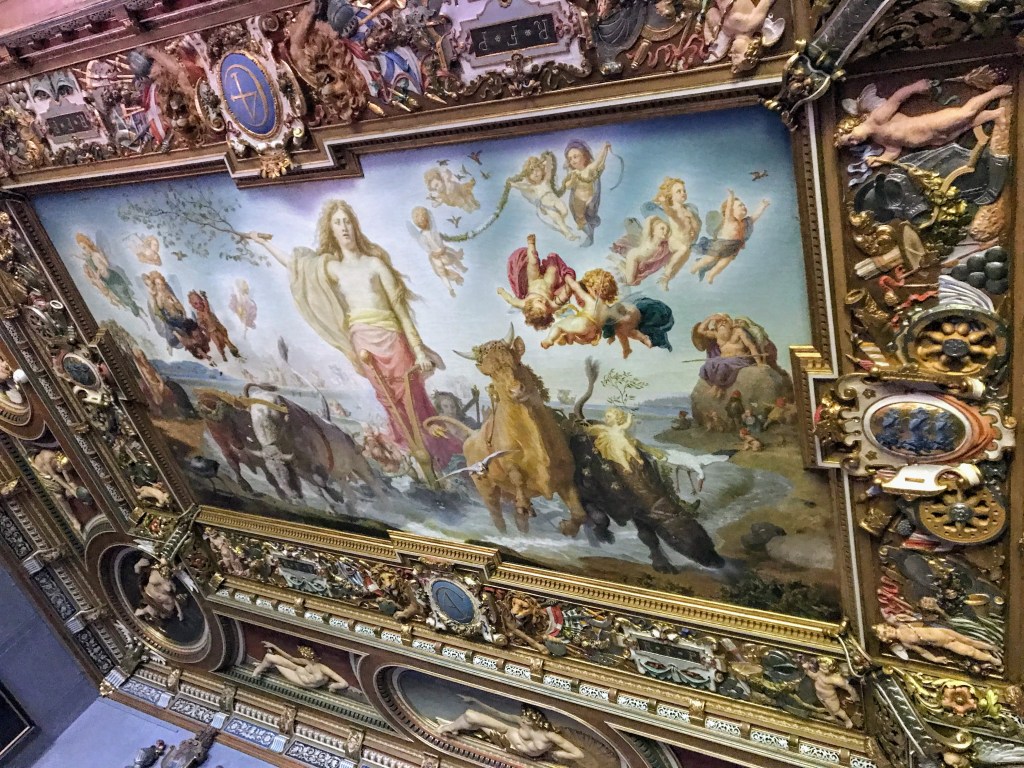
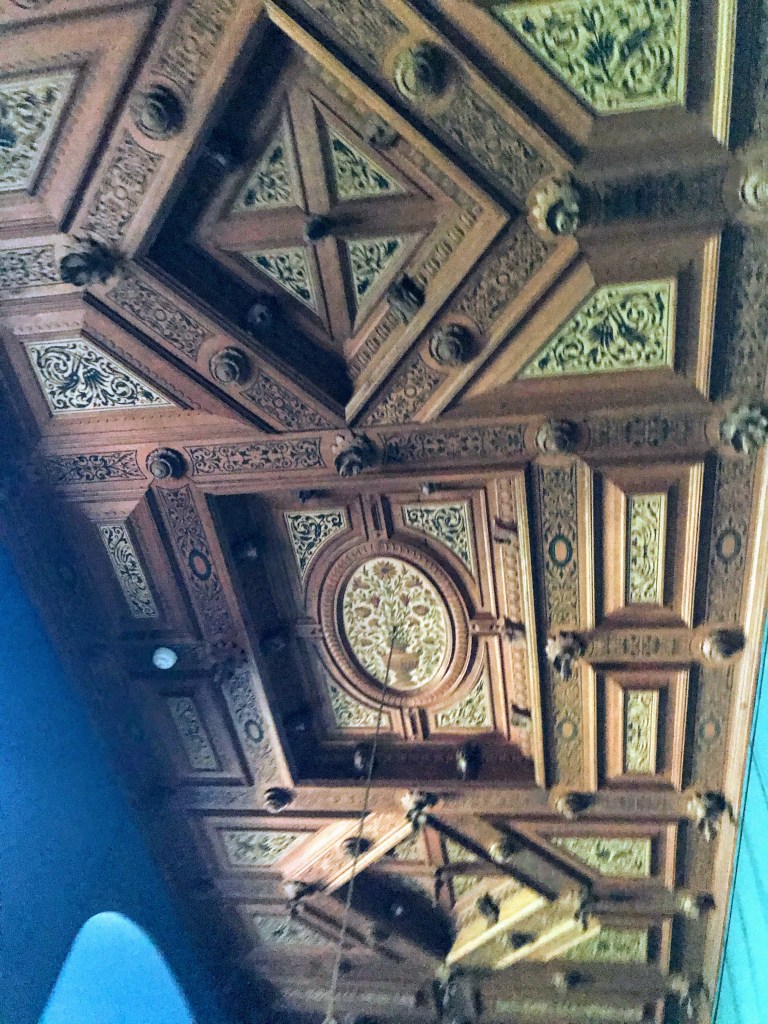
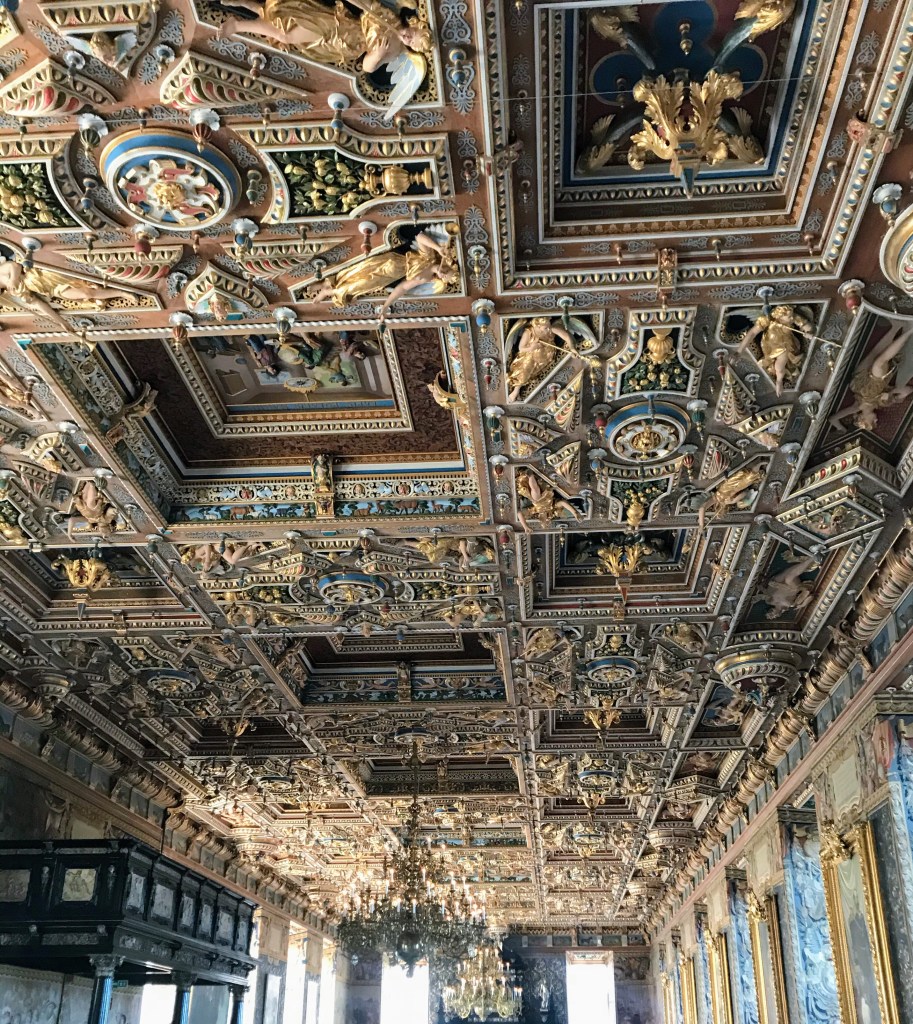
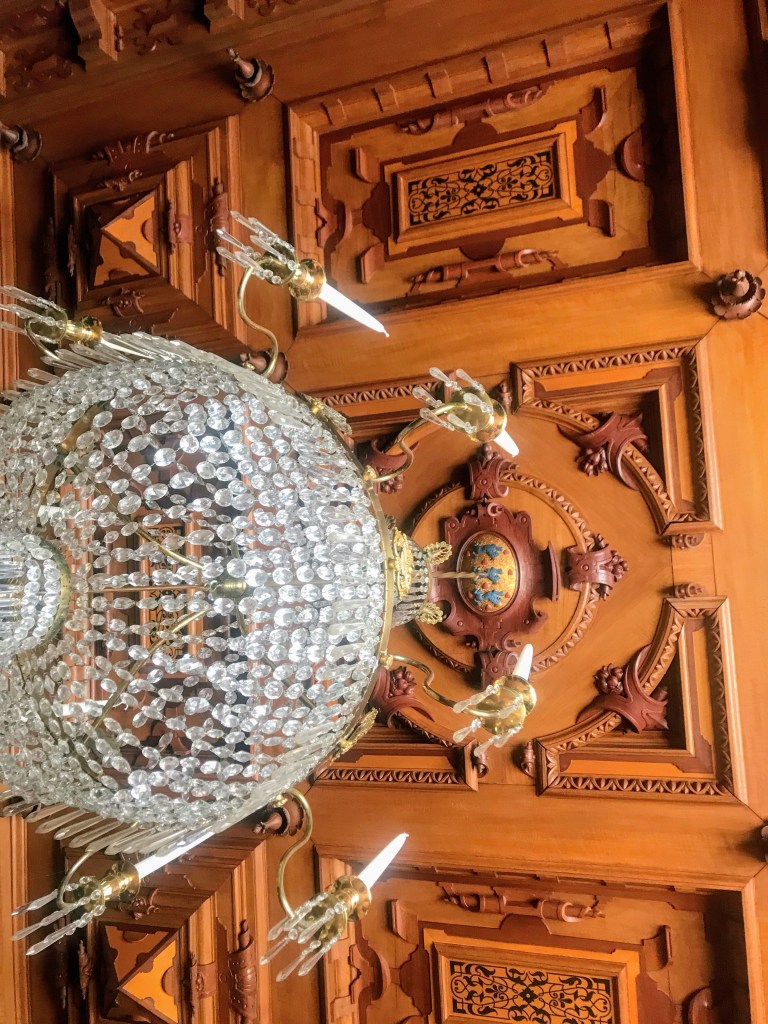
Detailed Ceiling
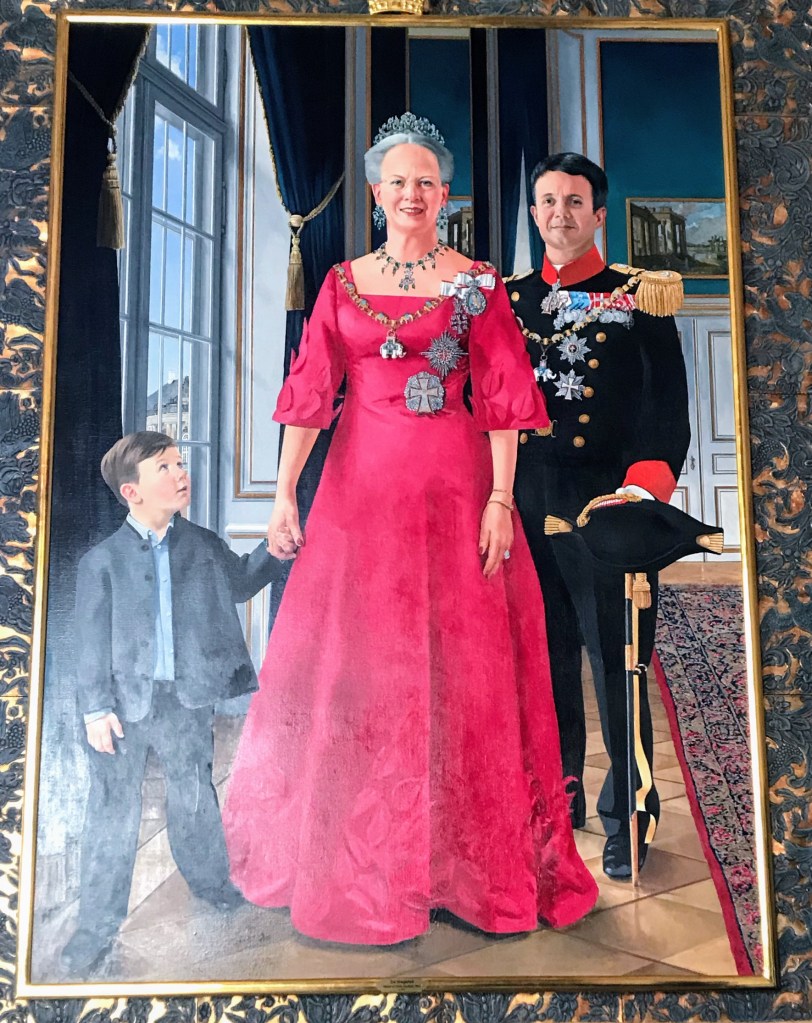
3 living generations
Crystal Chandelier
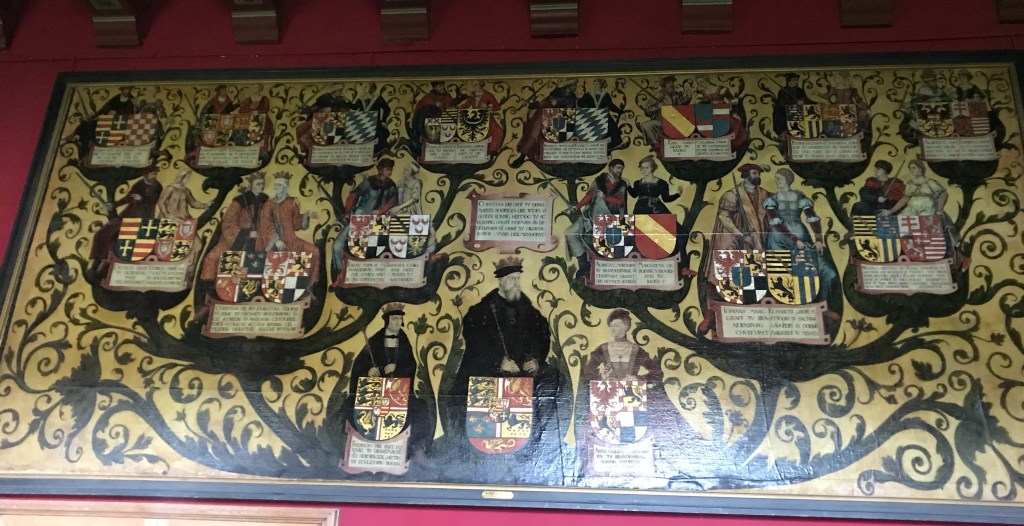
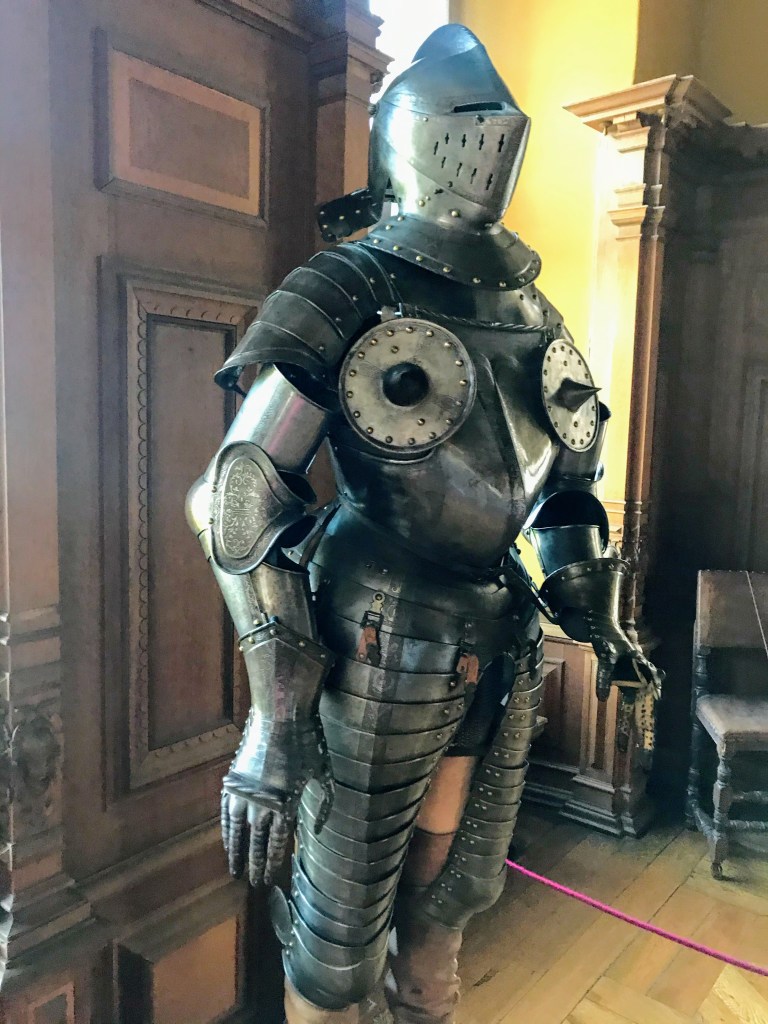
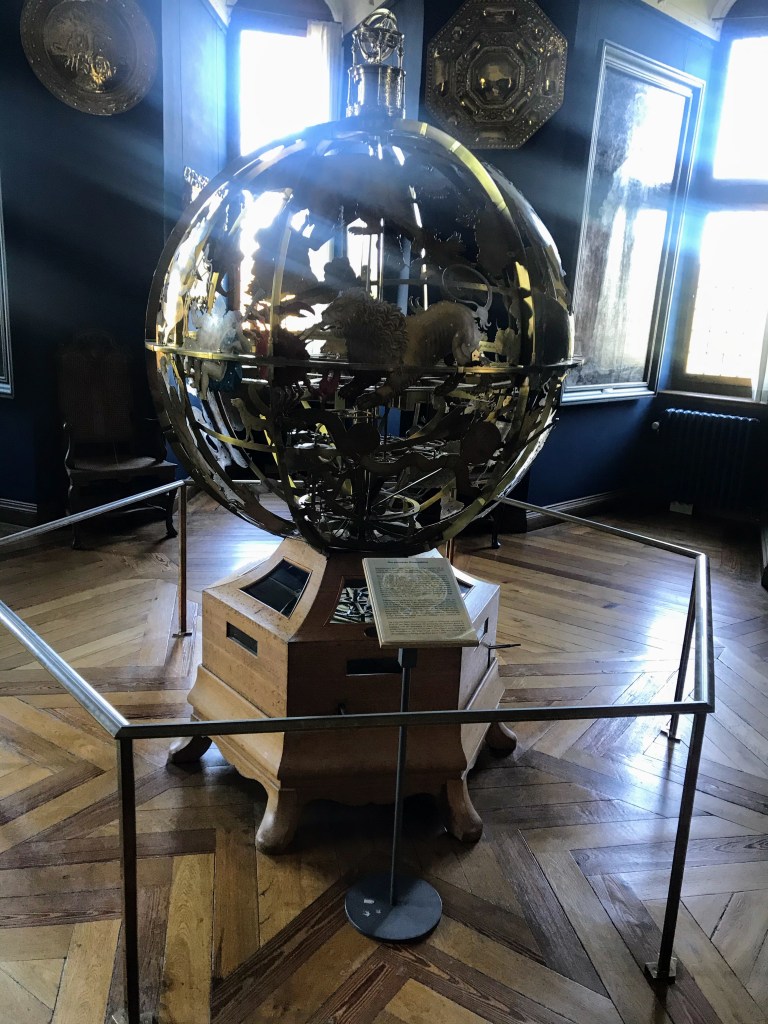
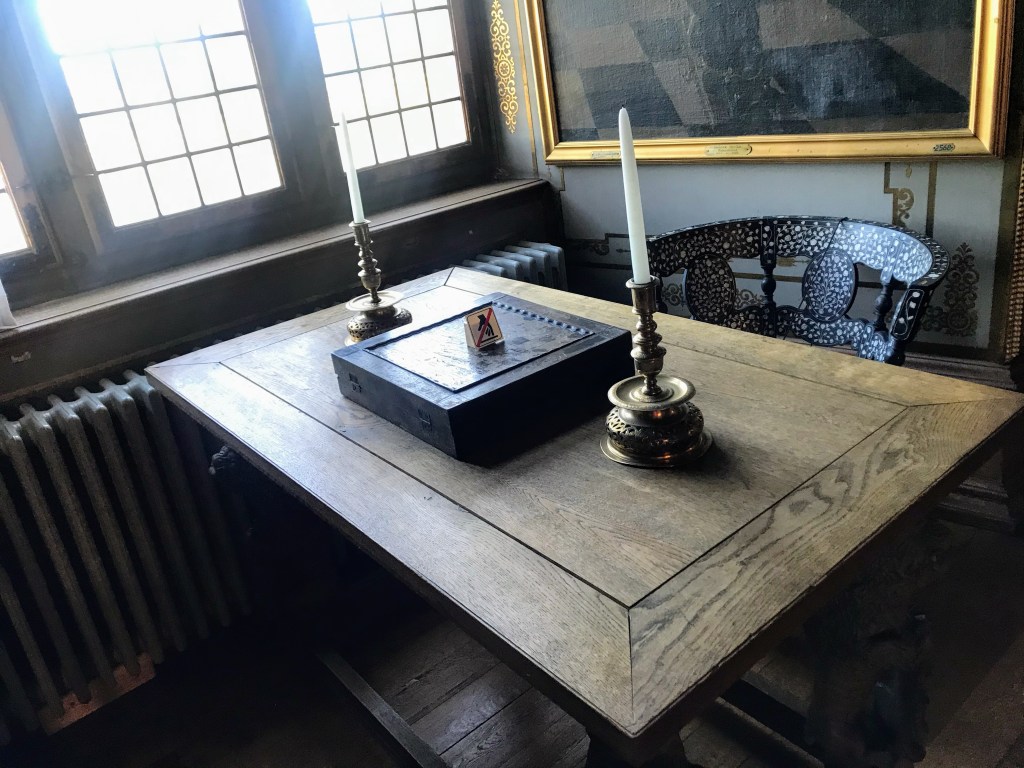
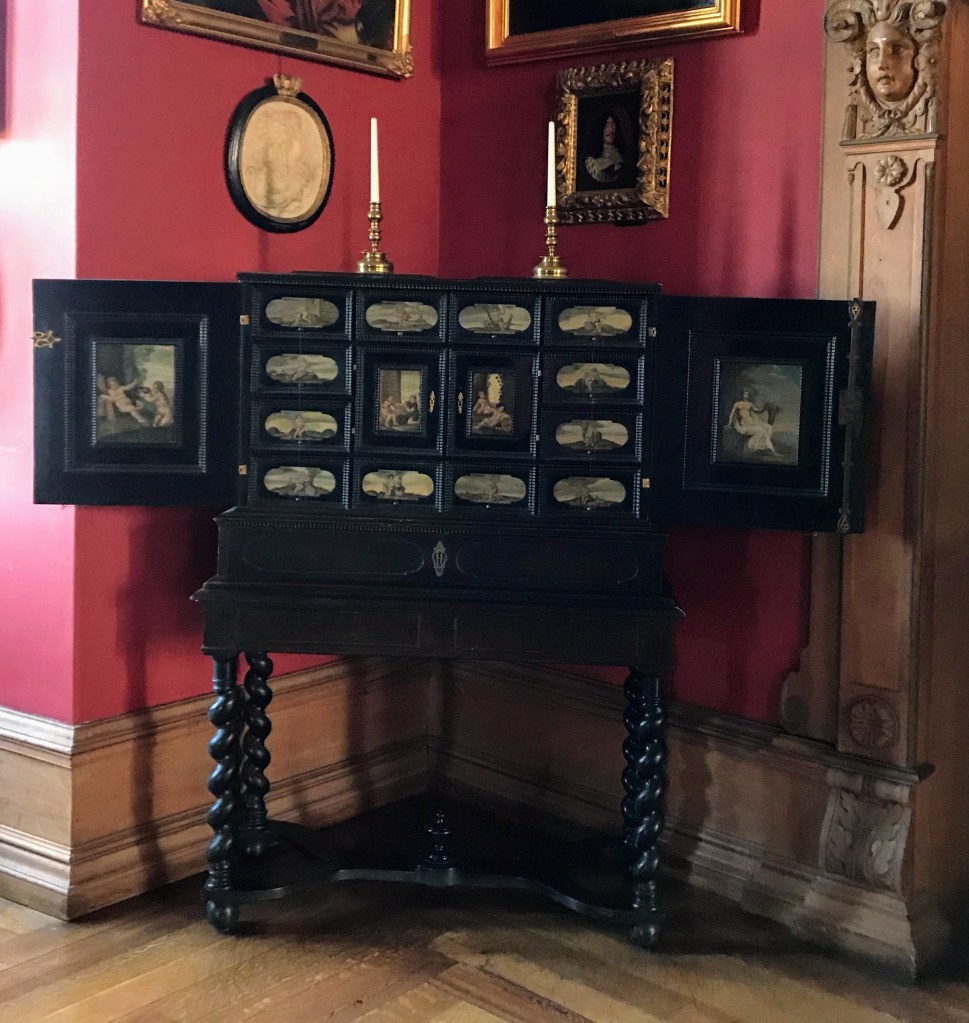
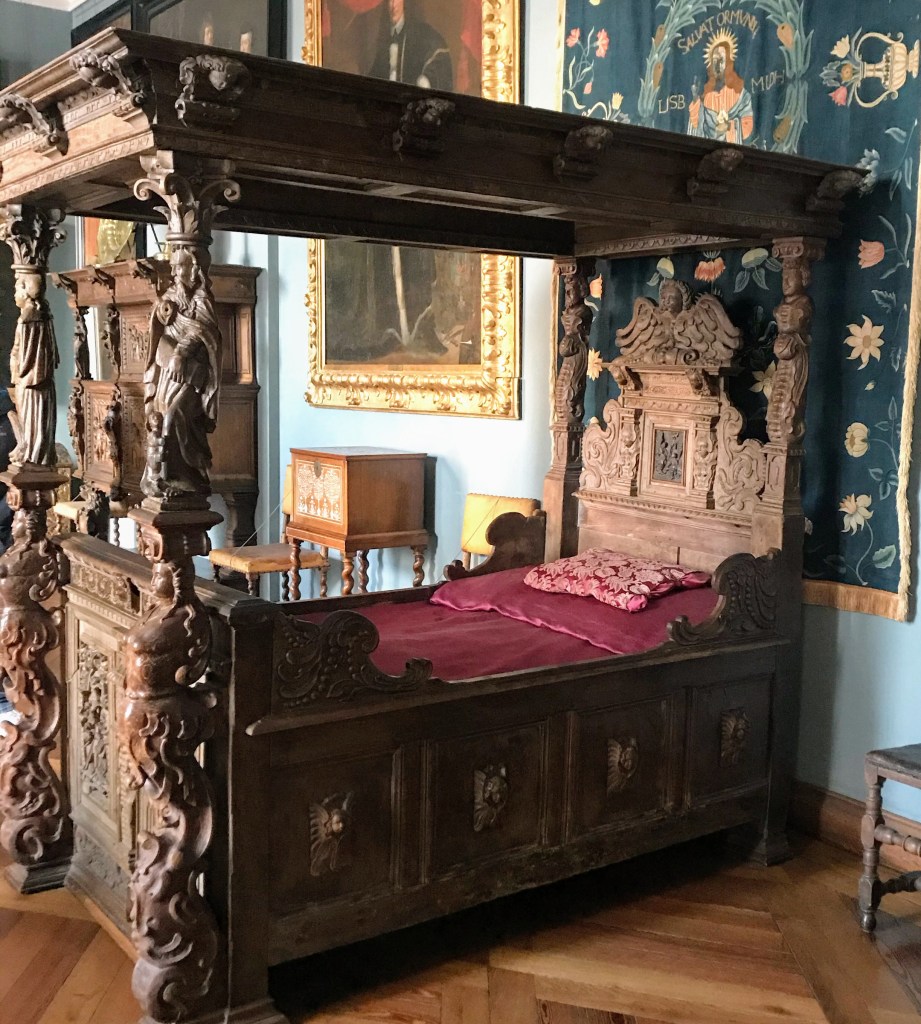
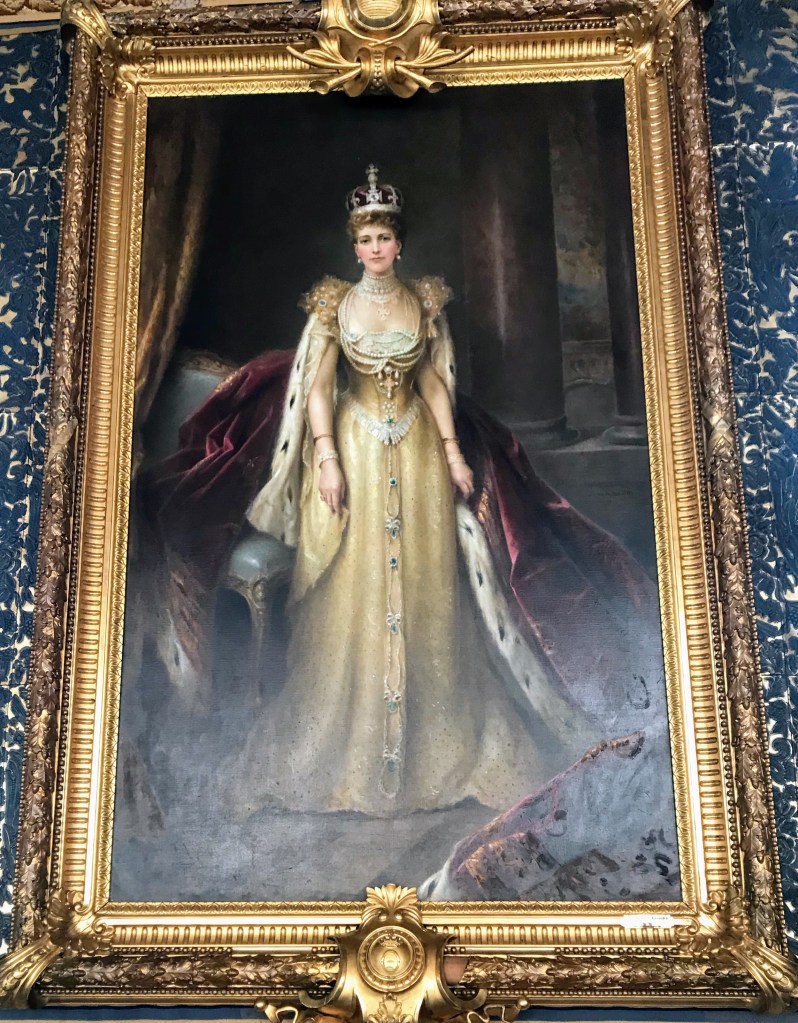
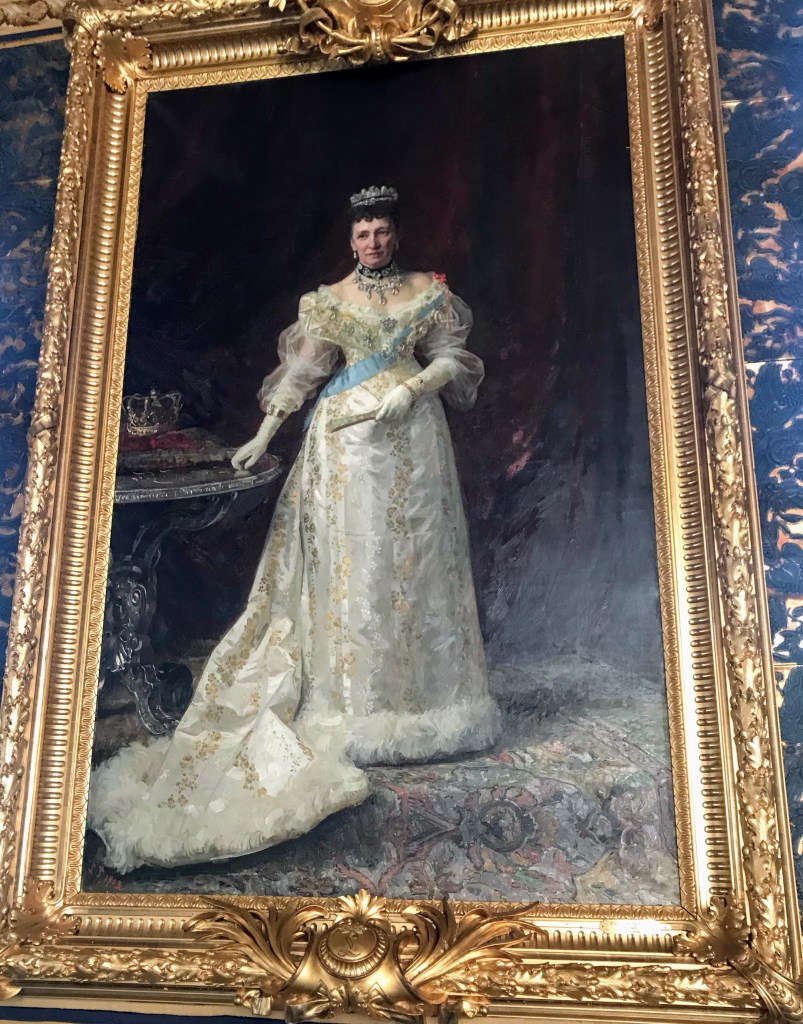
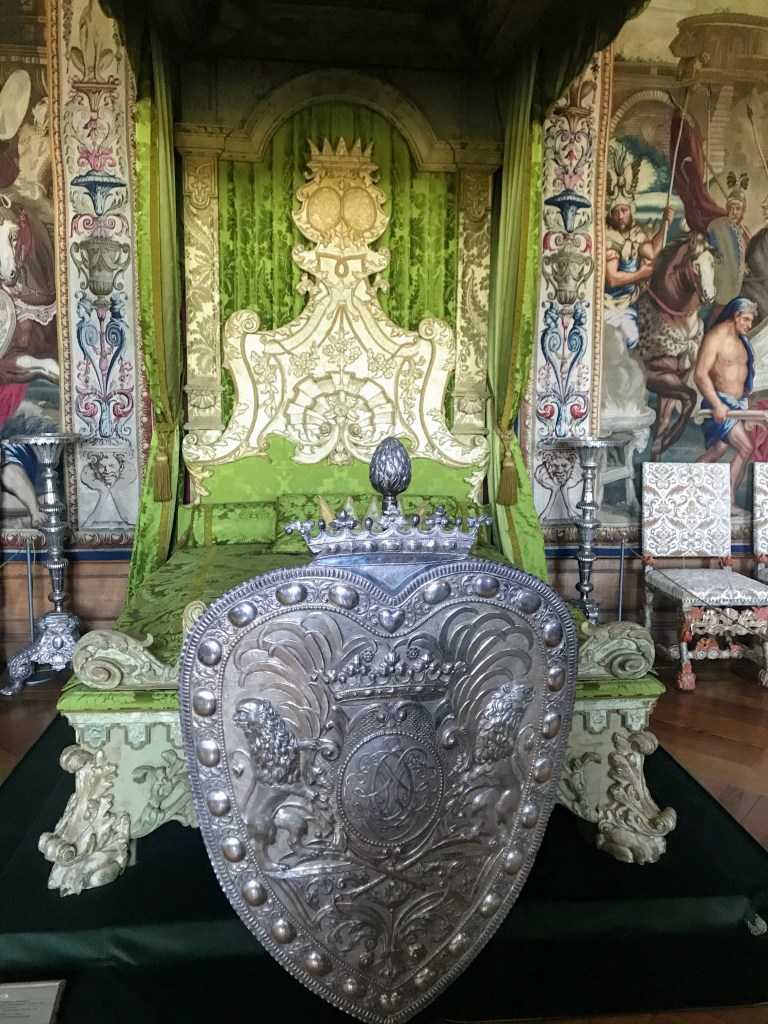
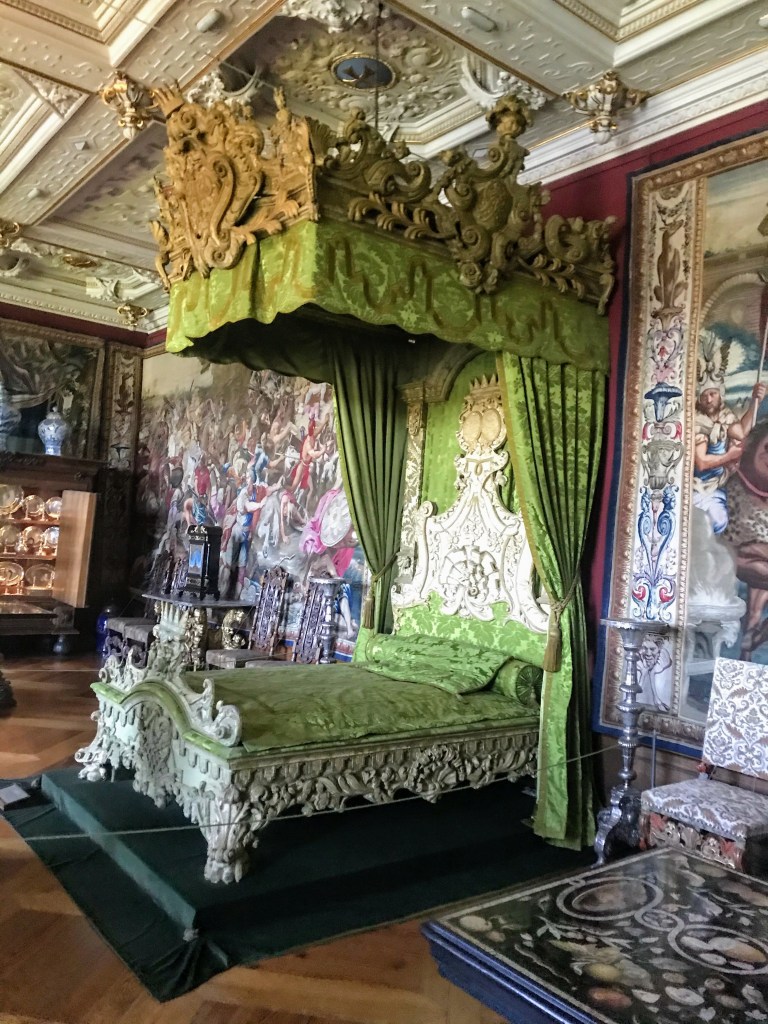
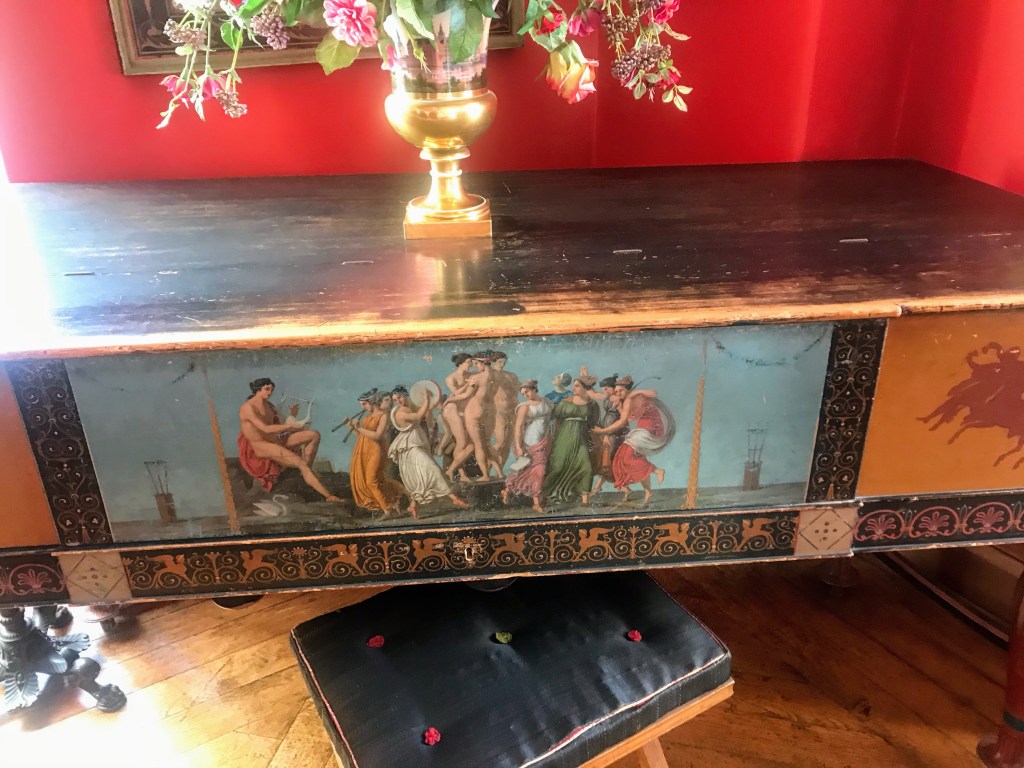
These are various shots from within the castle. The details were outstanding. Colors were very bright and vivid. In the photo “3 Living Generations” is the Queen, her son and grandson. In this picture she is wearing the jewels that were posted earlier in this blog.
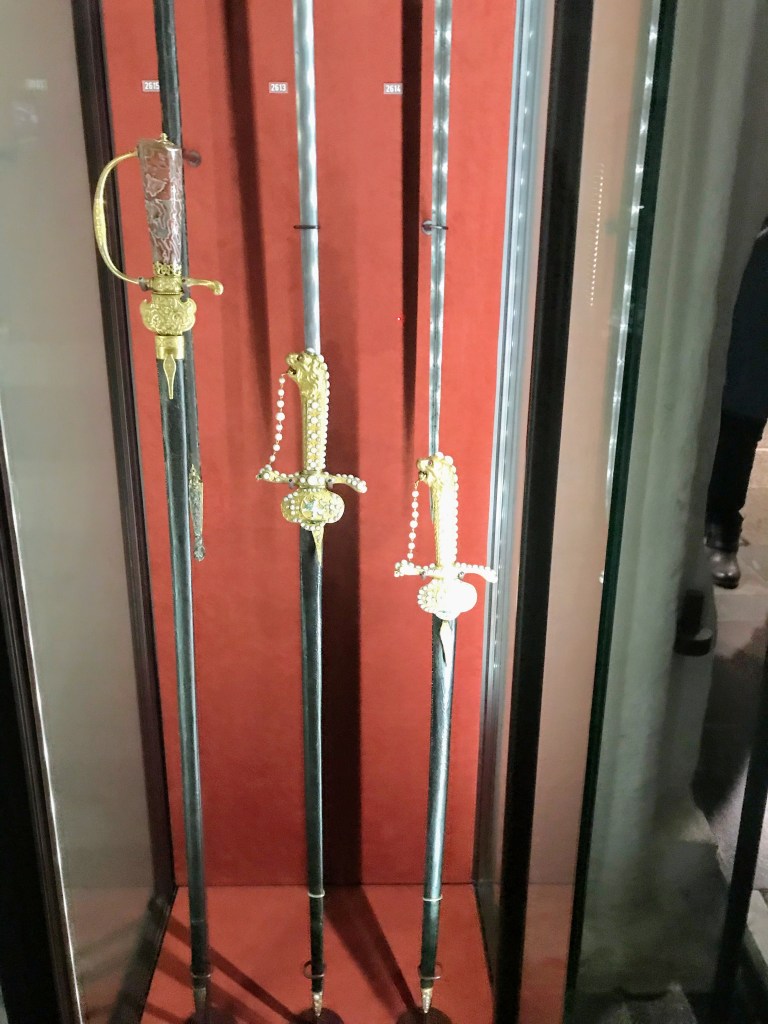
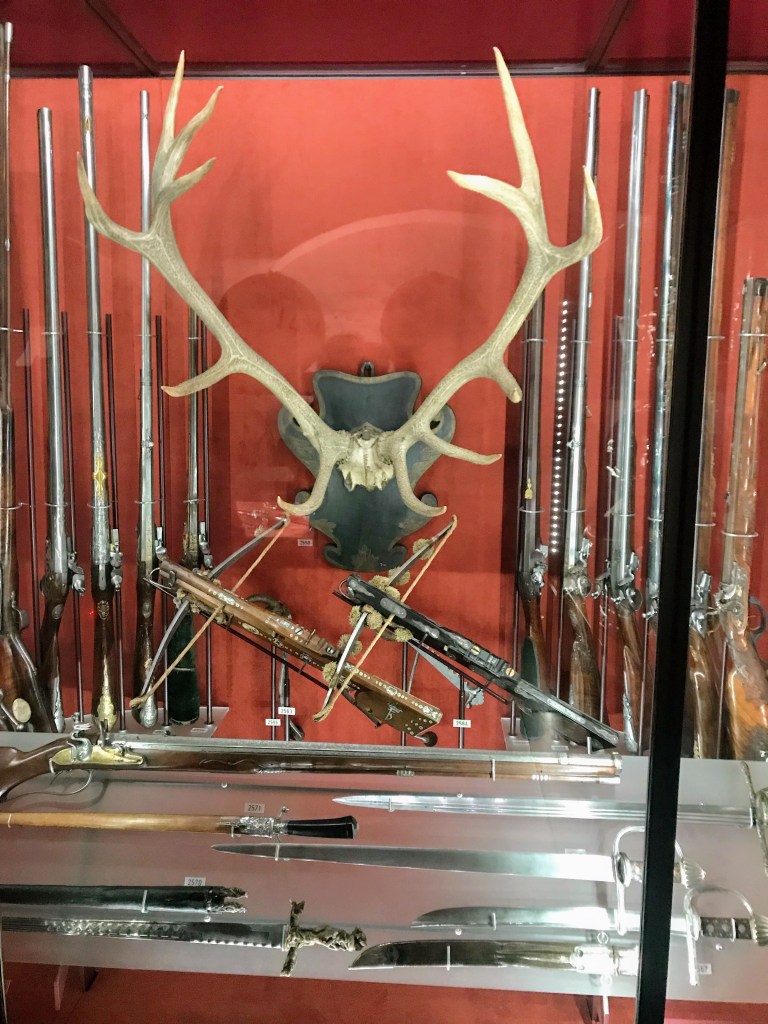
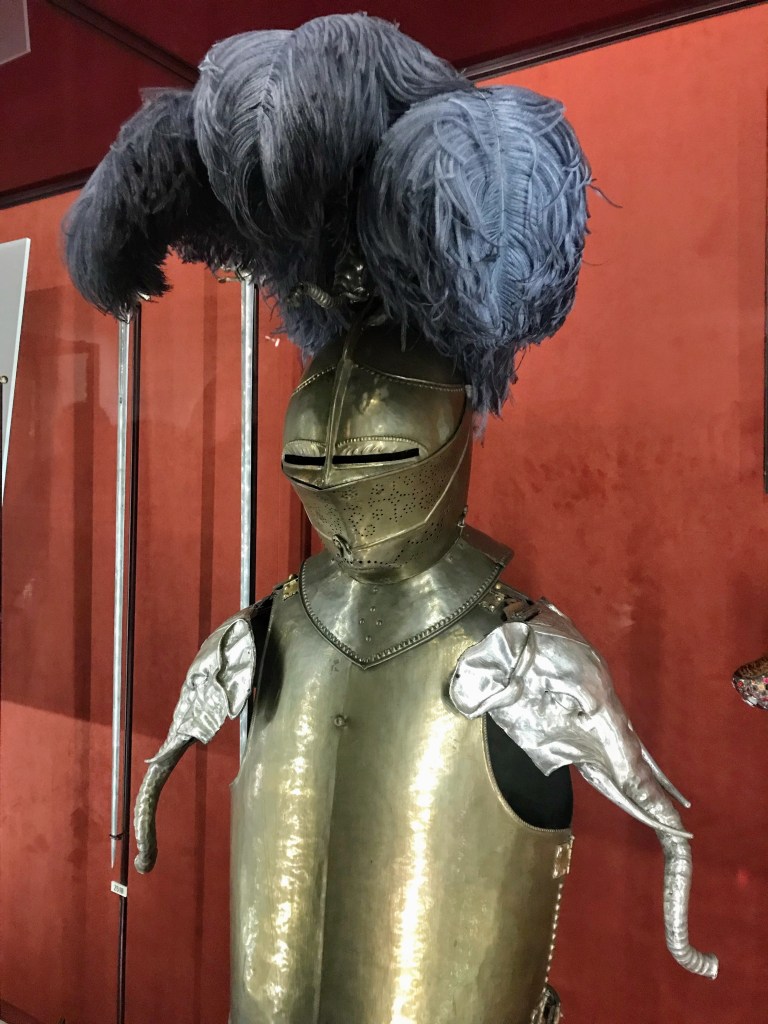
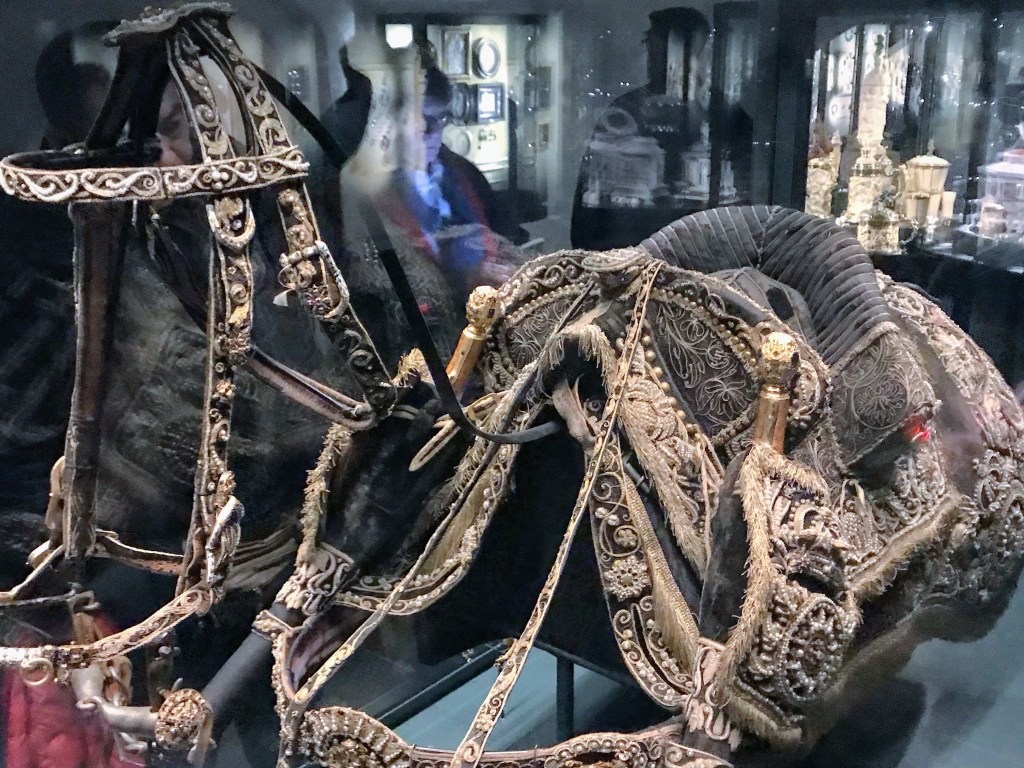
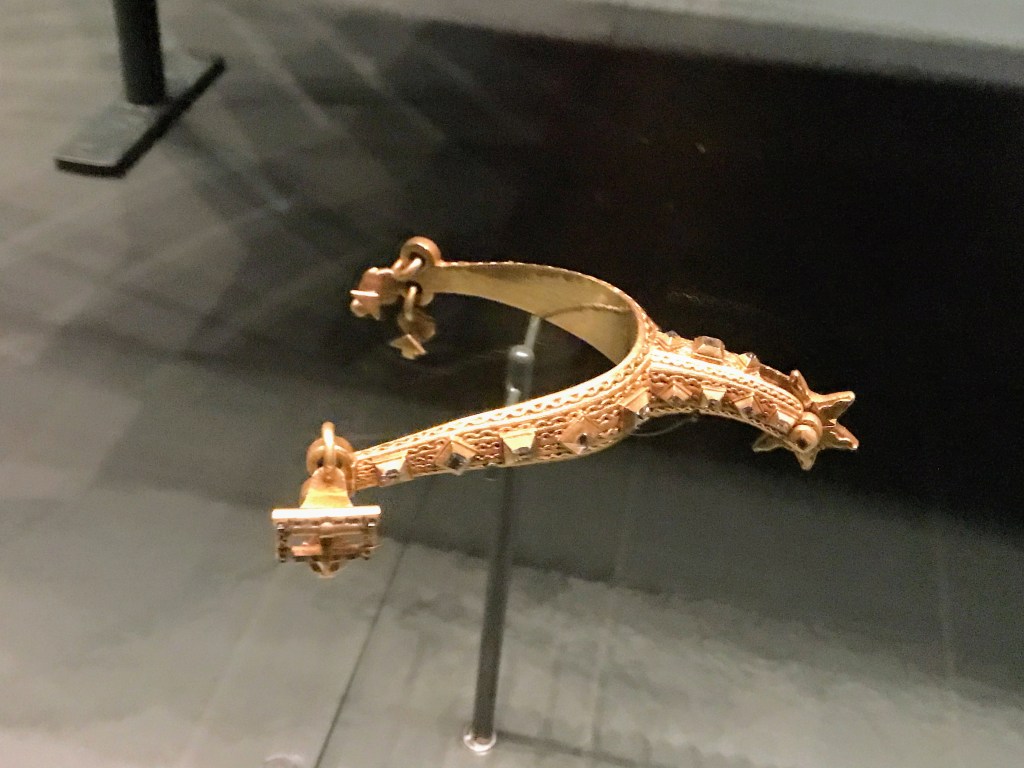
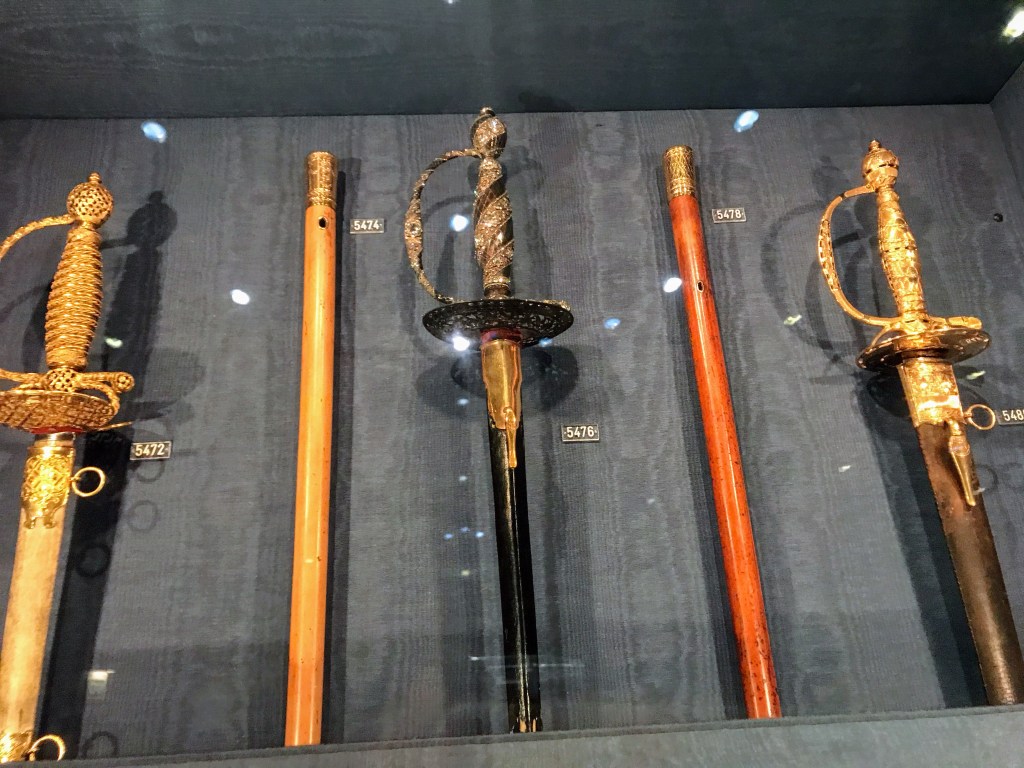
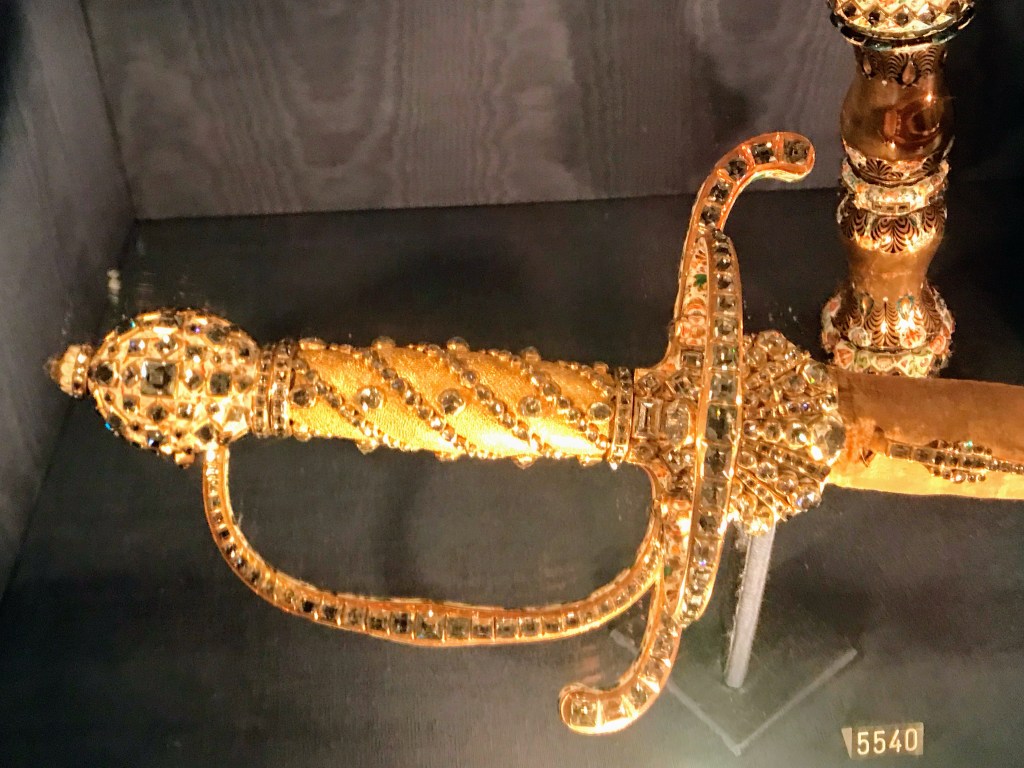
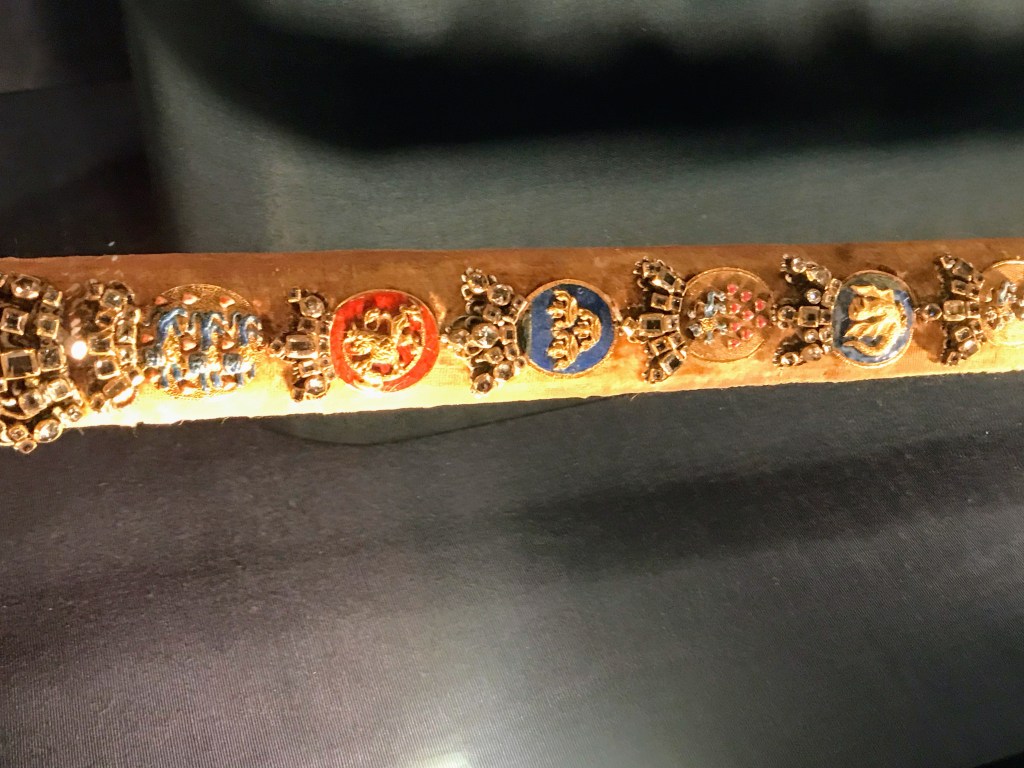
WEAPONS: The weapons are exhibited in four categories: Ceremonial weapons, Tournament weapons, Military weapons and Hunting weapons.
The war game set was made for the young Crown Prince Frederik (V). Using the figures, which represent “the Romans versus the Africans”, he could practice military strategy.
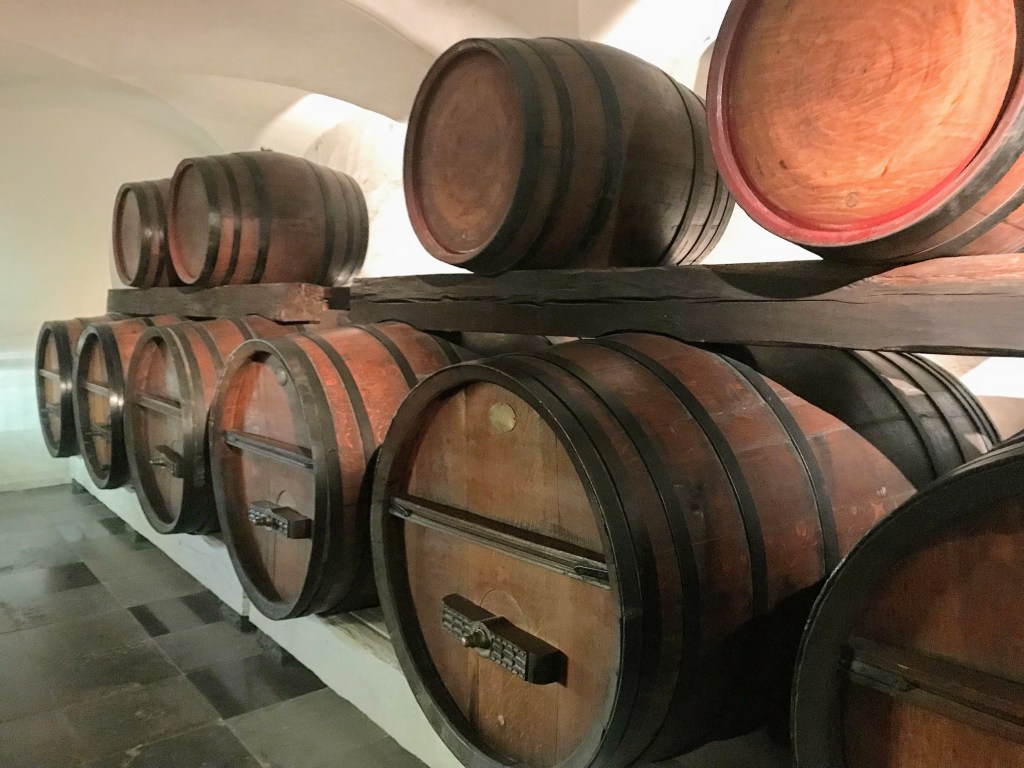
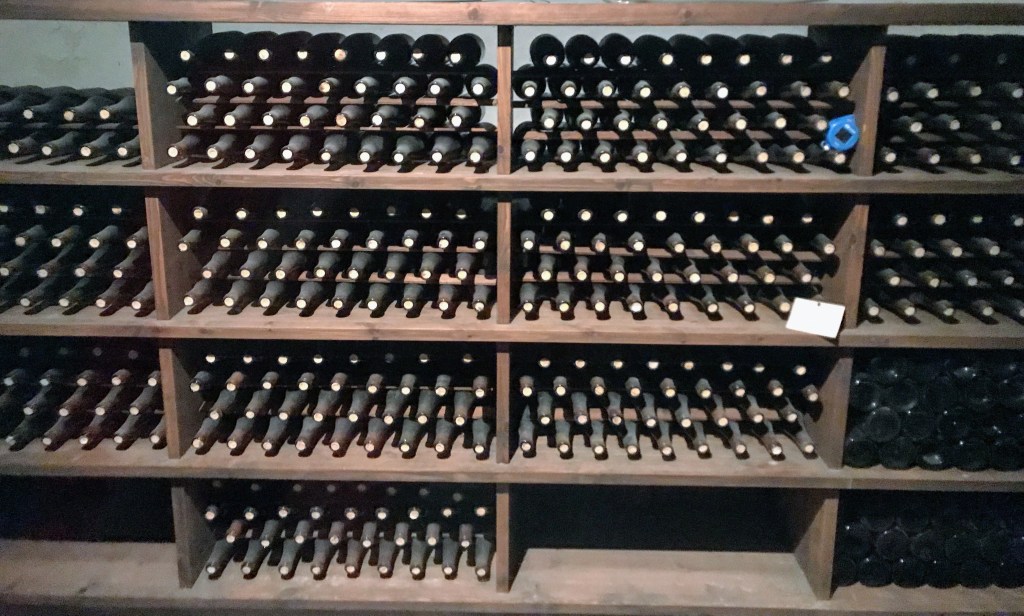
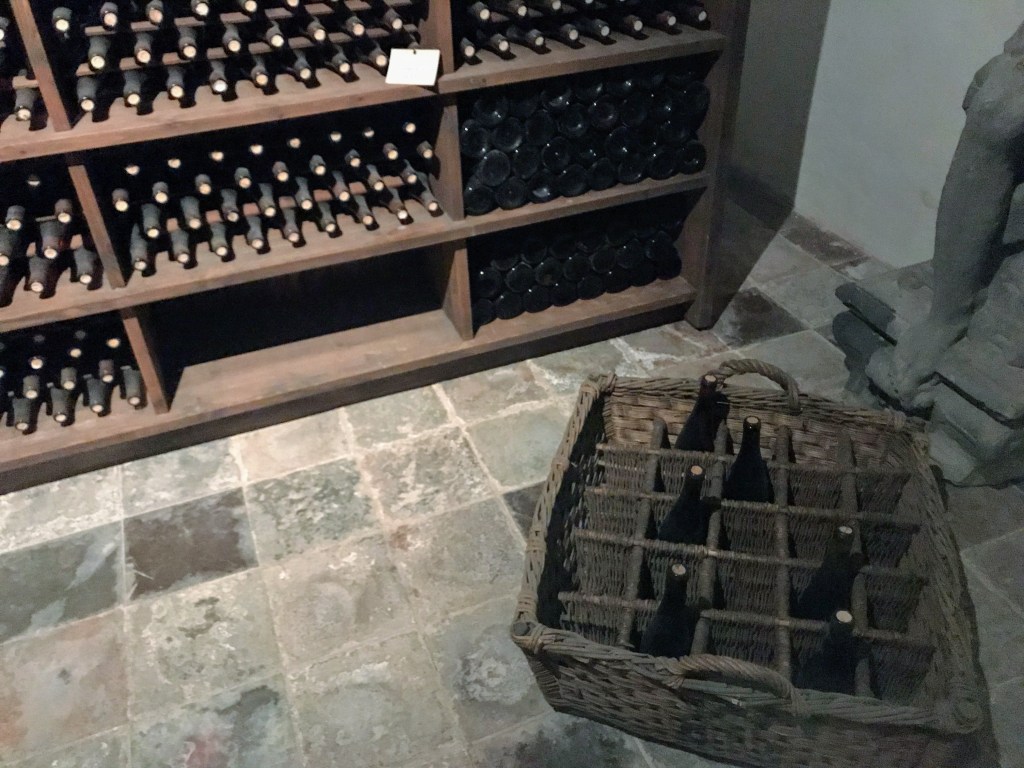
WINE: The barrels are for the “Rosenborg Wine”, the rootstock of which is white Rhenish wine from the 1590’s.
Nowadays the barrels are empty ad the wine tapped in steel tanks and bottles. Today it taste like dry sherry and is only served at the New Year Banquet and a few other special occasions.
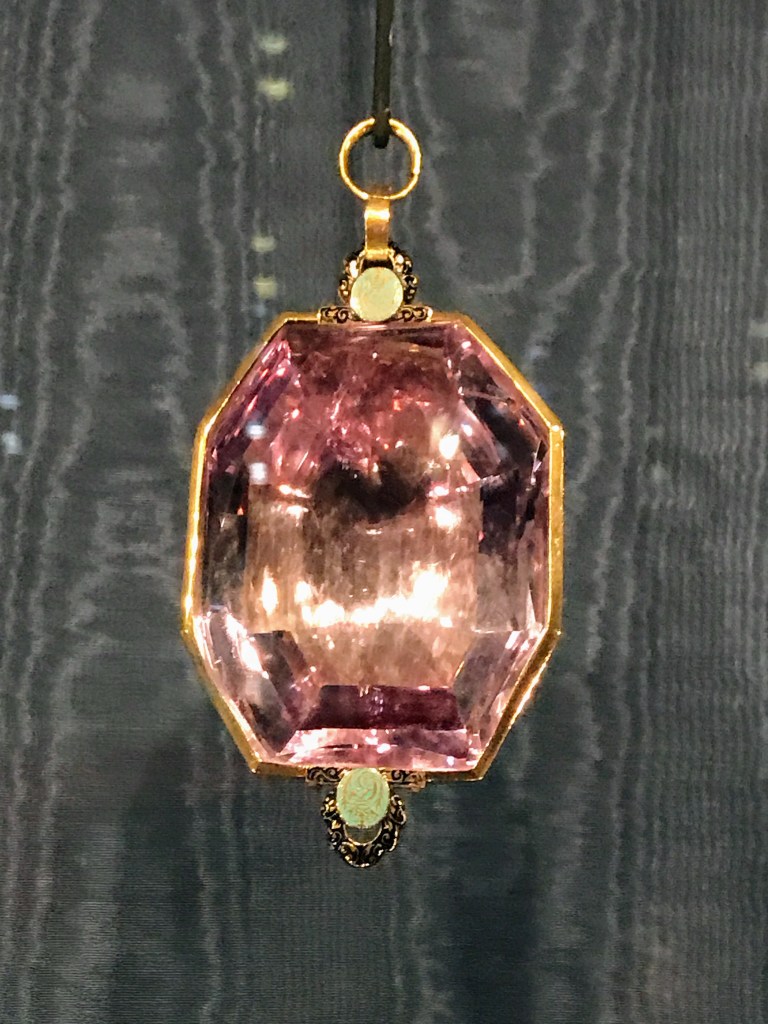
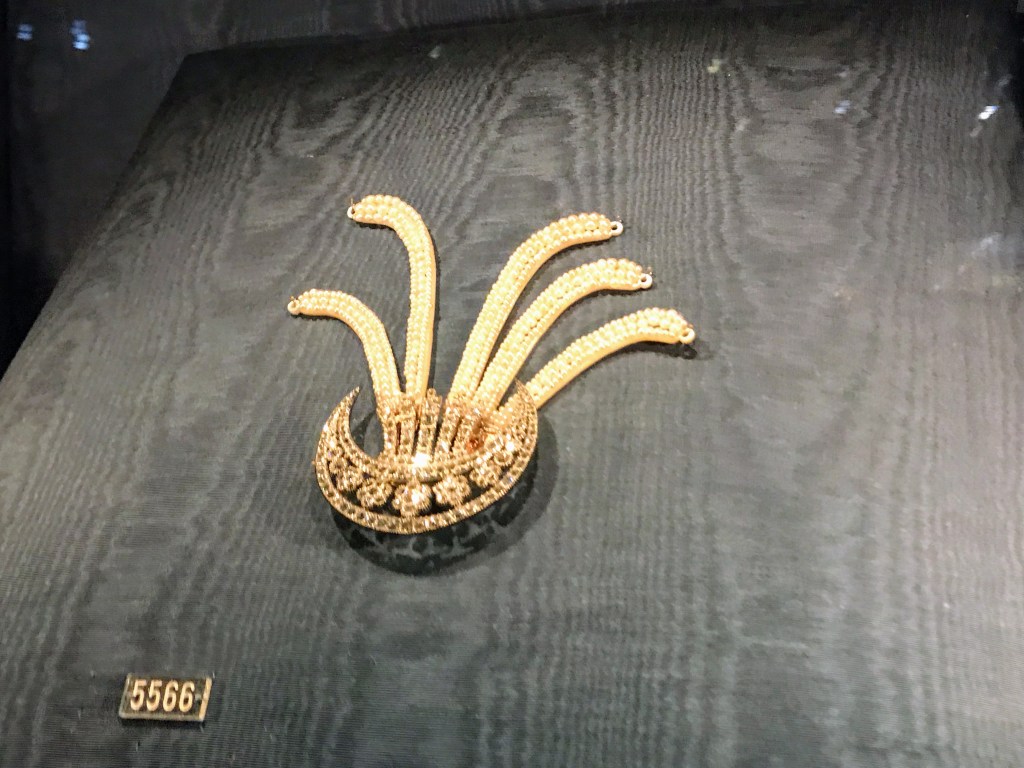
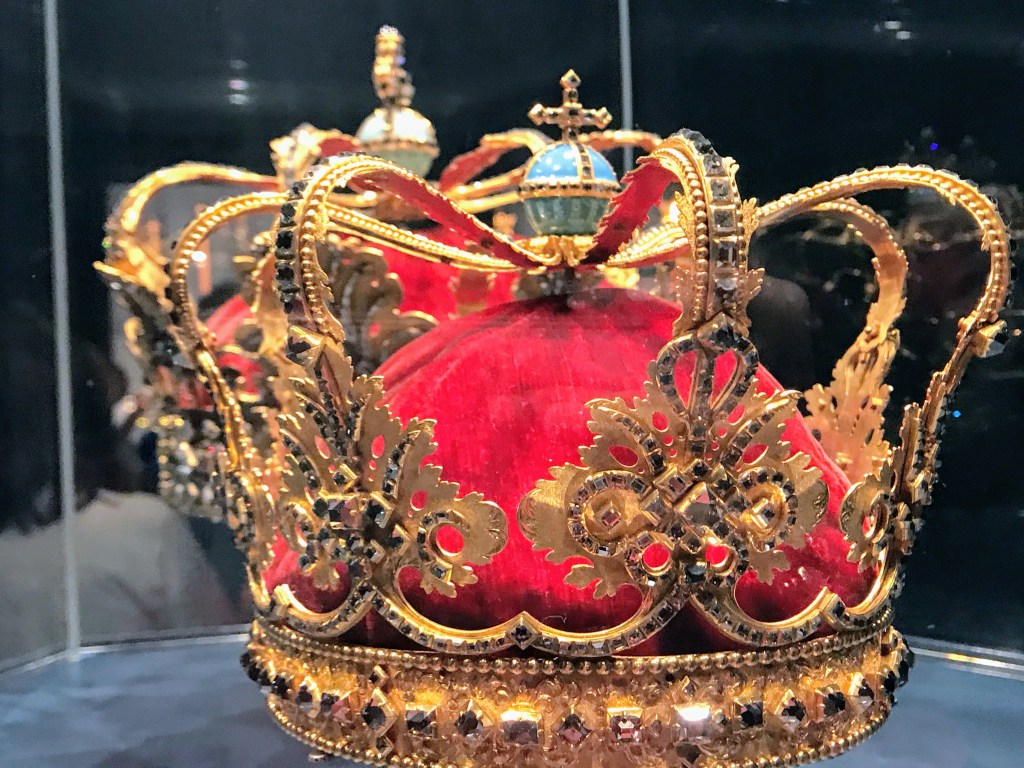
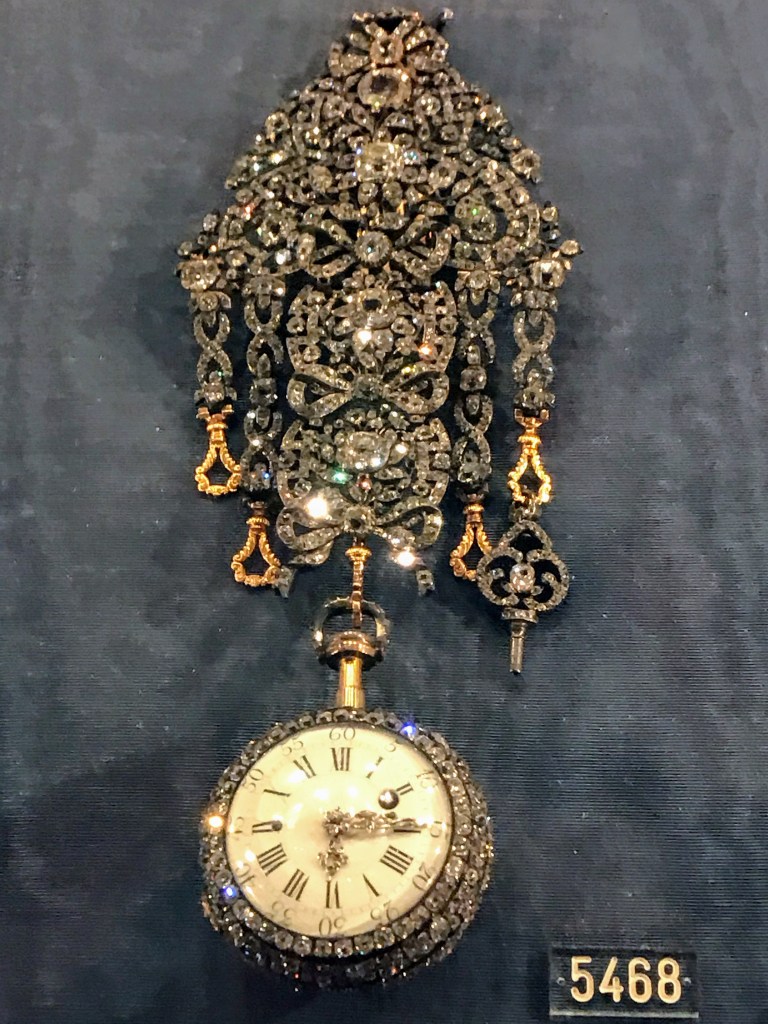
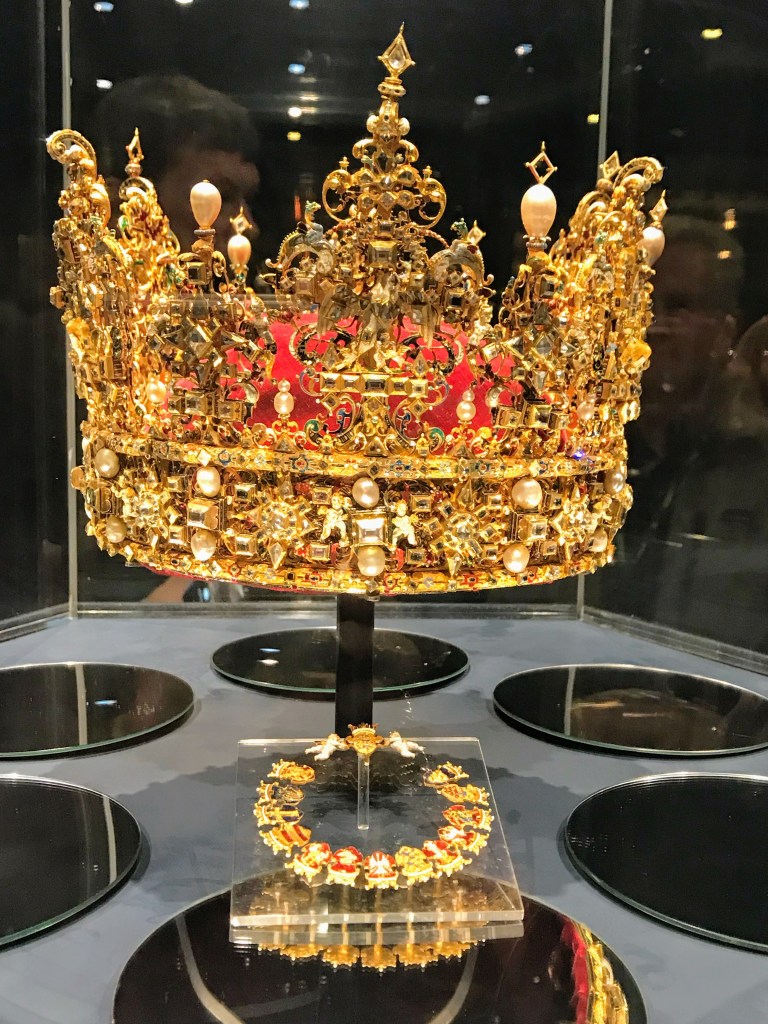
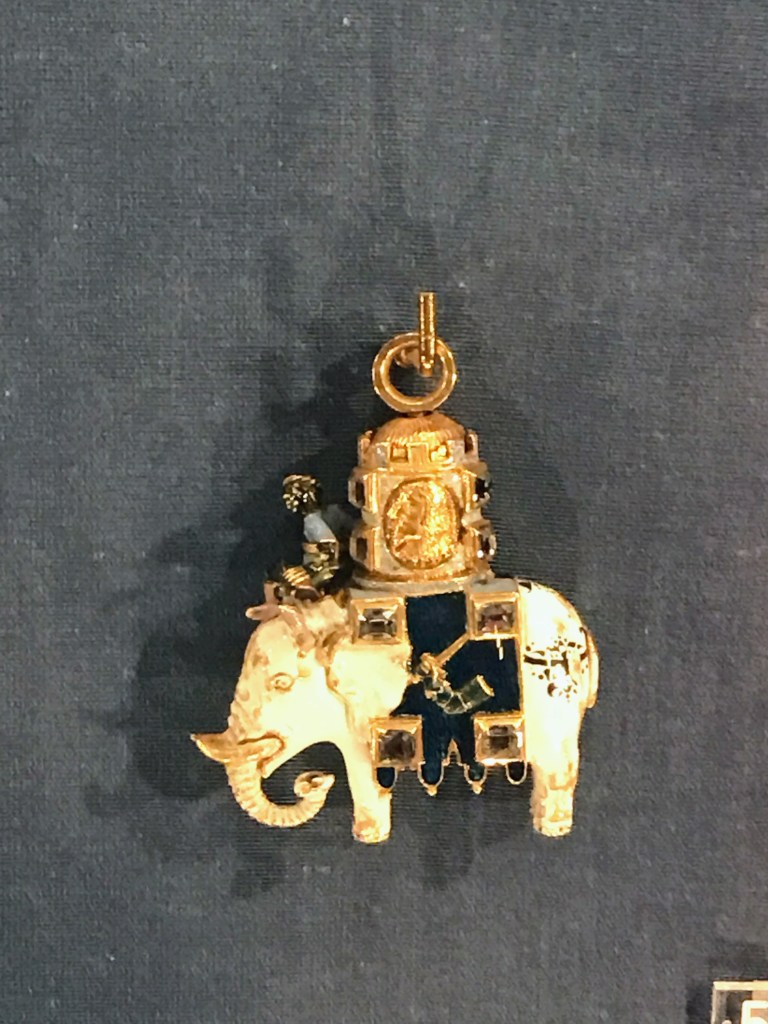
Queen Sophie Magdalene’s will of 1746 decreed that her jewelry was not to be given to one person, but always to be “with the crown”.
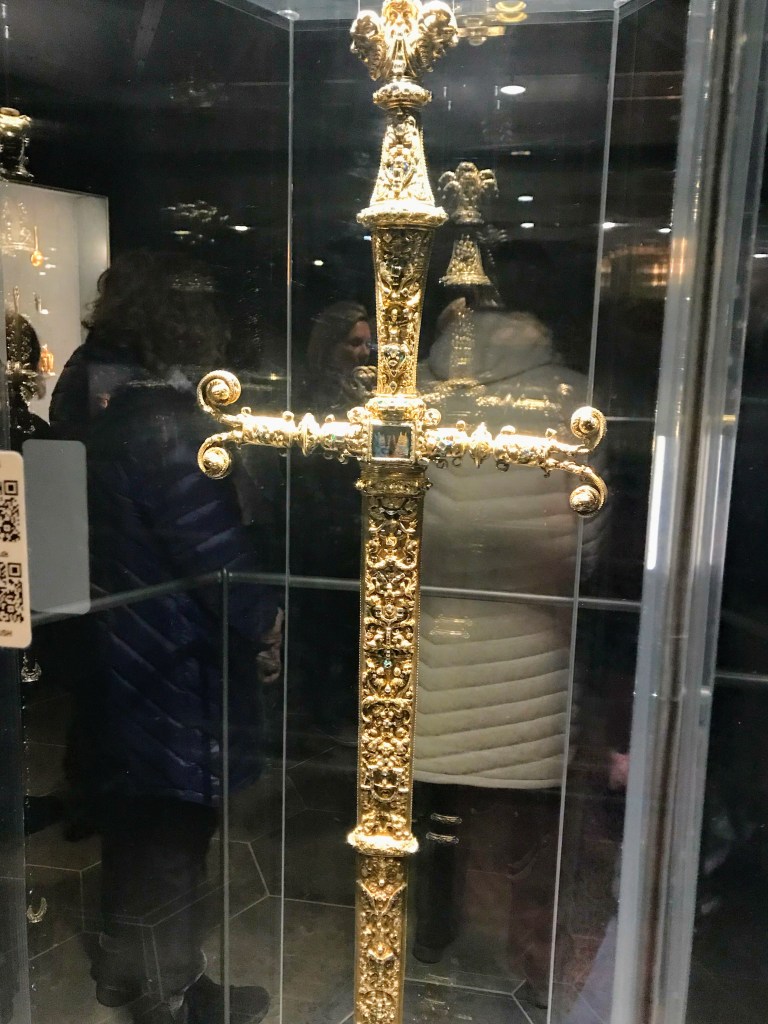
The Crown Jewels of Rosenborg consist of four set of jewels, mounted with pearls, rubies, emeralds, rose and brilliant cut diamonds. They may one be used by The Queen and only within Denmark. They are used a couple of times a year, one being at the New Year Banquet.
The numbers on the photos coincide with the website that explains each piece in detail.















































 Adventures with Cindy