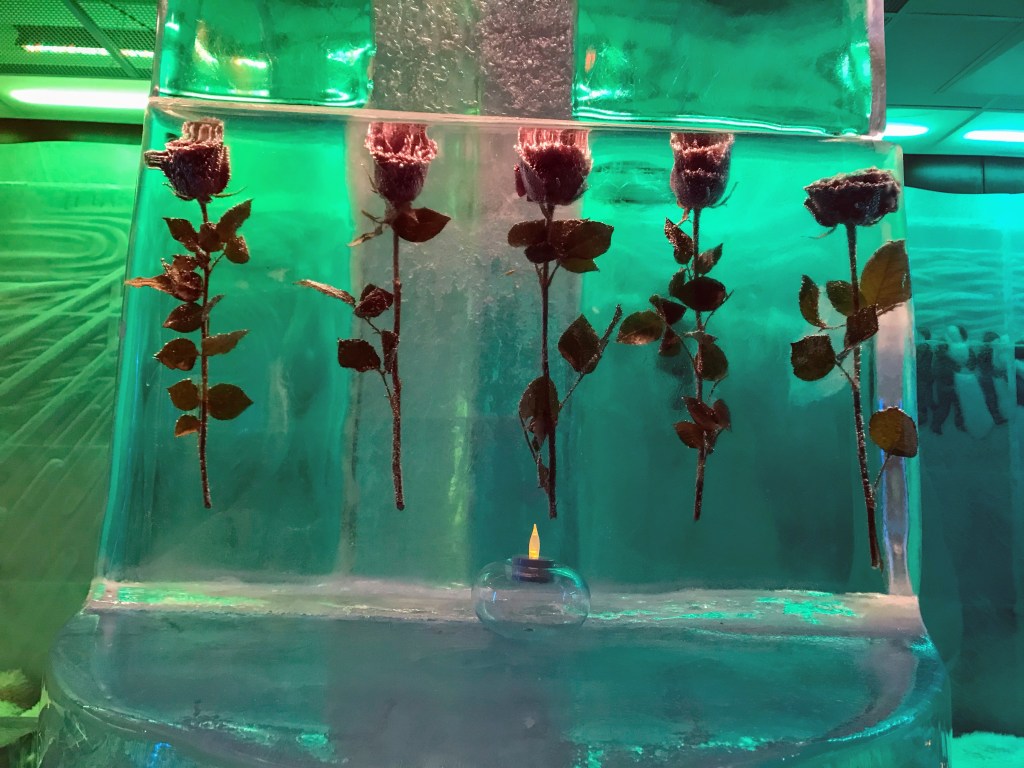
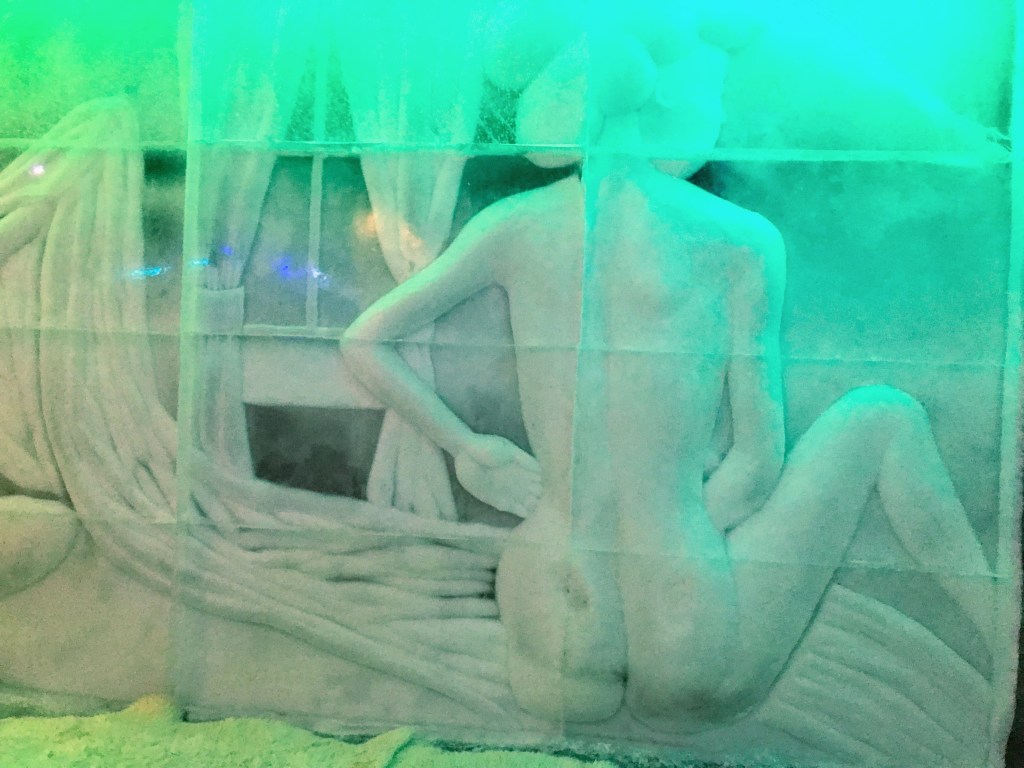
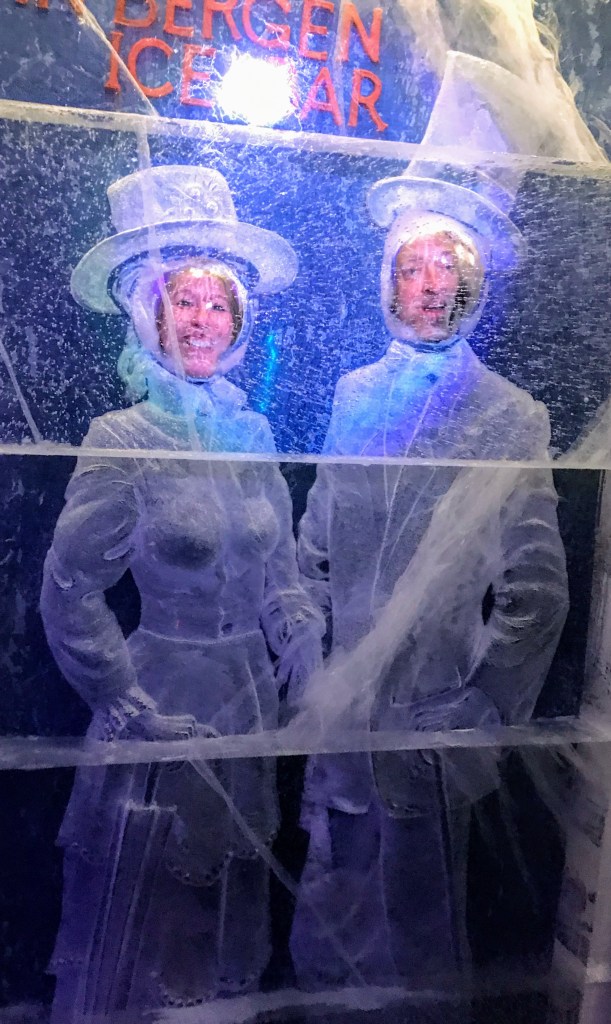
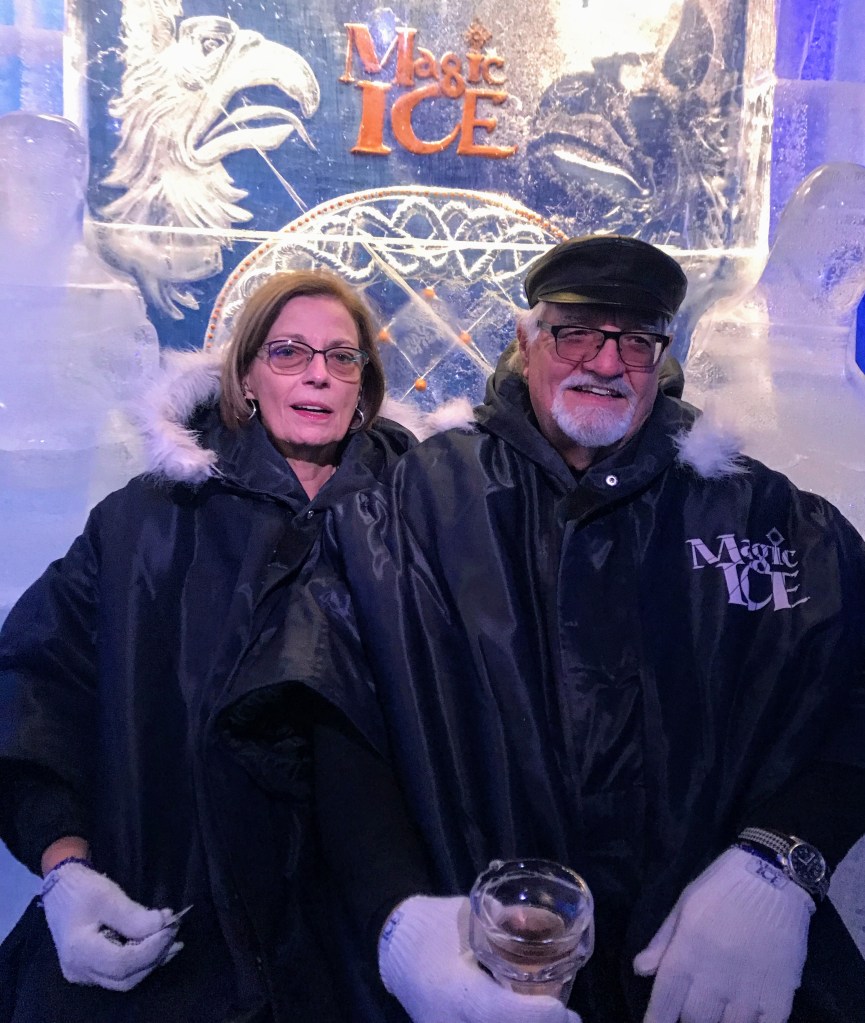
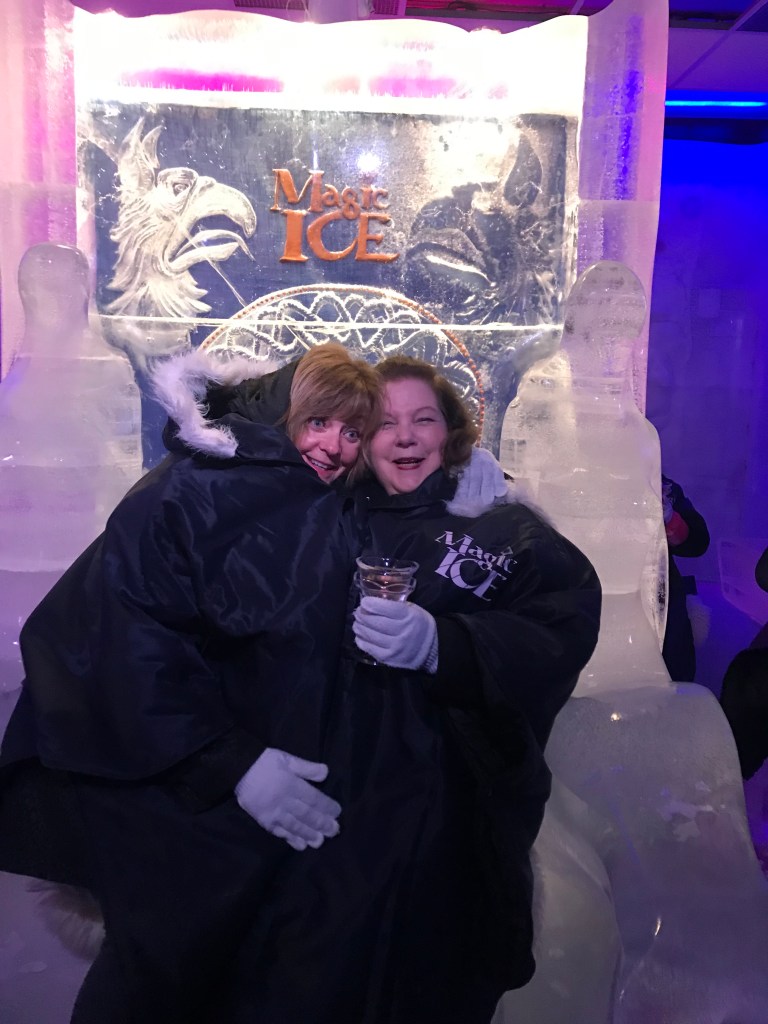
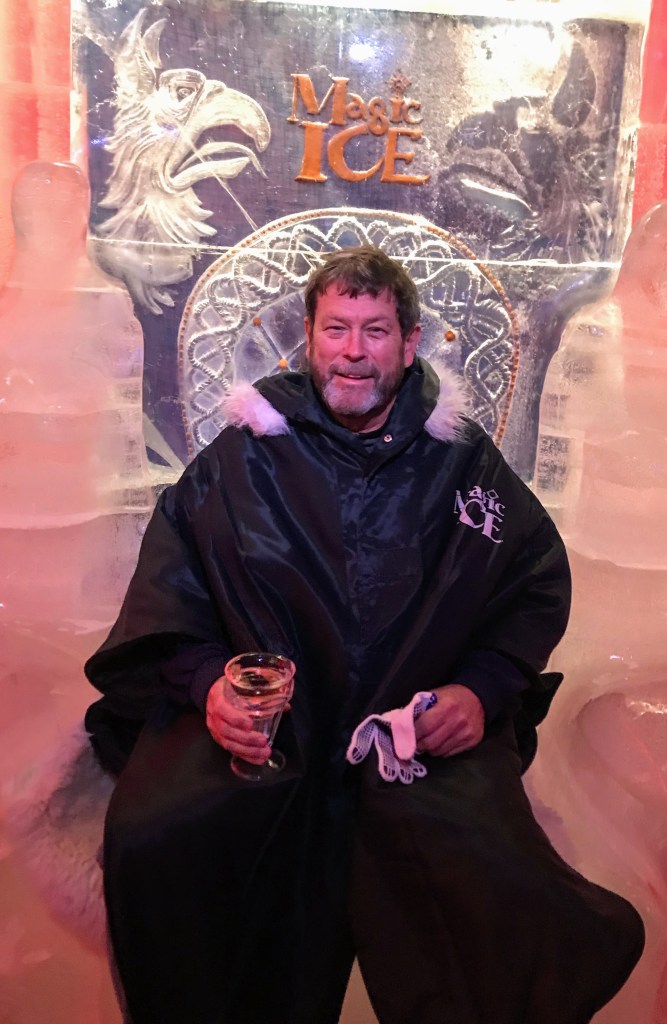
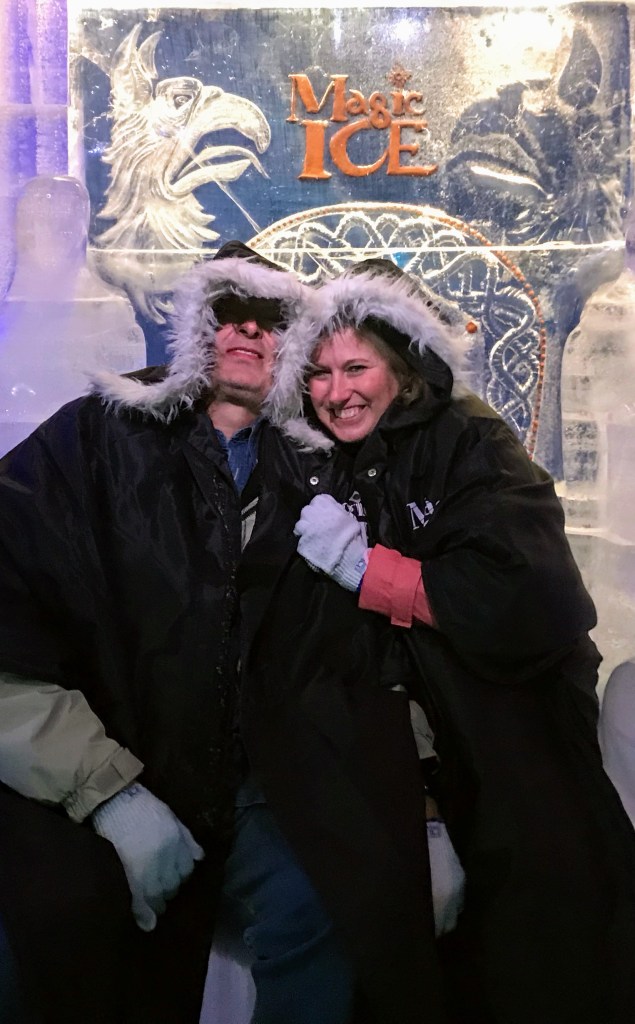
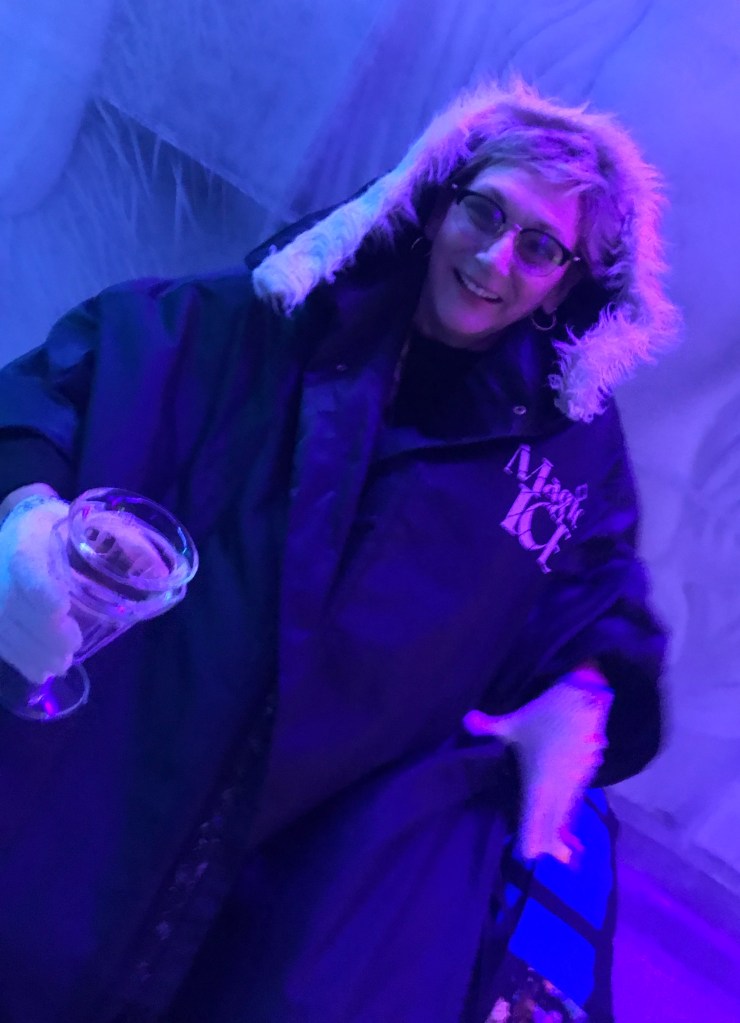
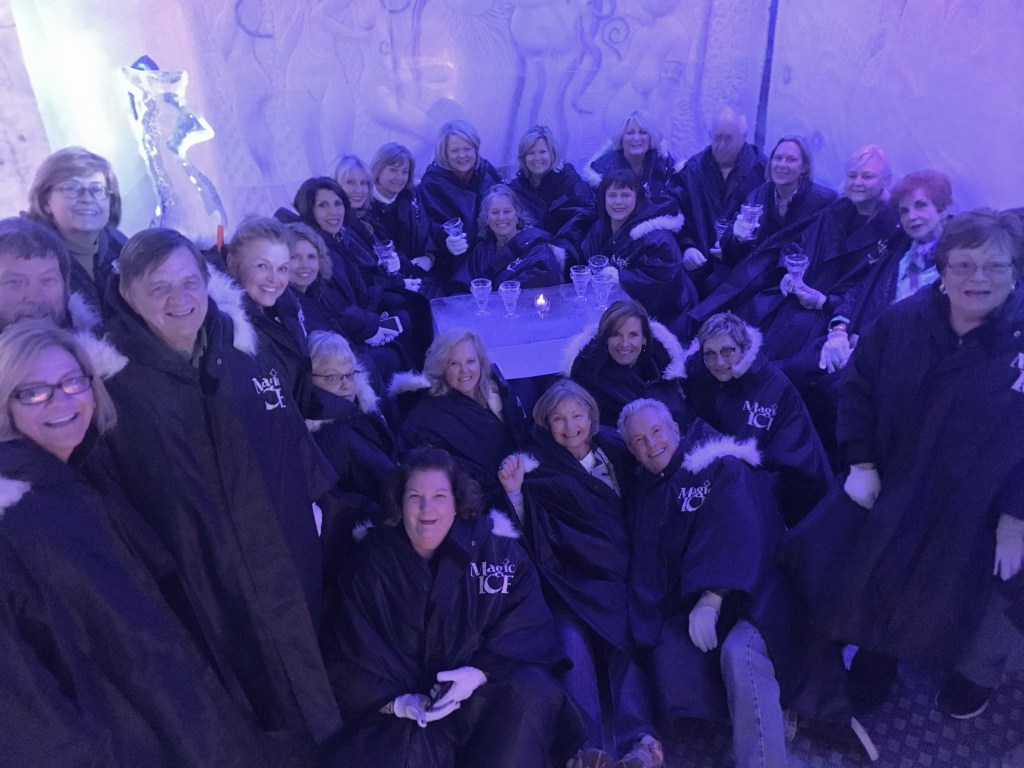
Several of us had heard of these Ice bars and even a couple had been before, but we all wanted to go as a group. Our tour guide arranged for us to go to this one in Bergen, Norway!
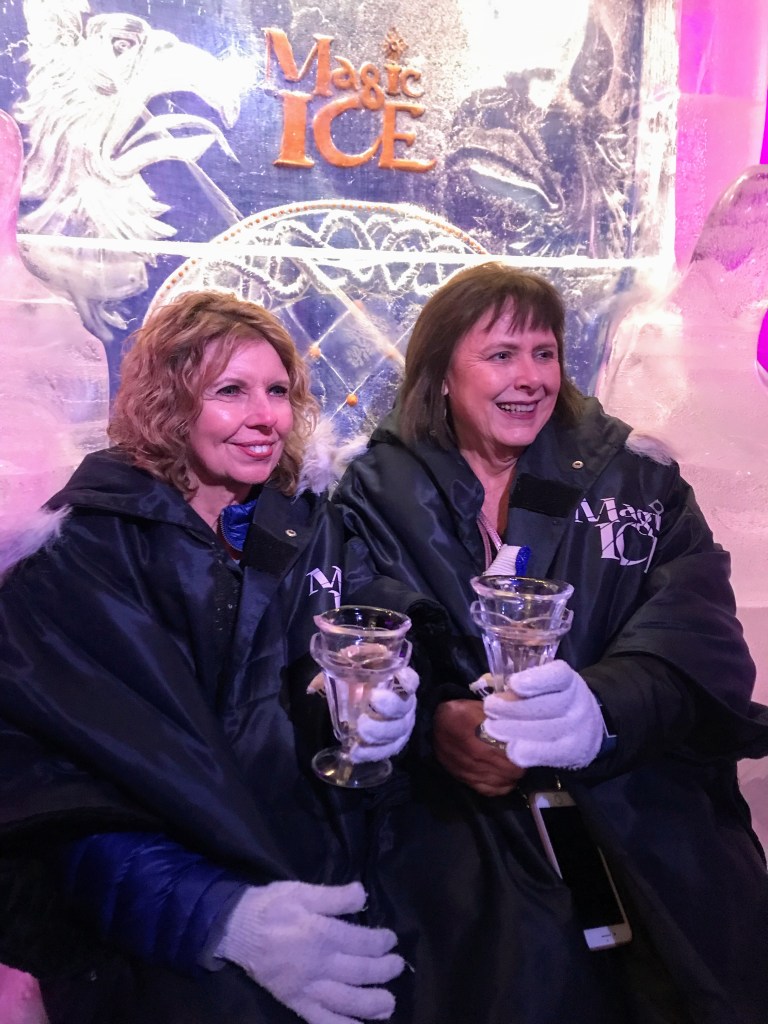
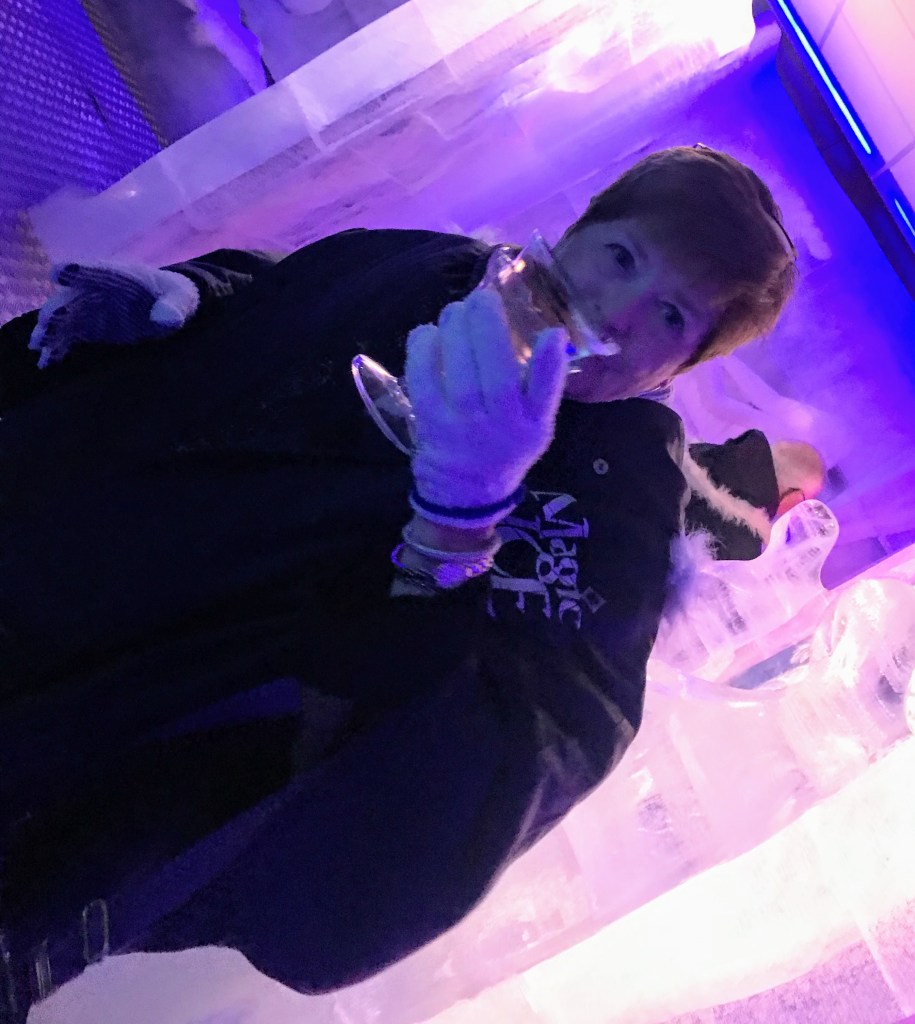
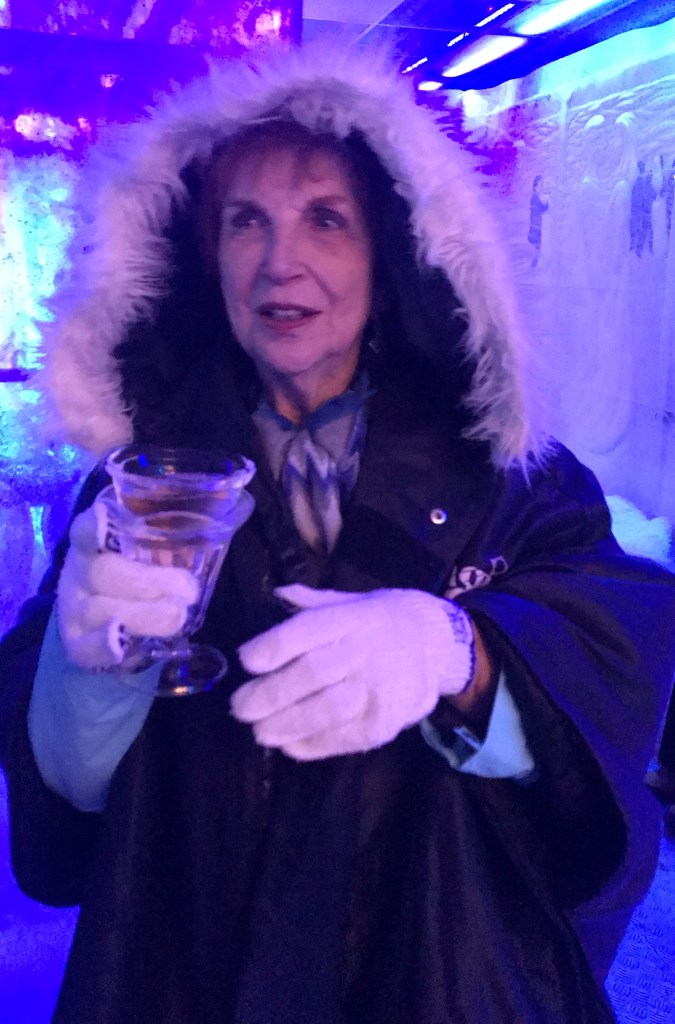
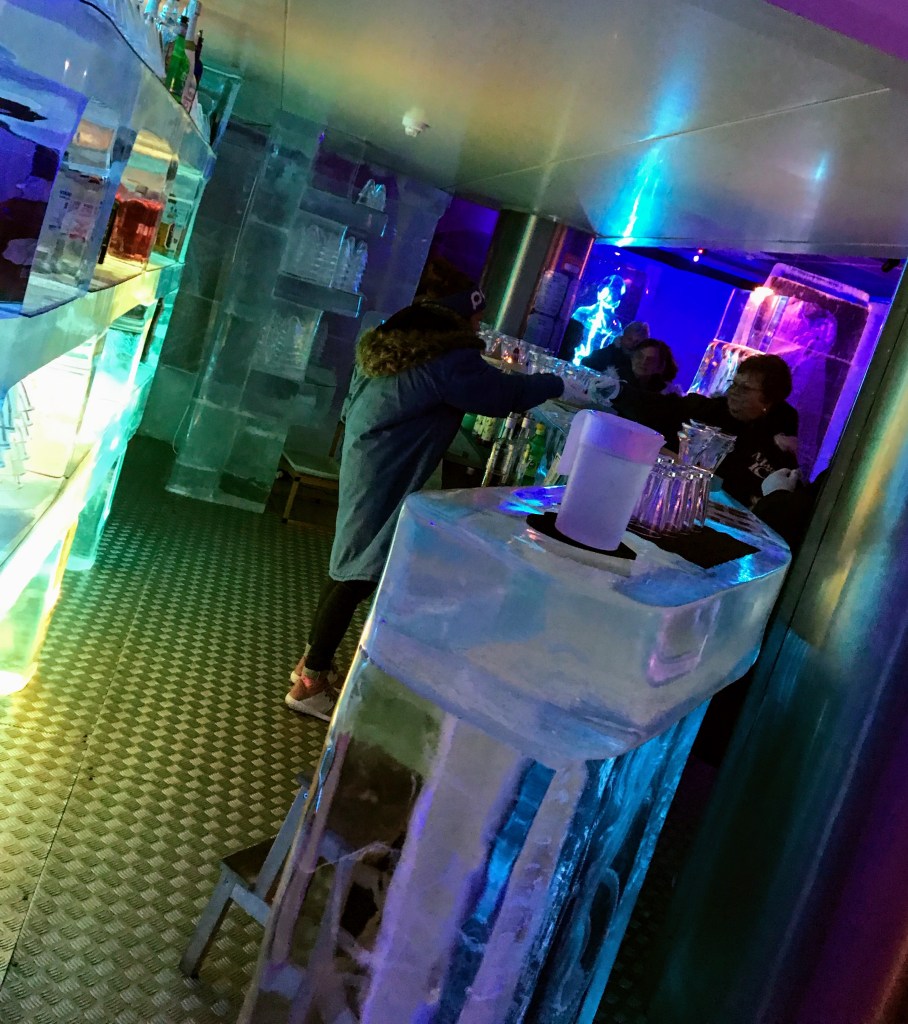
Everything was made of ice! They did put the ice glass with our drinks in it into a real glass so it wouldn’t slip out of your hand.
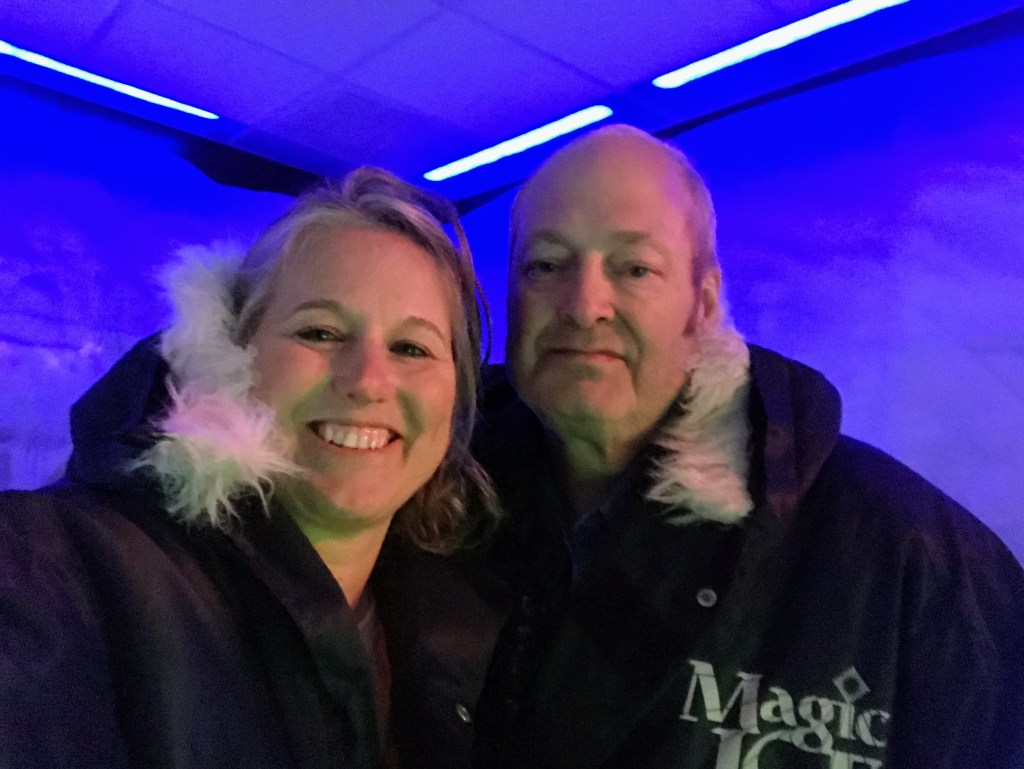
A few candid shots of everyone being crazy and don’t even ask what the drink was because I don’t remember!
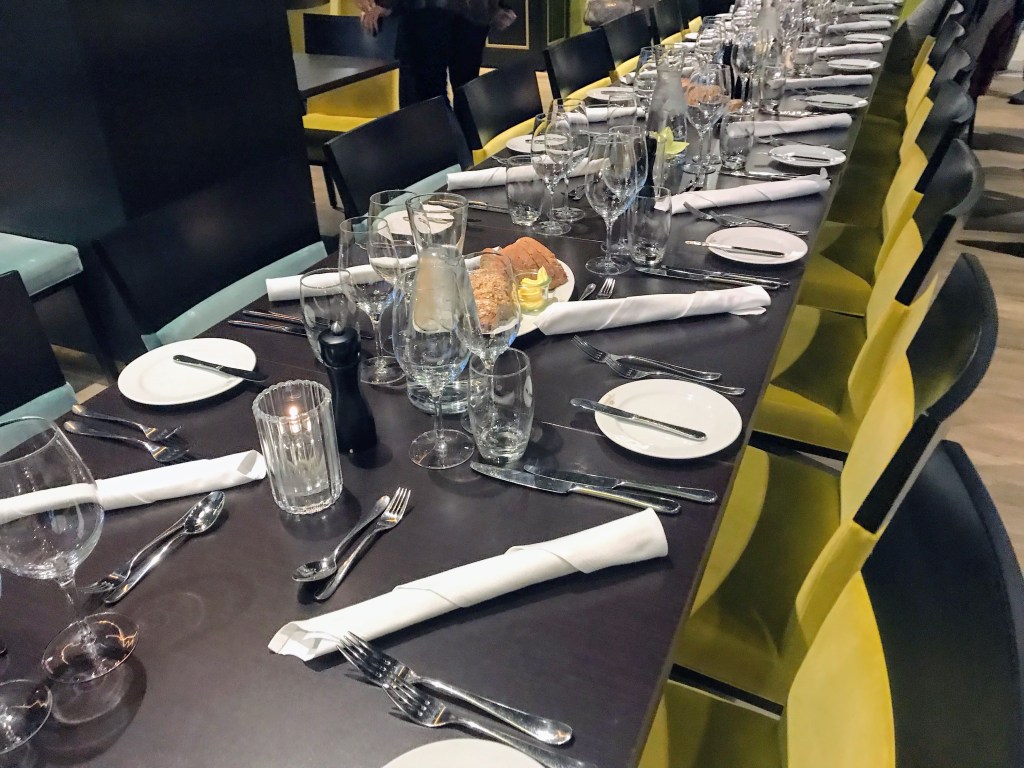
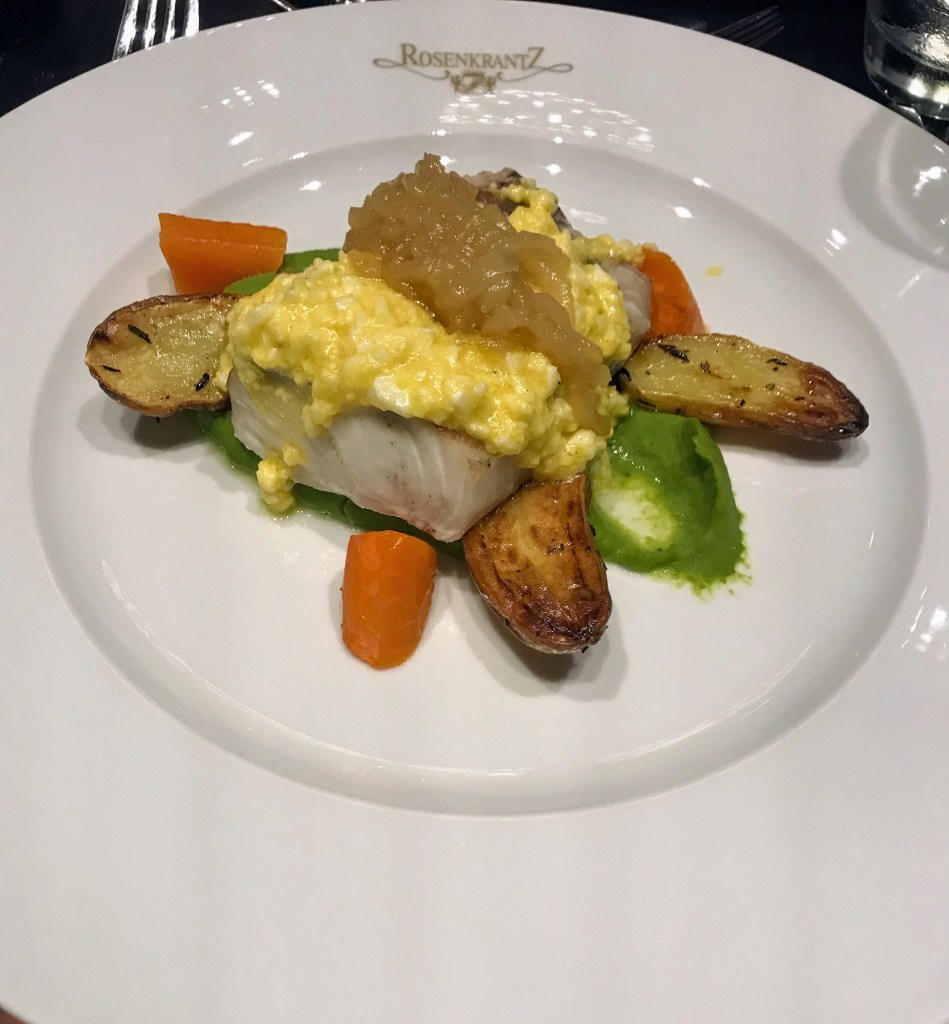
I wished I could tell you what each dish was they way the chef came out and told us, but I can tell you that each dish was very delicious and were favorites of Norwegians.
The main entree was fish with a melody of fresh root vegetables and the salad was fish also with a side of pear.
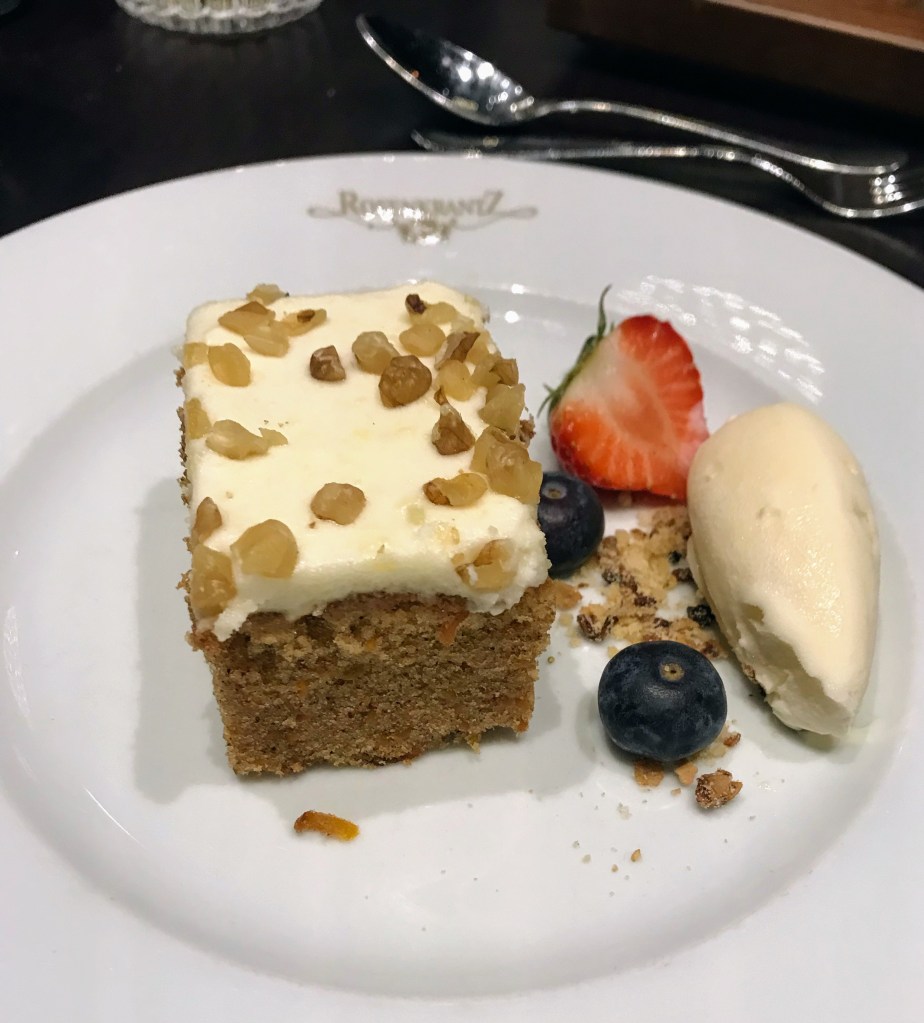
The dessert was a spice cake with fresh berries and cream.
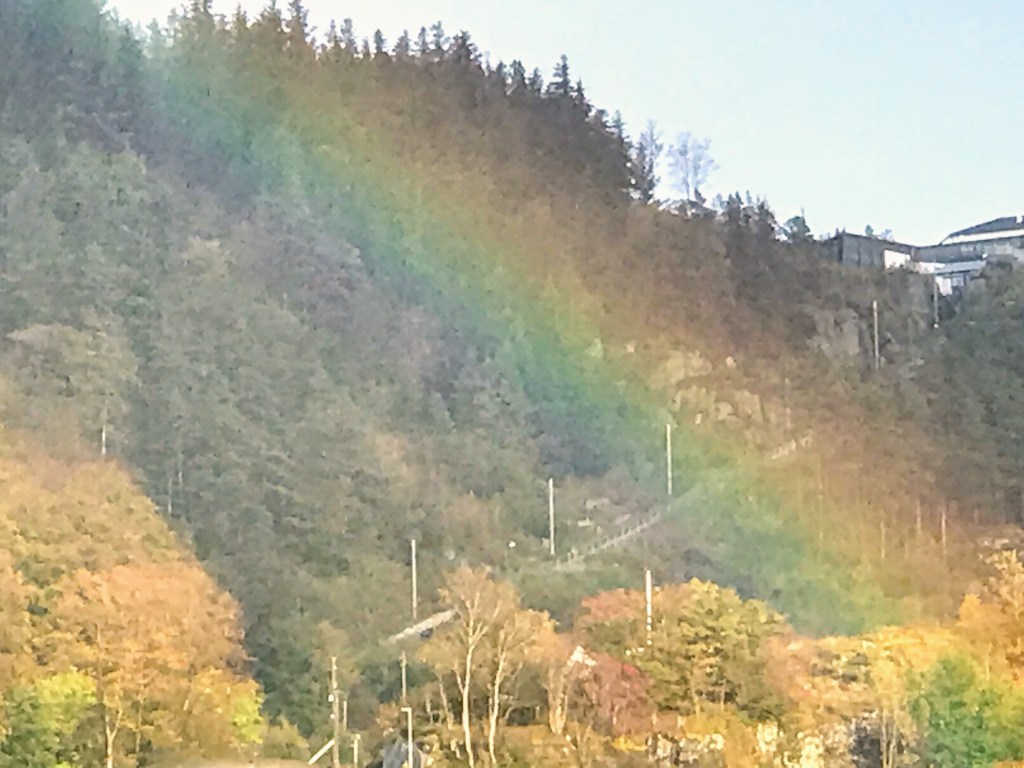
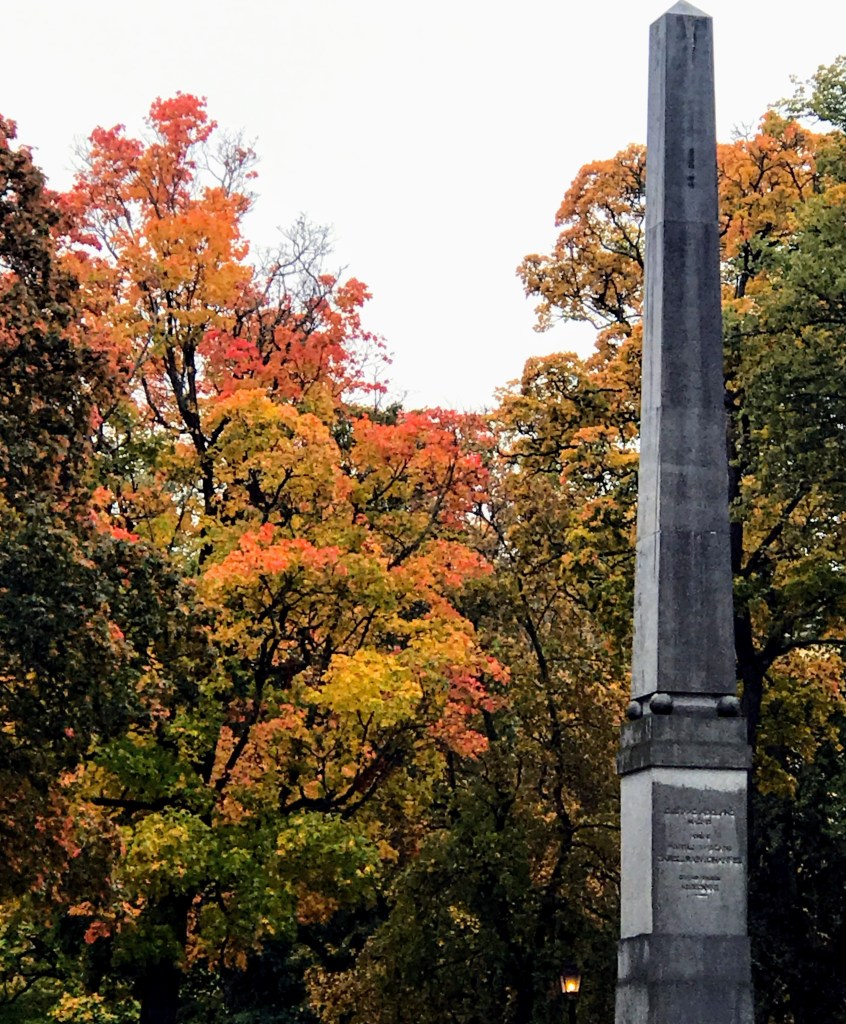
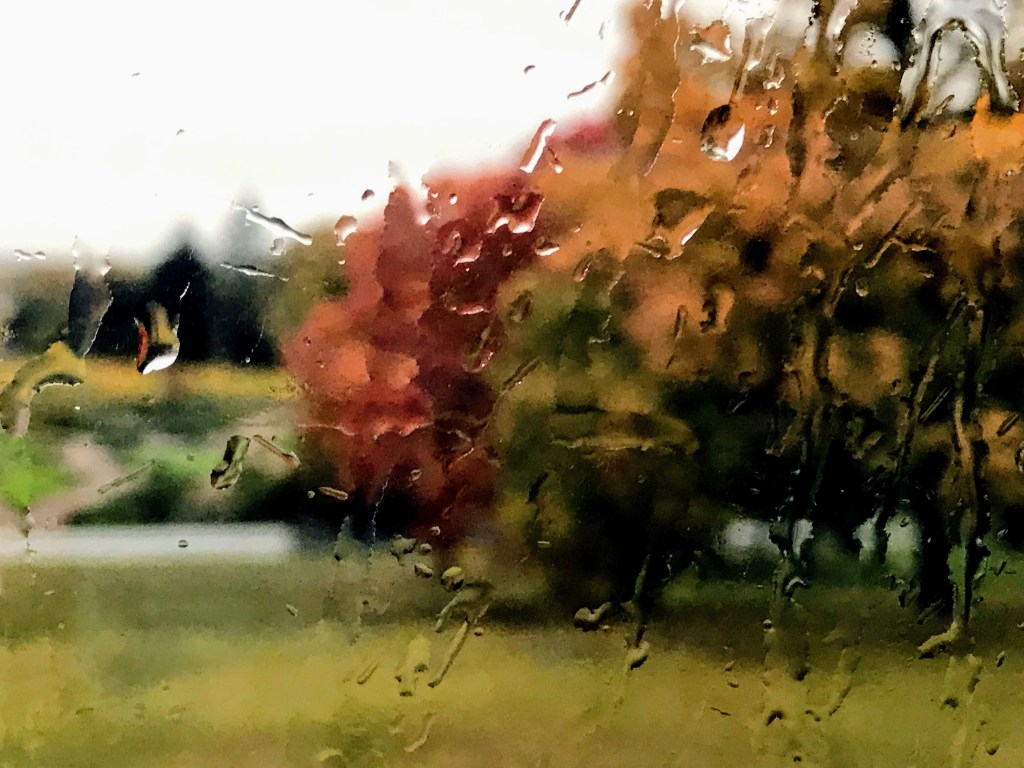
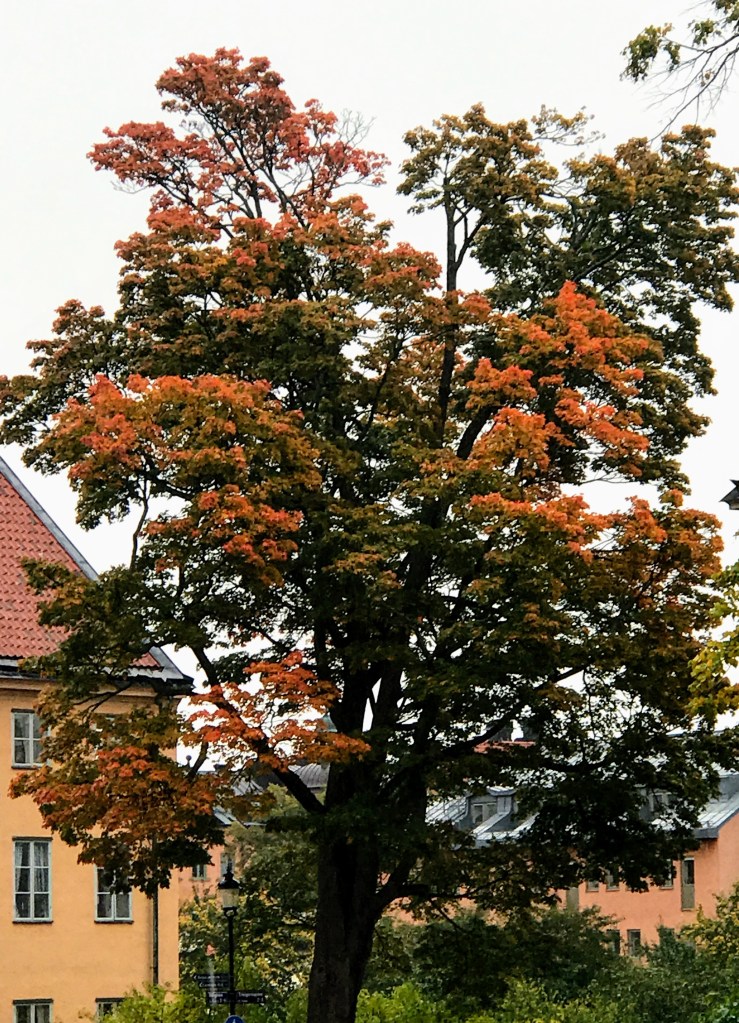
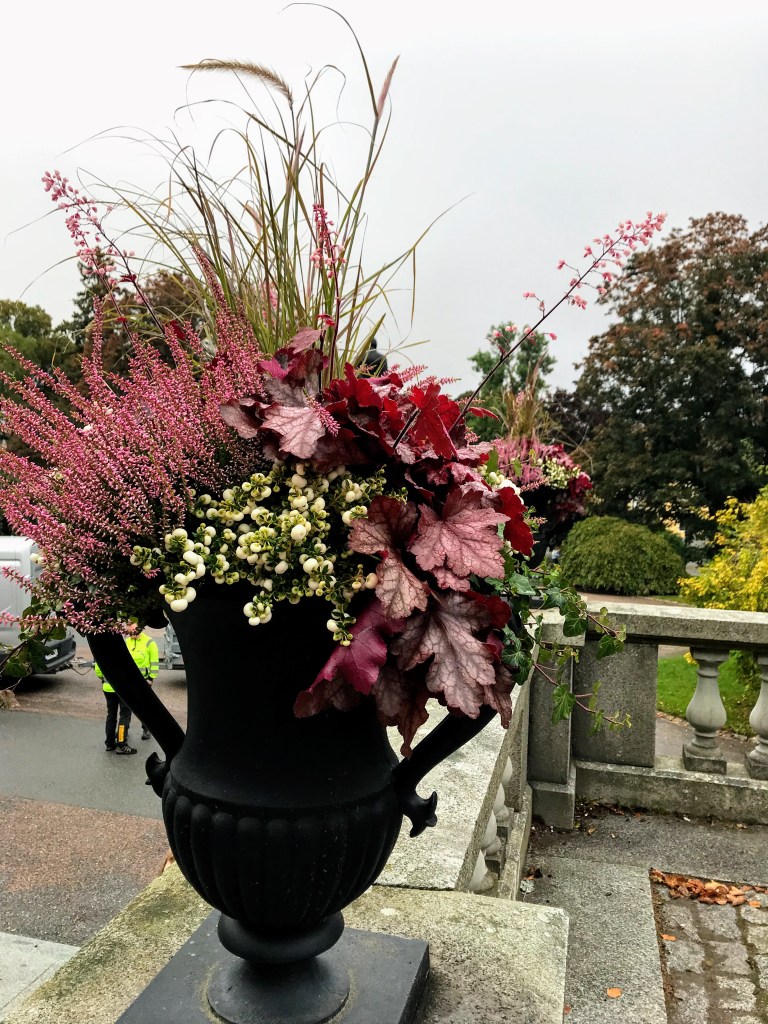
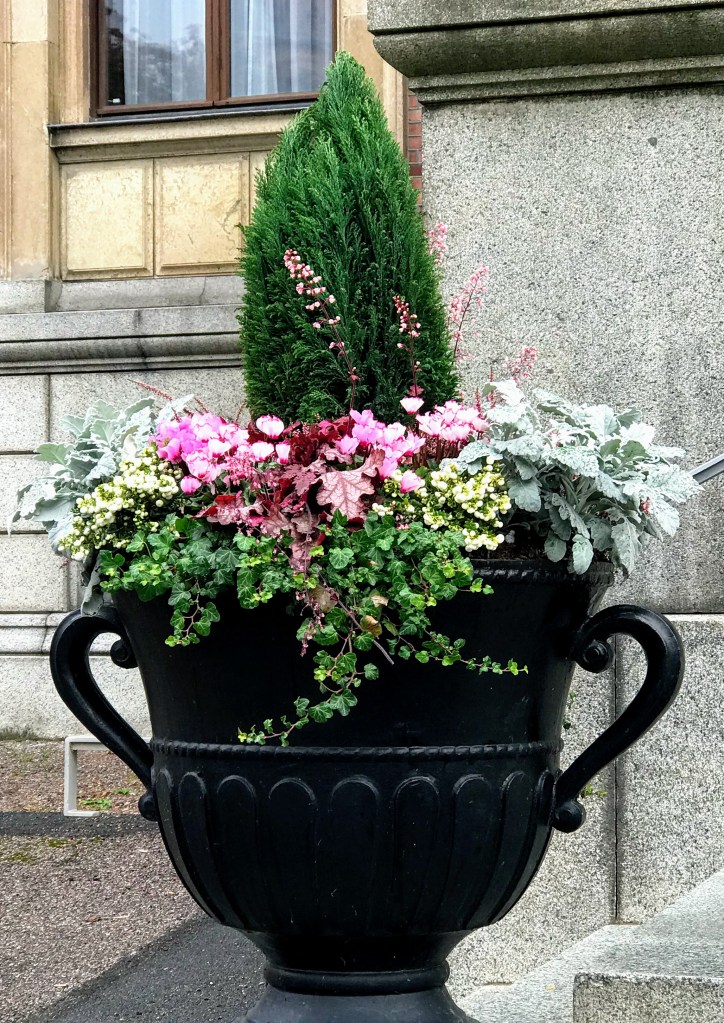
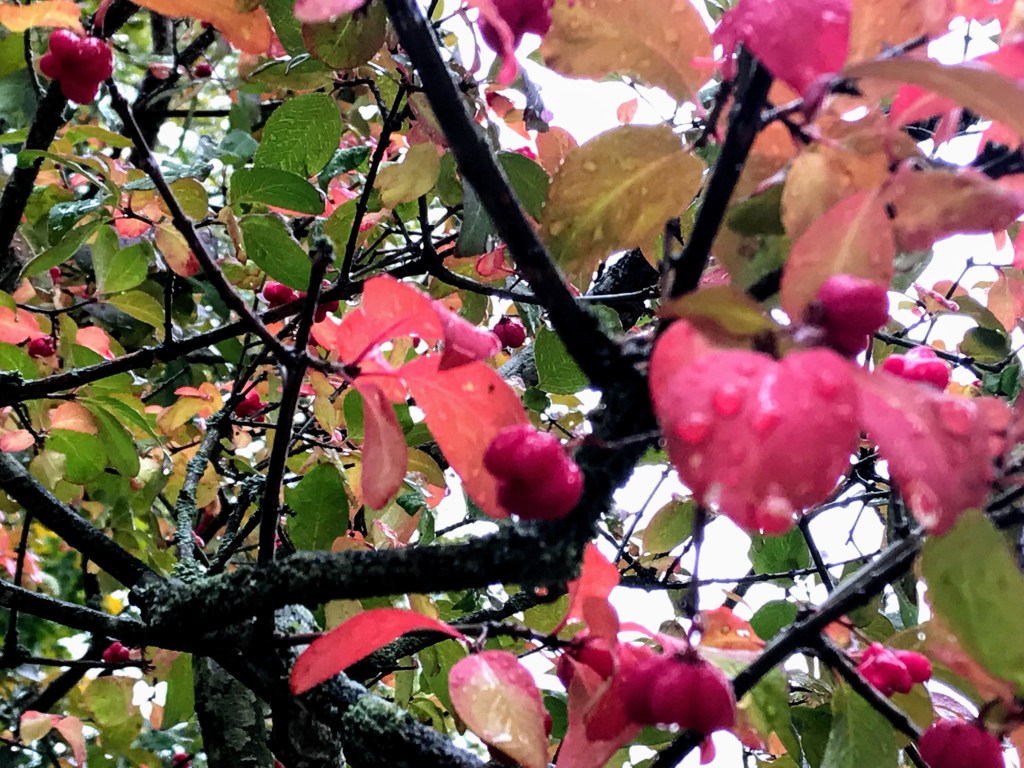
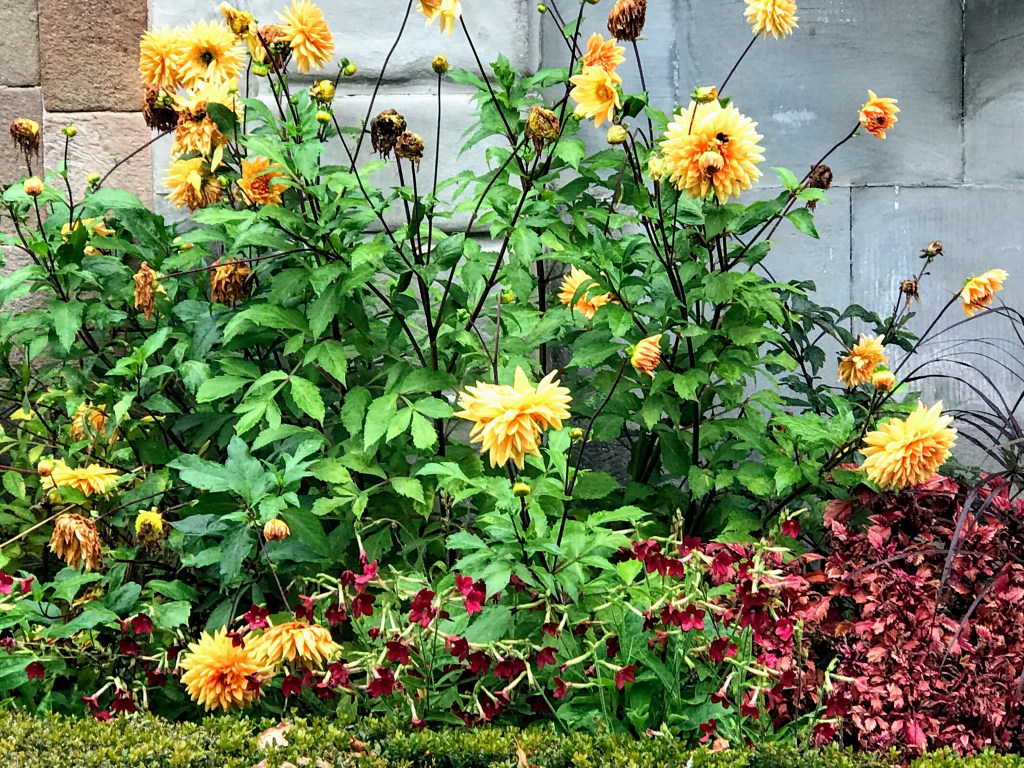
As the arctic air puts a chill in our bones, I wanted to show the beautiful colors of the trees in Sweden. It seems that we left the states to go on our trip with 90 degree weather – we returned with the temperatures dropping to the 40’s and now below freezing. Hardly time to enjoy the fall colors of Arkansas.
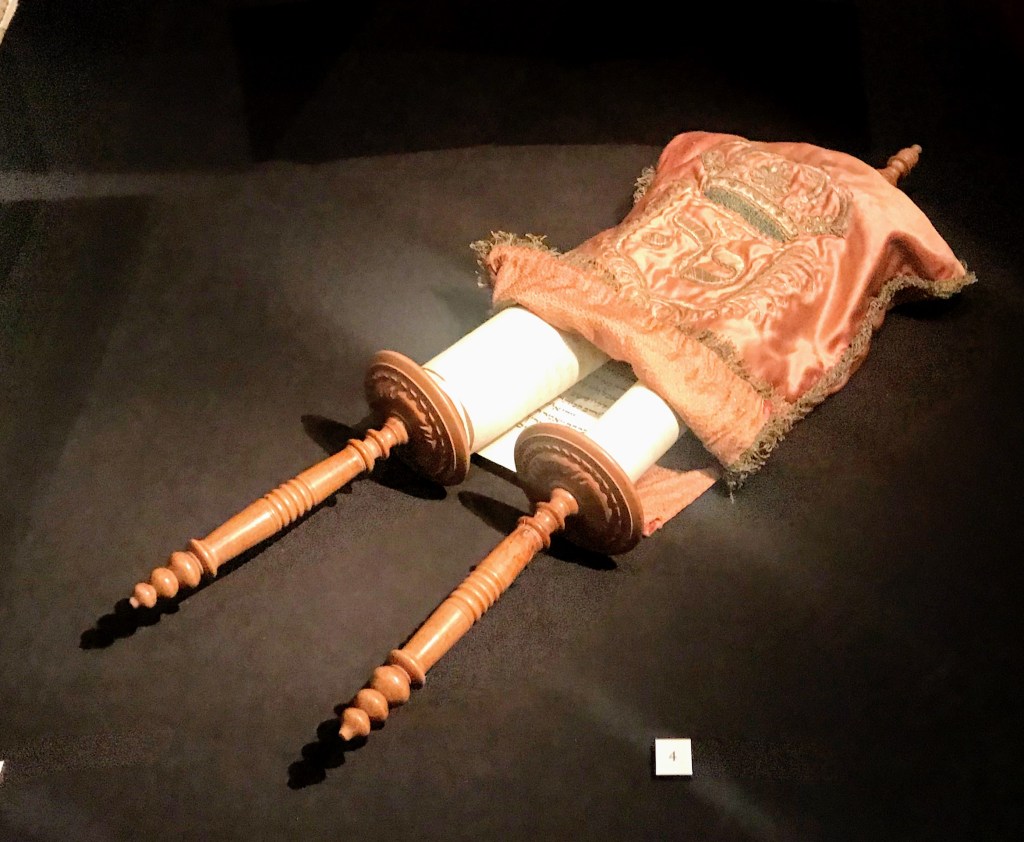
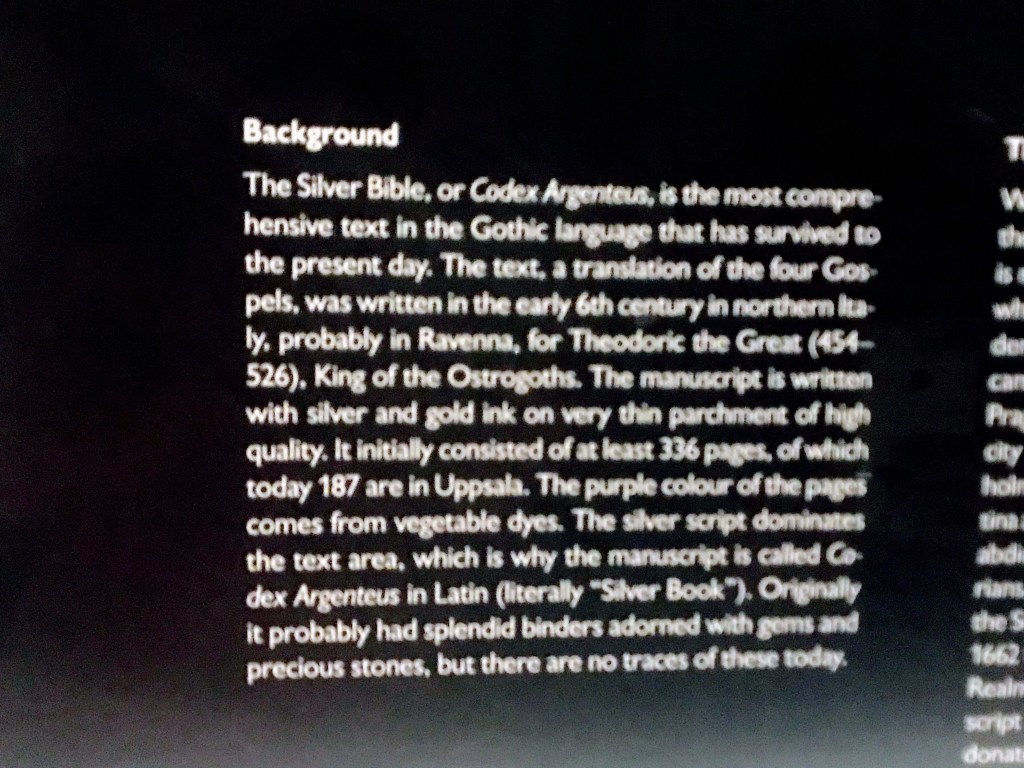
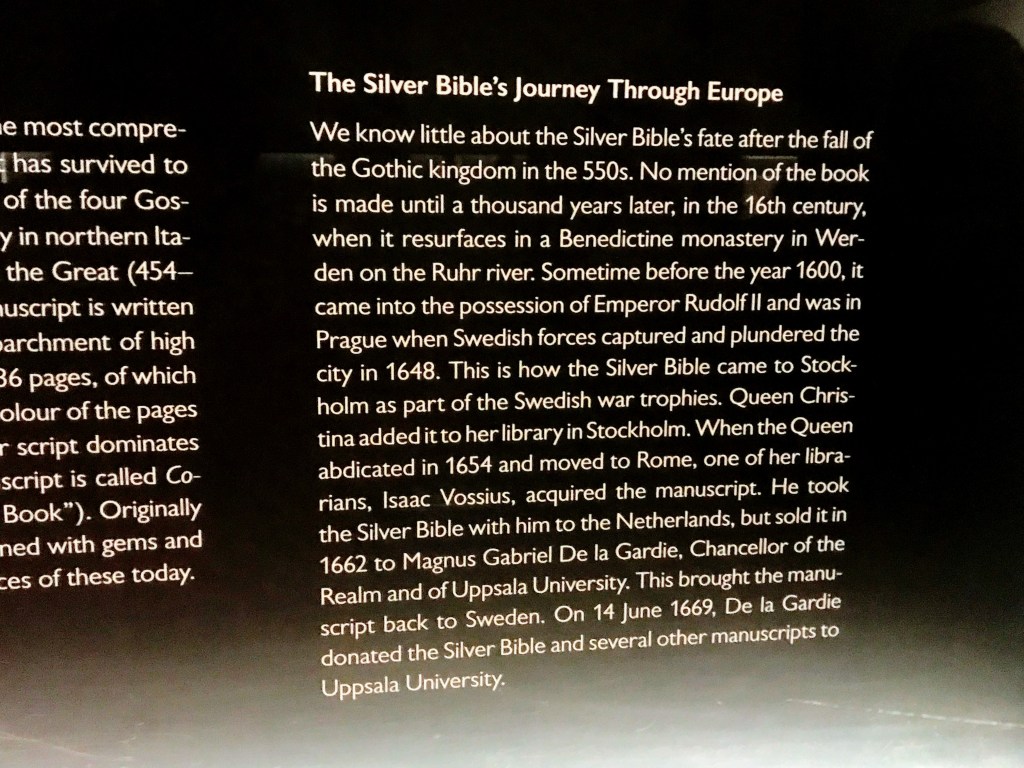
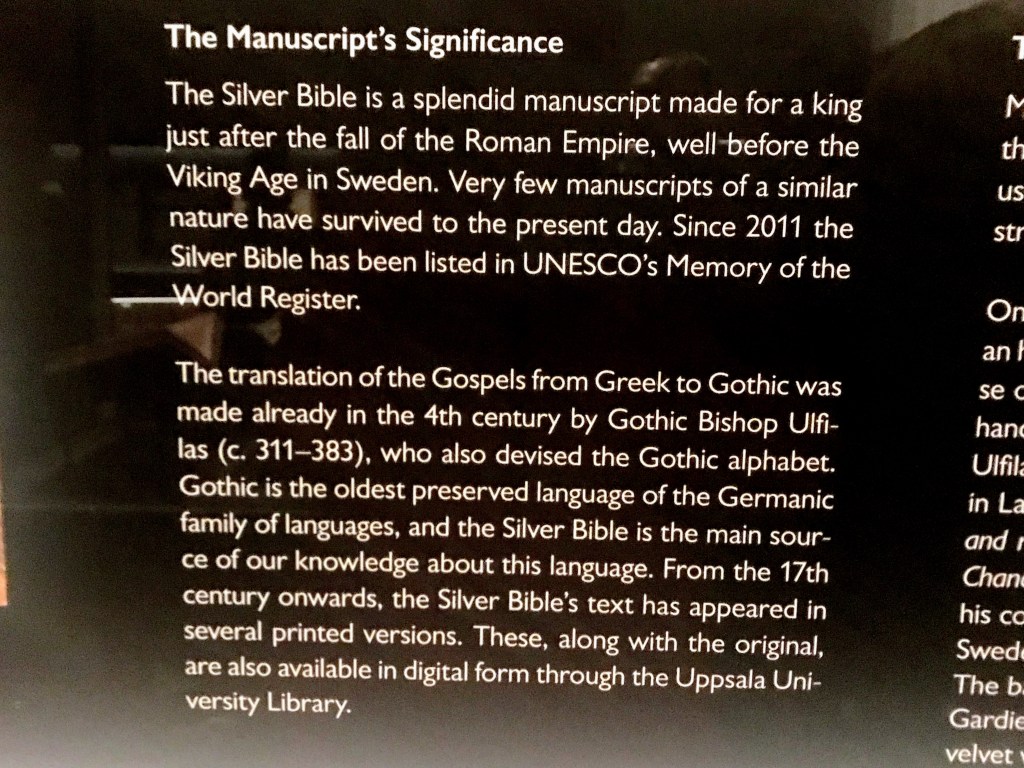
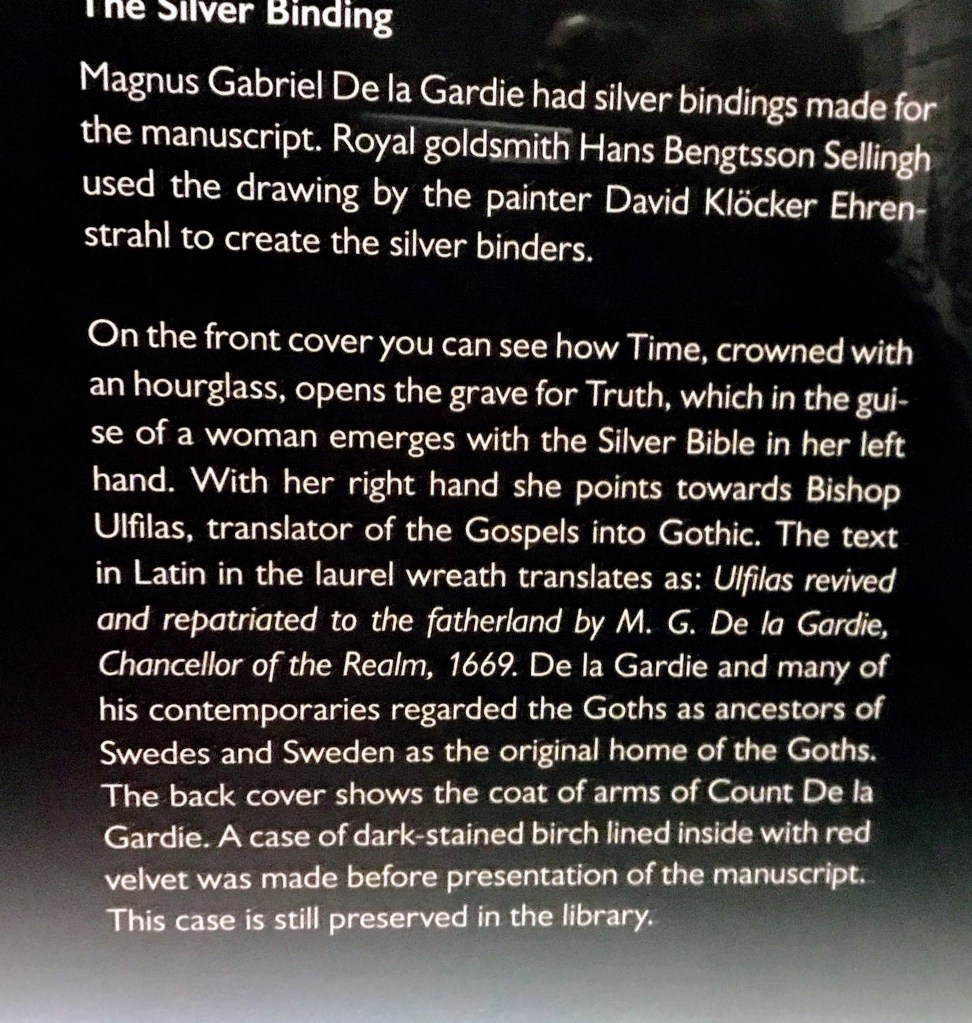
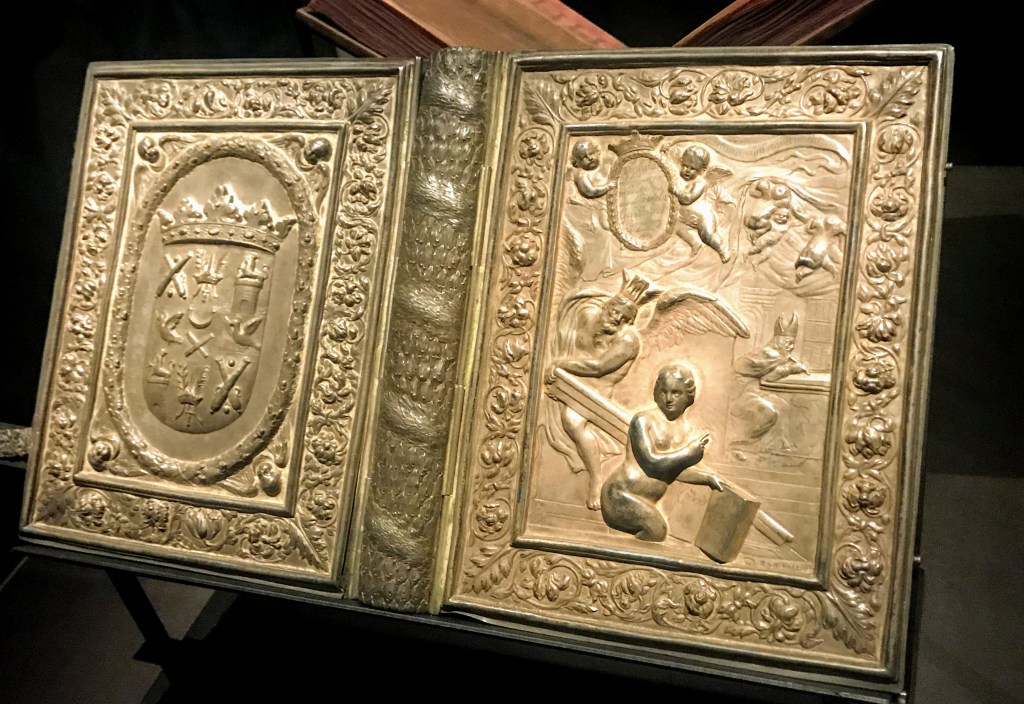
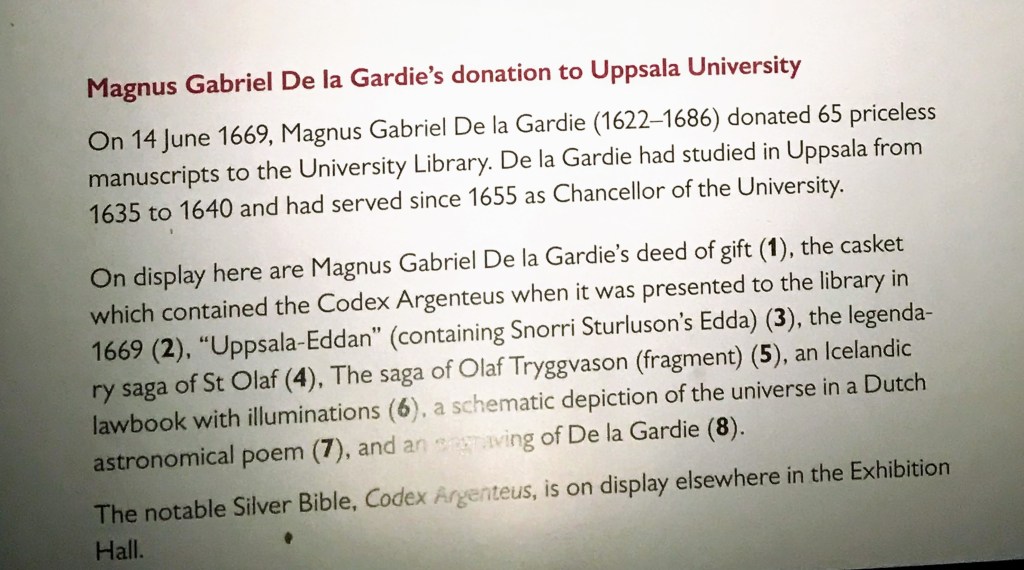
The “Silver Bible” was probably written for the Ostrogothic King Theodoric the Great, either at his royal seat in Ravenna, or in the Po valley or at Brescia. It was made as a special and impressive book written with gold and silver ink on high-quality thin vellum stained a regal purple, with an ornate treasure binding. After Theodoric’s death in 526 the Silver Bible is not mentioned in inventories or book lists for a thousand years.
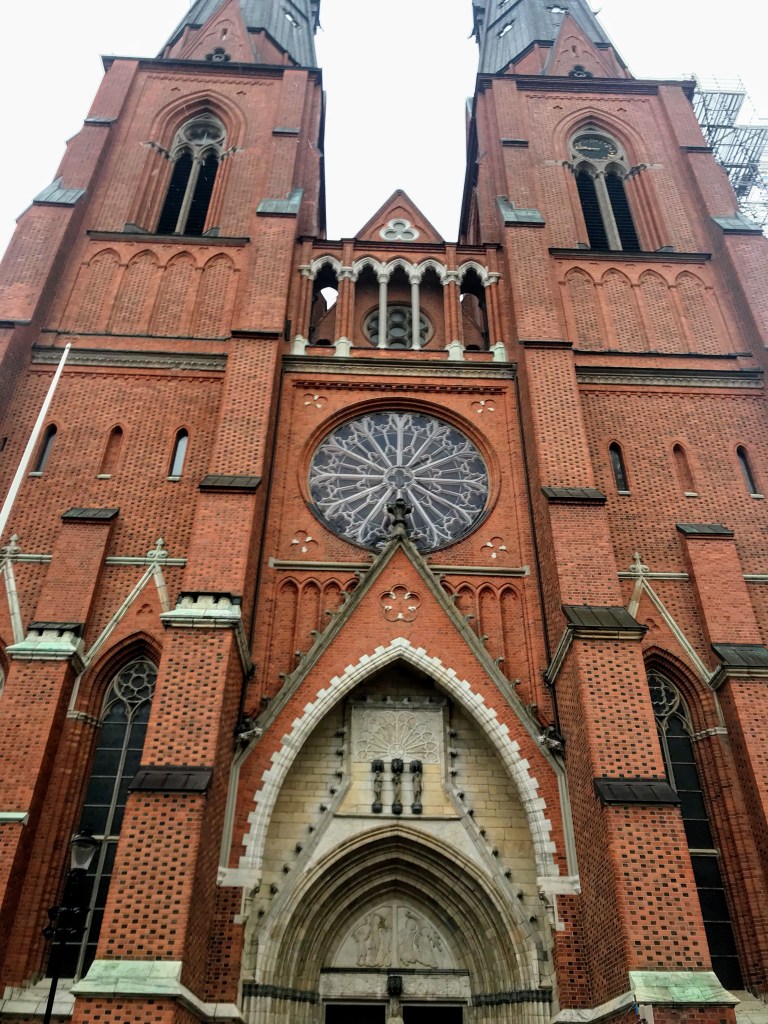
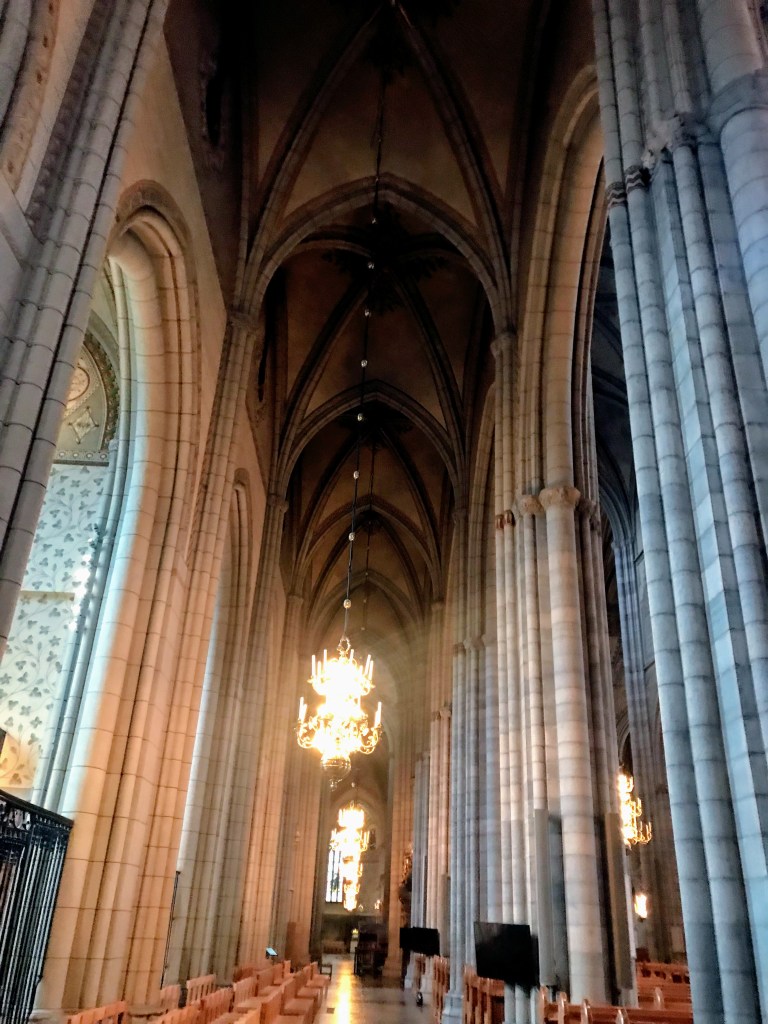
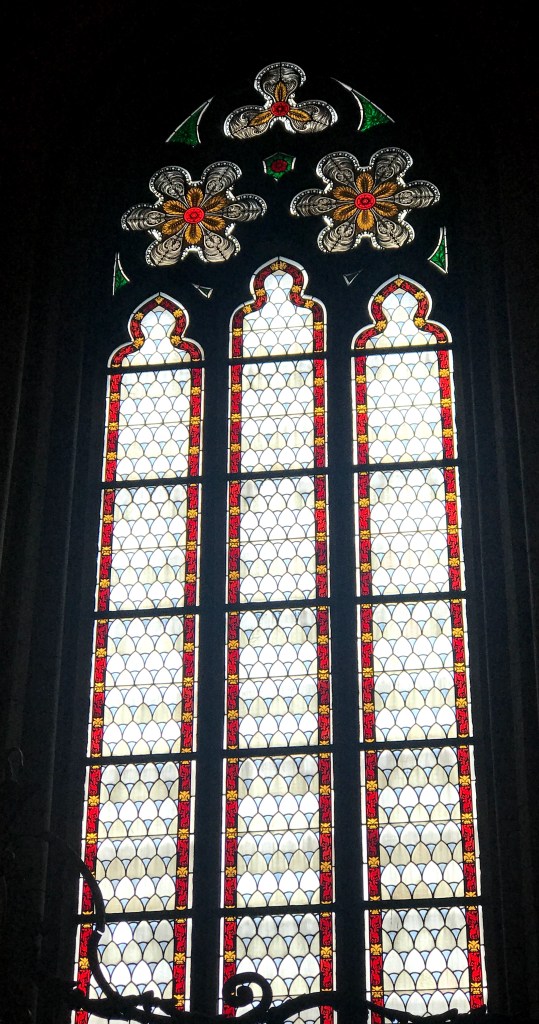
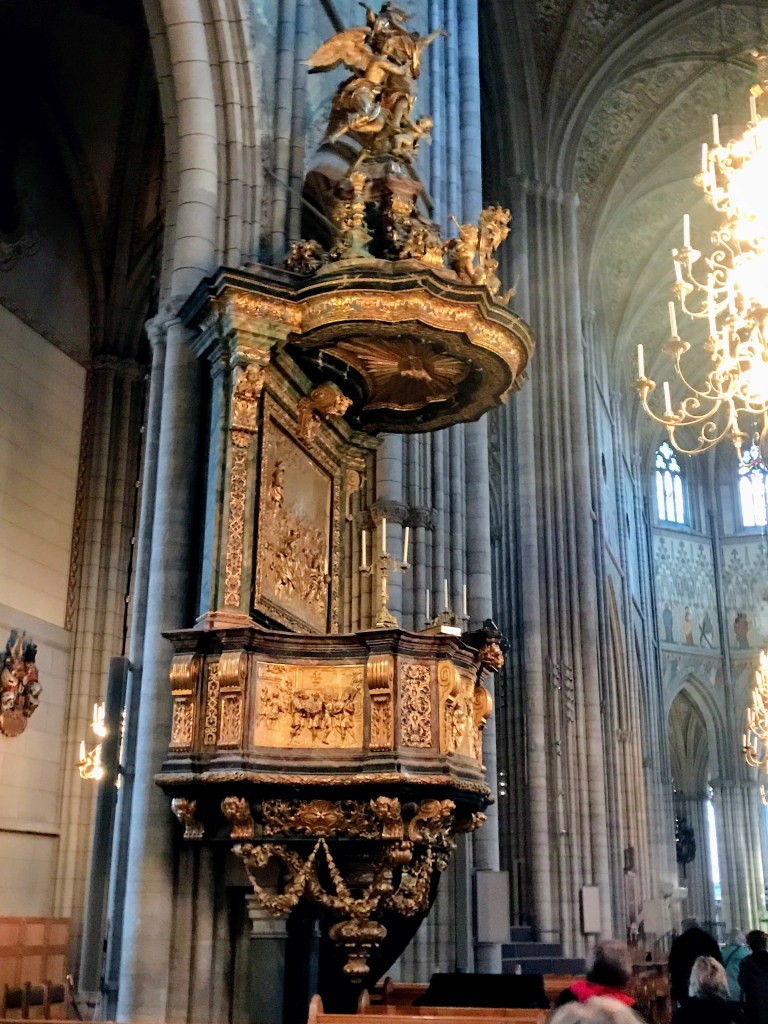
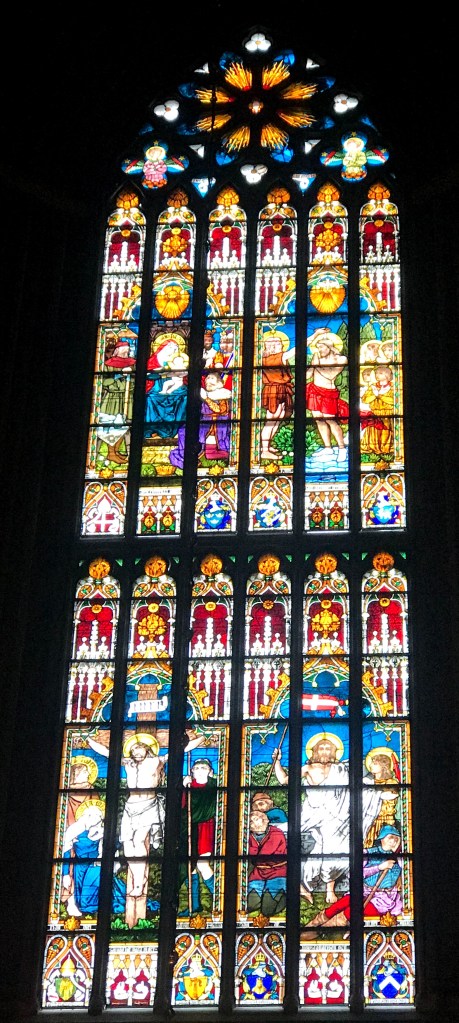
Uppsala Cathedral’s construction began in 1270 as a catholic church. It was built in Gothic Style architecture. Due to lack of funds and inclement weather the construction took a couple of hundred years to complete. In the 1500’s Sweden left the Roman Catholic Church and began as Lutheran. The cathedral houses not only royal tombs, but nobles and scientists too.
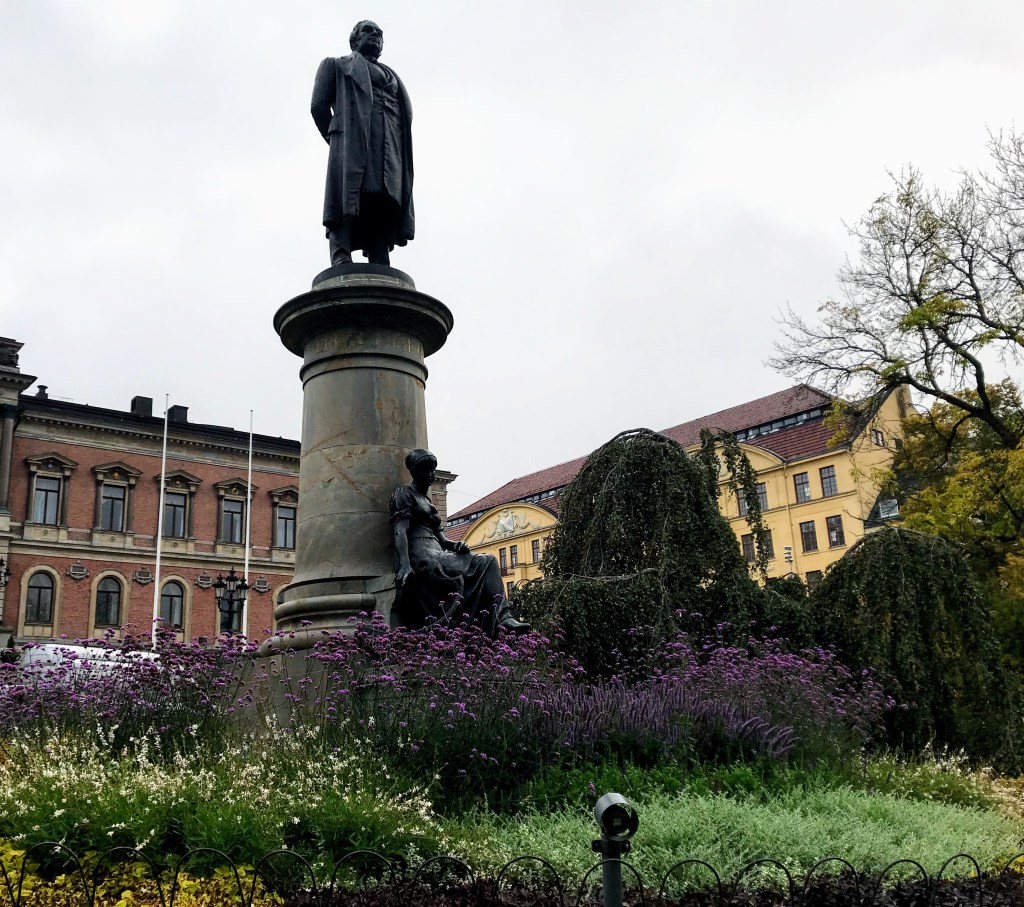
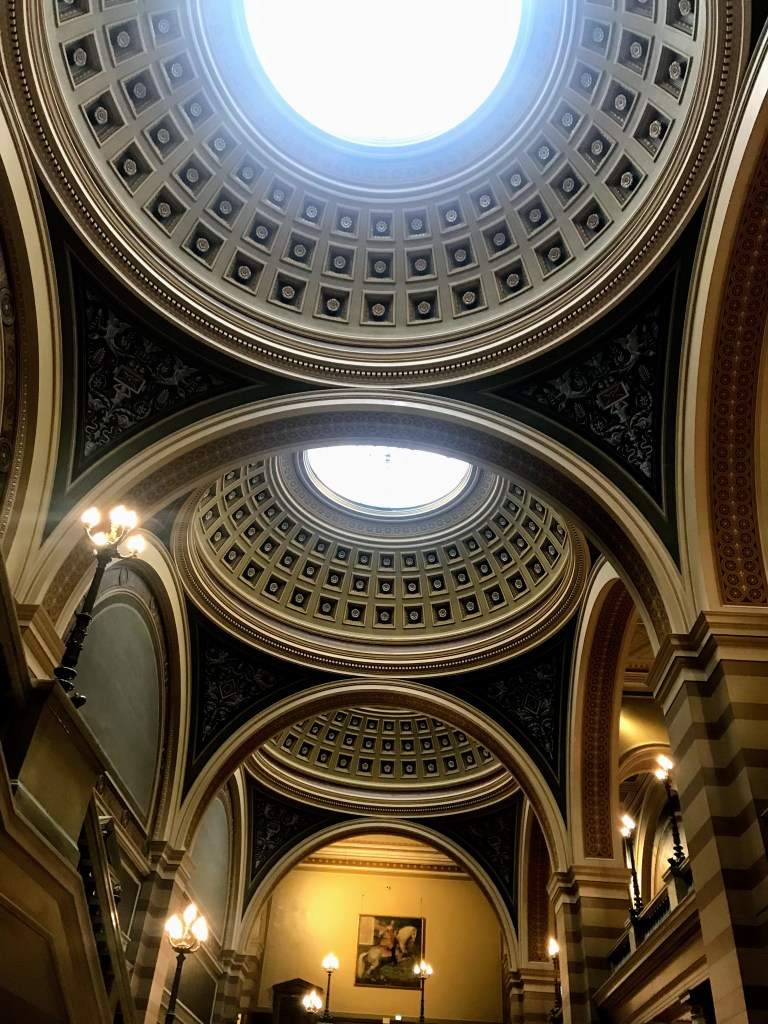
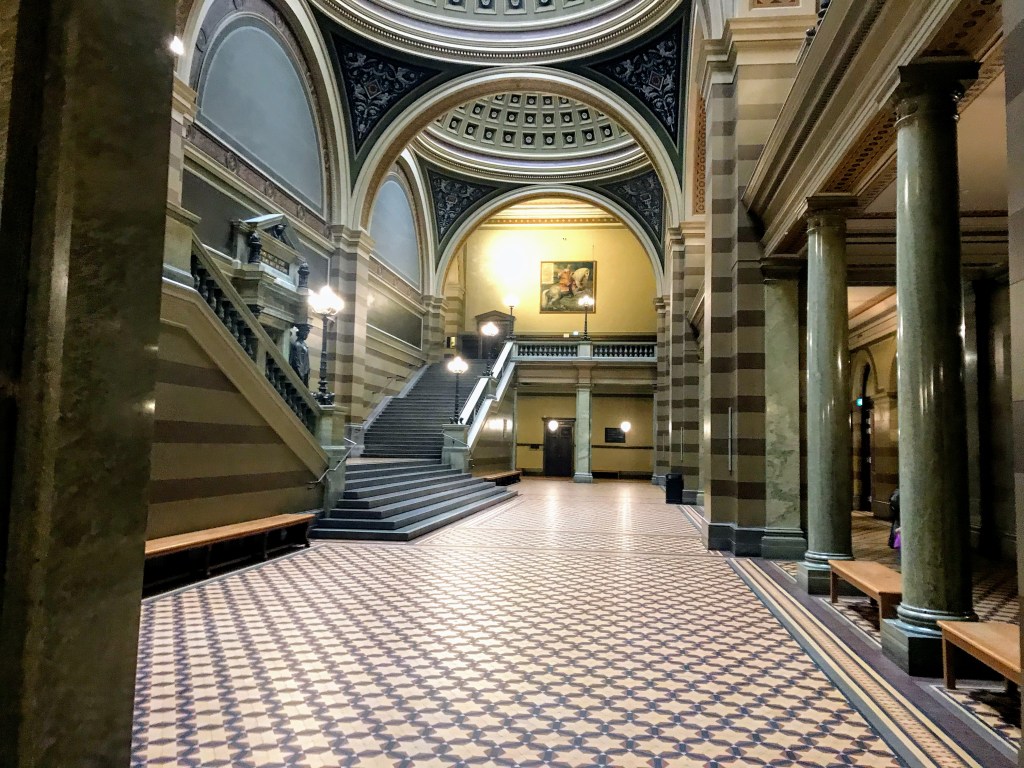
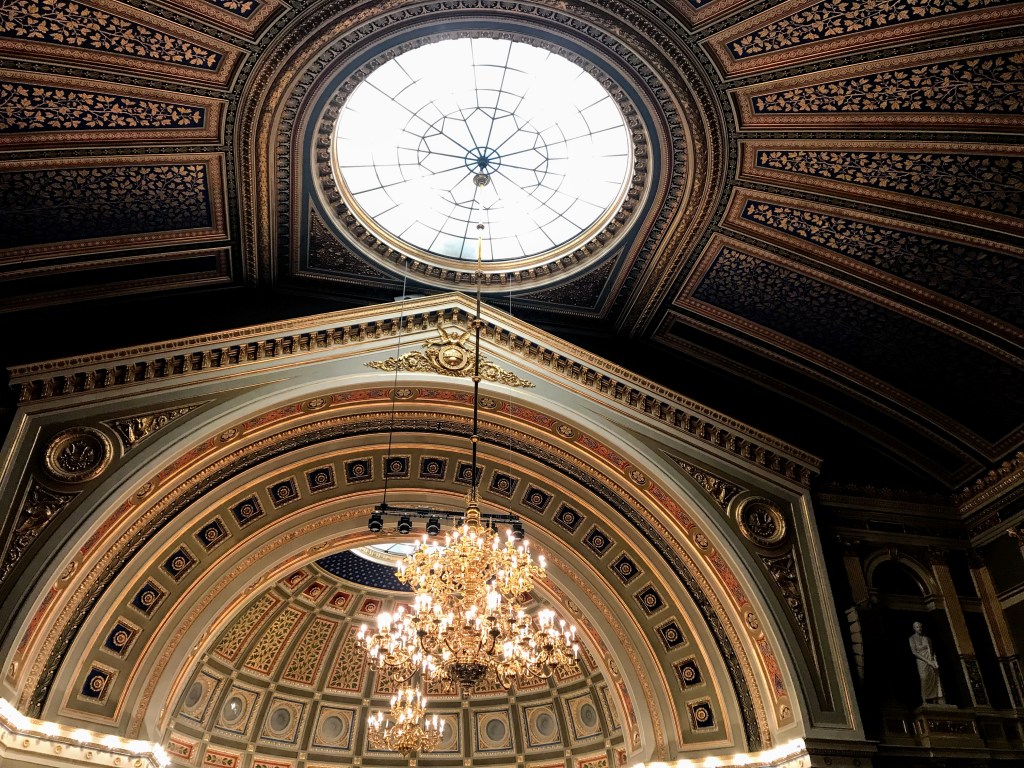
This was a first, to be shown a University on a tour! This particular university began in 1477 and has been a continually operating school of higher learner for the last 542 years. It is listed in the top 100 universities of the World.
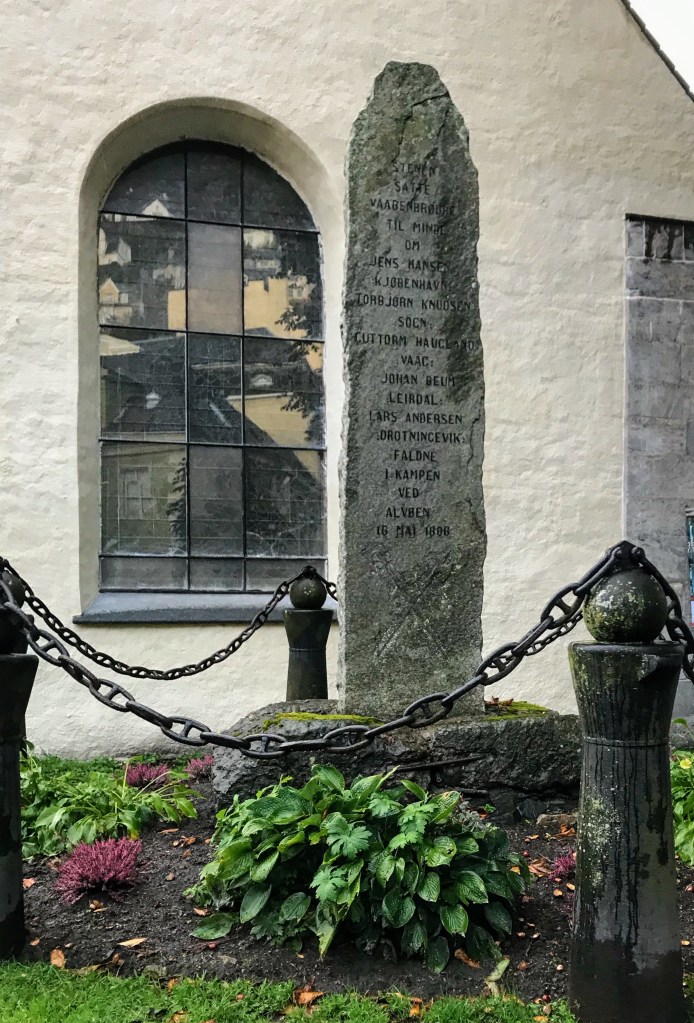
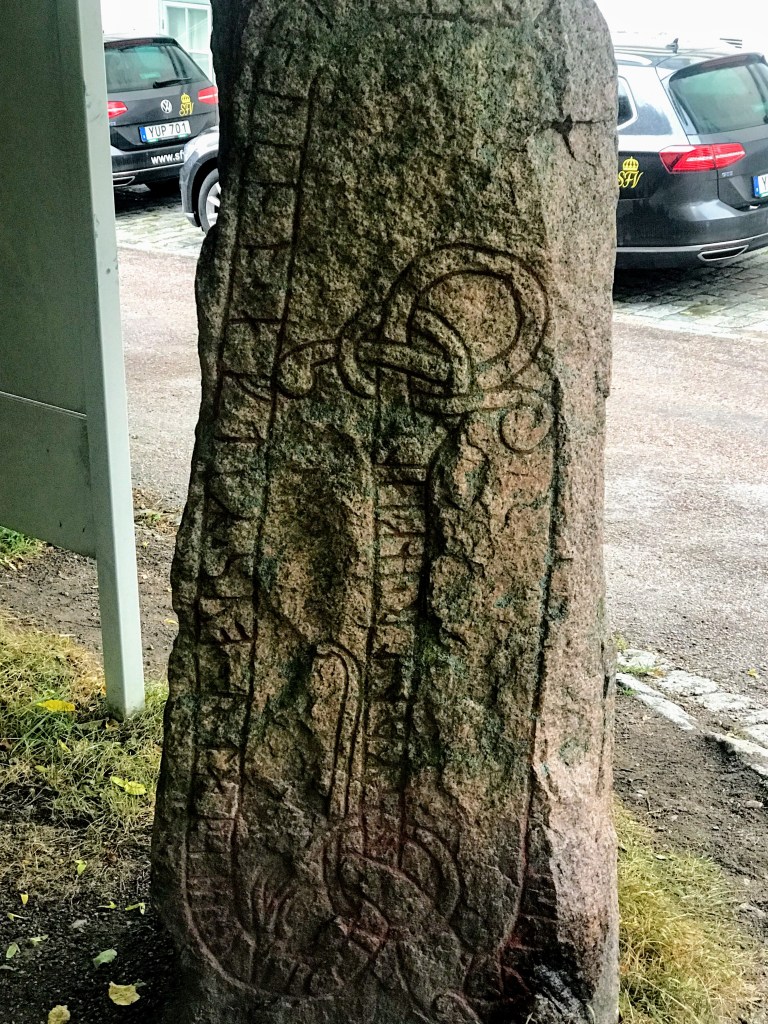
A rather amazing artifact sits outside the University.
In the center photo in dark red is the symbol we now recognize as “bluetooth”.
Not to blow your mind, but your smartphone may right now be displaying the name of an ancient Danish king.
One of the stones was ordered raised by Harald Blåtand (whose name translates, loosely, to Harald Bluetooth), King of Denmark during the 10th century, and it included a testament to his own great reign as king, including uniting Denmark and Norway.
Fast-forward a millennium later and an engineer at Intel heard about Bluetooth’s legend from a co-worker and — voila! — your phone now has a feature named for a viking.
You just never know what you may learn from traveling!
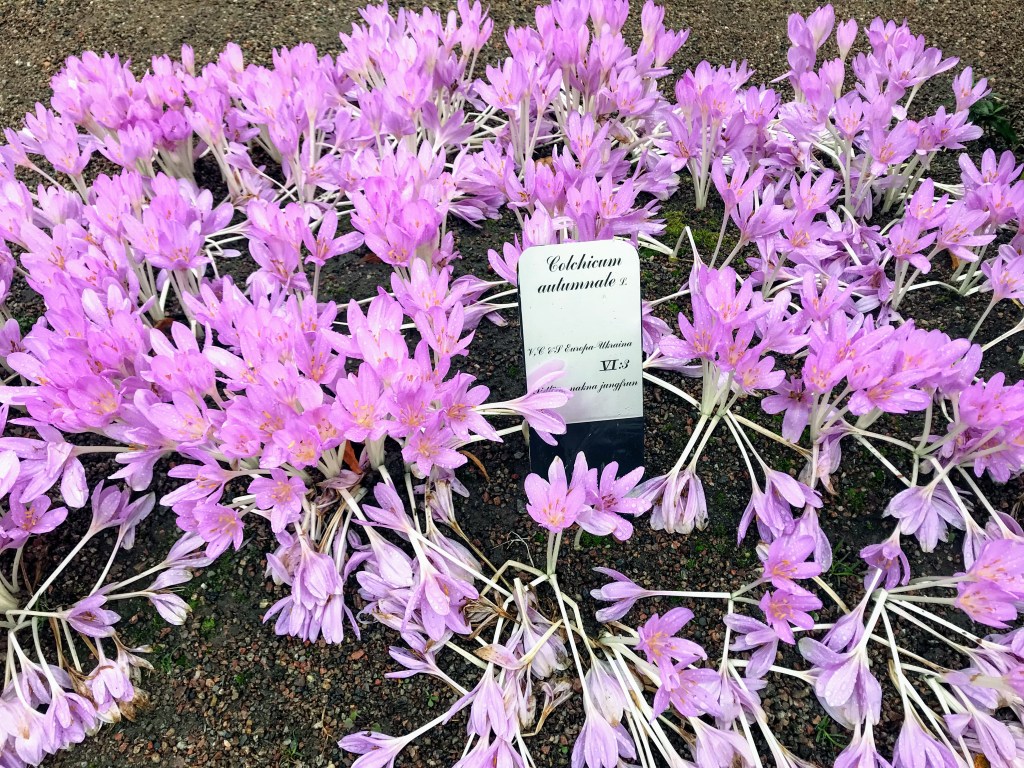
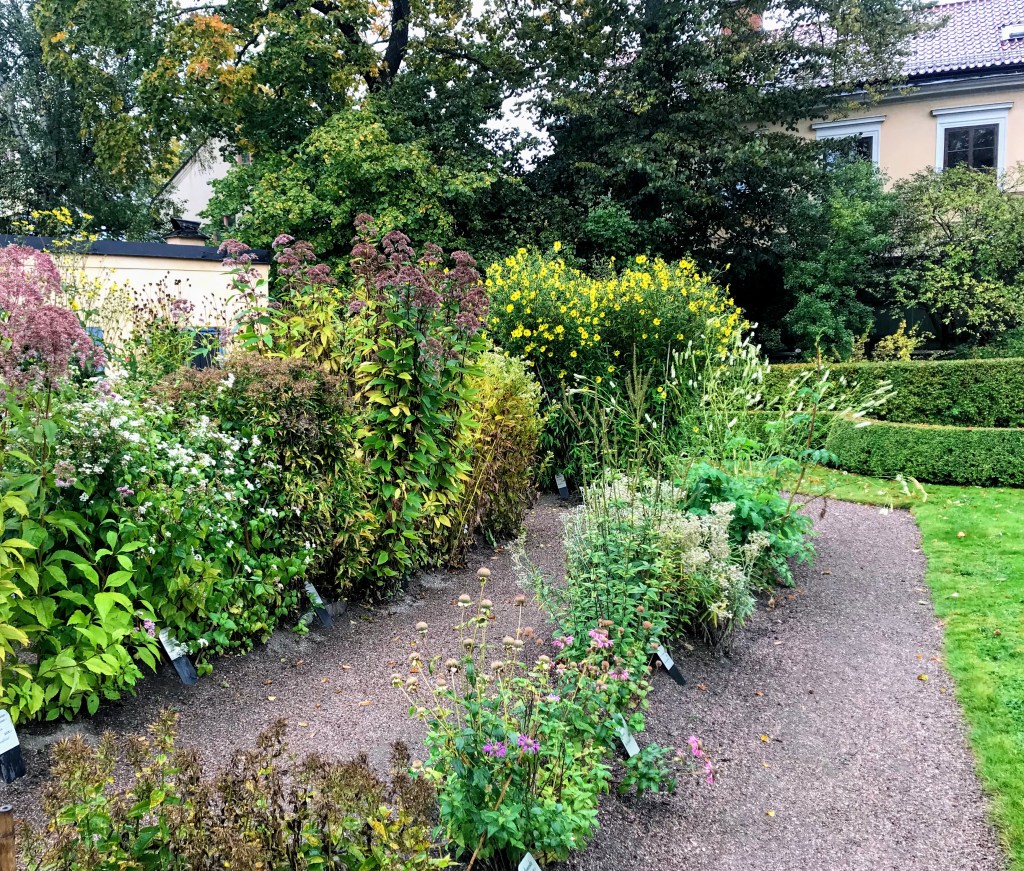
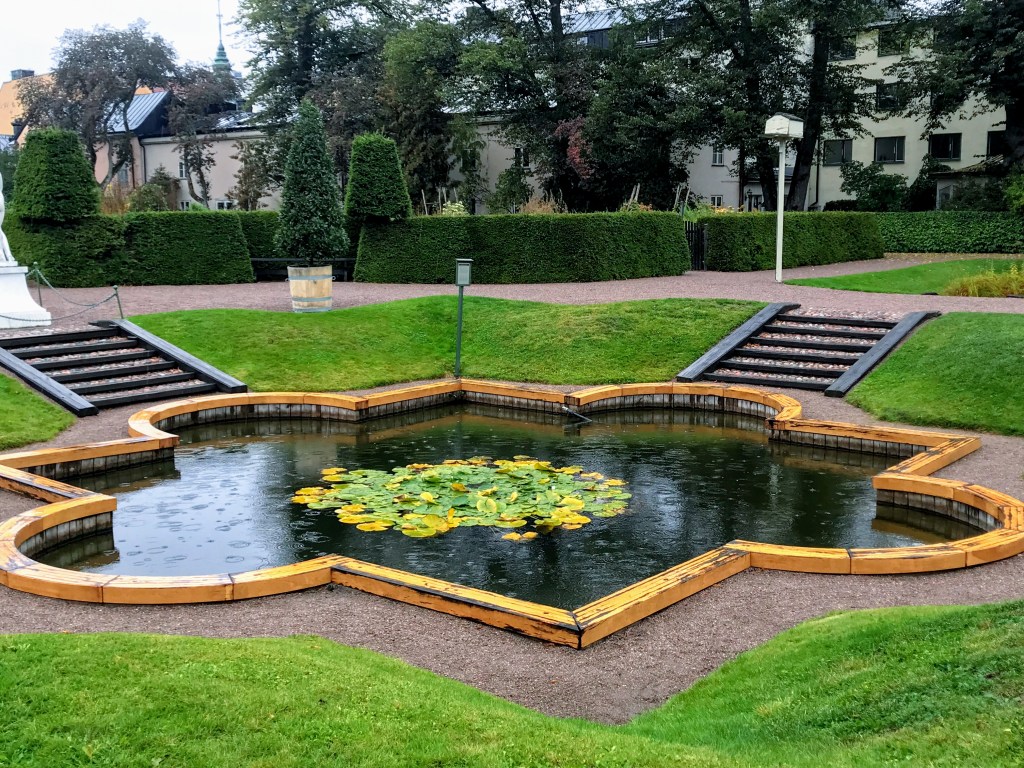
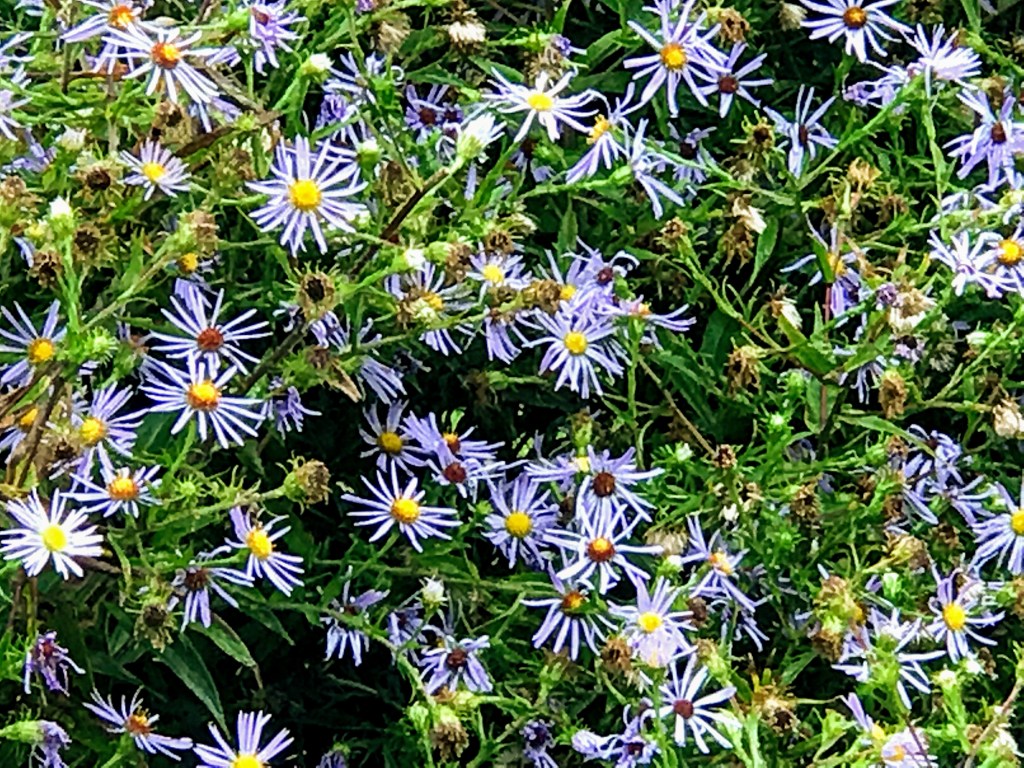
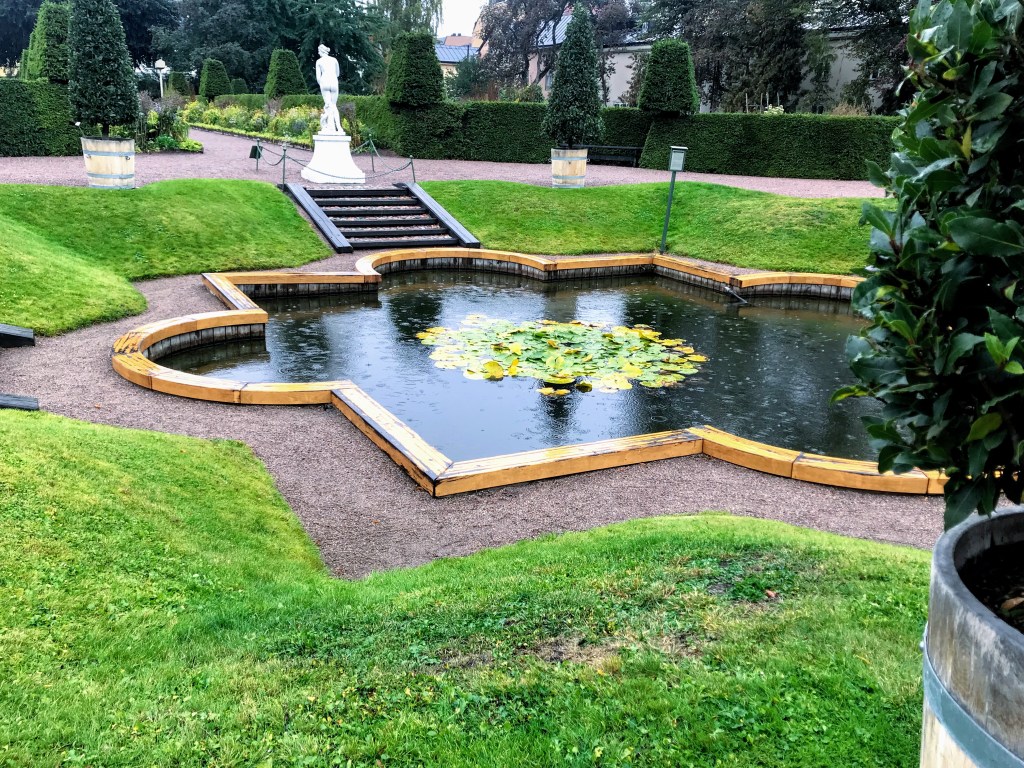
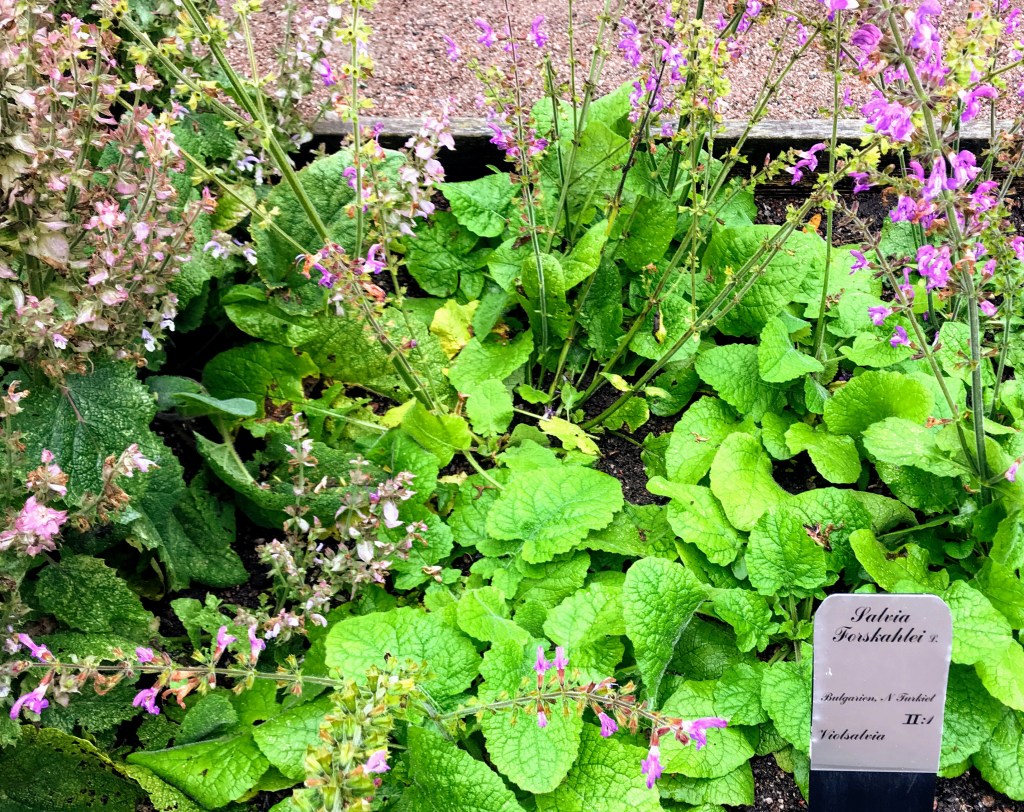
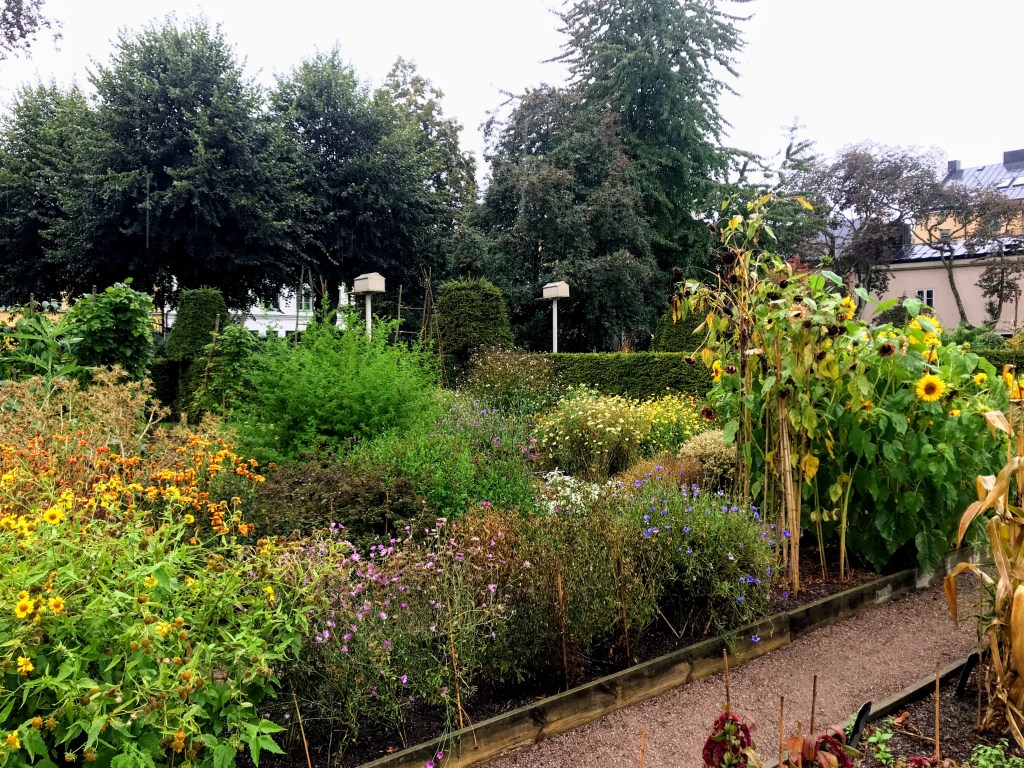
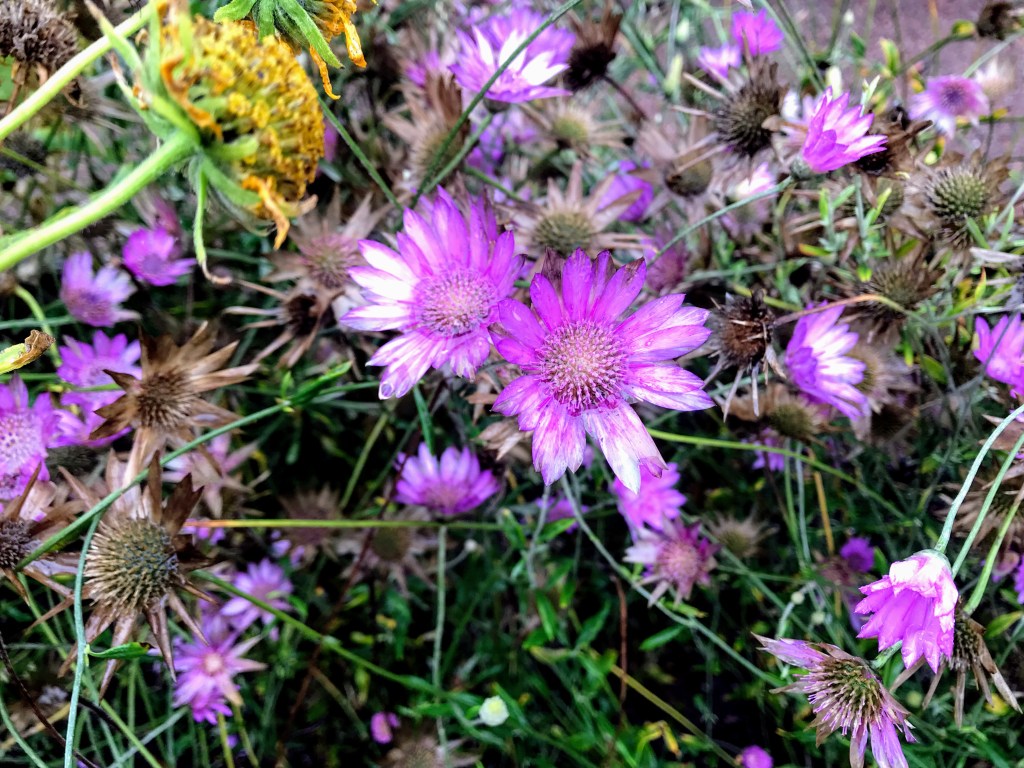
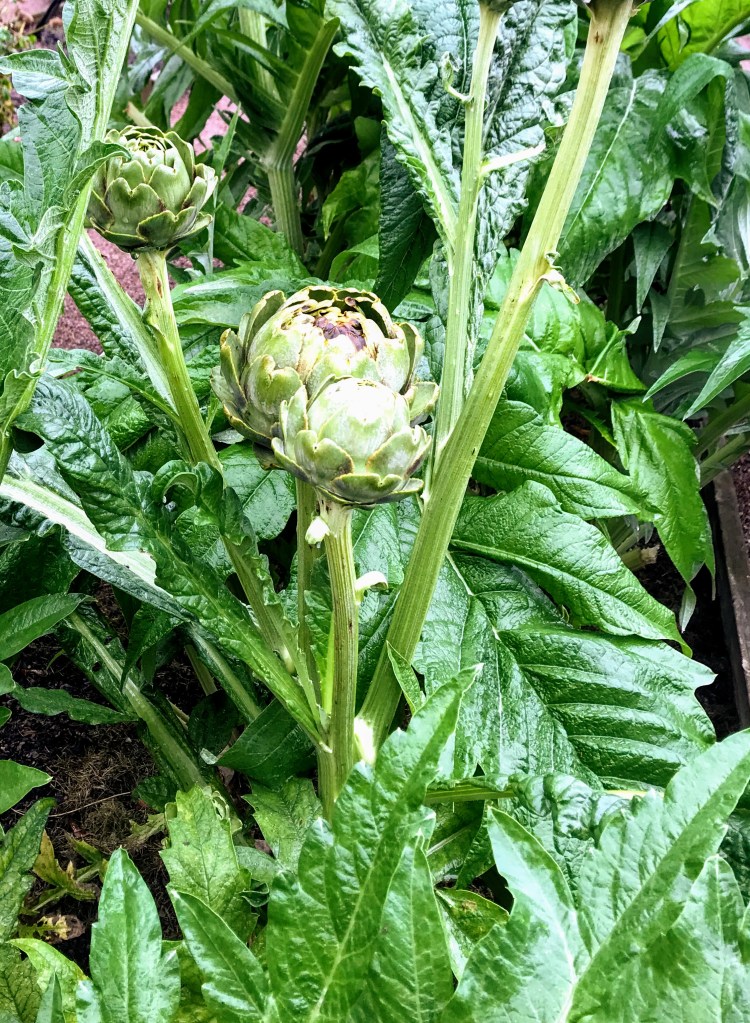
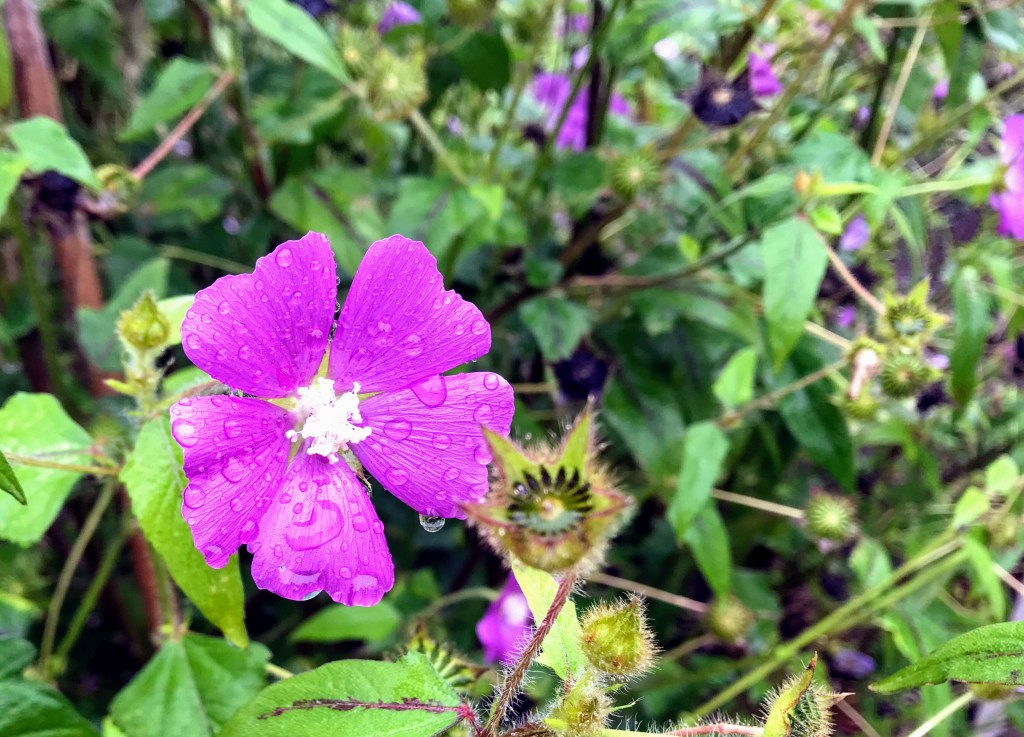
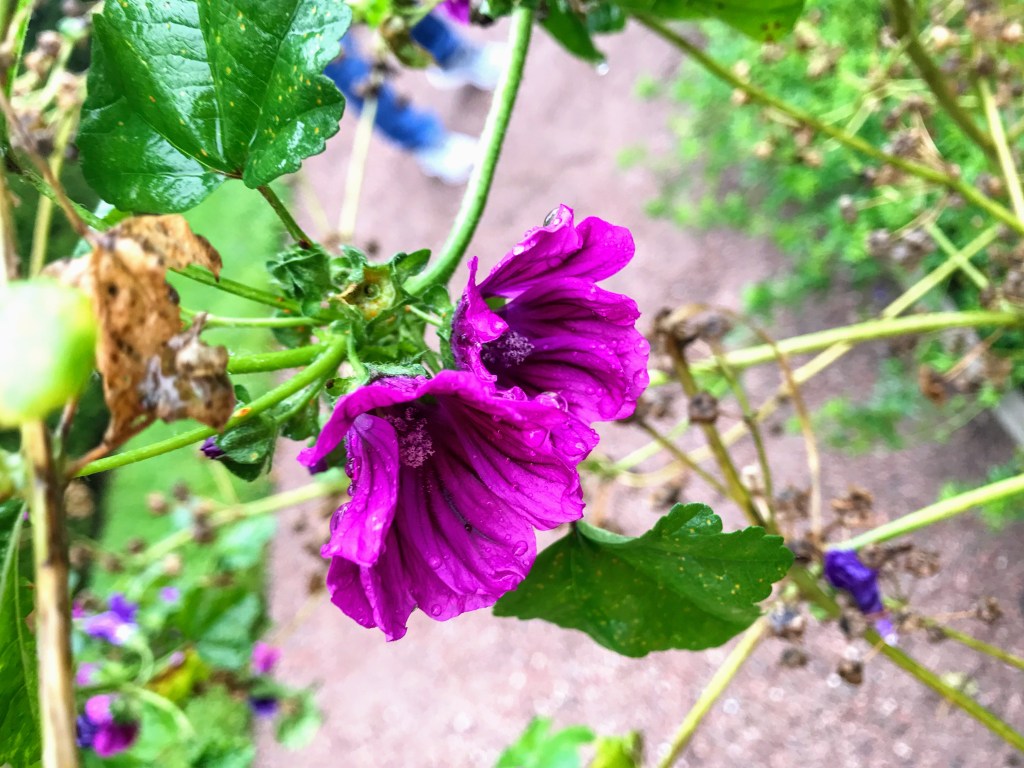
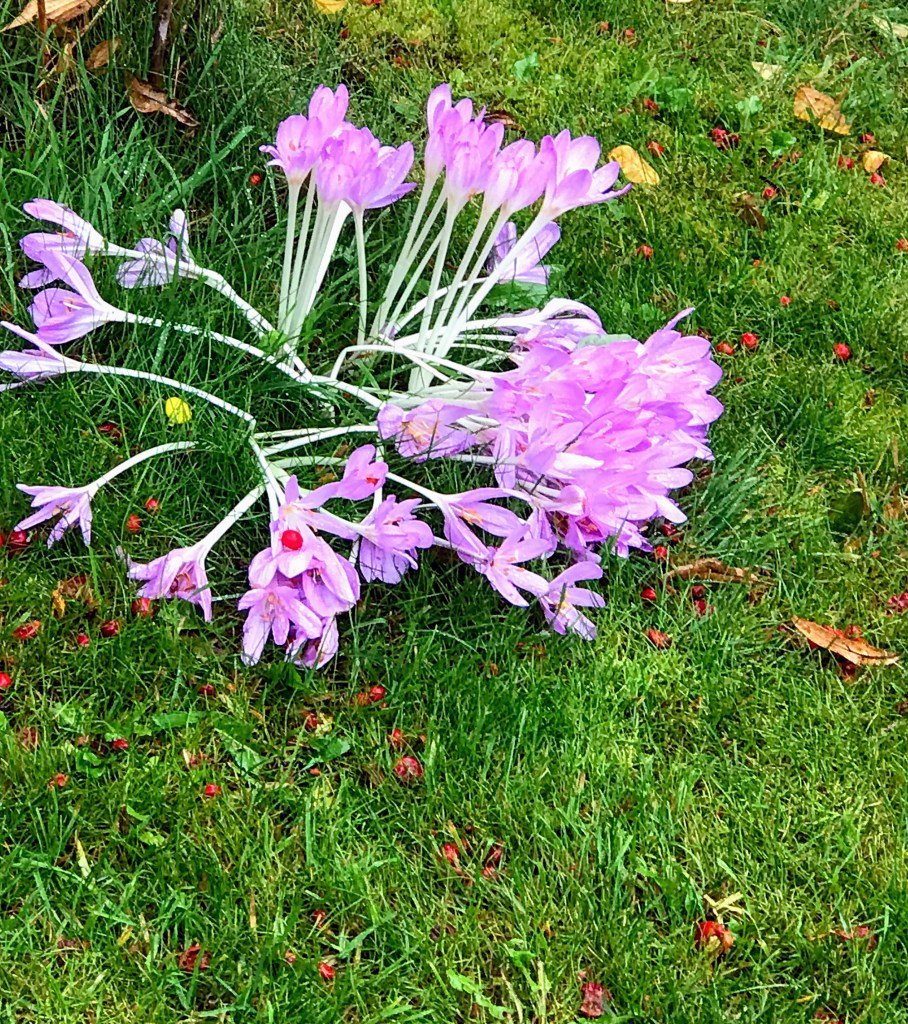
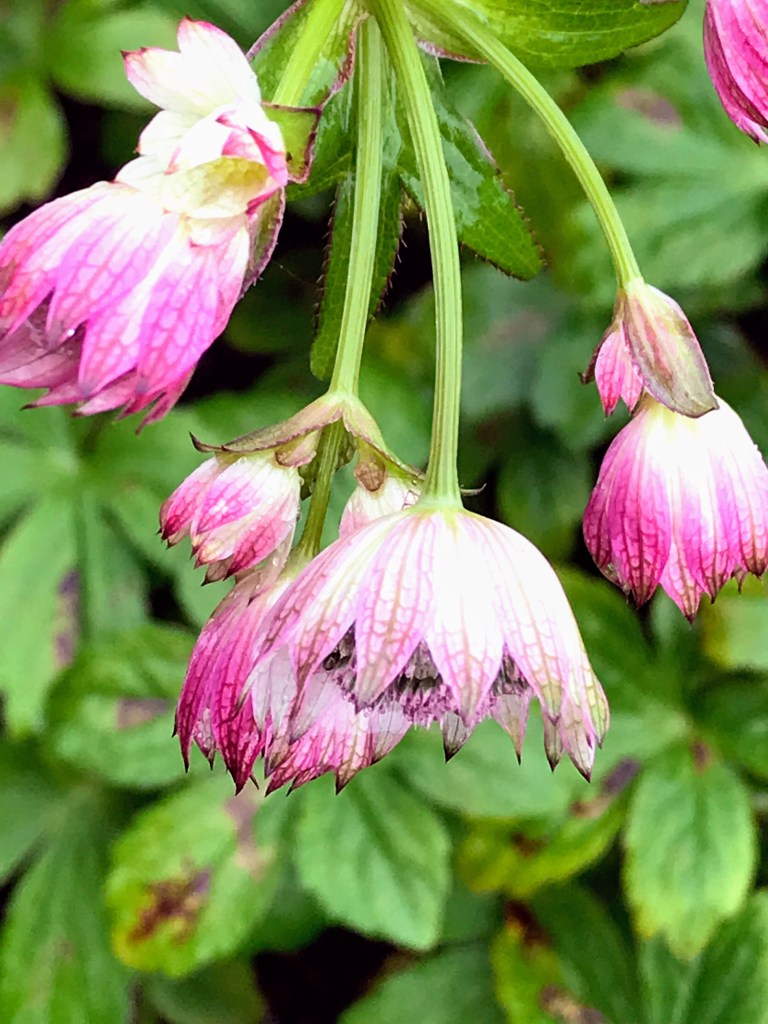
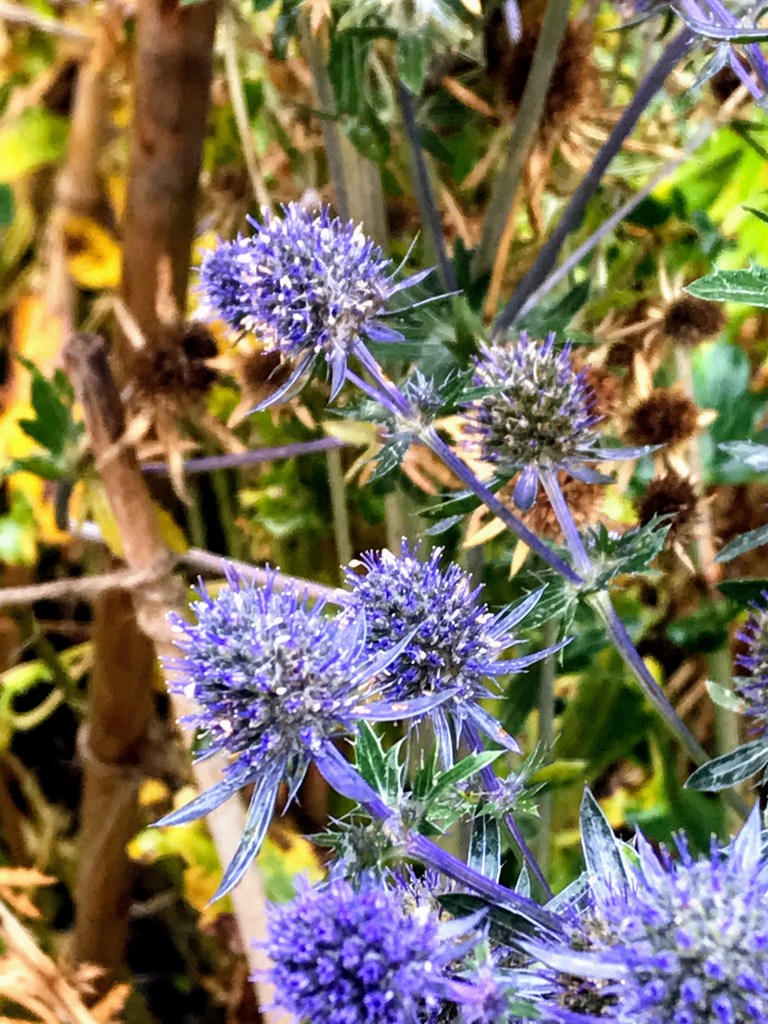
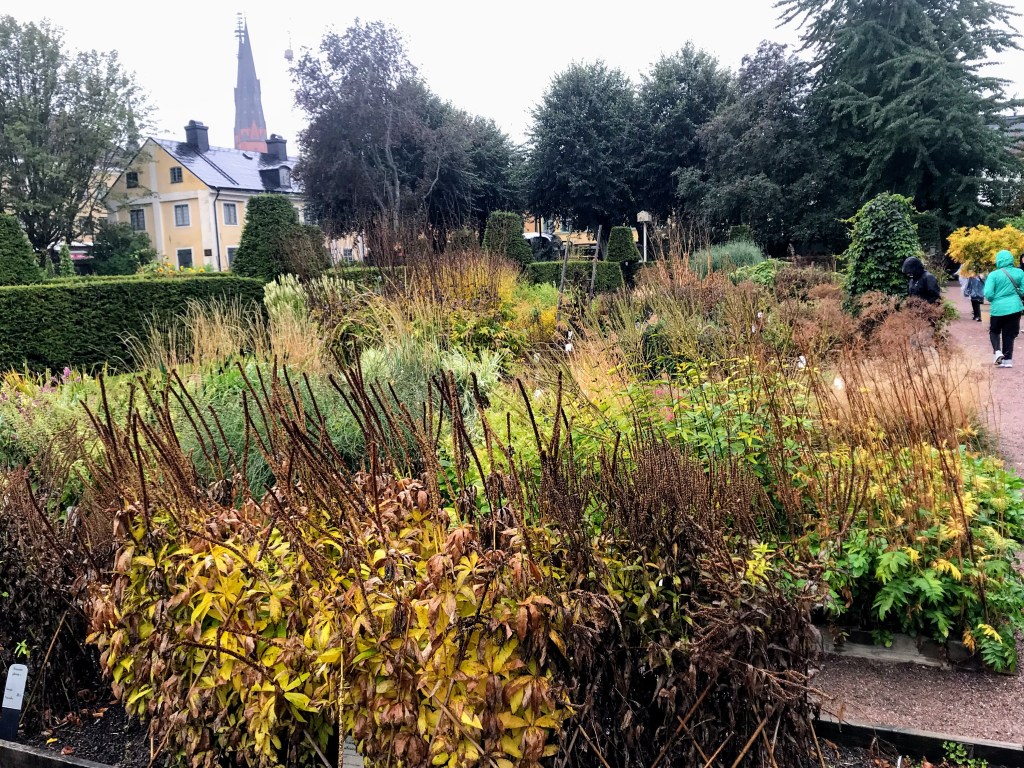
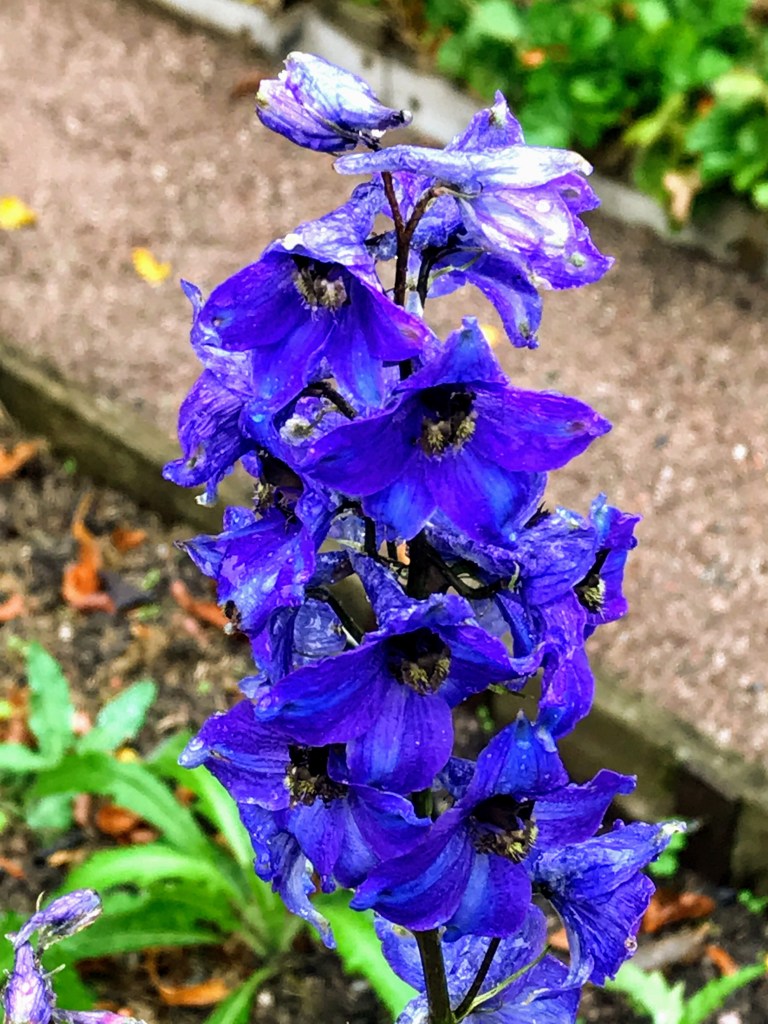
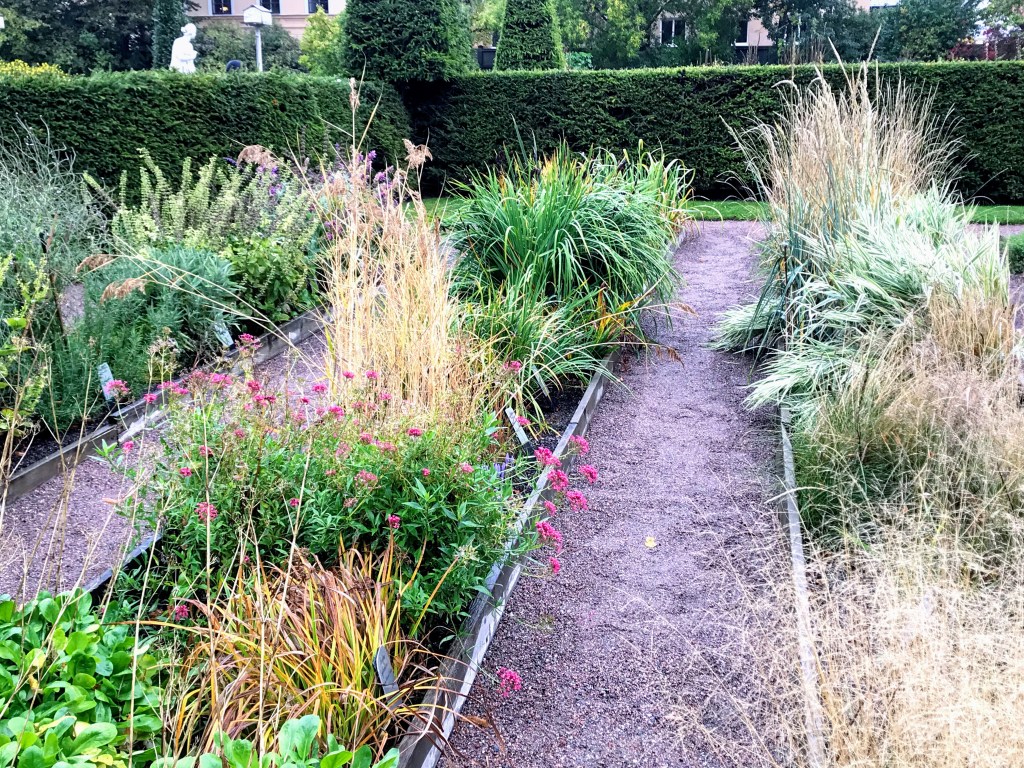
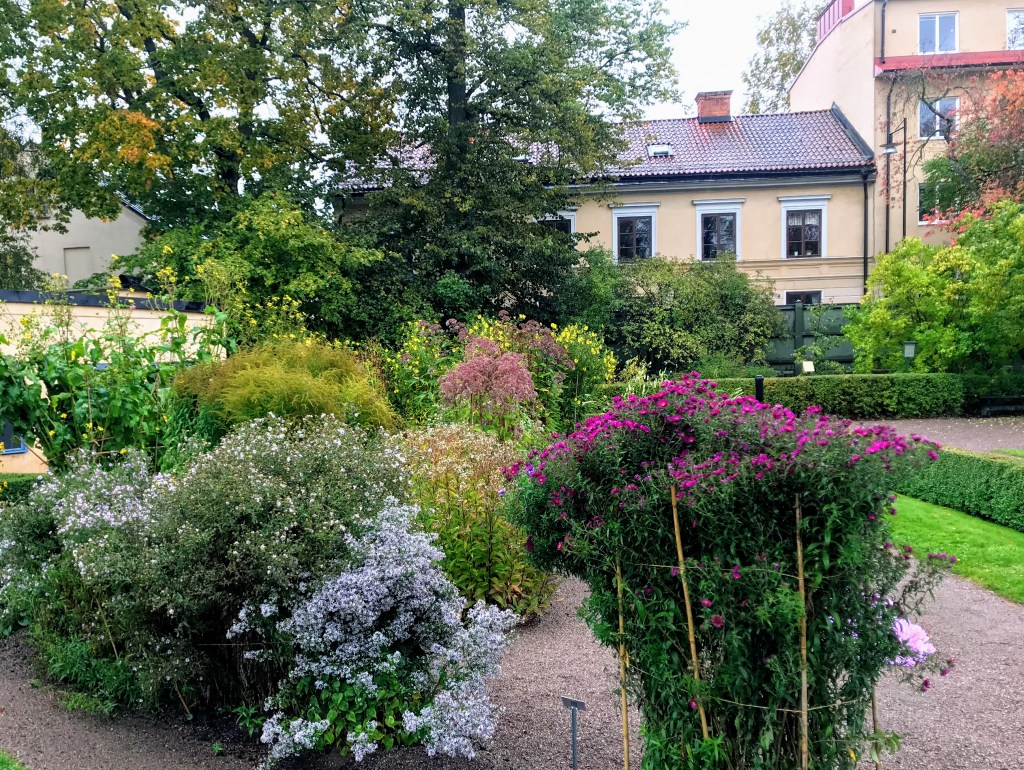
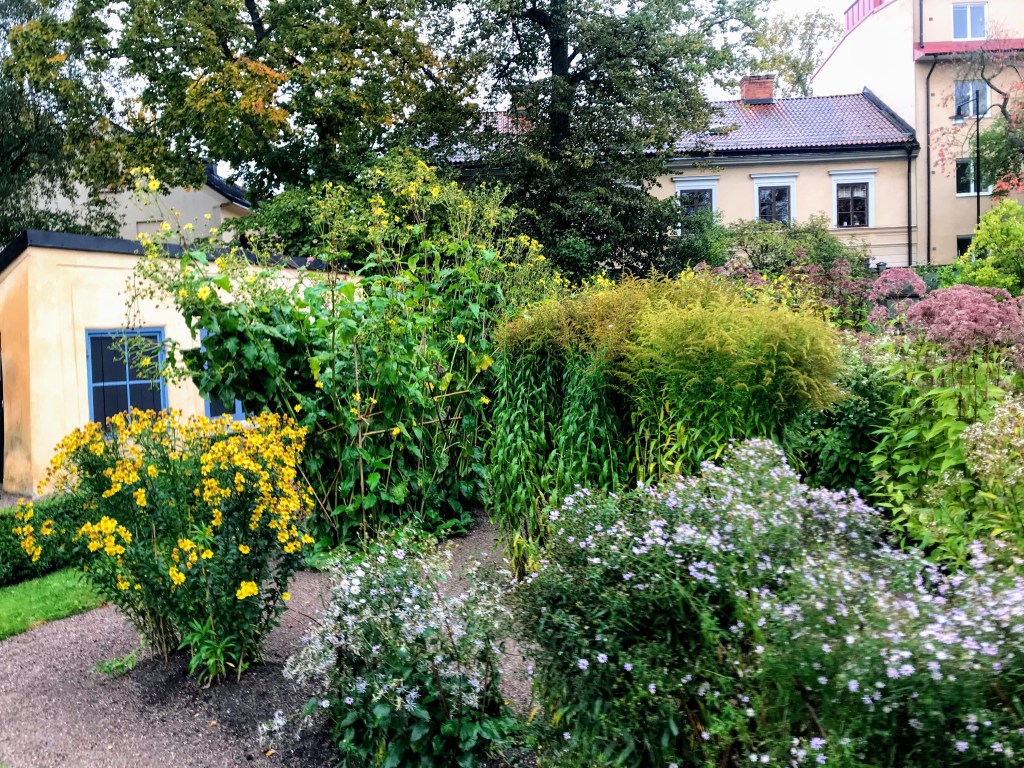
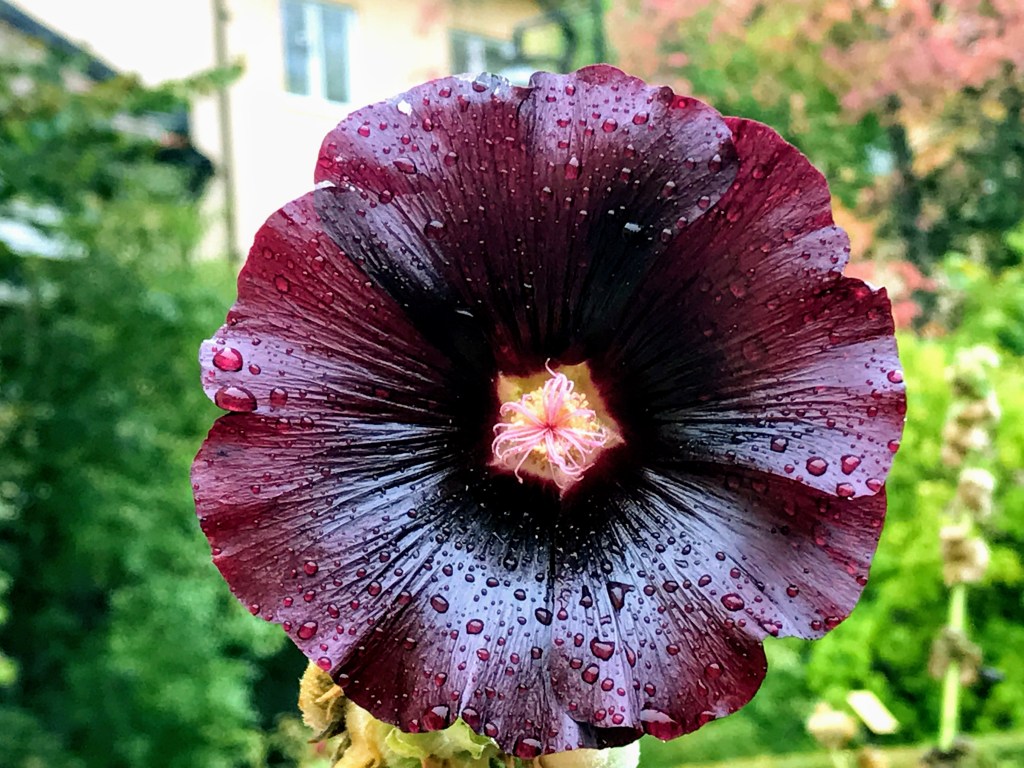
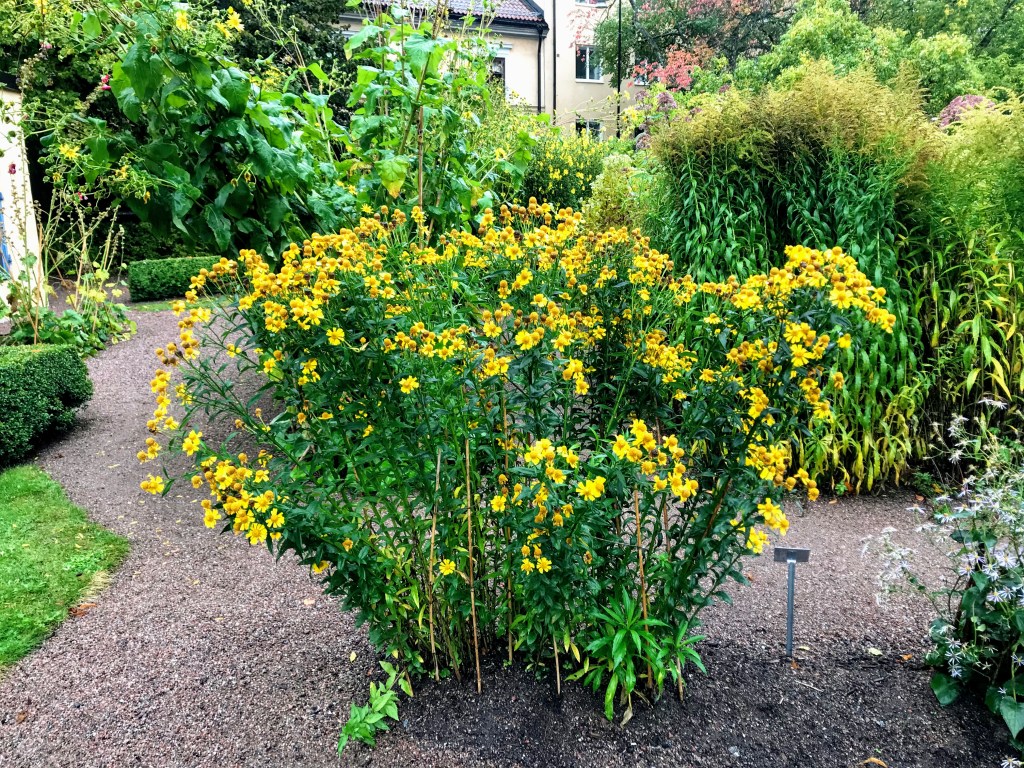
The Linnaeus Garden, the oldest botanical garden in the country (founded in 1758 by Carolus Linnaeus). There were approximately 1300 species of plants, cultivated by Linnaeus and arranged according to his own system.
His system, which is regarded as the beginning of modern botanical and zoological nomenclature, was introduced as a way to assign names to plants and animals. He created the standard of class, order, genus and species. But particularly he made it possible to identify plants and animals
It was the general consensus of the group that he was the reason for our grades in biology and botany among other science classes we all took!
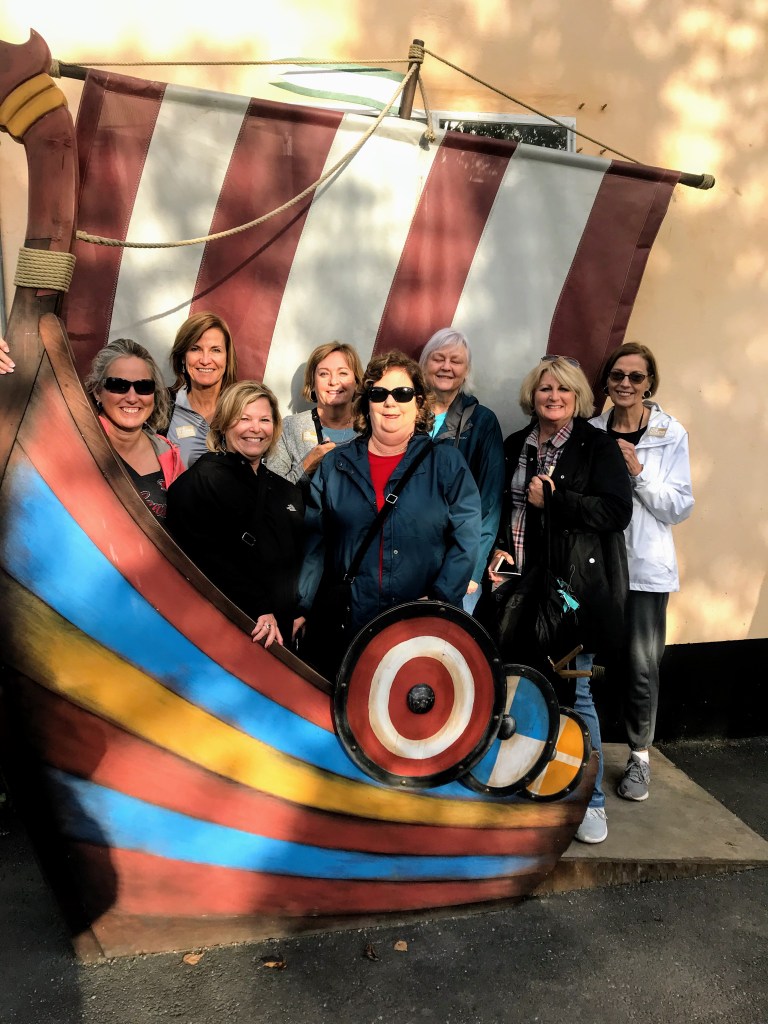
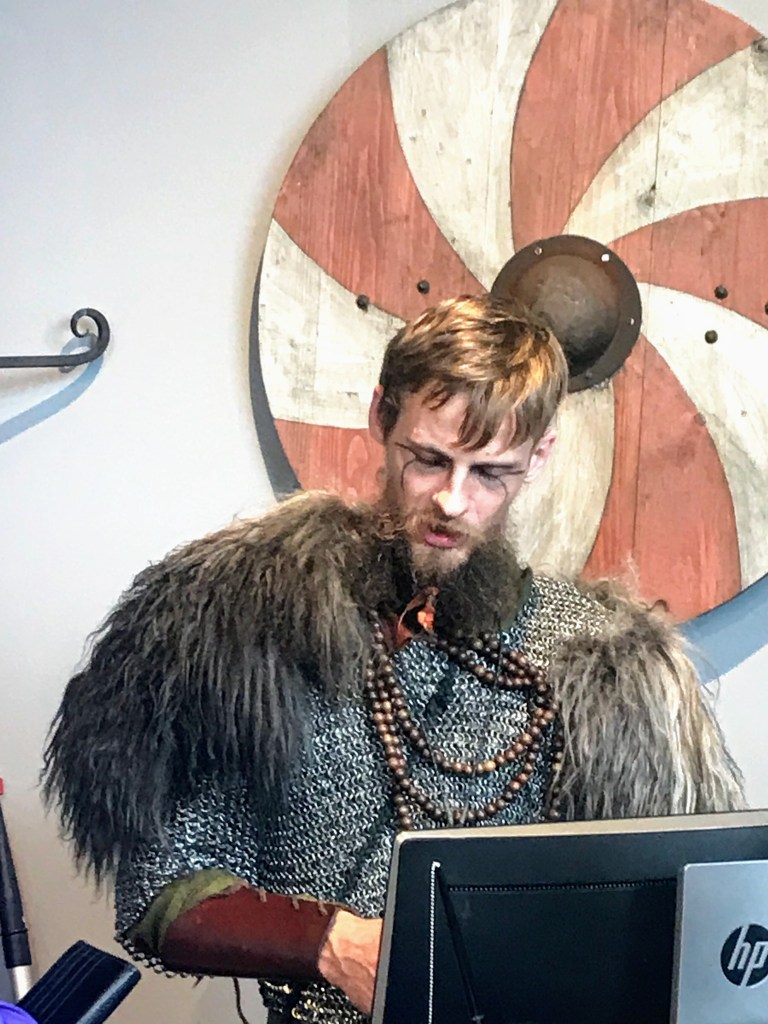
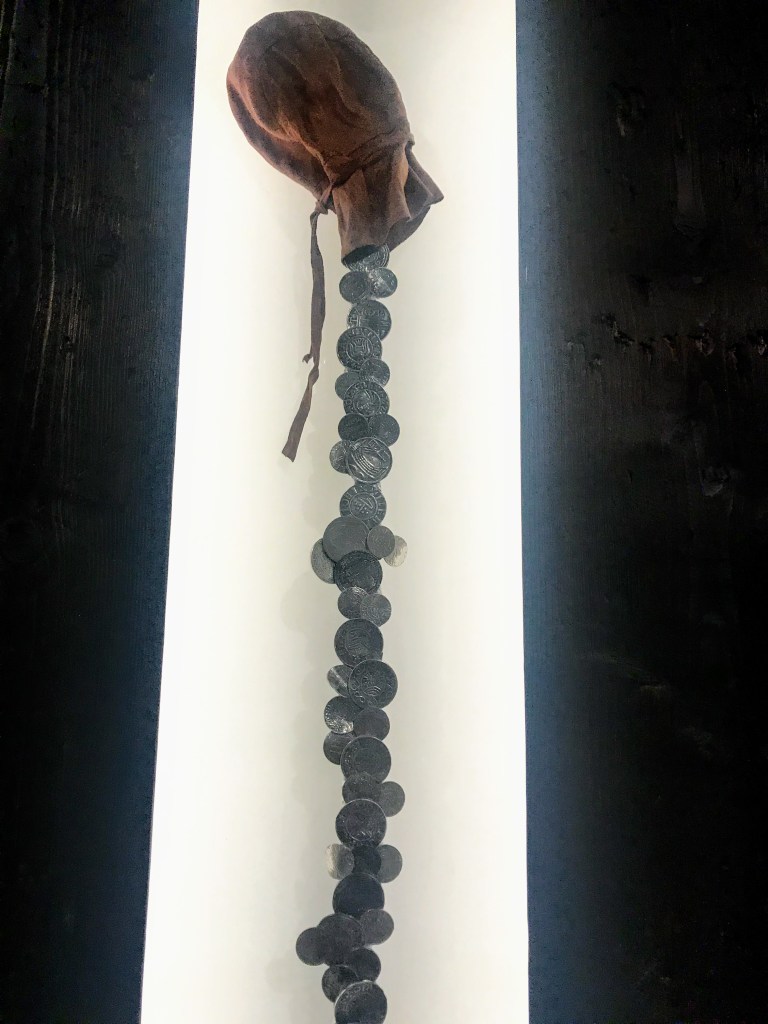
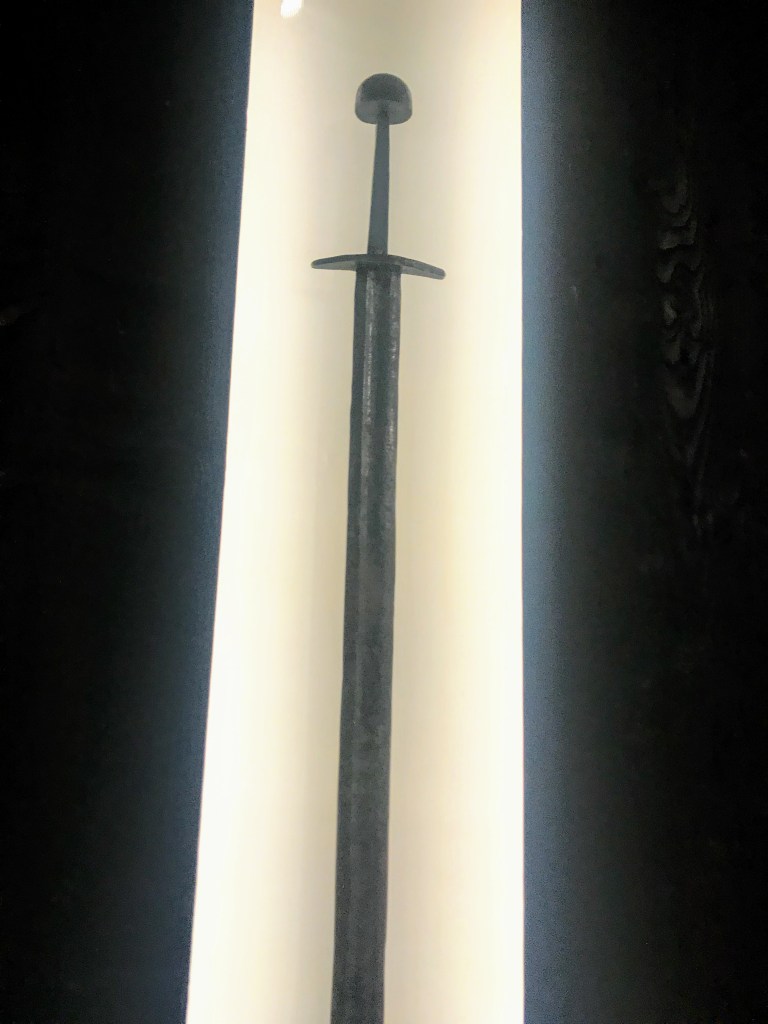
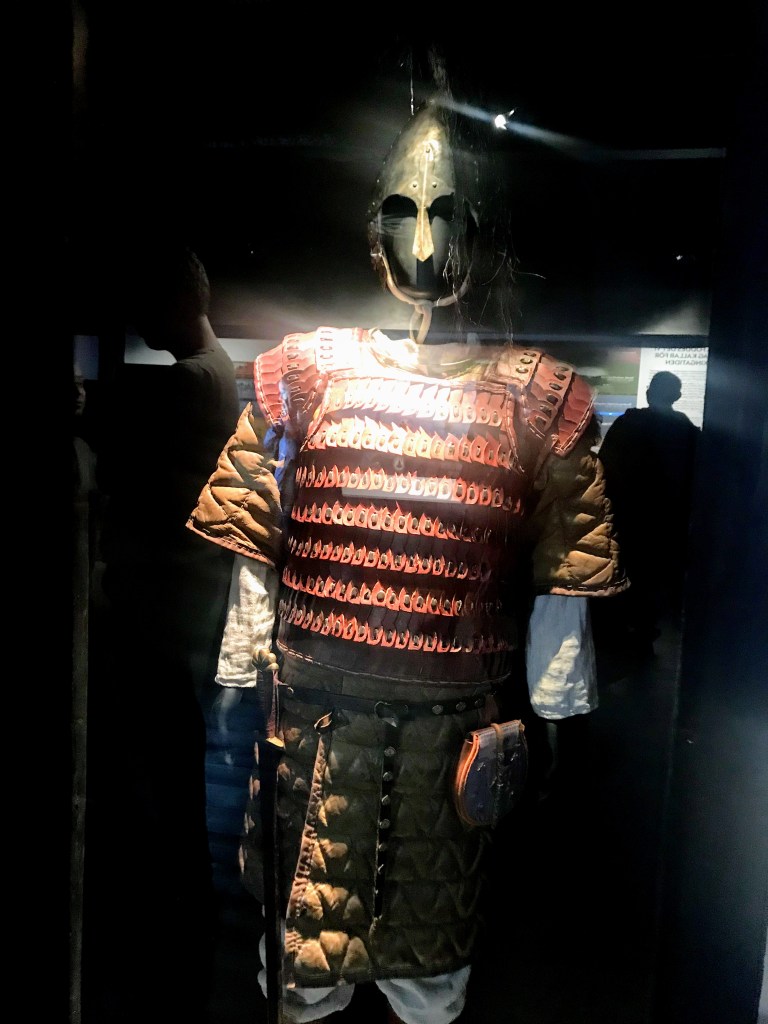
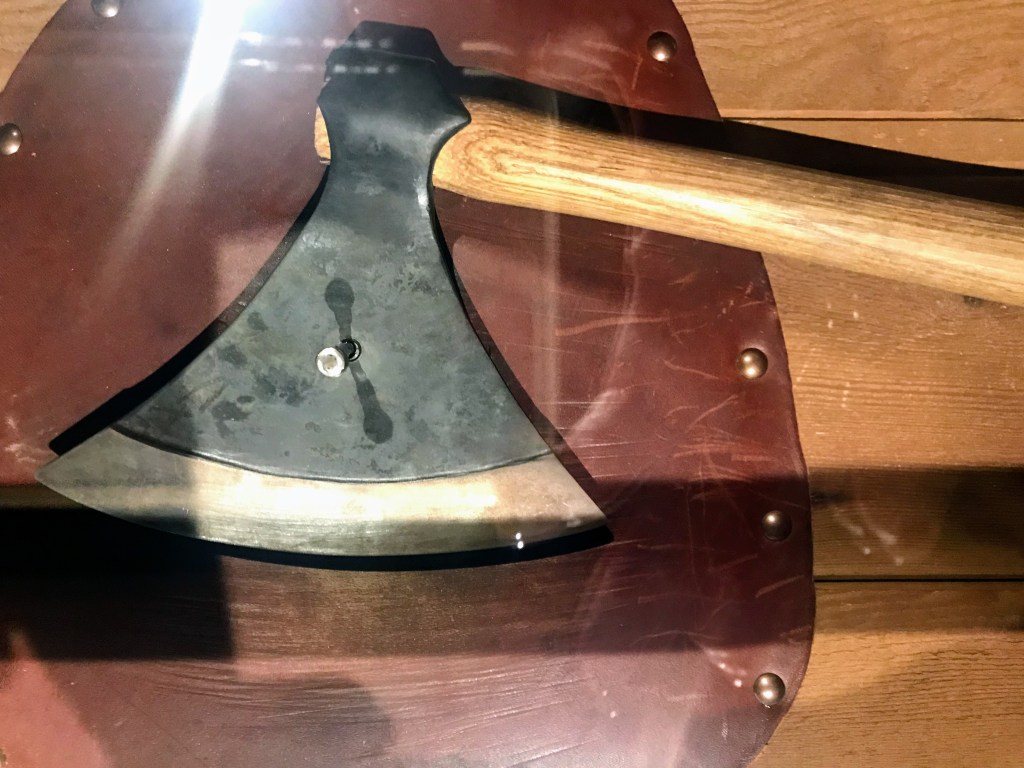
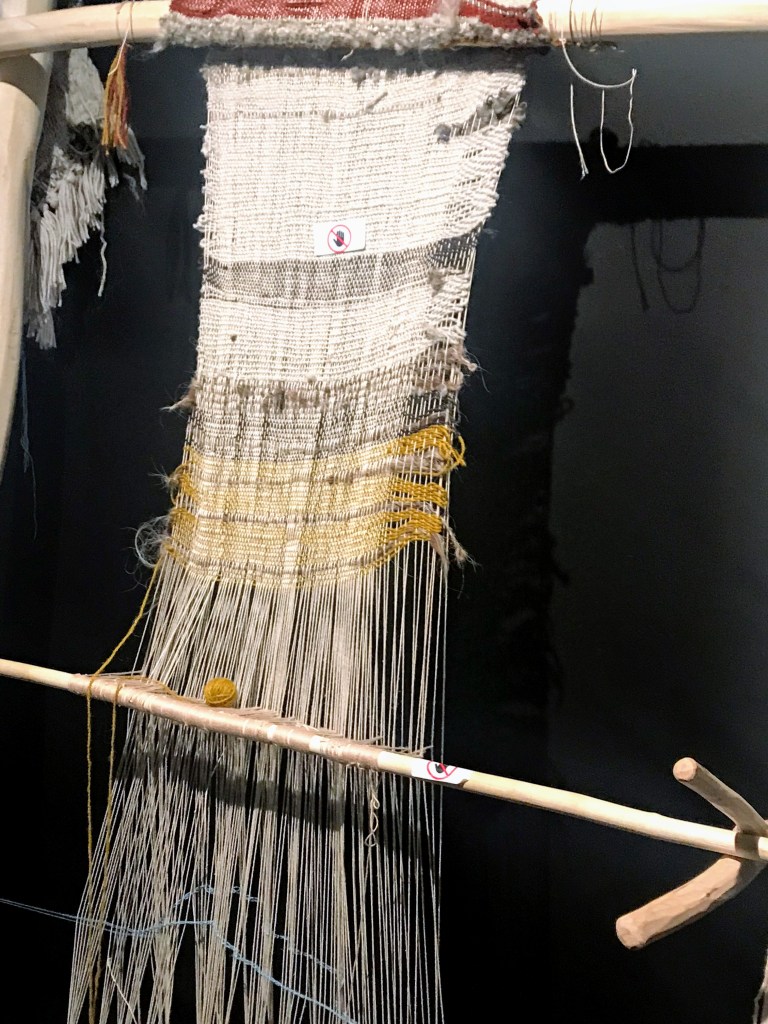
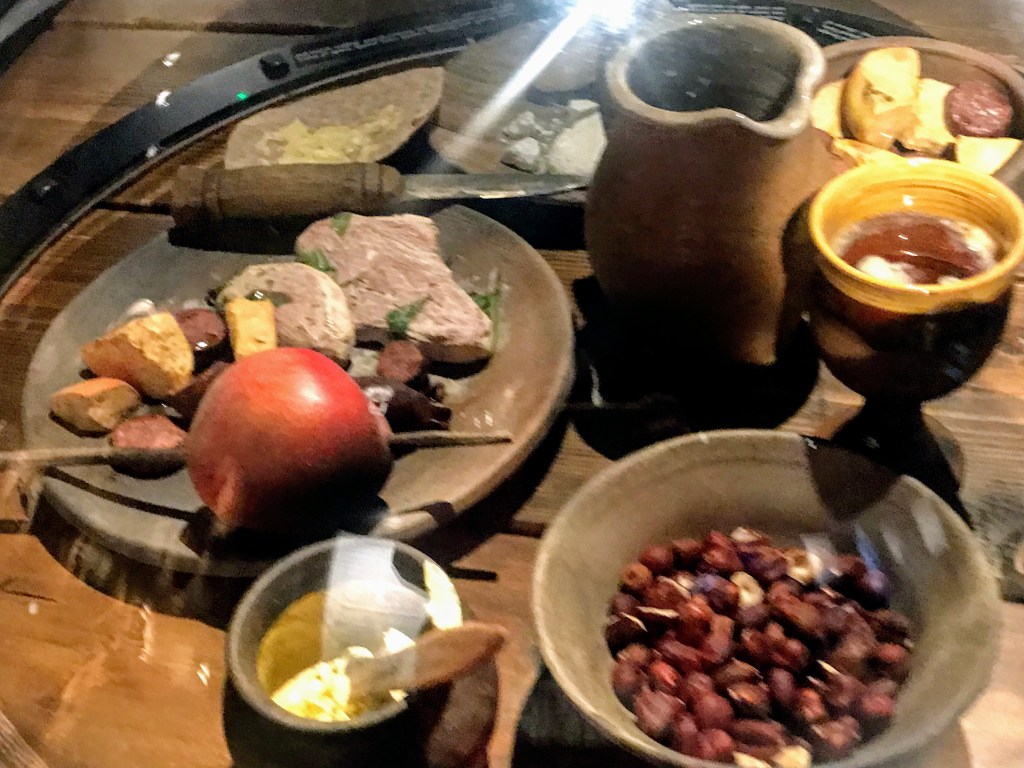
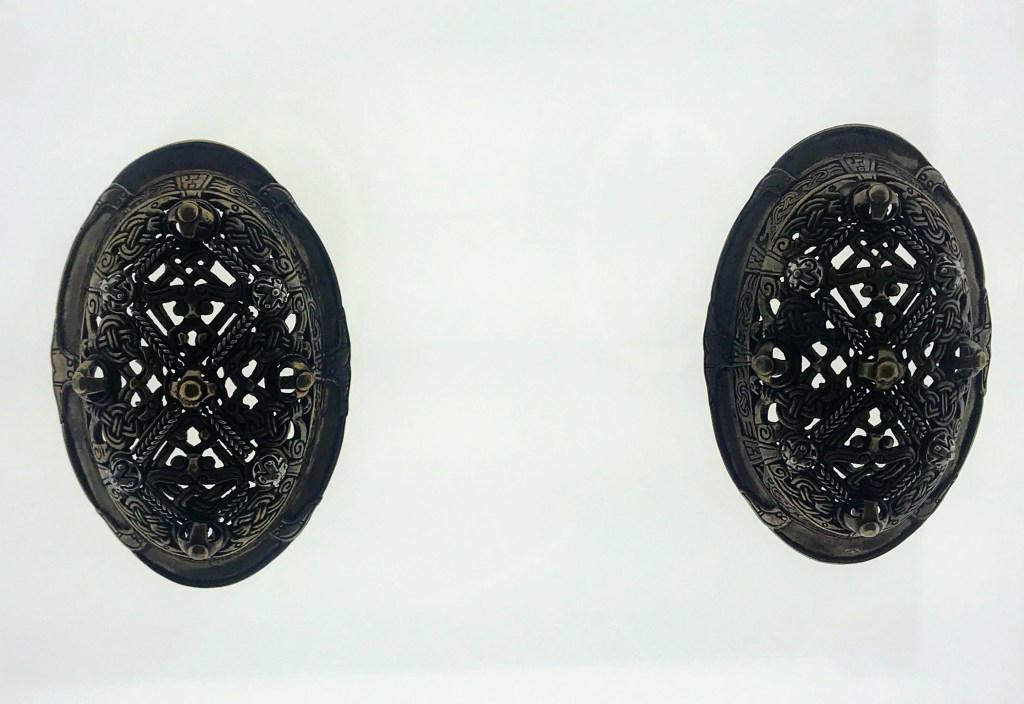
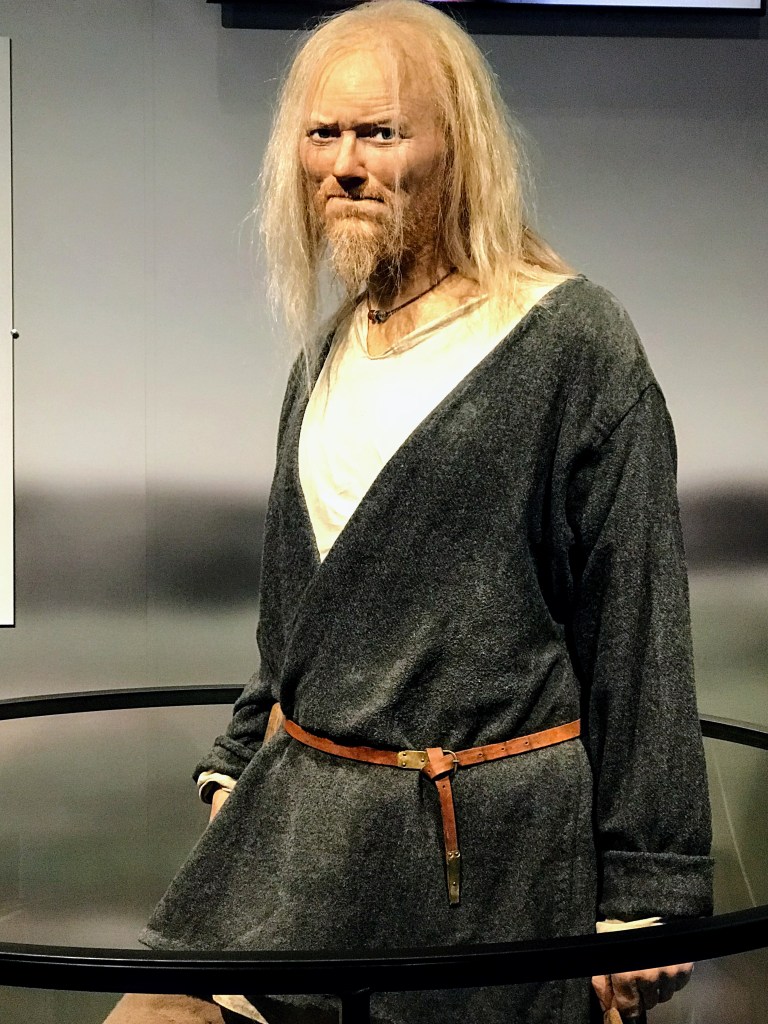
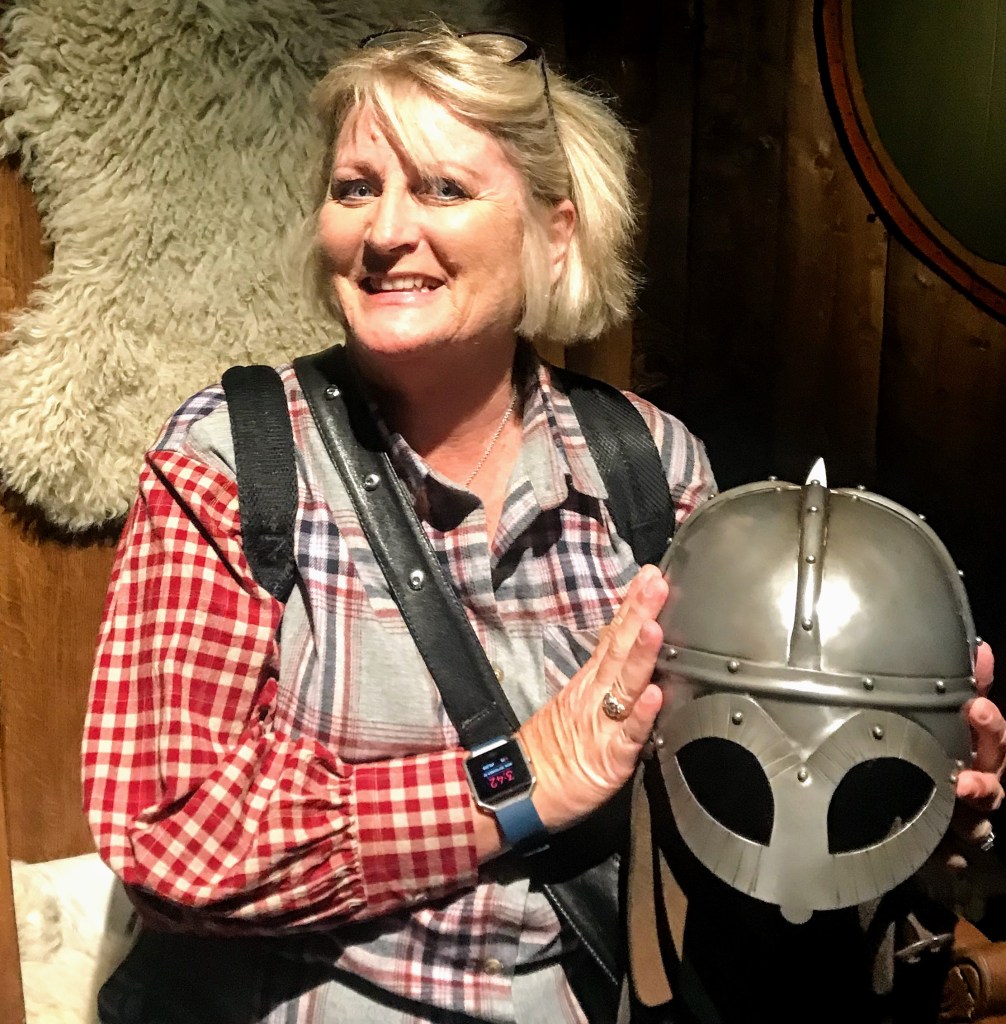
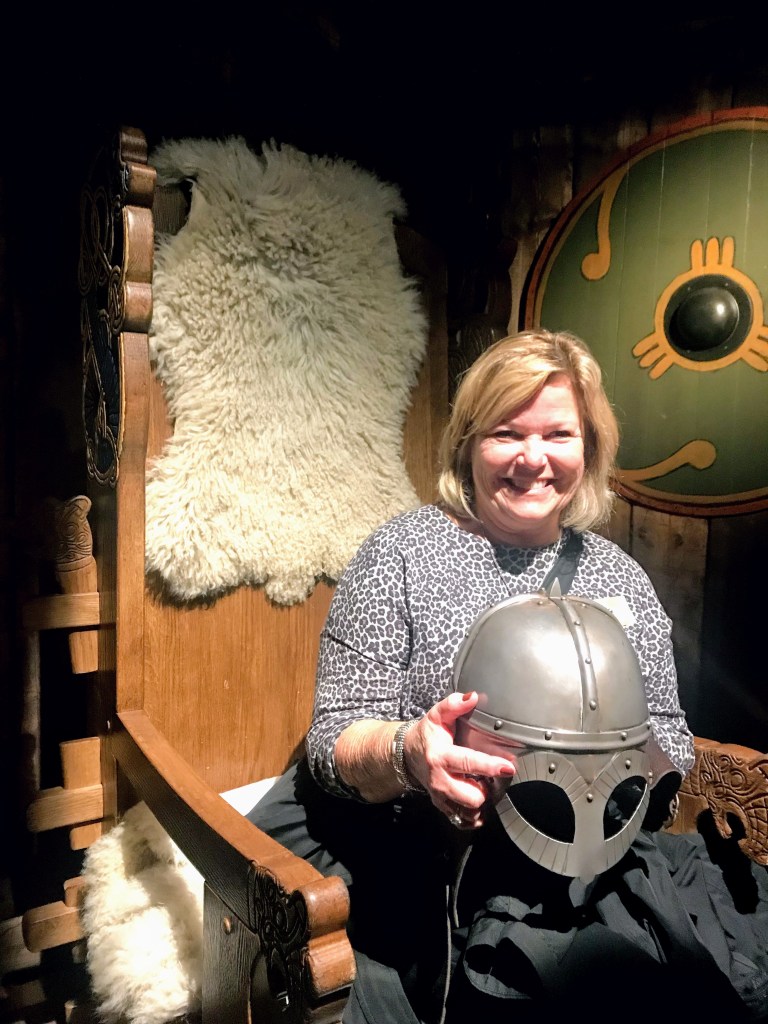
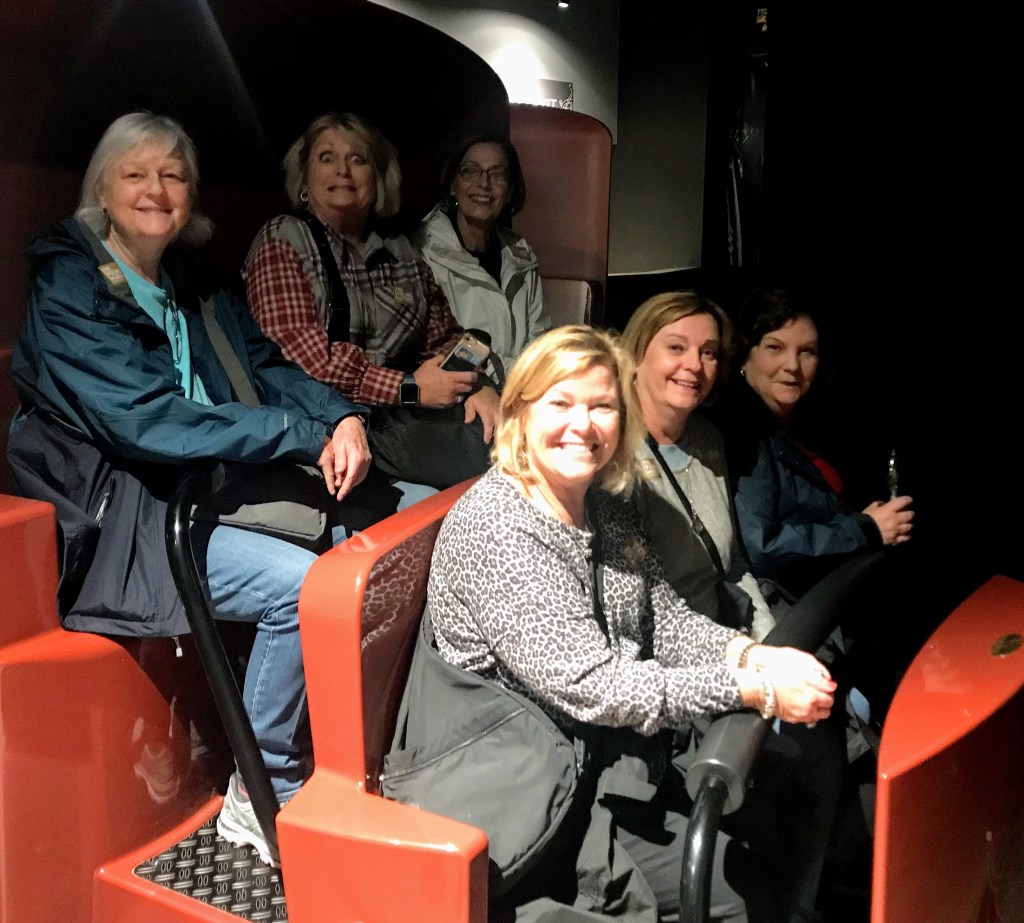
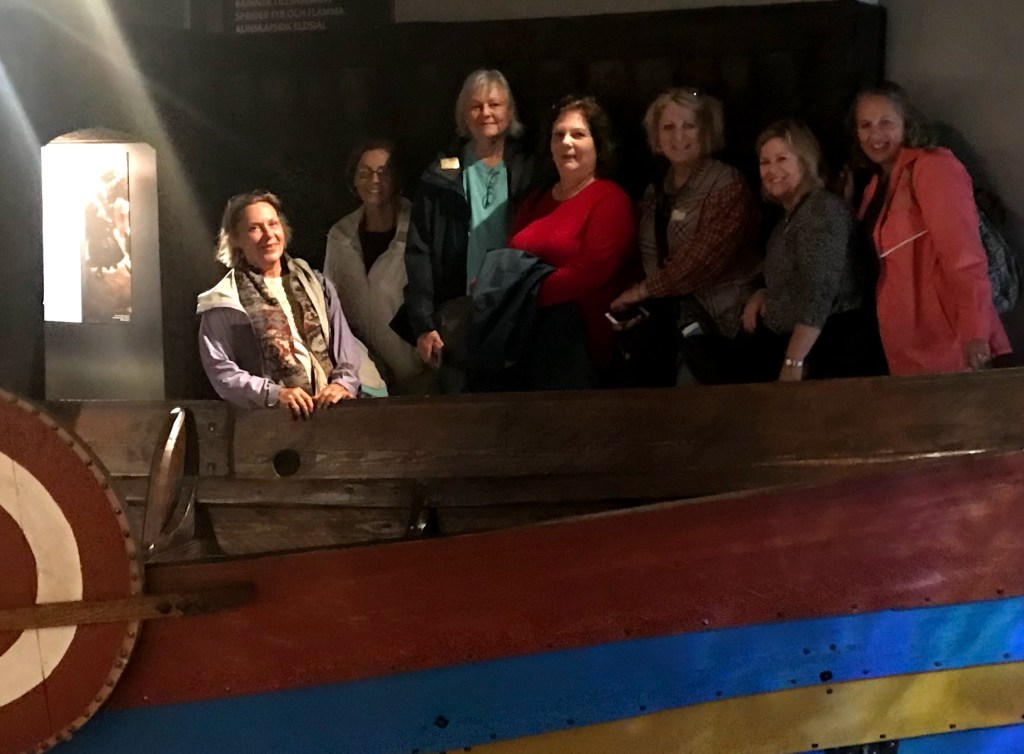
This was more than a museum, it was an interactive exhibition. We saw and learned about how they lived, what they ate and what made them infamous seafarers! You could feel the weight of a Viking sword and helmet, find out about their brutal conquests around the world, the toils of their everyday life and learn to separate fact from fiction.
In this exhibition we meet the Vikings through movies, scenery, projections and sound effects as well as archaeological objects. The Norse mythology is present everywhere and here myth meets truth.
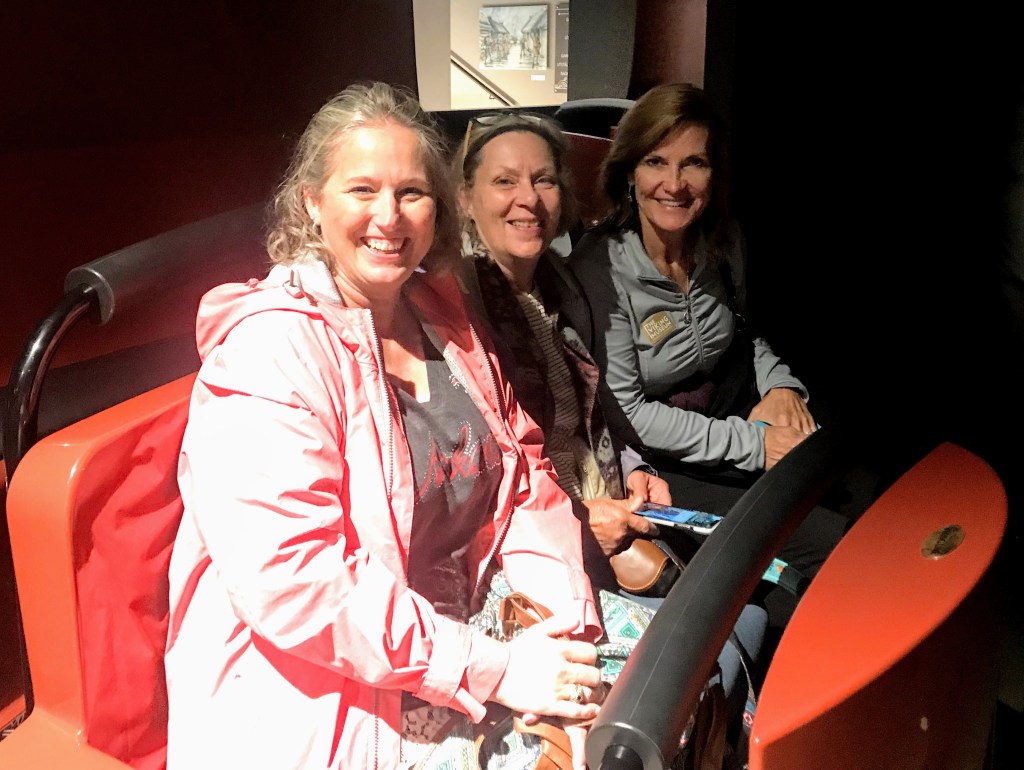
The adventure ride Ragnfrid’s saga takes you along on a captivating journey through Viking age Europe. You will follow Harald and his crew on a dramatic quest for silver. The story told by an ageing Ragnfrid is built on historical characters and events.
Many of us had seen the Netflix show “VIKINGS” and this museum/exhibit really brought it to life.
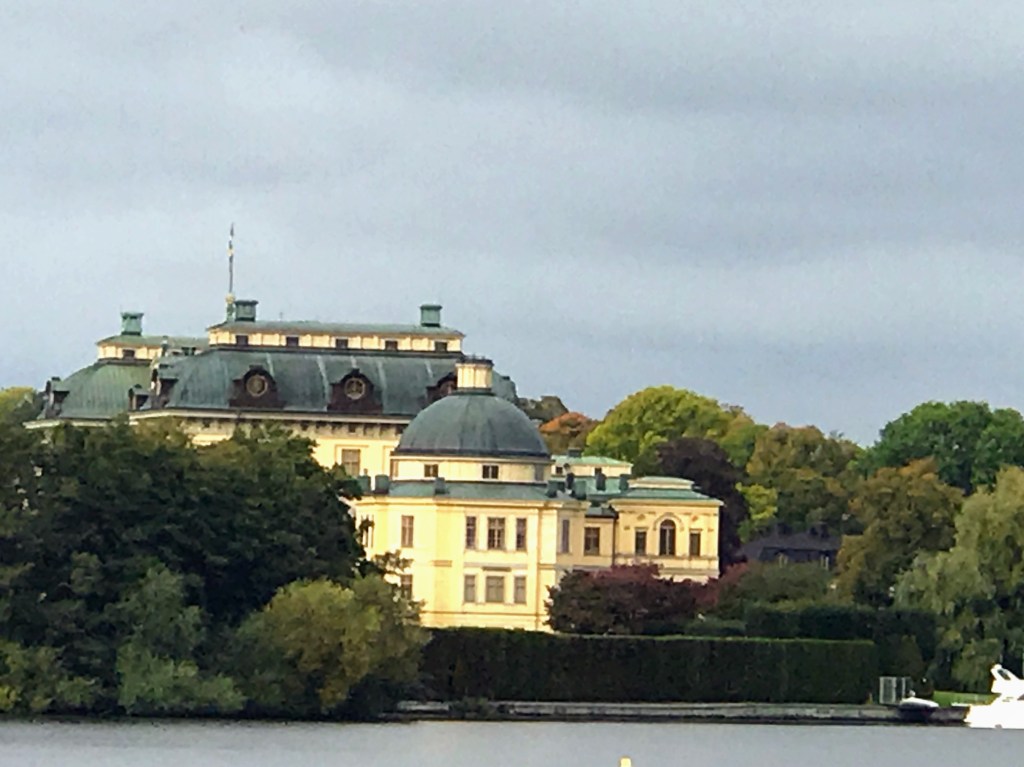
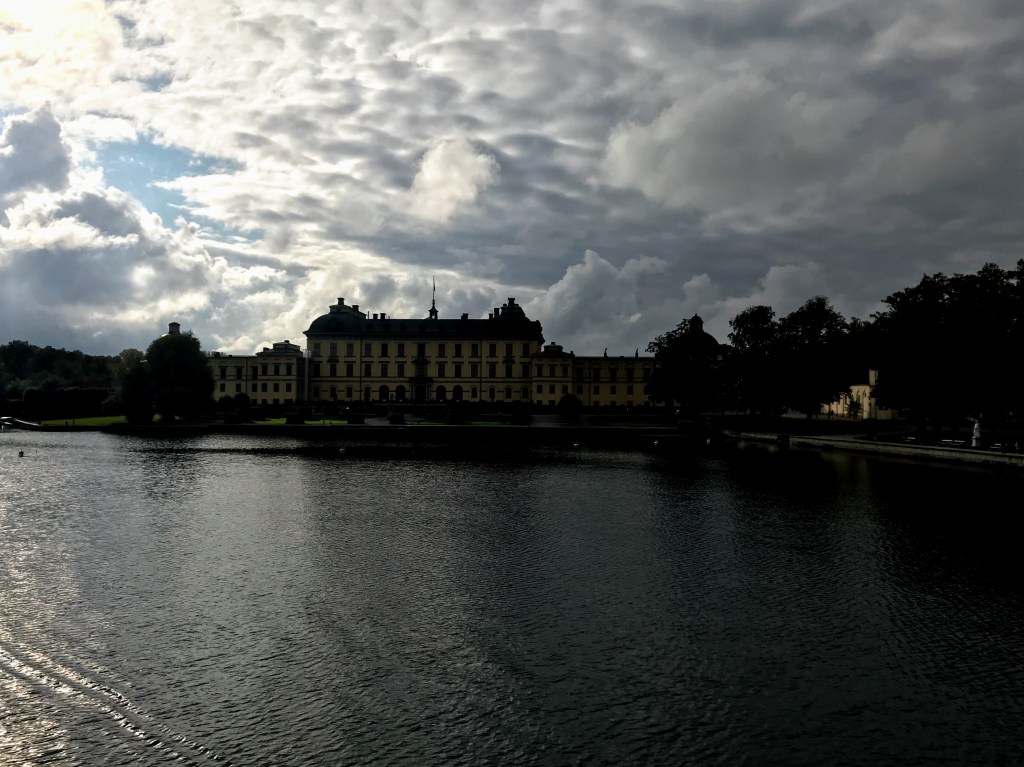
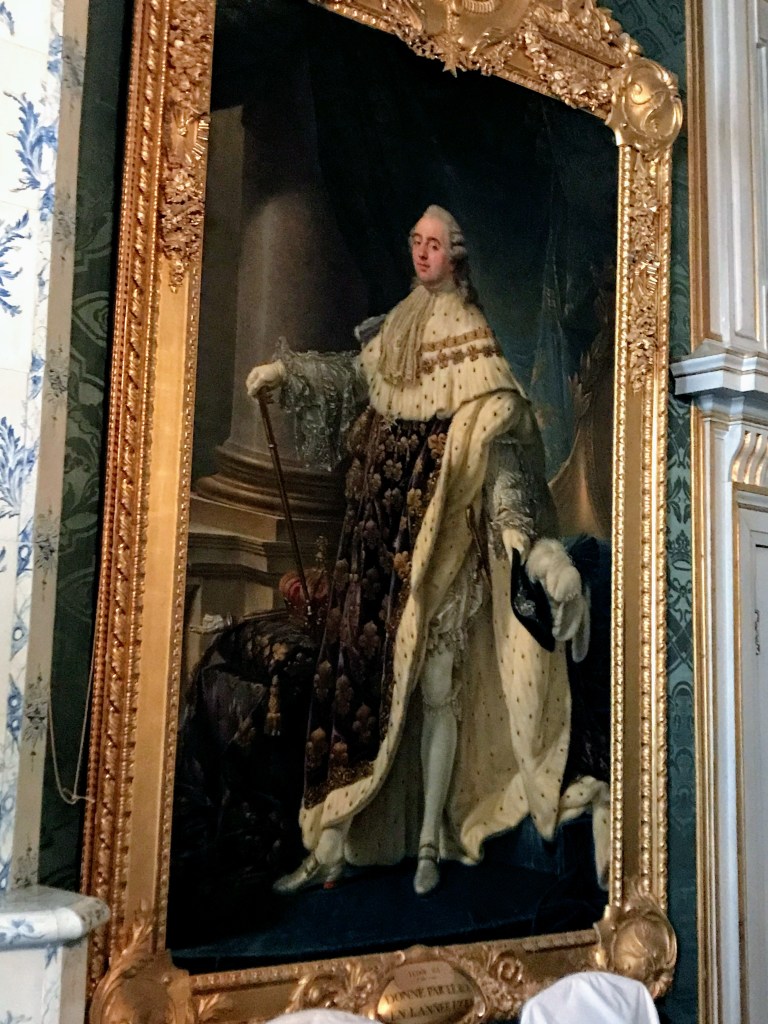
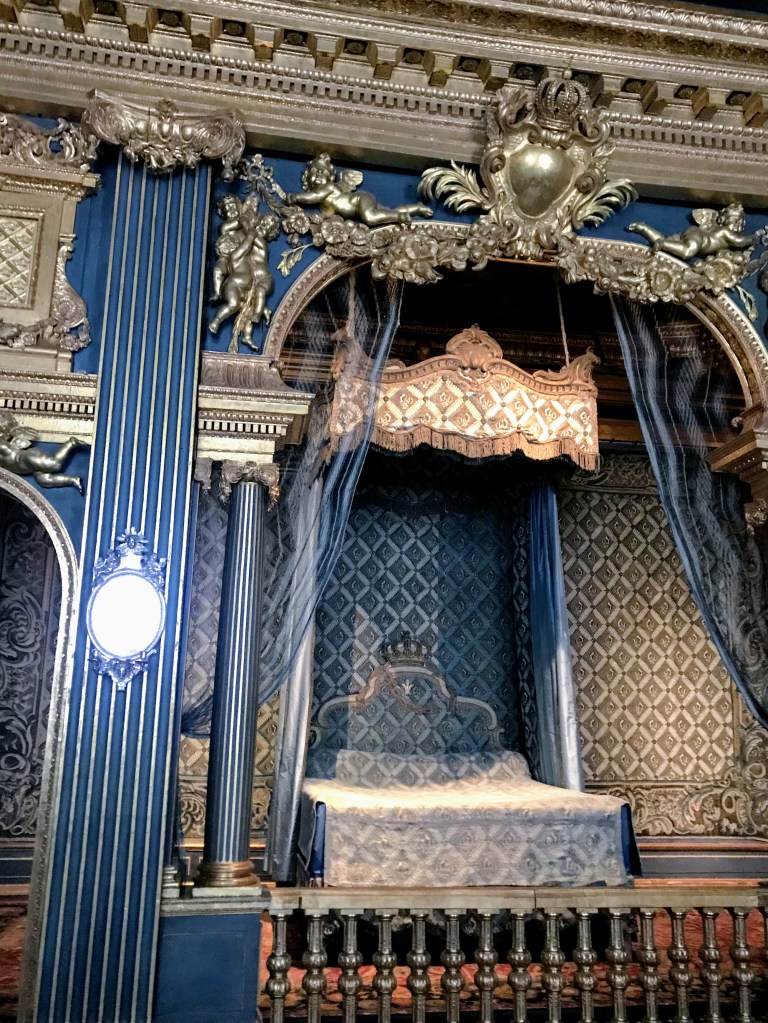
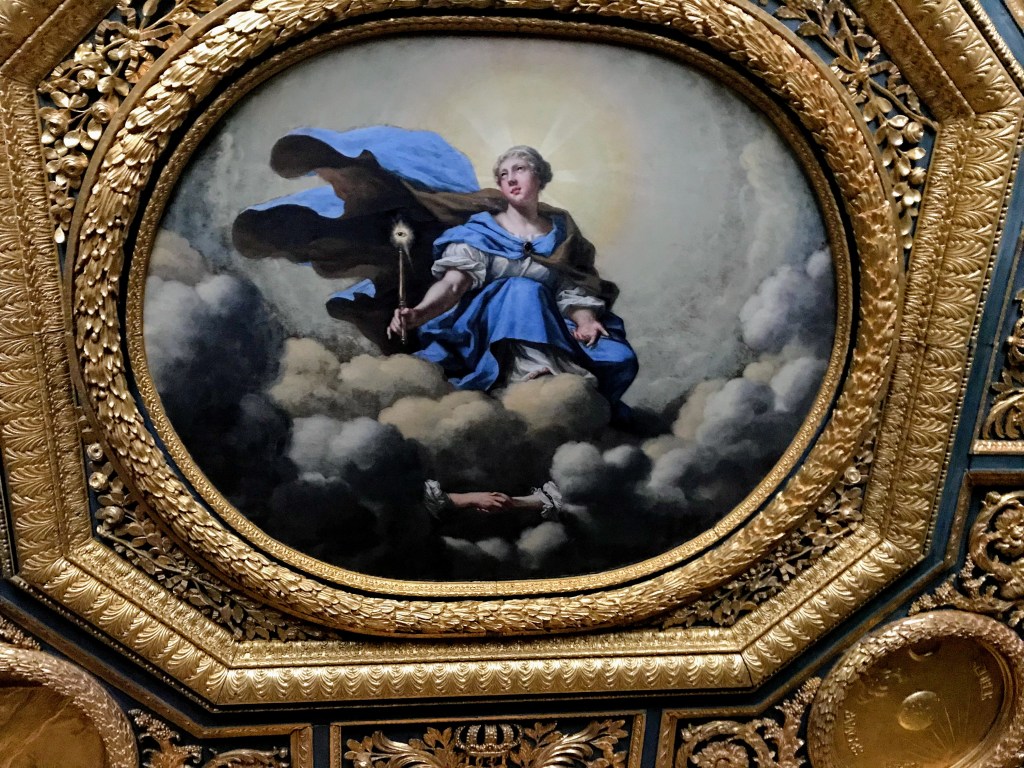
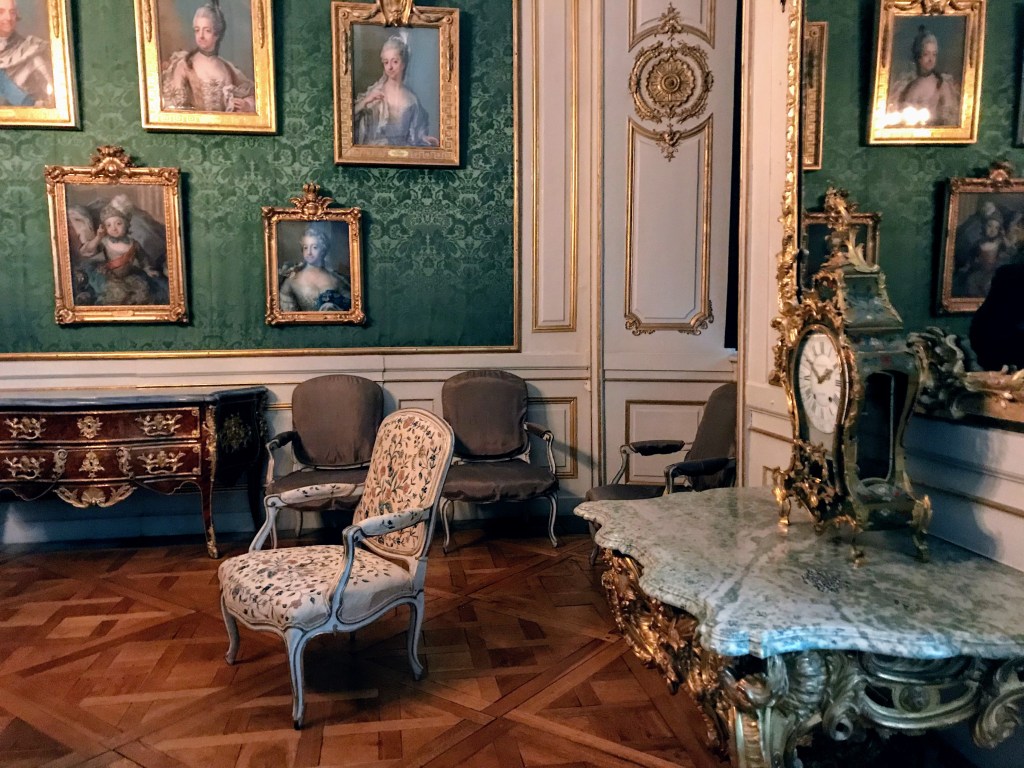
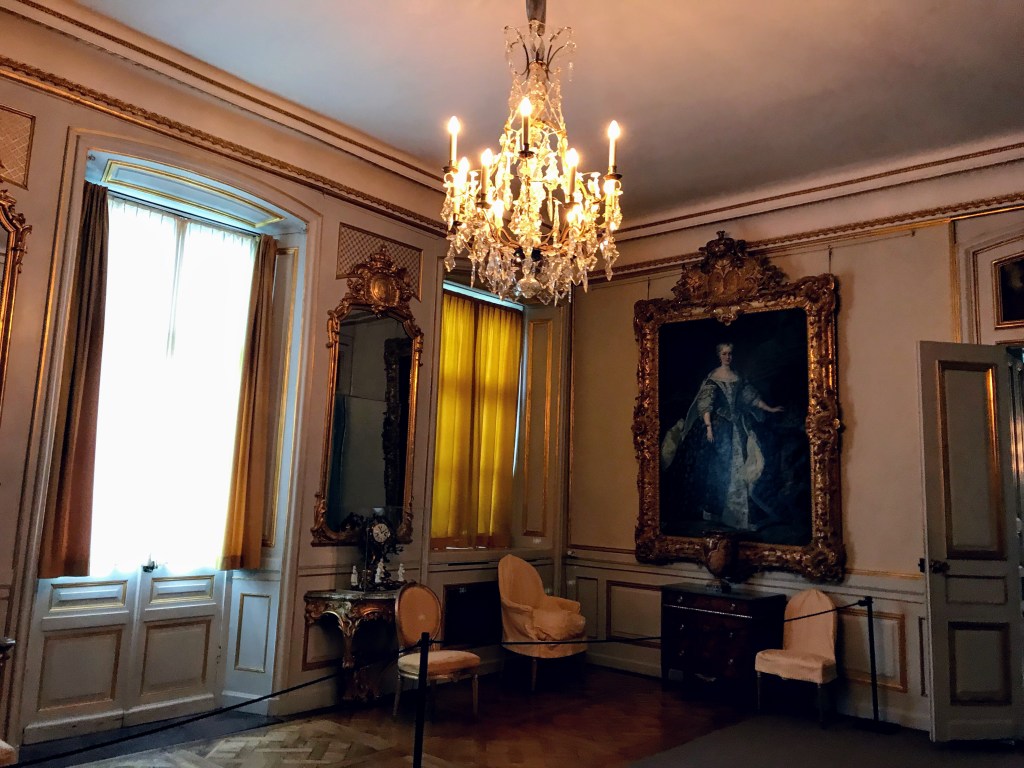
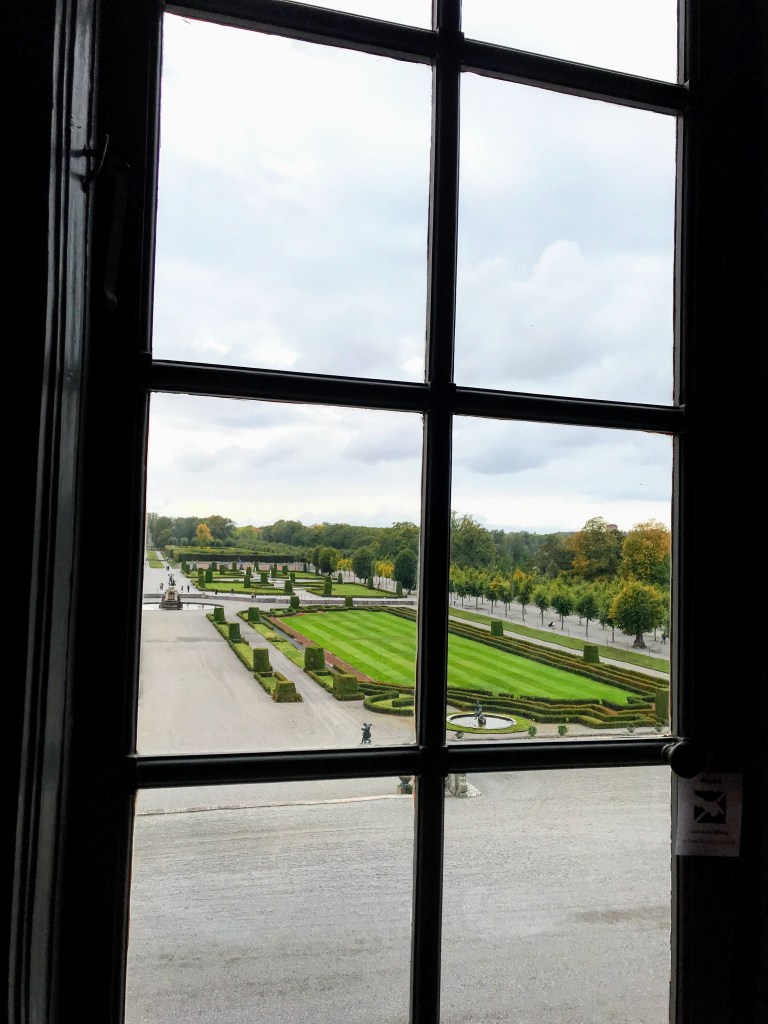
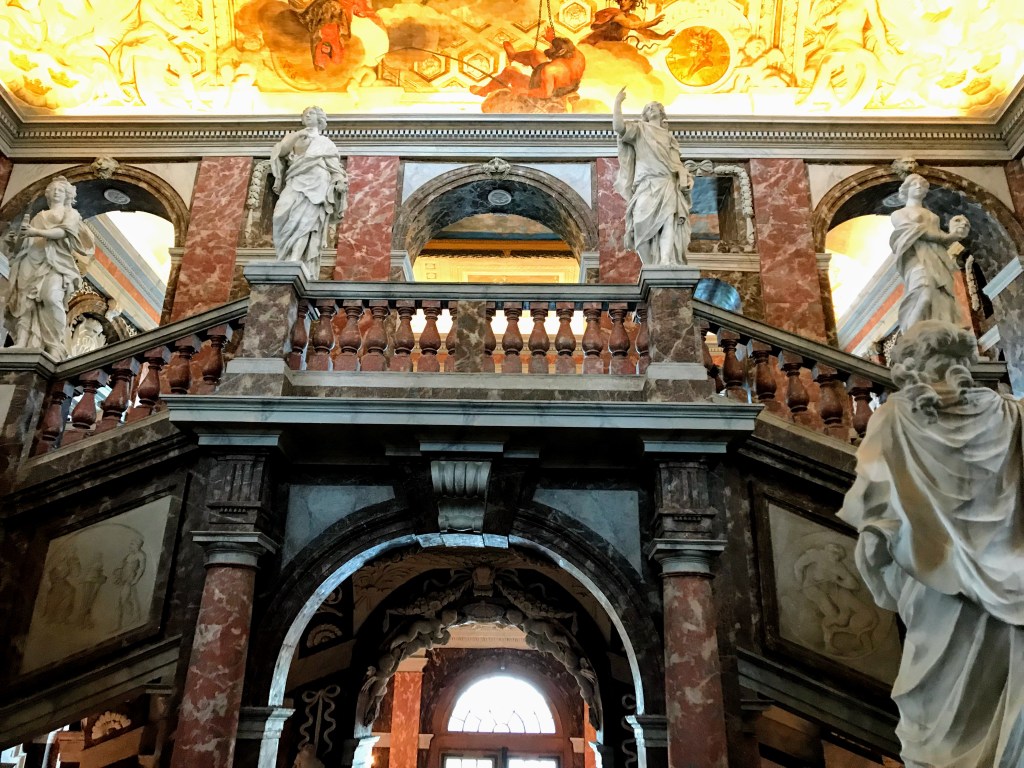
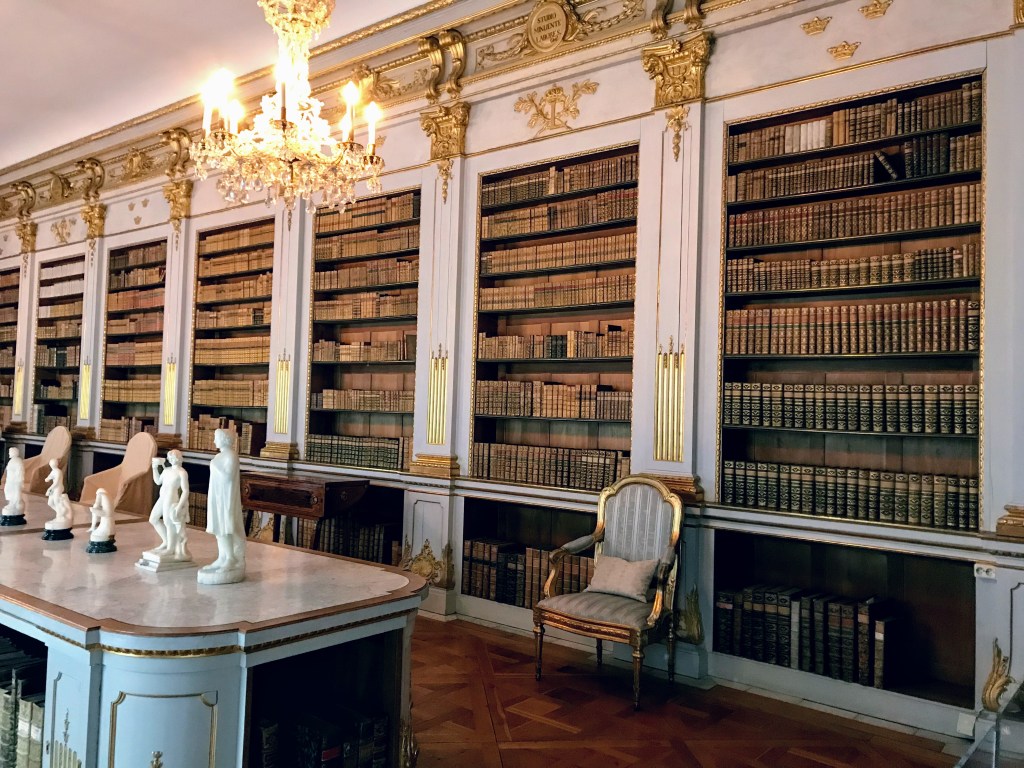
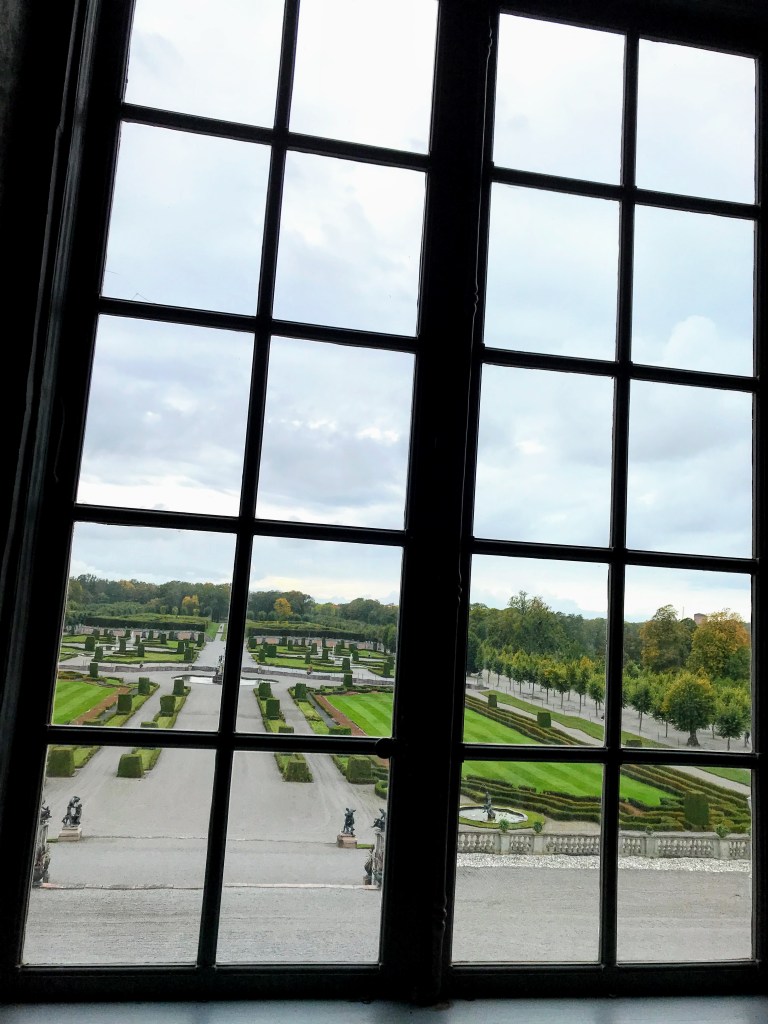
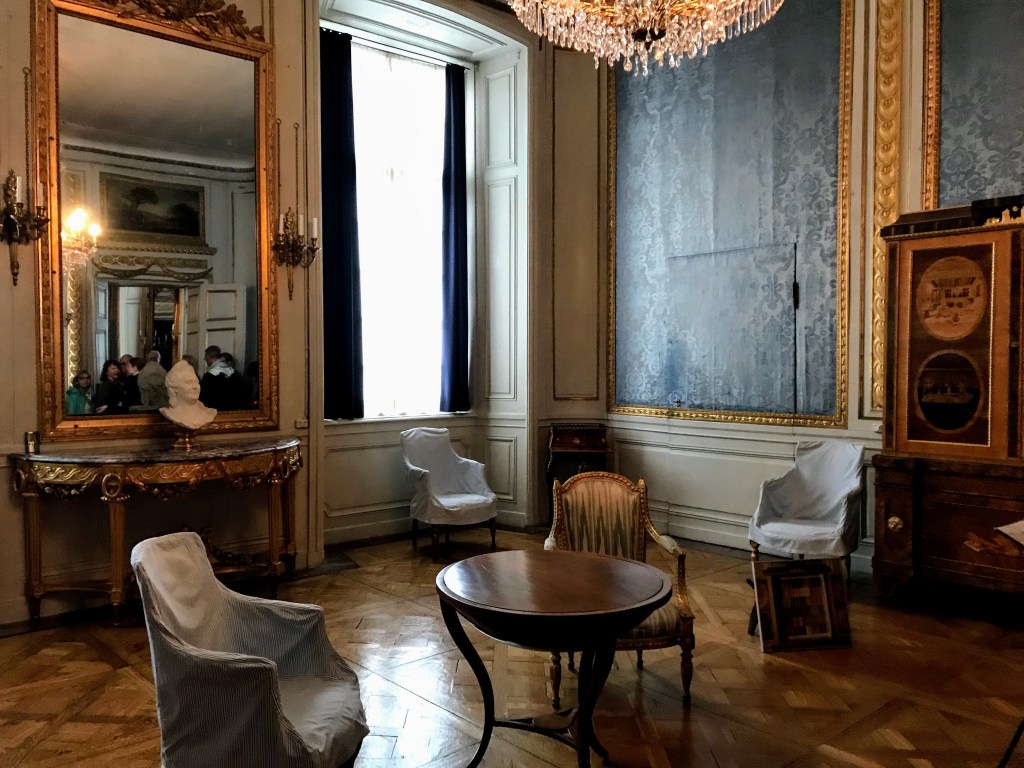
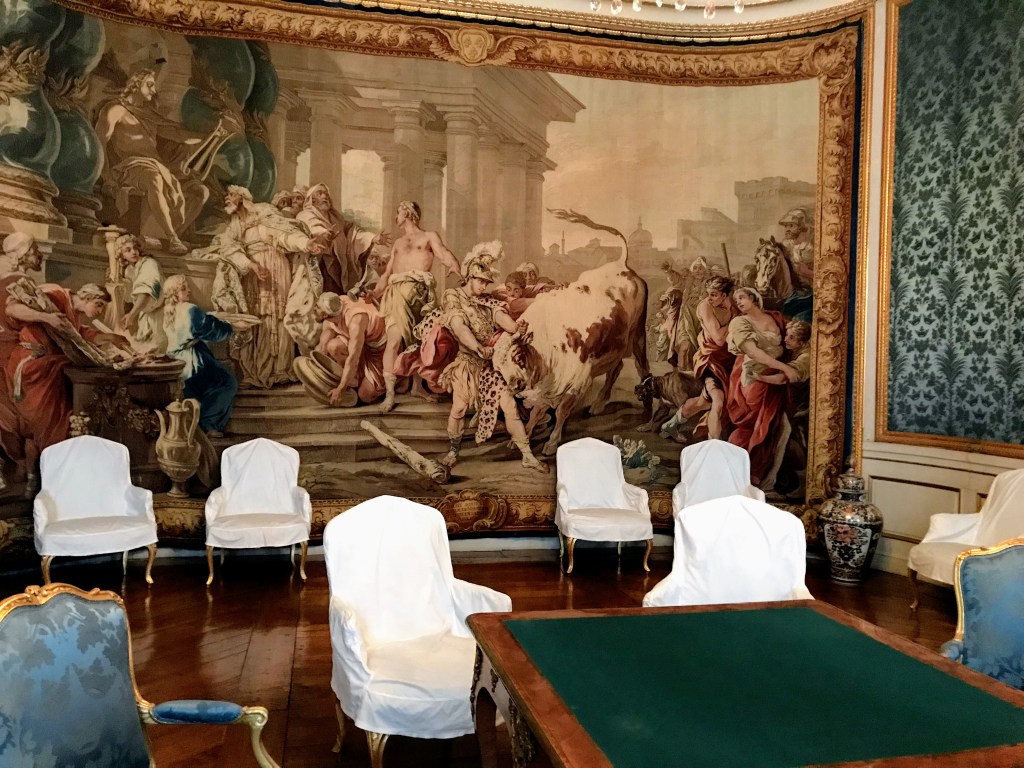
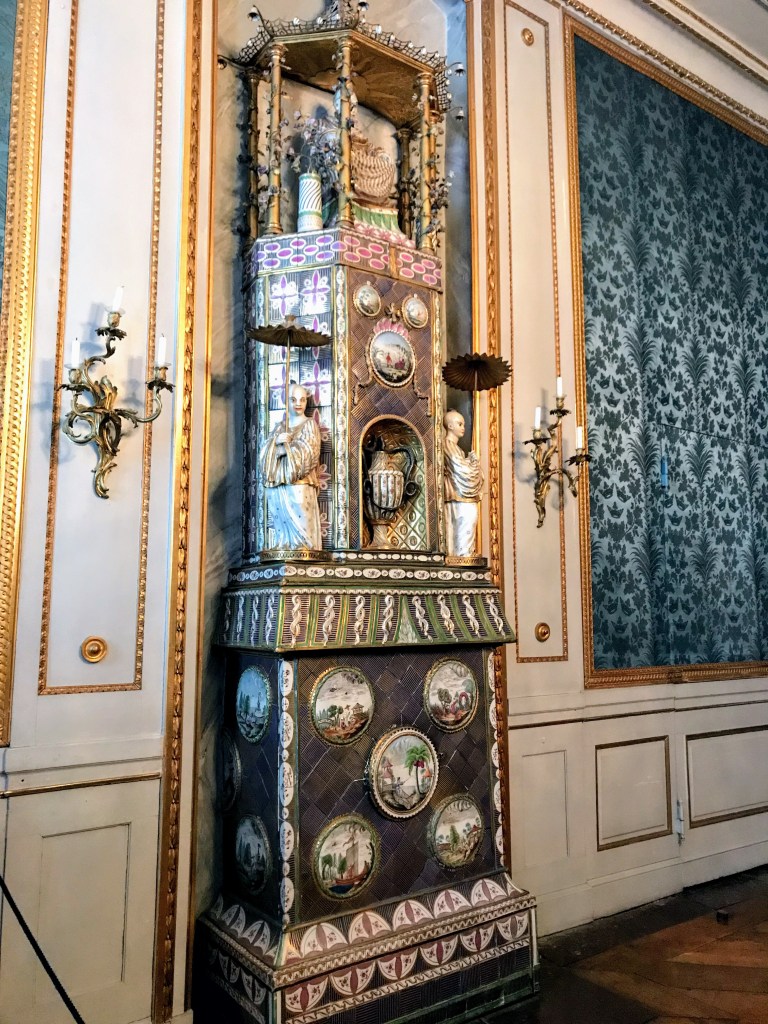
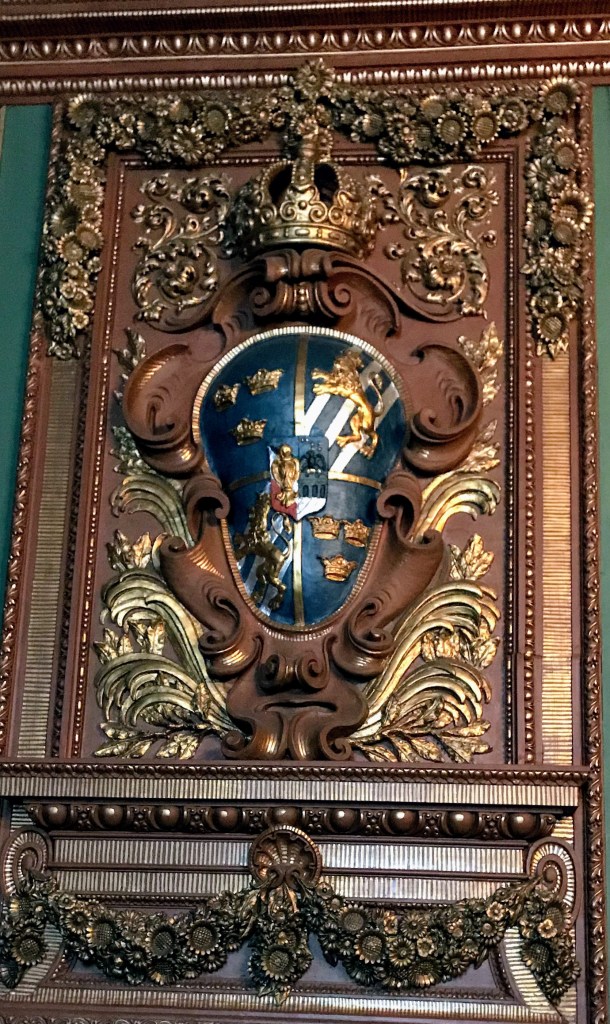
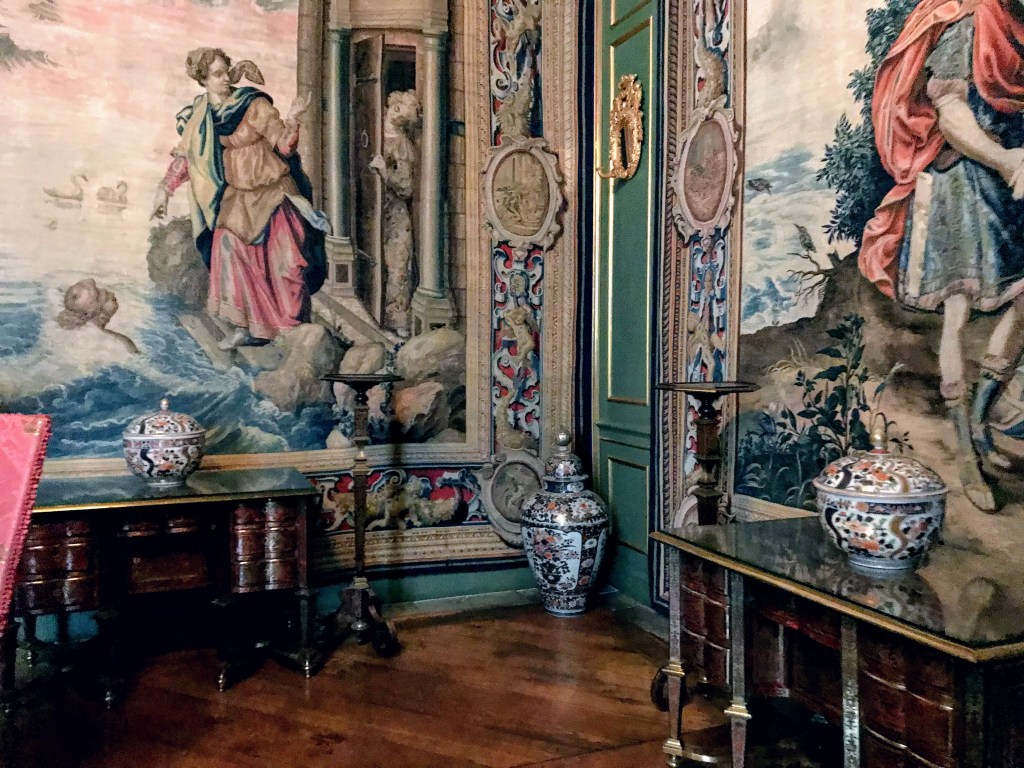
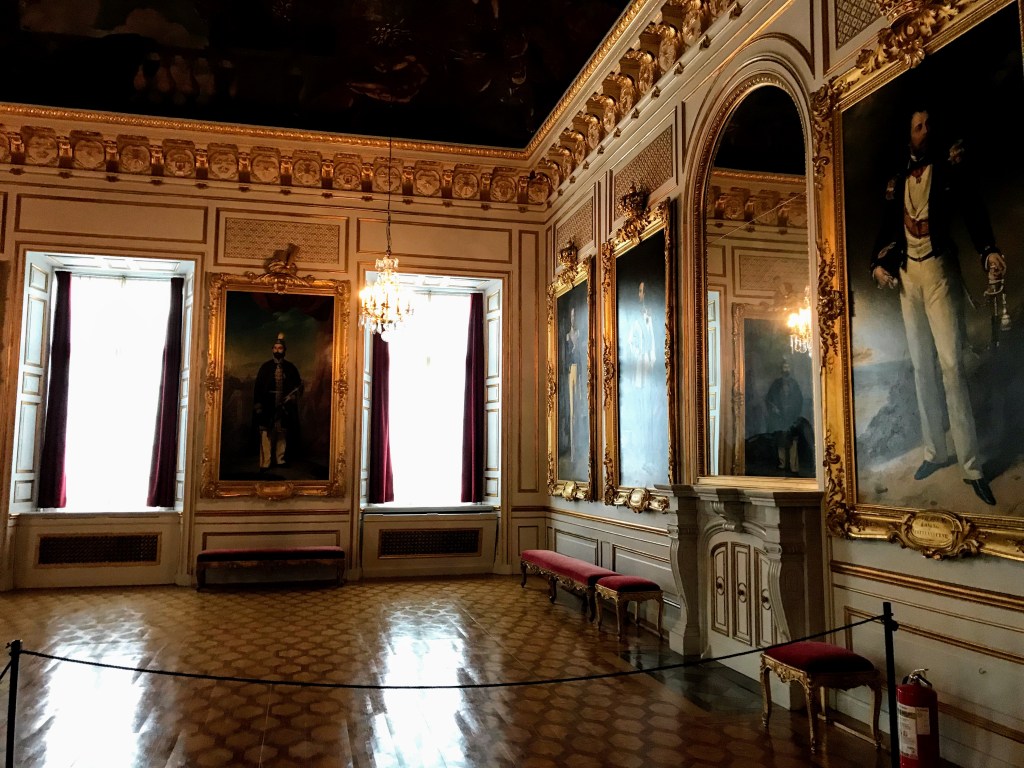
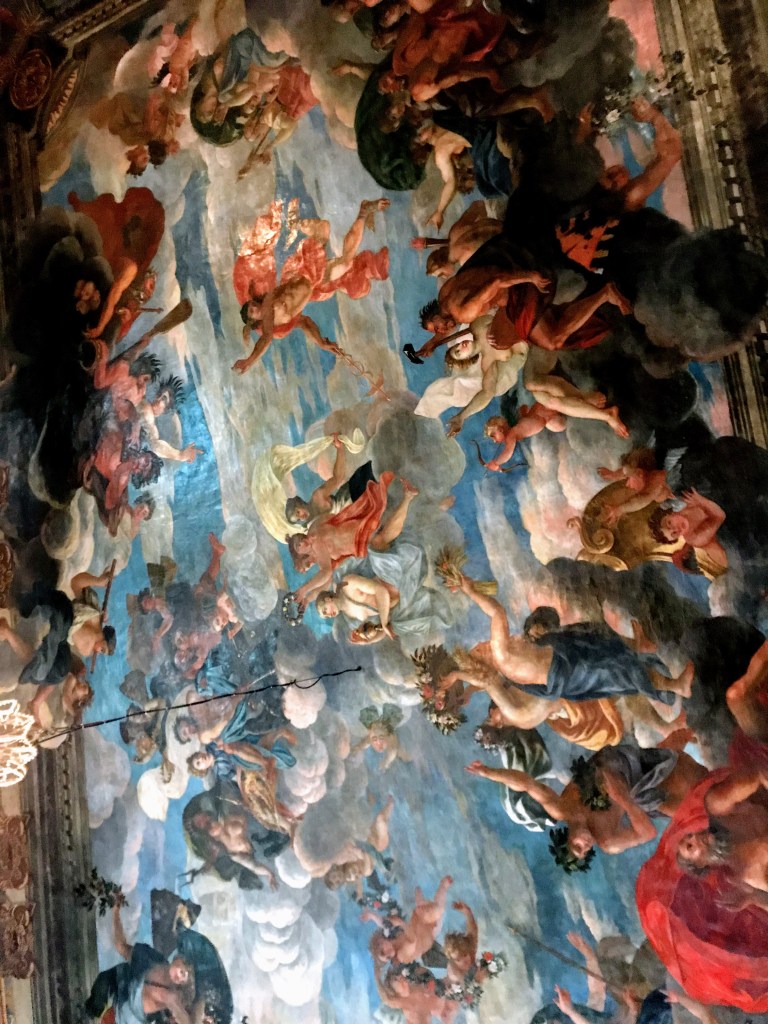
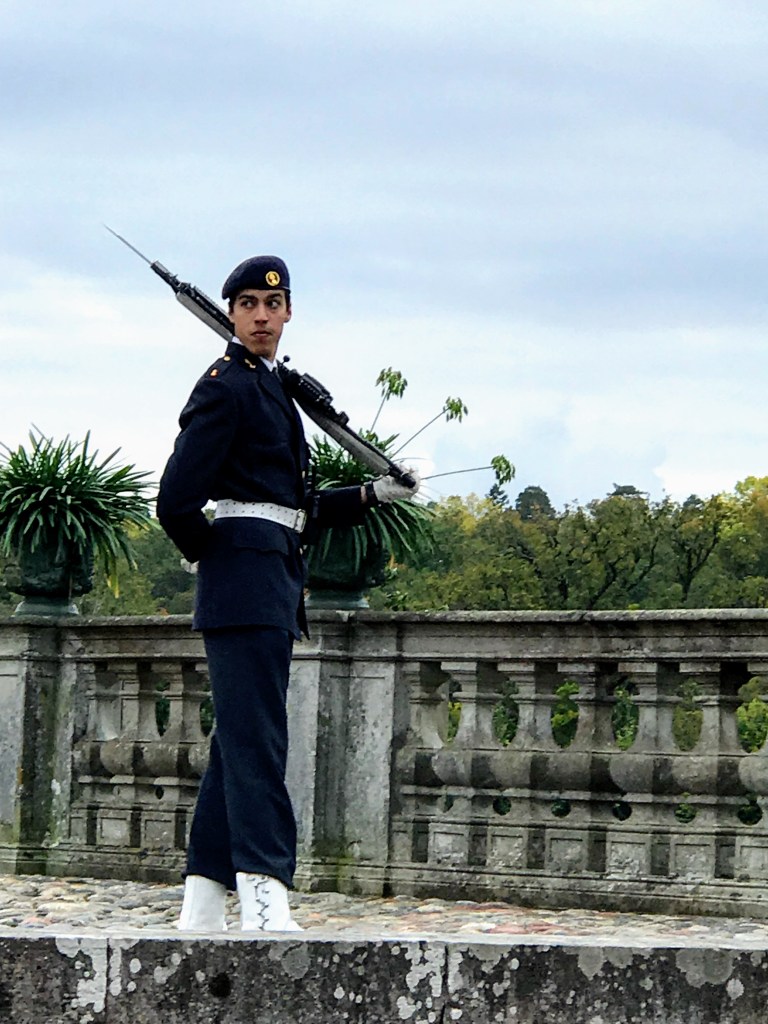
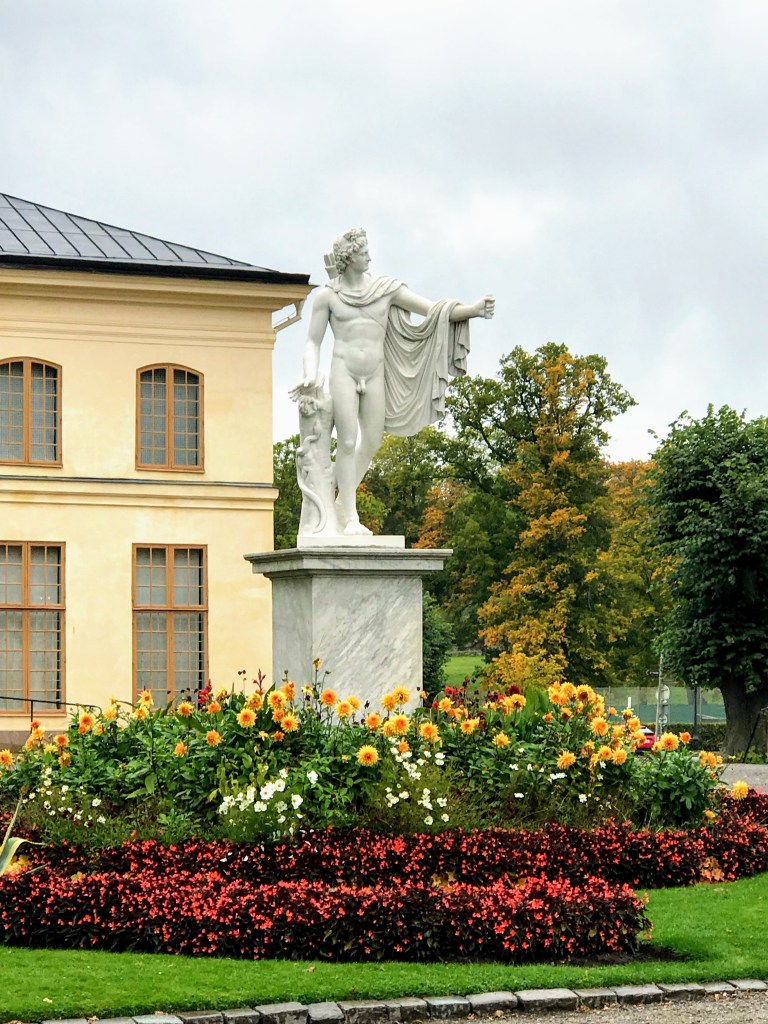
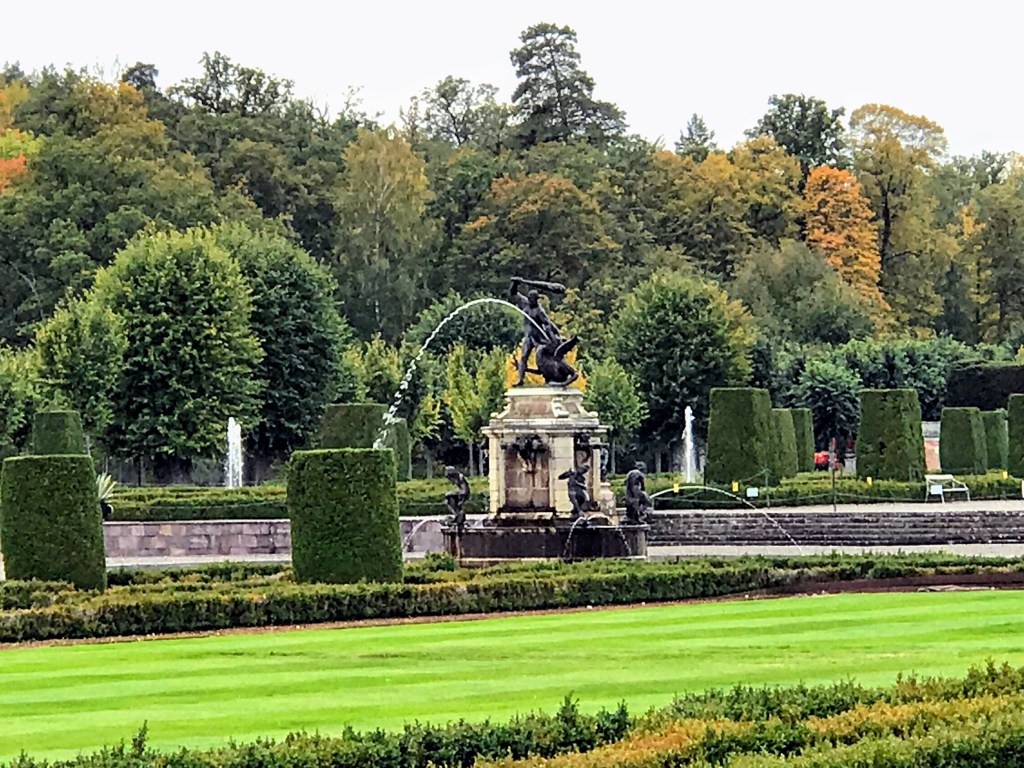
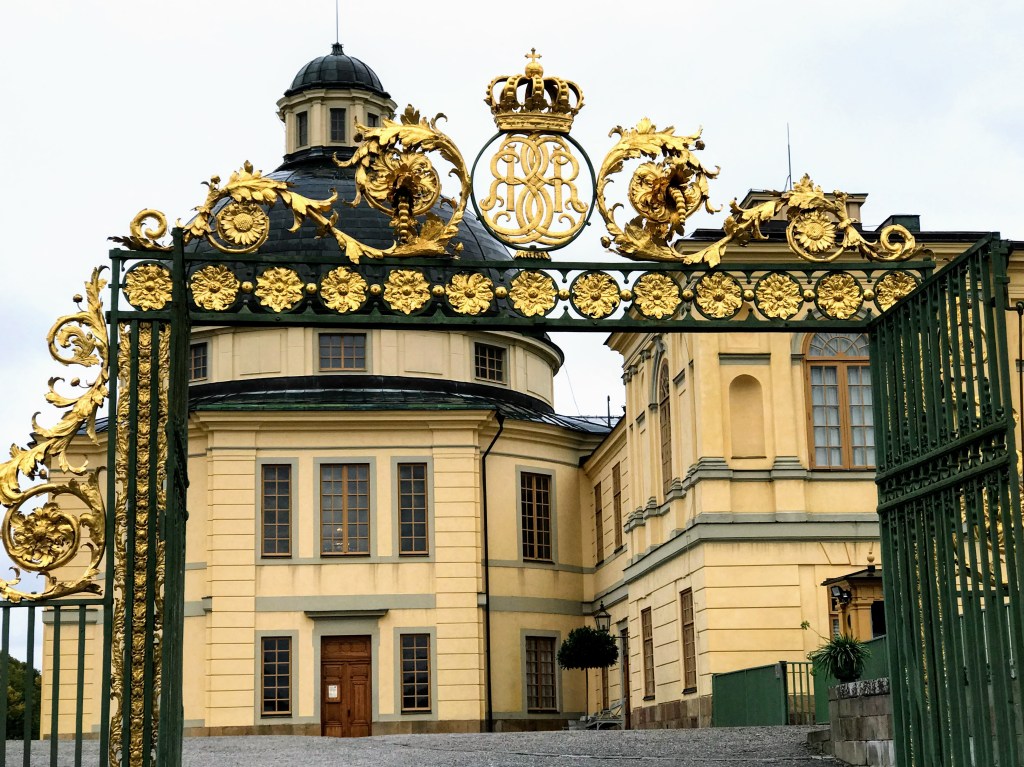
Drottningholm Palace is on UNESCO’s World Heritage list. It is one of the most well-preserved royal castles; built in the 1600s in Stockholm, Sweden and at the same time is representative of all European architecture for the period.
The Palace is Their Majesties the King and Queen’s permanent home residence. The rooms in the southern wing of the palace are reserved for this purpose. The rest of the palace and grounds are open to the public year round. I questioned our guide about the living quarters of the royalty and she stated that their “wing” of the palace was like the parts we toured. She stated they were able to make “upgrades” to their wing but could not change the structure or architecture, adding that mostly thy have added conveniences such as TV and WIFI.





































 Adventures with Cindy