Stockholm, Sweden

Just a couple of pictures from around Stockholm

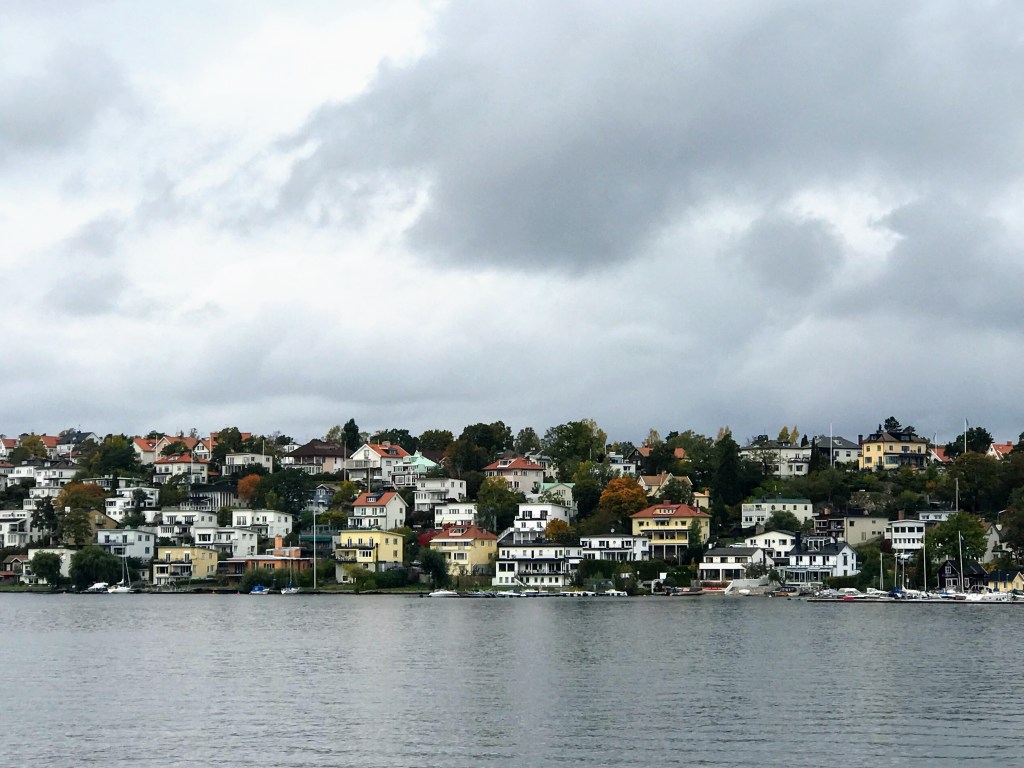
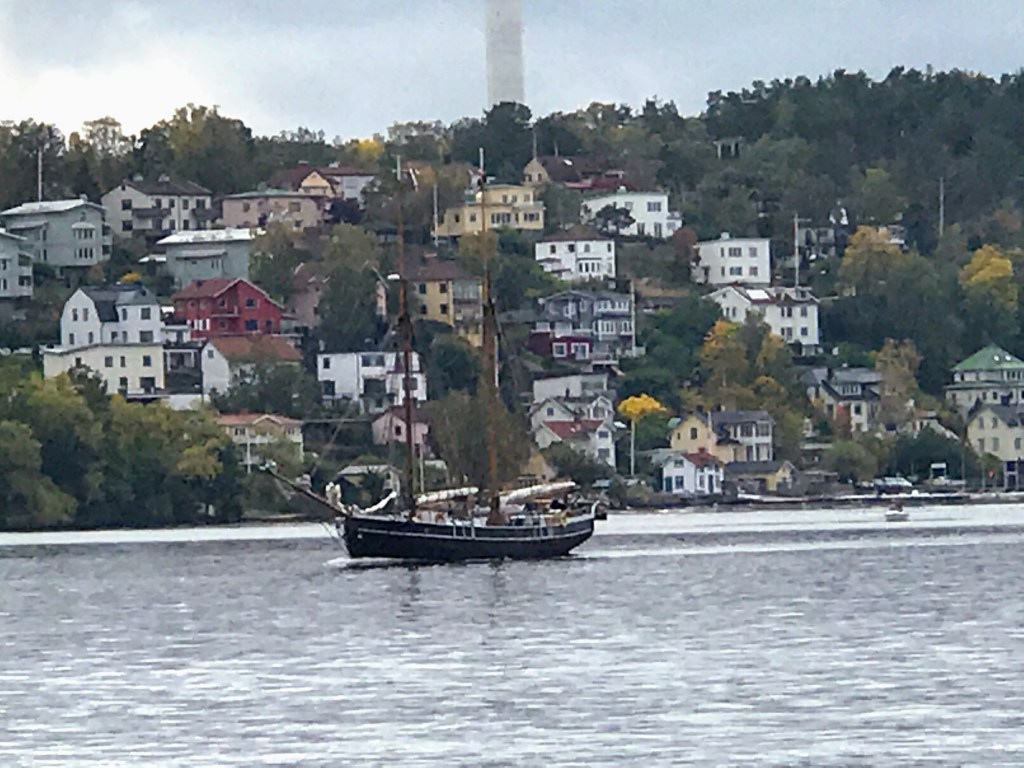
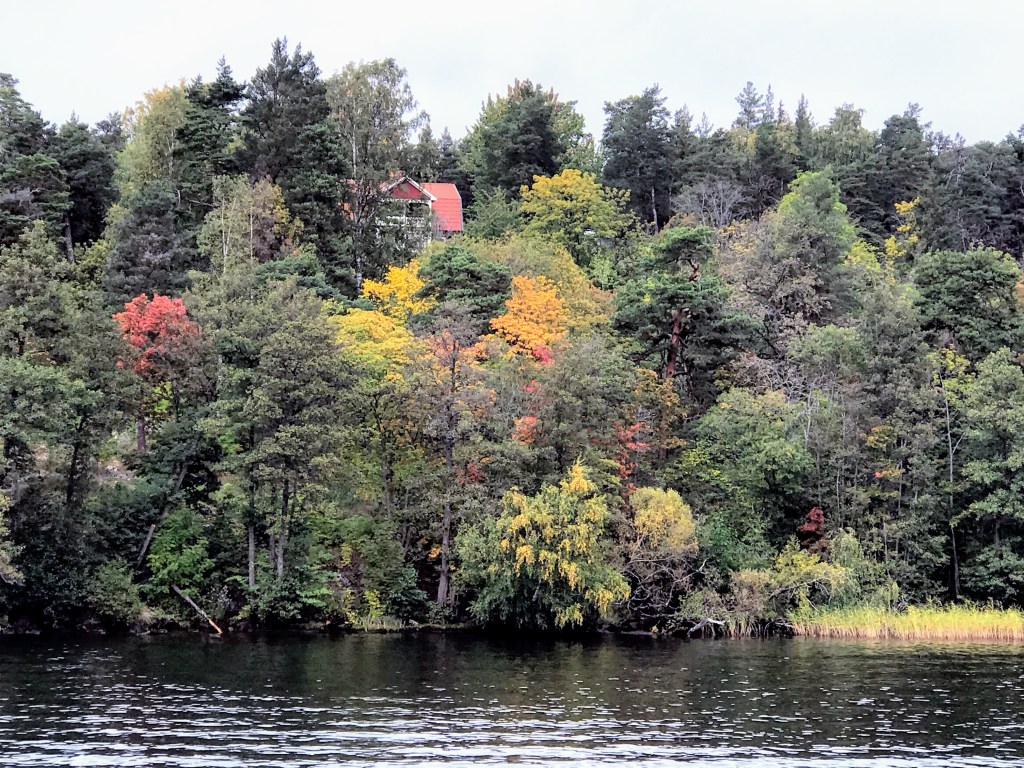
Pics 1 & 2 & 3 were taken from the ferry. A lot of Stockholm consist of islands connected by bridges. But it is so much faster to take a ferry to the different islands.

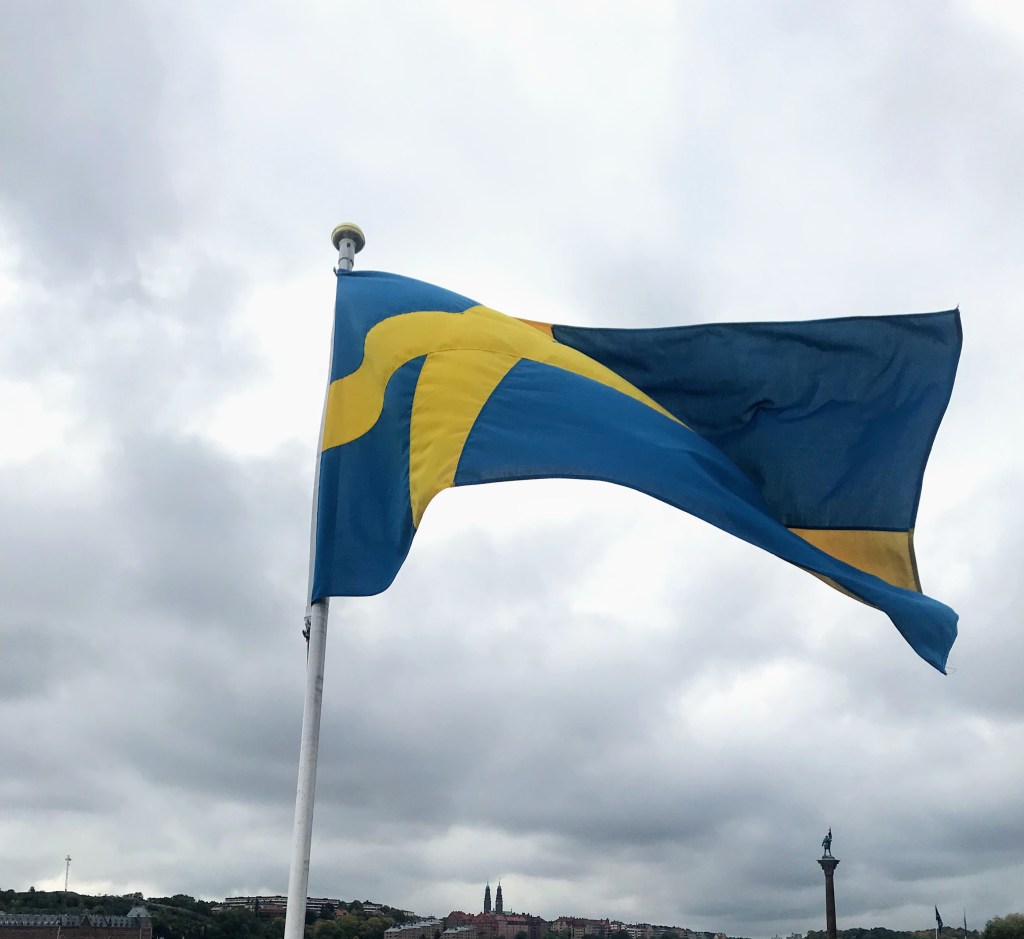
Pic 4 is the Swedish flag; it consists of a yellow or gold Nordic cross on a field of blue. The Nordic cross design traditionally represents Christianity.

Pic 5 is the Nobel Prize Museum

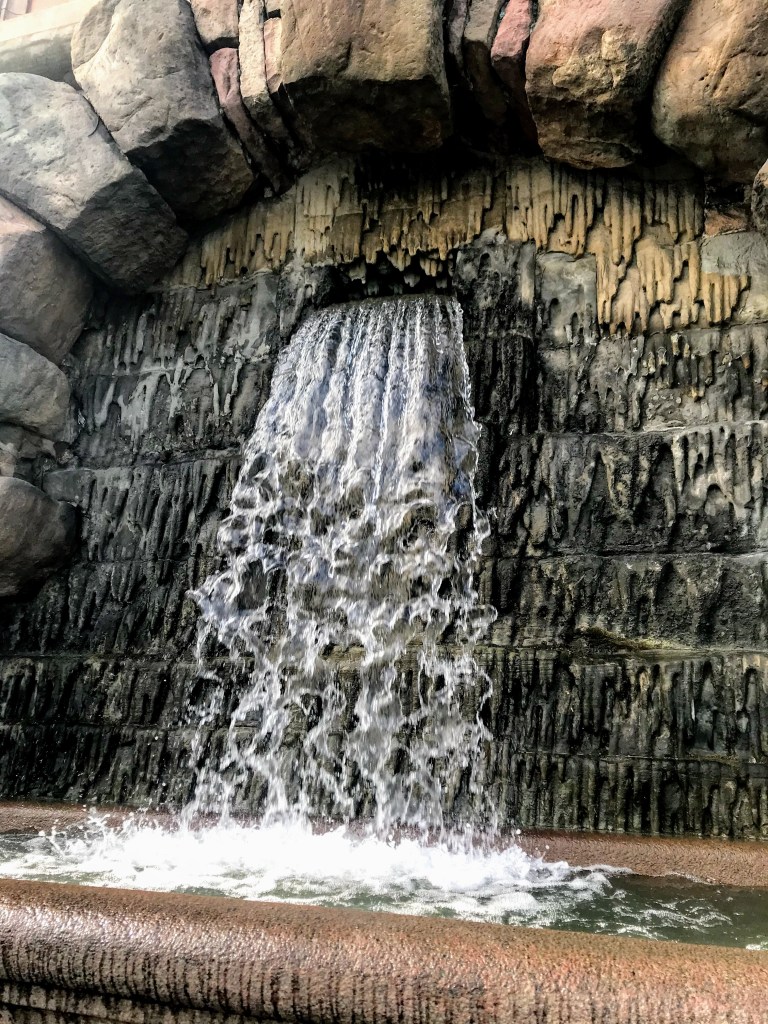
Pic 6 is a water fountain, Stockholm is one of the cleanest capitals in the world. The city was granted the 2010 European Green Capital Award by the EU Commission; this was Europe’s first “green capital”

And the video is the military coming in for the changing of the guards.
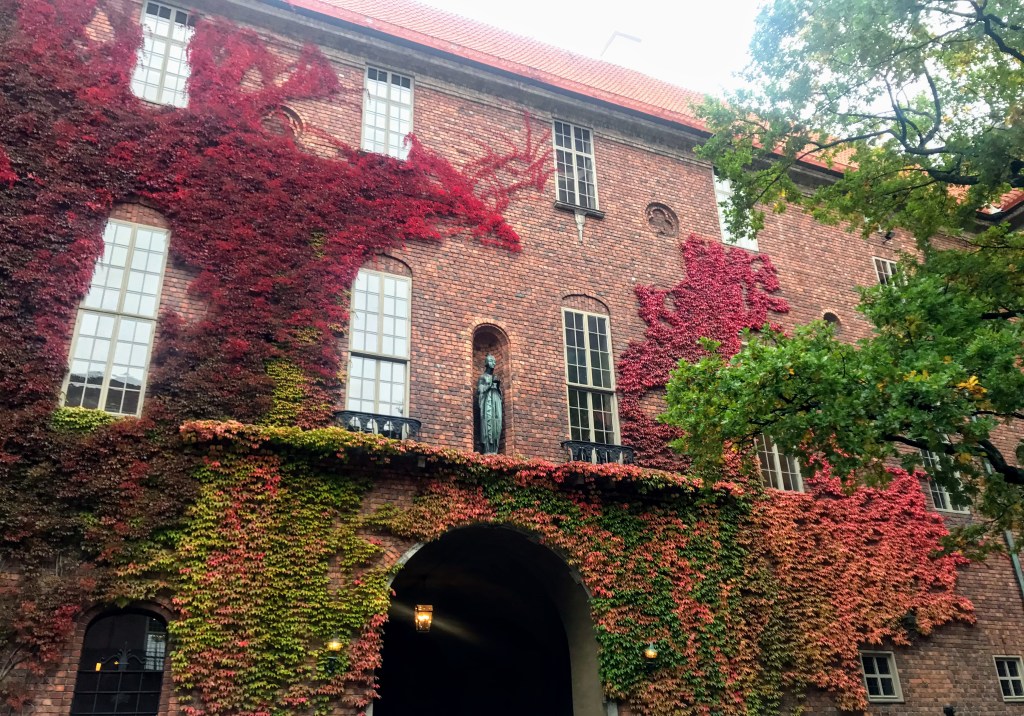
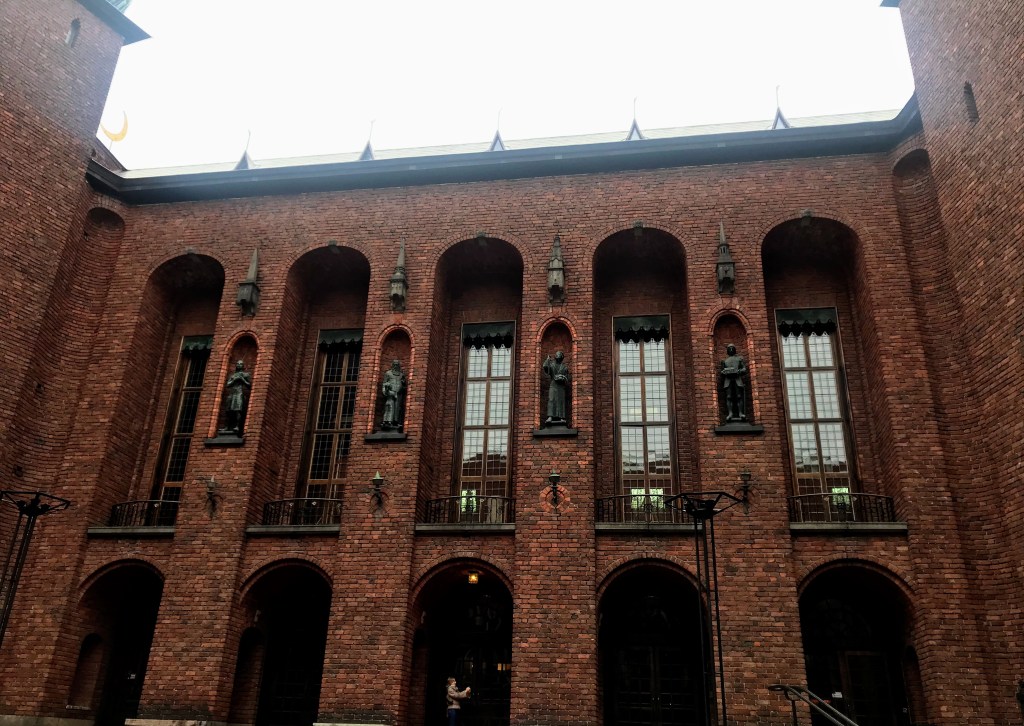
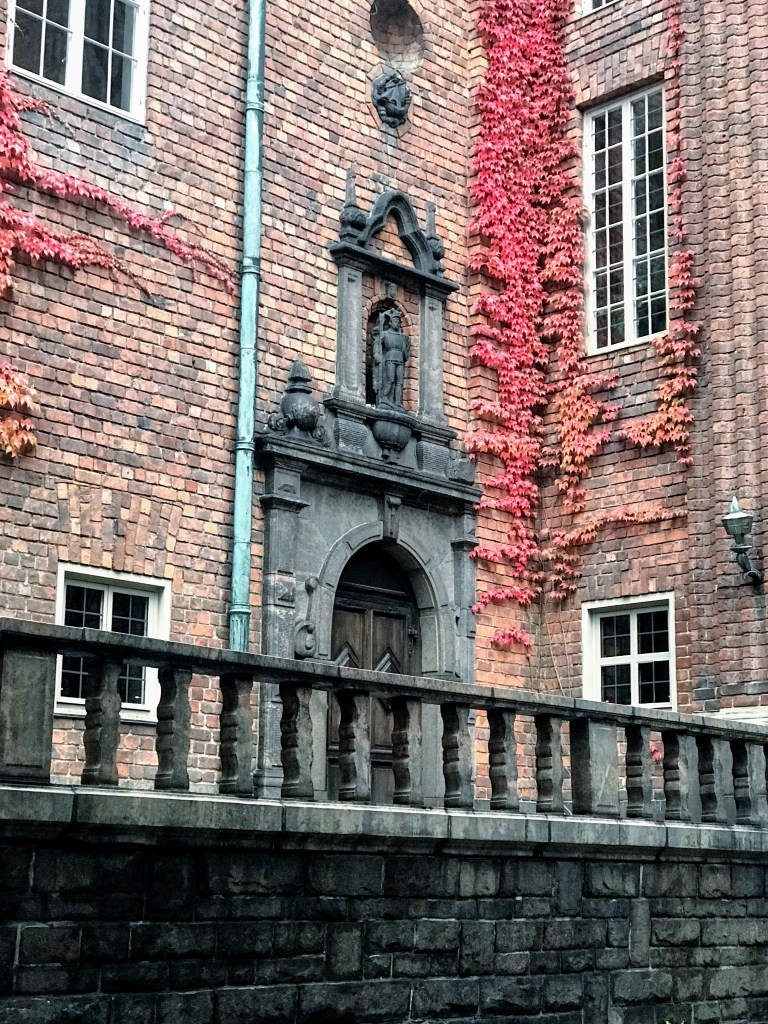
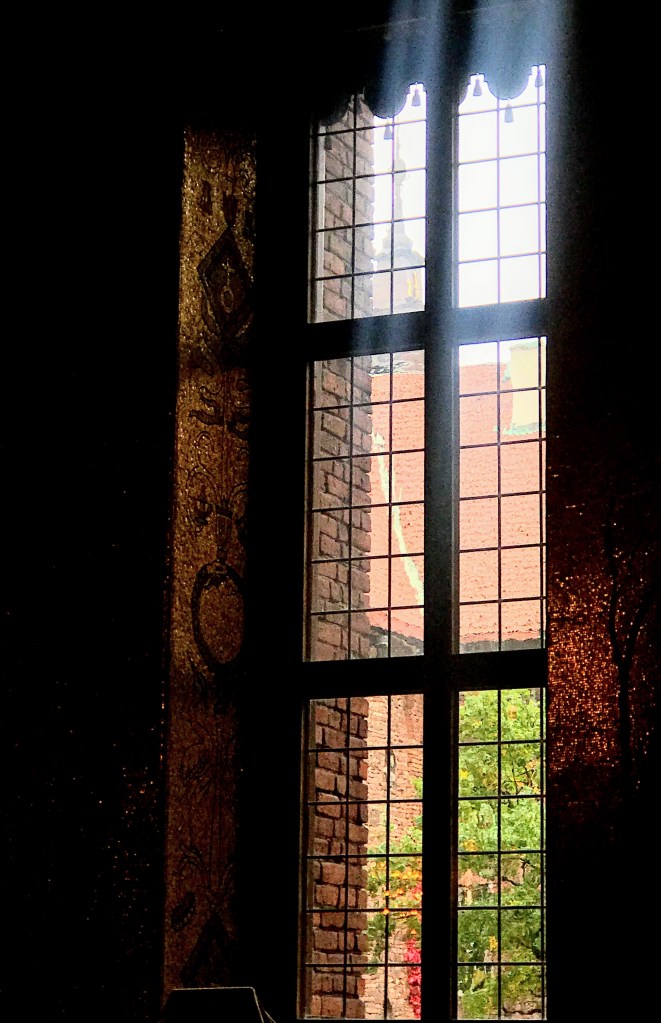
Stockholm City Hall

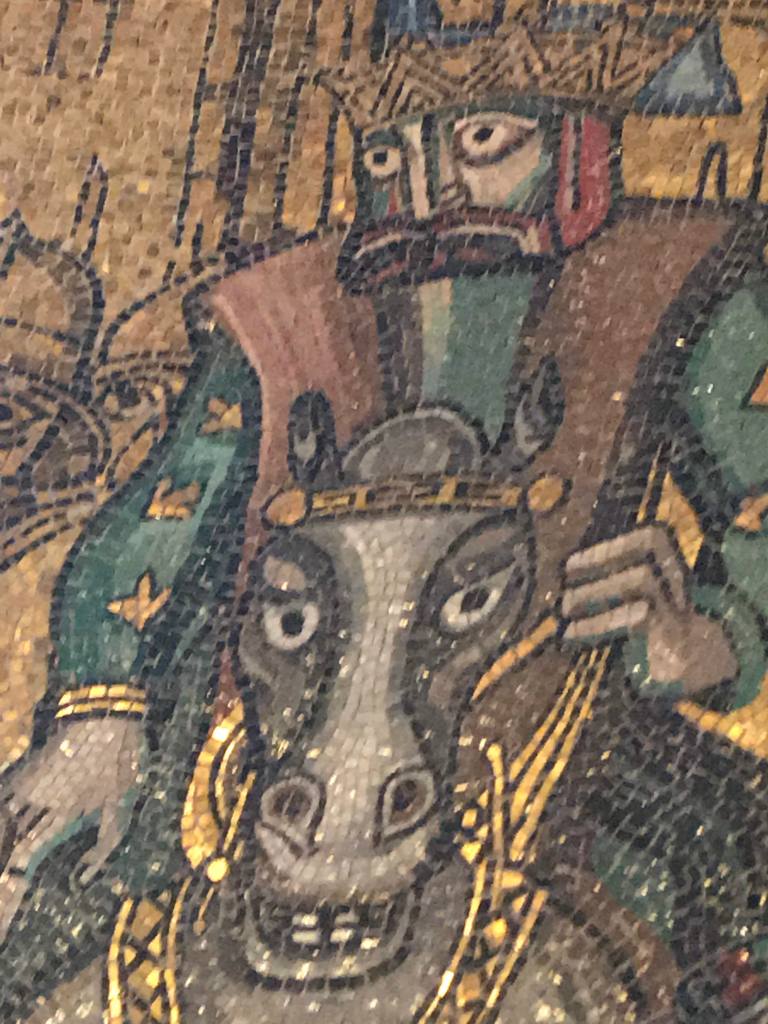
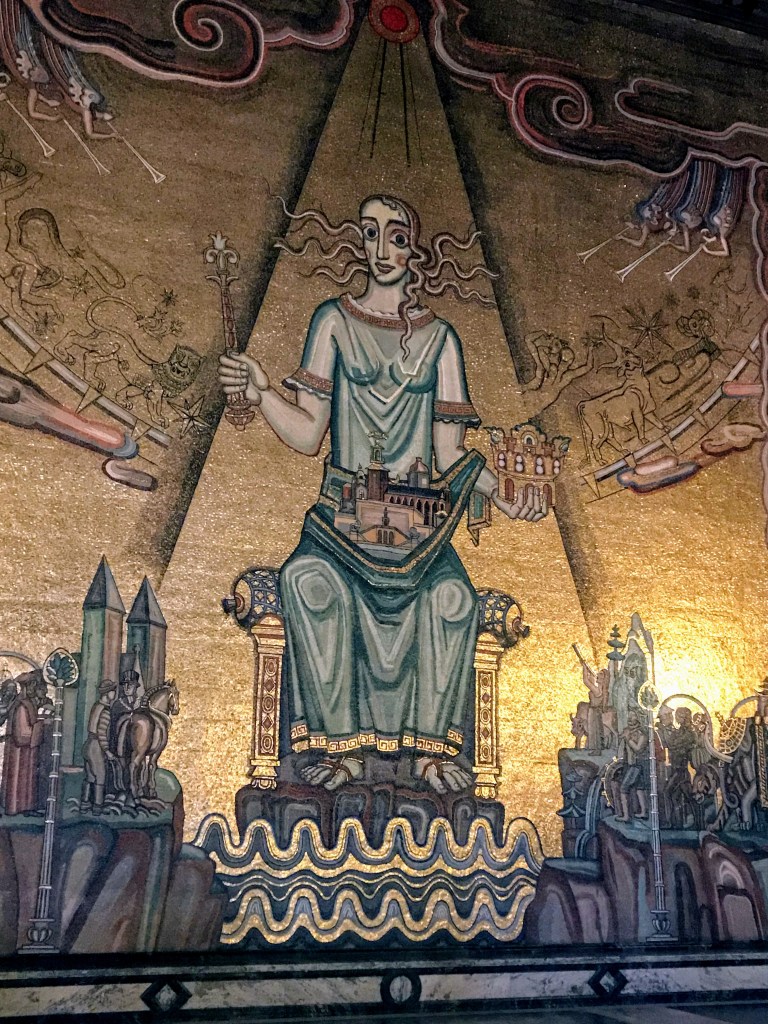
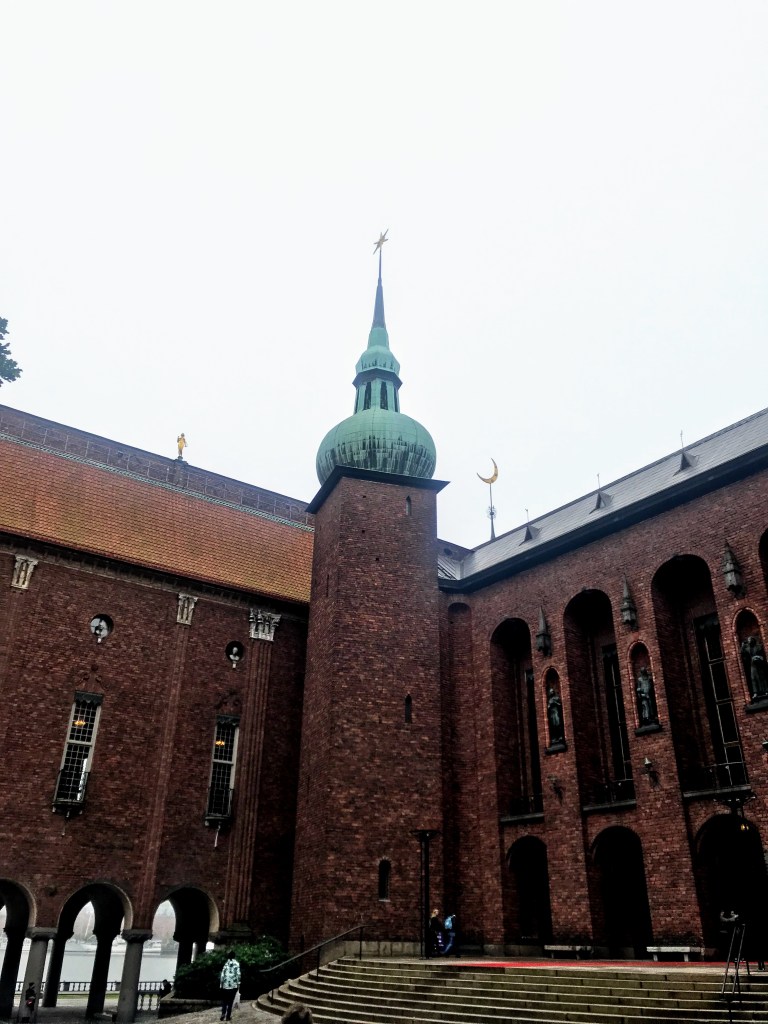
The Stockholm City Hall is one of Sweden’s most famous buildings, and one of the capital’s most visited tourist attractions. It is famous for its grand ceremonial halls and unique pieces of art and is the venue of the Nobel Prize banquet held on 10th of December each year. It also houses offices for 200 people including the Municipal Council.
In one of the main halls is the massive mosaic pictured above. There are several close-up shots of Stockholm’s tribute to the USA! And yes that is gold in the mosaic.

Vasa Museum

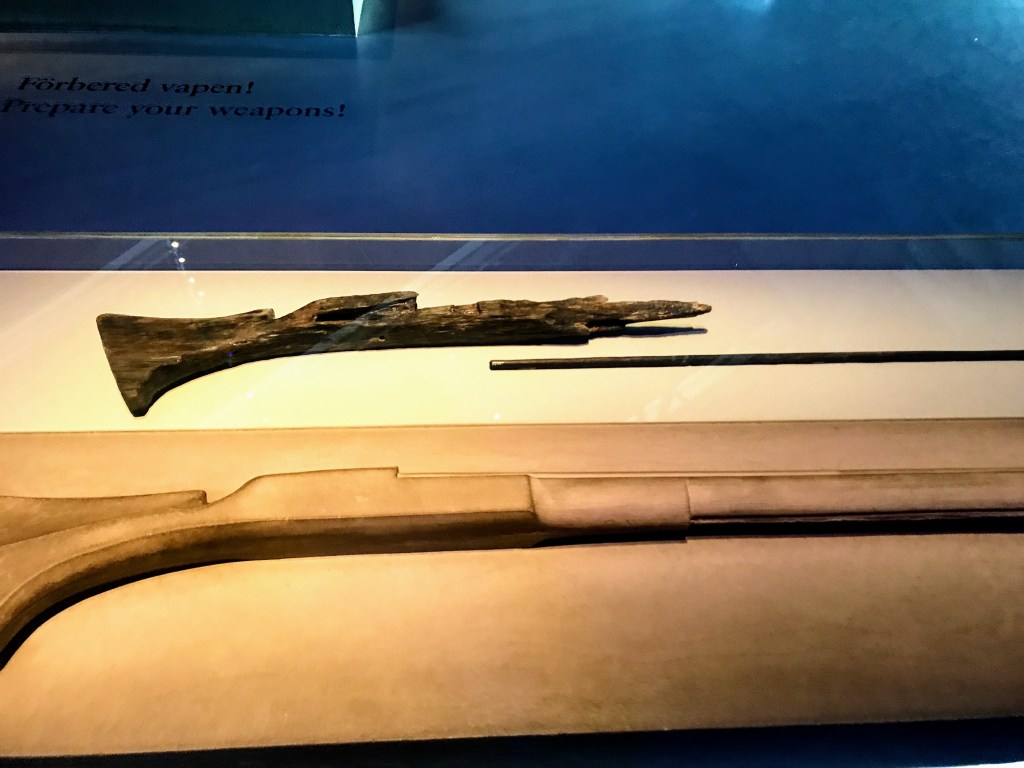
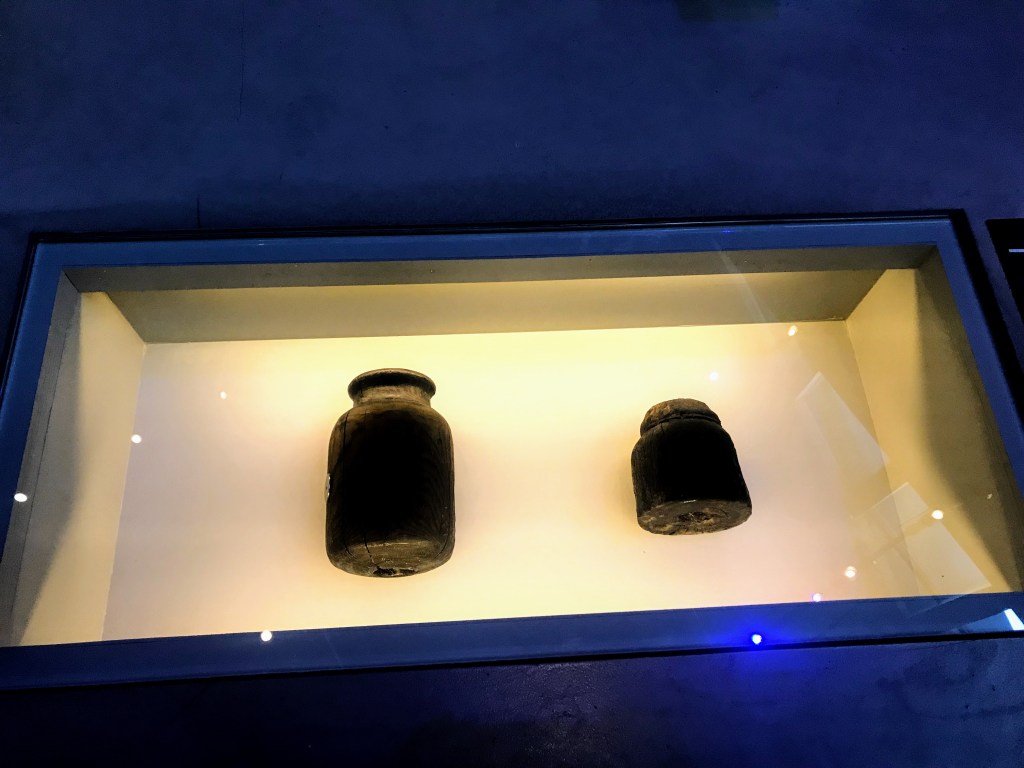
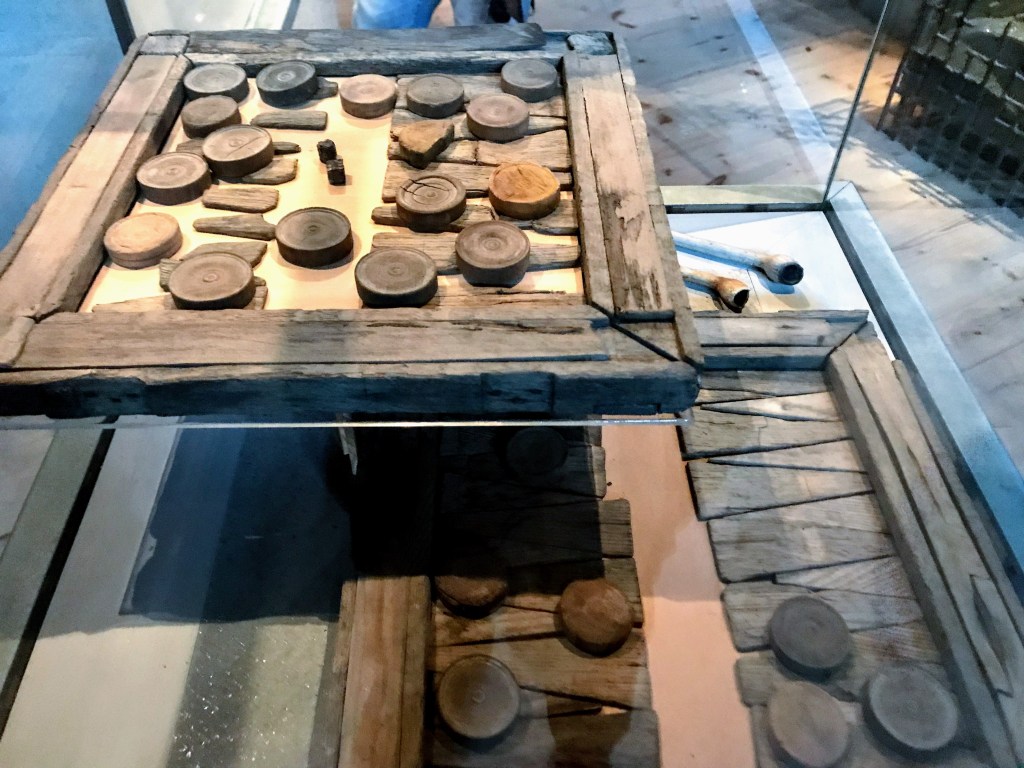
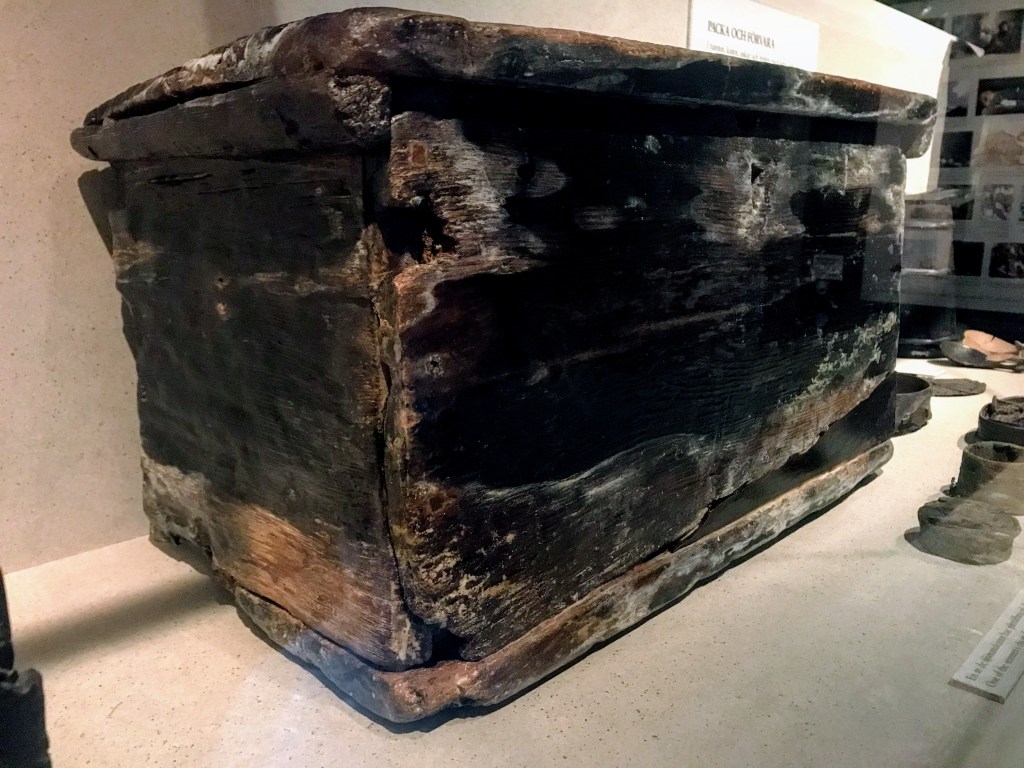
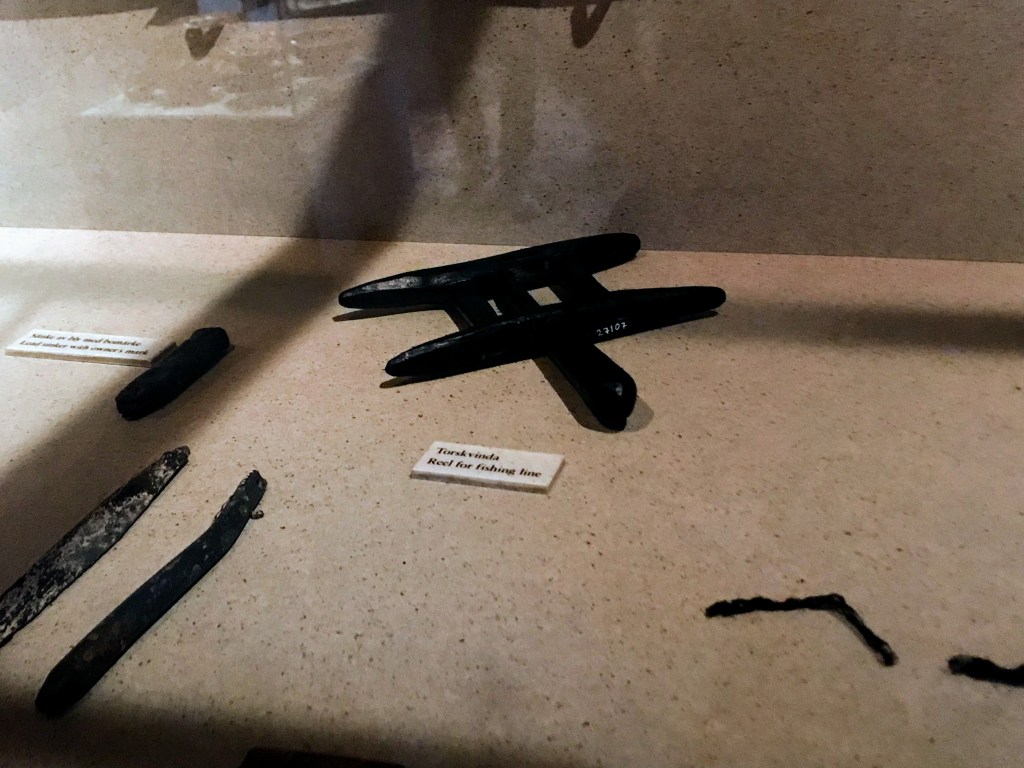
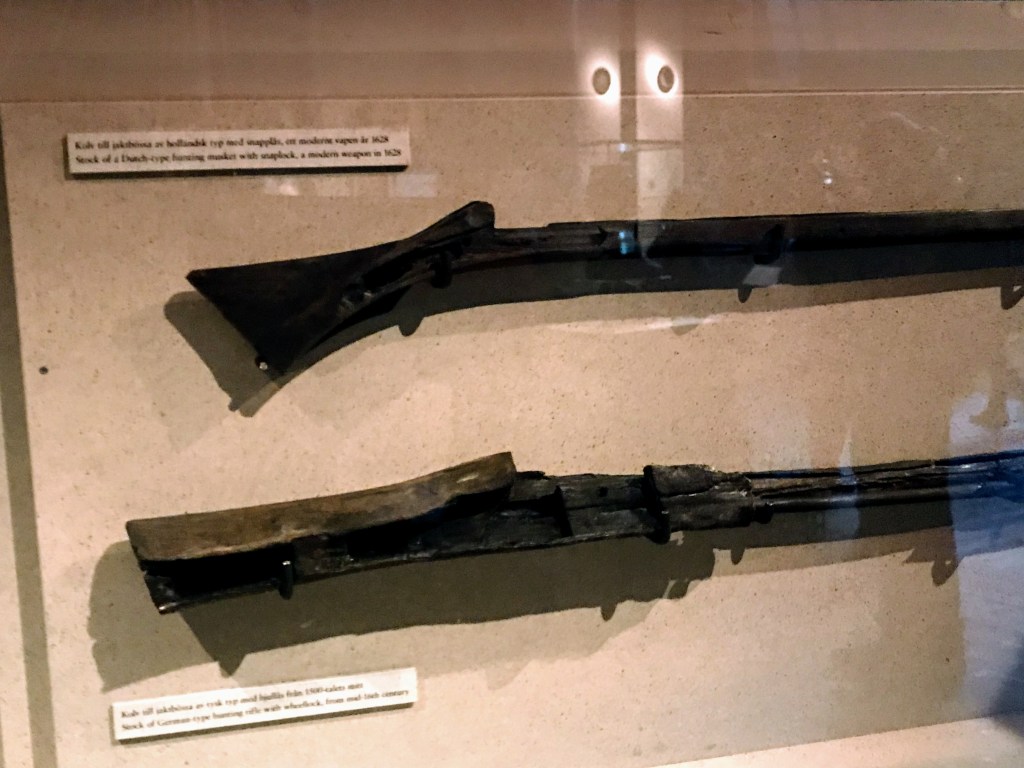
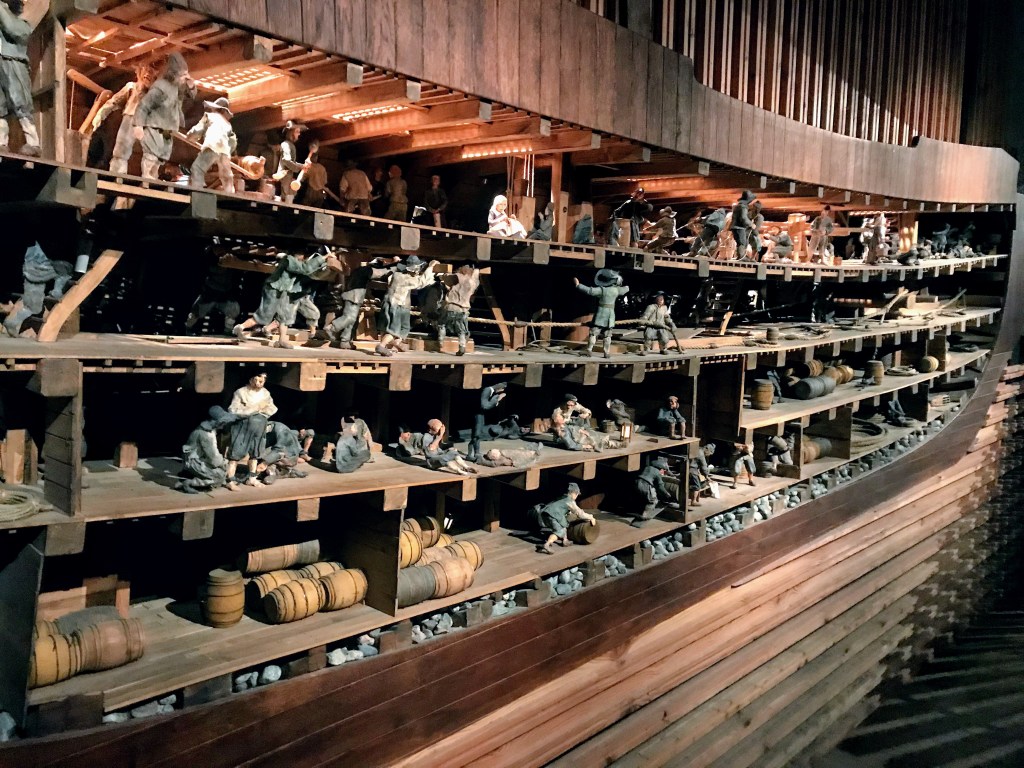
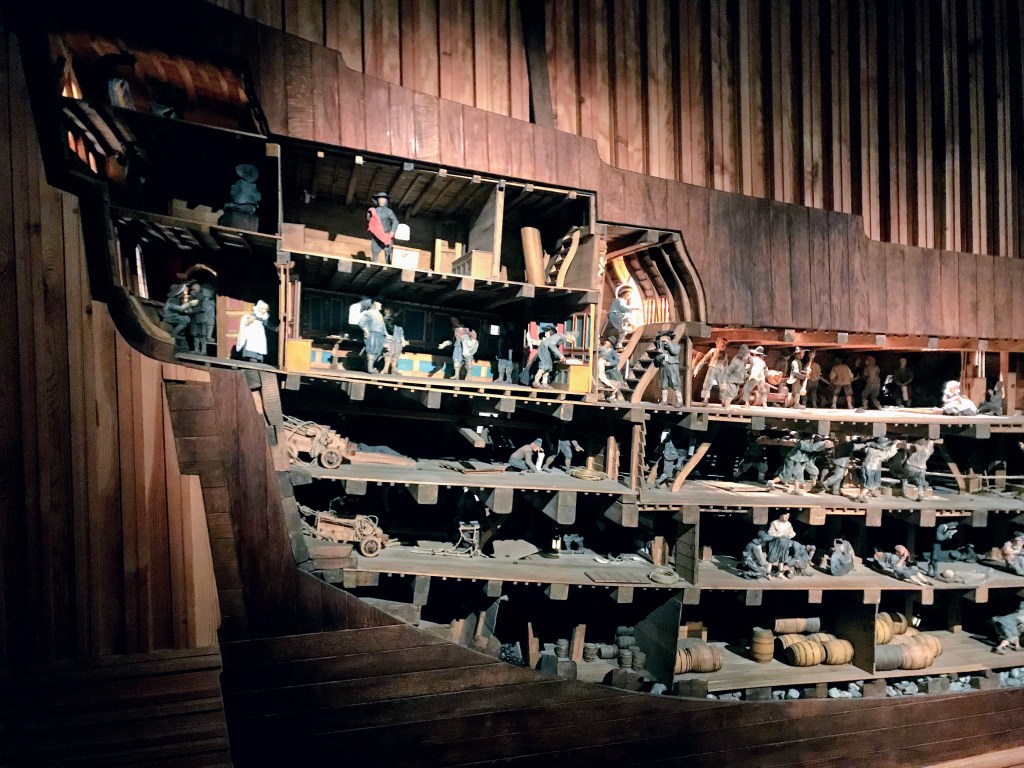
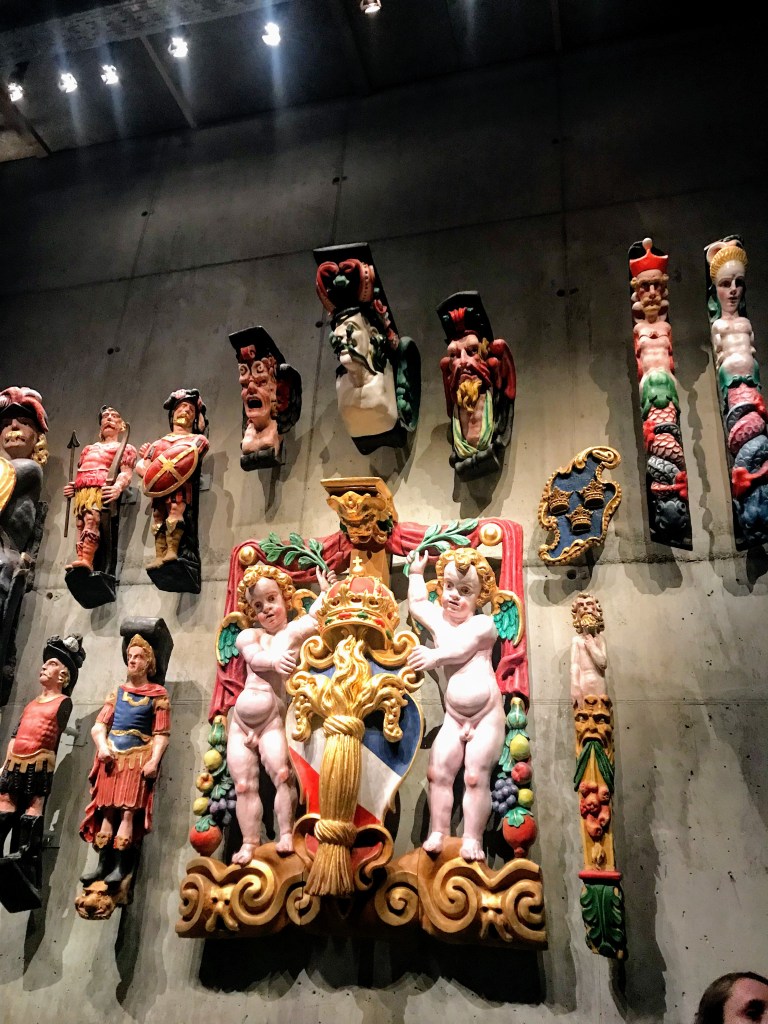
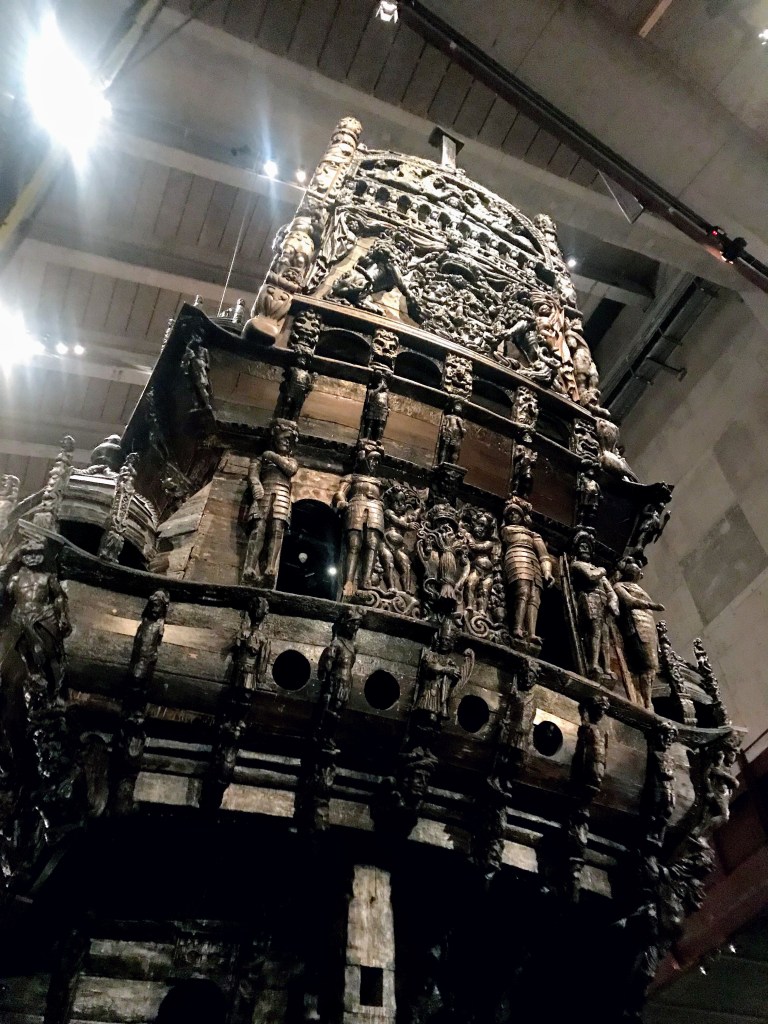
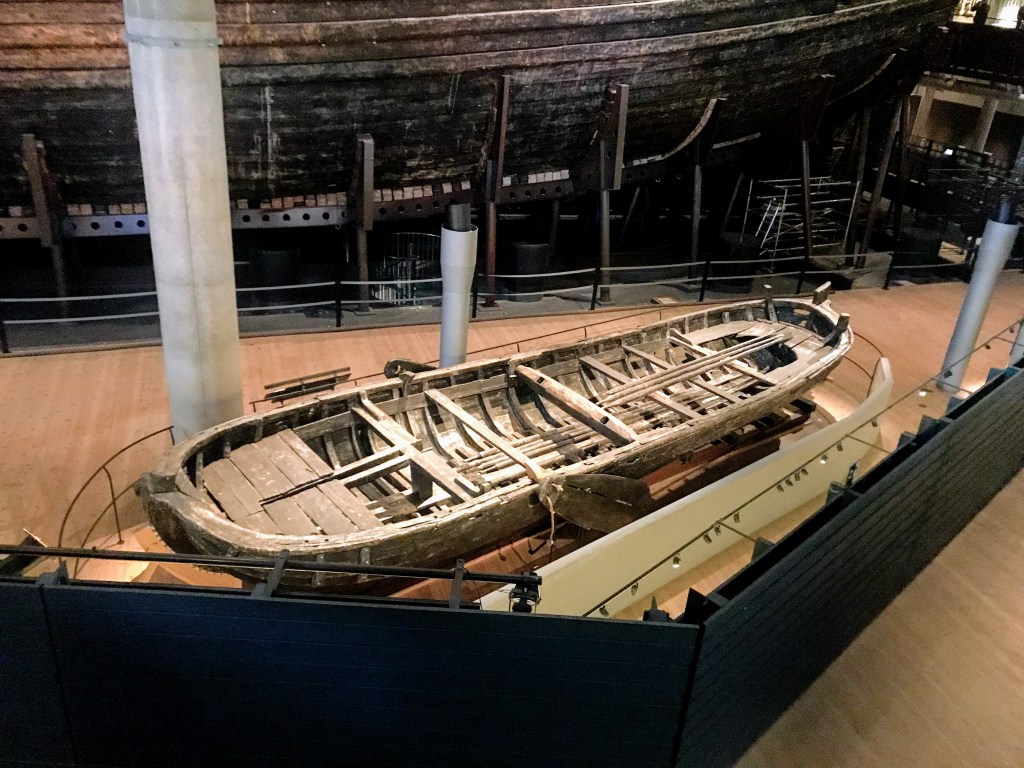
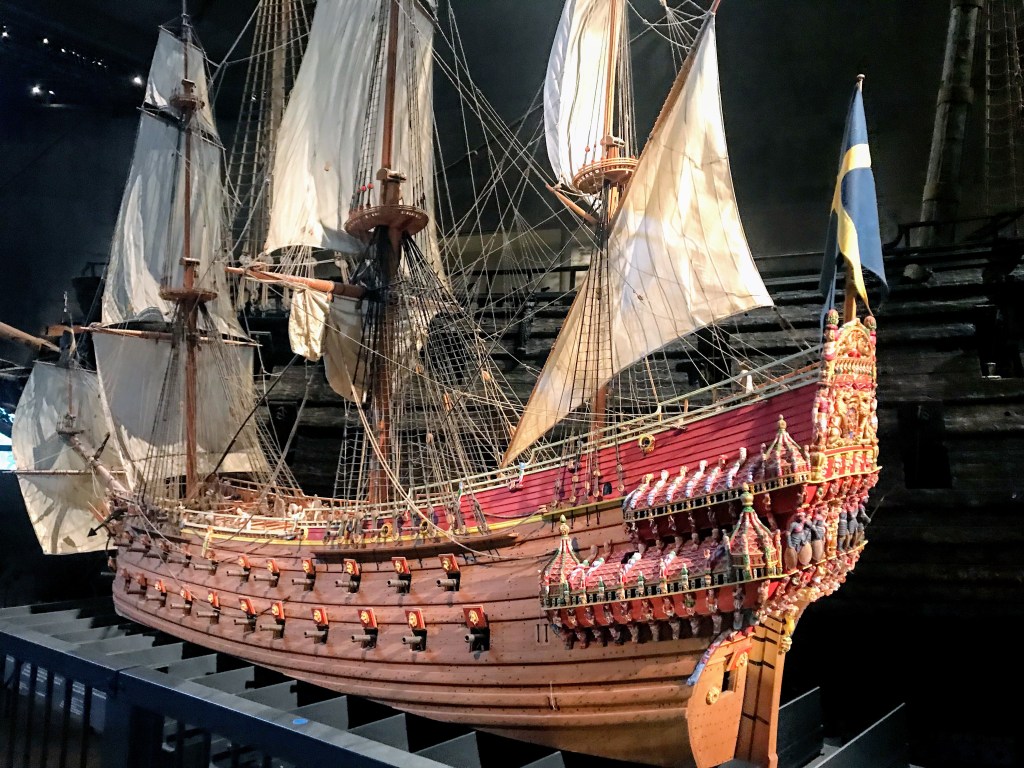
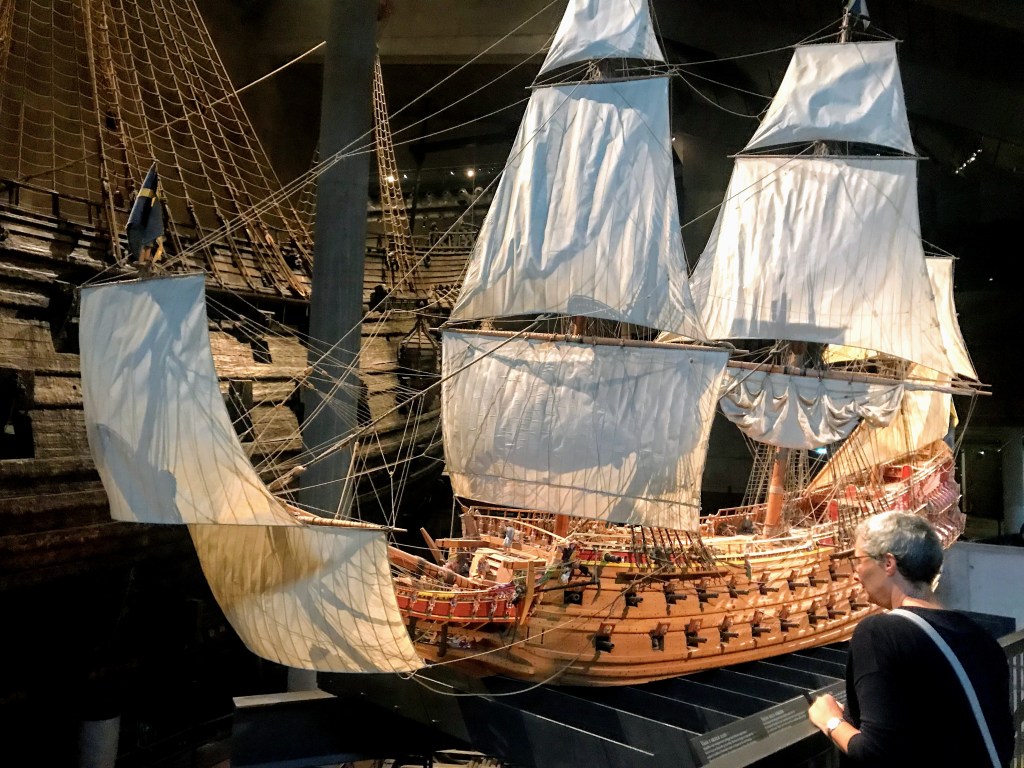
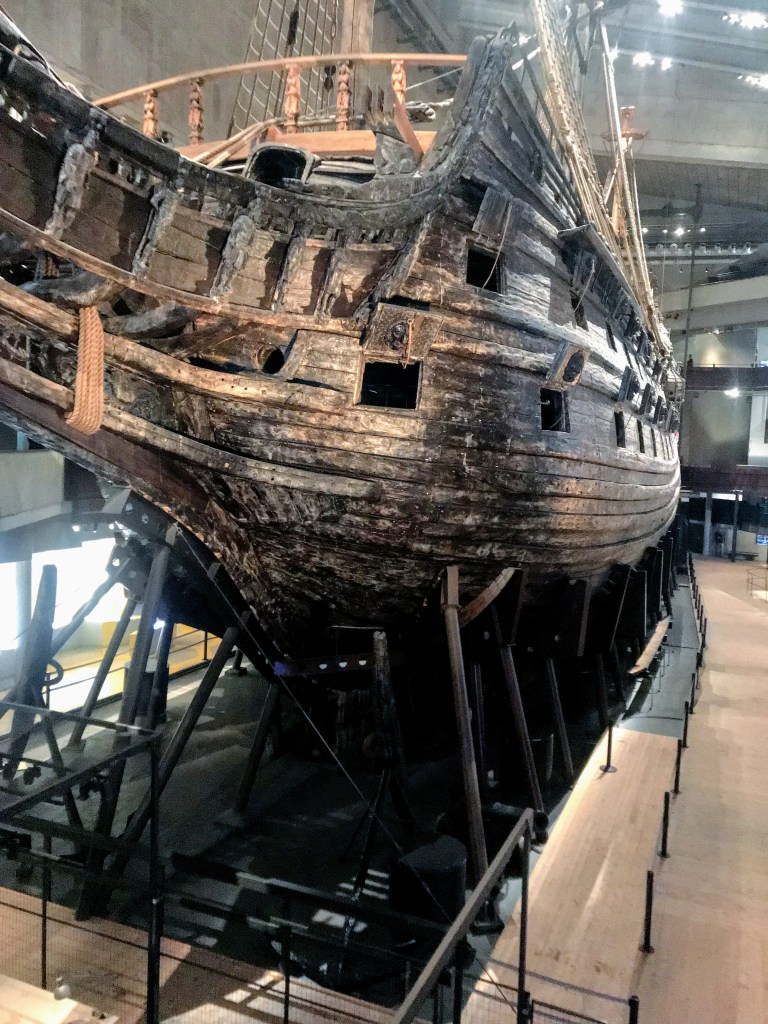
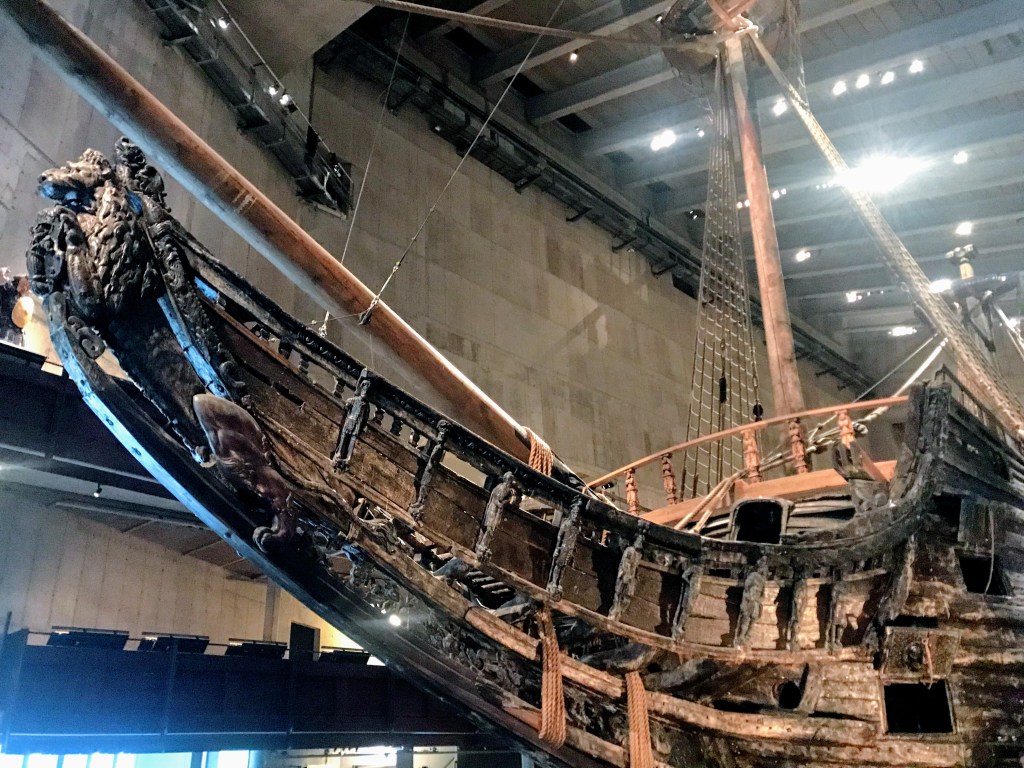
 The Vasa Museum in Stockholm, Sweden on the island of Djurgården was the most fascinating museum I have ever been in. 333 years after the Vasa sunk on her maiden voyage on August 10, 1628, she was salvaged in an almost perfectly intact ship. Because of the salinity of the water the ship was in, so much of it was preserved. Even the clothes and the food was preserved and saved.

Elchingen, Germany

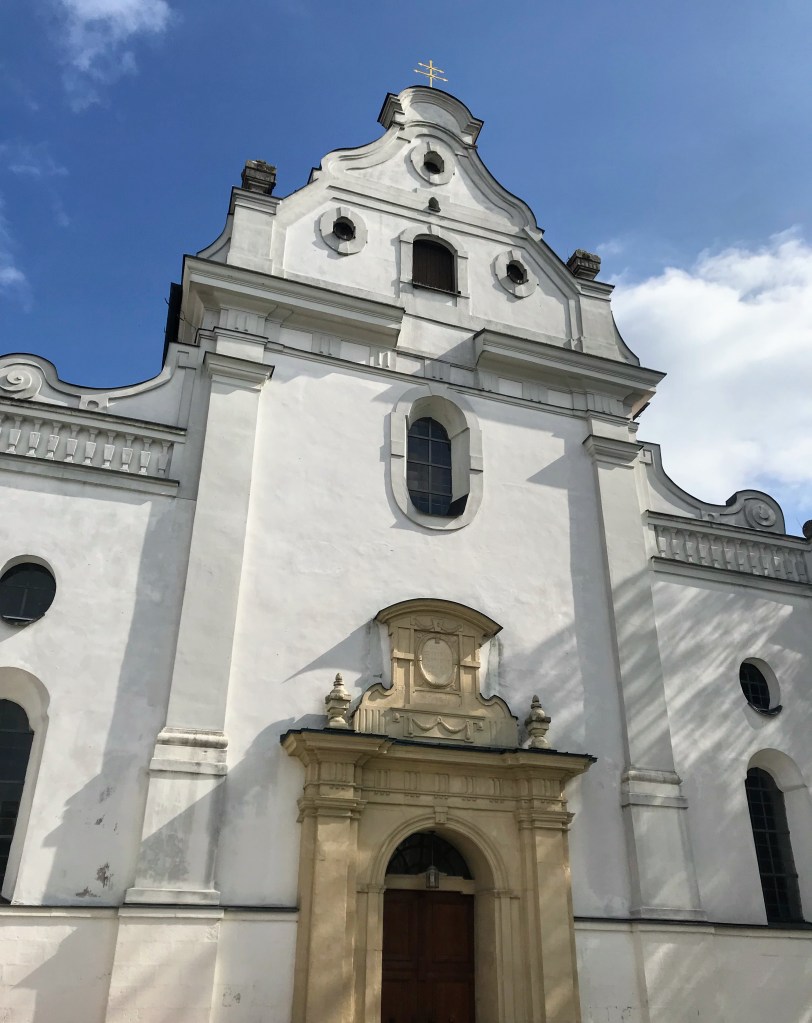
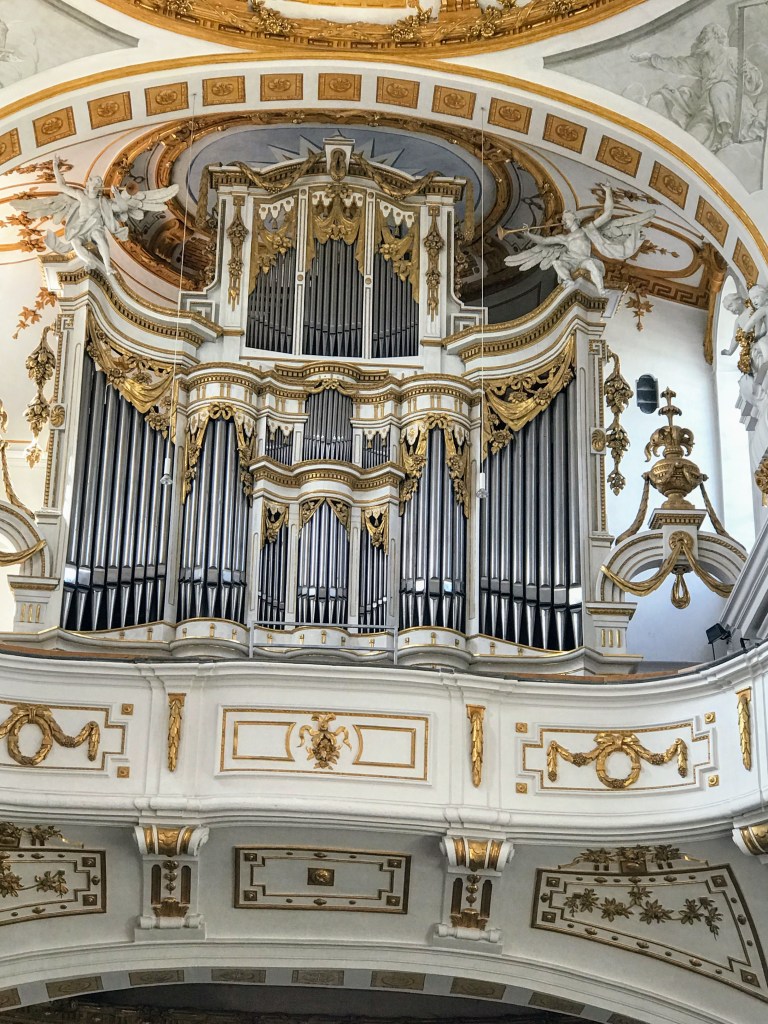
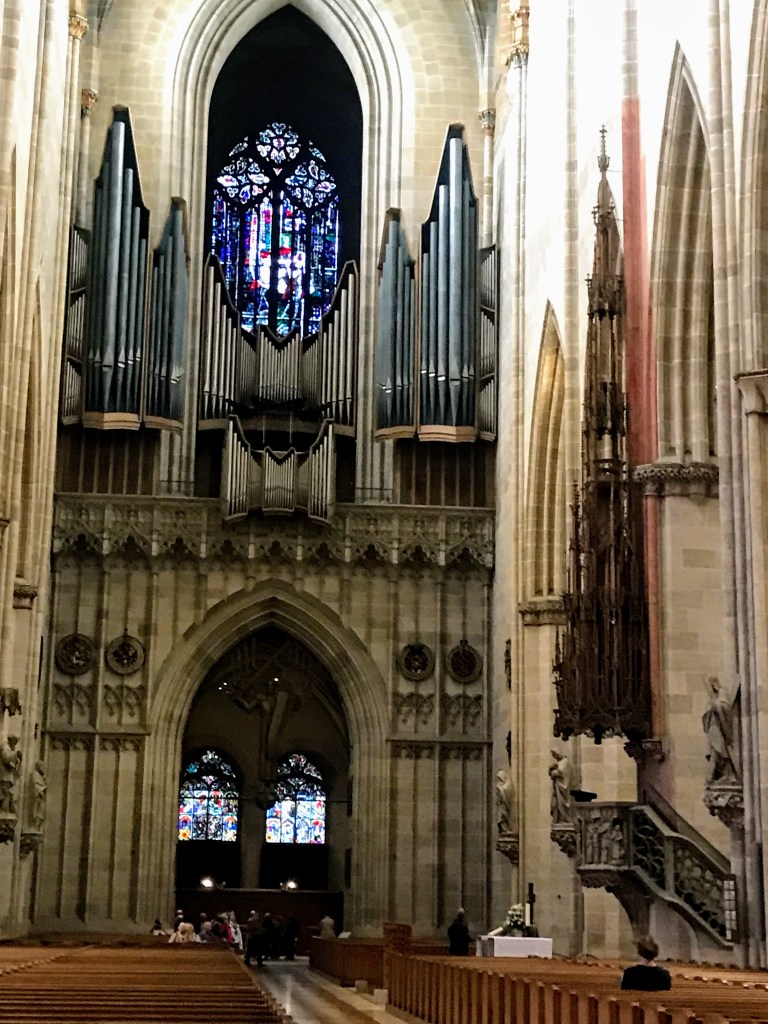
Elchingen Abbey was a Benedictine monastery in Oberelchingen. For much of its history, Elchingen was one of the 40-odd self-ruling imperial abbeys of the Holy Roman Empire and, as such, was a virtually independent state that contained several villages aside from the monastery itself. At the time of its secularisation in 1802, the abbey covered 112 square kilometers and had 4000-4200 subjects.
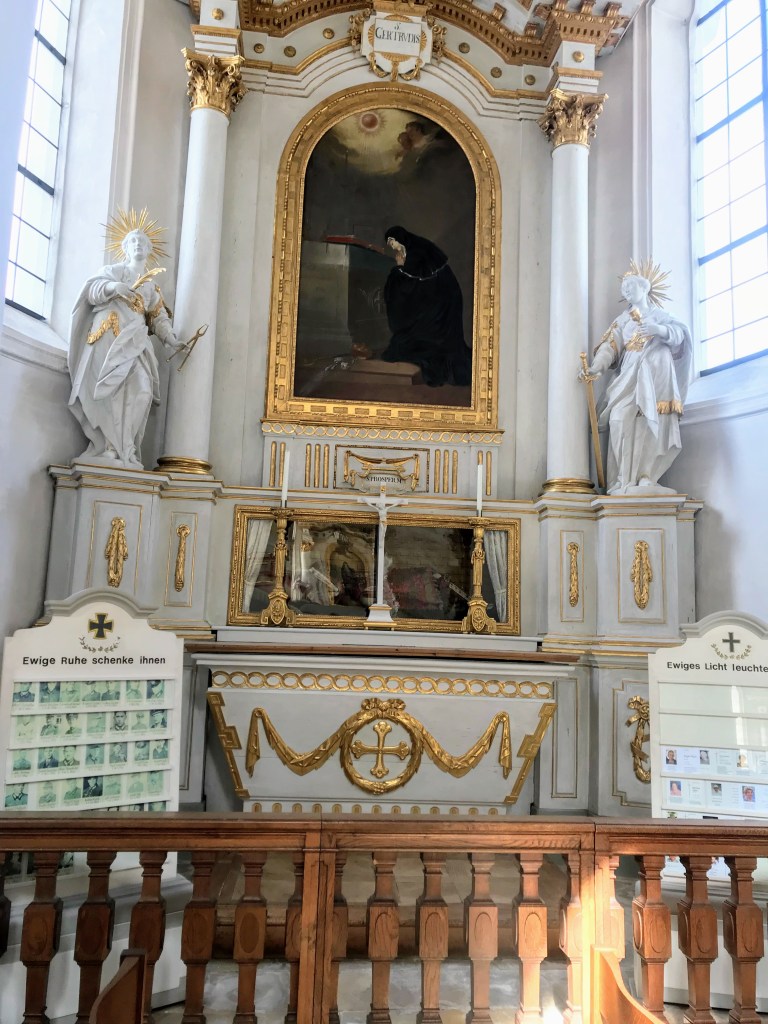
Dedicated to the Virgin Mary and Saints Peter and Paul, the monastery was founded by the Counts of Dillingen in 1128. The abbey was one of the very few that enjoyed Imperial immediacy (independent of the jurisdiction of any lord and answering directly to the Holy Roman Emperor, and thus a territorial principality in its own right). The abbot sat in the Reichstag of the Holy Roman Empire.

Like all the other imperial abbeys, Elchingen lost its independence in the course of the secularisation process in 1802-1803 and the monastery was dissolved. By 1840 the buildings had been almost entirely demolished. In 1921 the Missionary Oblates of Mary Immaculate settled on the site. Today the abbey church remains.

This church was directly beside Melanie’s mother’s restaurant and Melanie took us through it telling of all the history associated with the church.

Hospitality at its best!

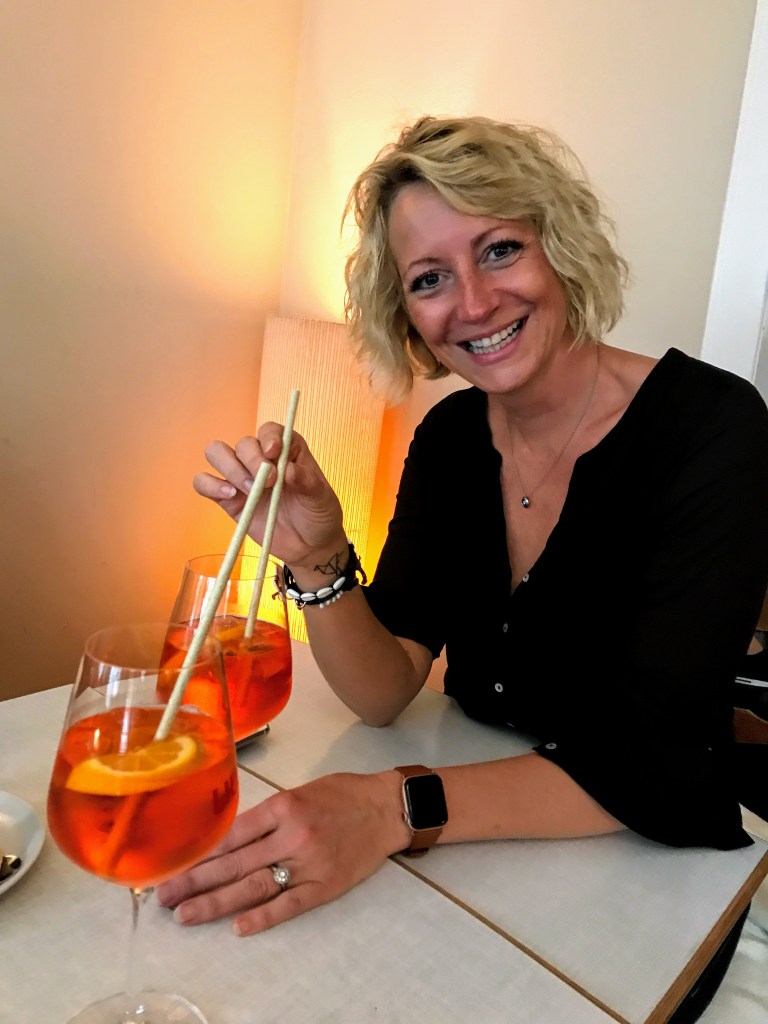
Melanie’s mother hosted us at her restaurant Klosterbräustuben in Oberelchingen! Thank you Mrs Claudia for a wonderful meal. Three different kinds of meat, potatoes salad, sour kraut, mixed grilled vegetables, mushrooms, and the two balls were like bread, very delicious. Melanie also introduced me to several different drinks, which I again I wish I could remember what they were but they were very good.

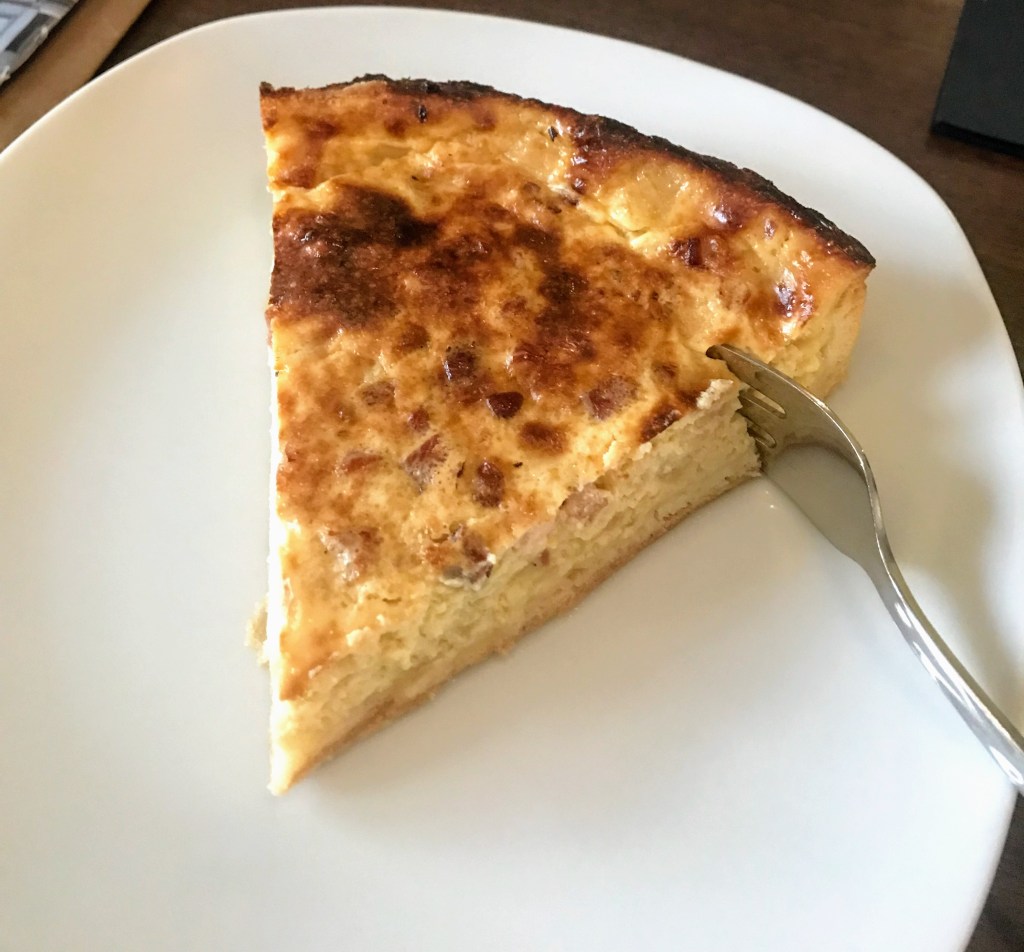
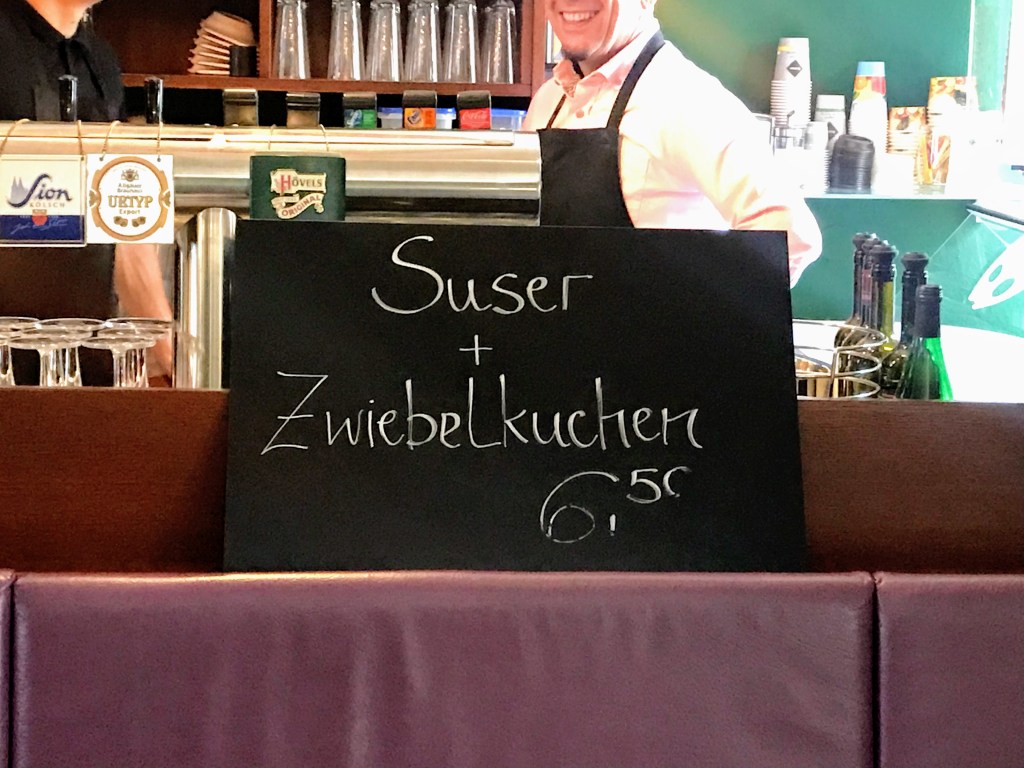
I did get the name of this drink and pie (quiche)!

Suser is ‘Federweisser’, fizzy new wine, which really looks like fresh pressed grape juice, but has around four percent alcohol! This specialty is the end result of fermented, freshly pressed grape juice, known as ‘must’. It is only available for a short time every year.

Ulm, Germany

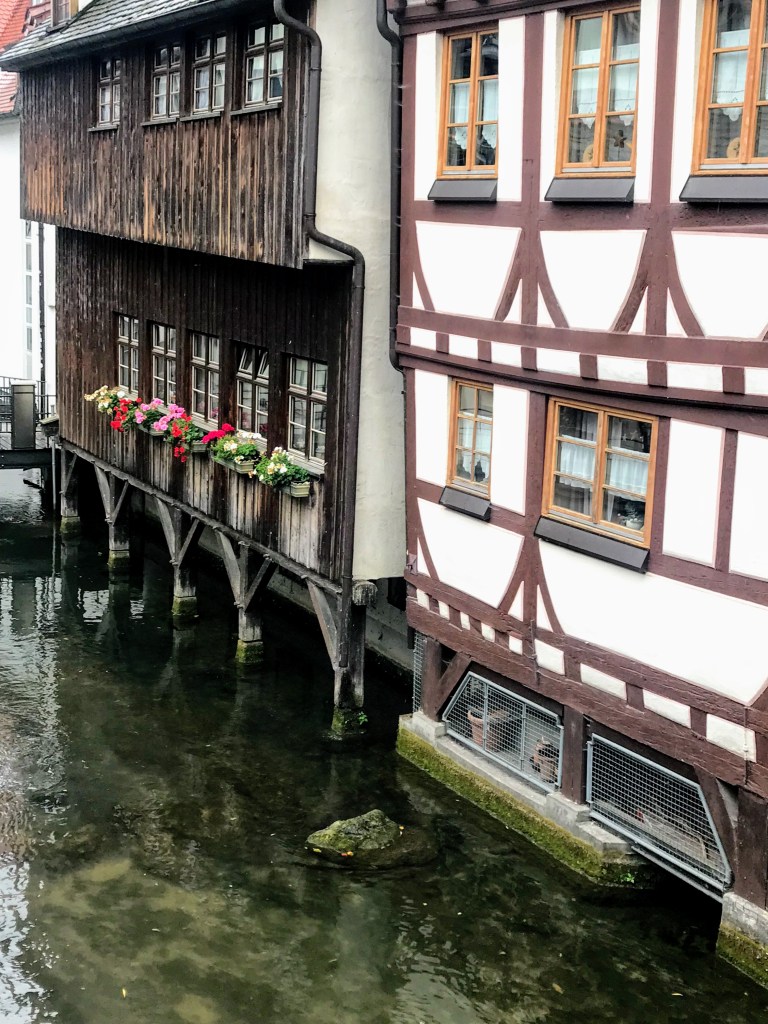
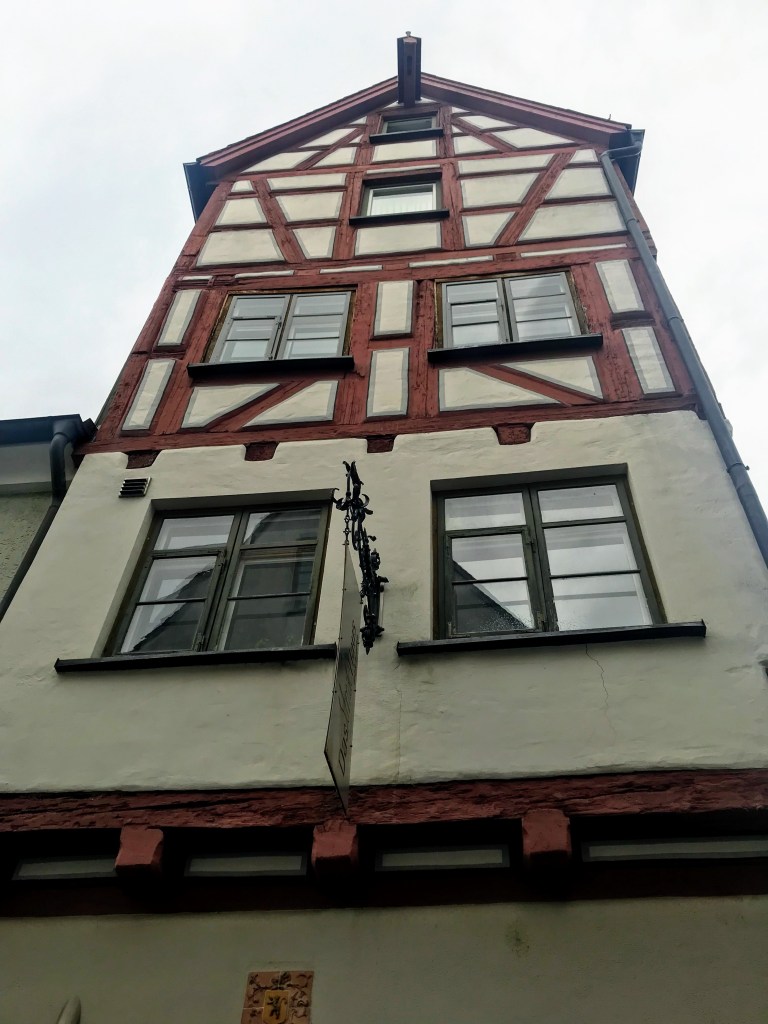
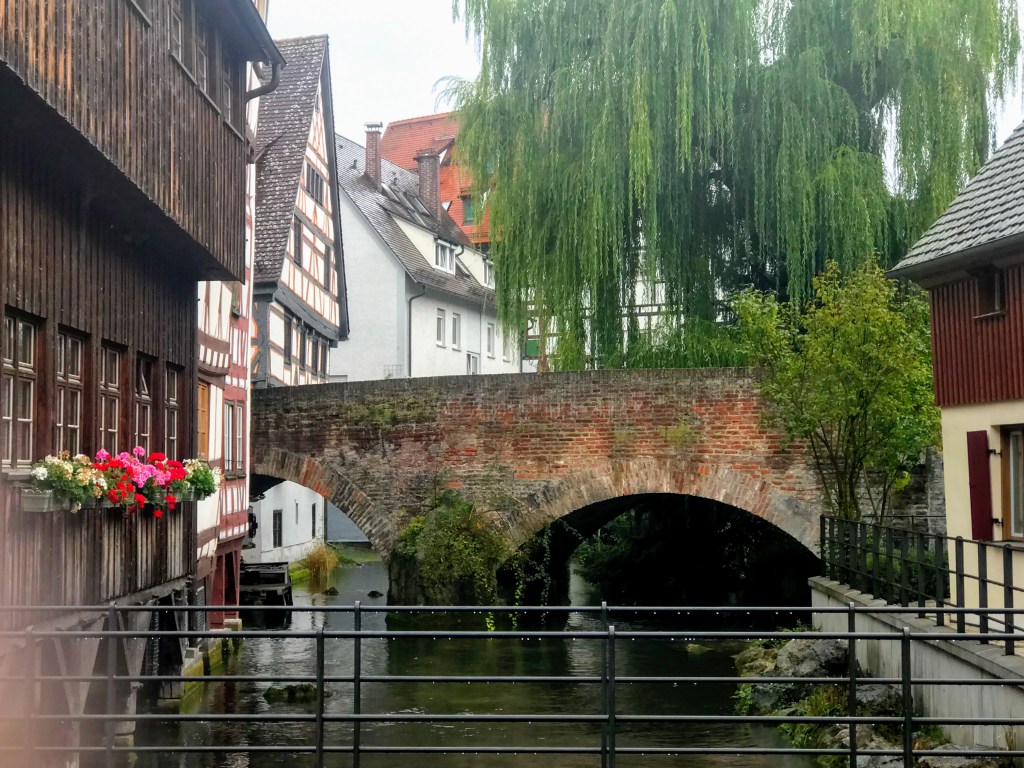
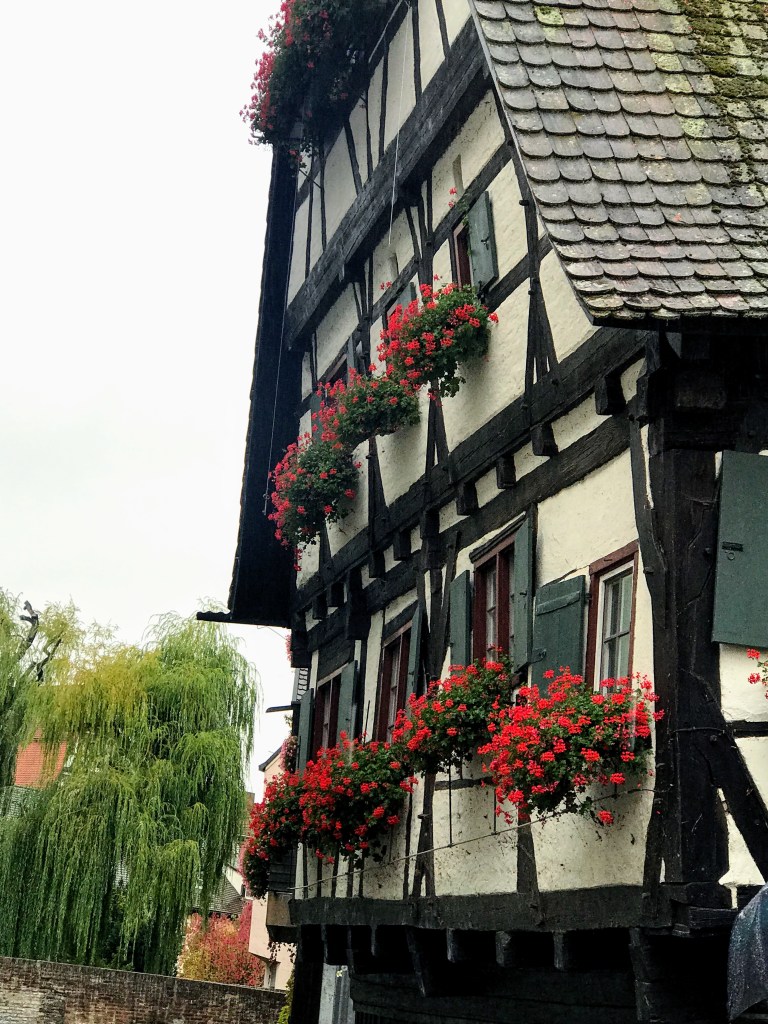
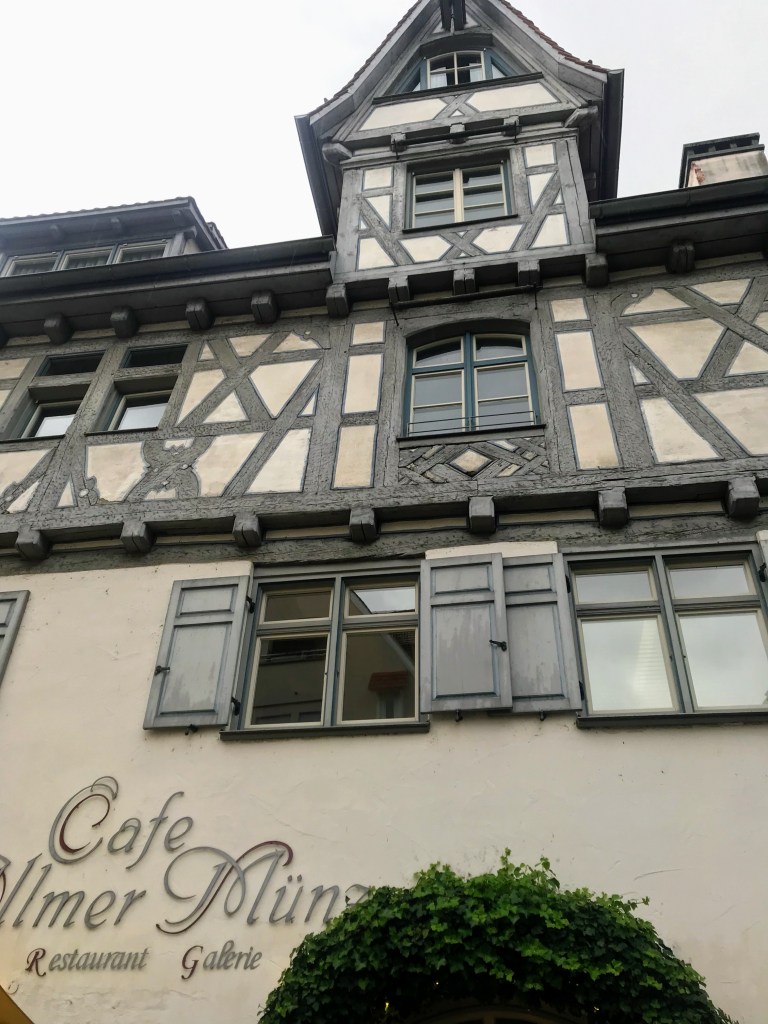
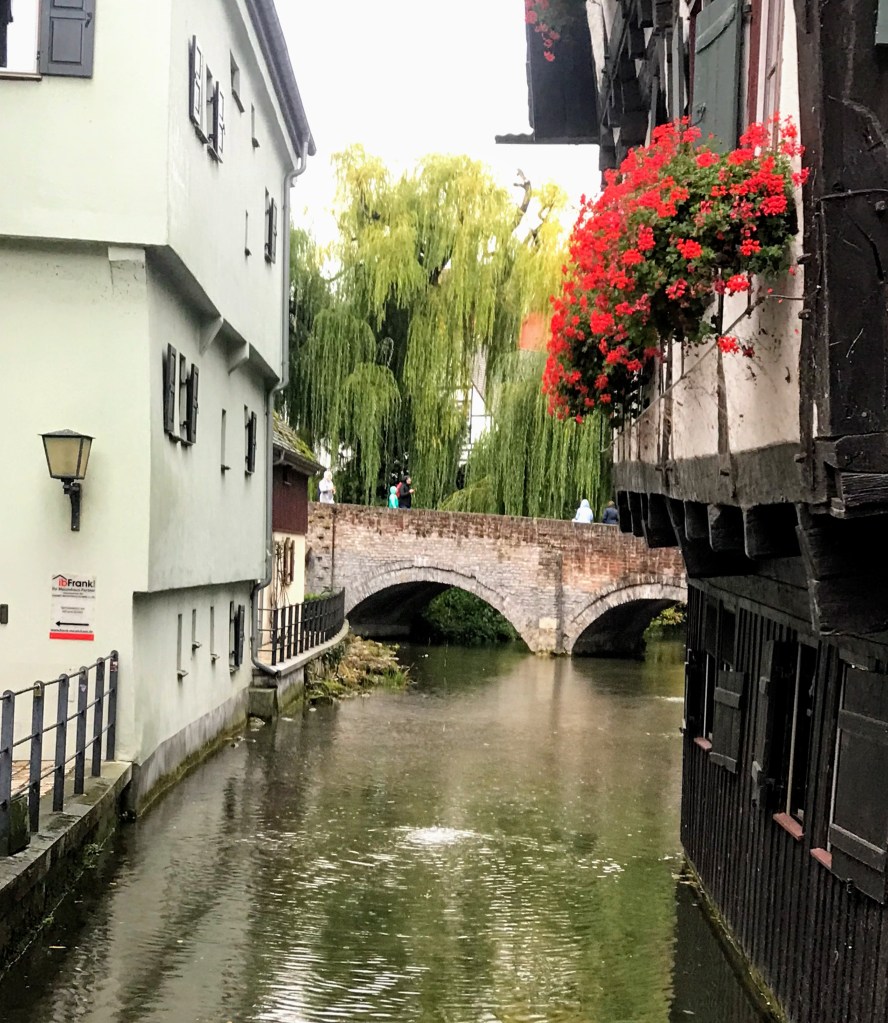
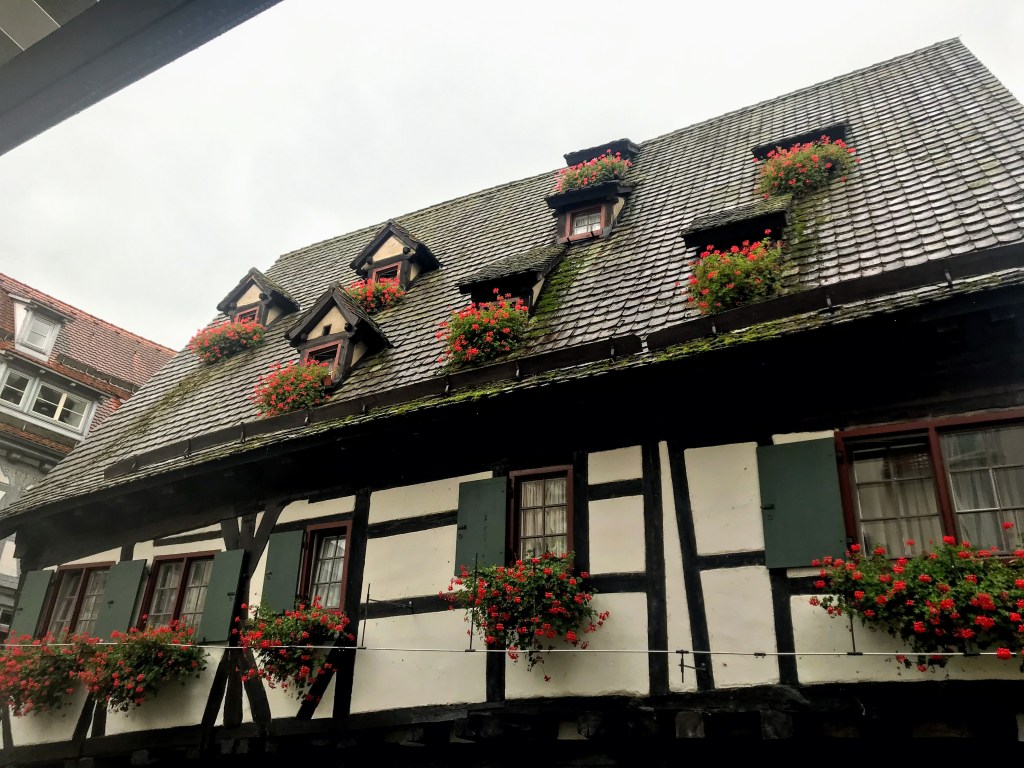
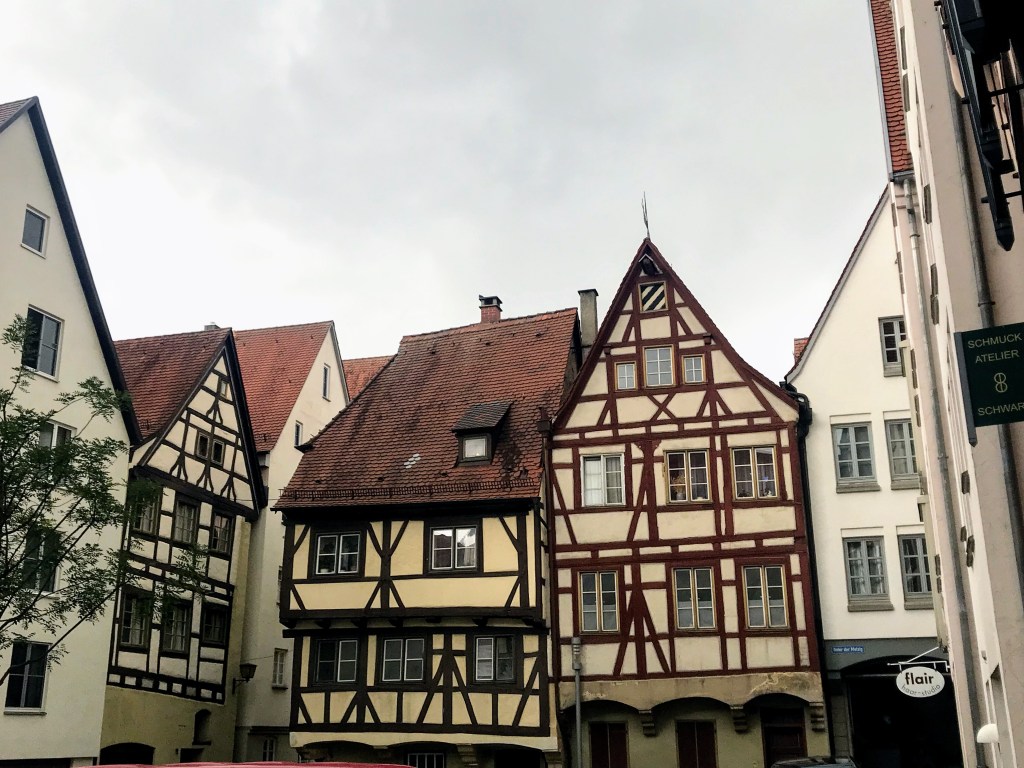
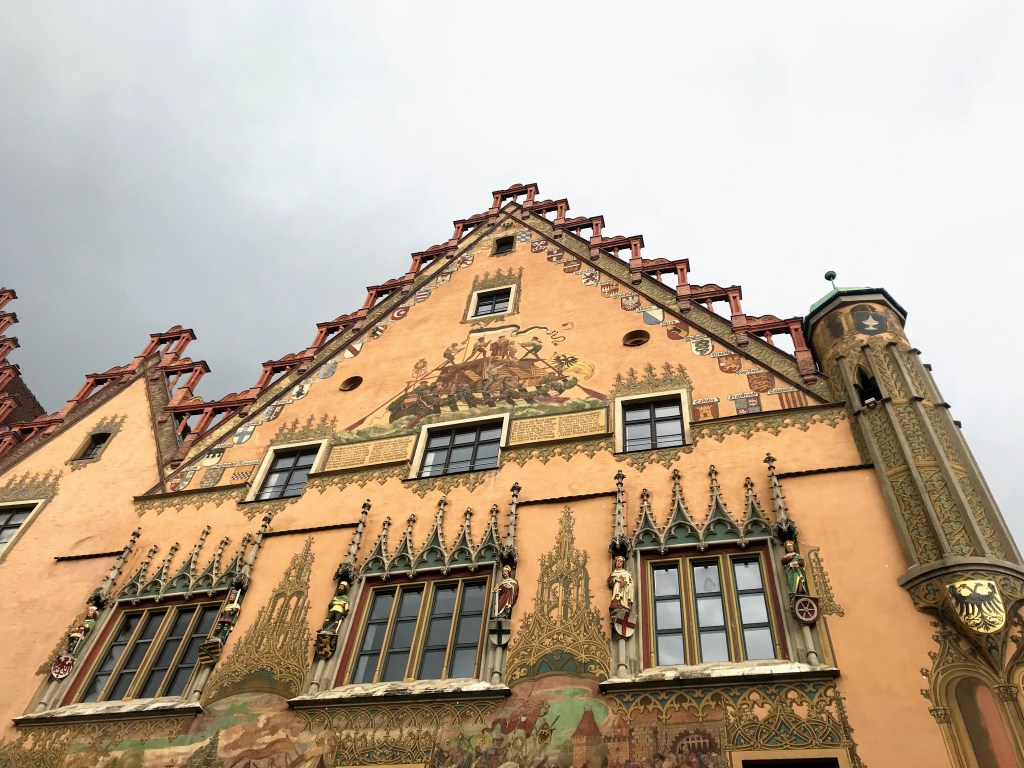
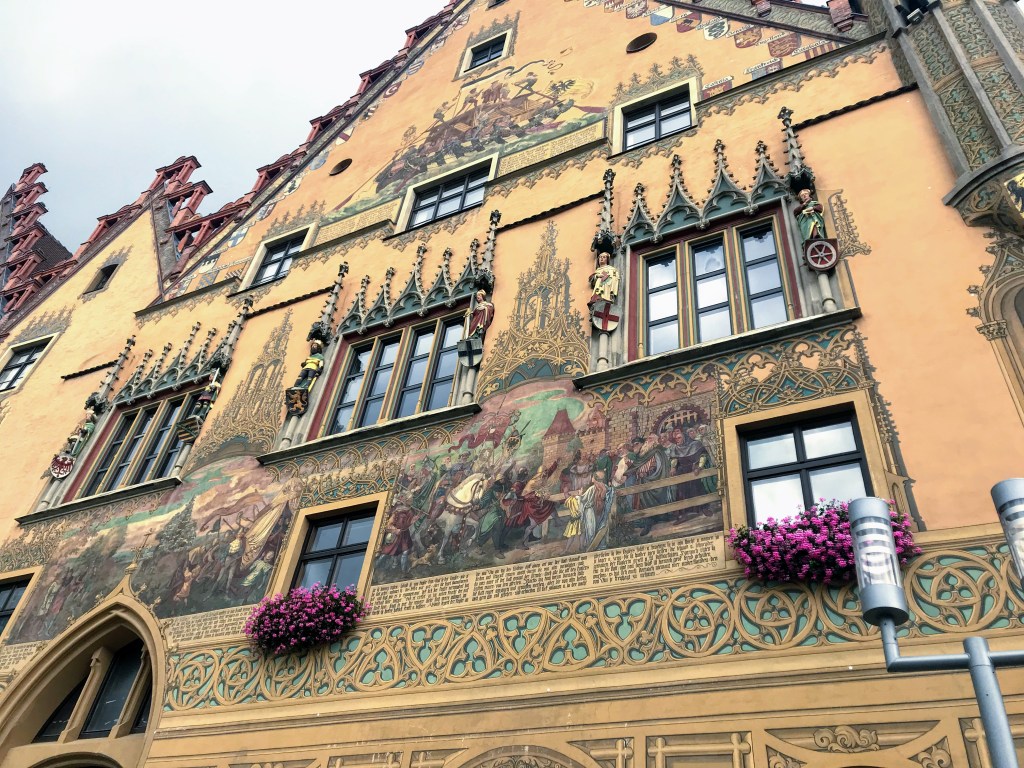
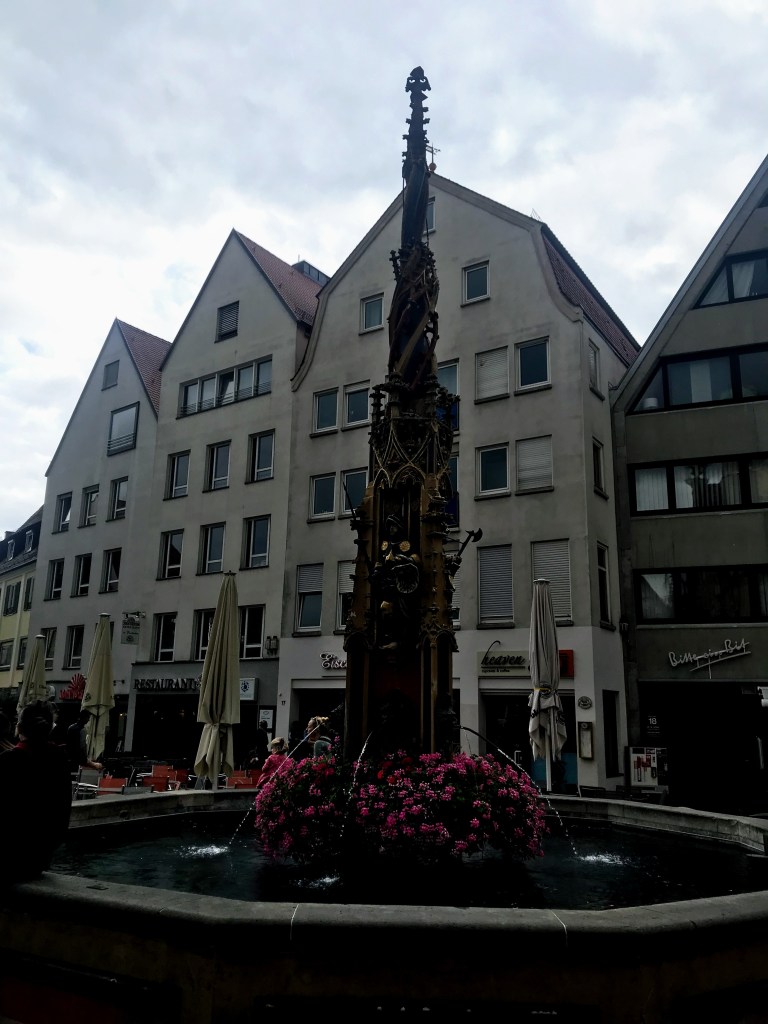
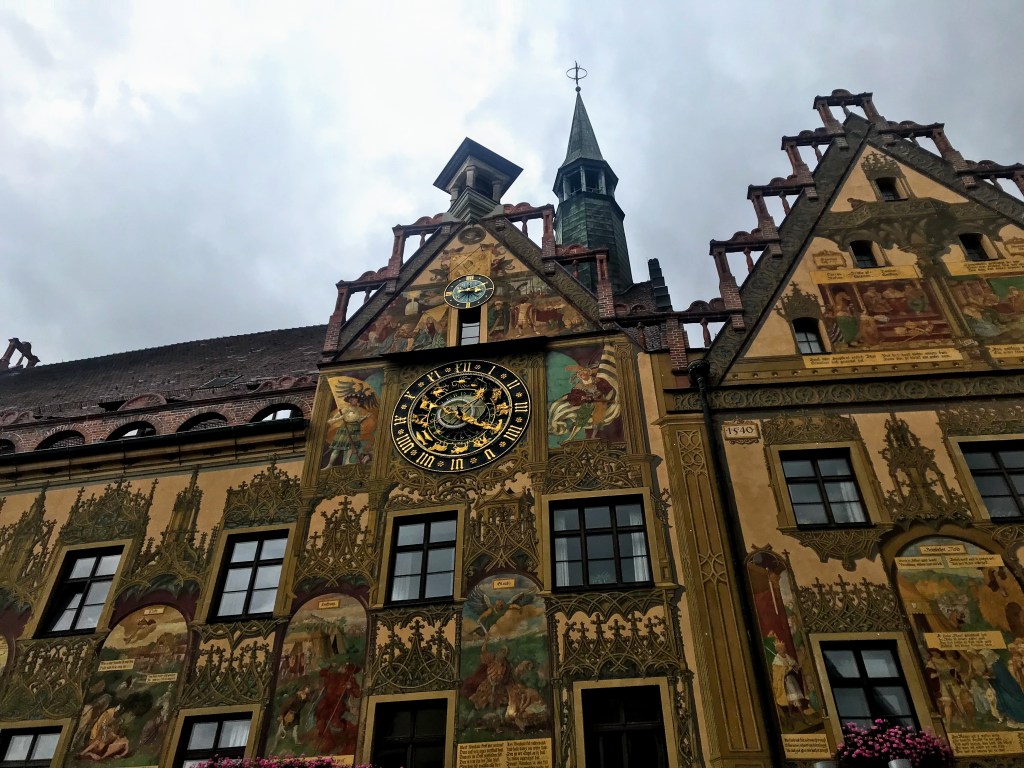
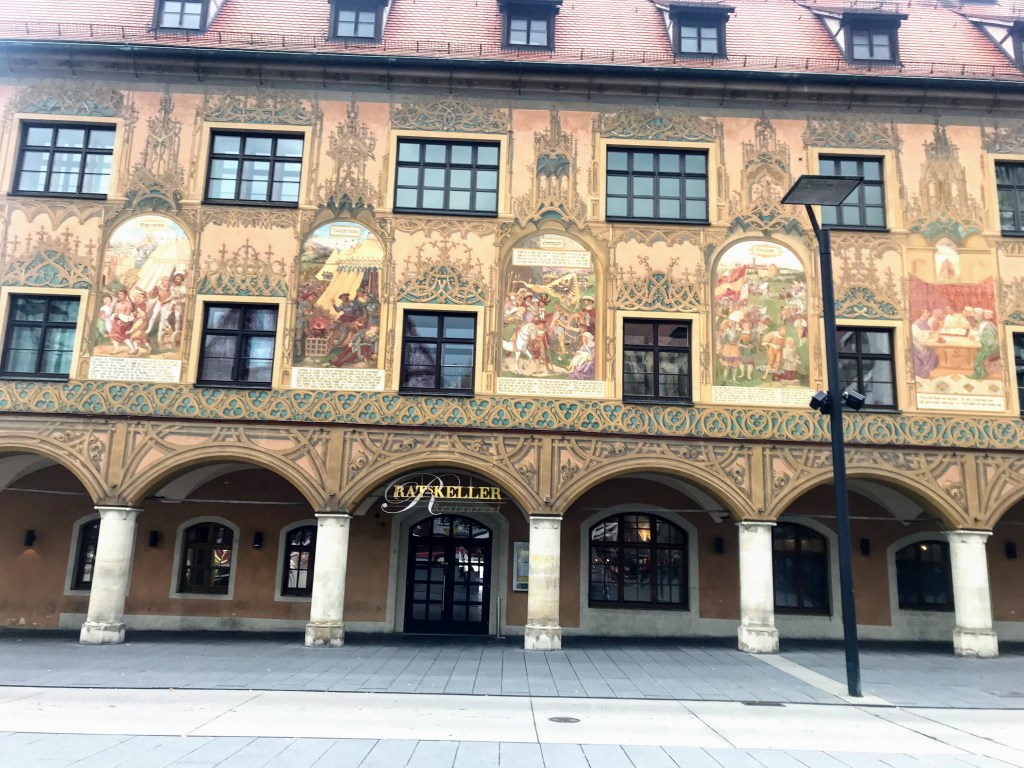
Ulm ( is a city in the federal German state of Baden-Württemberg, situated on the River Danube. The city, whose population is estimated at almost 120,000 (2015), forms an urban district of its own (GermanStadtkreis) and is the administrative seat of the Alb-Donau district. Founded around 850, Ulm is rich in history and traditions as a former free imperial city (Germanfreie Reichsstadt). Today, it is an economic centre due to its varied industries, and it is the seat of the University of Ulm. Internationally, Ulm is primarily known for having the church with the tallest steeple in the world (161.53 m or 529.95 ft), the Gothic minster (Ulm Minster, German: Ulmer Münster), and as the birthplace of Albert Einstein.

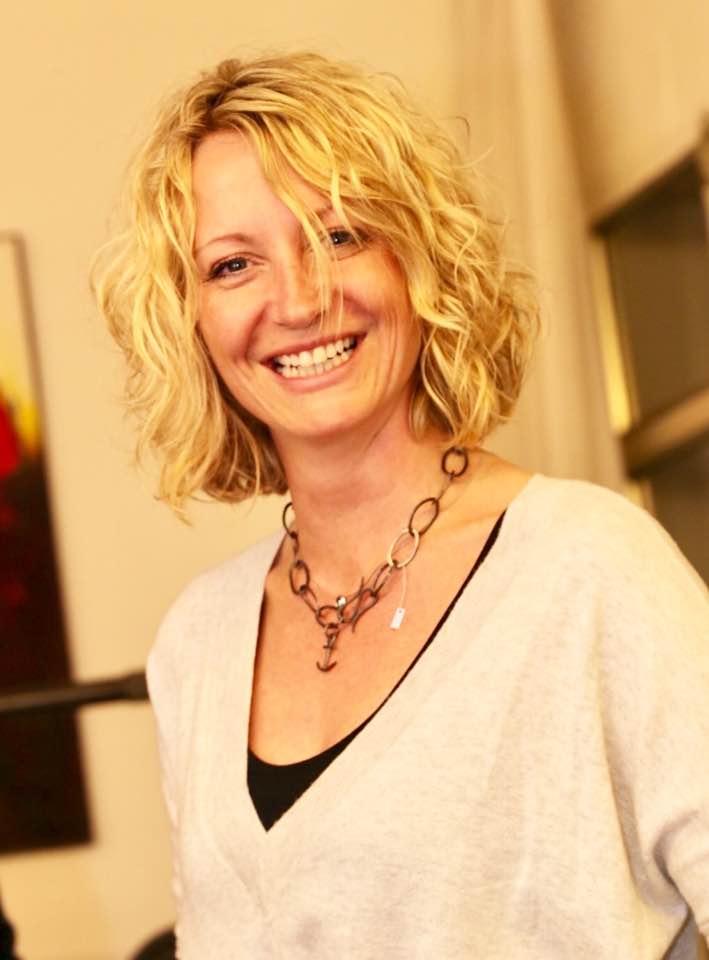
We were lucky to have our own tour guide, Melanie Williams, who chauffeured and showed us around Ulm, giving us an up close and personal tour of this beautiful little village.

Melanie and her family will be visiting Arkansas next year so we will reciprocate her kindness and be their personal chauffeurs and tour guides.

“Love Locks”

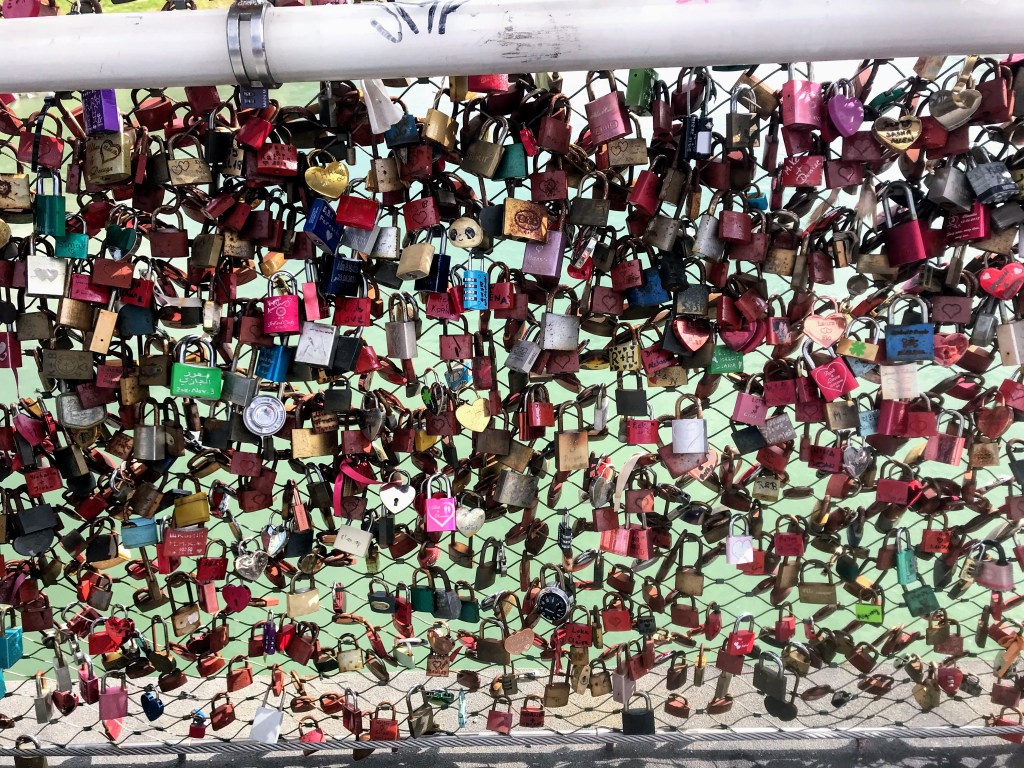
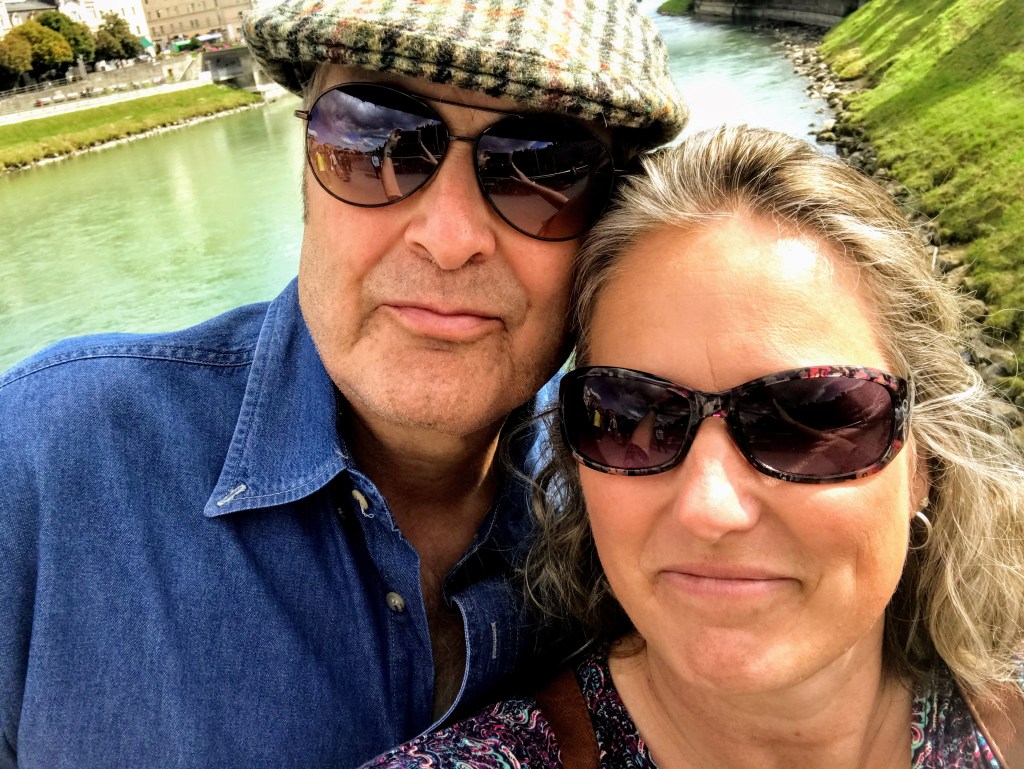
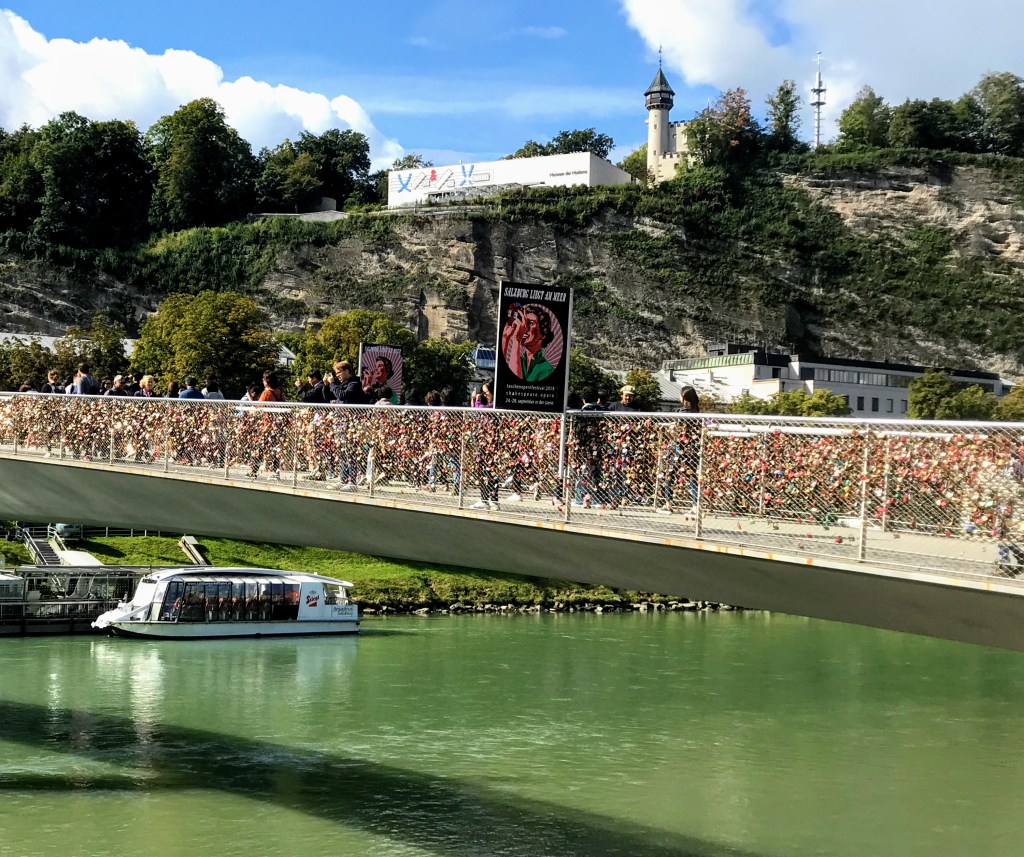
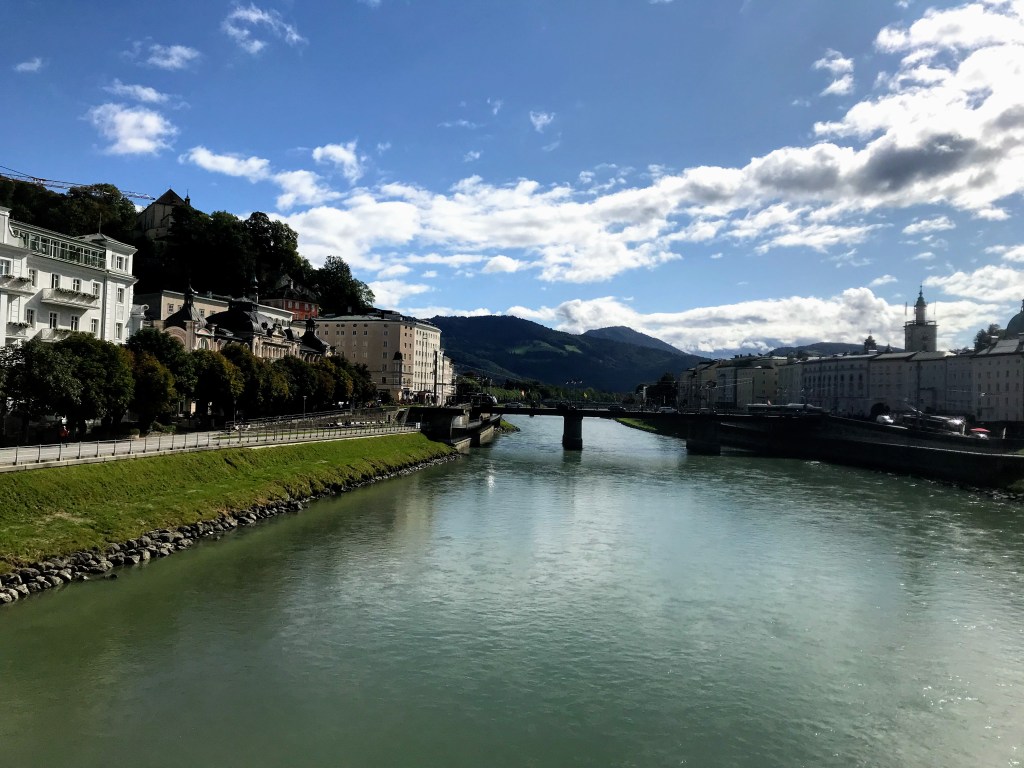
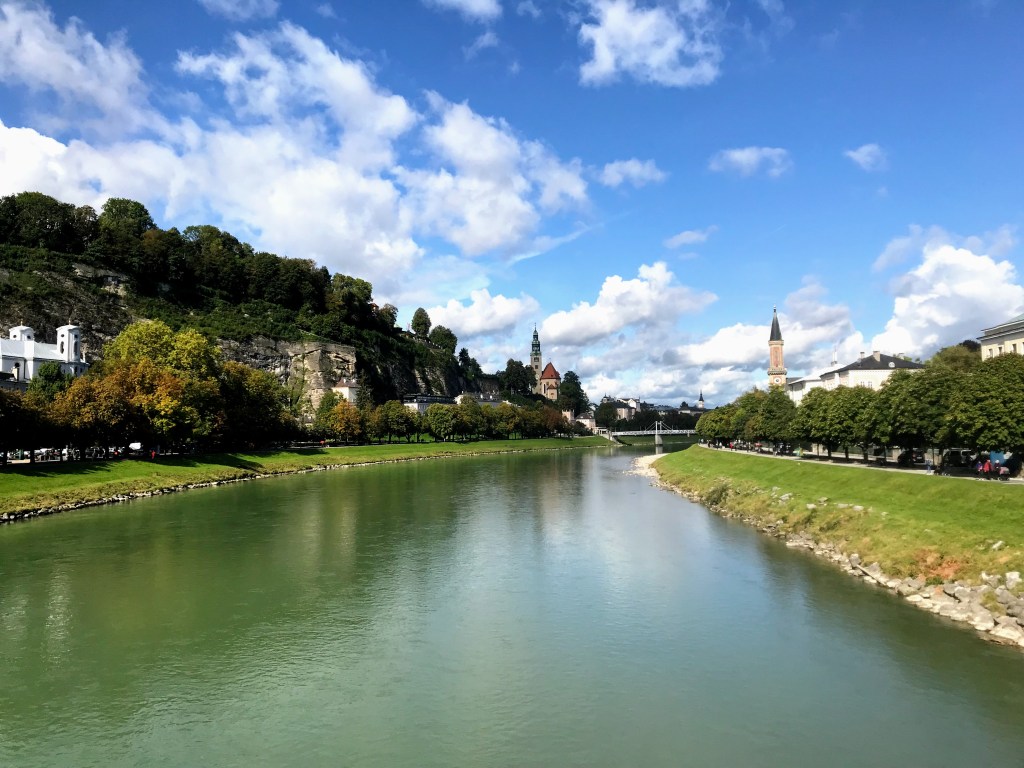
The pedestrian foot bridge “Makartsteg Bridge” over the Salzach River in Salzburg Austria

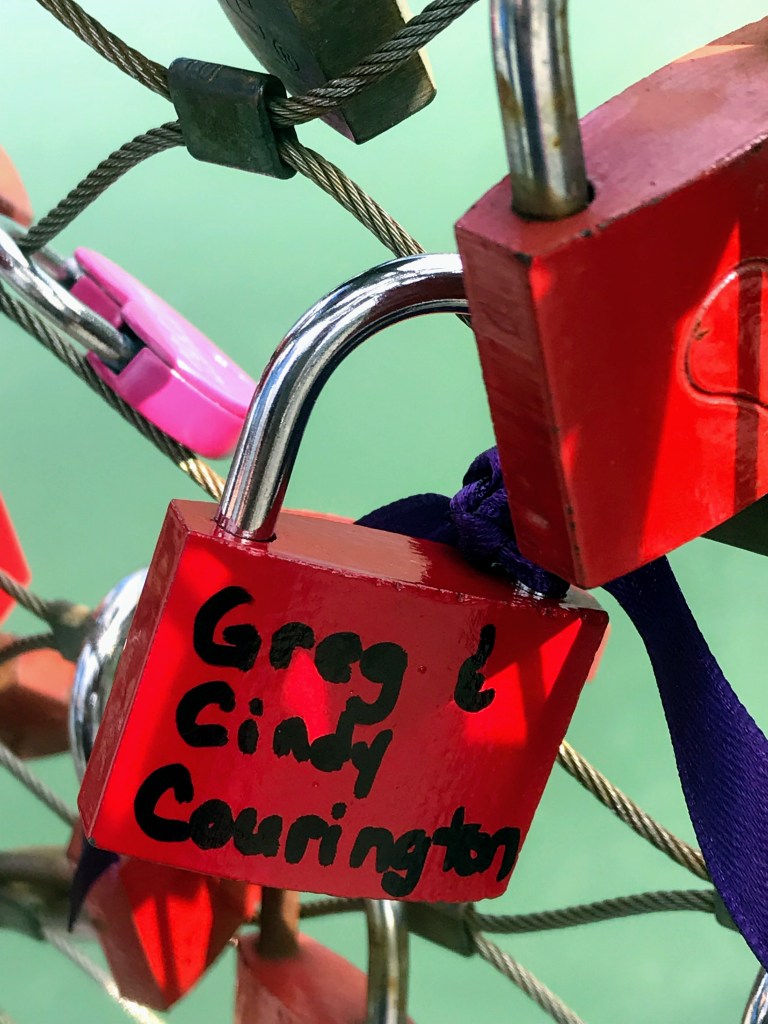
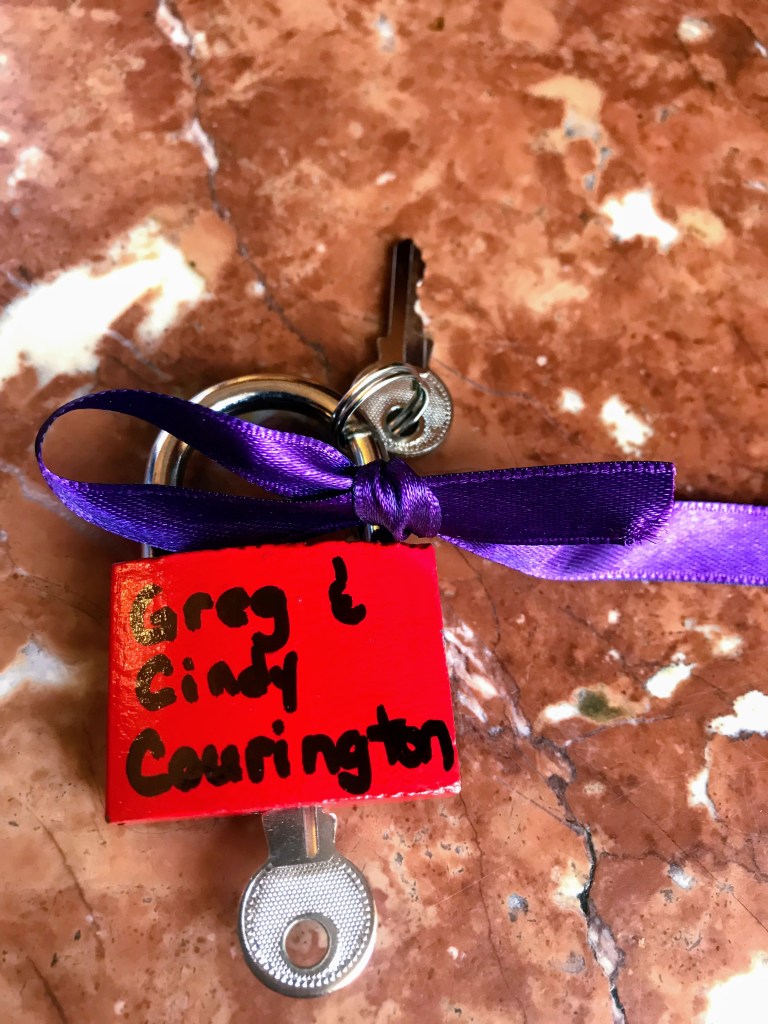
Did you know  ” Love Locks” are the latest craze when it comes to couples declaring their eternal devotion?  That’s okay; neither did we, but we soon learned from a nearby shop! We purchased our lock and the store owner even supplied the pen so we could add our names. 

Picture

Whatever happened to carving initials in a tree and topping off the declaration of everlasting love with a big heart? 

Actually, according to some sources (the Internet is my go-to destination) the practice was fueled by the Italian movie, IWant You, based on the 2006 book of the same name by Federico Moccia.  Apparently two teen lovers attach a padlock engraved with their names to a lamppost on the Ponte Milvio in northern Rome, then throw the key into the River Tiber.  

Isn’t love grand!     

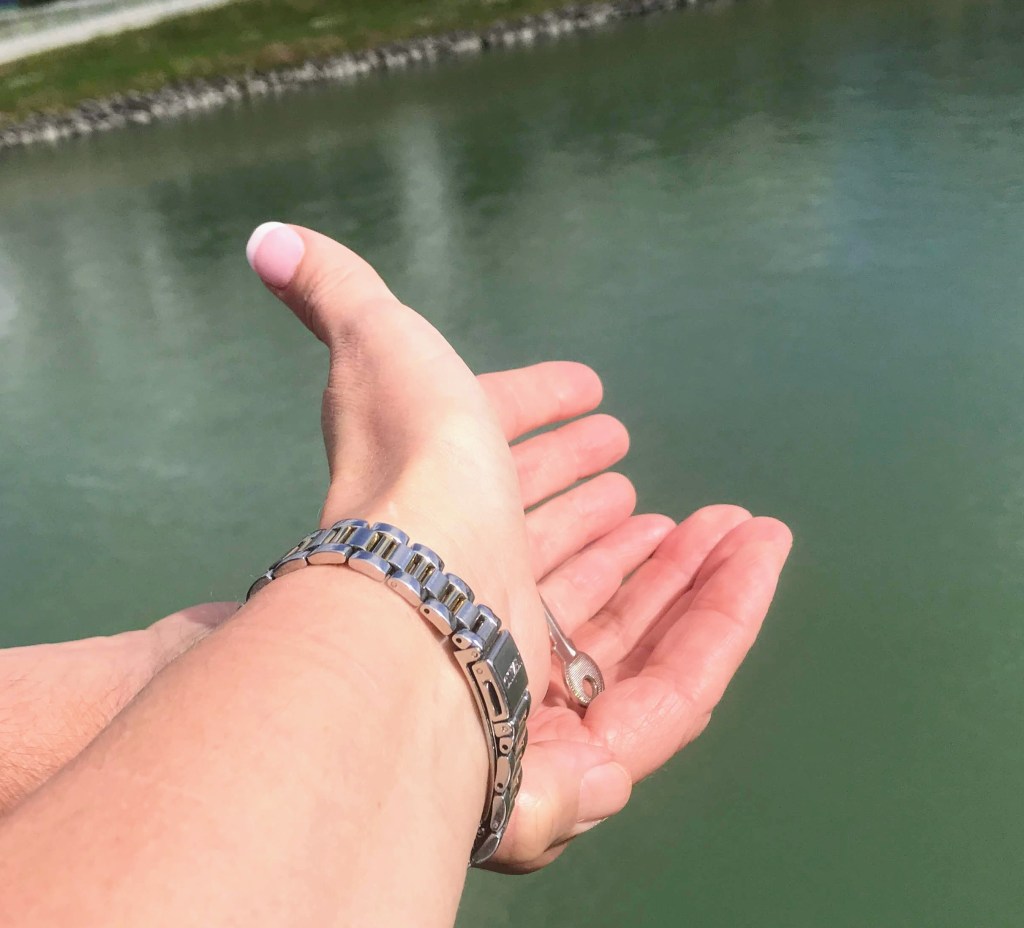
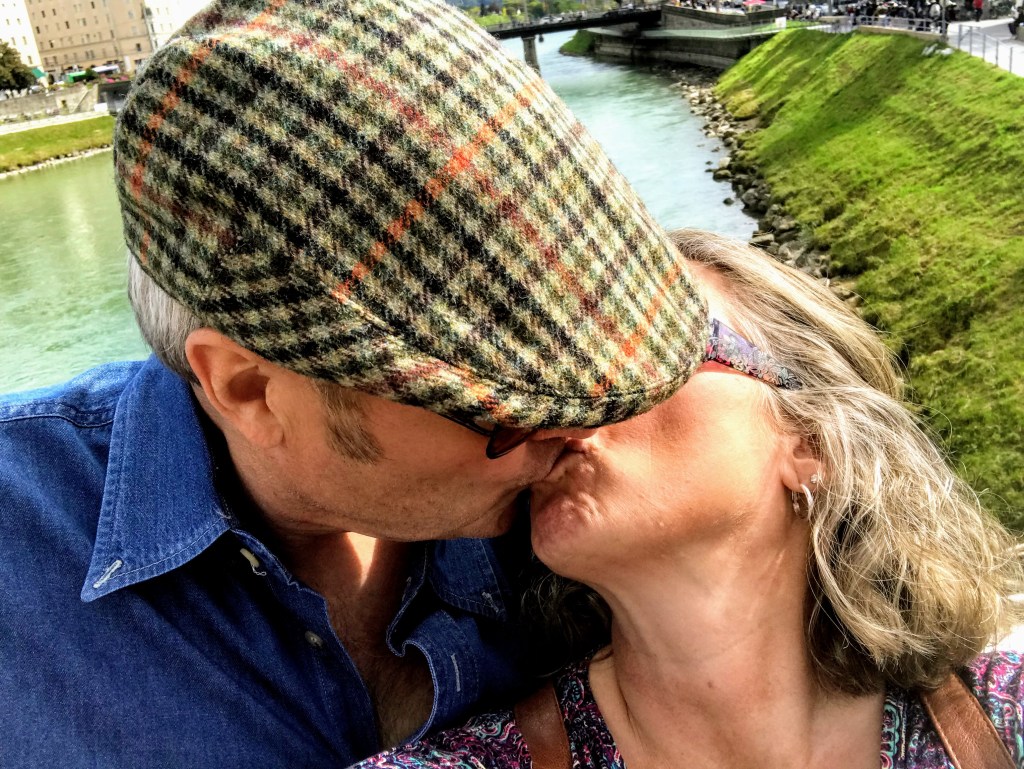
Well now our lock is sealed with a kiss and the key is somewhere in the Salzach River is Salzburg Austria  

Austria’s Lake District

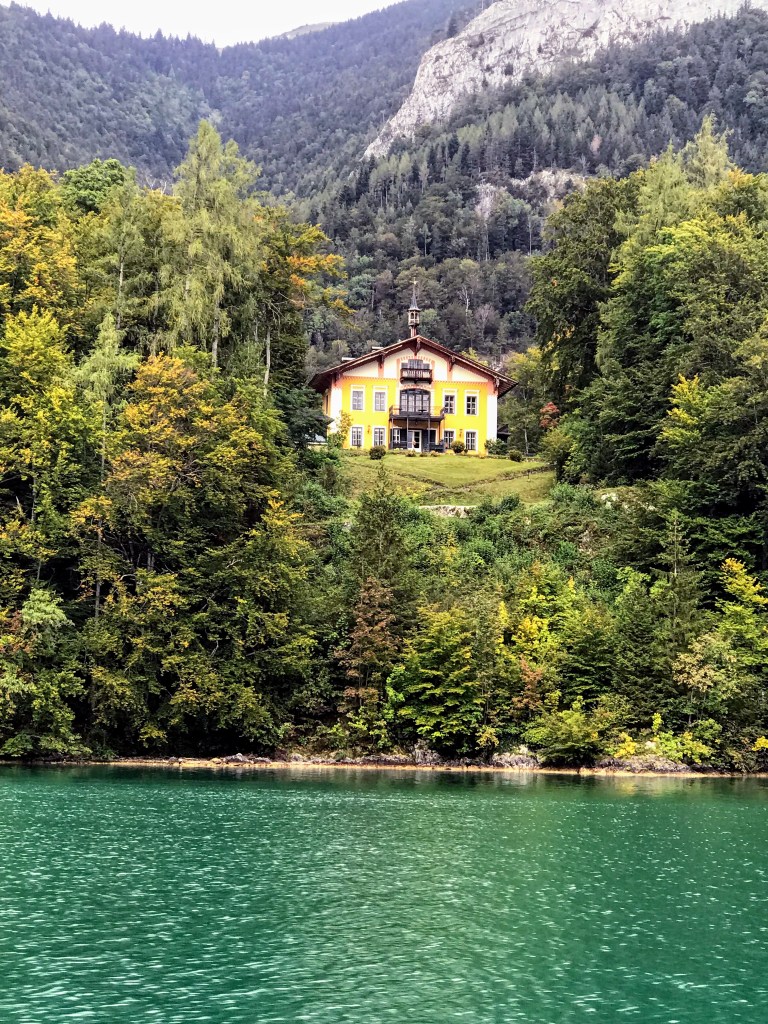
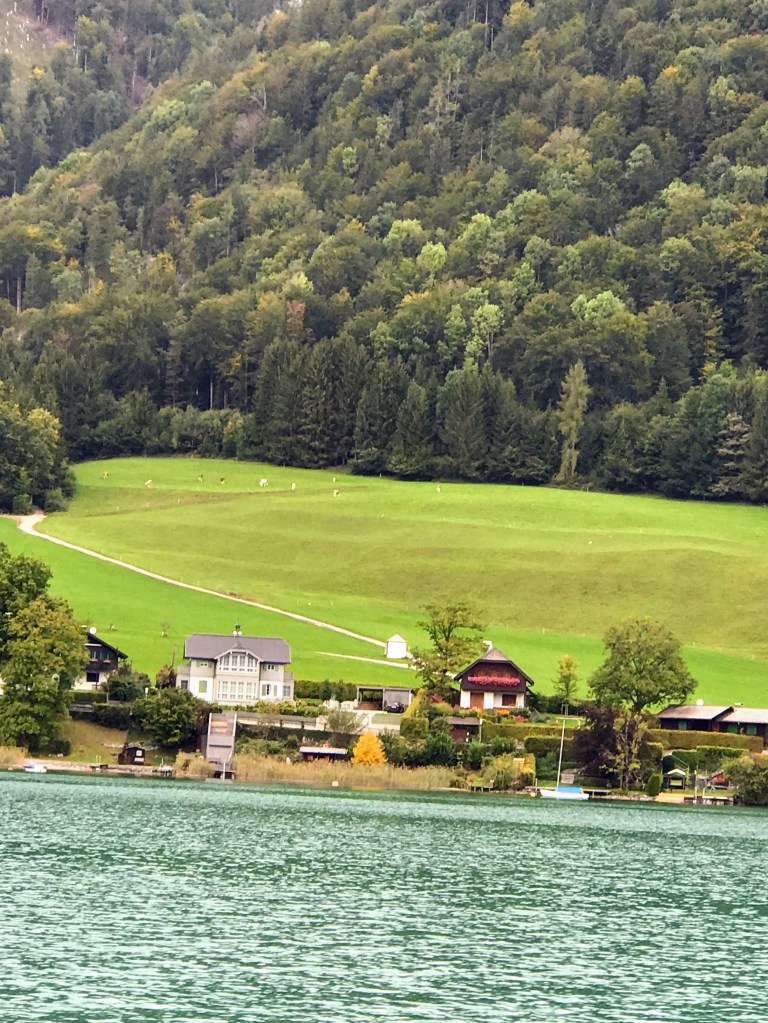
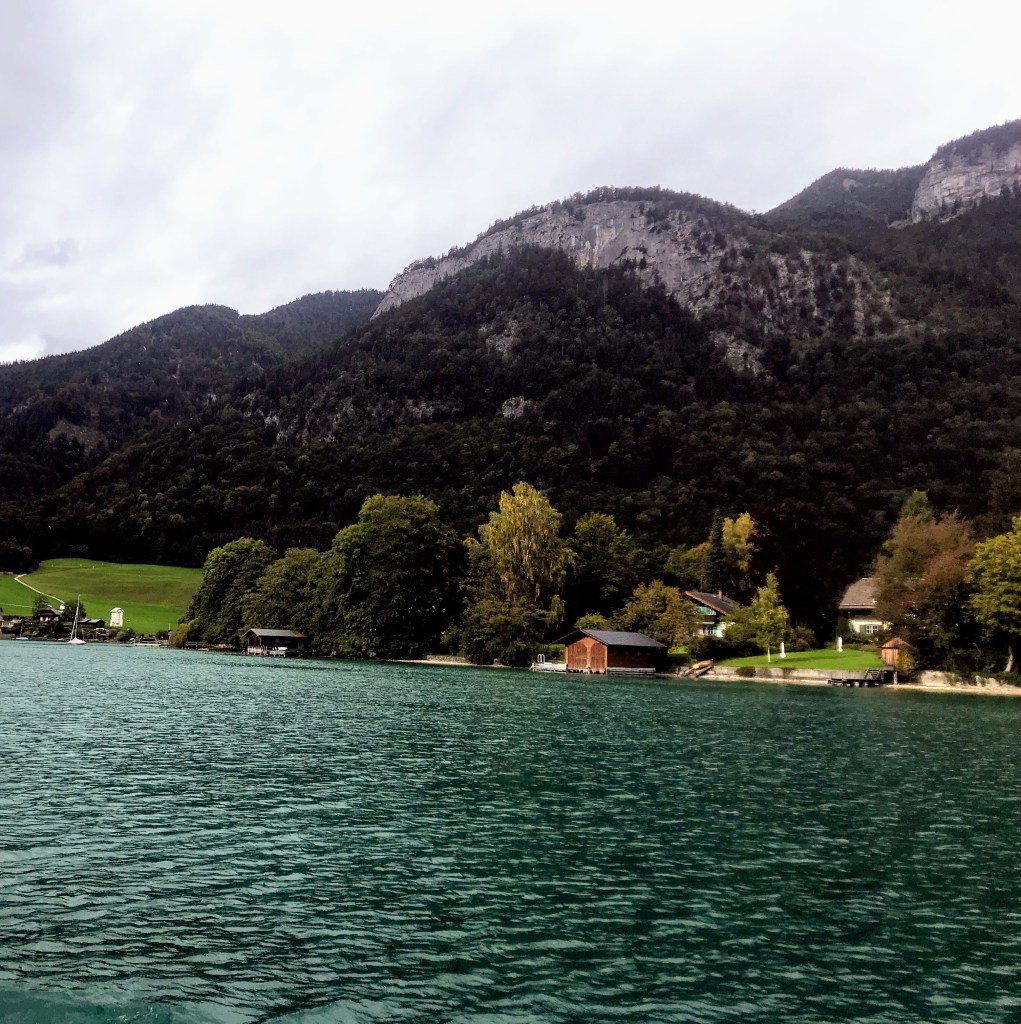
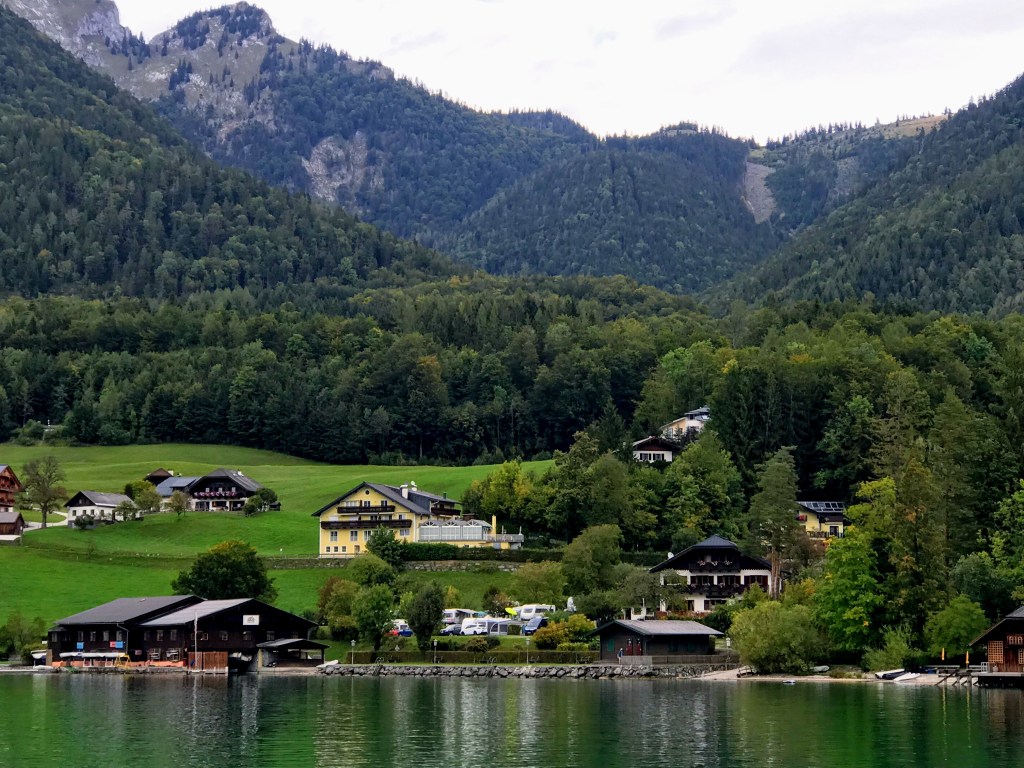
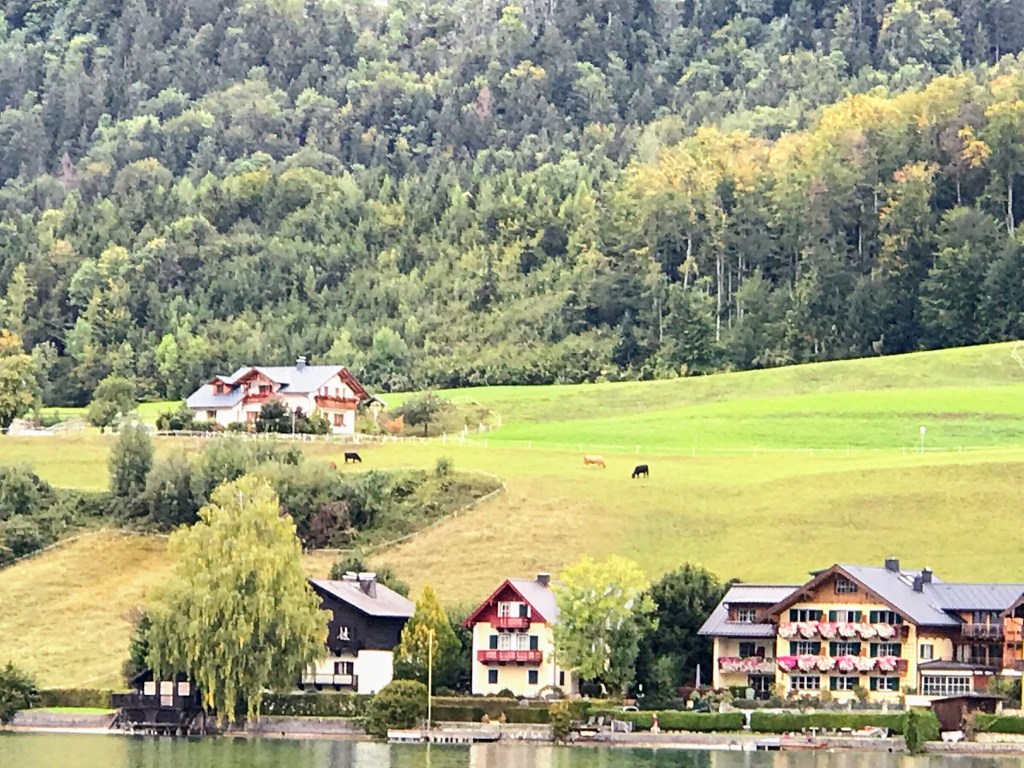
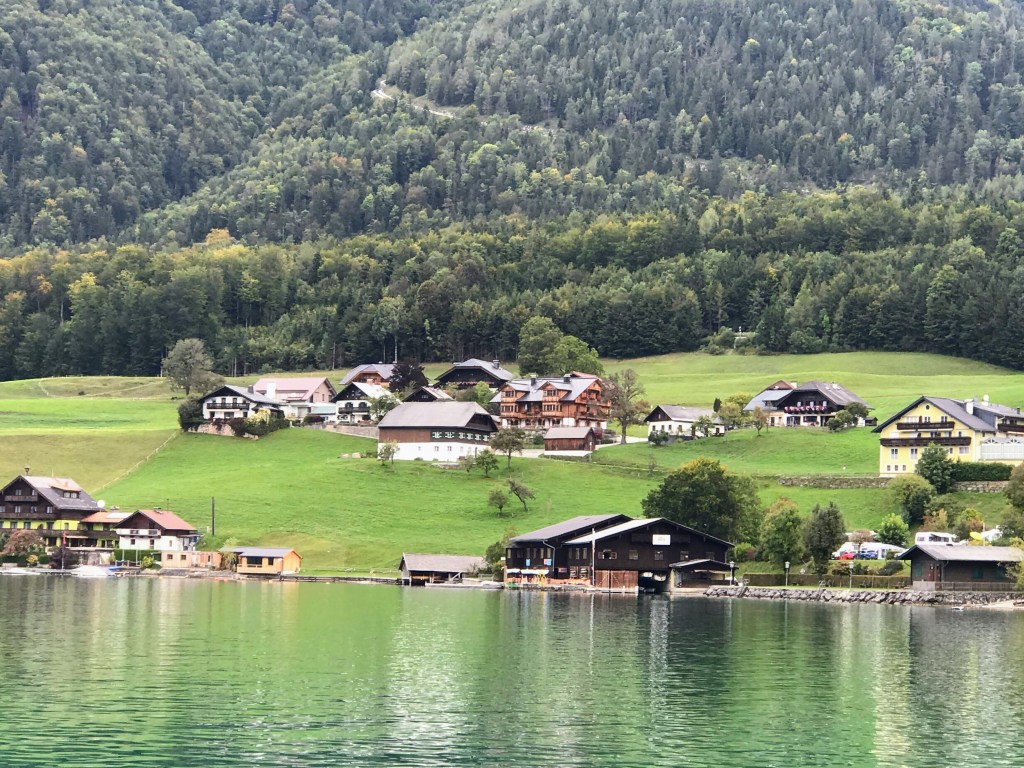
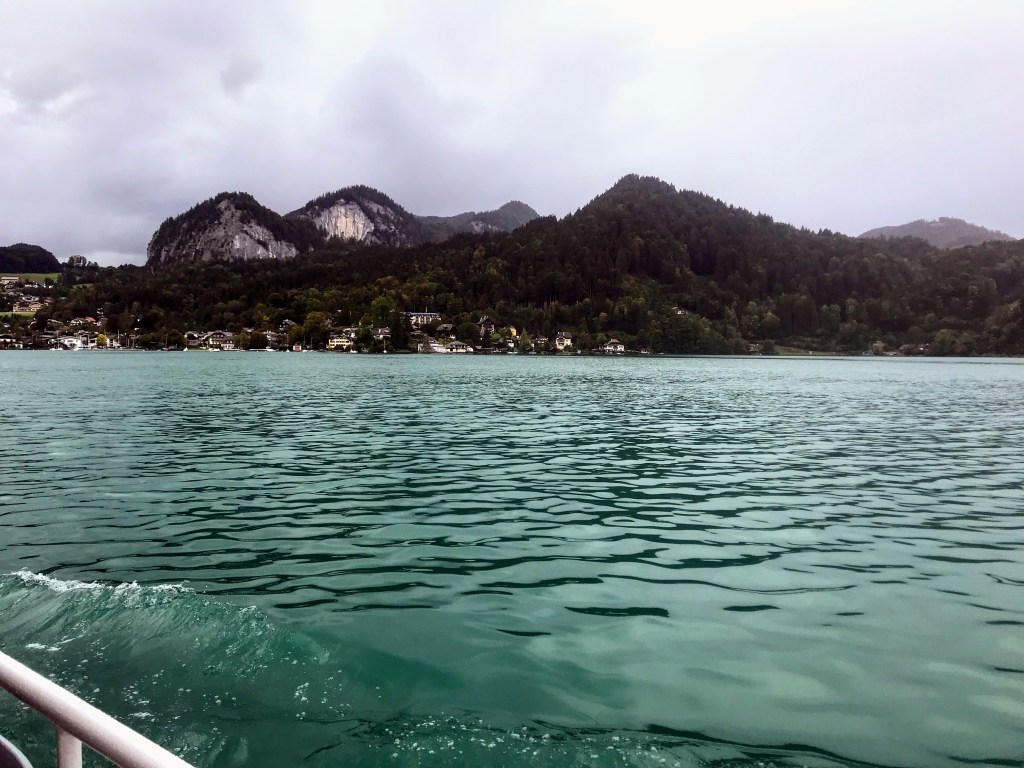
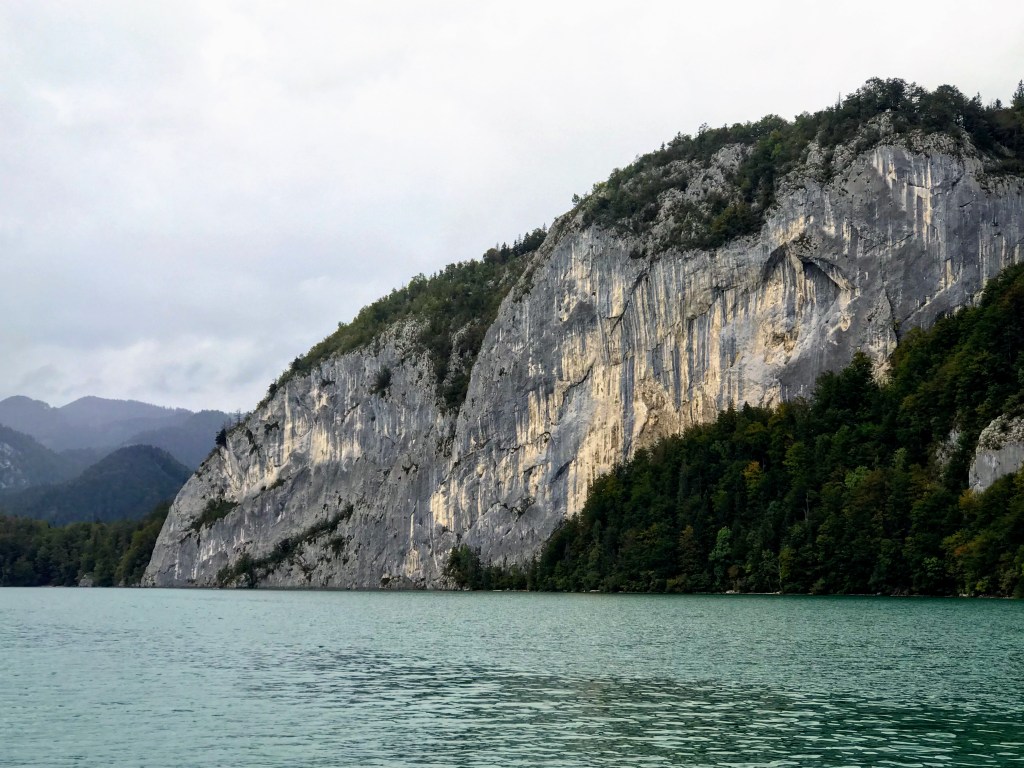
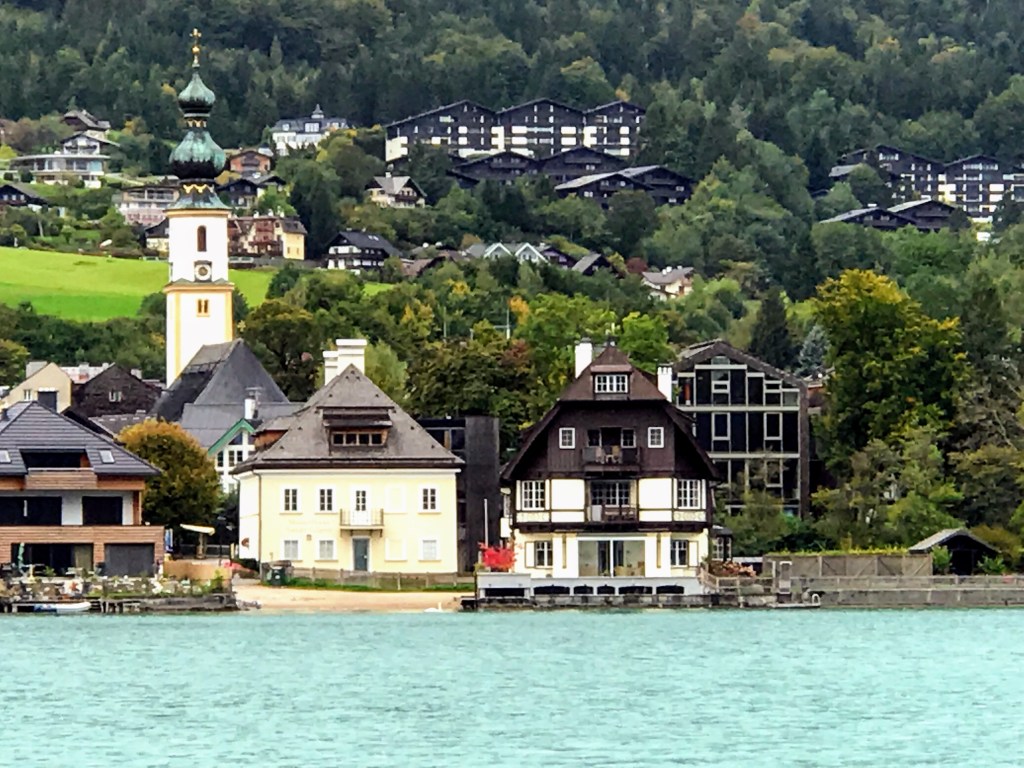
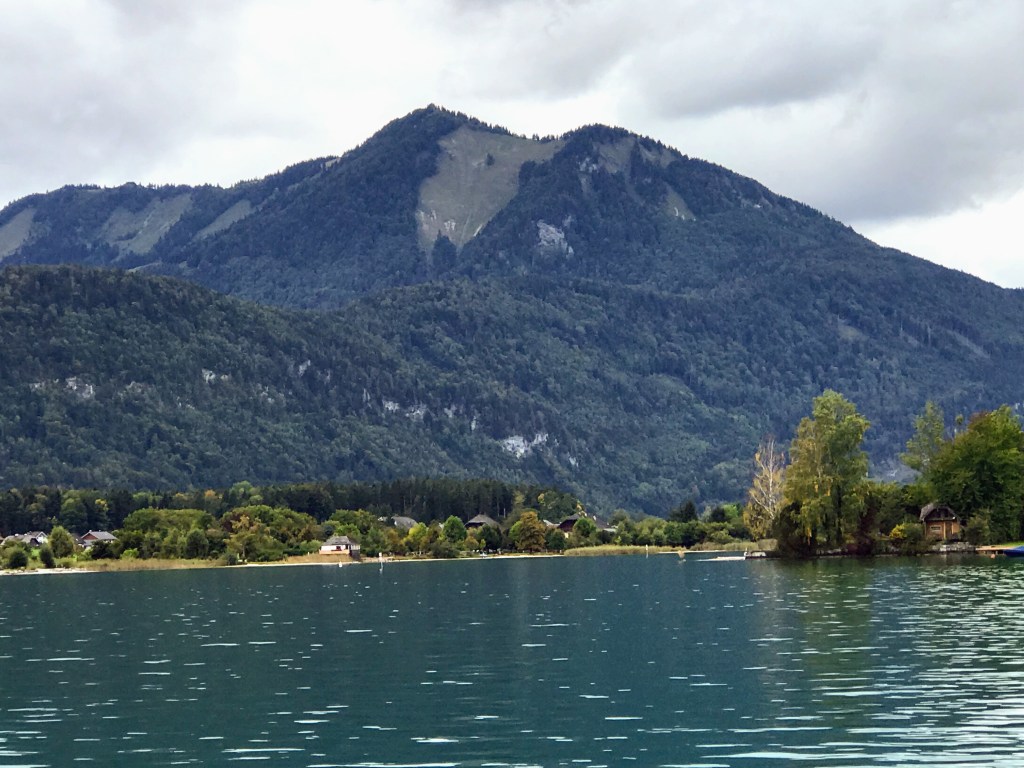
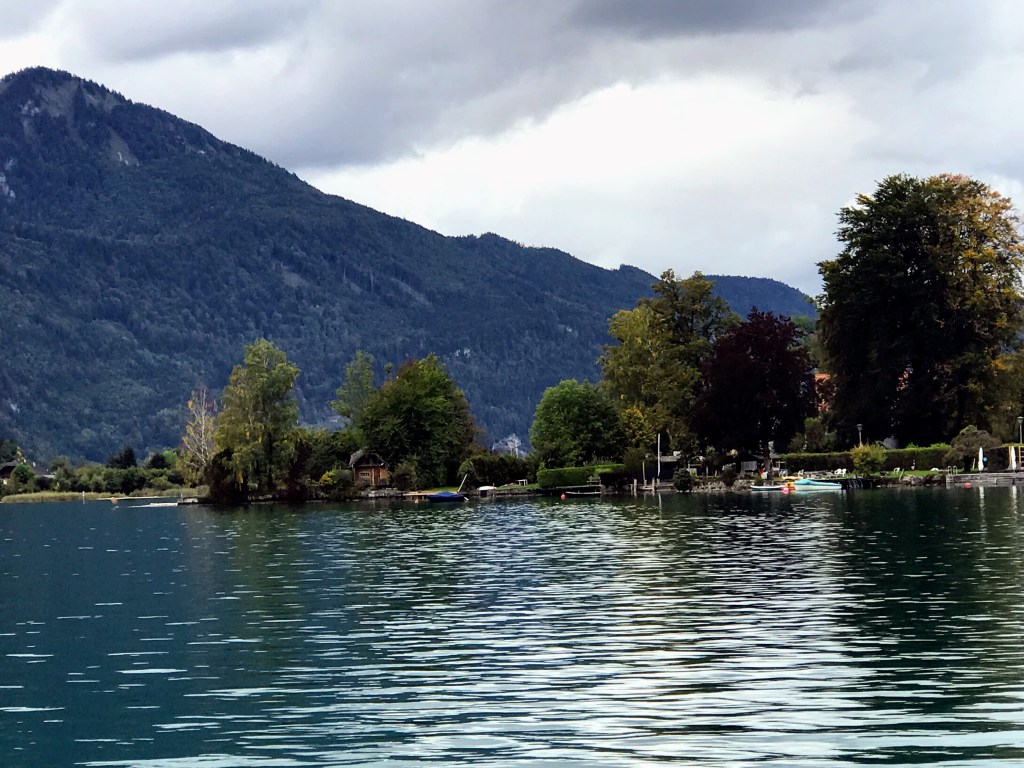
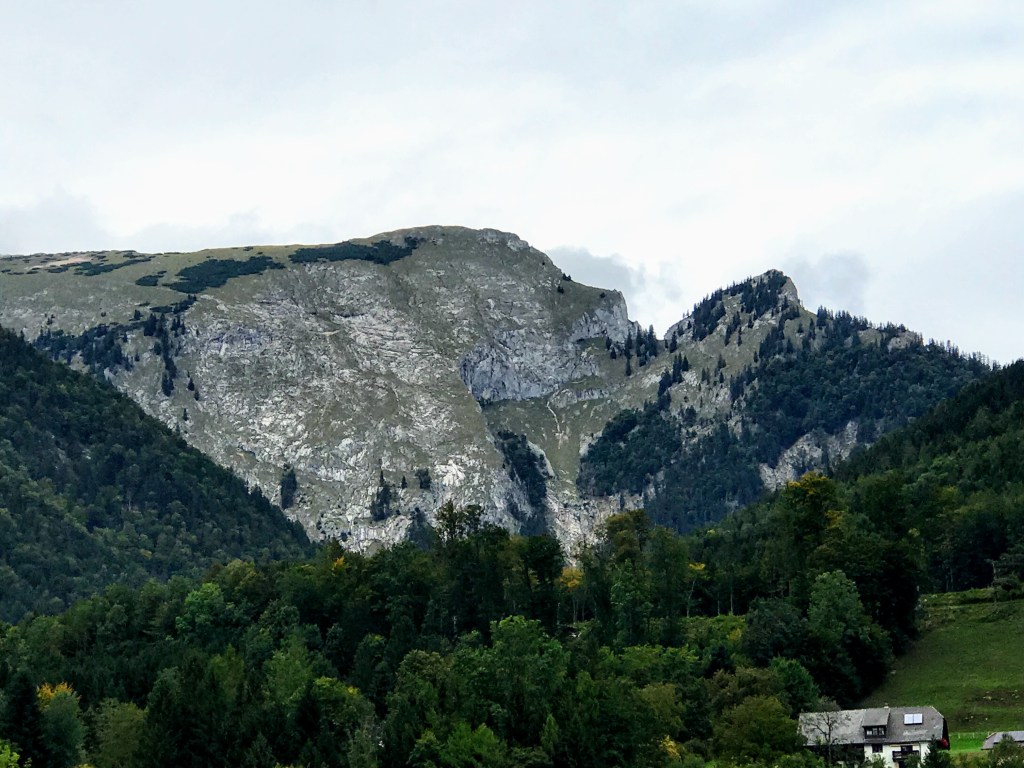
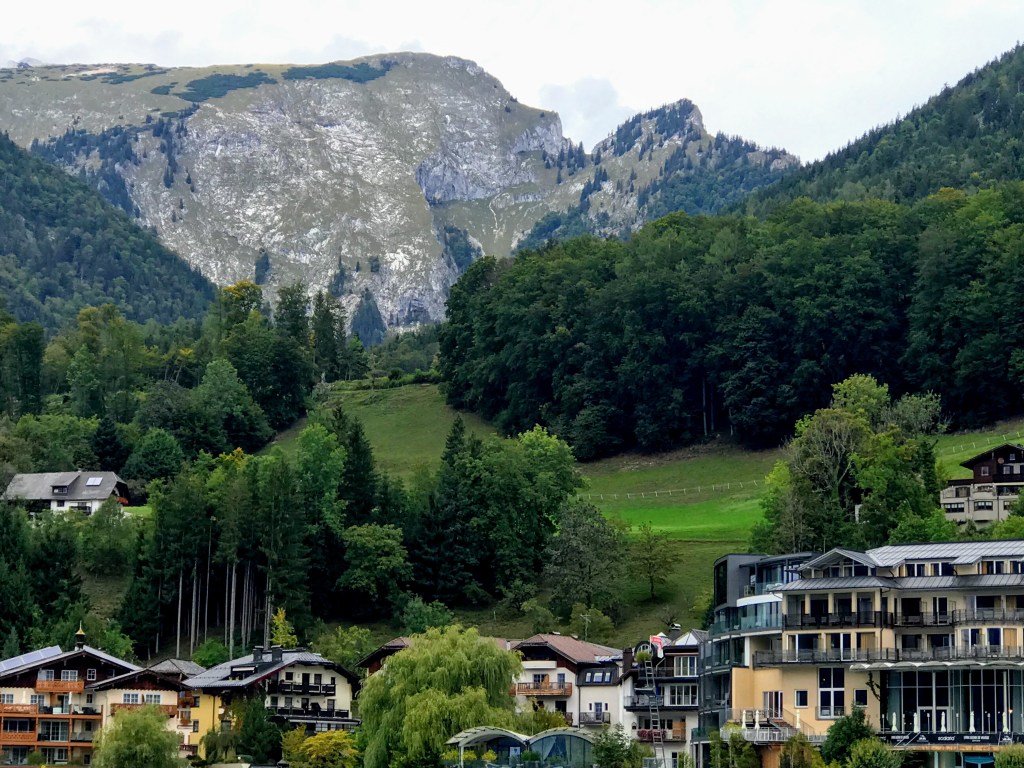
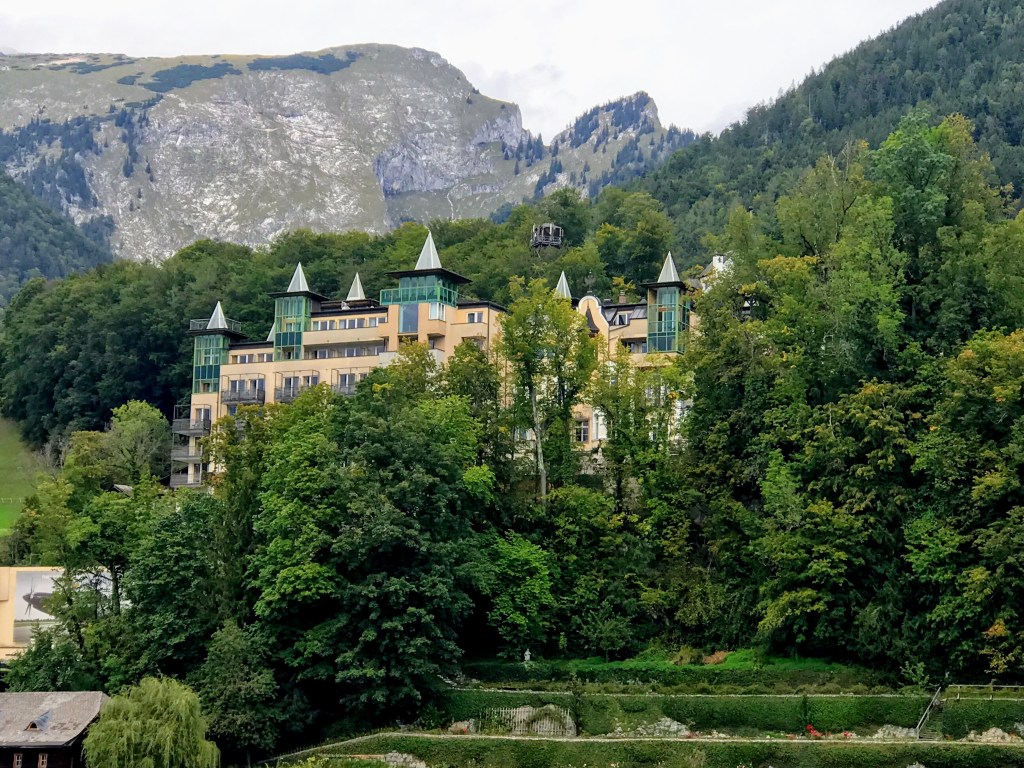
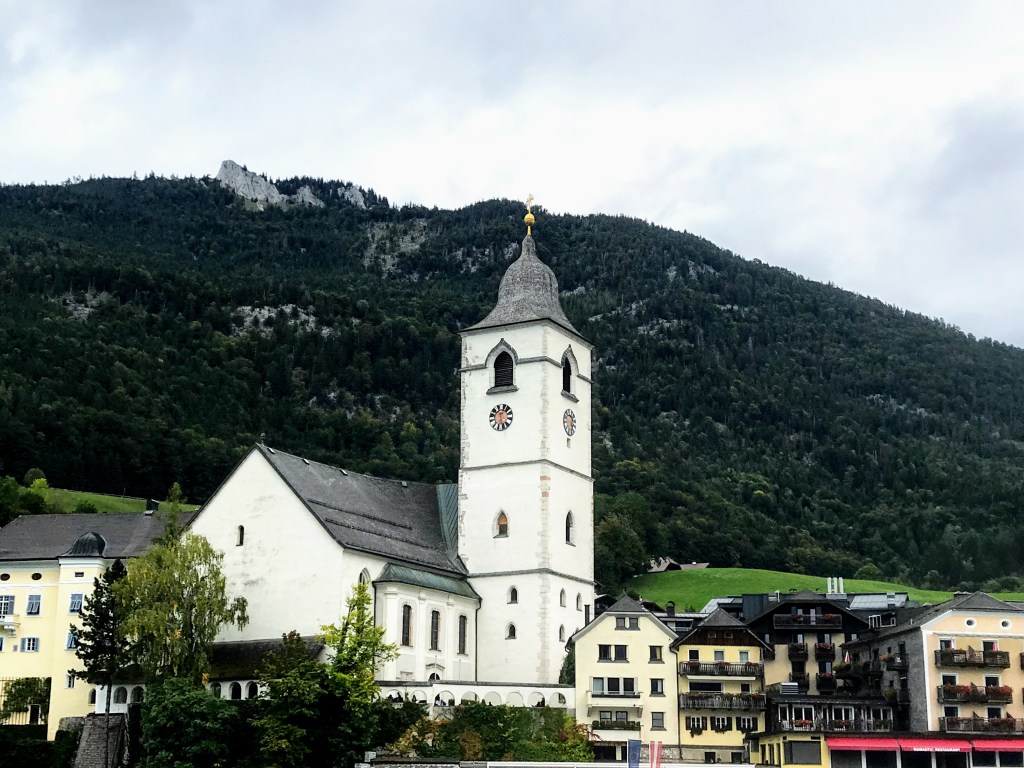
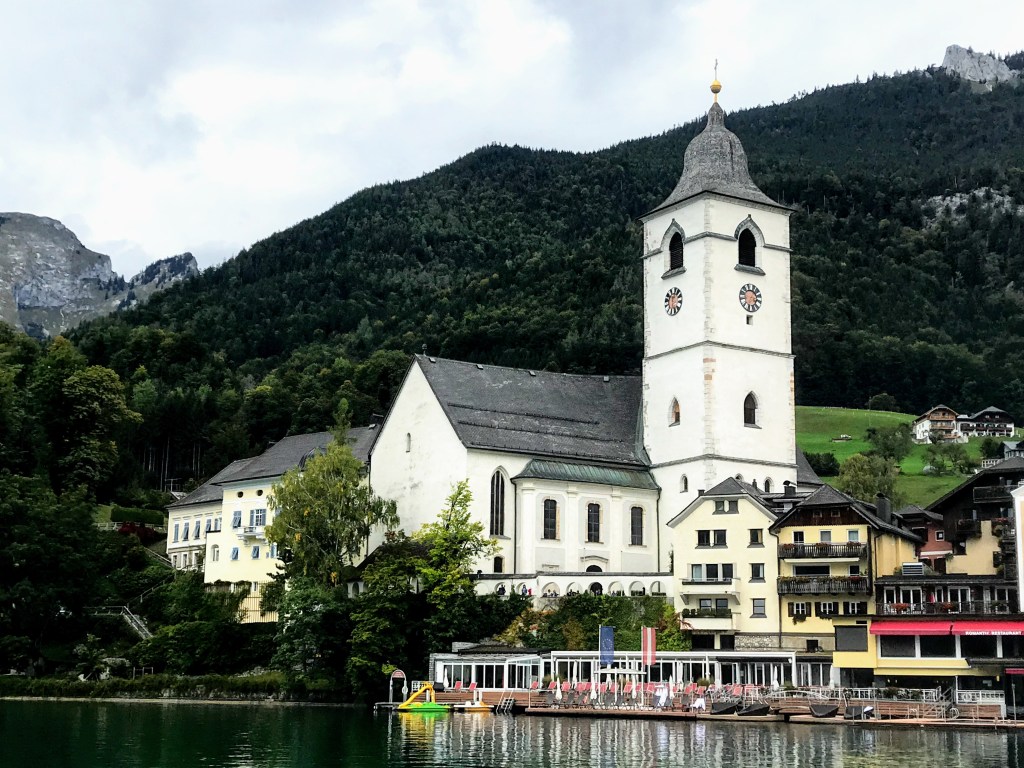
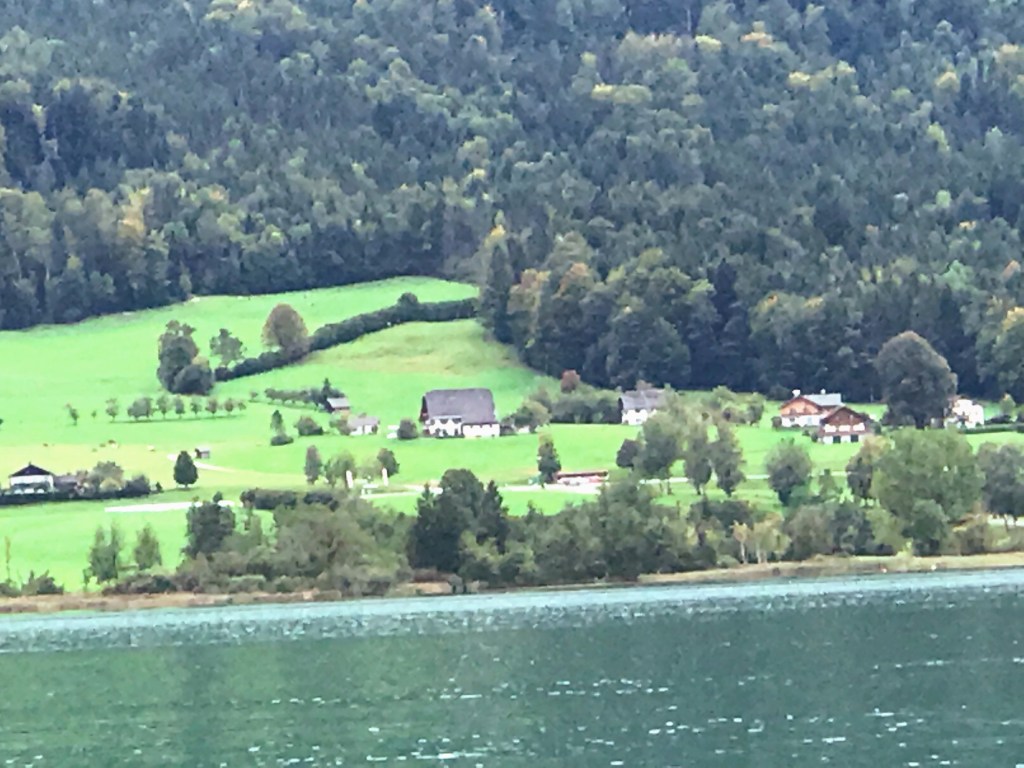
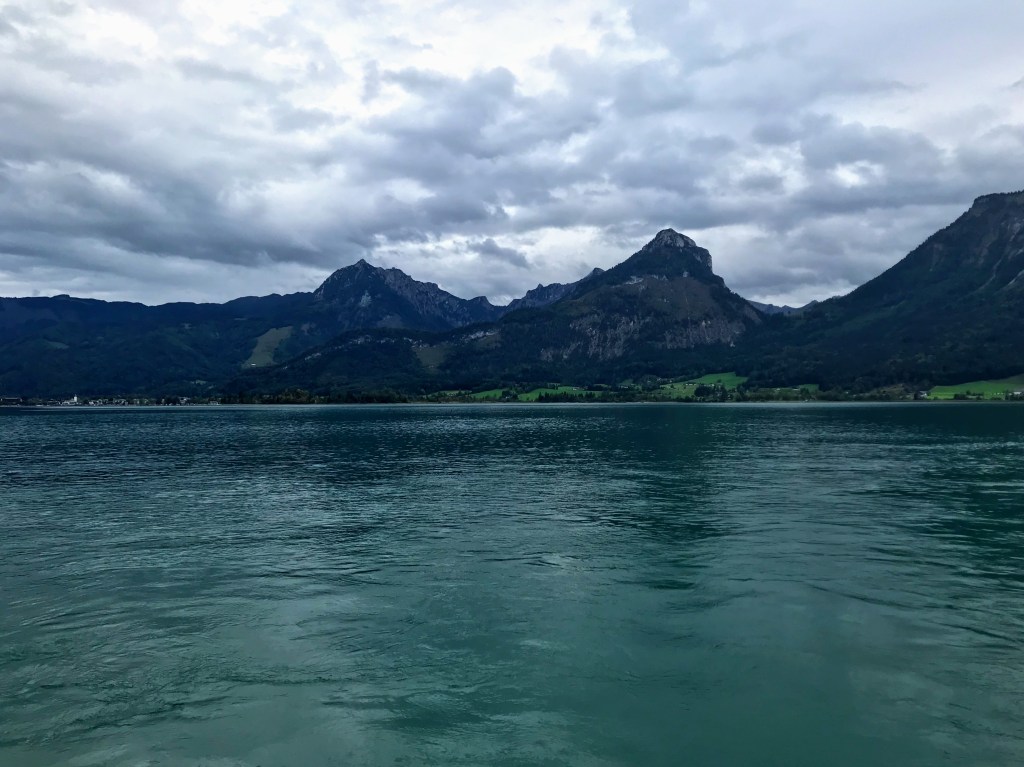
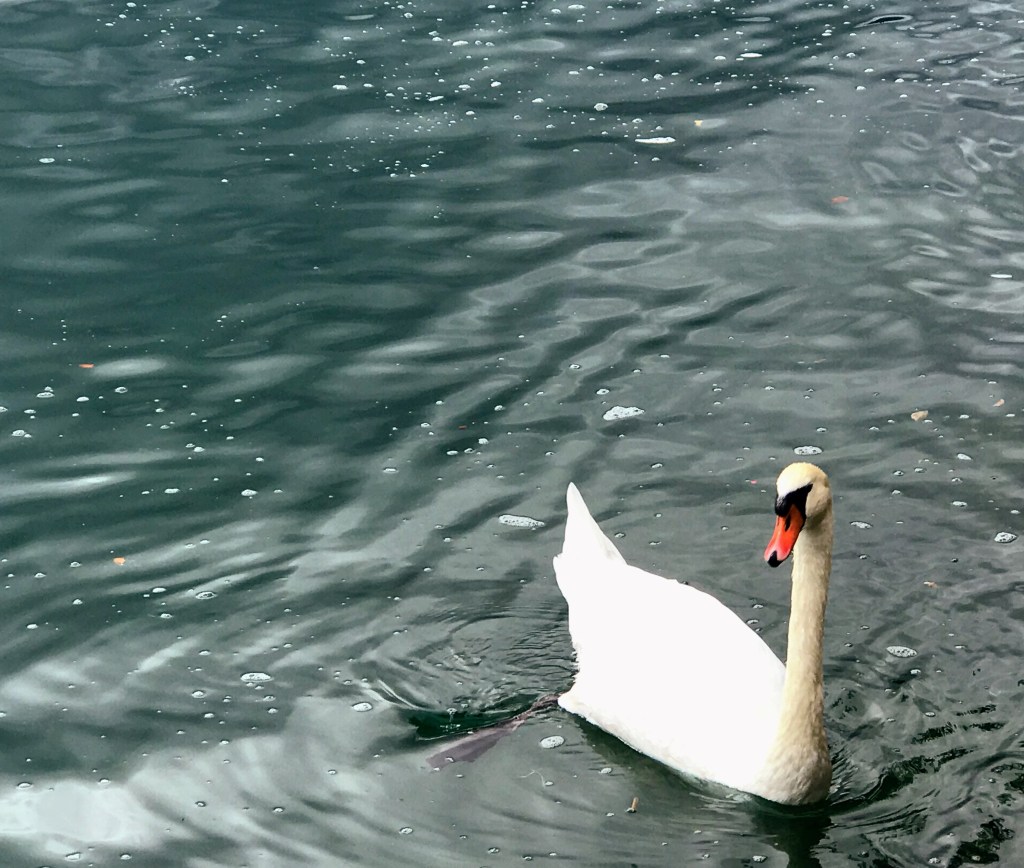
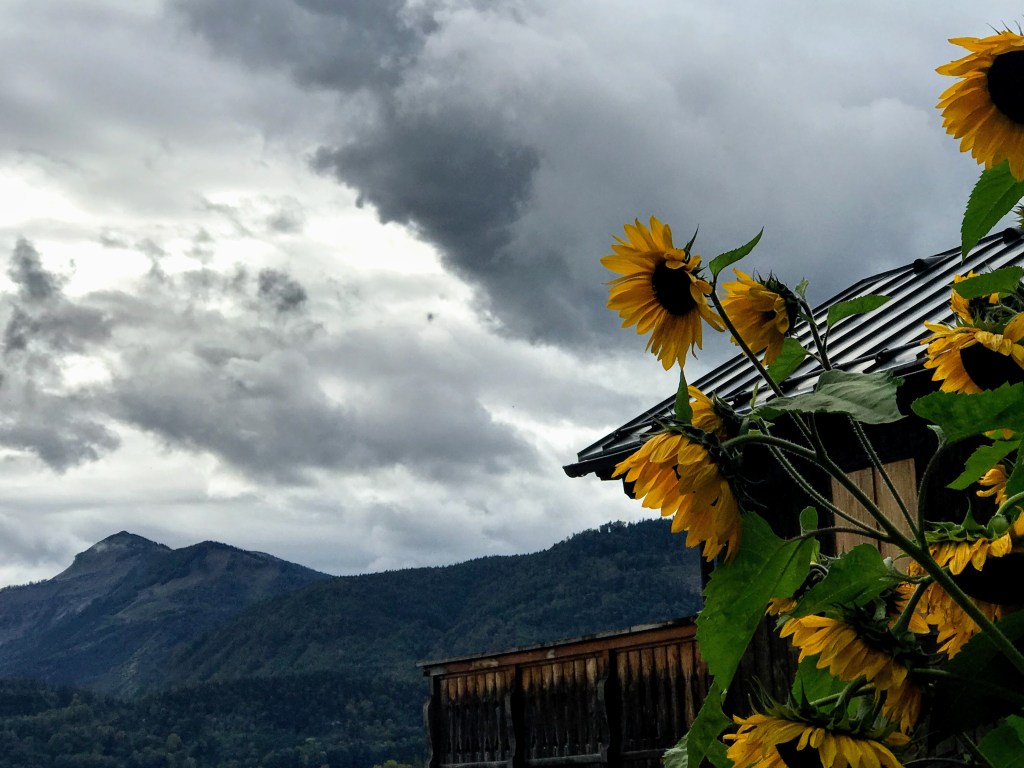
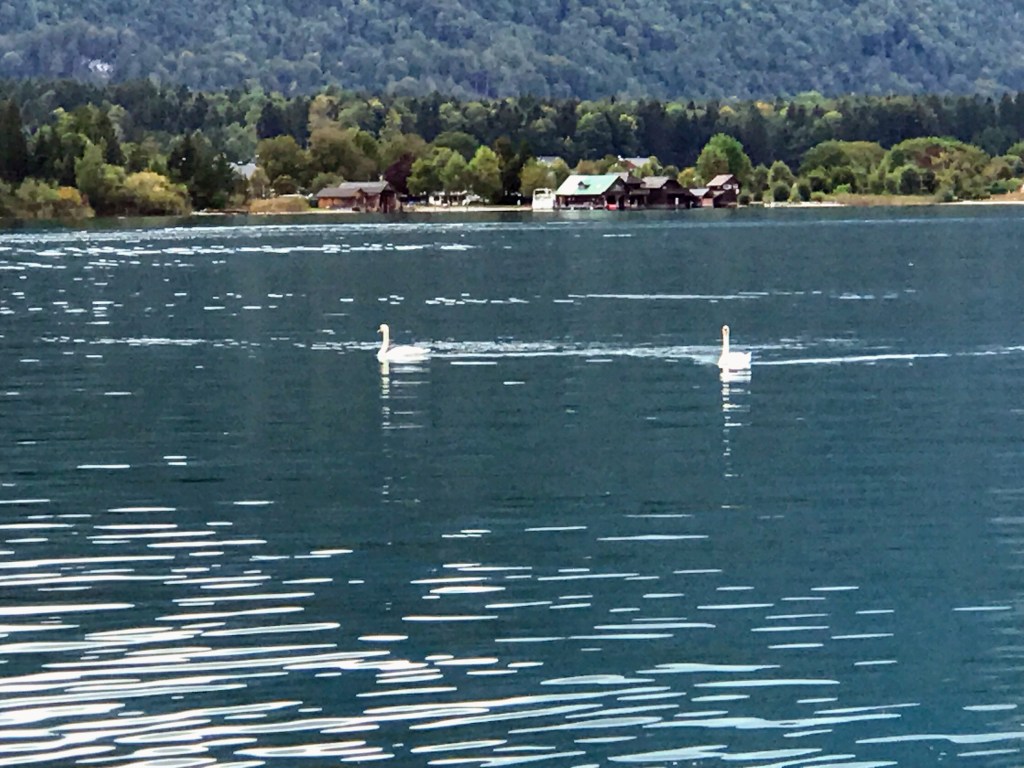
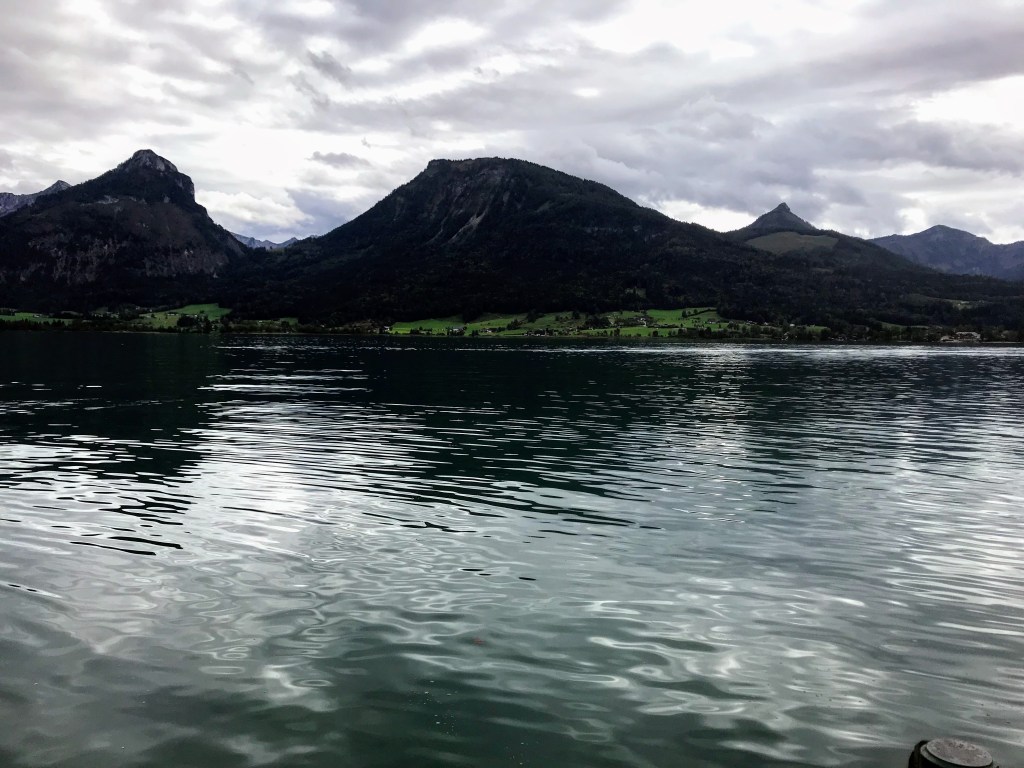
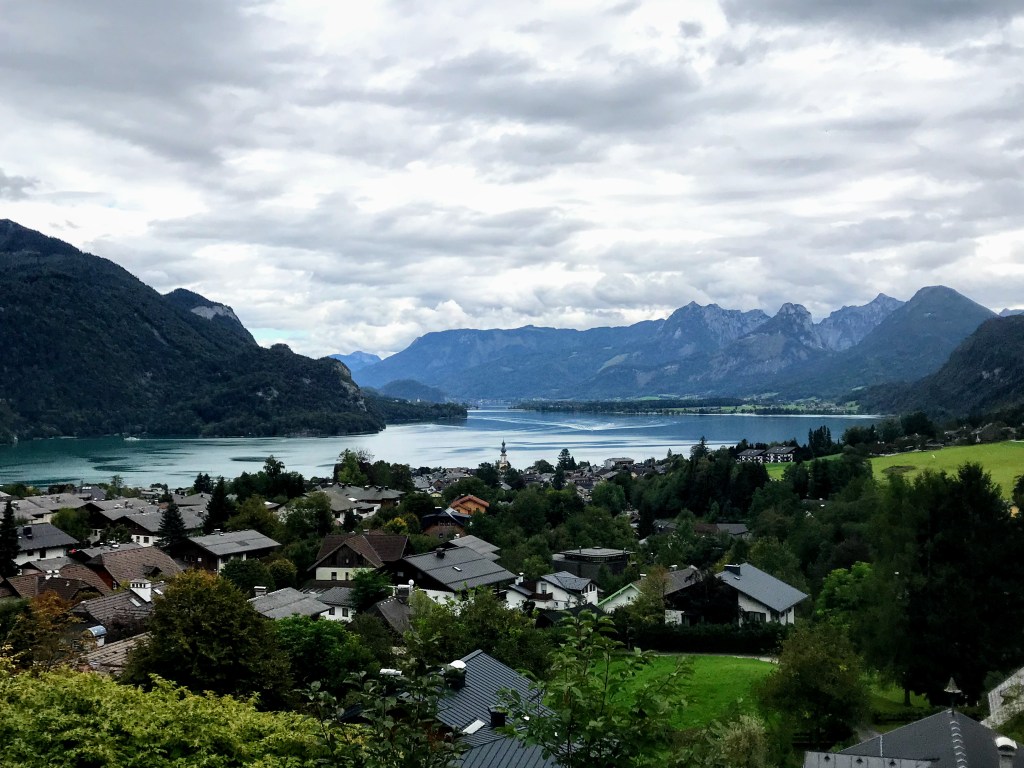
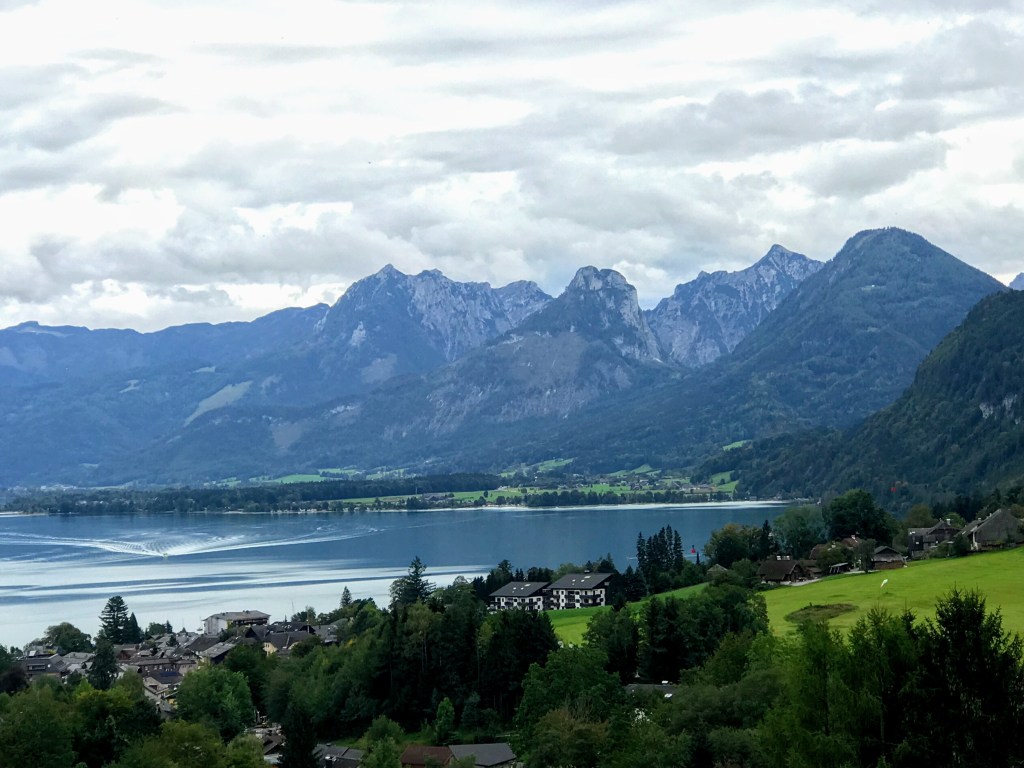
Austria’s Lake District. We took in the beautiful Lower Bavarian Alps as we journeyed south, to the Lake District toward the postcard-pretty town of St Wolfgang. We then became quite amazed at the picturesque mountain scenery on our boat trip on Lake Wolfgang. The small villages were quaintly positioned between the mountains and the lakes. Absolutely beautiful!