Discover Nubian Culture with Mr. Muhammad

Day 8 – November 5, 2024

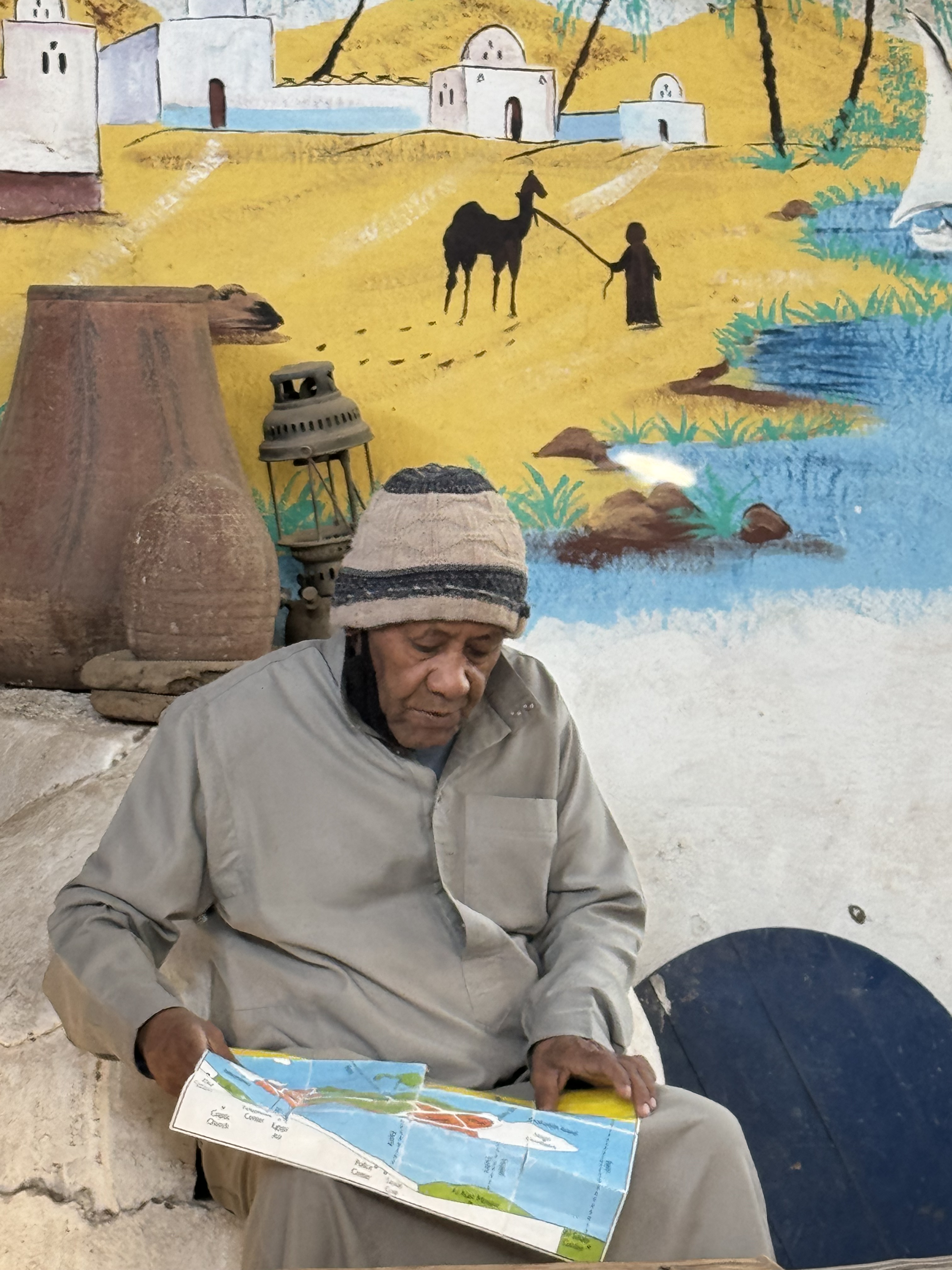
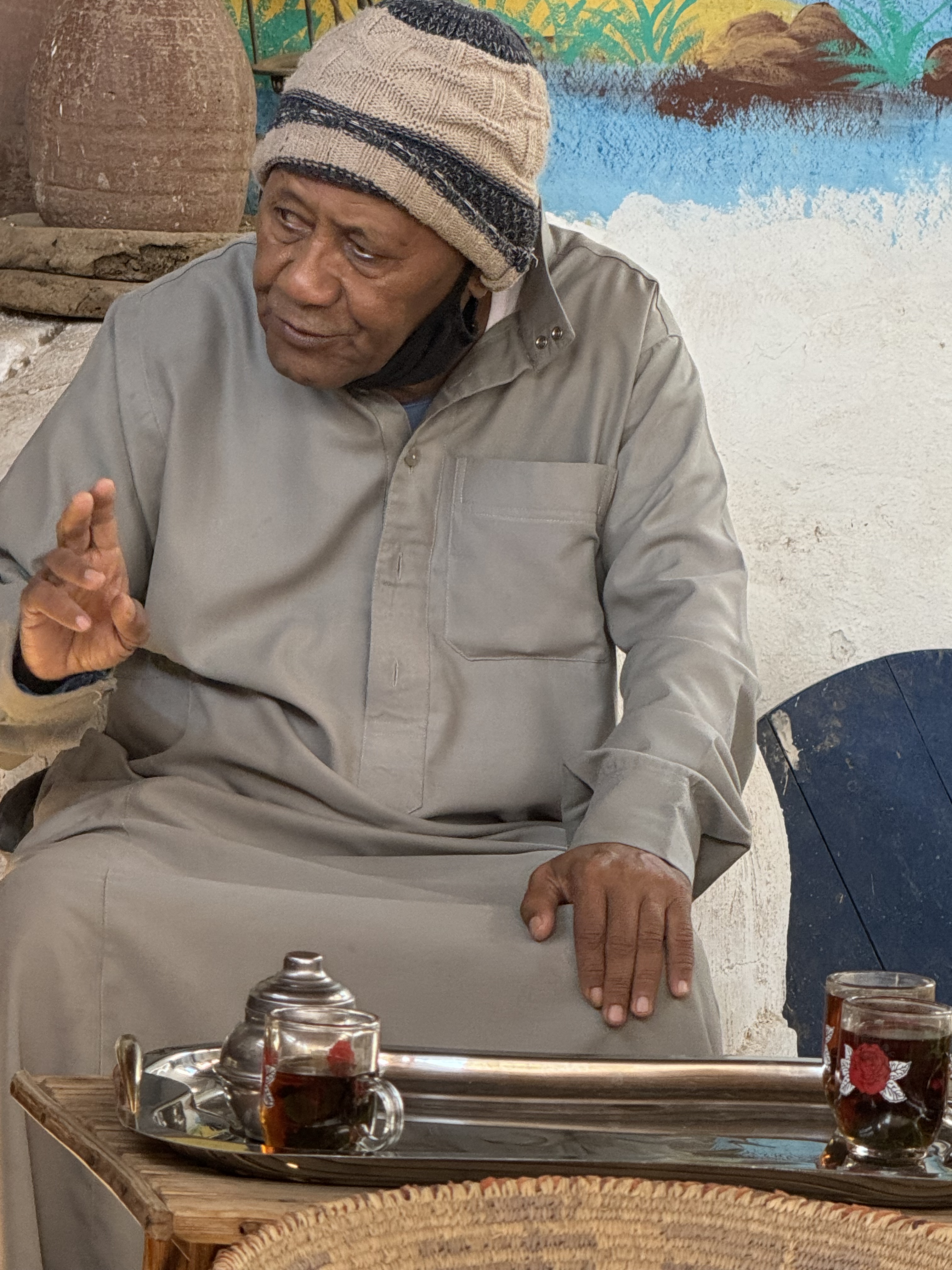
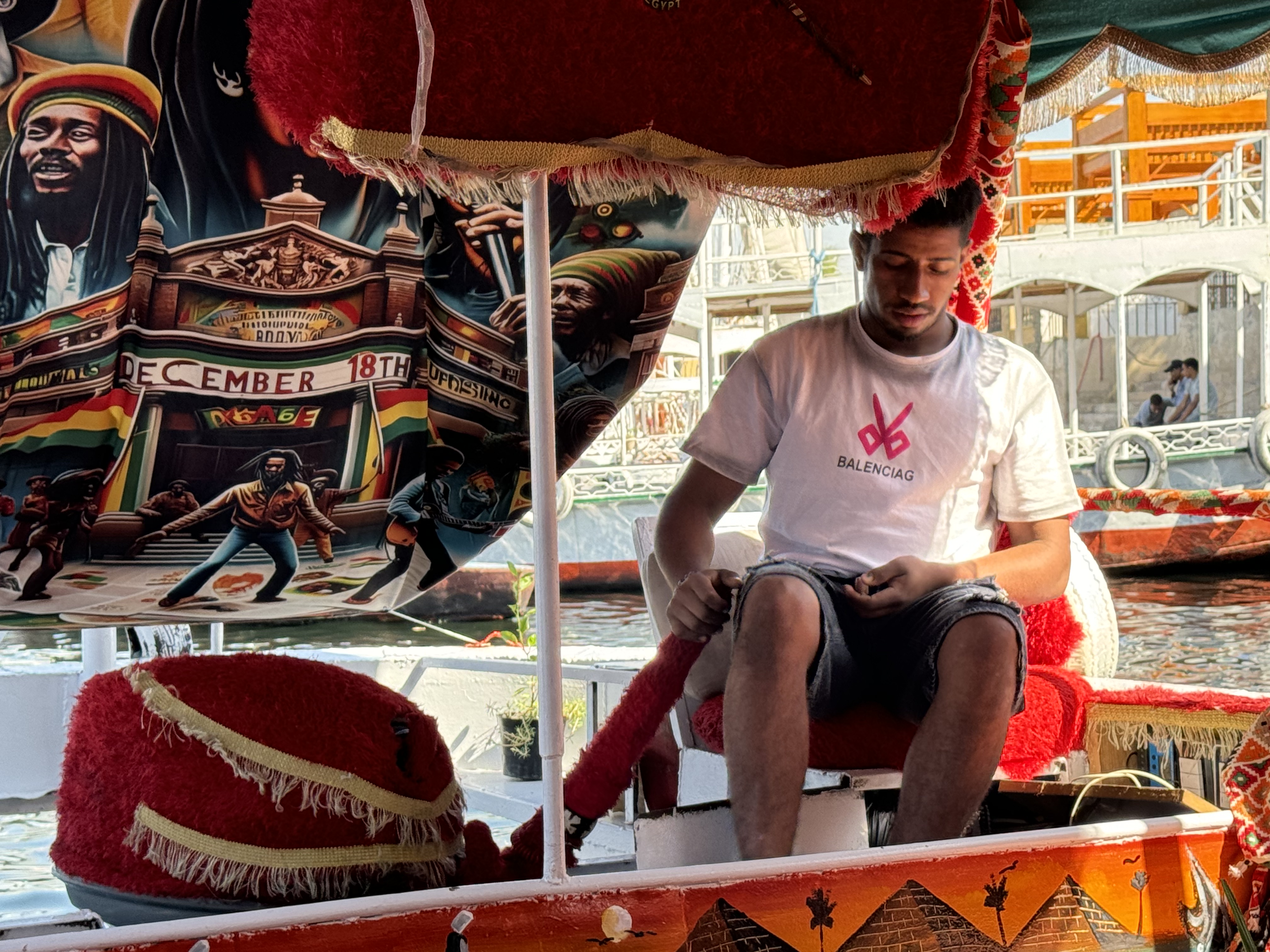
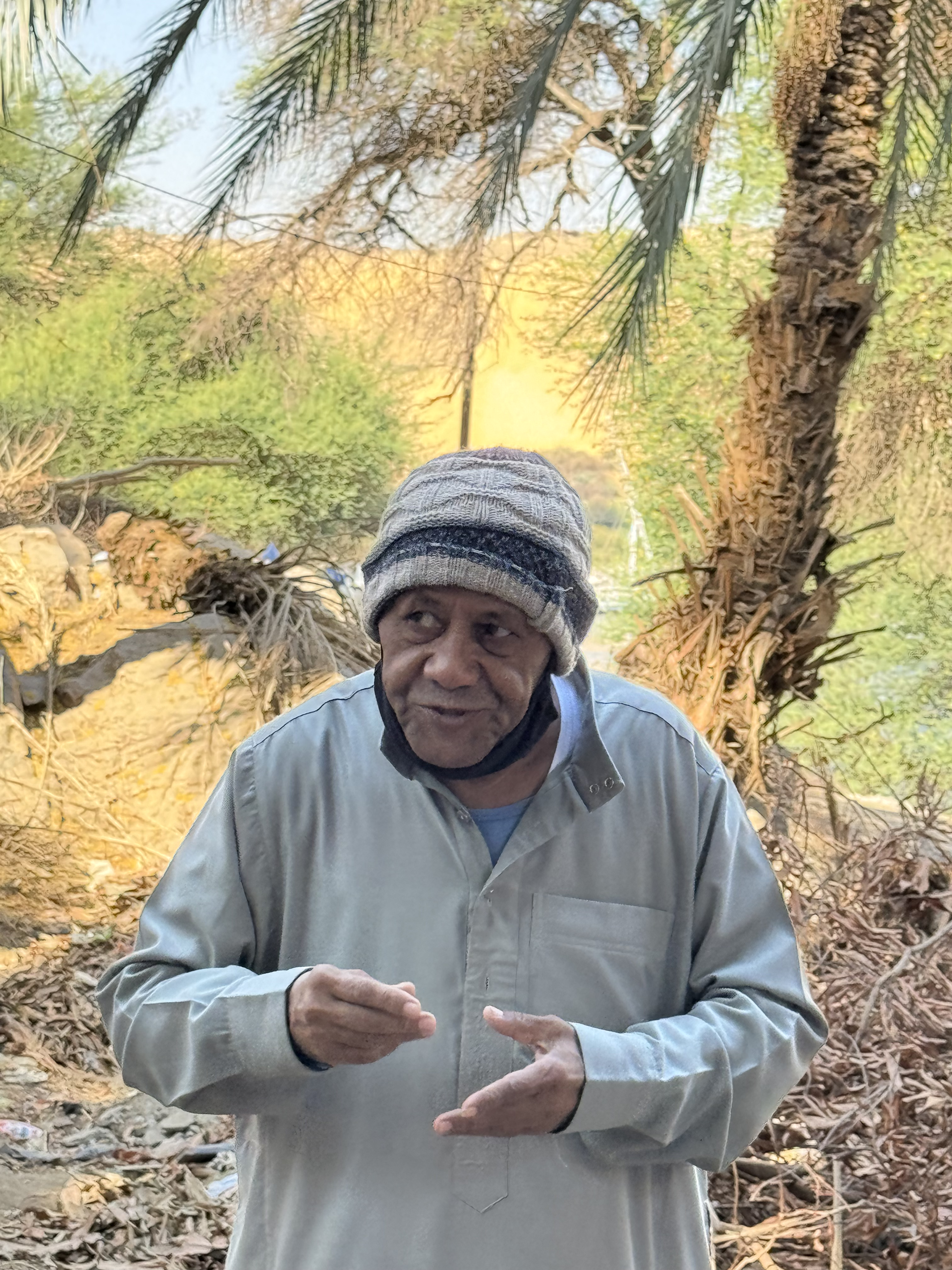
We returned to the Nile and boarded a Felucca, a traditional Egyptian sailboat. We sailed to Elephantine Island. The island is home to two serene Nubian villages. It once played an integral role in the ivory trade. We visited with Mr Muhammad, in his home, as he explained the history and cultural of Nubians. .
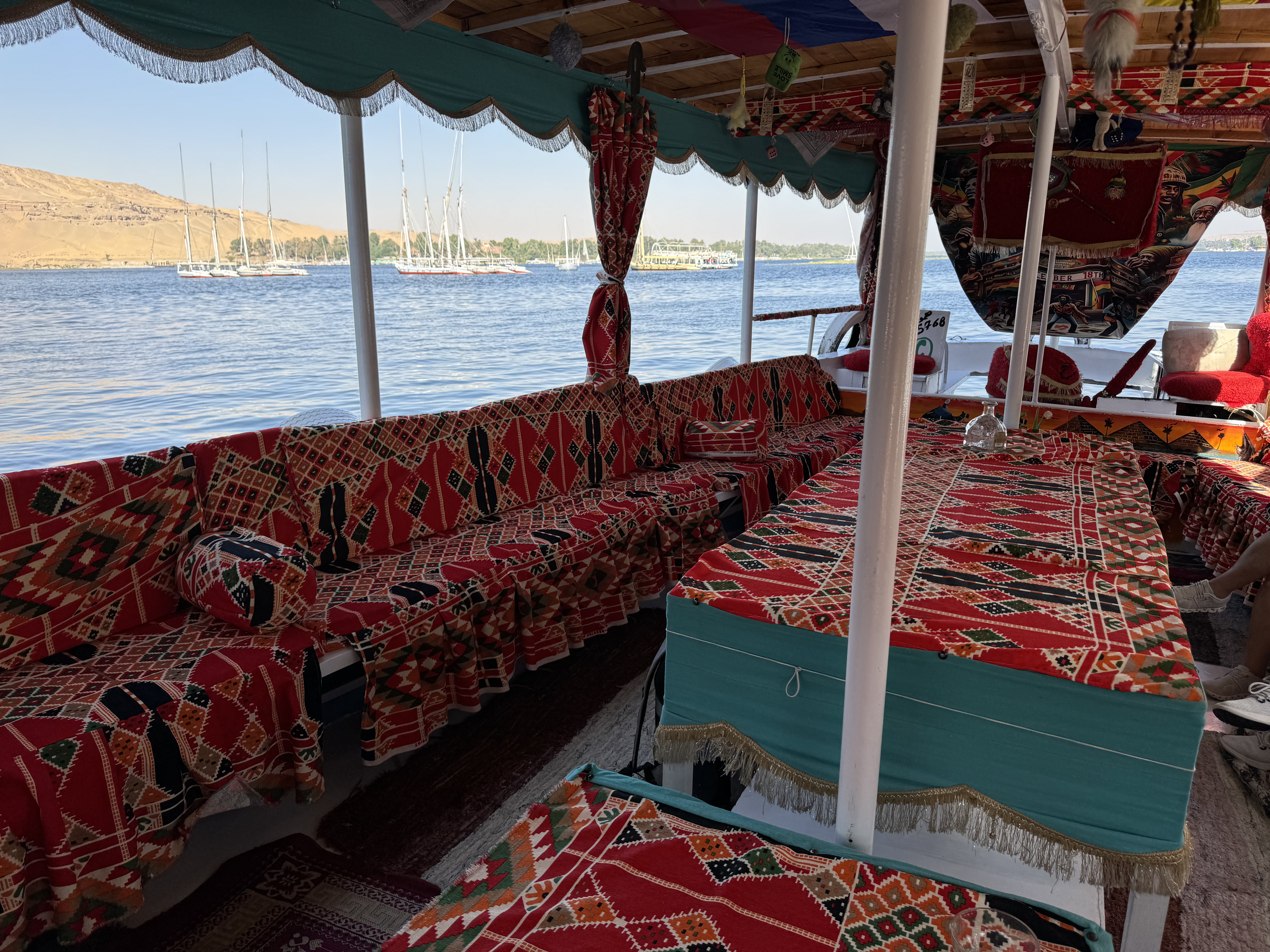
Interior of a Felucca
Egyptian Felucca Boat Captain

Mr. Muhammad, an 80 year old Nubian that graciously opened his home to us.
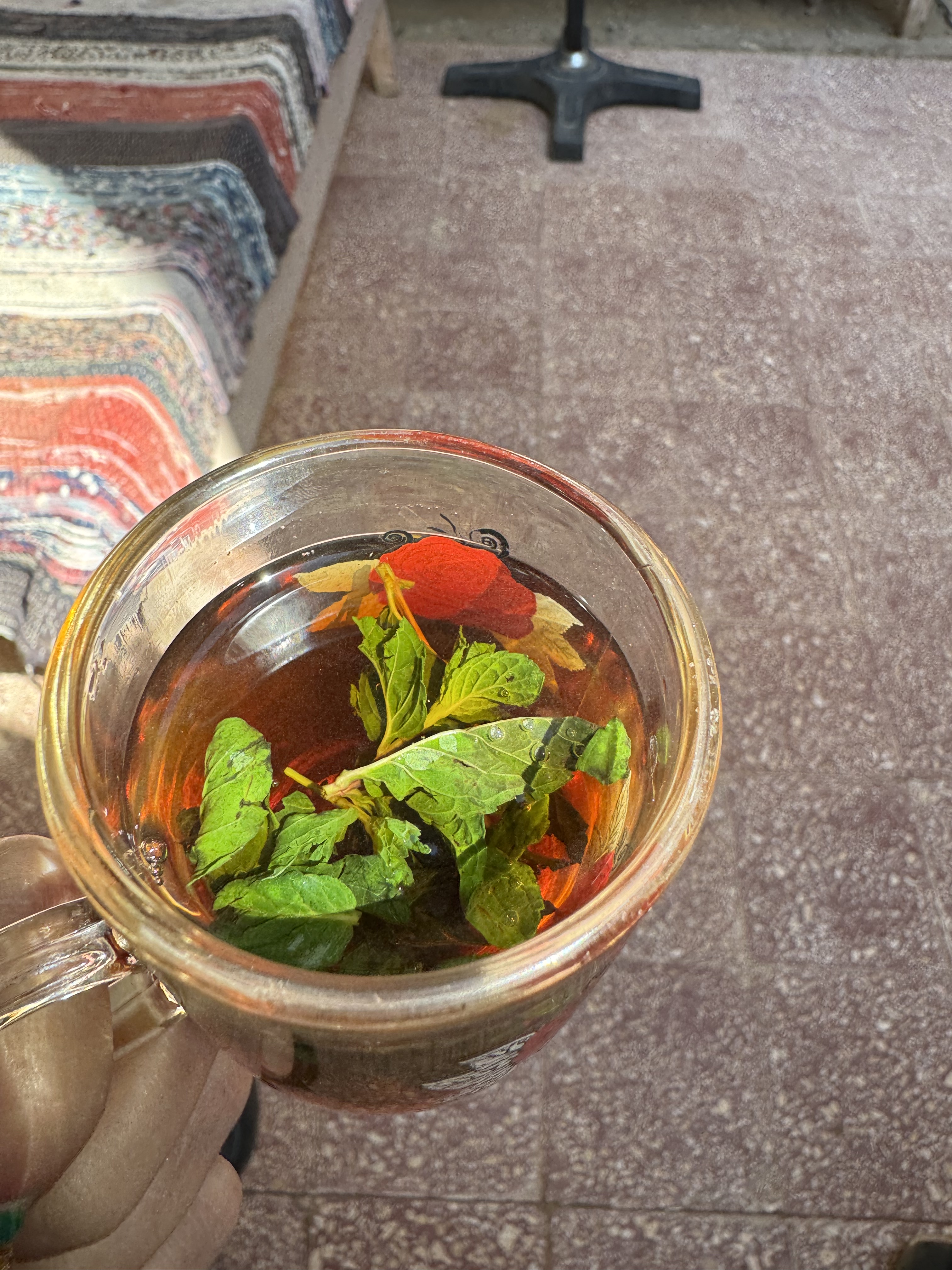
Nubian Mint Tea served by Mr. Muhammad’s wife
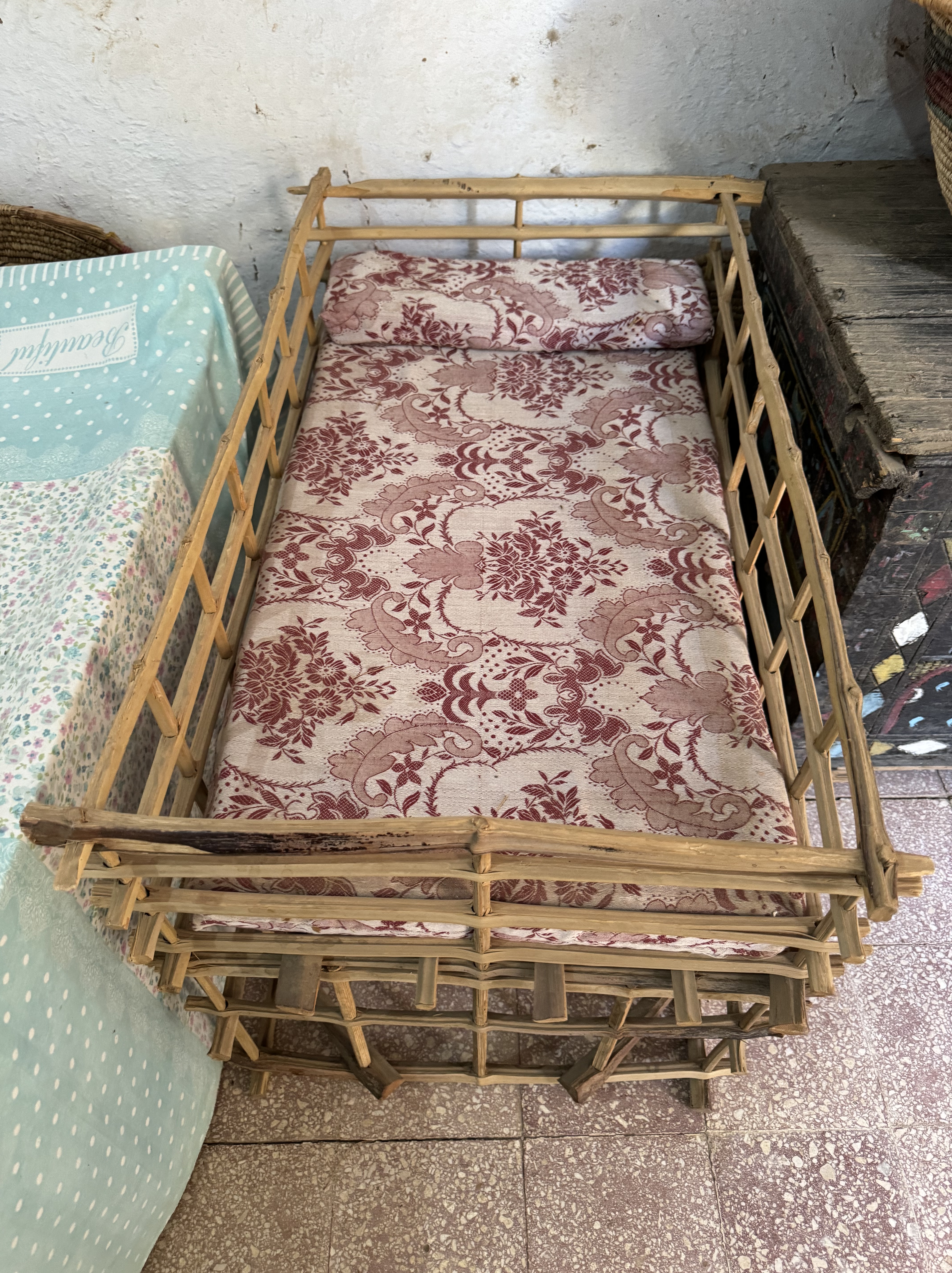
This is THE bedroom, only one in house, used for baby making. Hence the baby bed!

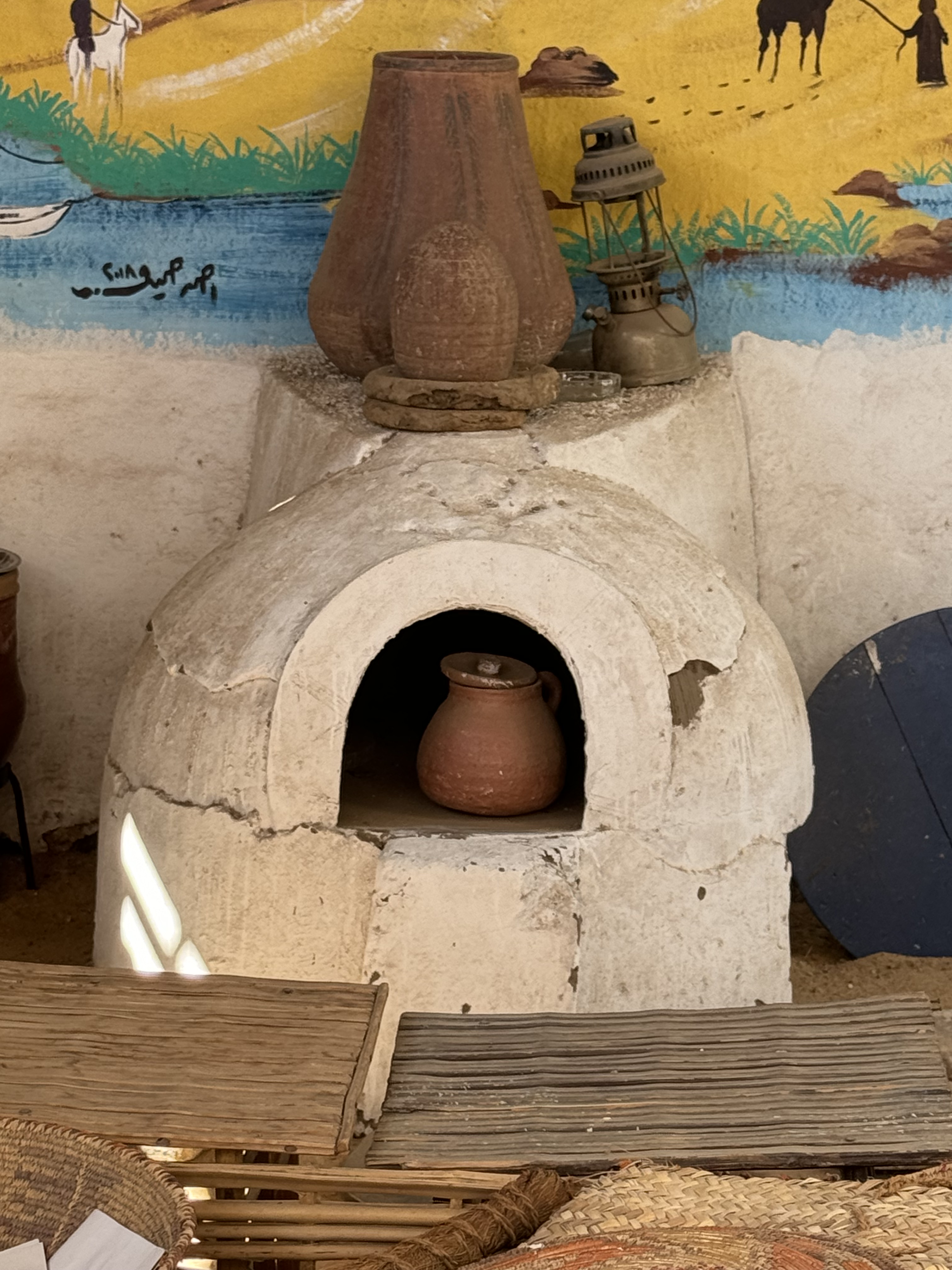
stove and heat for the home

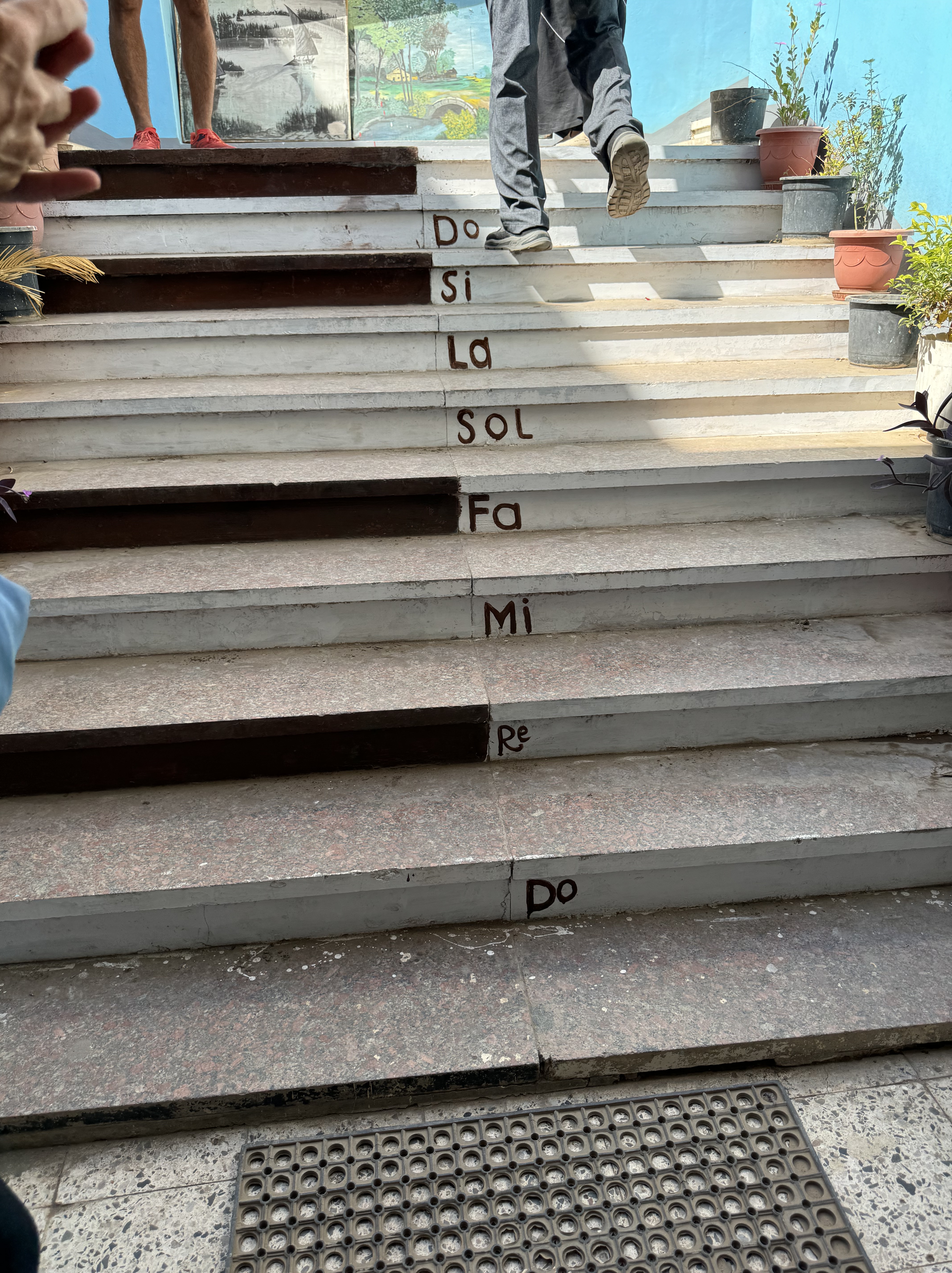
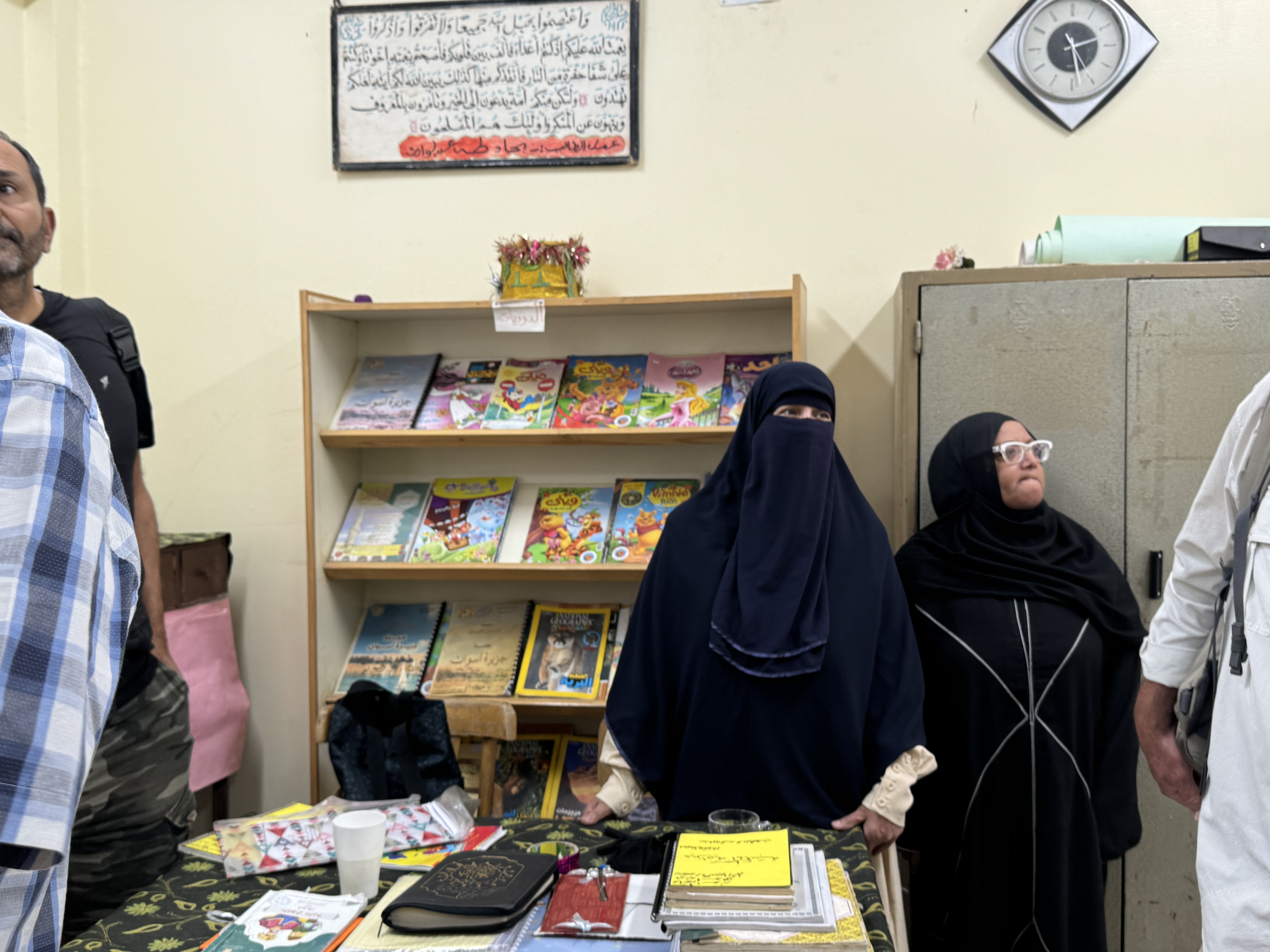
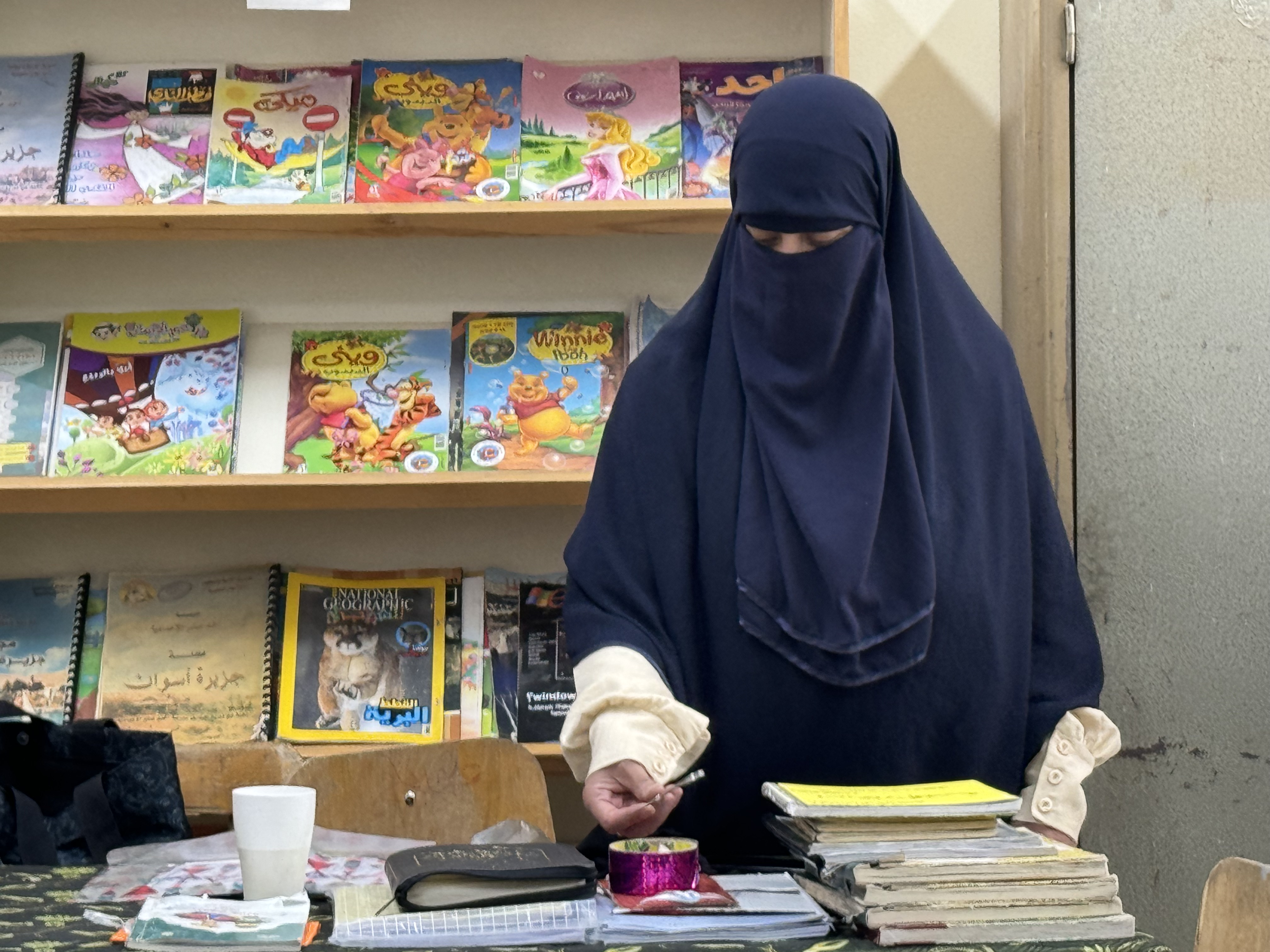
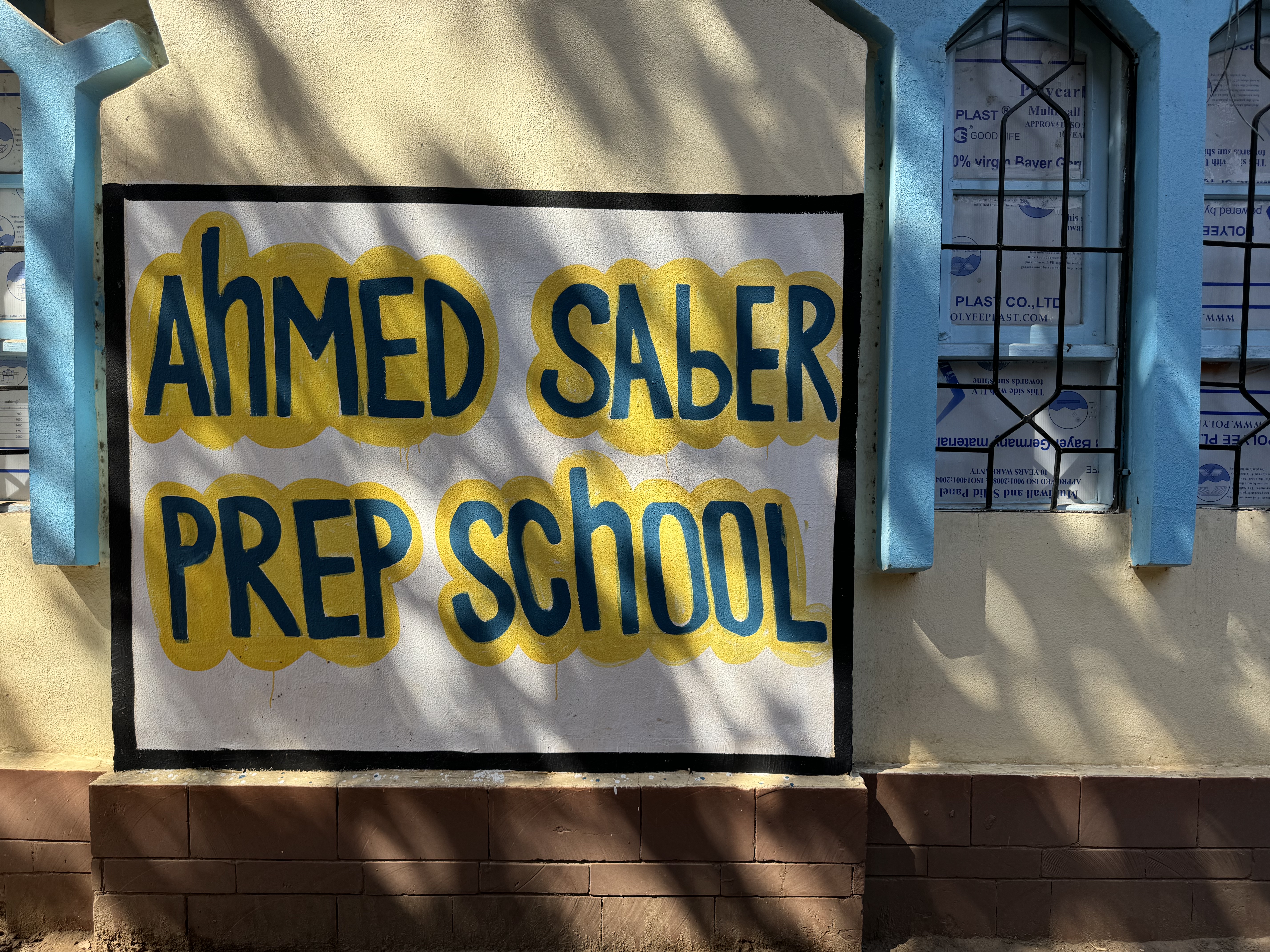
We also enjoyed a quick visit to the school.
They told us of their plans for their future. They wanted each of us to sit with them at their desk!
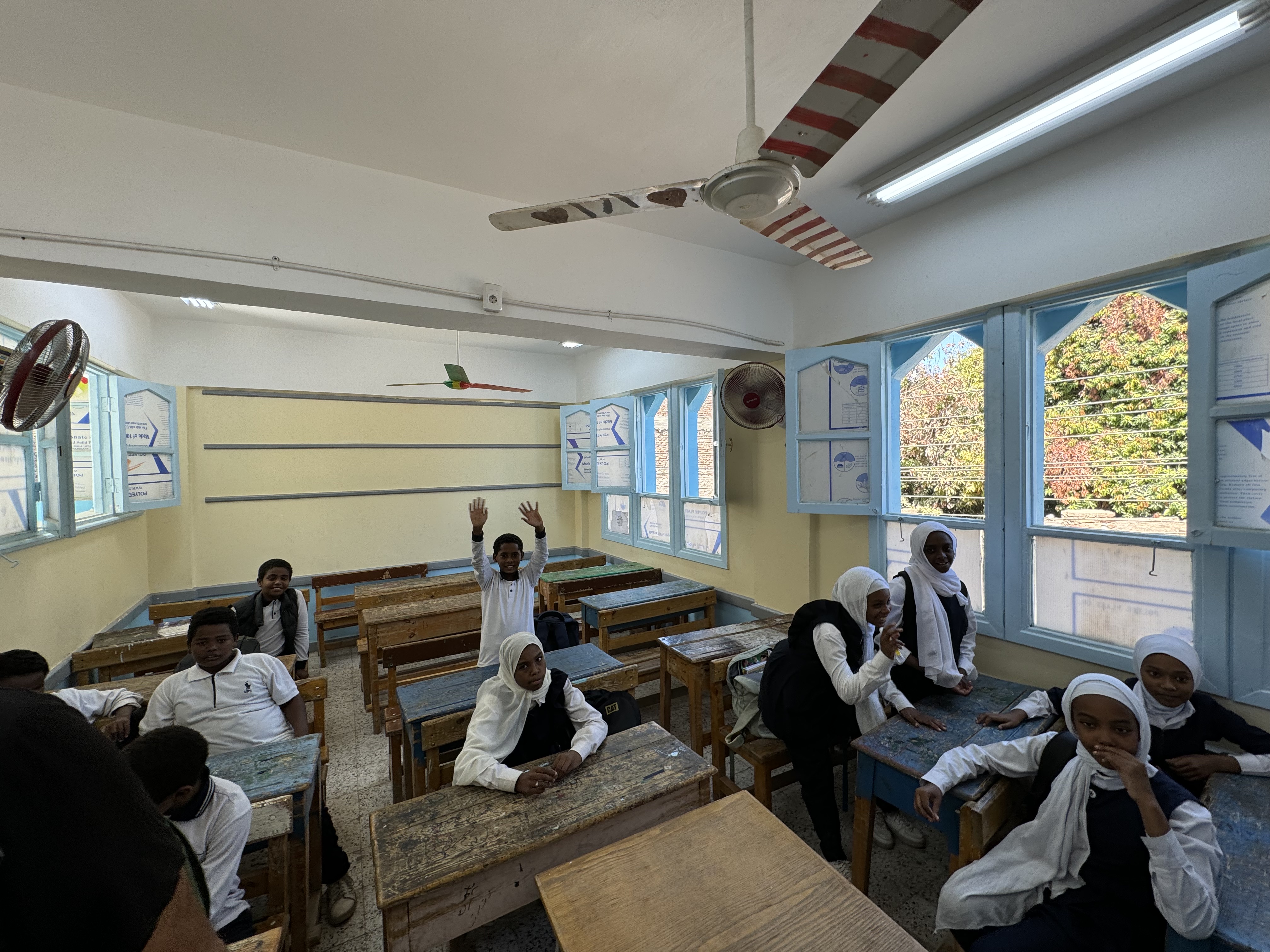
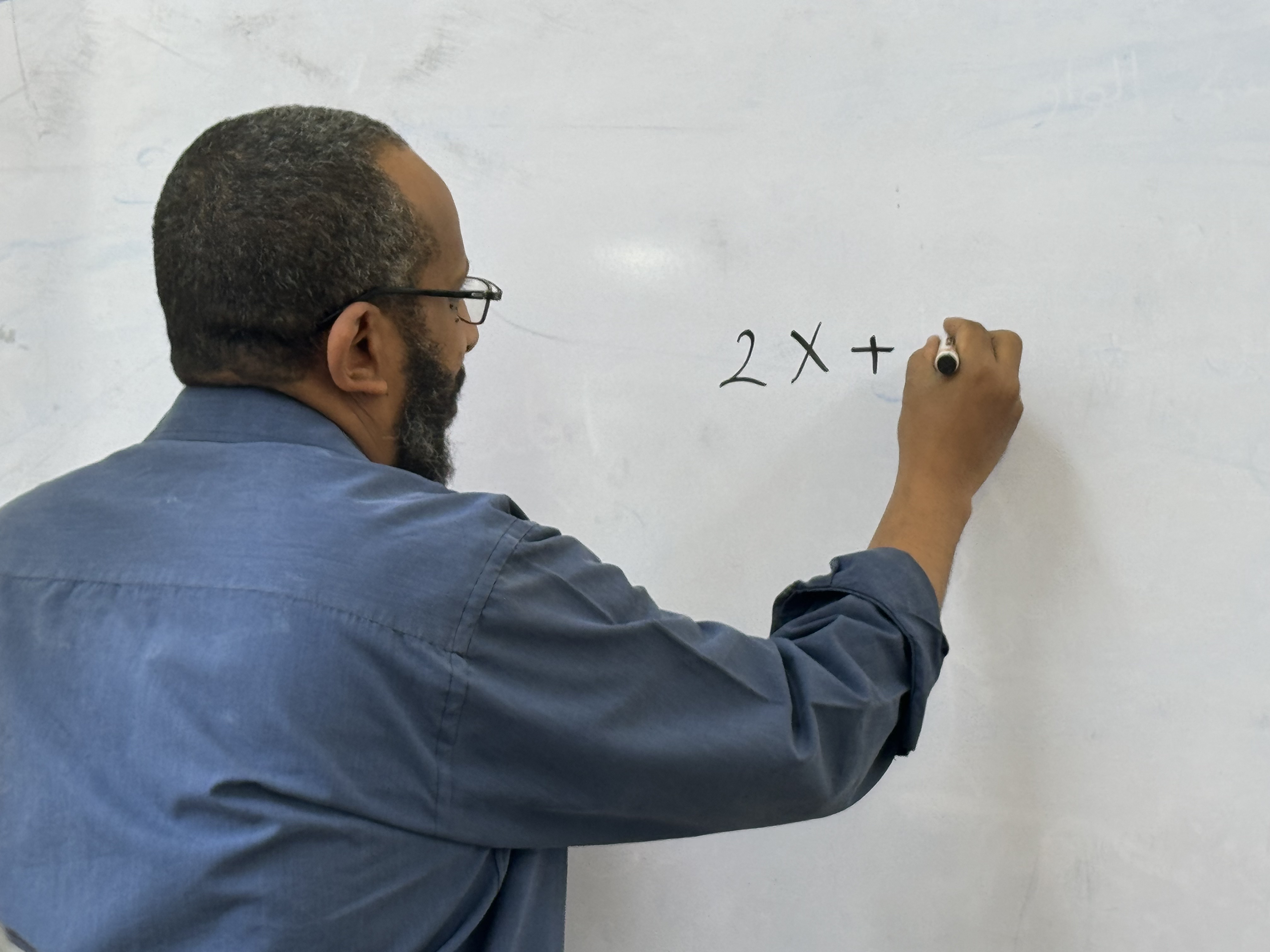
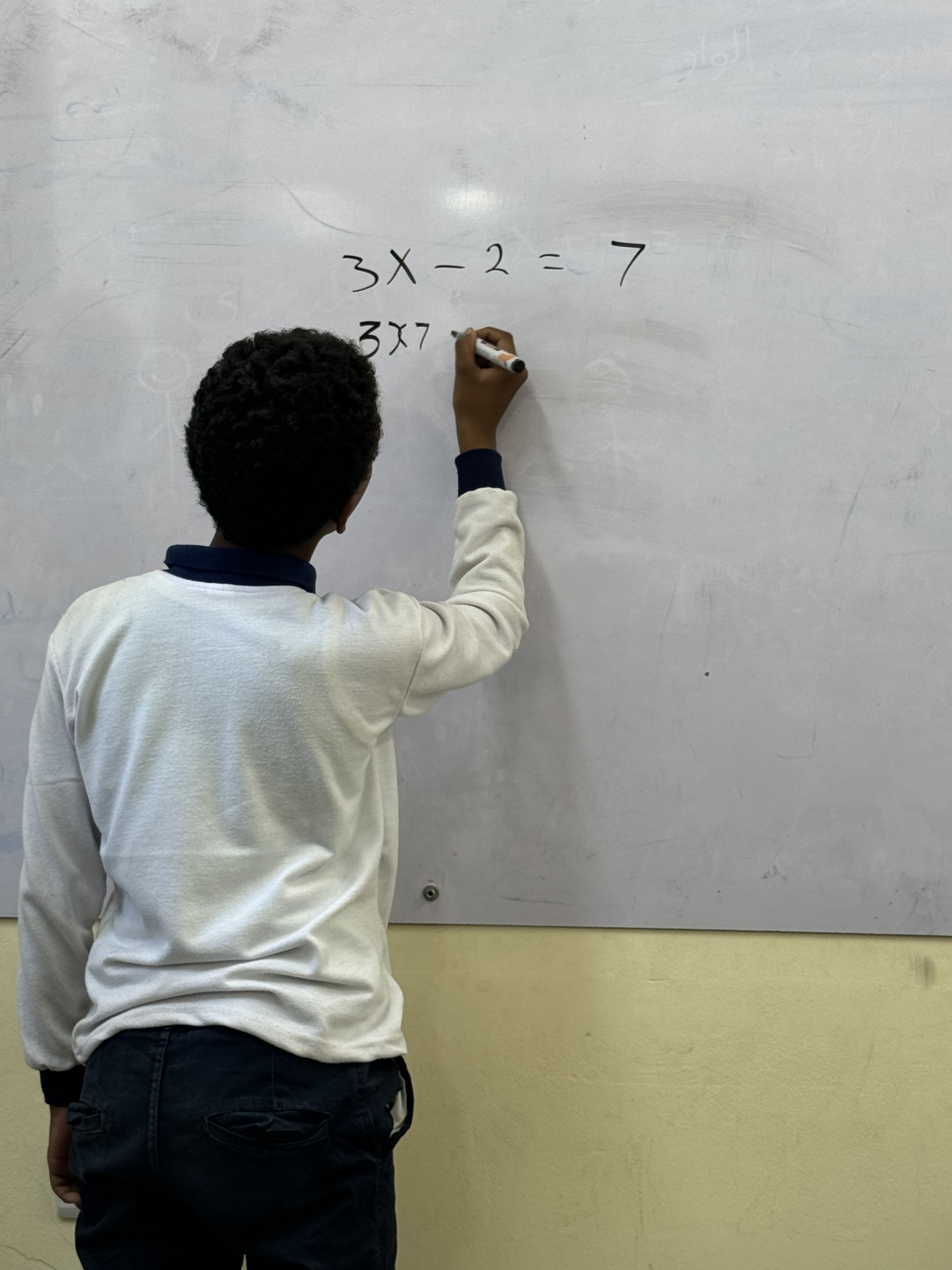
The children showed off their math skills.

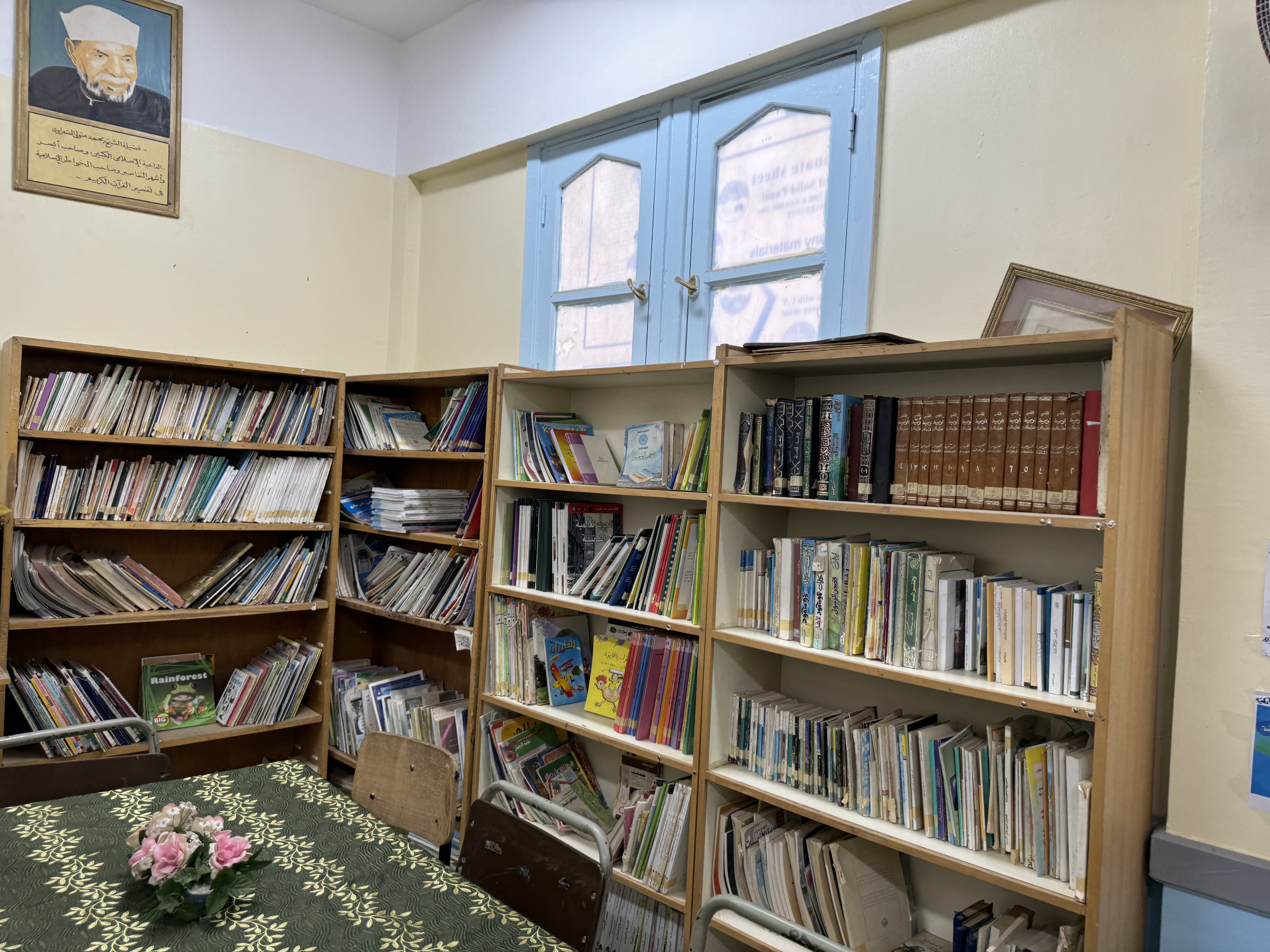
The school had a very good library and computer lab also.

Exploring Abu Simbel: The Temples of Ramses II and Nefertari

Day 8 – November 5, 2024

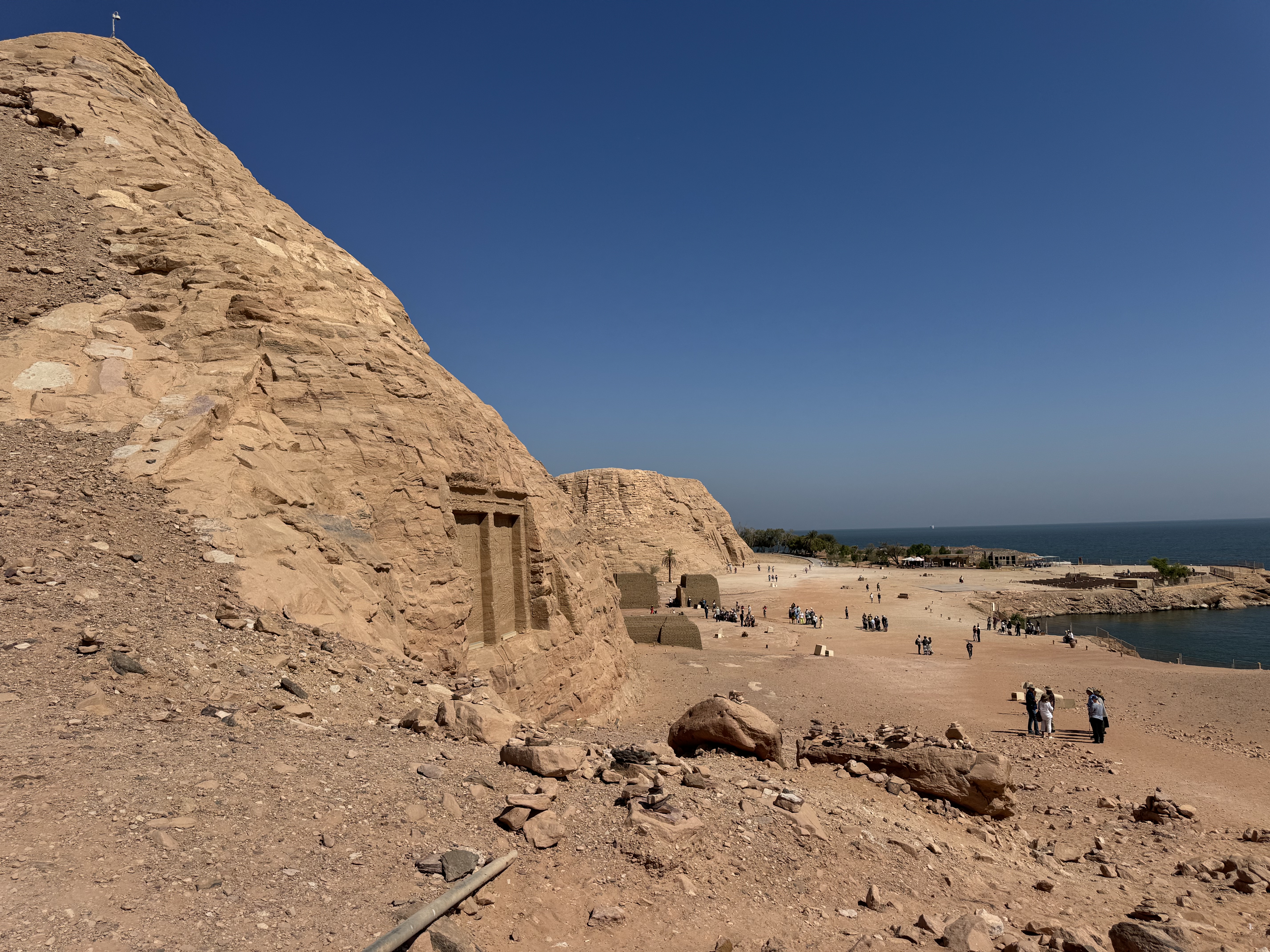
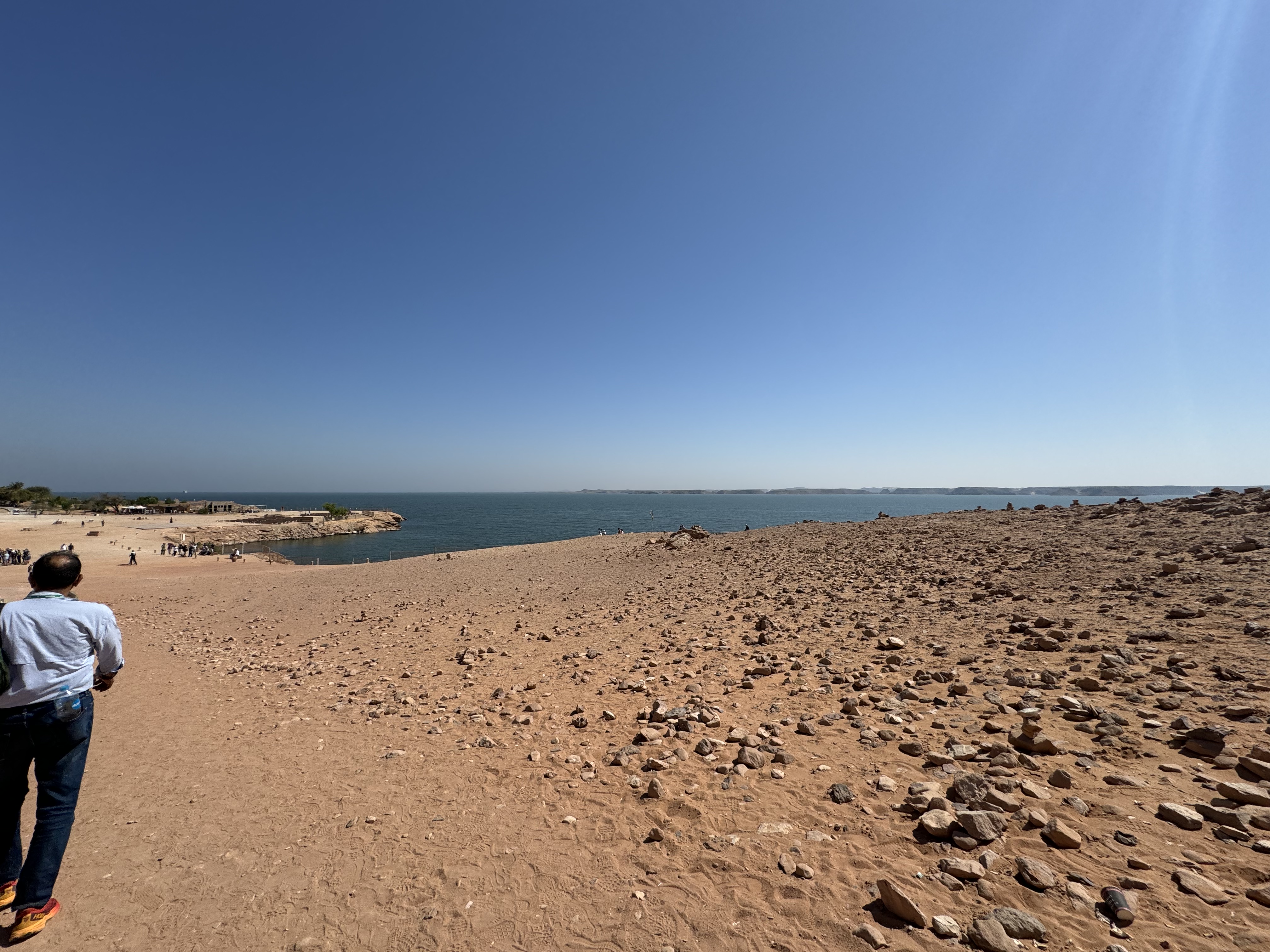
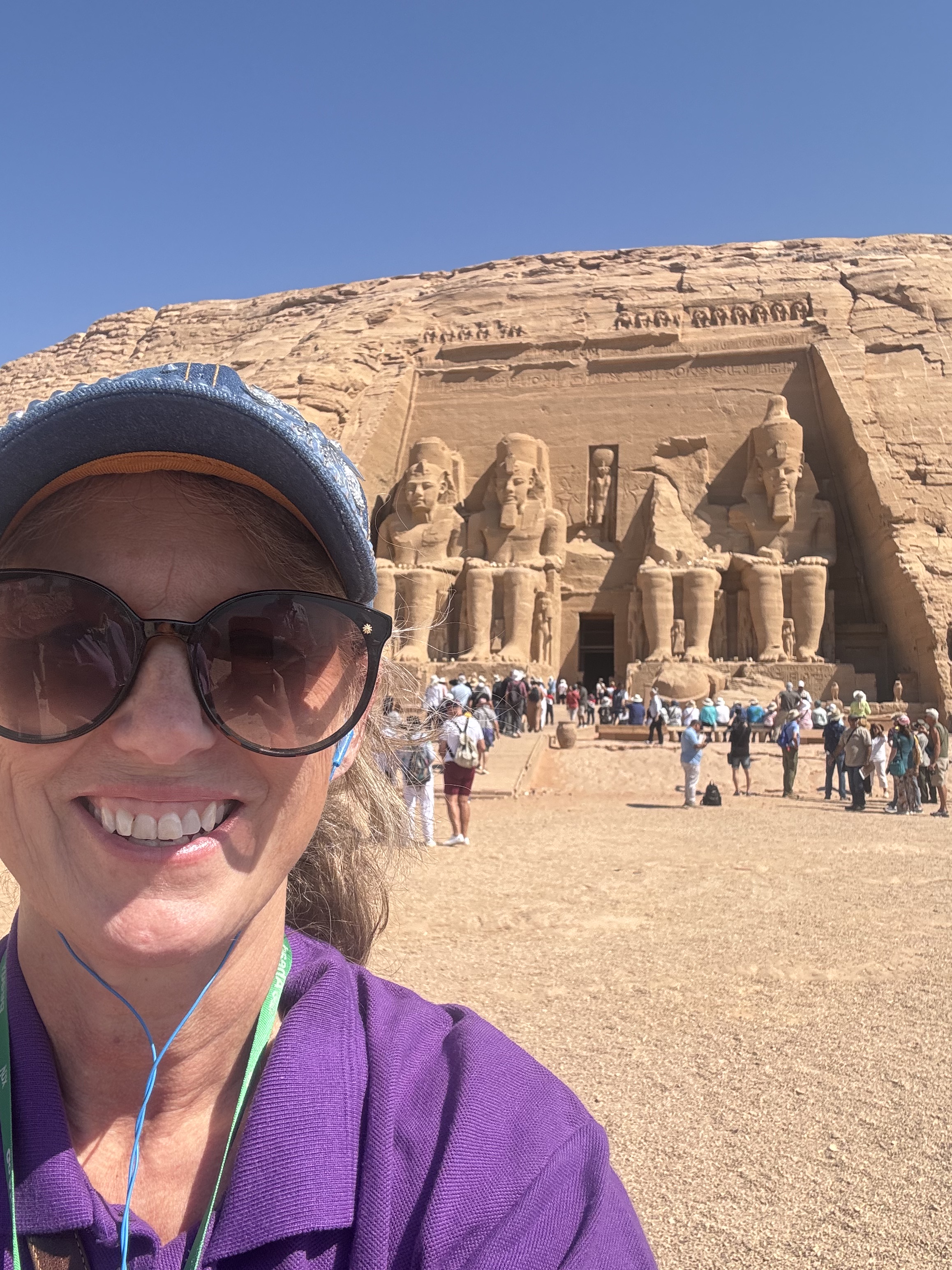
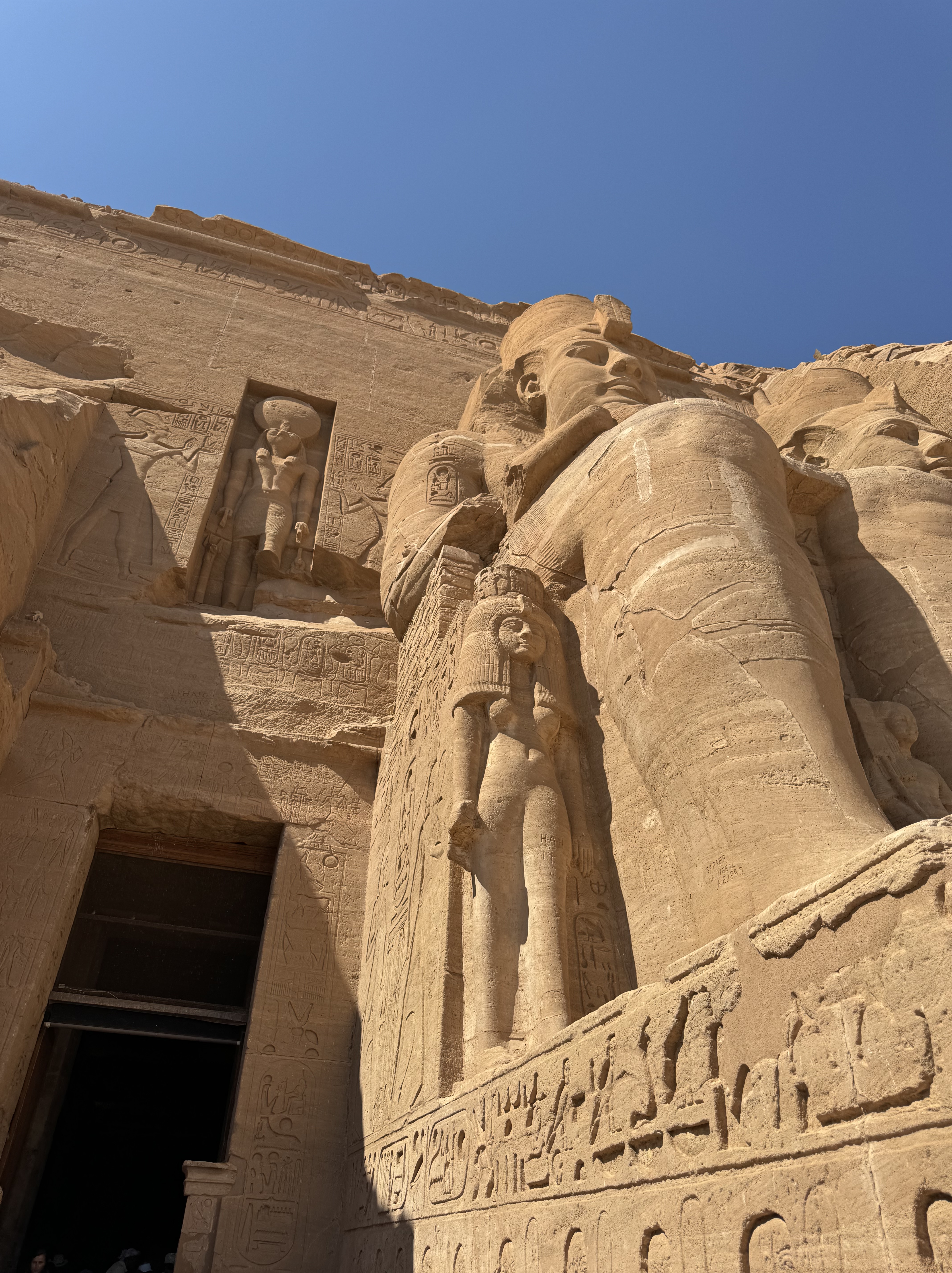
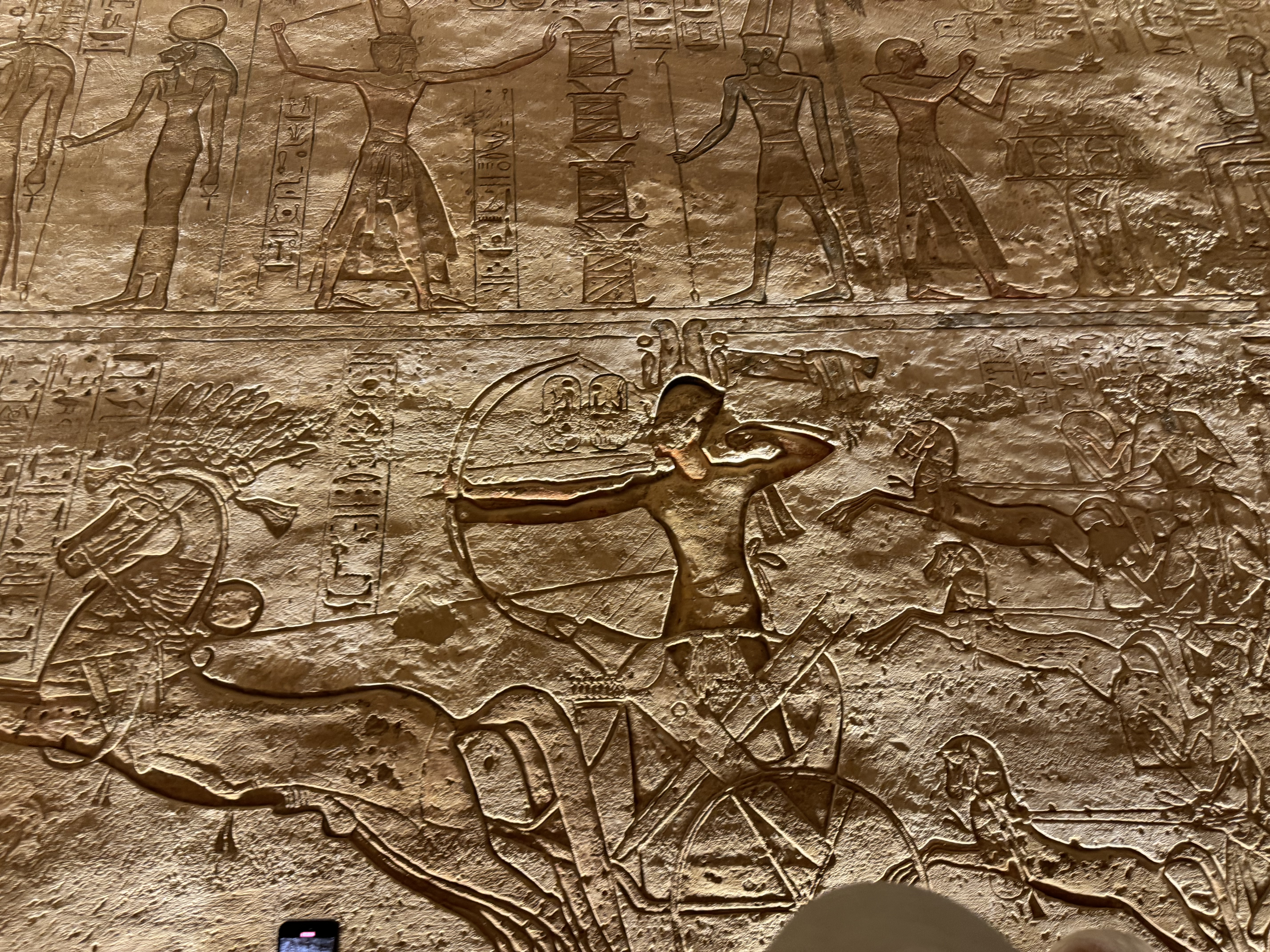
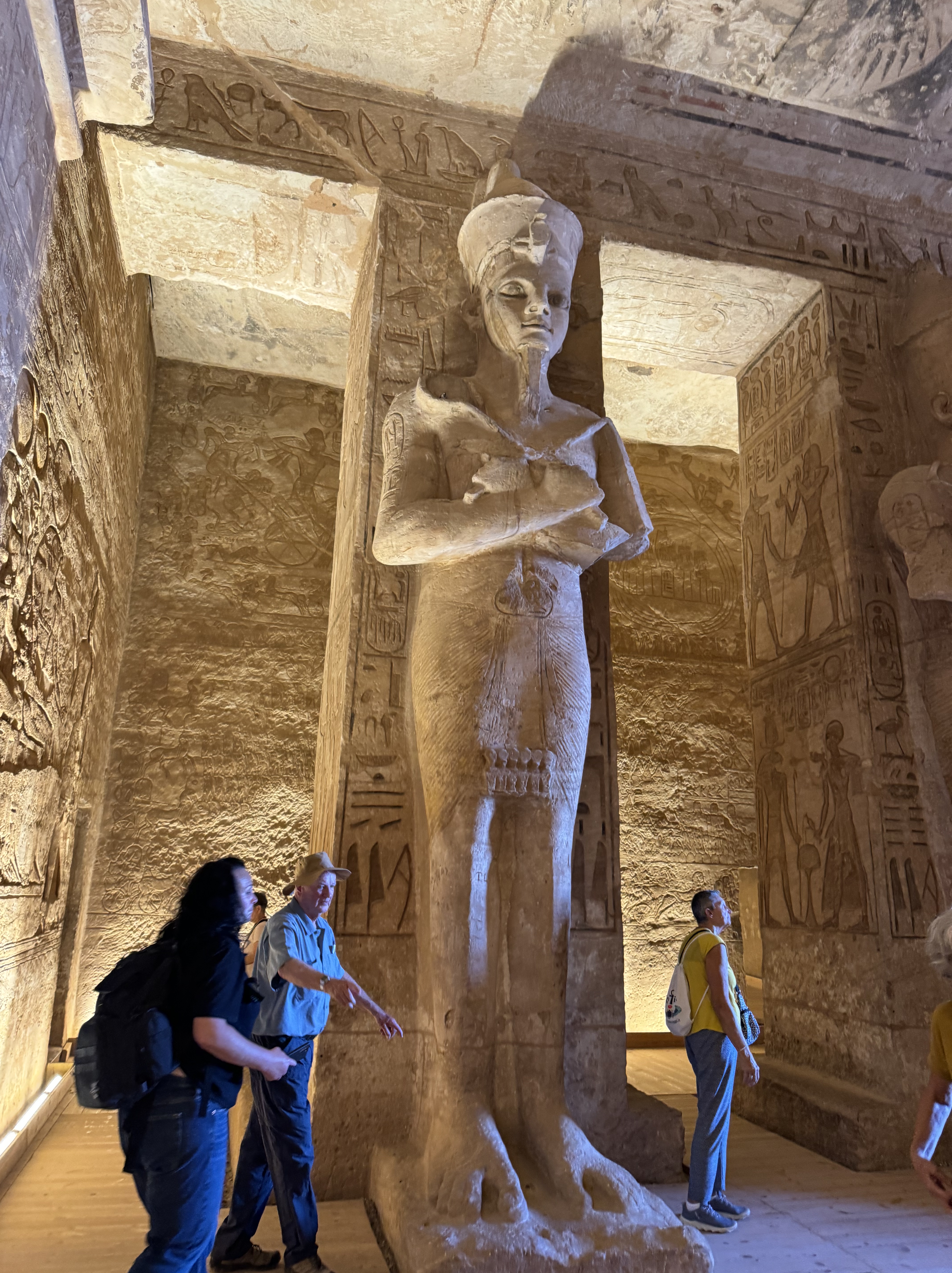
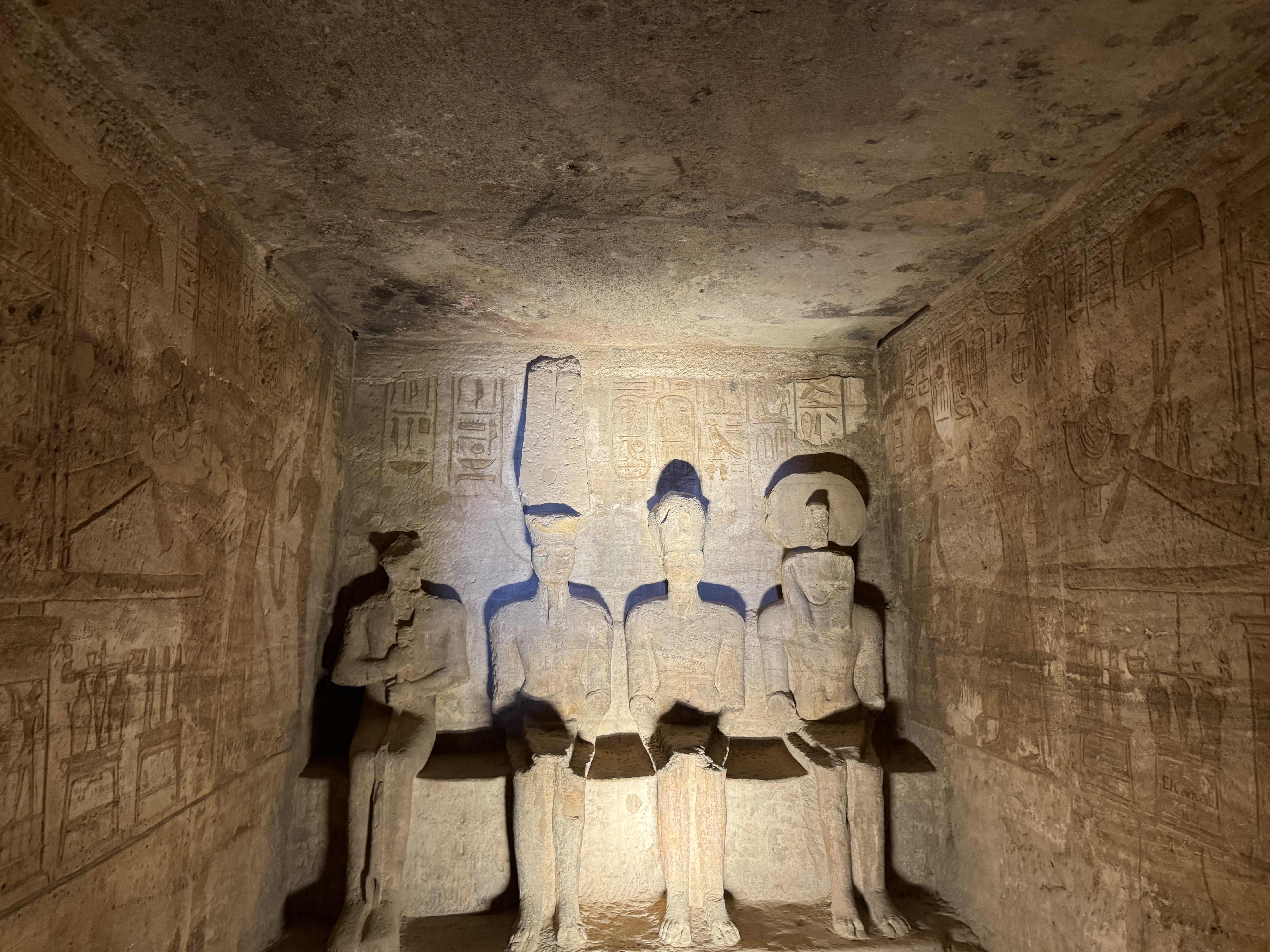
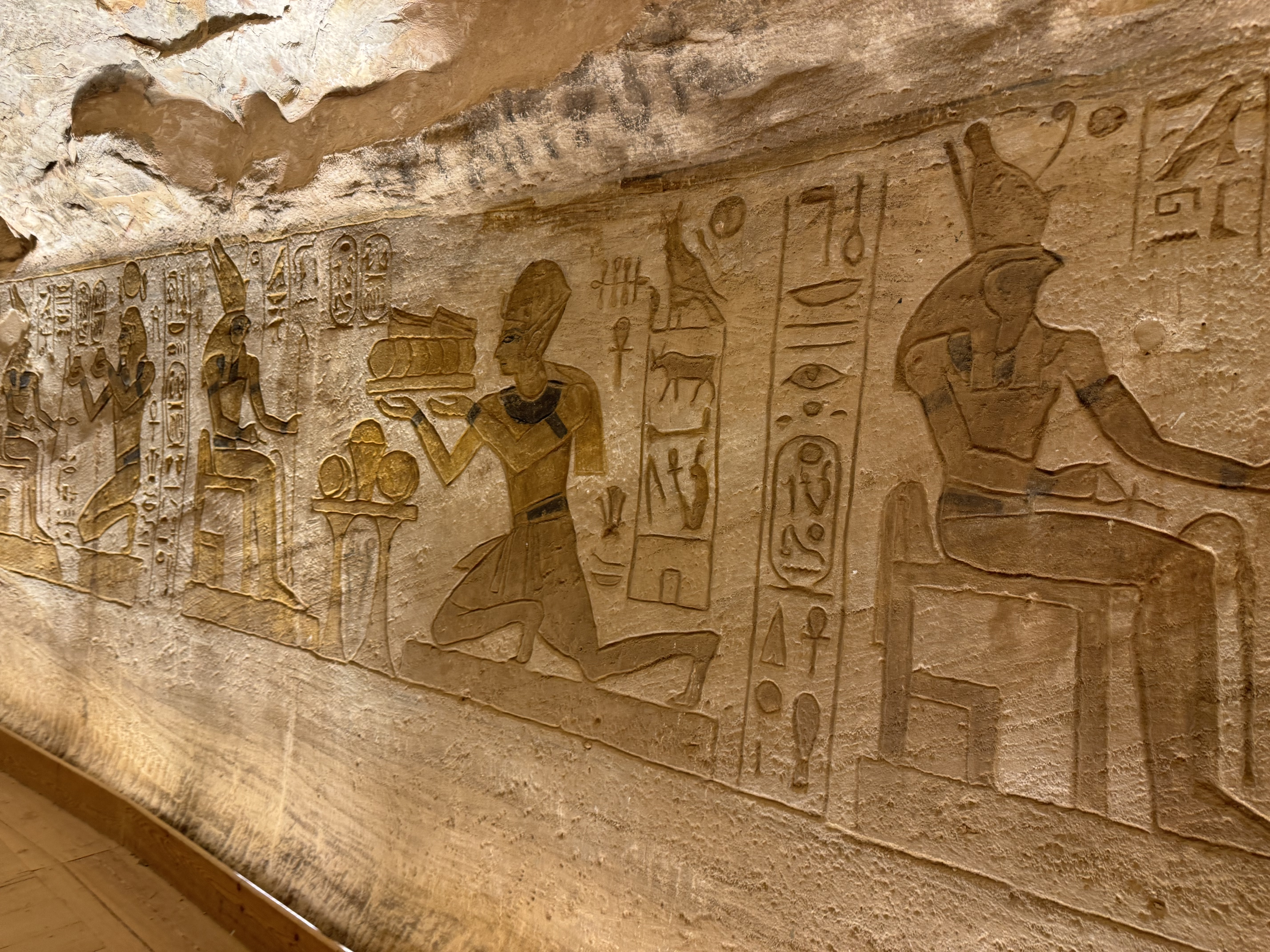
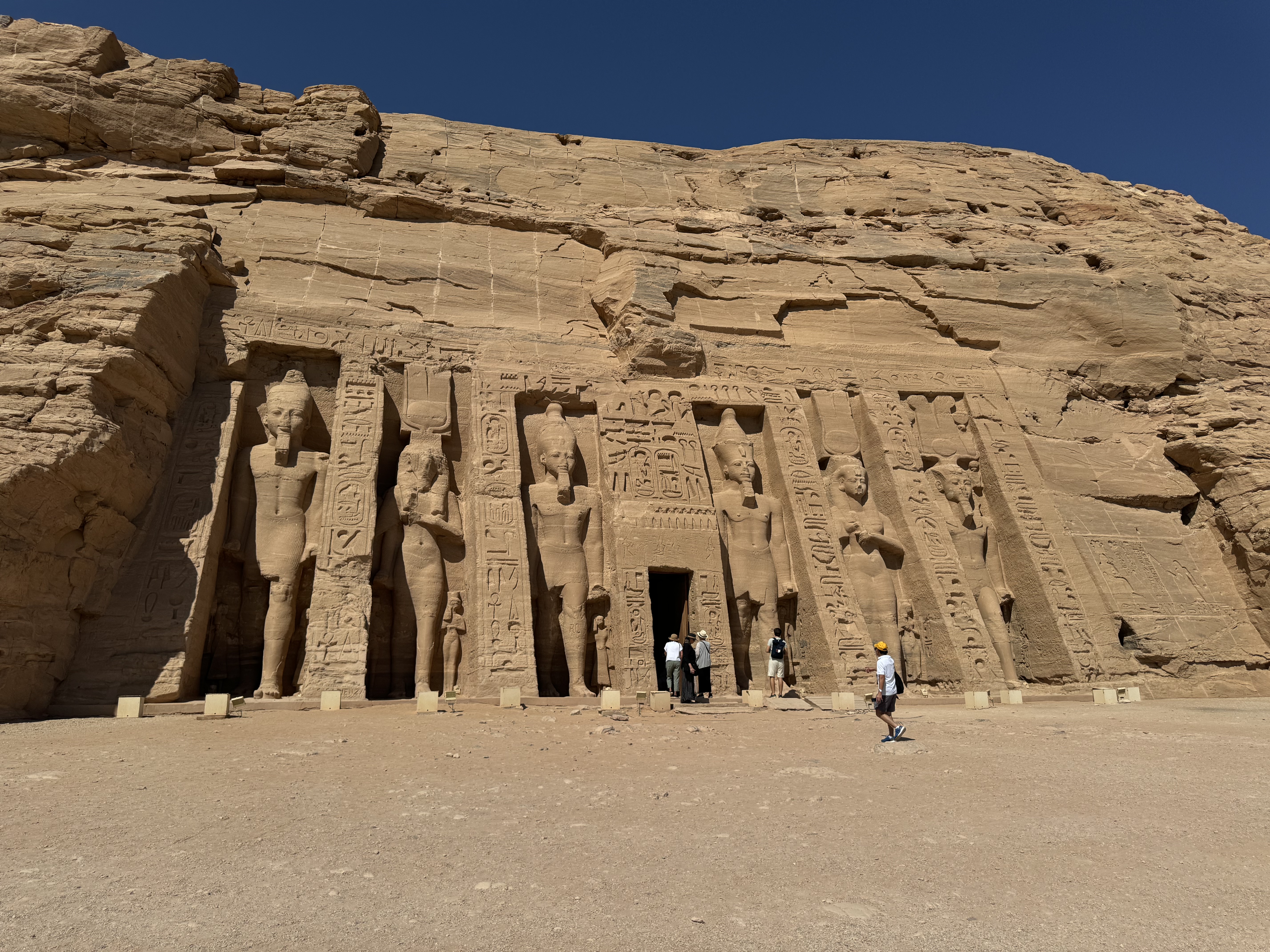
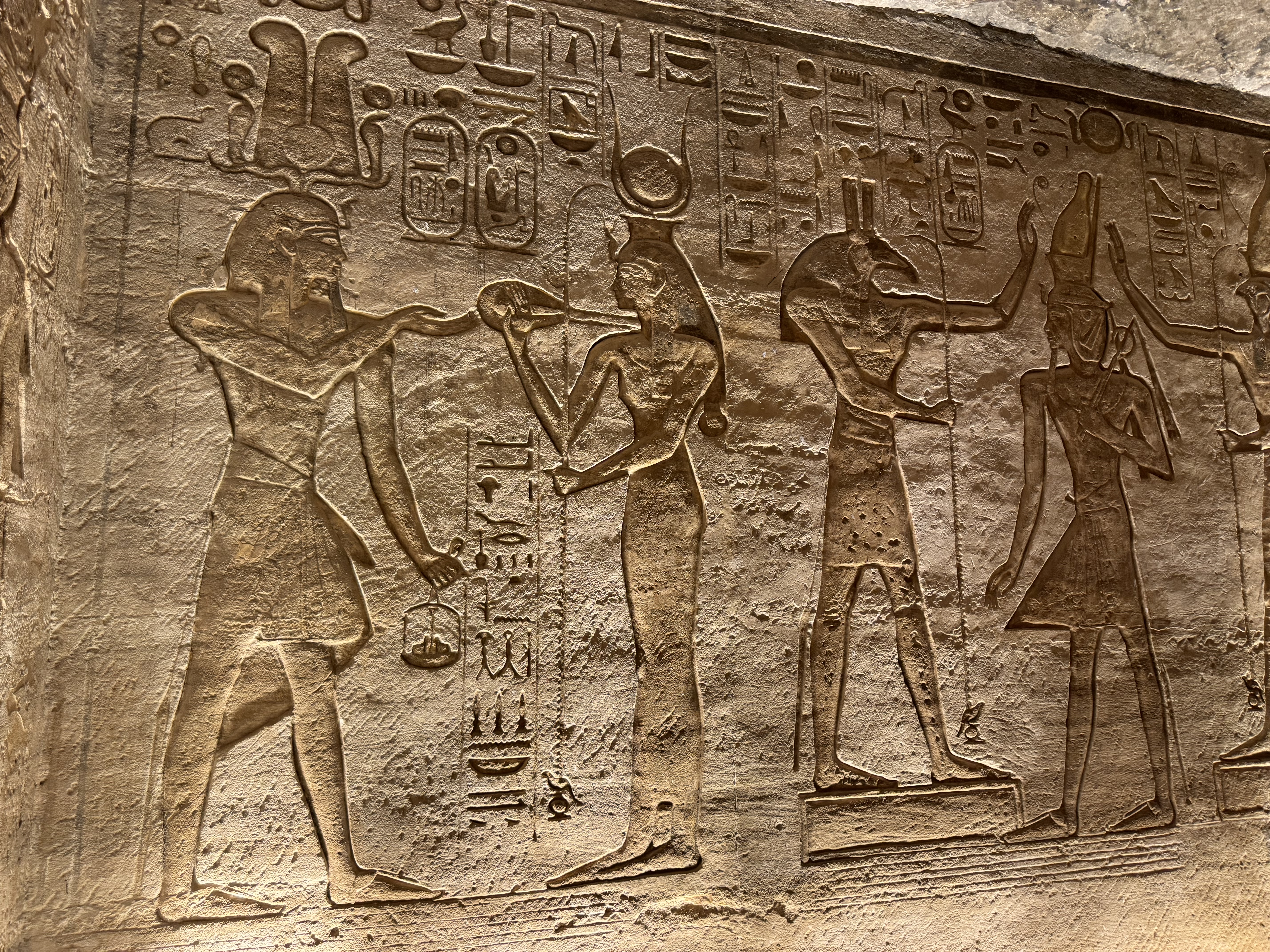
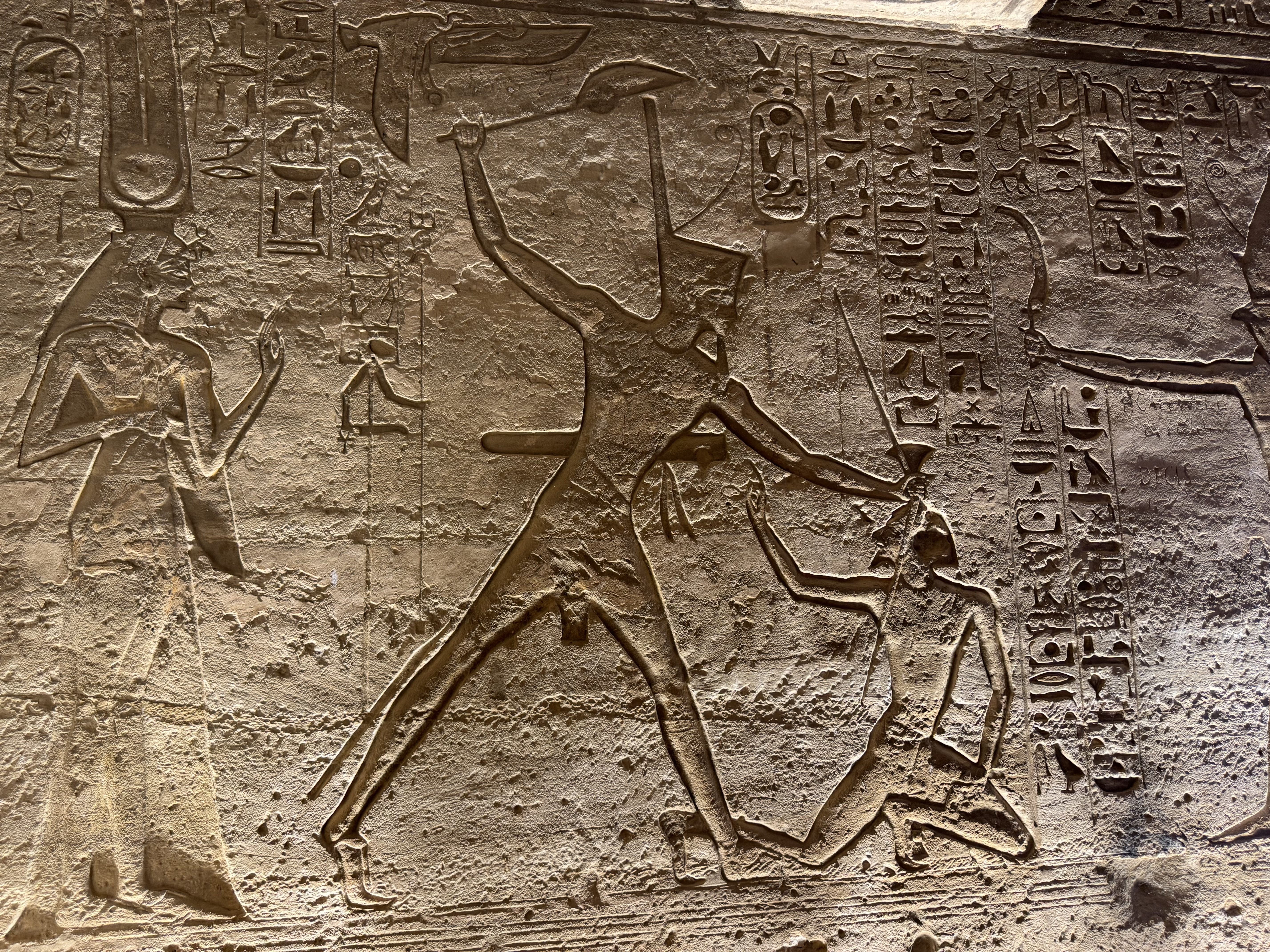
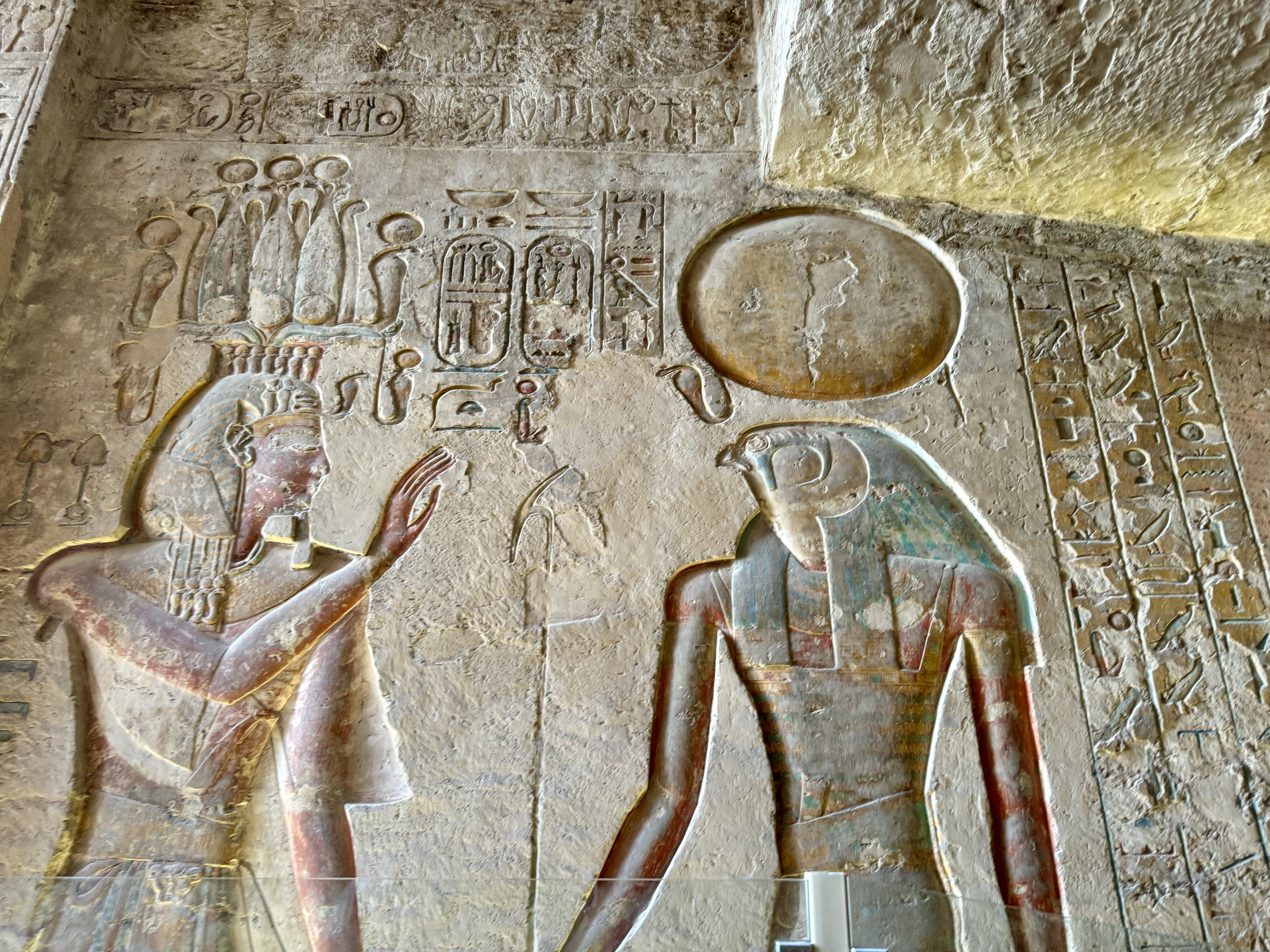
No free time for us as we trek to Abu Simbel, by Egyptair. The temples of Ramses II and his wife Nefertari were originally carved into the mountainside. They were painstakingly relocated to save them from being submerged by the damming of the Nile. These temples stand as monumental testaments to ancient Egyptian artistry and engineering. These remarkable structures boast intricate hieroglyphics and stunning sculptures. They tell stories of power and devotion. These stories reflect the grandeur of a civilization that flourished millennia ago. As we approach, the sheer scale and beauty of the temples captivate our senses. They invite us to imagine the vibrant ceremonies and daily life. These events once echoed within these hallowed walls.

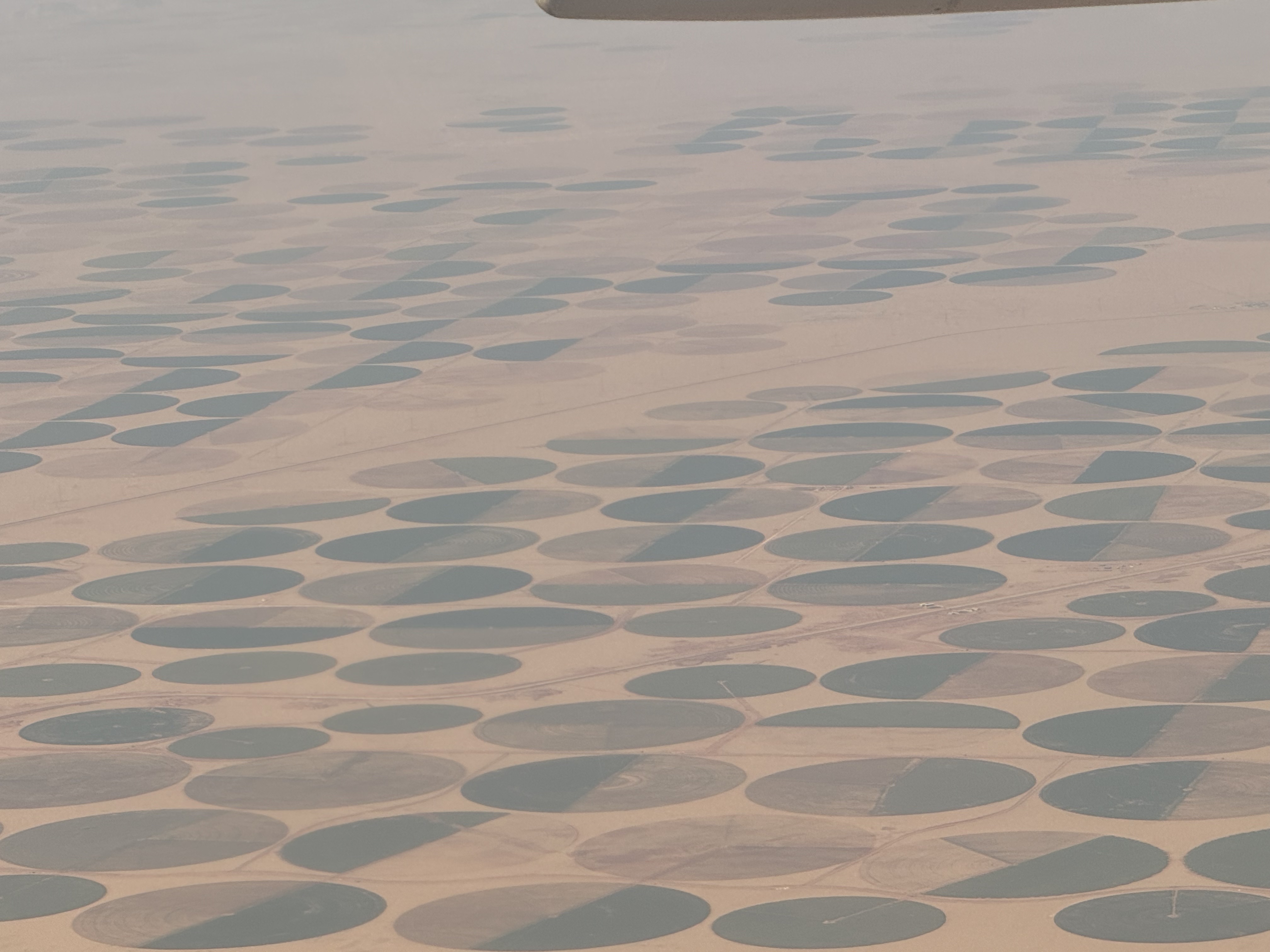
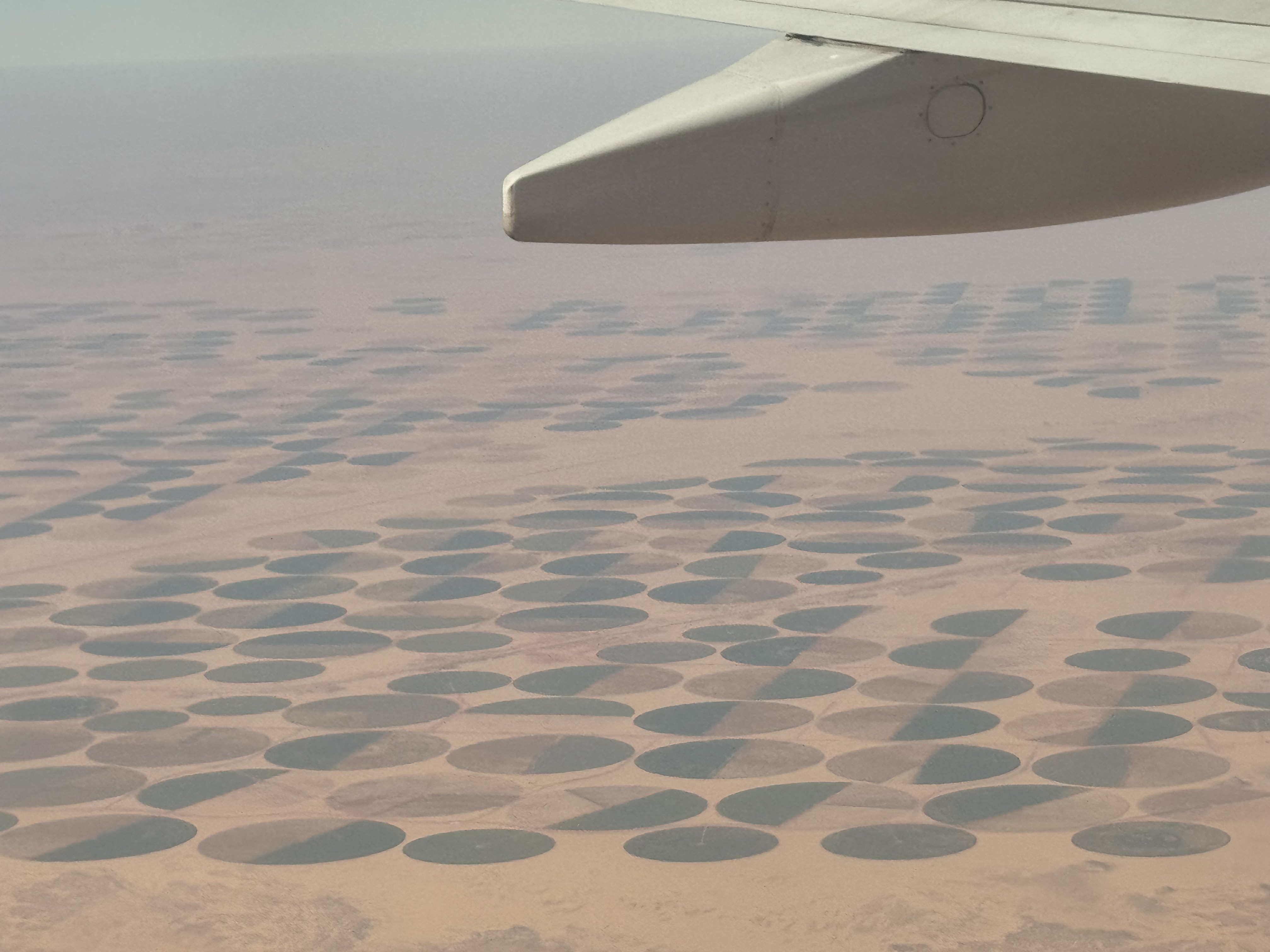
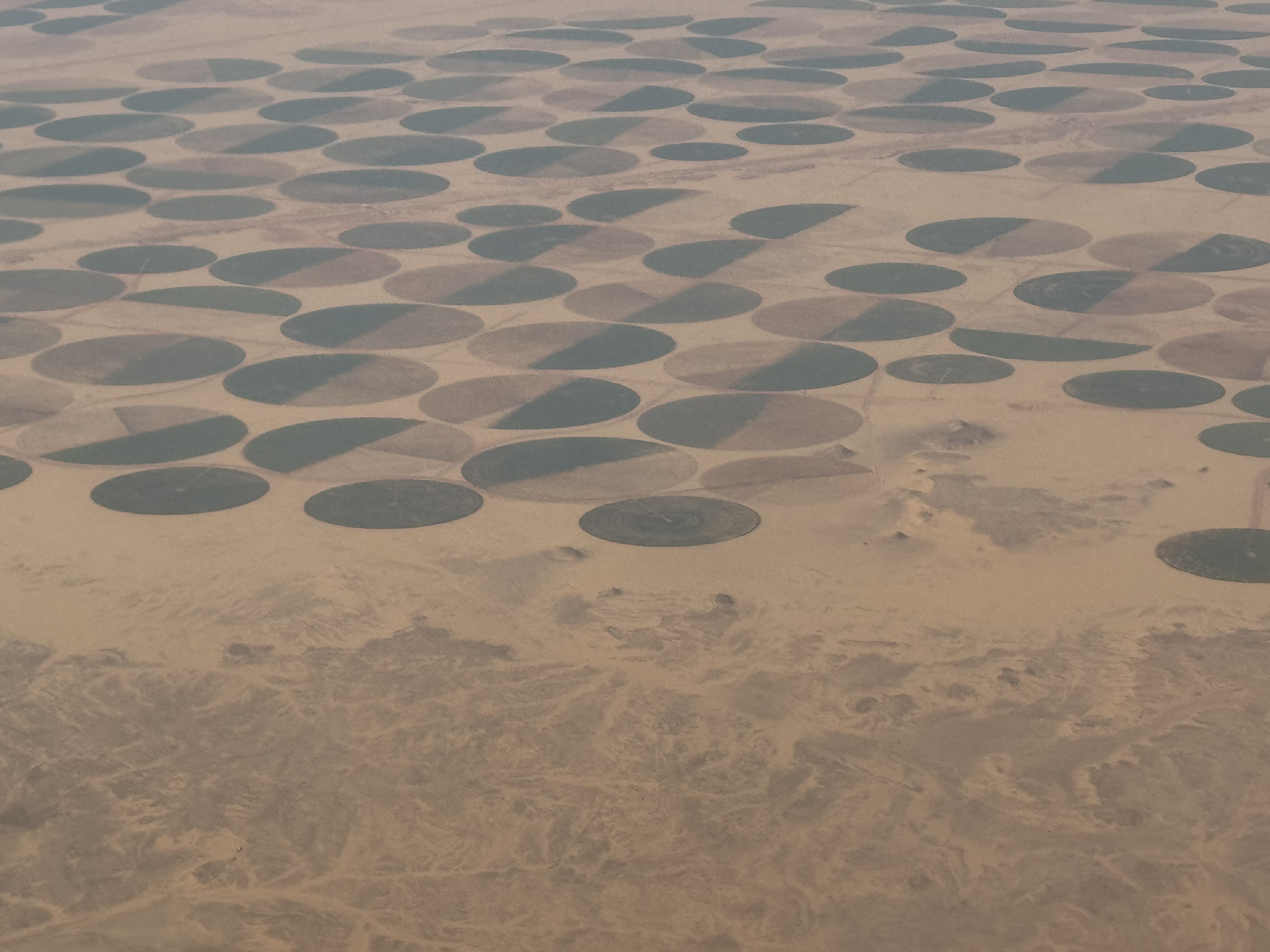
Egyptian Crop Circles? No they are aqueducts to supply water to a very arid desert area.

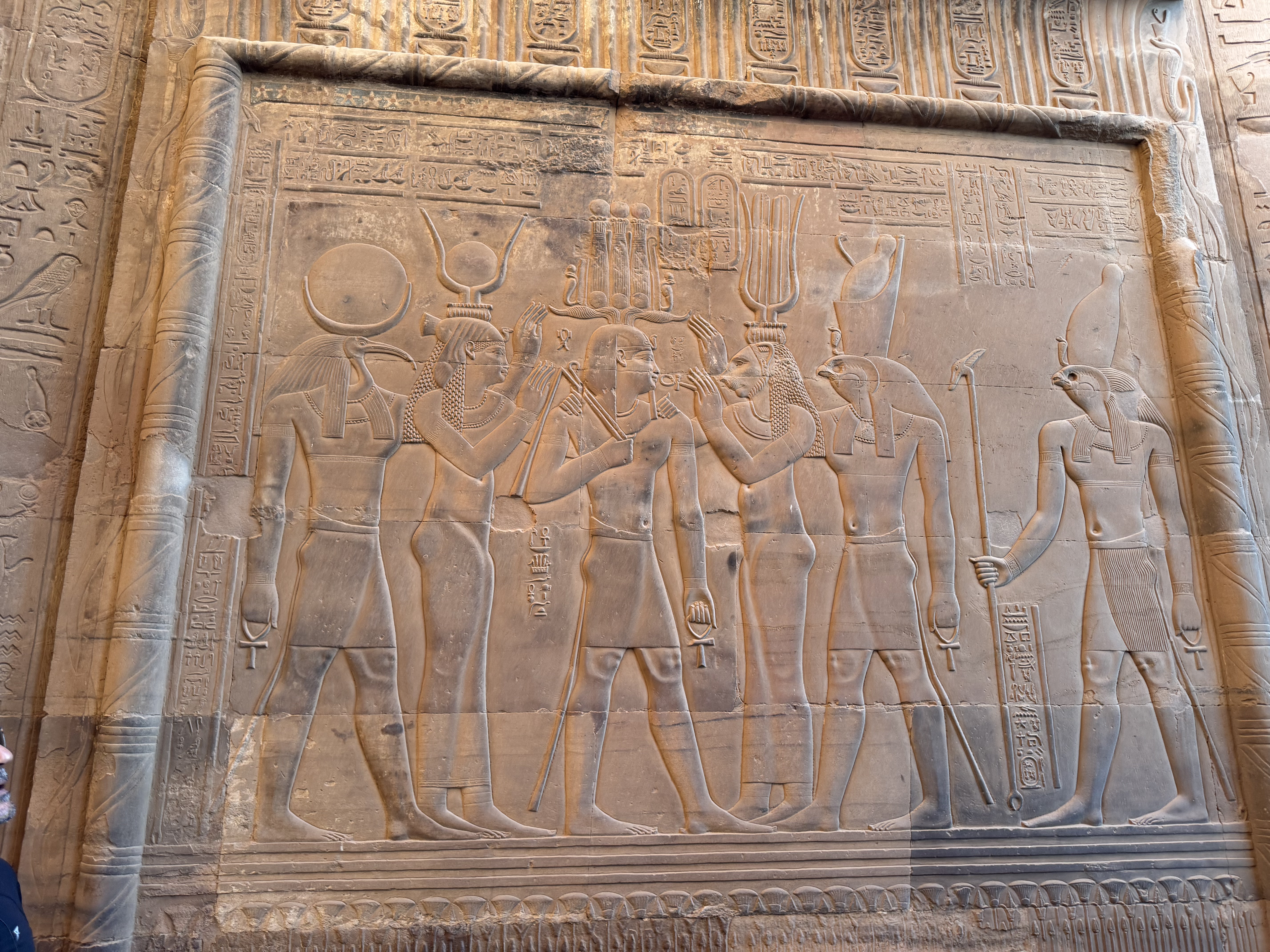
Exploring the Temple of Kom Ombo: A Historical Gem

Day 7 – November 4, 2024

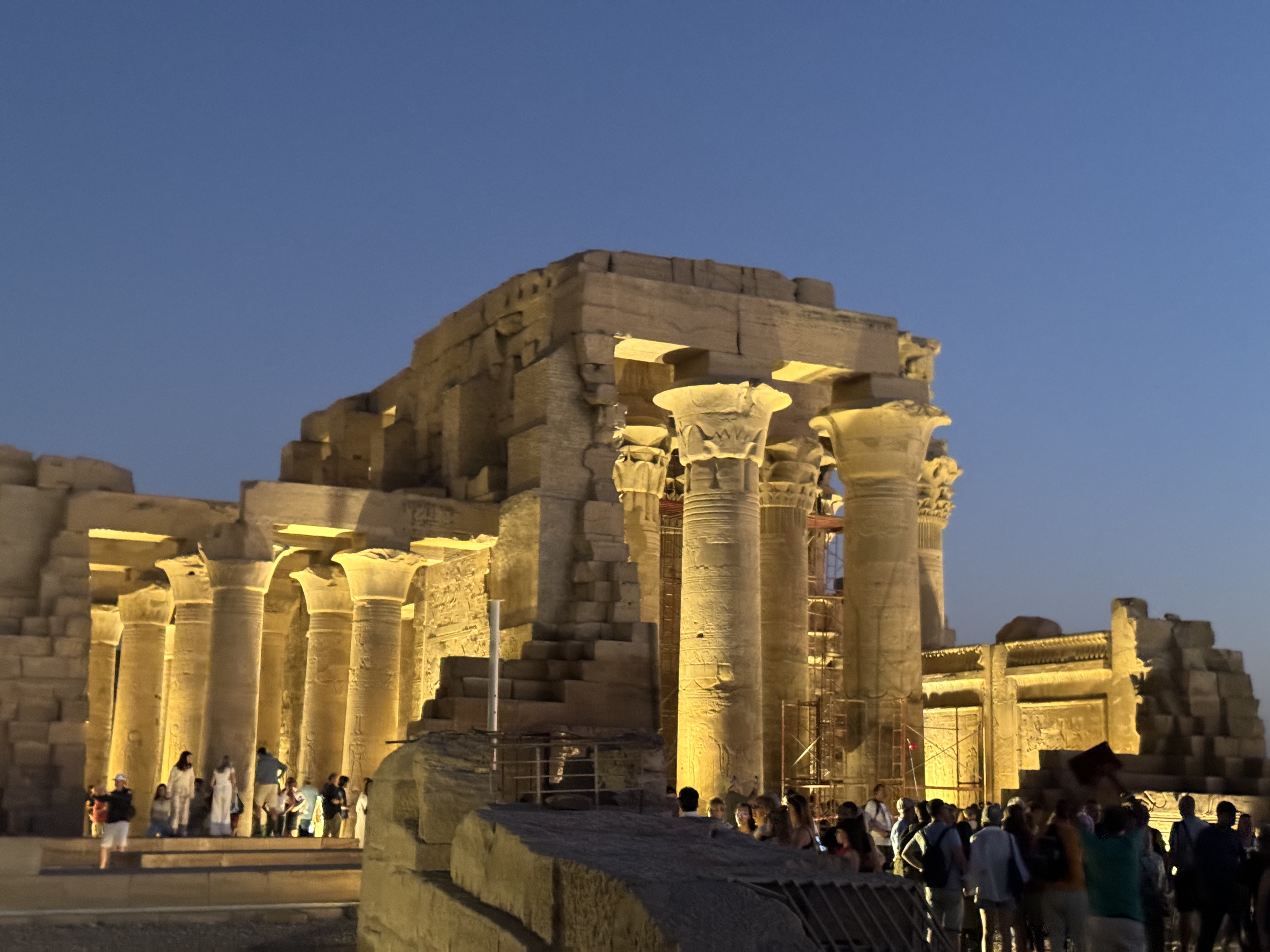
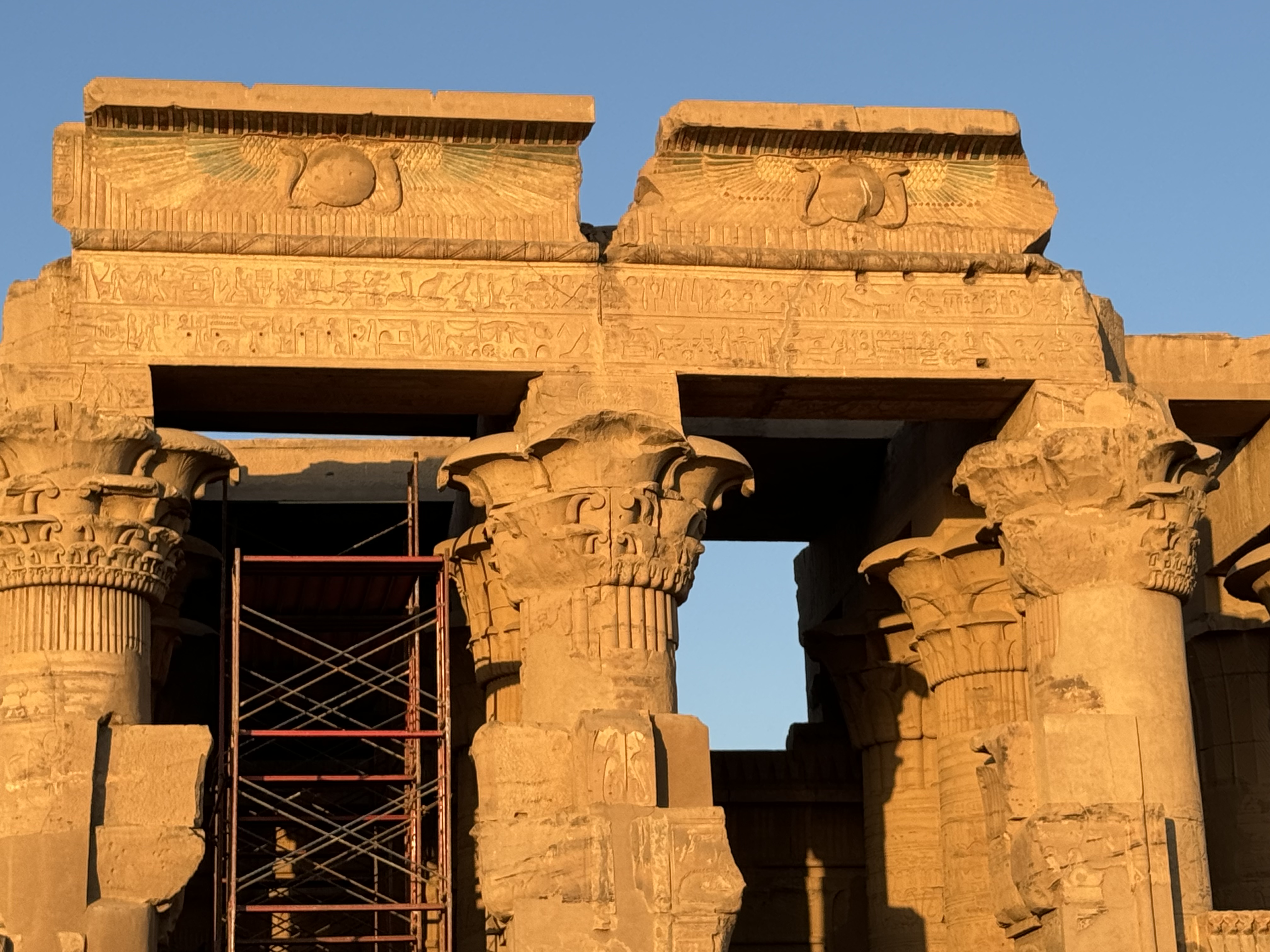
Uncovering the wonders of the Temple of Kom Ombo. Dedicated to the deities Sobek and Horus, it was constructed as two symmetrical temples aligned in parallel. They were initially built during the Ptolemaic period. The Romans expanded them after conquering Egypt. This resulted in a blend of both local and Greco-Roman architectural styles.
It was originally an Egyptian city called Nubt. This means City of Gold. (It is not to be confused with the city north of Naqada that was also called Nubt/Ombos). Nubt is also known as Nubet or Nubyt (Nbyt). It became a Greek settlement during the Greco-Roman Period. The town’s location on the Nile was 50 kilometres (31 mi) north of Aswan (Syene). This gave it some control over trade routes from Nubia to the Nile Valley. Its main rise to prominence came with the erection of the Temple of Kom Ombo in the 2nd century BC.

The beautiful sunset and the rising moon, created an peaceful atmosphere.

Exploring the Temple of Horus: A Ptolemaic Architectural Marvel

Day 7 – November 4, 2024

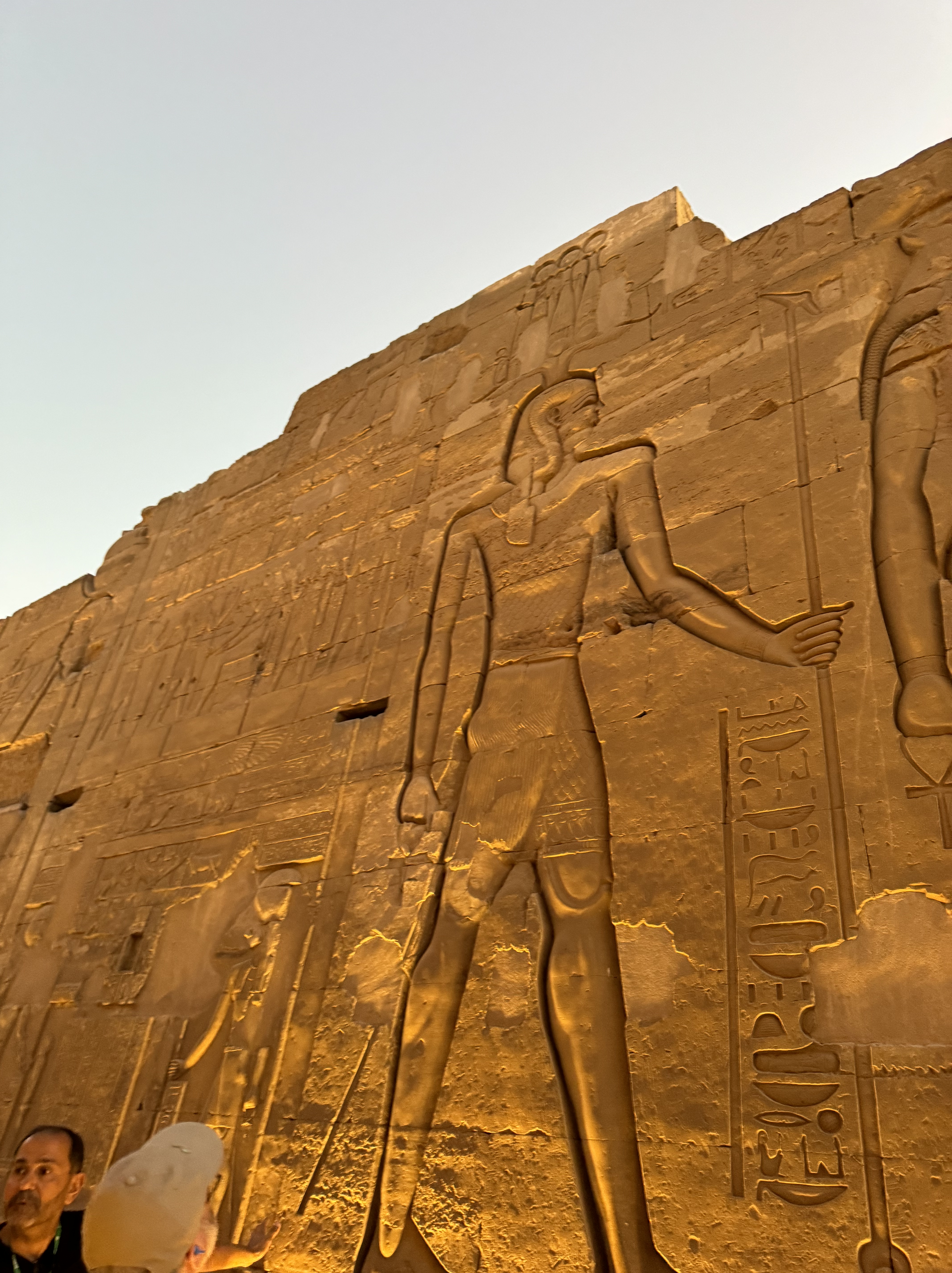
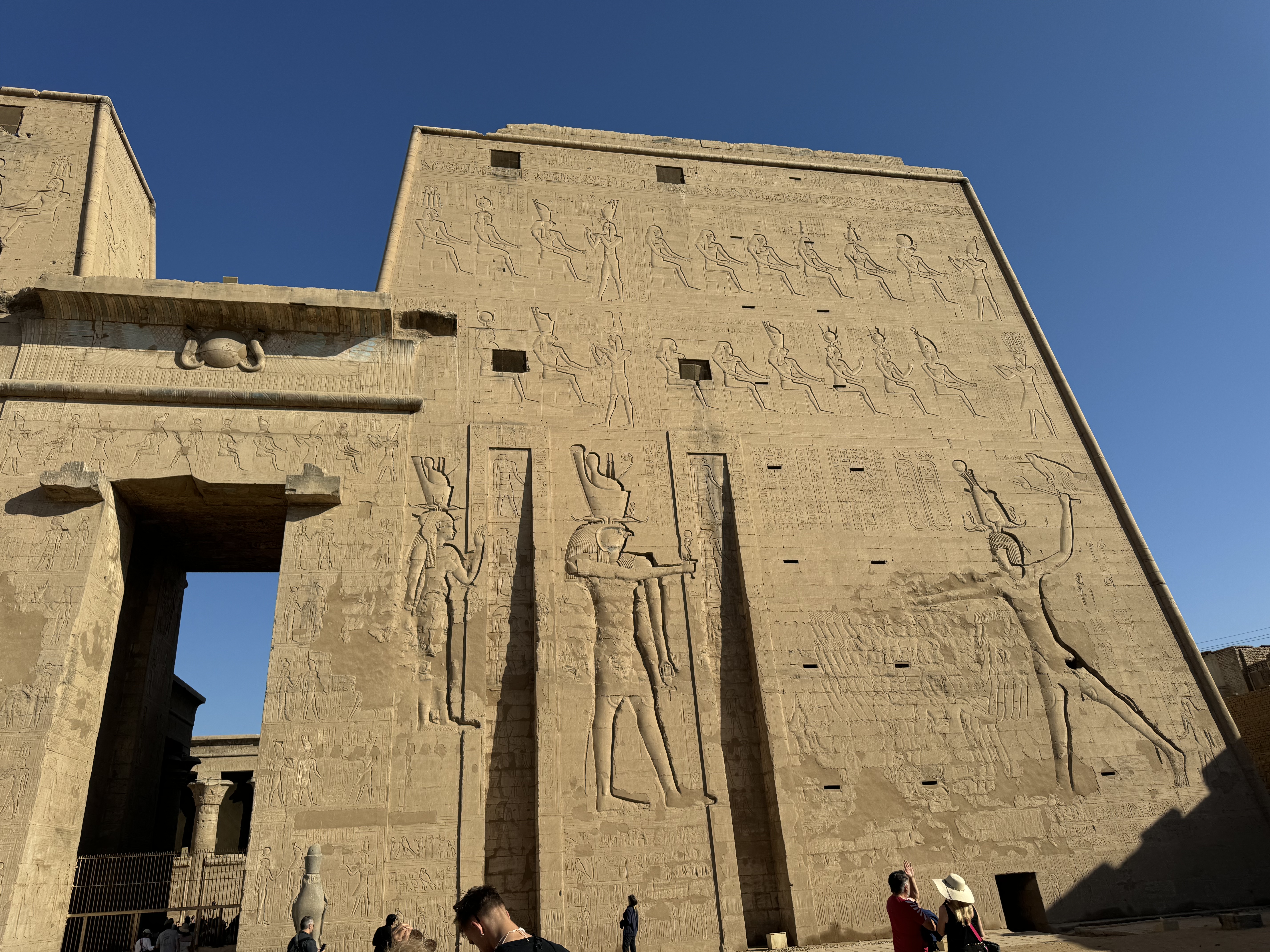
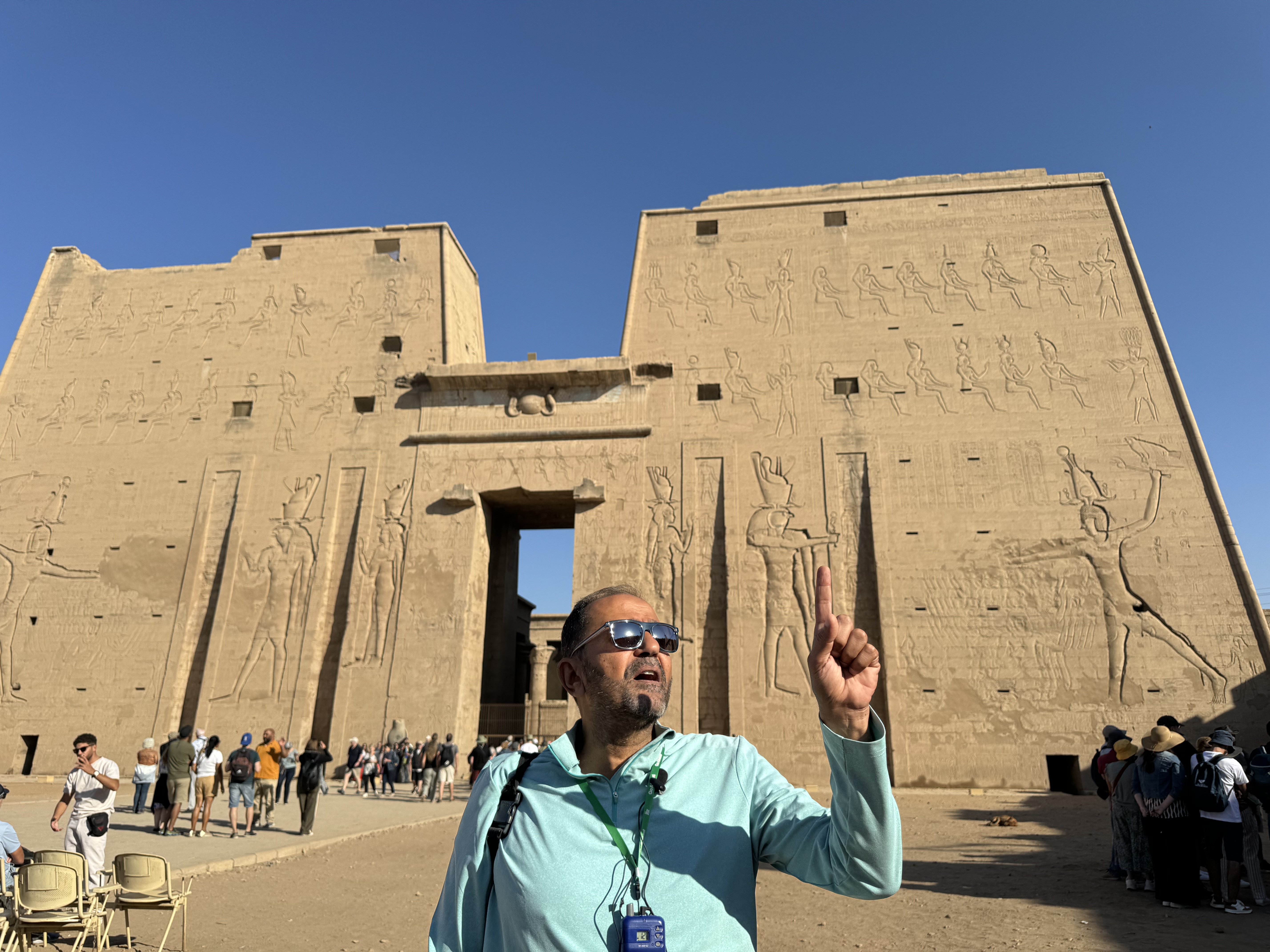
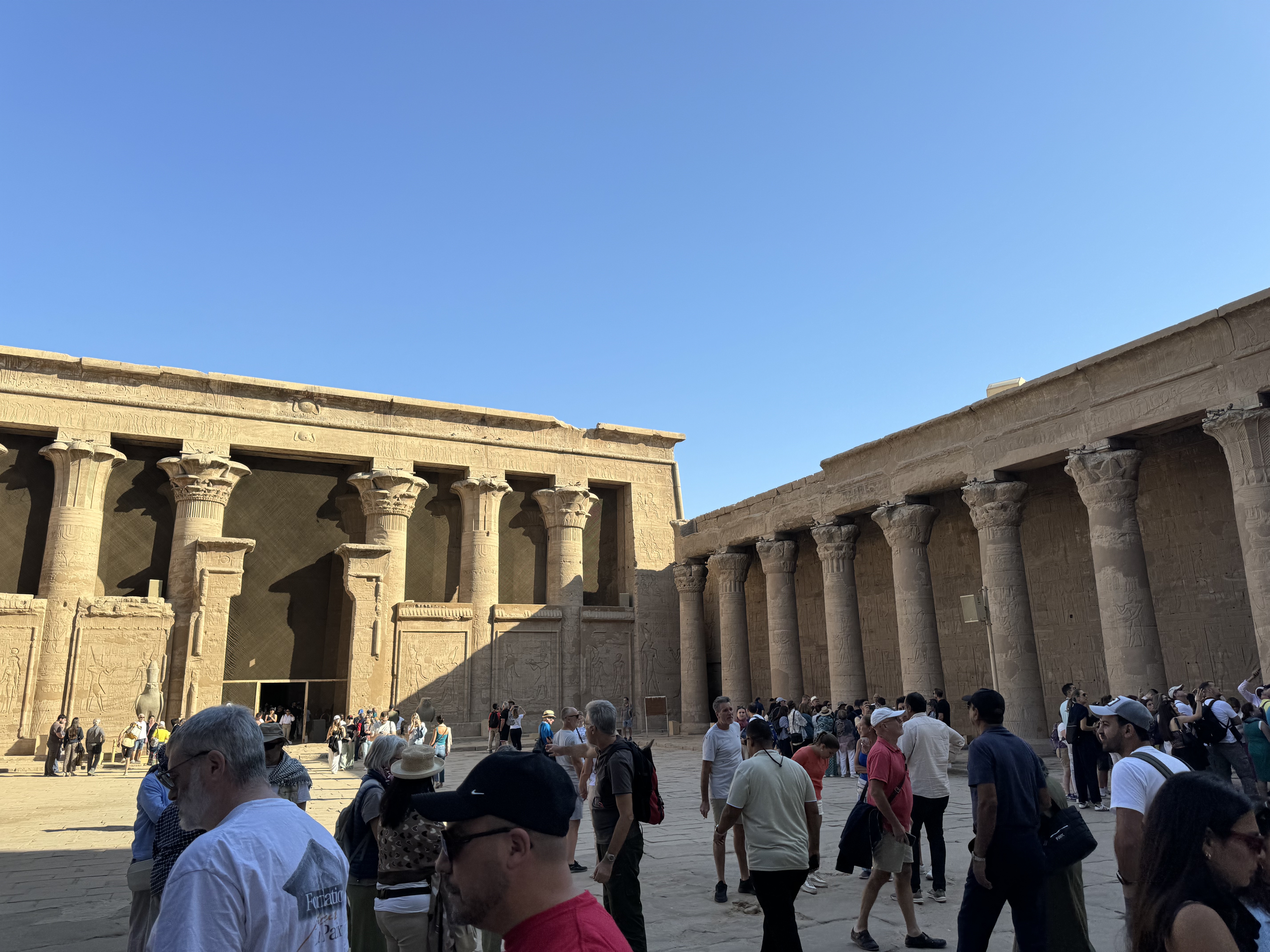
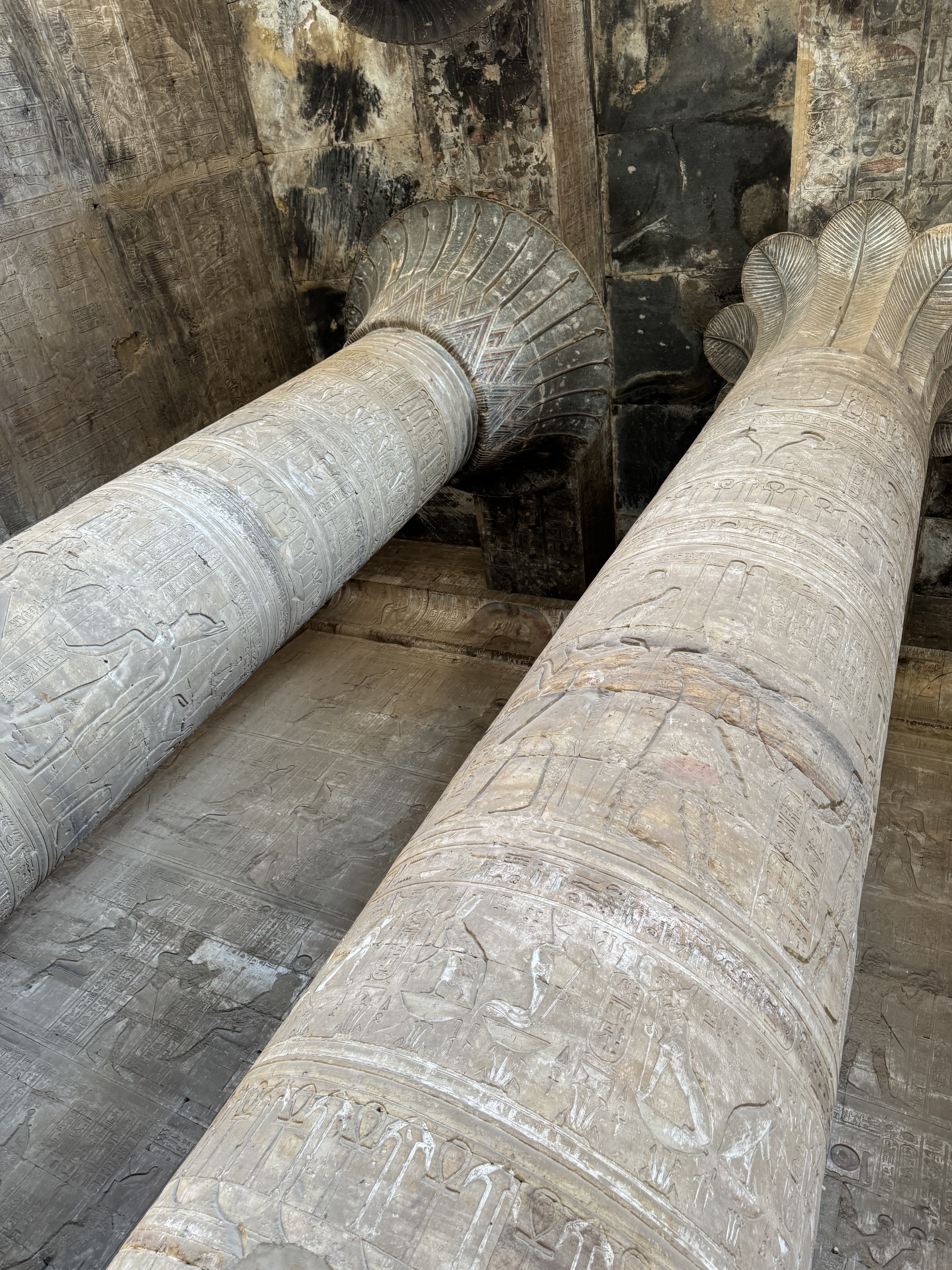
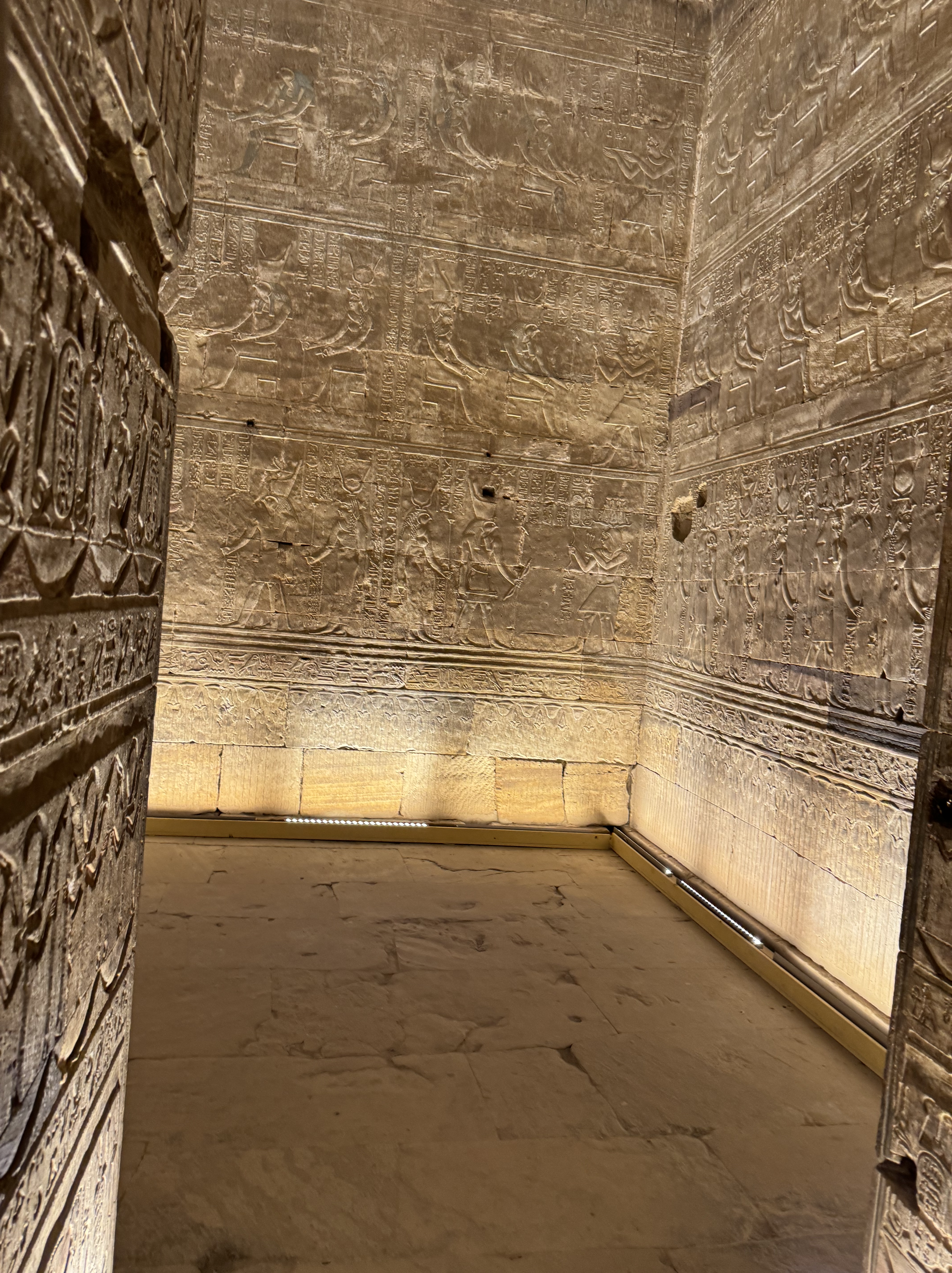
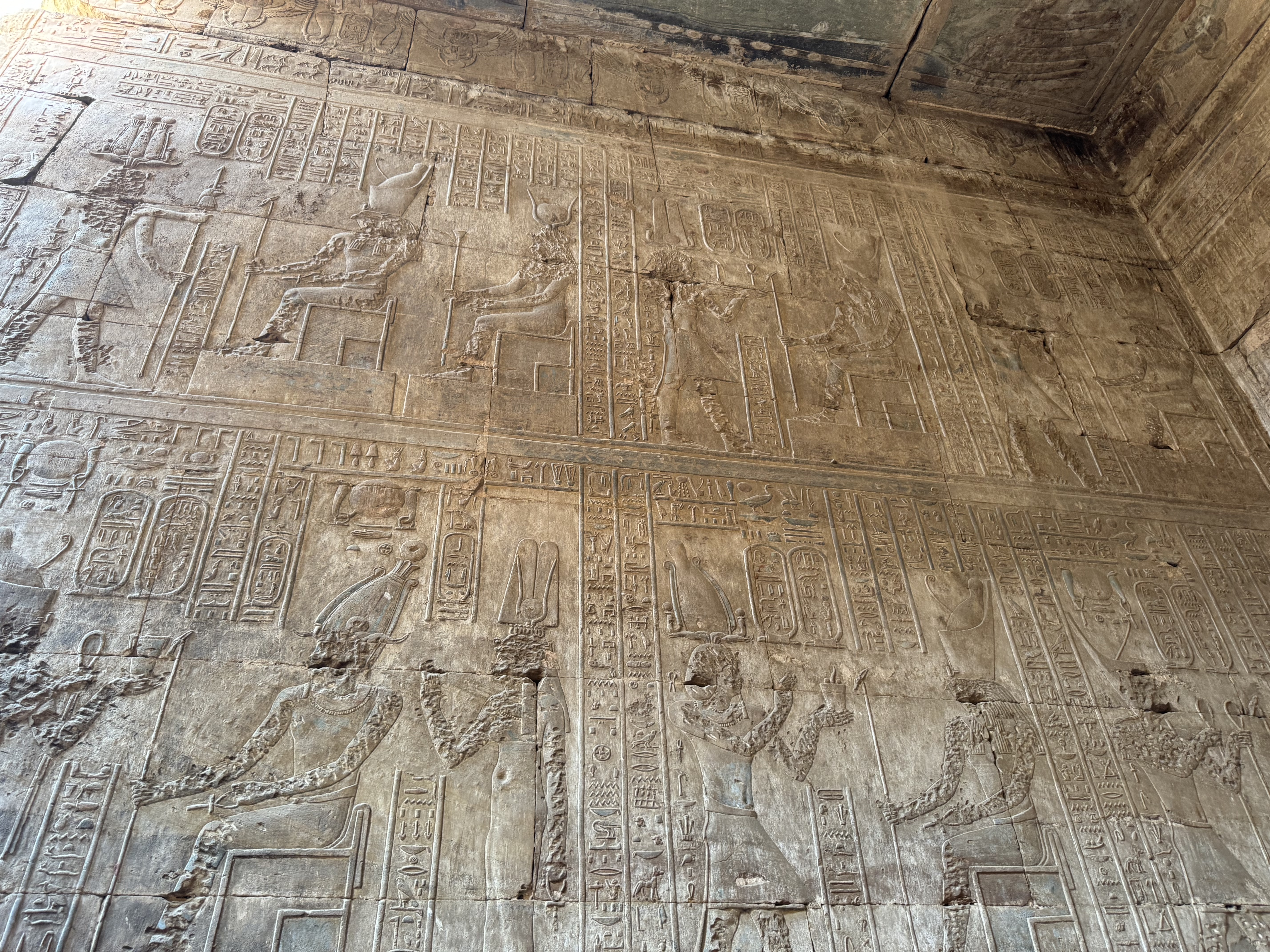
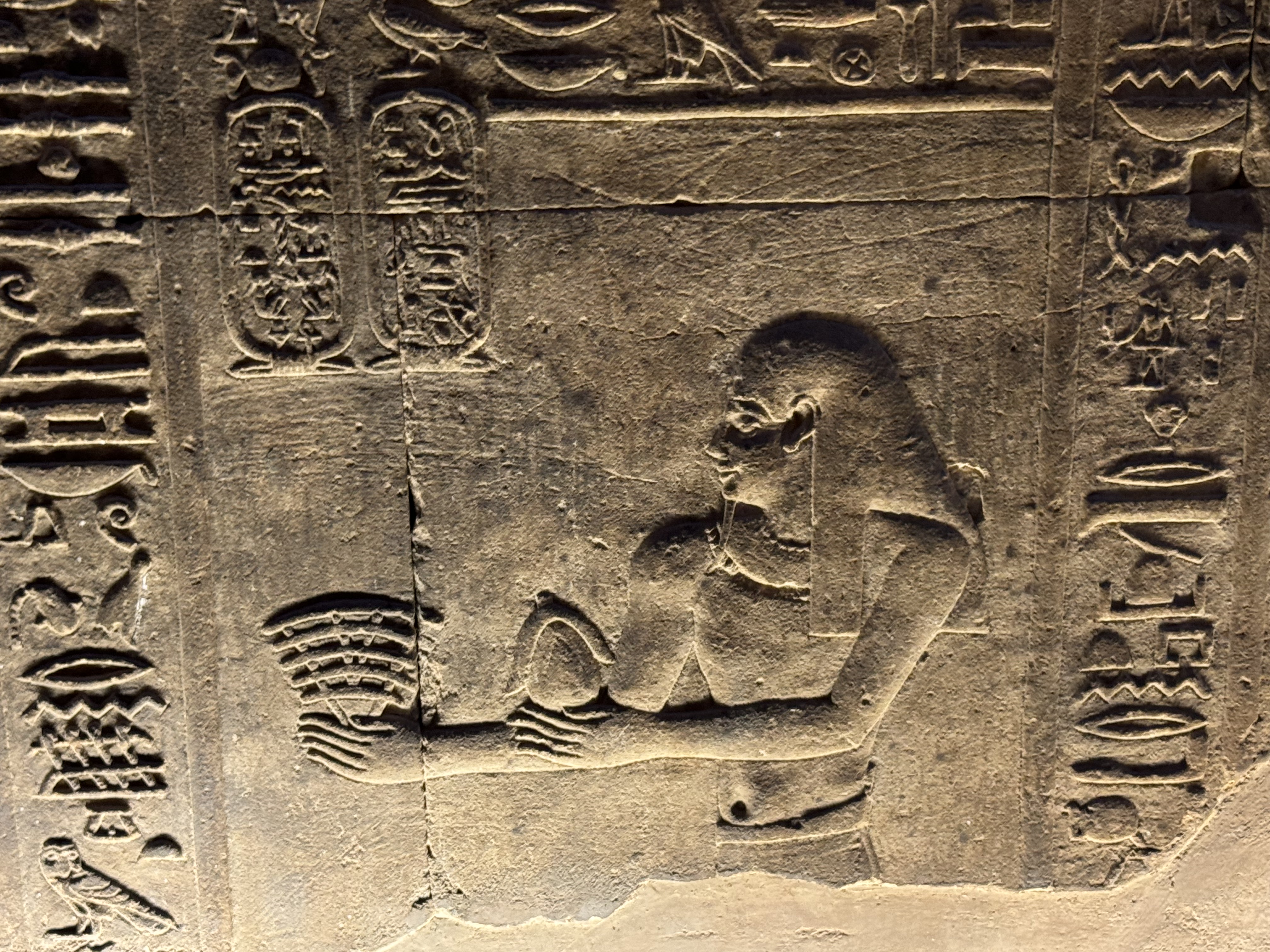
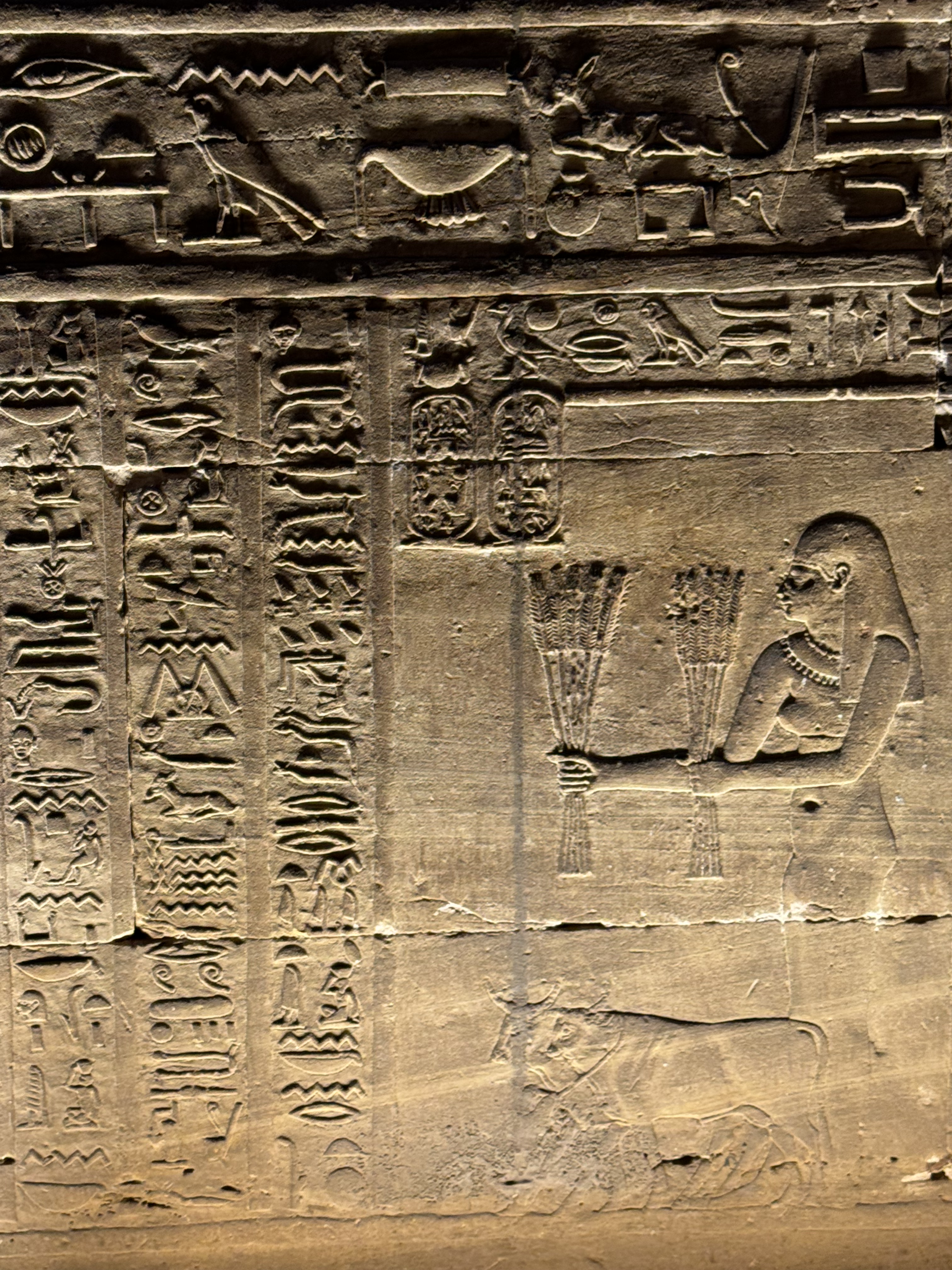
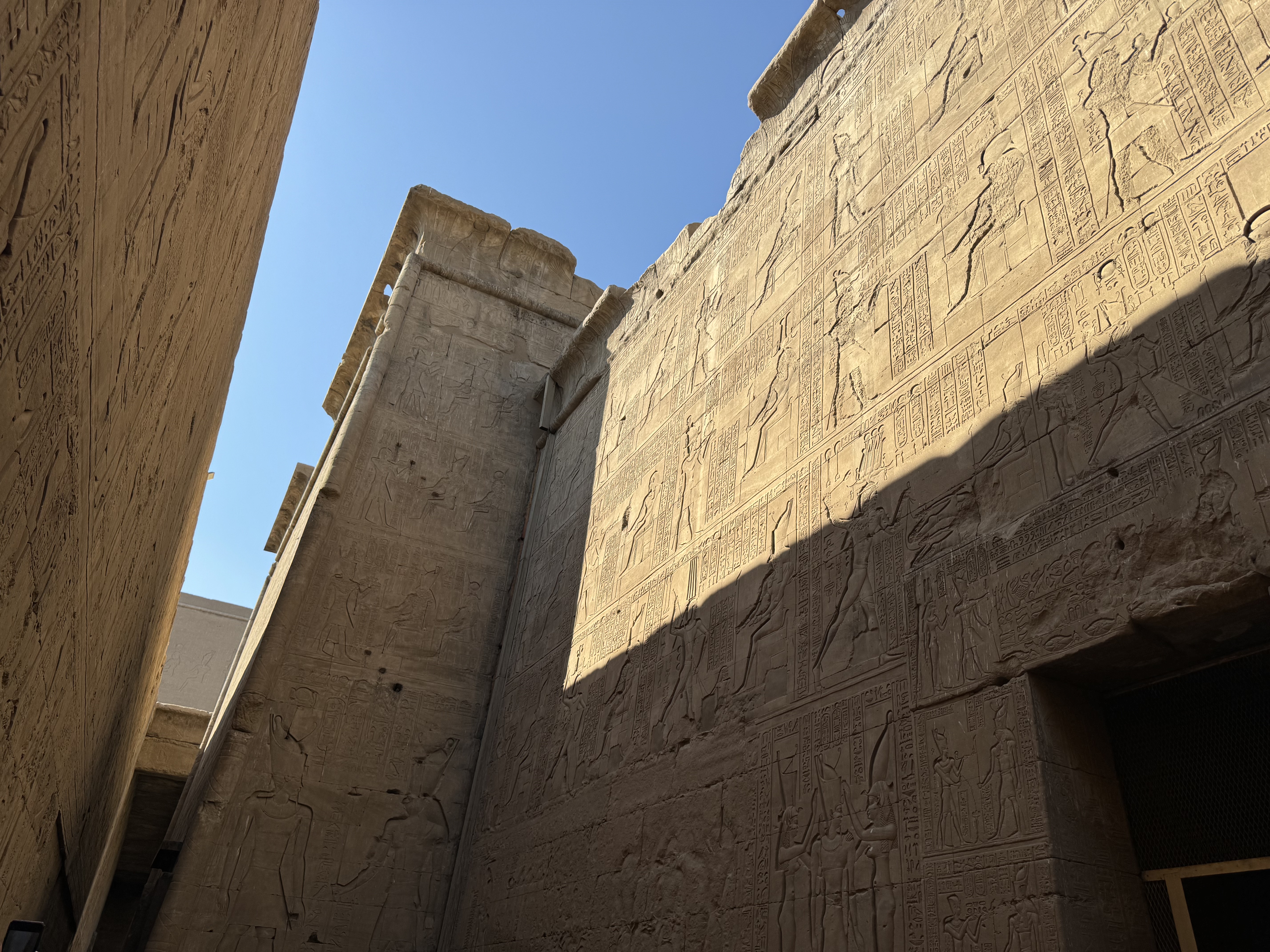
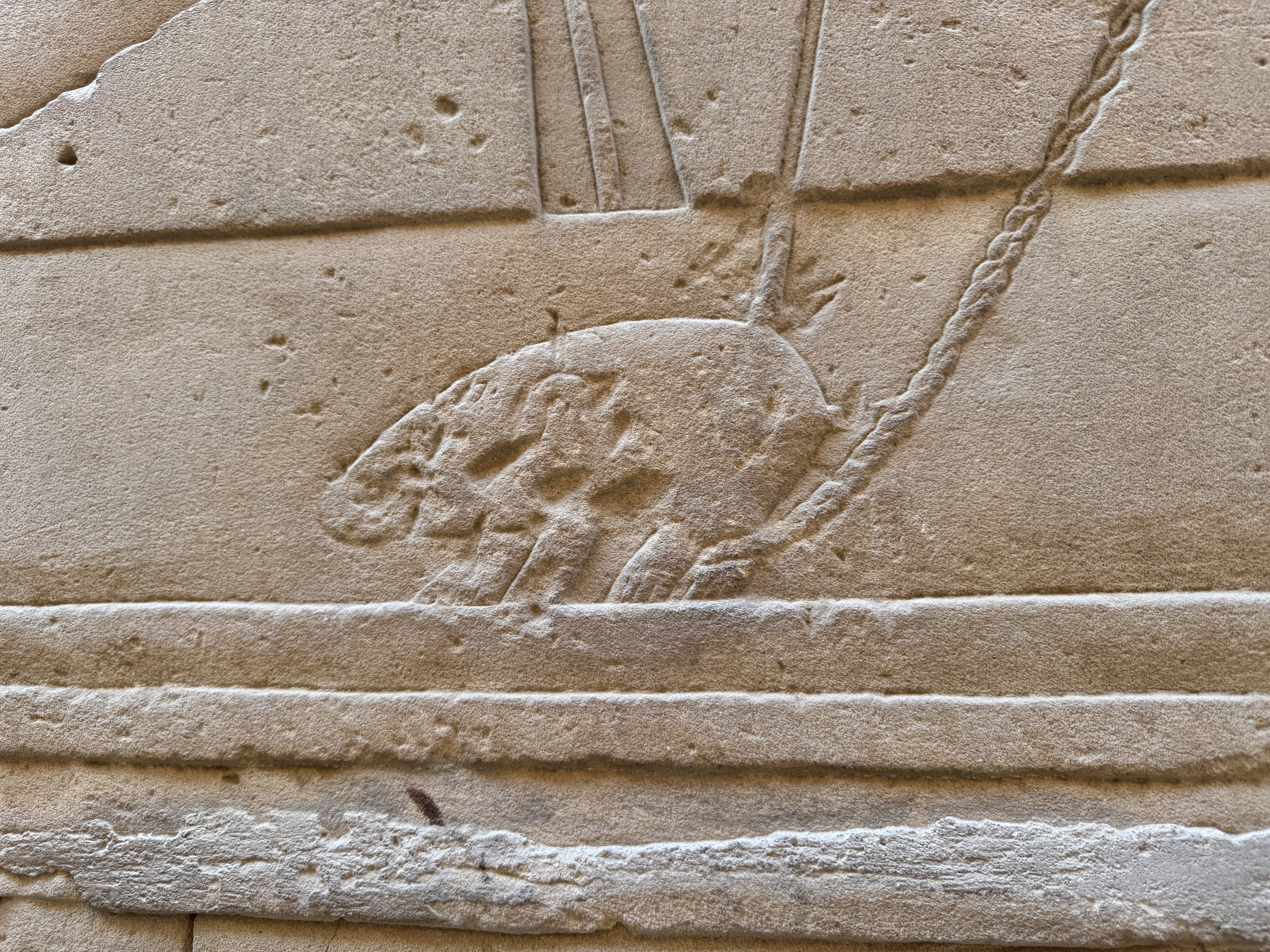
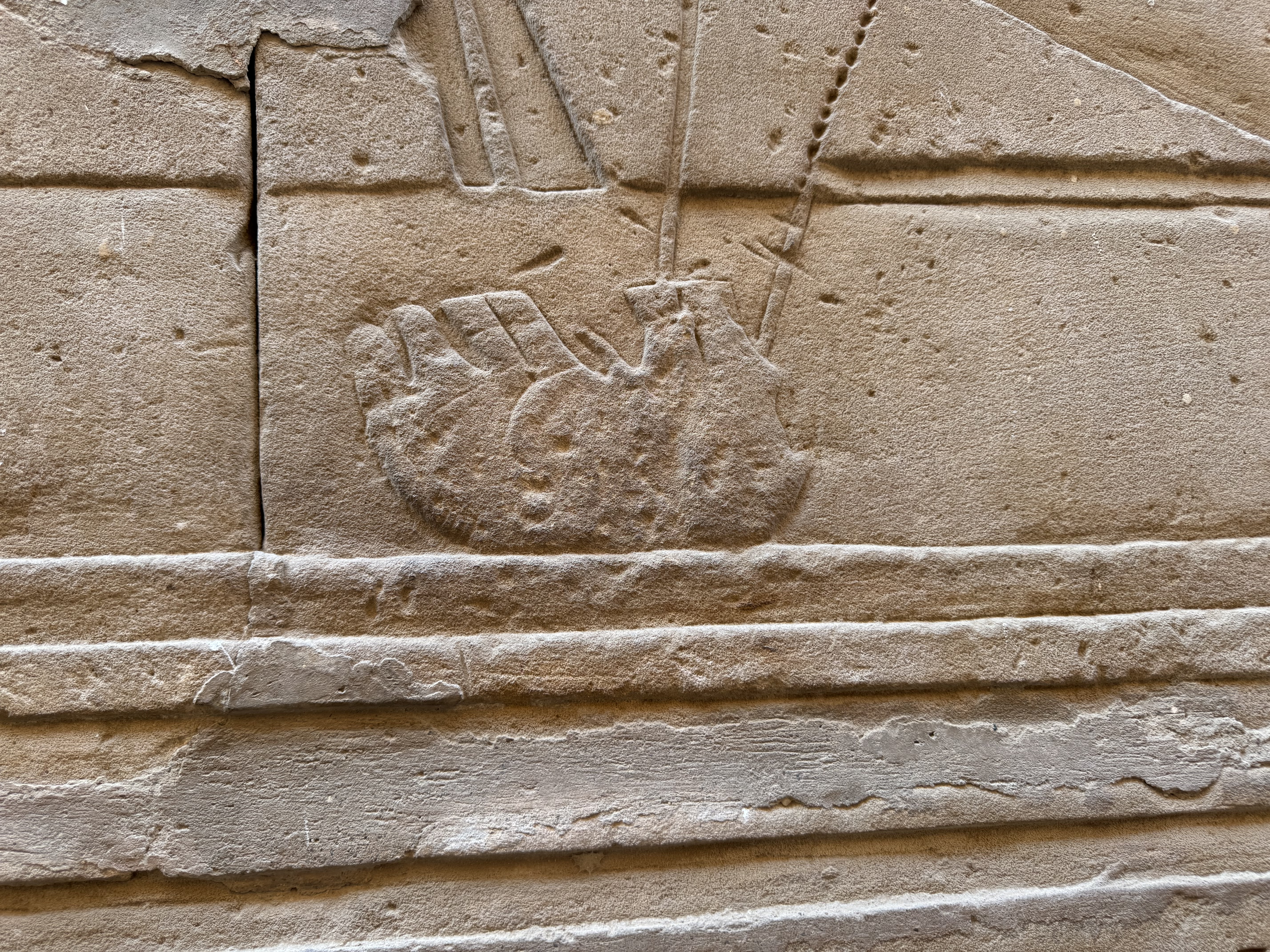
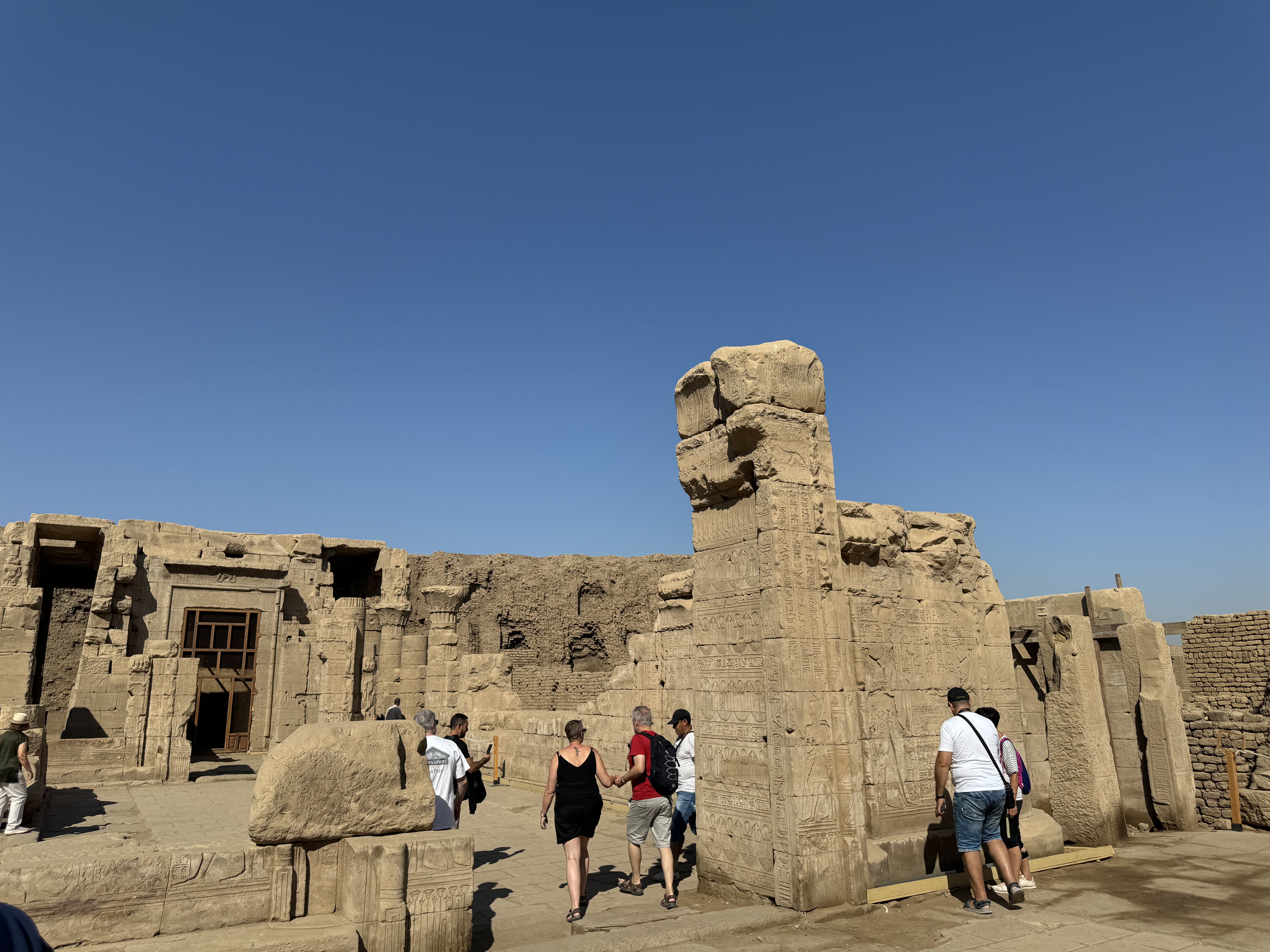
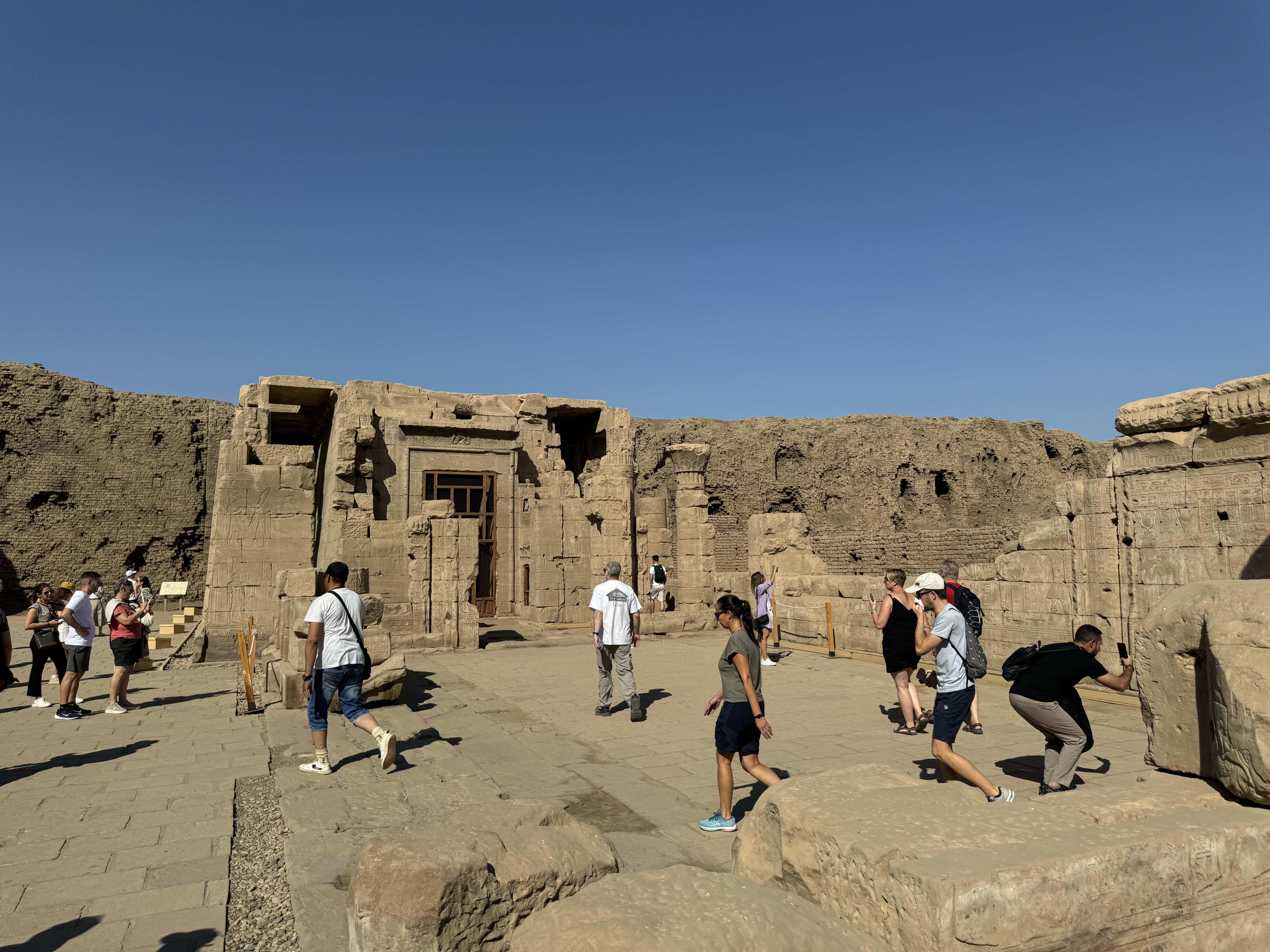
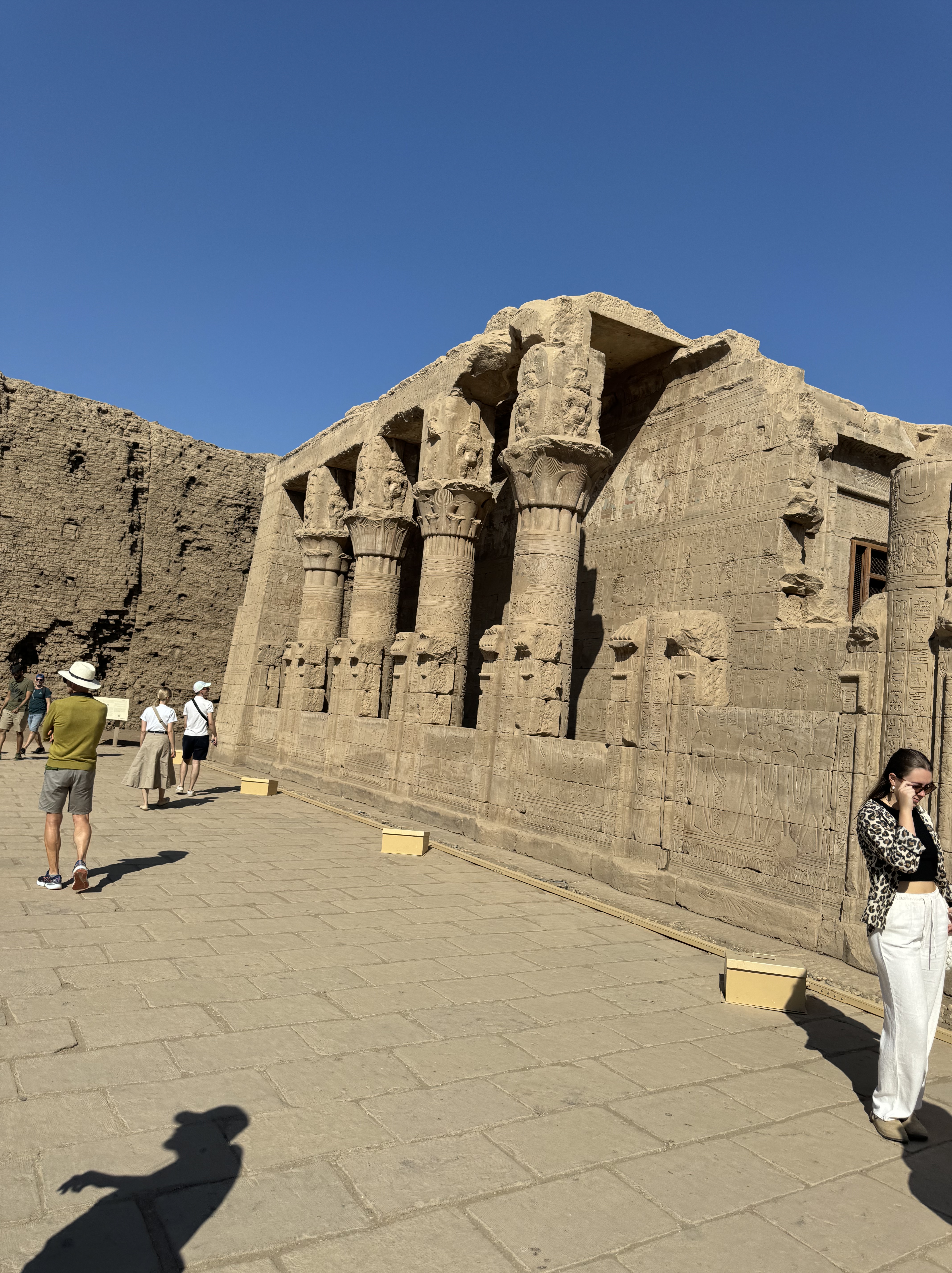
We began this day exploring one of the best preserved temples in Egypt – The Temple of Horus. This is a classic example of Ptolemaic architecture. It has massive stone walls and towering pylons. It is also one of the few temples in Egypt where inscriptions on its walls describe how it was built. They also show how it was used in ancient times.

To realize the size of the structures and to imagine being built without modern machinery is beyond comprehension.

Exploring the Valley of the Kings: A Closer Look

DAY 6 – NOVEMBER 3, 2024

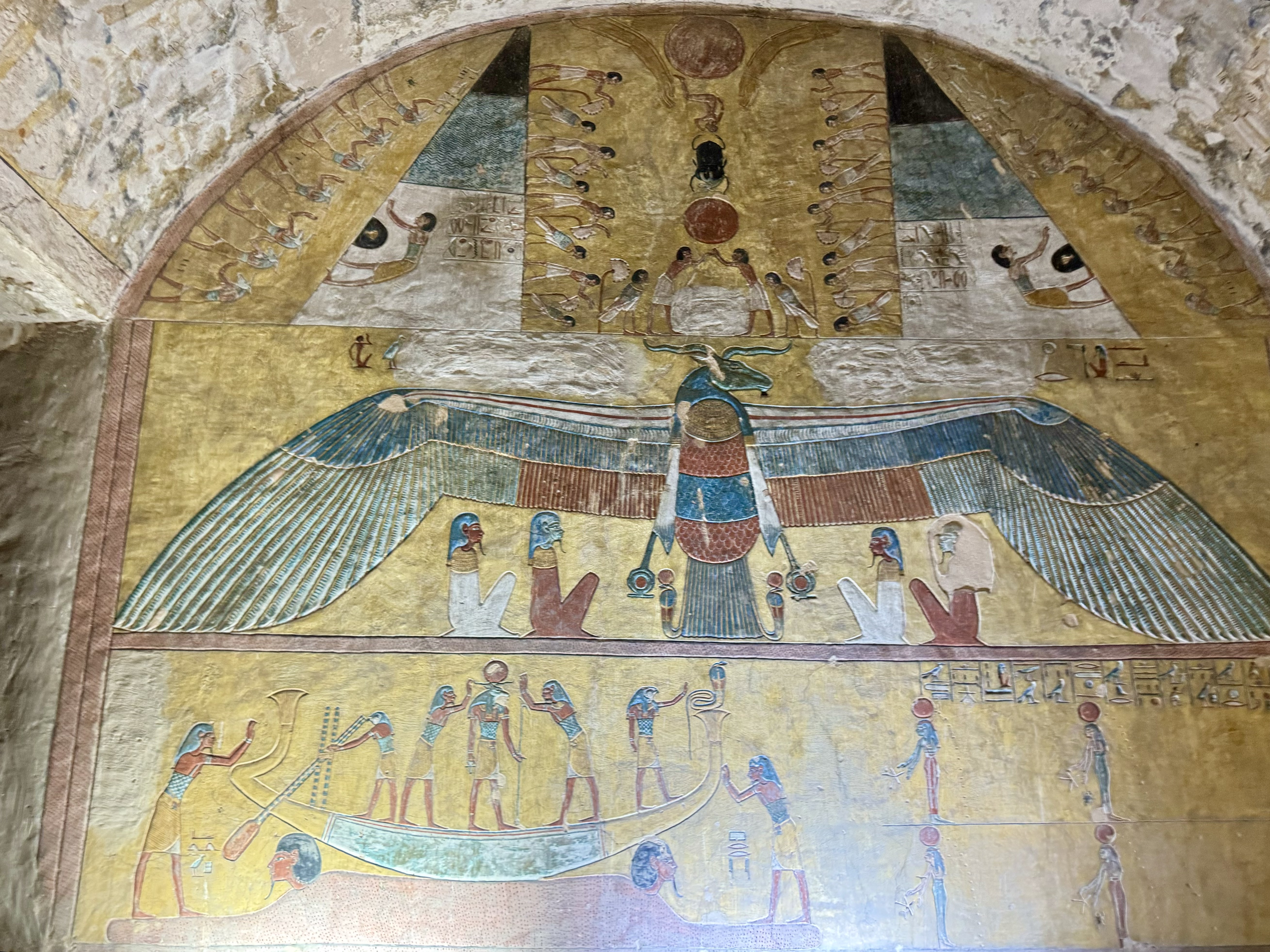
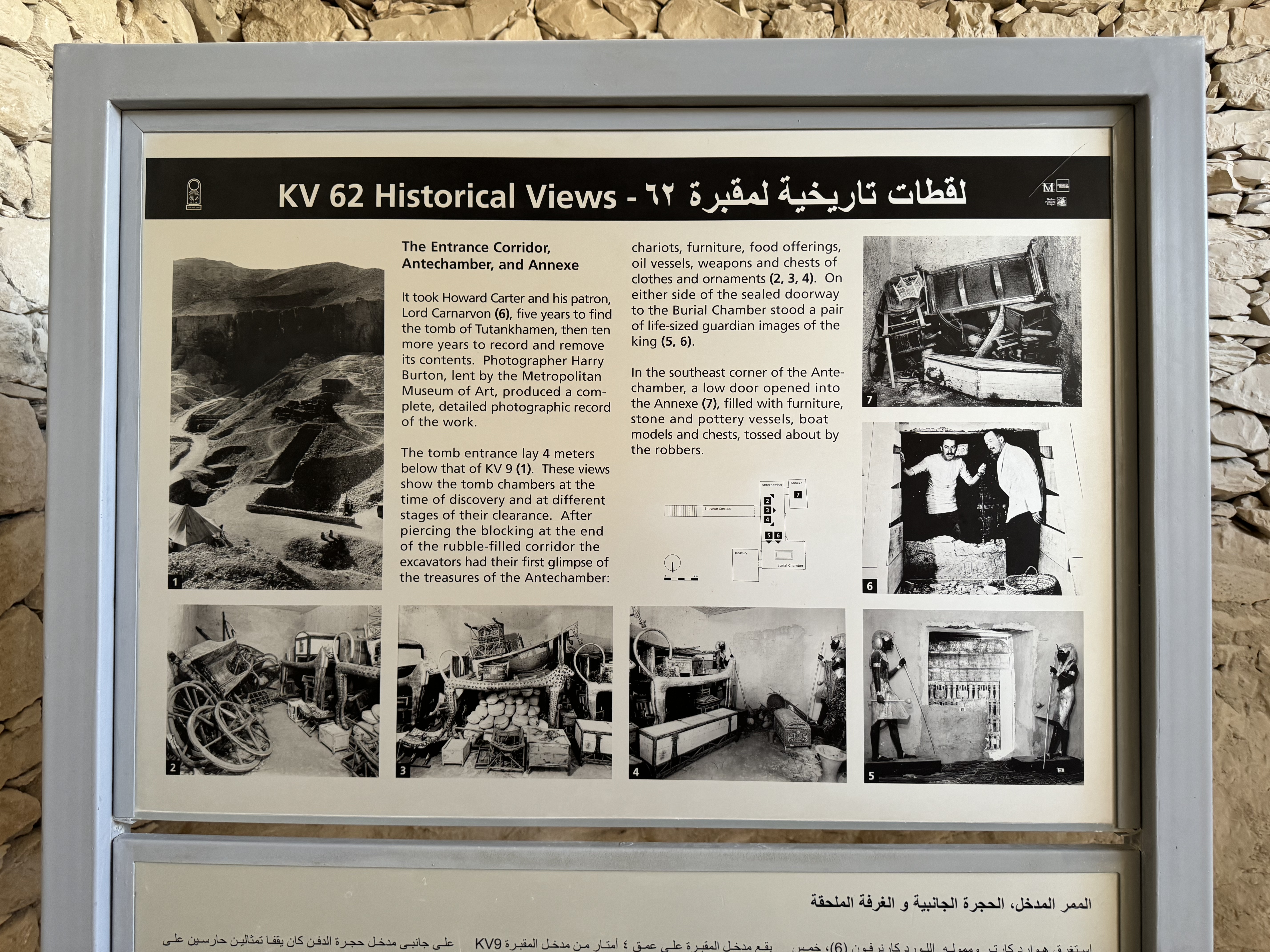
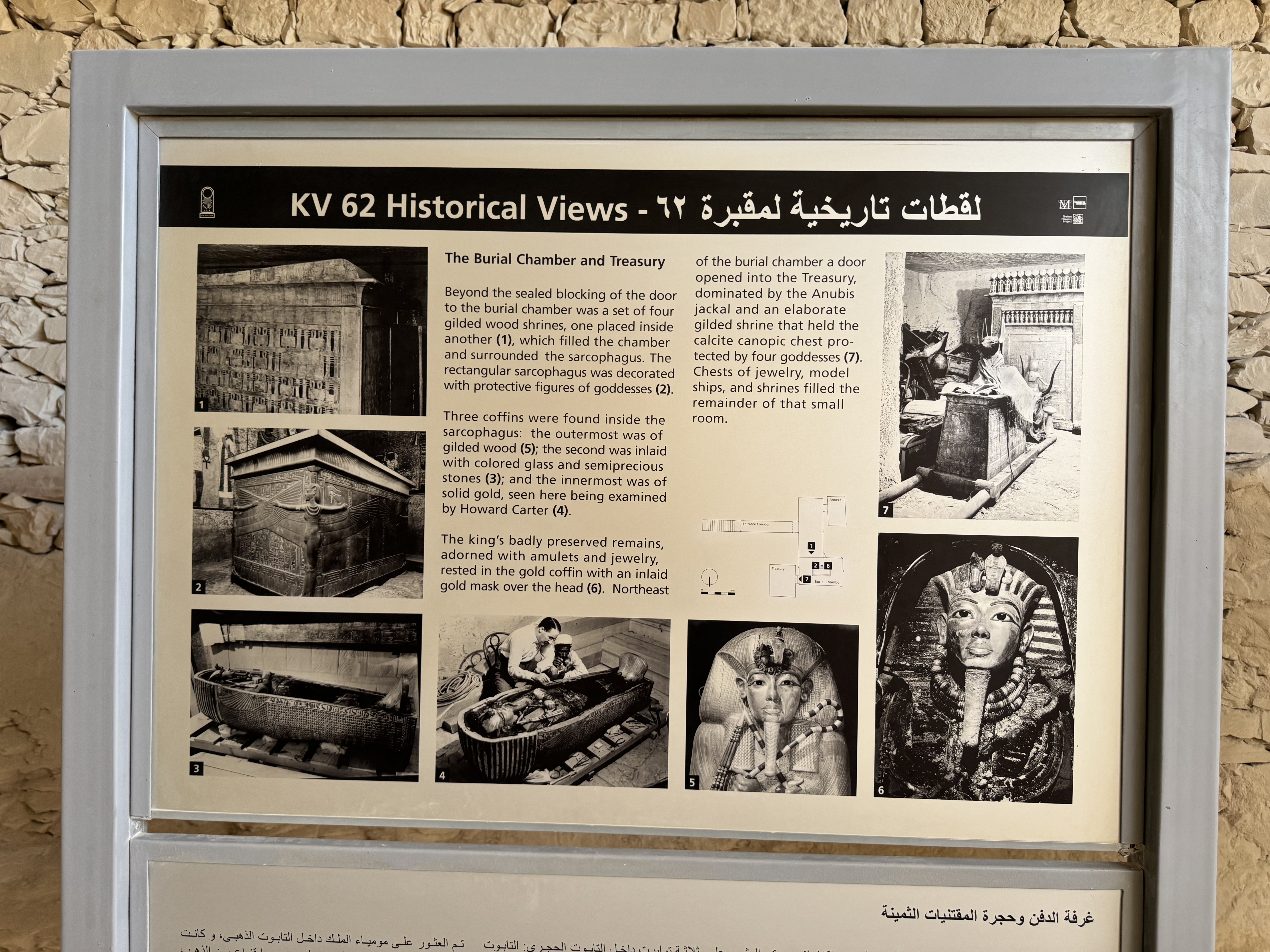
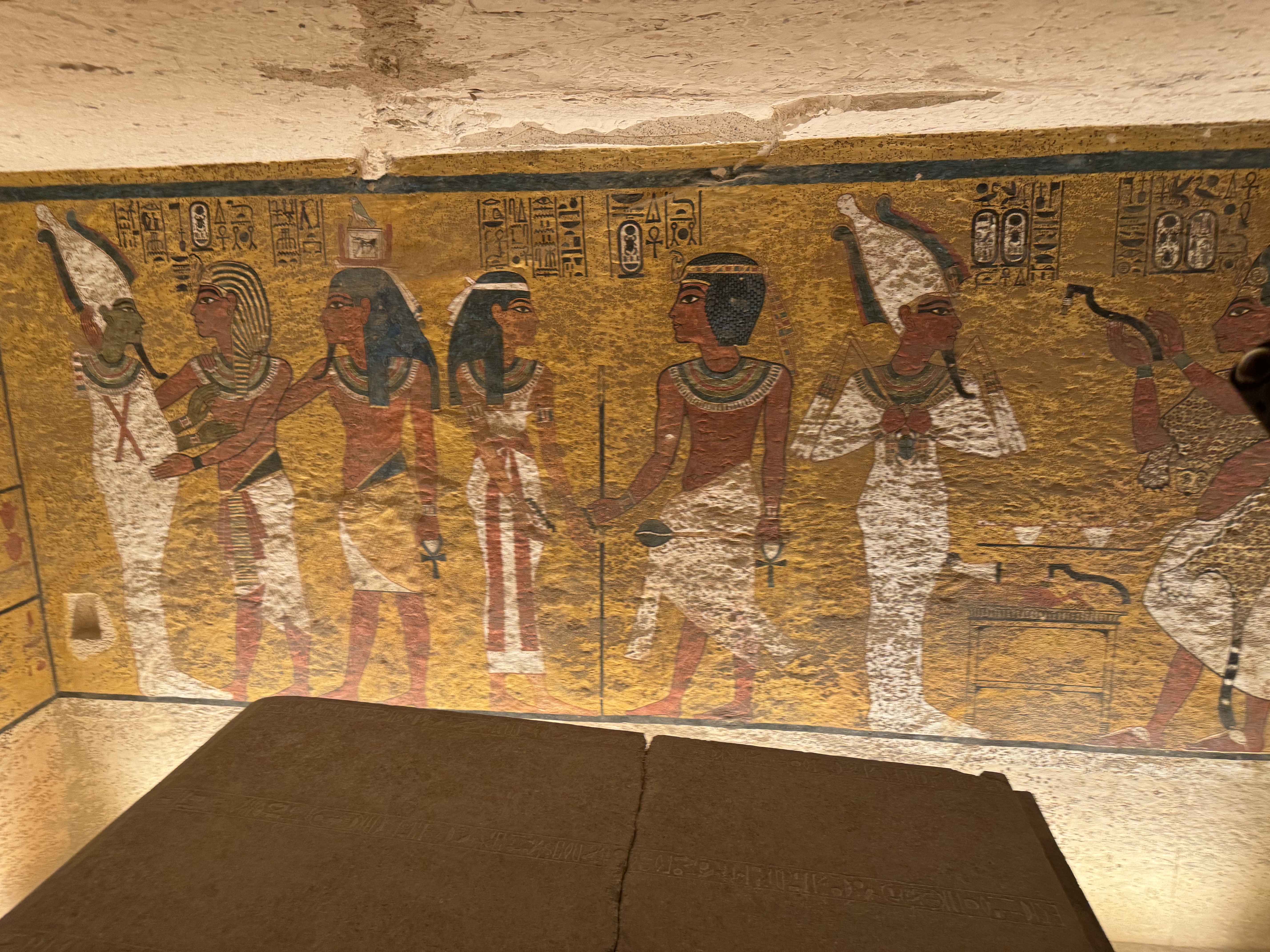
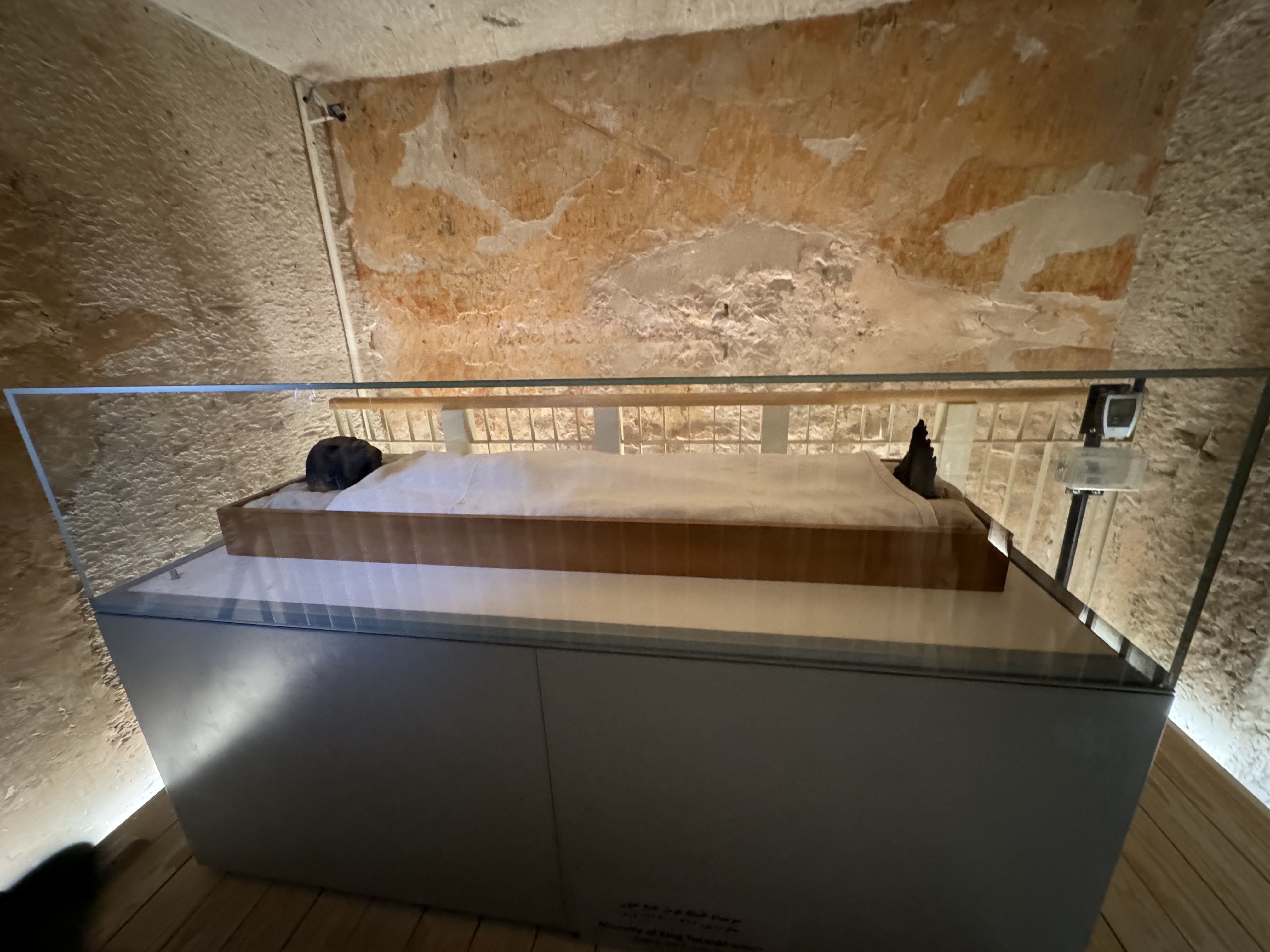
After seeing the Valley of the Kings from the Air we went to explore it closer.. It is a series of tombs nestled between rugged rocky terrain. This setting contrasts with the lush greenery of the Nile’s Eastern bank. We entered King Tut’s tomb, which contained treasures a pharaoh would need in the afterlife. These included clothing, food, chariots, games, and ceremonial items. These precious artifacts have since been relocated and are now seen in the museum. However, the tomb is still resting midst richly adorned walls.

KING TUT

Hot Air Balloon Adventure over the Valley of the Kings

Day 6 November 3rd

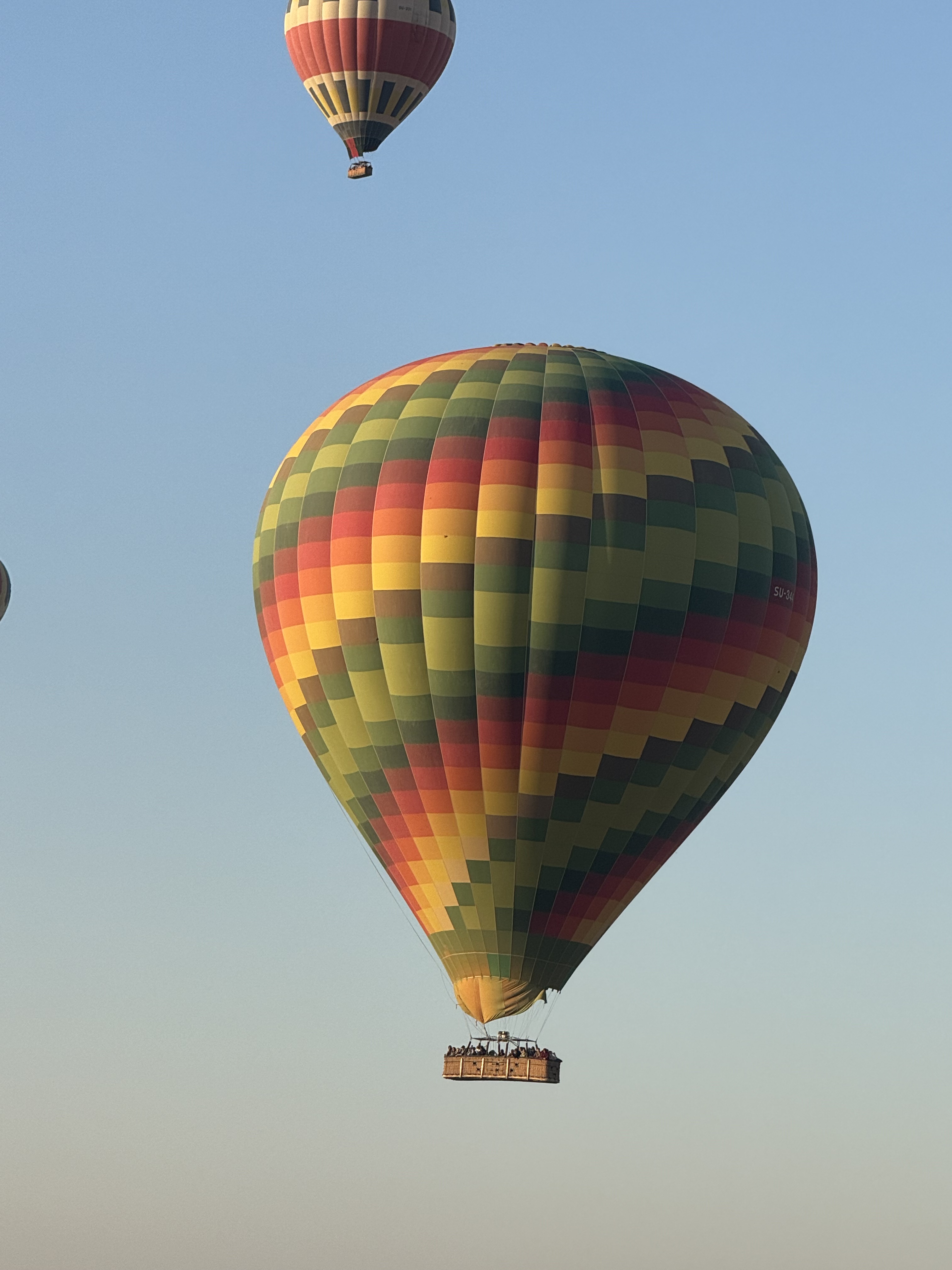
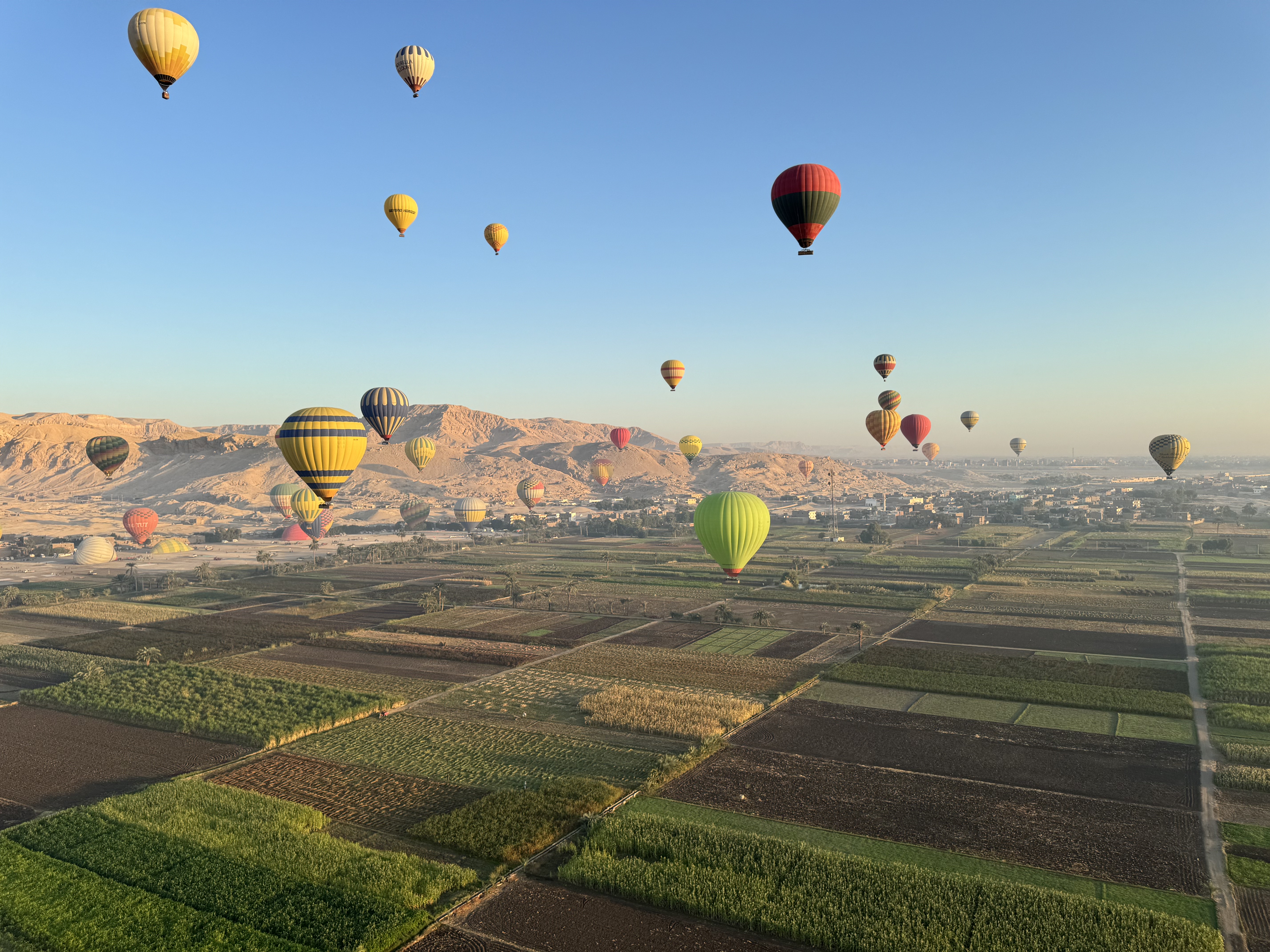
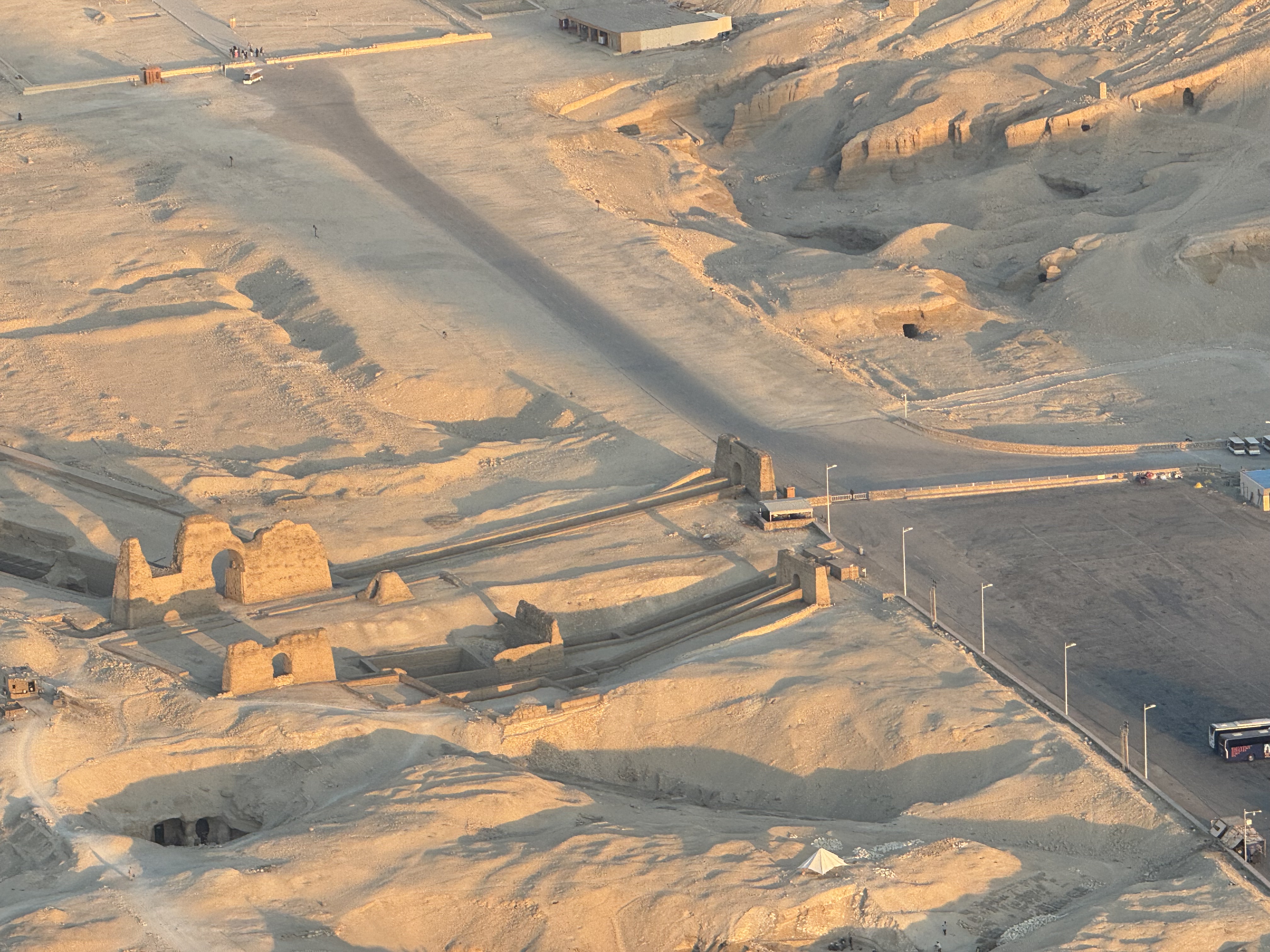
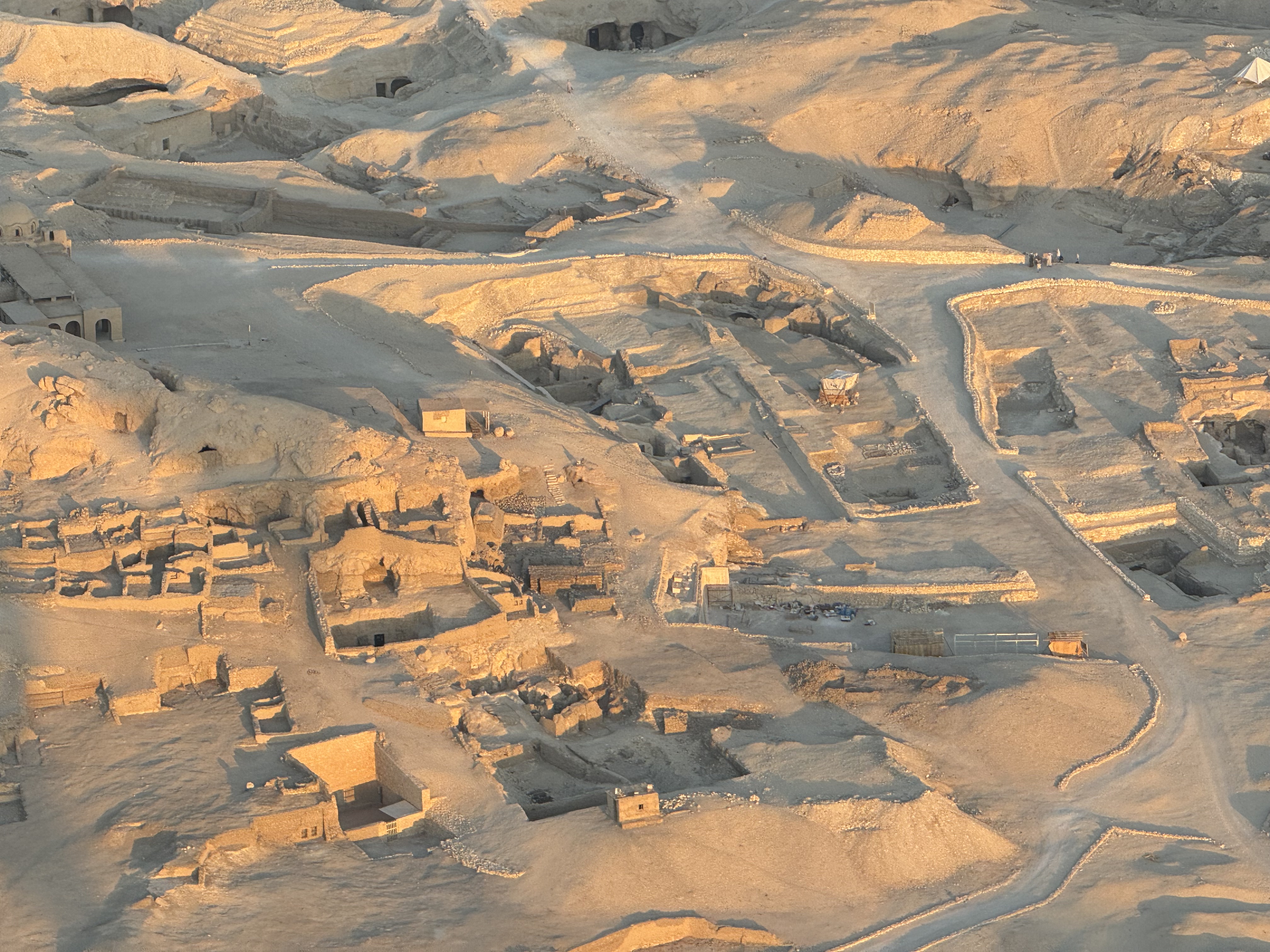
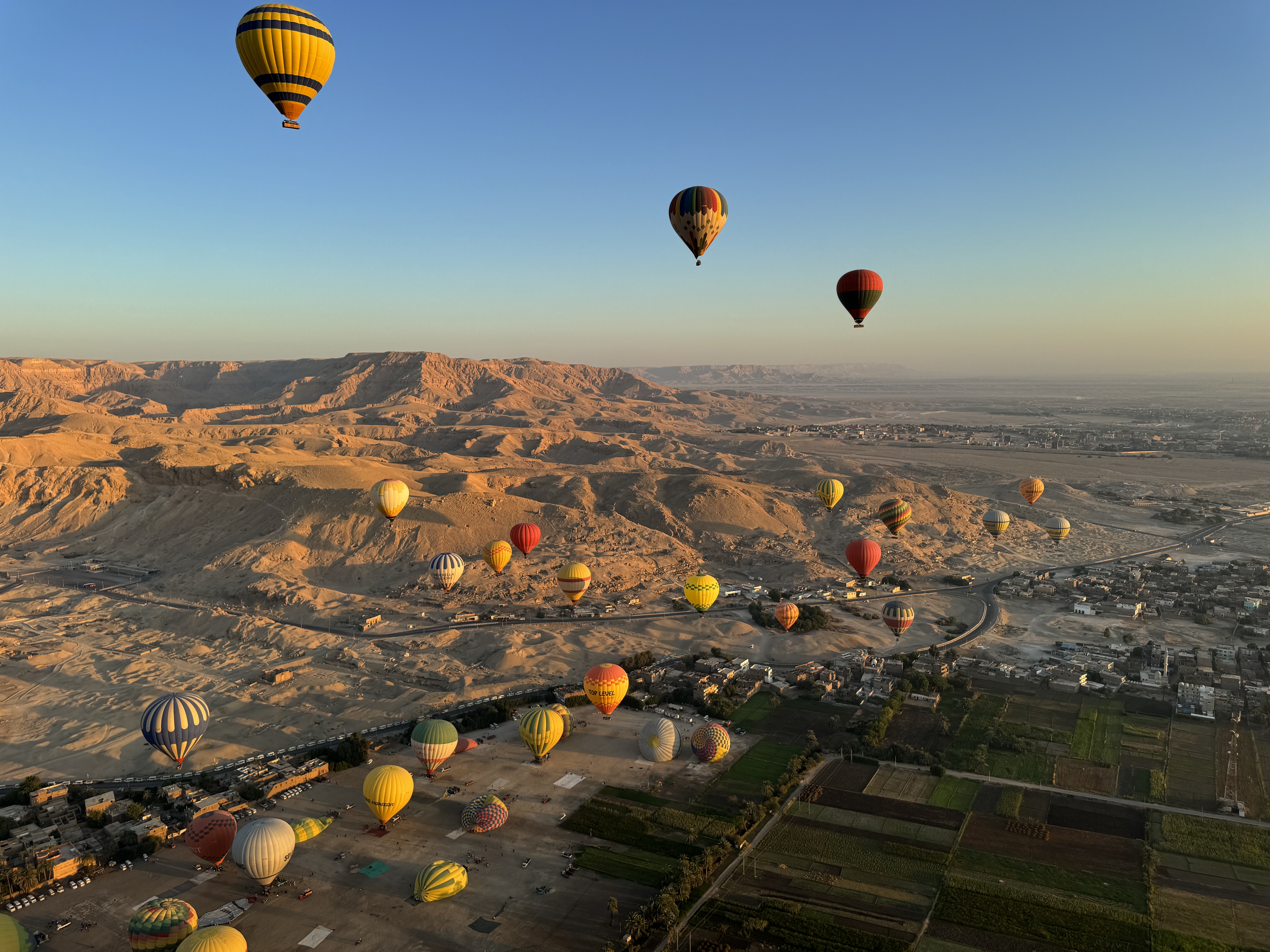
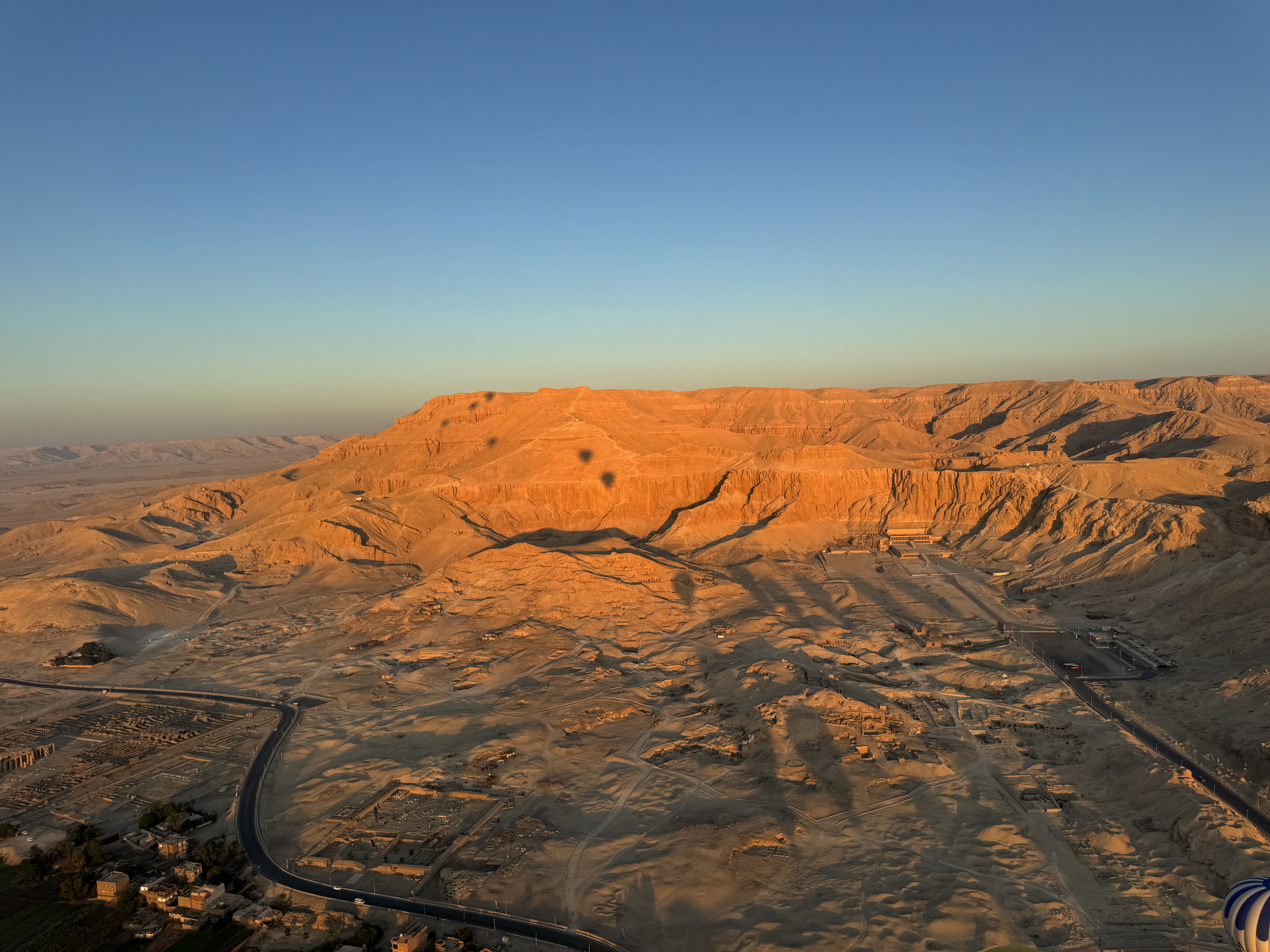
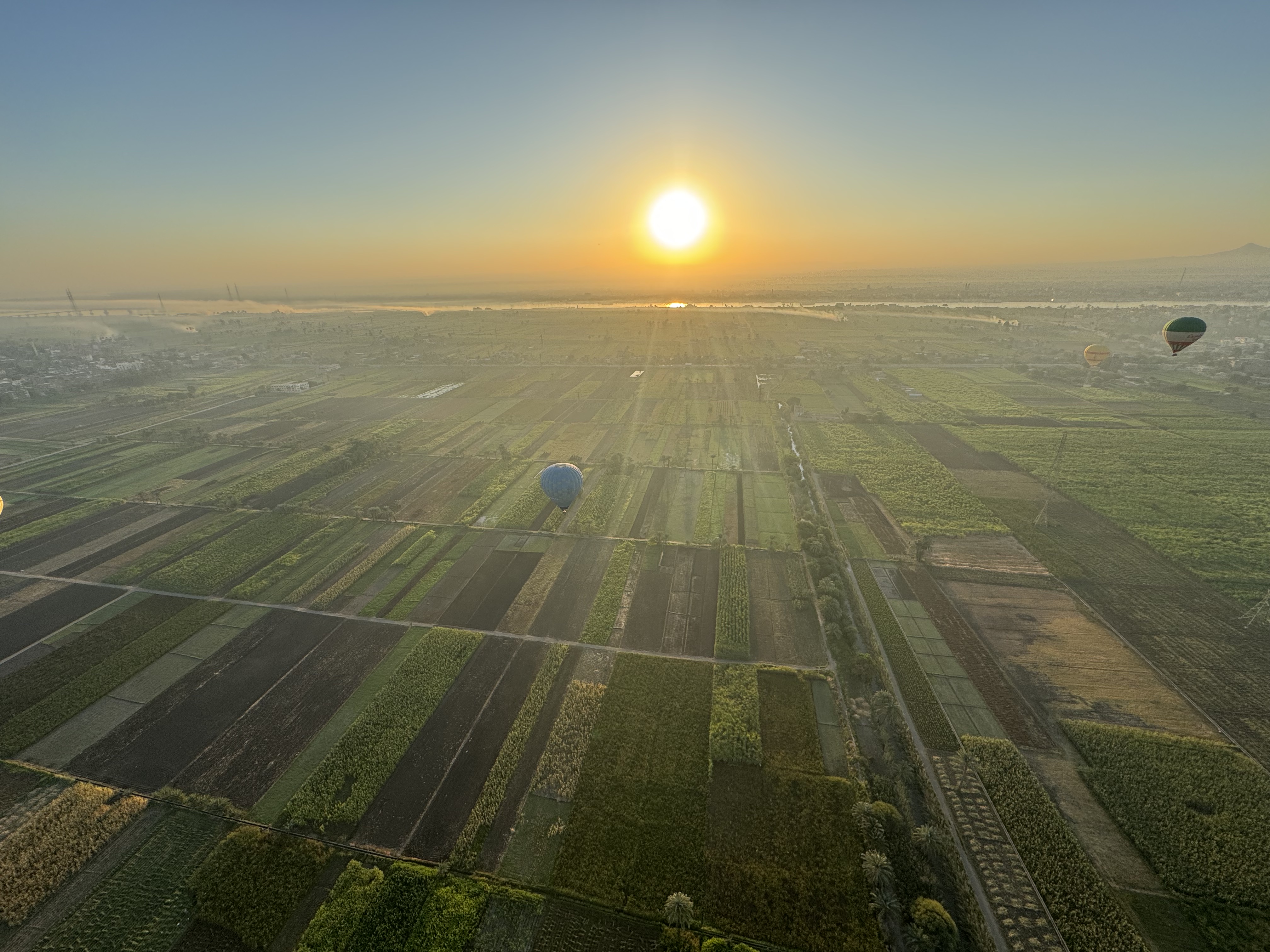
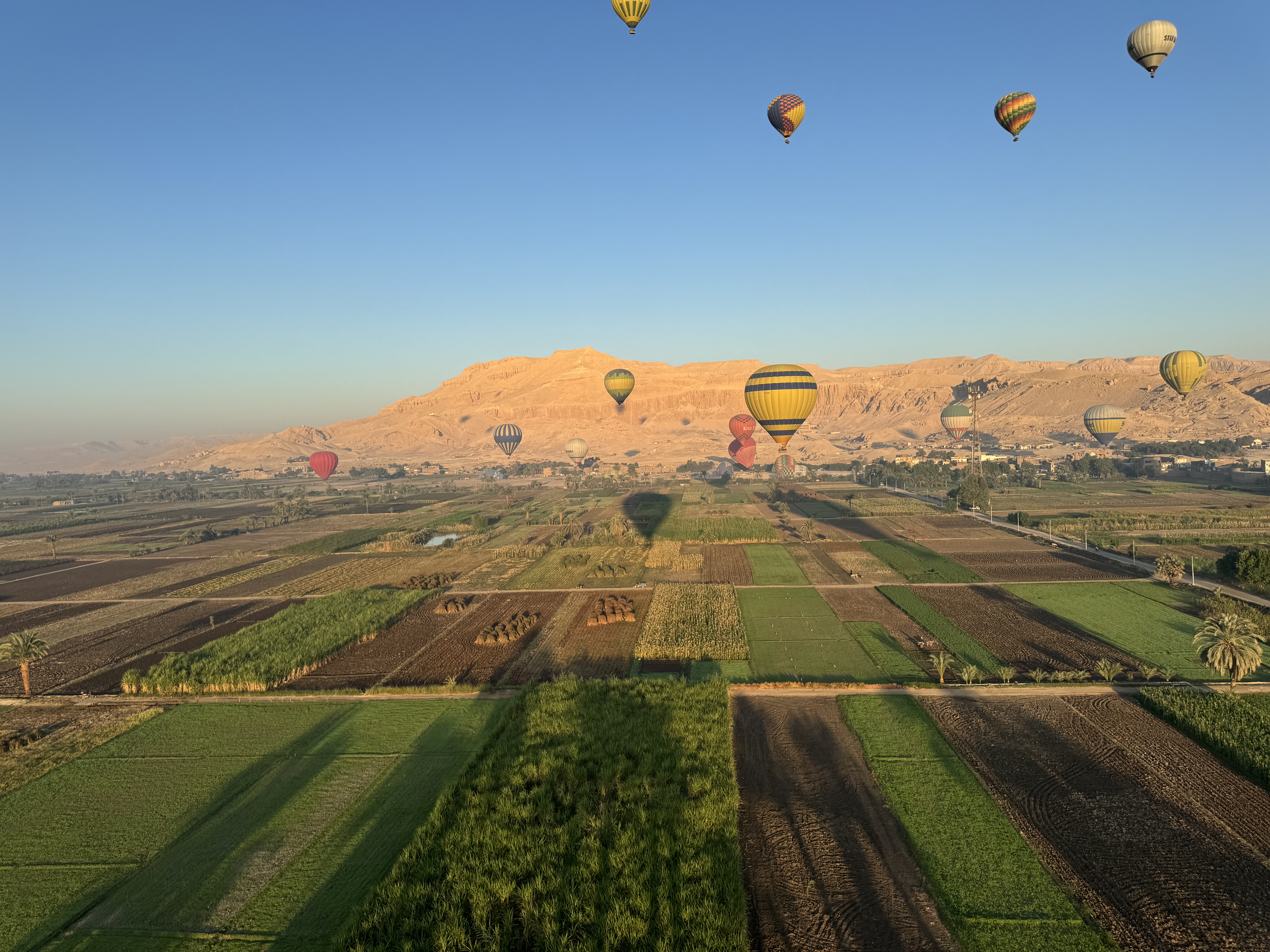
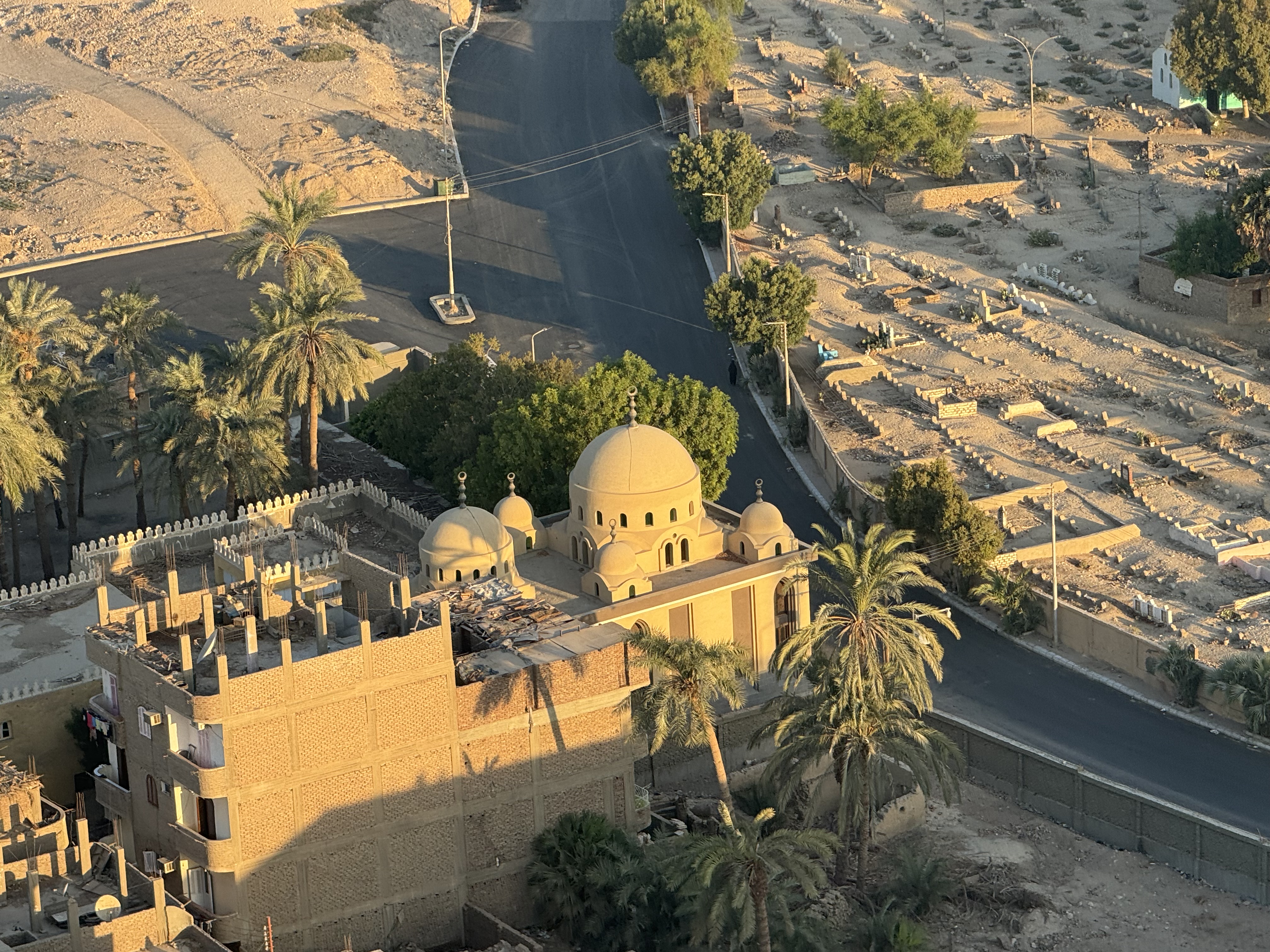
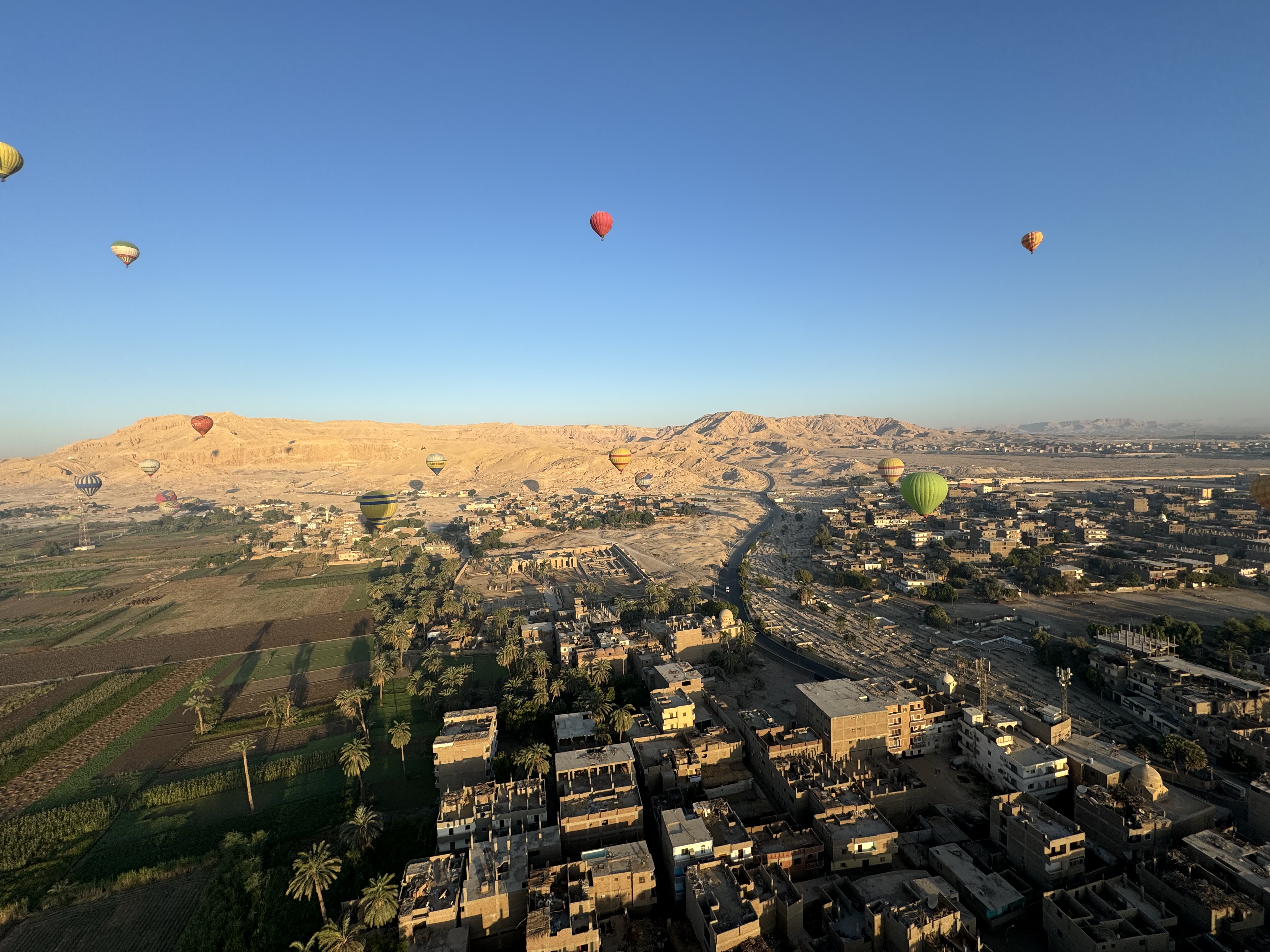
16 of us excitedly gathered before sunrise to go on a hot air balloon ride. One of the most anticipated excursions on our trip. This was a must do on my Bucket List and to experience this in Egypt was beyond imagination. Hundreds of balloons rose in the sky. The sun was just rising. It gave everyone a wonderful view of the Valley of the Kings and the Nile.

Seeing a bird’s eye view of the valley was awesome.

The process of filling the balloon with hot air was more tedious than expected. Until the sun completely got up, the morning was very chilly. Our balloon filled, and we loaded into the huge baskets. We gently arose up into the sky, and the chill was gone. The awe of seeing literally hundreds of balloons floating around you as you soared into the sky. A Morning that will forever be in my heart.

Exploring Egyptian Temples & Our Cruise Ship

Day 5 (Nov 2)

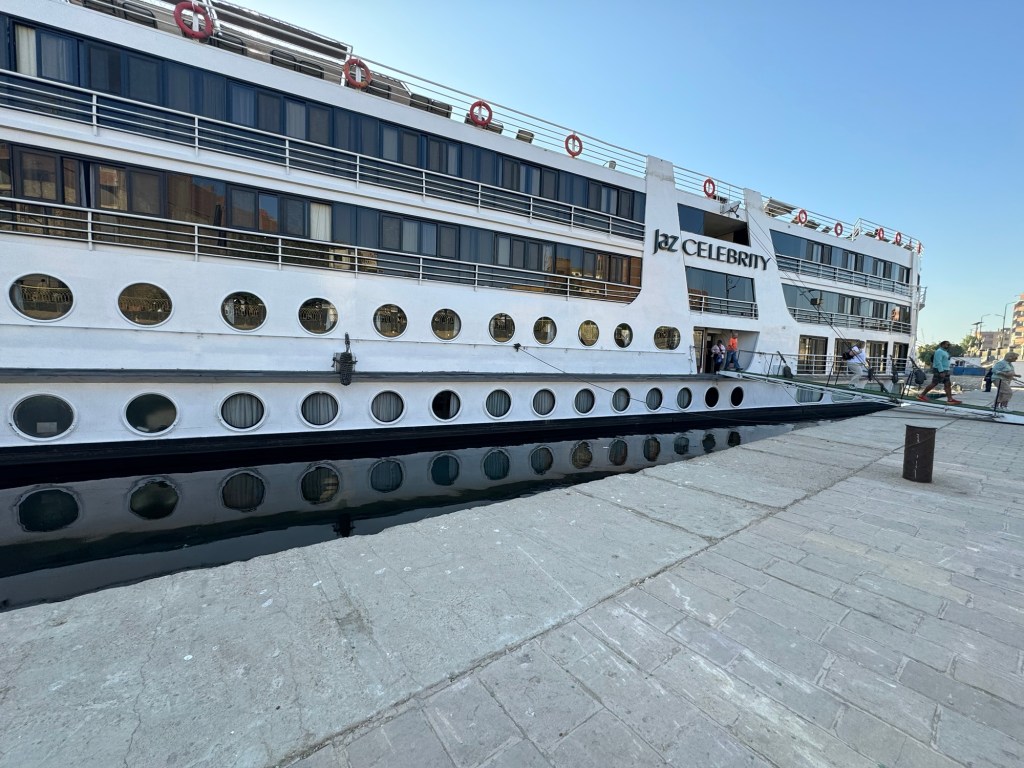
Jaz Celebrity
Top deck of cruise ship
Lobby of cruise ship
Dressed for an Egyptian Party

We were up at dawn to fly to Luxor, where we boarded our cruise ship Jaz Celebrity , home for the next four days. After checking in on the ship and grabbing lunch we were off to the temple of Karnak.

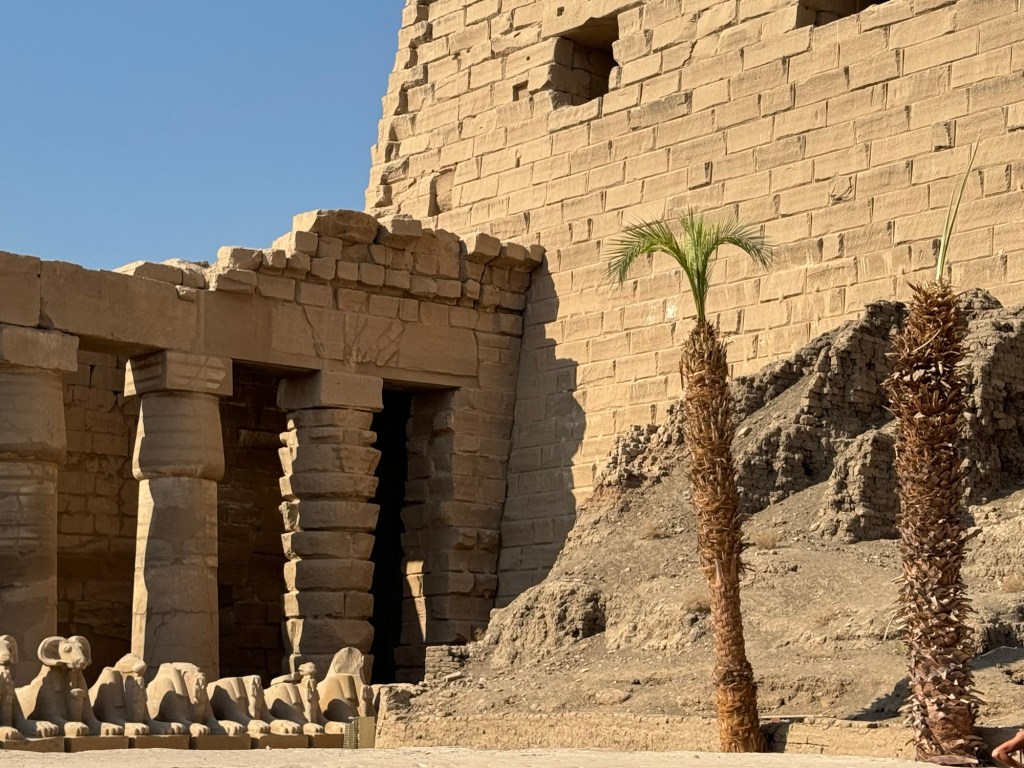
Human-headed sphinxes
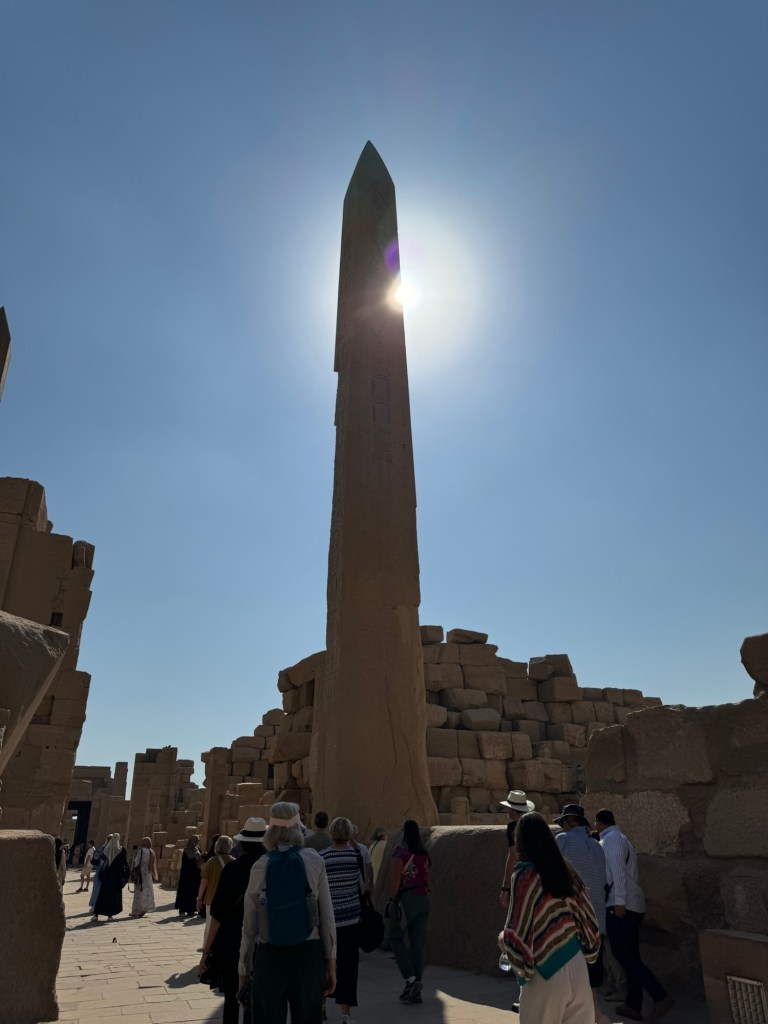
obelisk
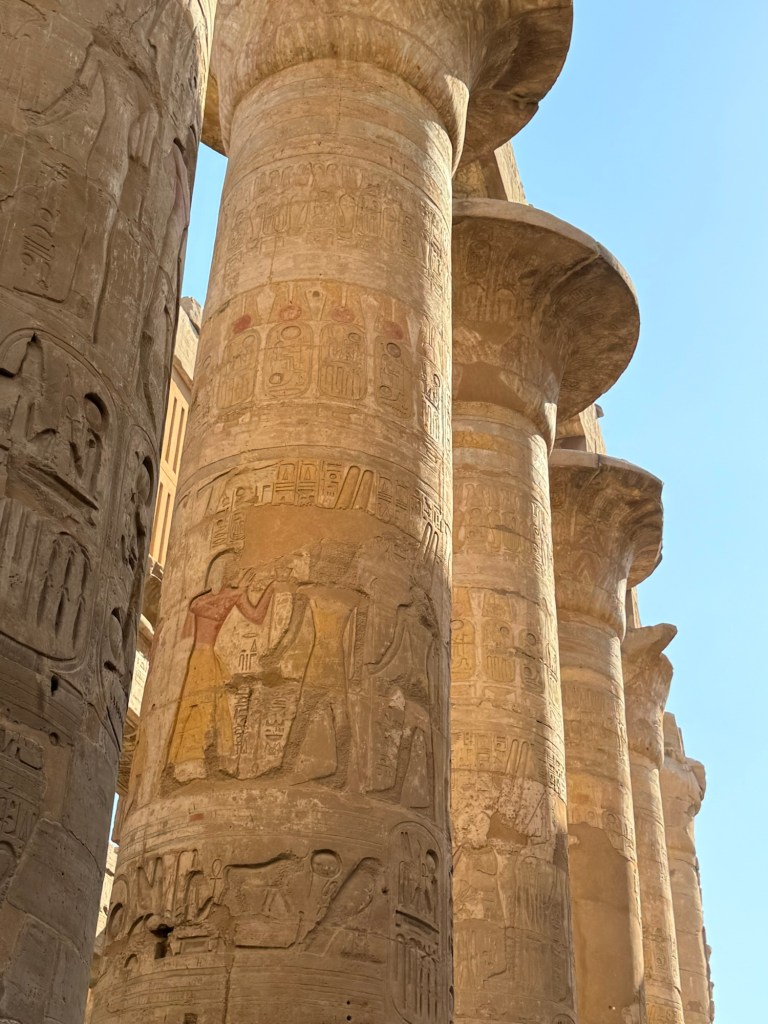
Columns with hieroglyphics
Outside the temple
Inside the temple

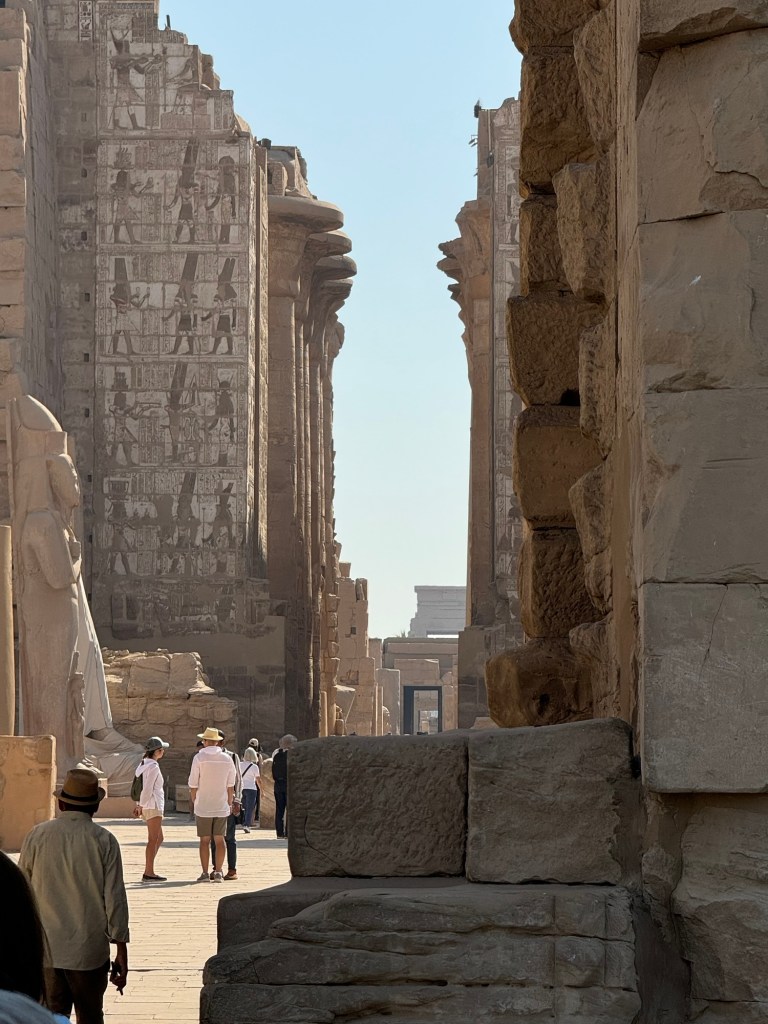
It’s said that 30 pharaohs presided over the building of the temple, sprawling and vast ancient site. Seeing the Precinct of AmunRe, whose mud brick wall stretched over one and a half miles around. Gaze over extensive hieroglyphic descriptions, marking moments in history and end at the temple of Khonsu. A smaller more intimate temple, dedicated to the god of time and the moon. Then off to explore the complex at the Abu Hagag mosque, although the structure itself only dates to the 13th century, it’s site has been used as a place to worship for more than 3500 years and is still in use today

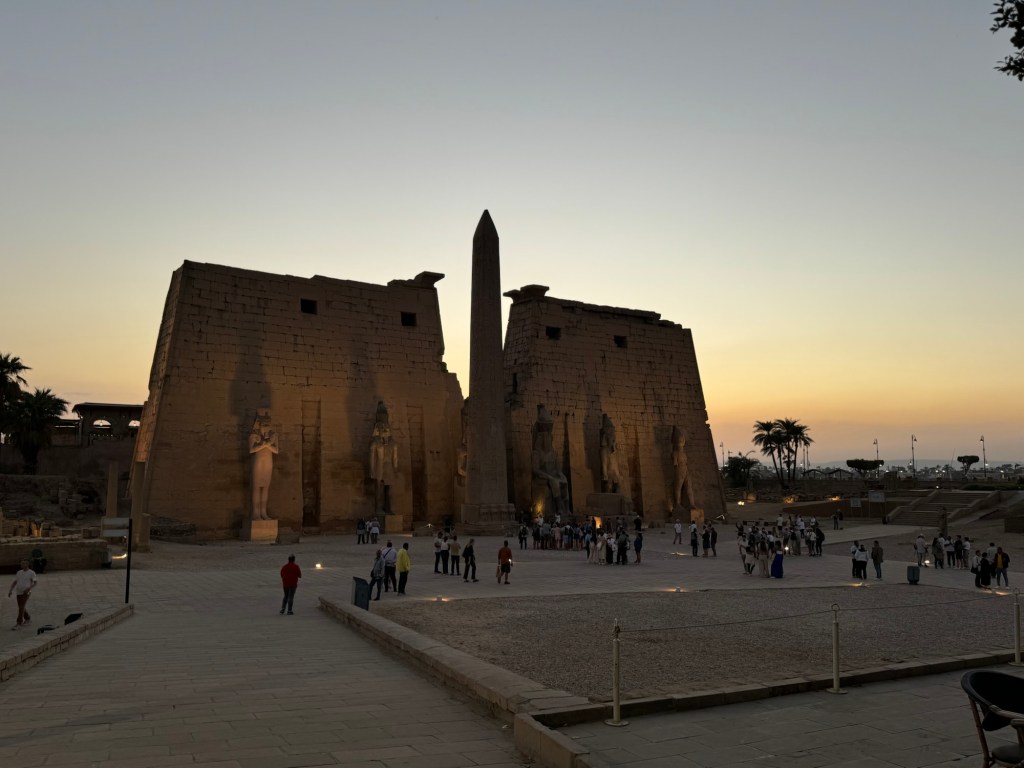
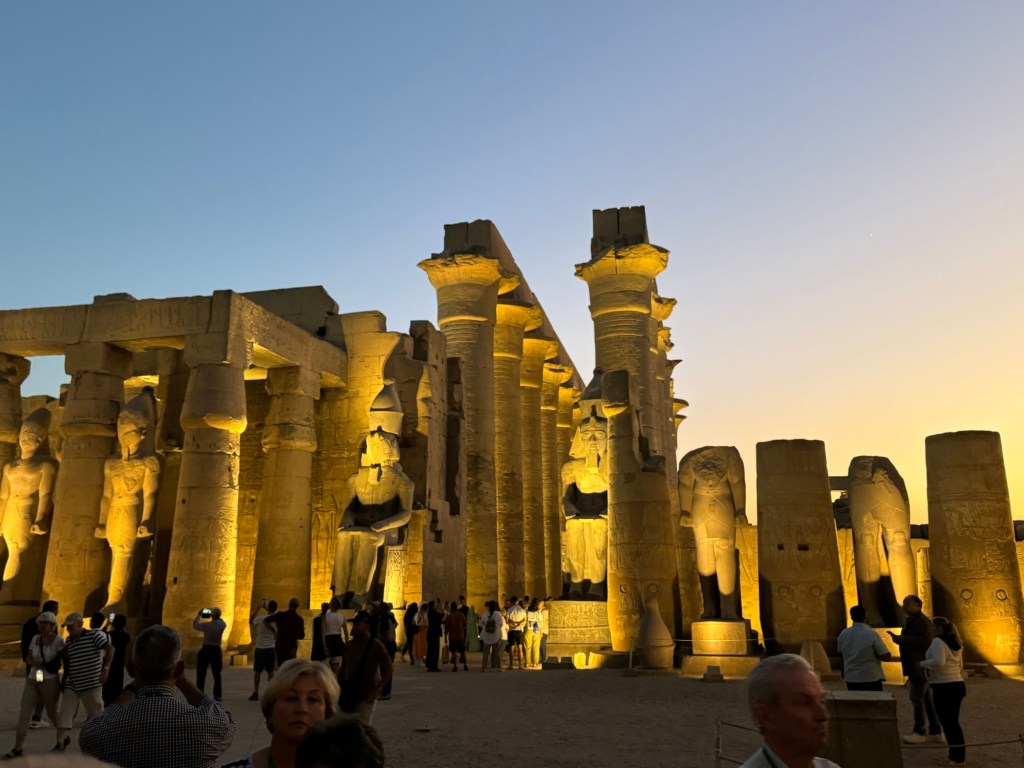
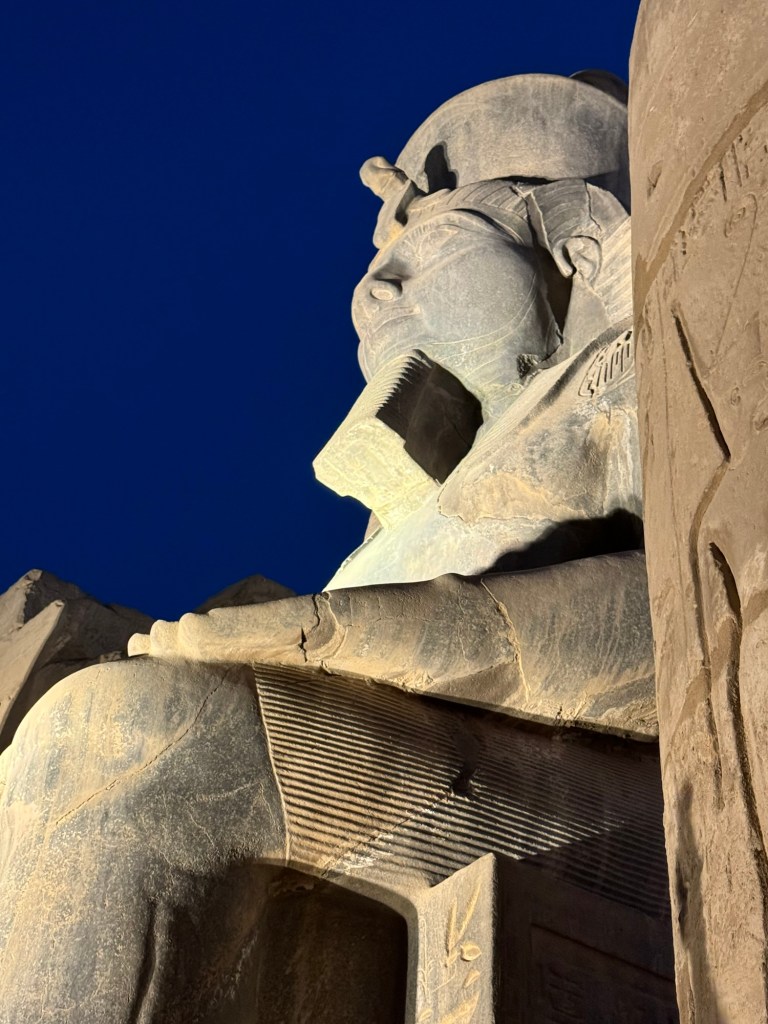
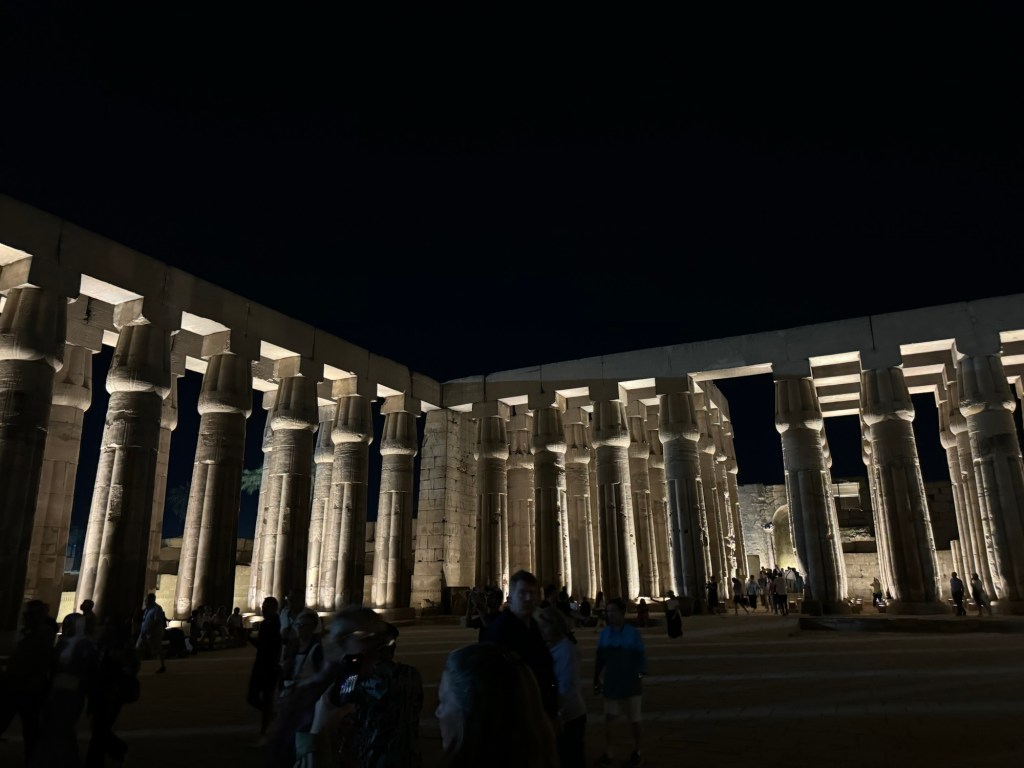
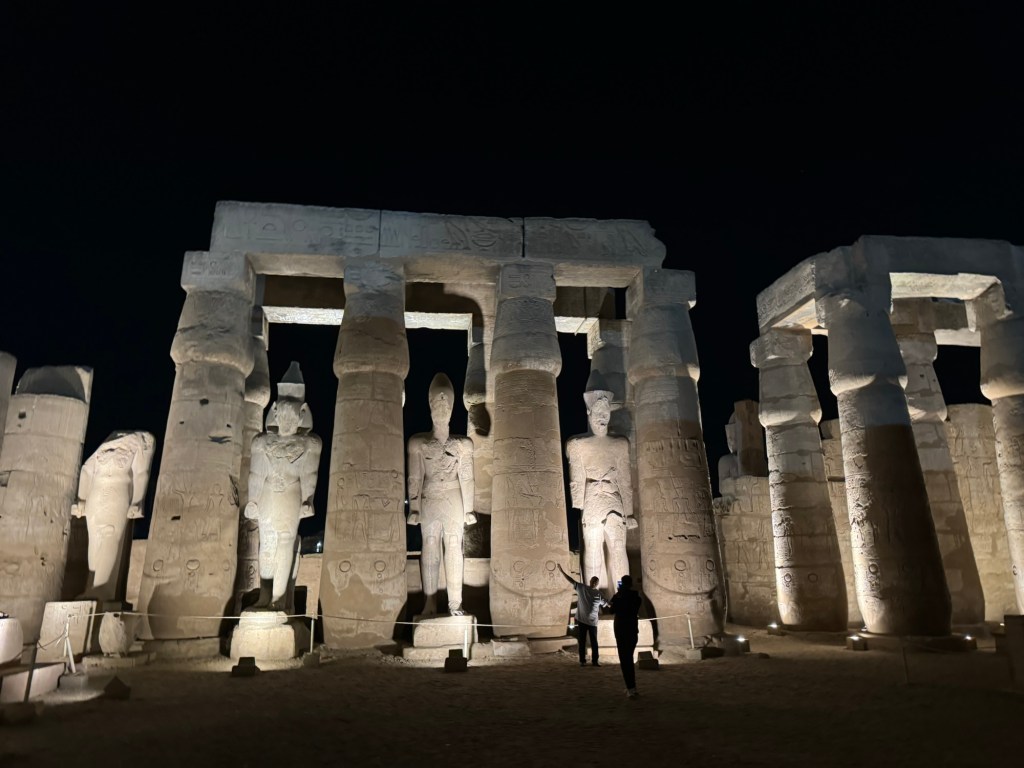
An evening walking tour through Luxor temple located on the banks of the Nile river was beautiful as the sun set. An avenue of human-headed sphinxes created a dramatic and inspiring entrance. The temple unfolds with a series of striking and architectural elements that include massive columns, colossal statues and hieroglyphics.

A boat the pharaoh’s used to go down the Nile

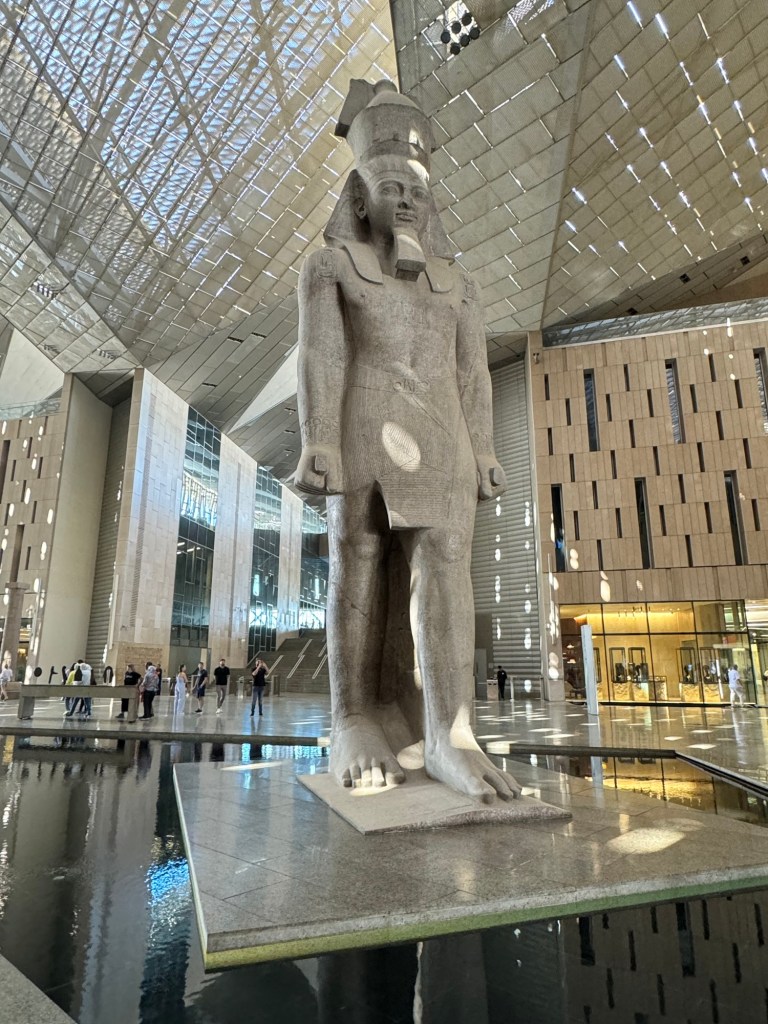
The GEM (Grand Egyptian Museum)

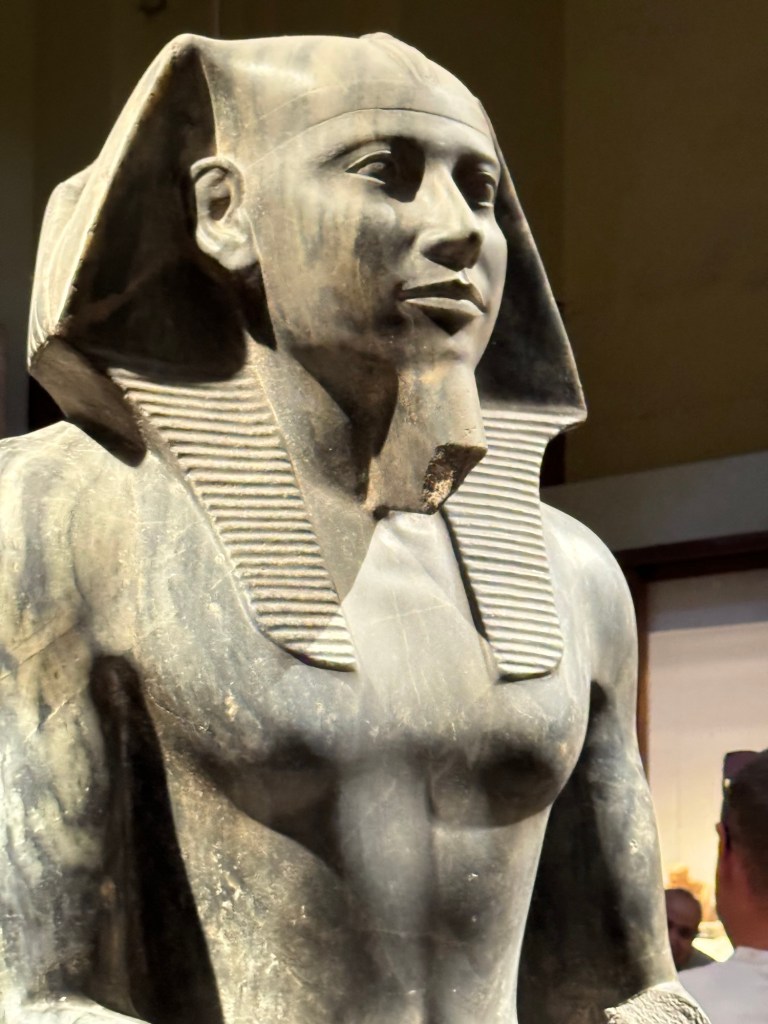
We were lucky to get to be some of the very first tourist to see the GEM the Grand Egyptian Museum, replacing the Egyptian Antiquities Museum . Some of the artifacts had not been moved yet so we visited both museums.

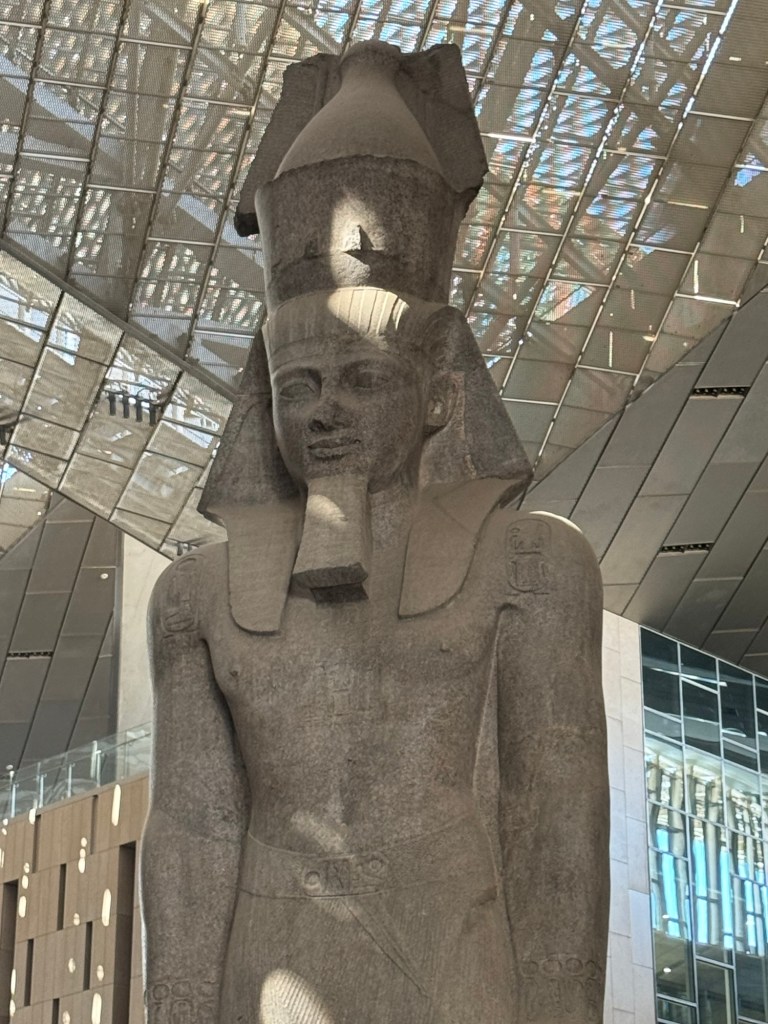
King Ramses II

Commonly known as Rameses the Great, was an Egyptian pharaoh. He is often regarded as the greatest, most celebrated and most powerful pharaoh of the 19th Dynasty.

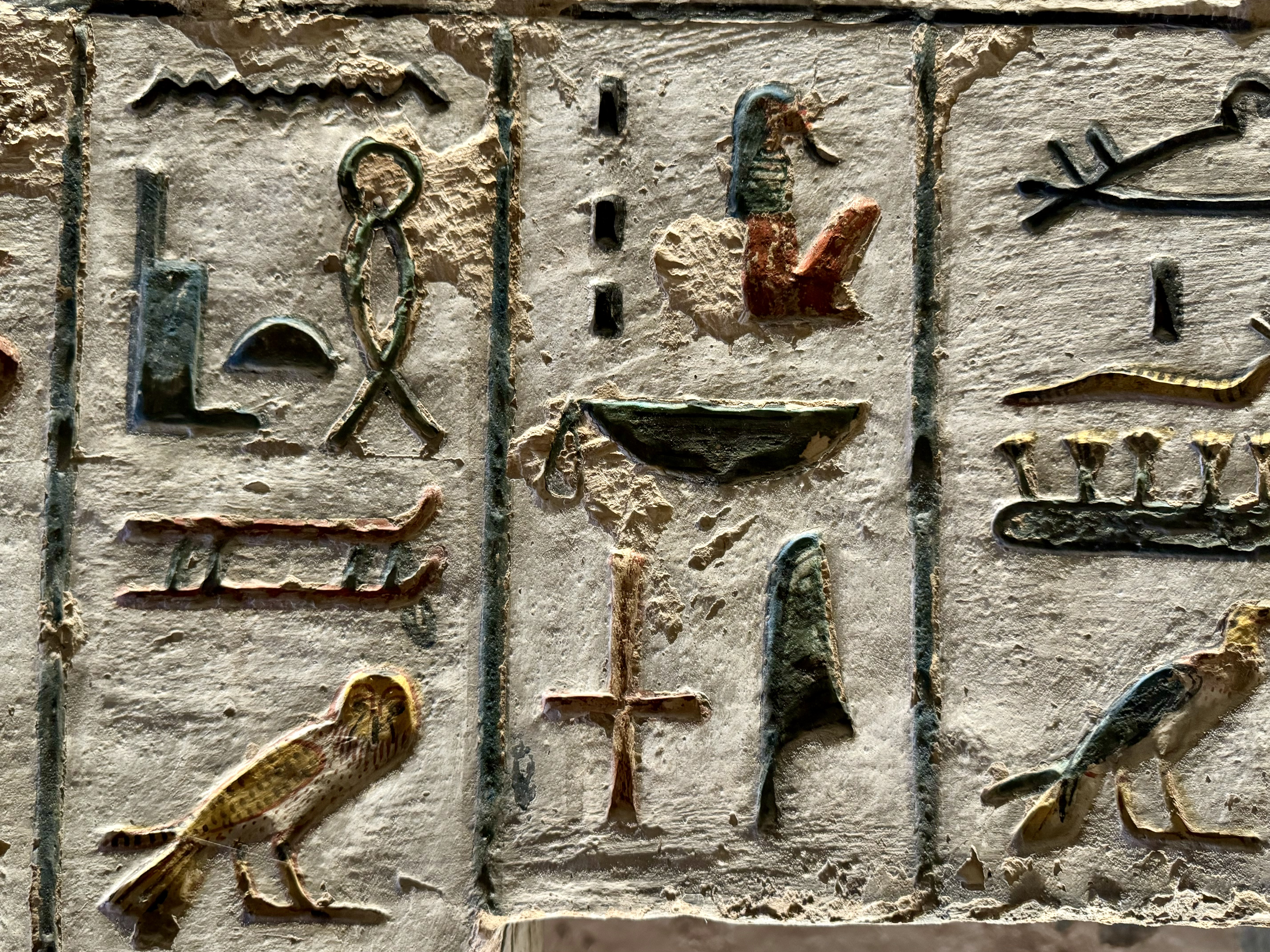
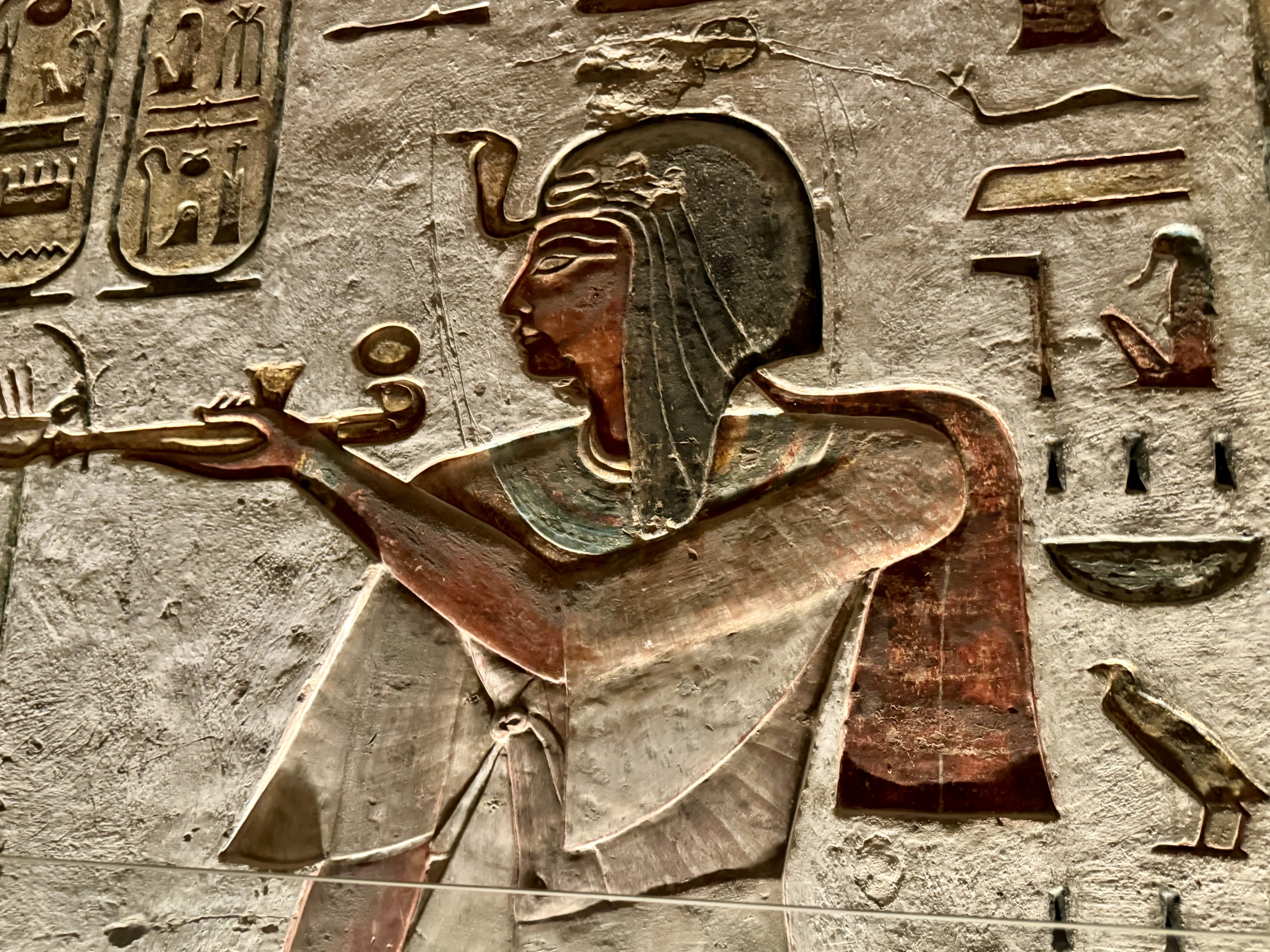
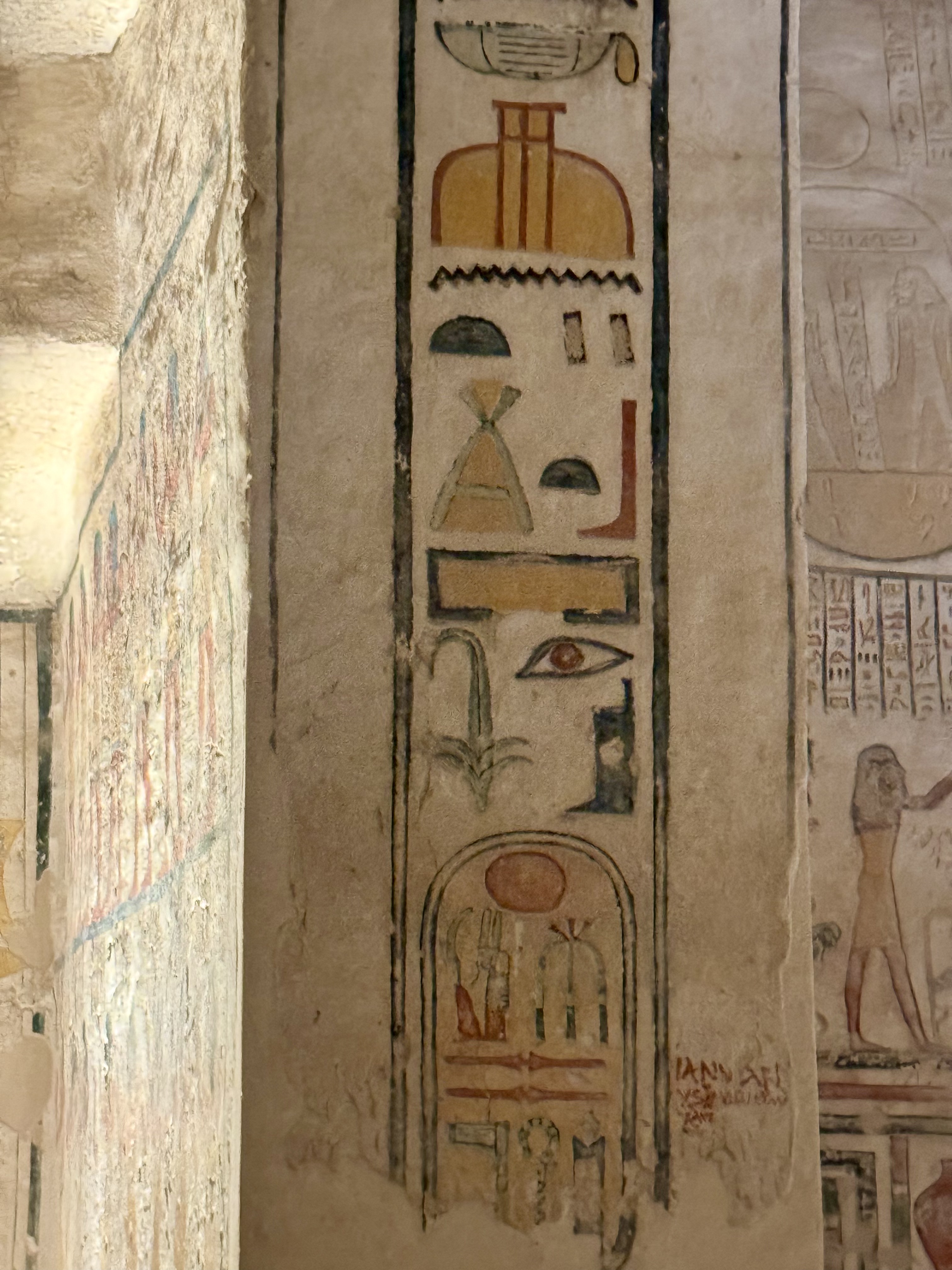
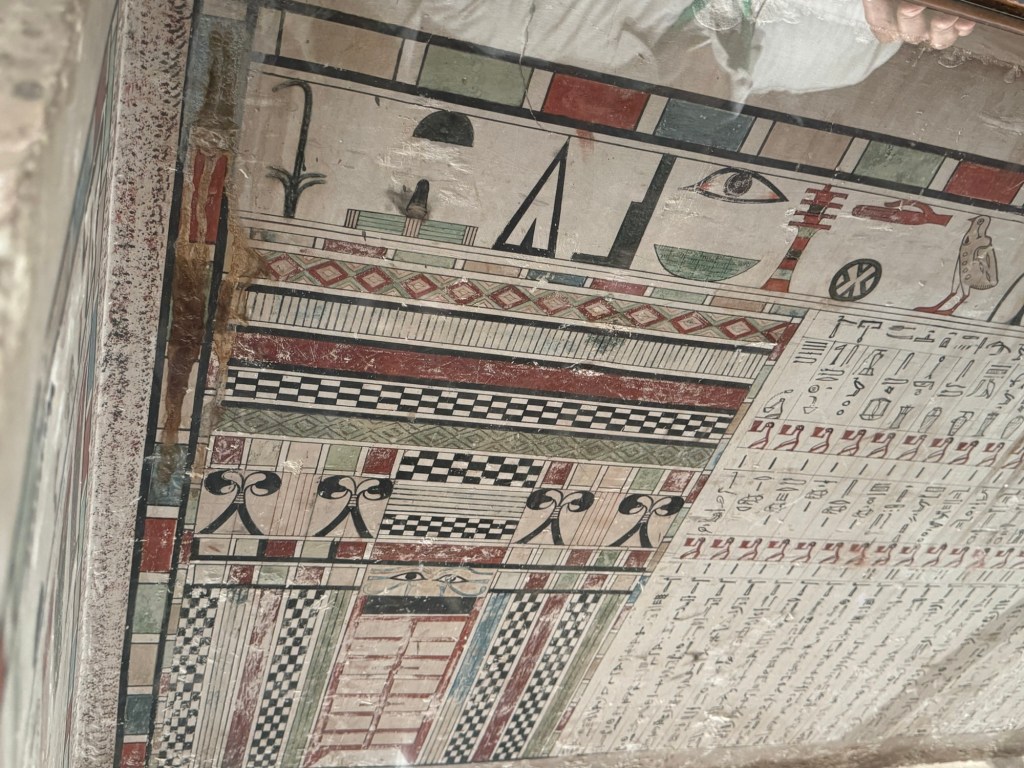
Hieroglyphics in tombs, were used to write prayers and other inscriptions for the deceased the inscriptions were intended to help the deceased travel to the afterlife
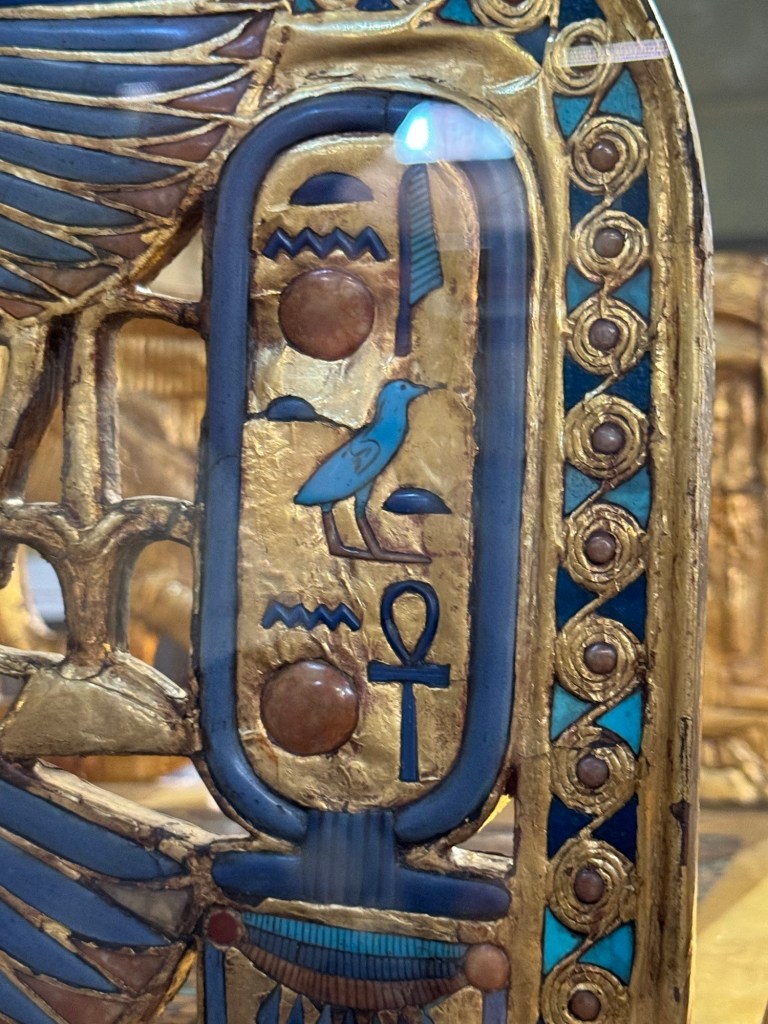
Cartouche
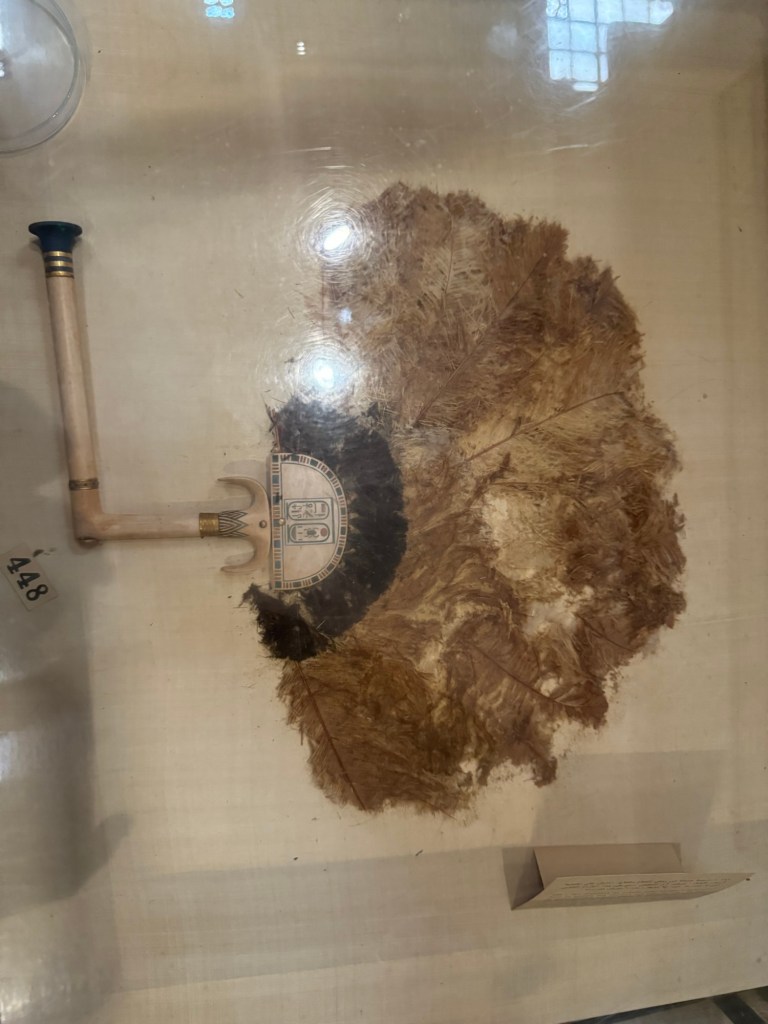
Fan made from ostrich feathers, and a handle made from ivory from the tomb of Tutankhamun. 1332-1323 BC
Paddle Doll 2030-1802 BC
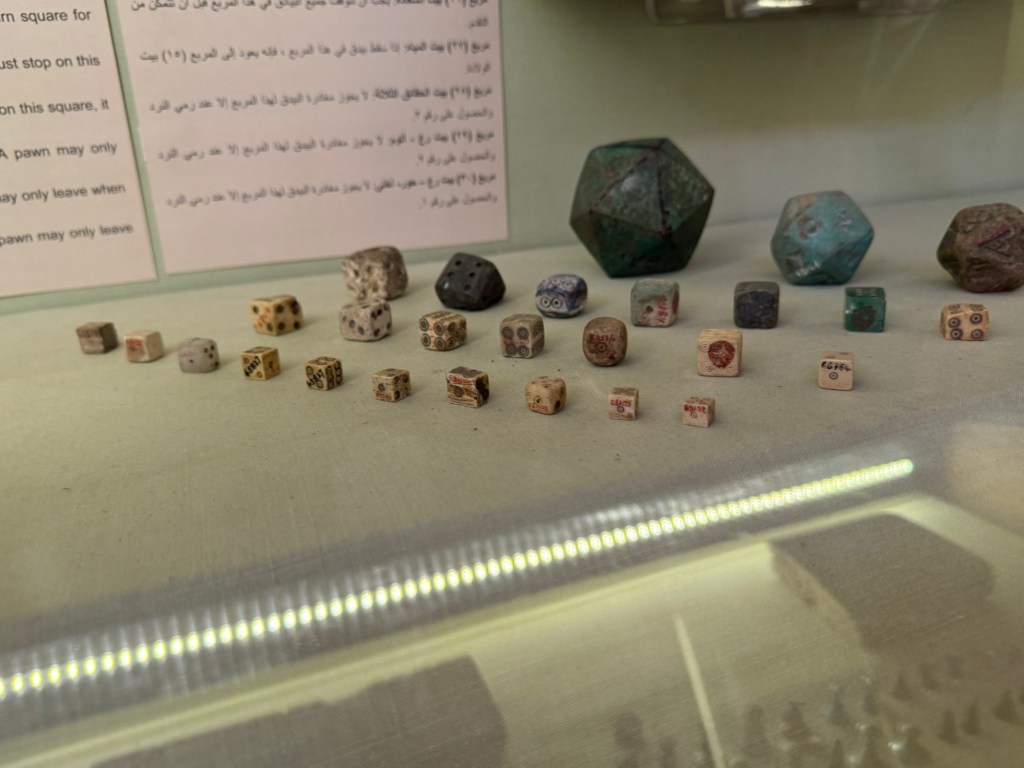
Dice and games

Exploring the Wonders of Giza: A Journey to the Pyramids and Sphinx

Day 4 (Nov 1)

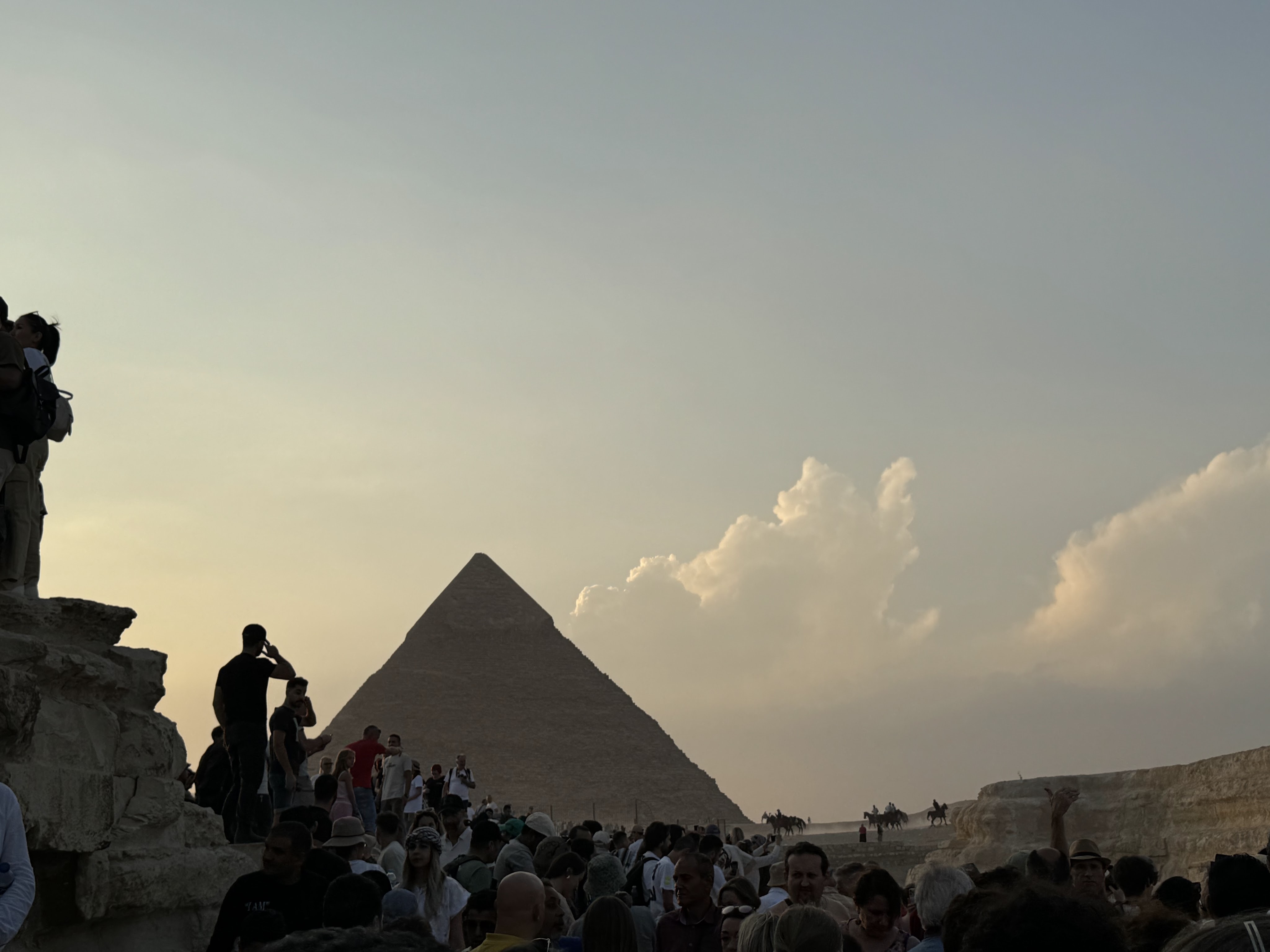
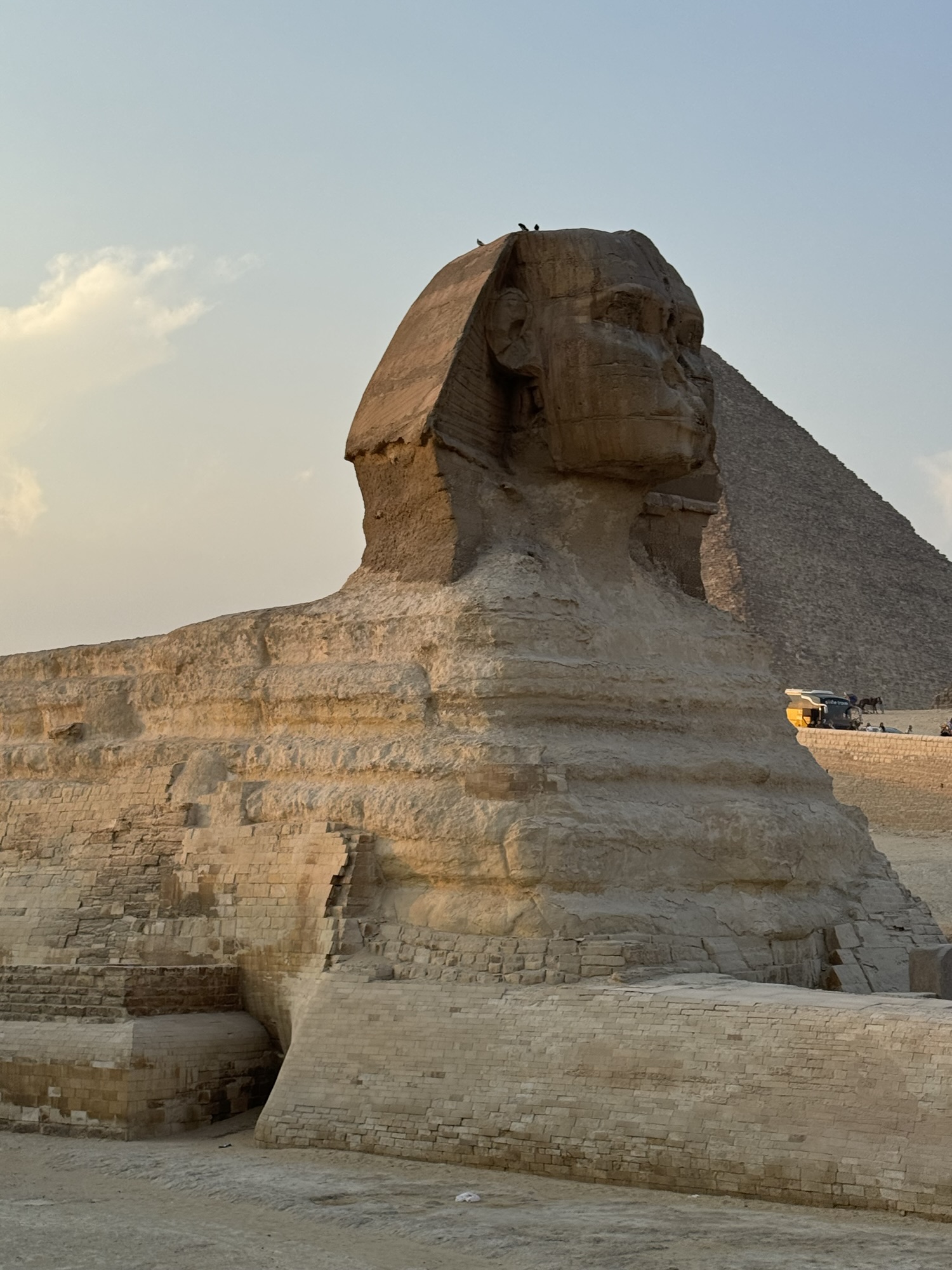
A guided tour of Giza was on the agenda for today.  We stood in the shadow of the Pyramids of Giza. They are the only Wonder of the Ancient World to have survived into the modern era.  Built to stand as tall as 480 feet, the Great Pyramid of Giza continues to amaze. It impresses with its size and construction precision.  Several of us entered the Pyramid where you had to crawl and stoop to get to the main burial room.  Once there, we posed for a picture in the burial area. Then, we made our way back out of the tomb. Riding a Camel at the Pyramids has been on my bucket list forever. Today I fulfilled that dream! The 4,500 year old Great Sphinx was next. It is the largest monolithic statue in the world. It was carved from a single limestone bedrock. 

Epic 15-Day Trip: Exploring Cairo and Beyond

15 days of a trip of a Lifetime

We walked 55 miles * took 132,000 steps * climbed 156 flights of stairs * stayed in 6 hotels * was on 4 continents (North America, Europe, Africa and Asia) * drank approximately 30 bottles of water * took 10 flights from start to finish * Traveled by car, plane, bus, balloon, motorboat, cruise ship, sailboat, camel and horse!

Day 1 & 2 ( Oct 29 & 30) started with our flight out of Little Rock to Dallas and then Cairo we didn’t arrive in Cairo until 11:30PM the next day. A very long trip.

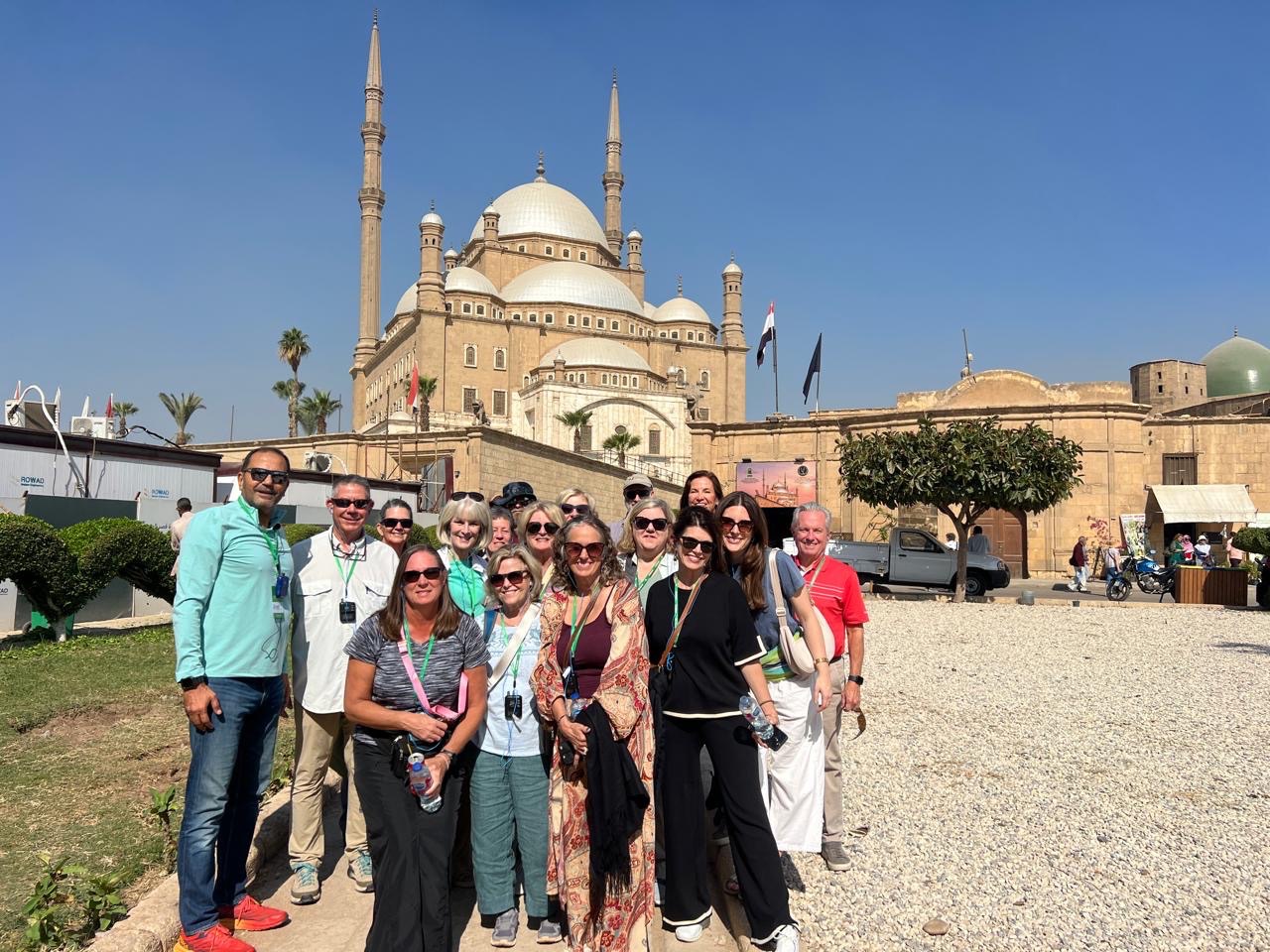
Day 3 (Oct 31) We set off on a guided tour of Cairo, by Amr Shamala, our Egyptologist for the next week. We visited the Cairo Citadel. Built in the 12 century by the mighty Saladin and originally used as a fortress, it remained the seat of the Egyptian government until the 19th Century.

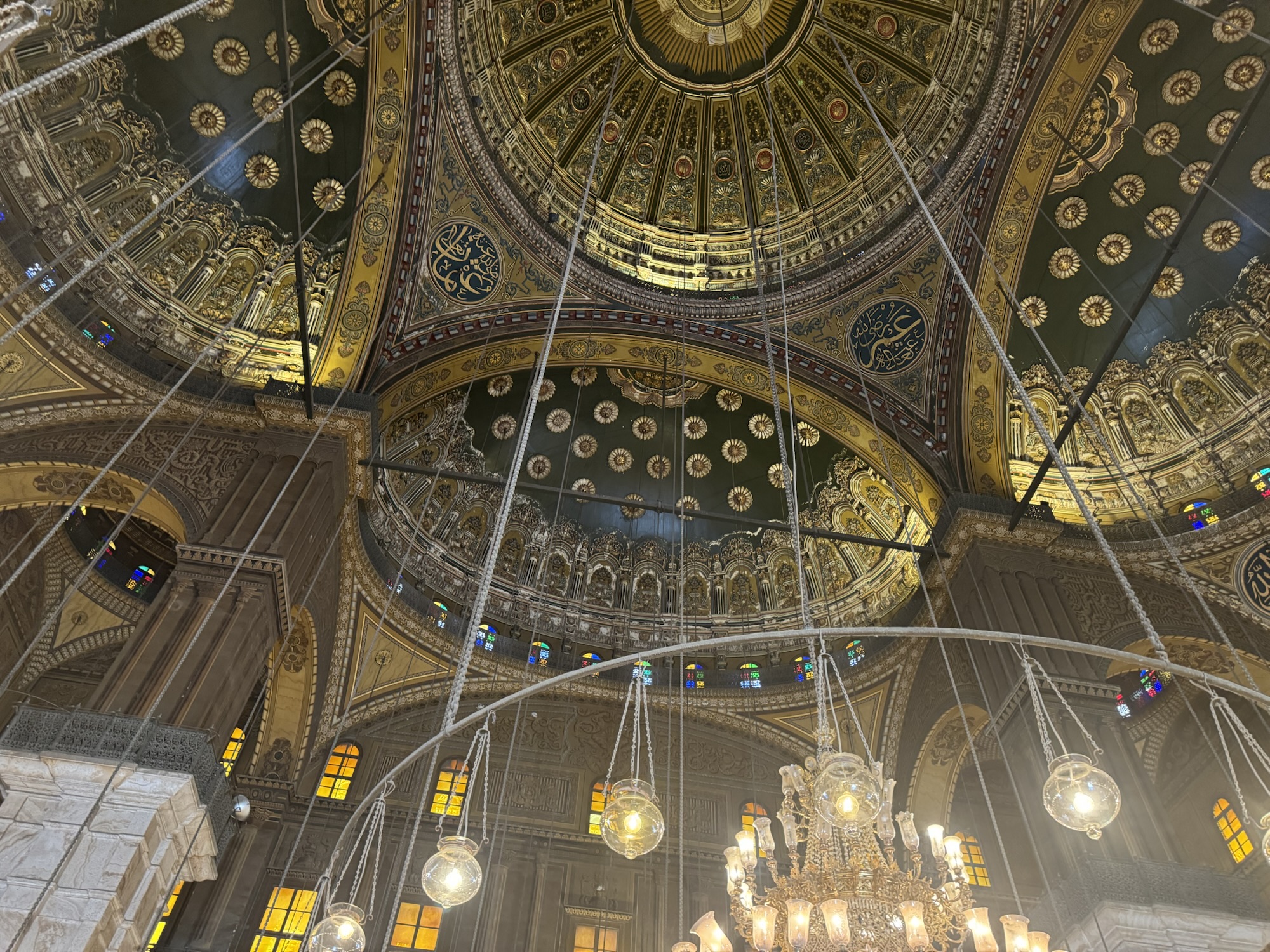
Next stop was the Muhammad Ali Mosque, built in the Ottoman stye and known as the Alabaster Mosque for its extensive marble paneling.  Its twin minarets make it one of the most striking structures in Cairo’s cityscape.