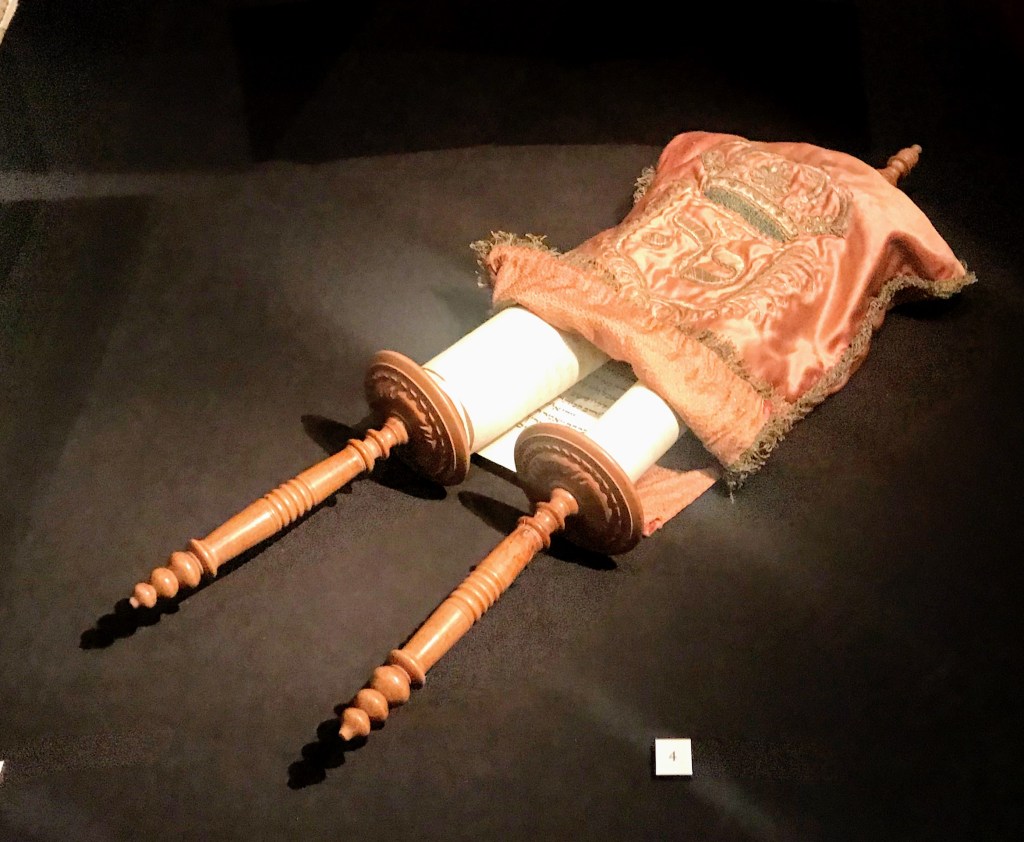
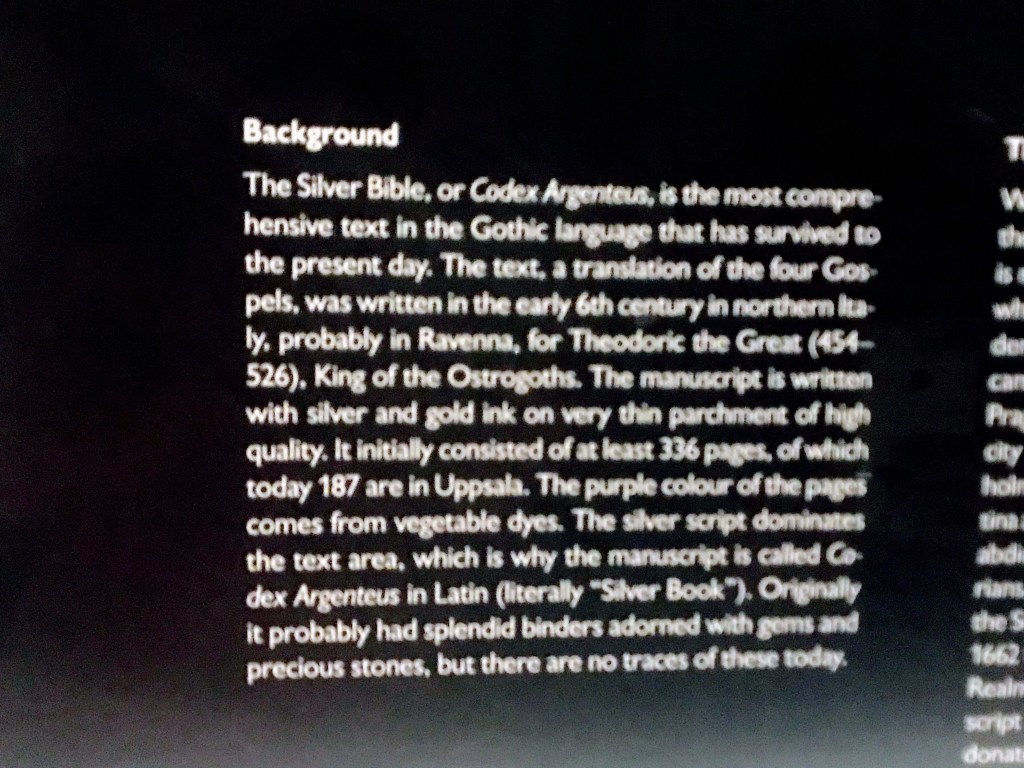
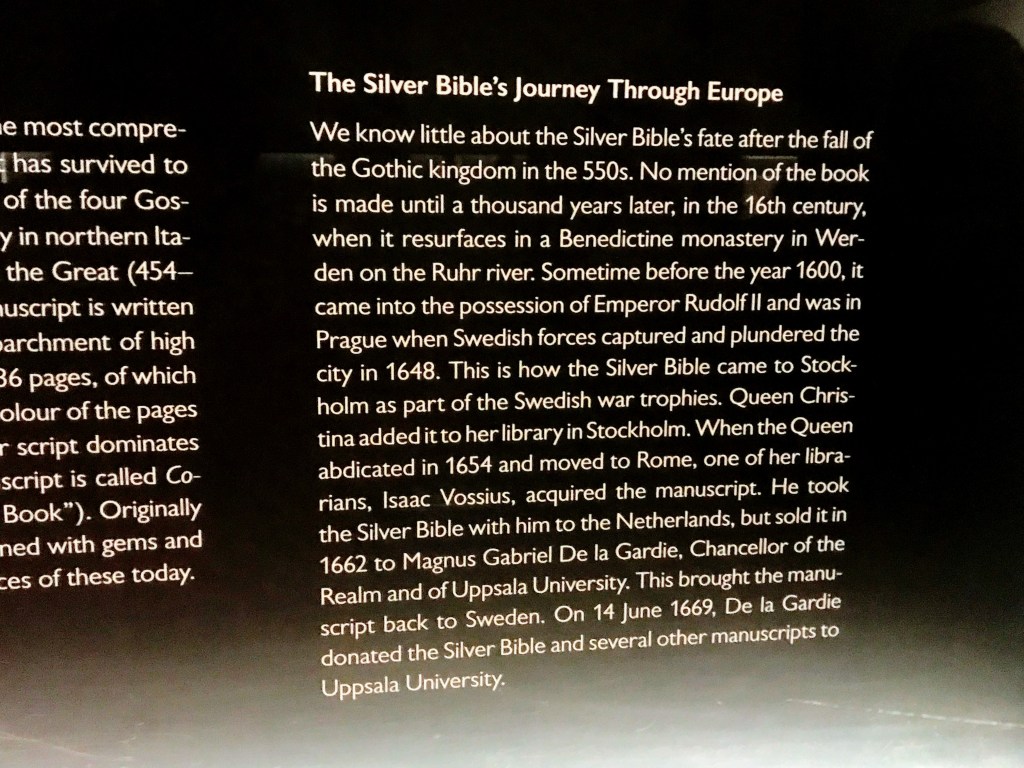
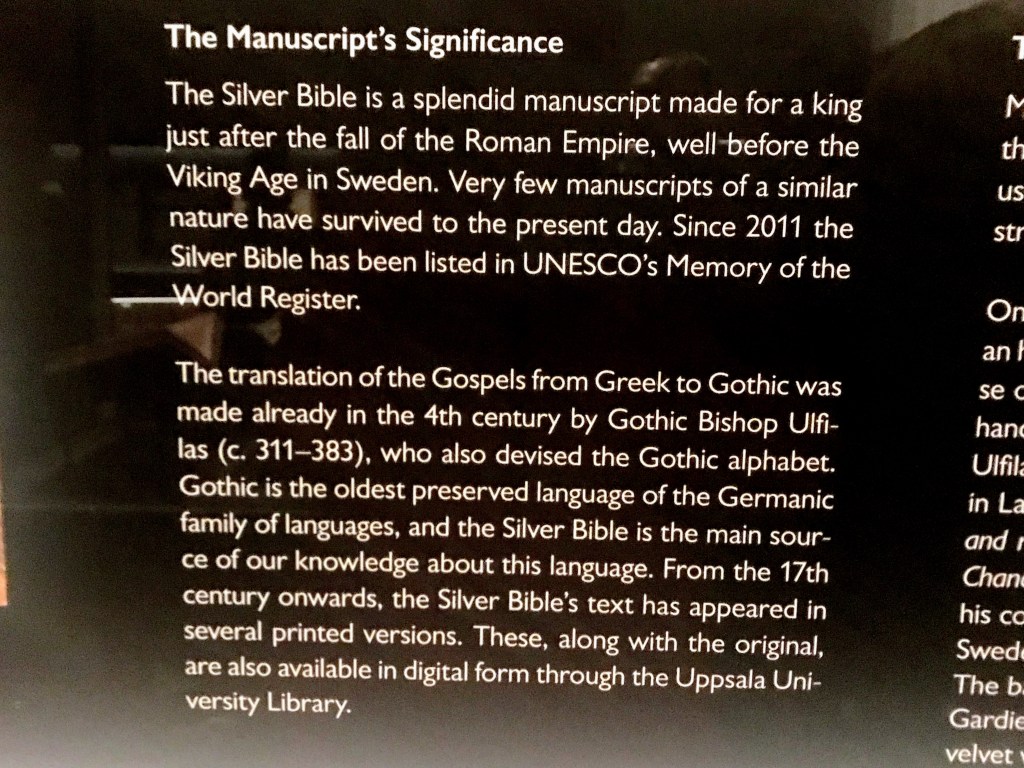
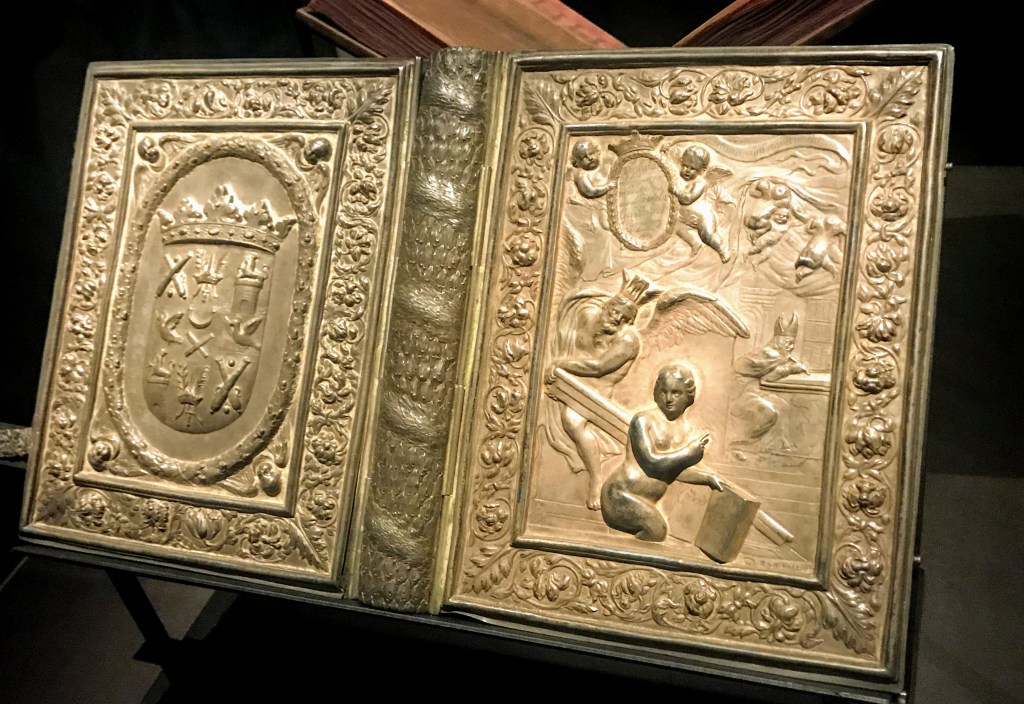
The “Silver Bible” was probably written for the Ostrogothic King Theodoric the Great, either at his royal seat in Ravenna, or in the Po valley or at Brescia. It was made as a special and impressive book written with gold and silver ink on high-quality thin vellum stained a regal purple, with an ornate treasure binding. After Theodoric’s death in 526 the Silver Bible is not mentioned in inventories or book lists for a thousand years.





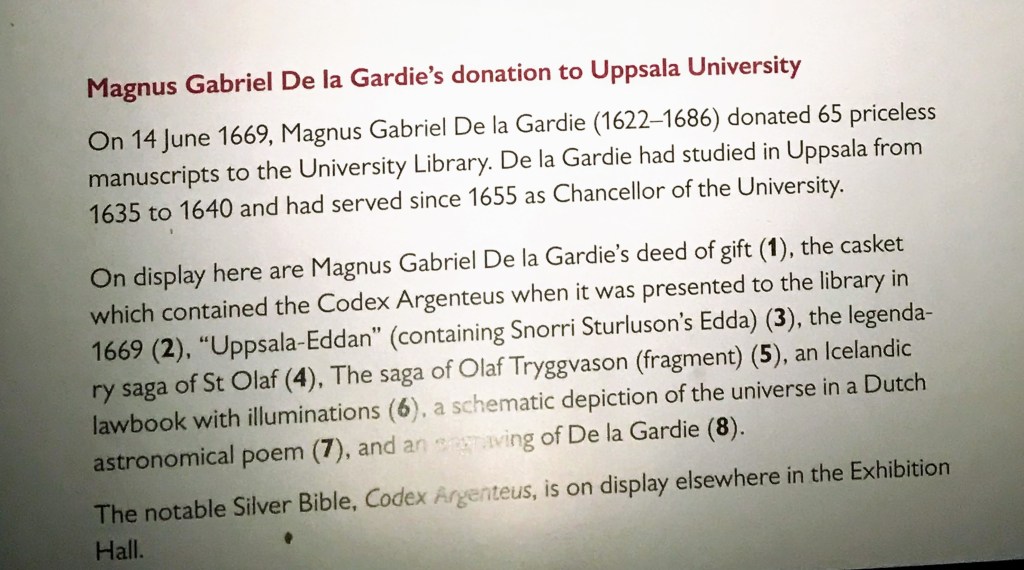
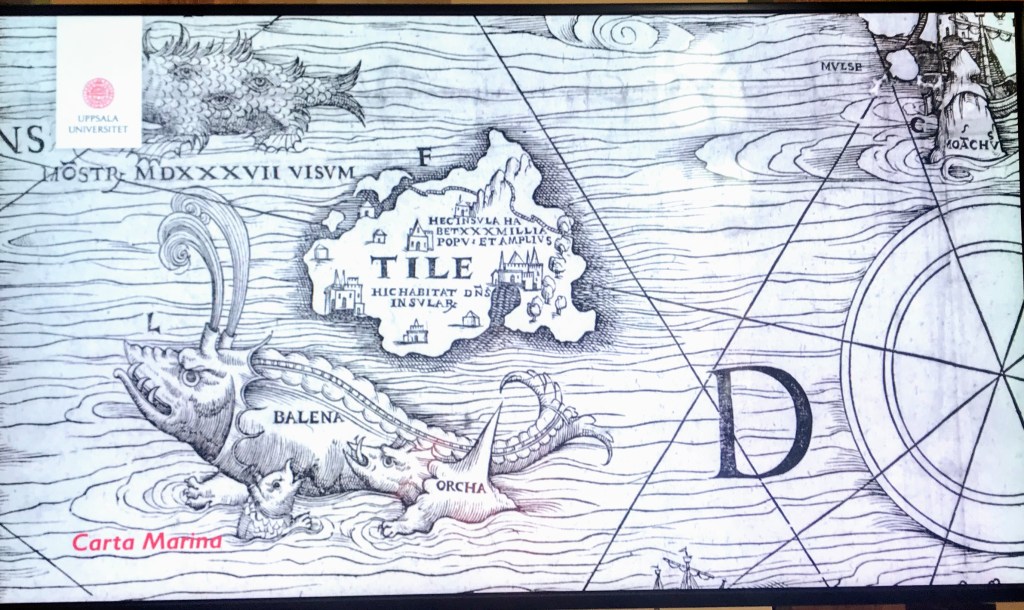
Uppsala Cathedral
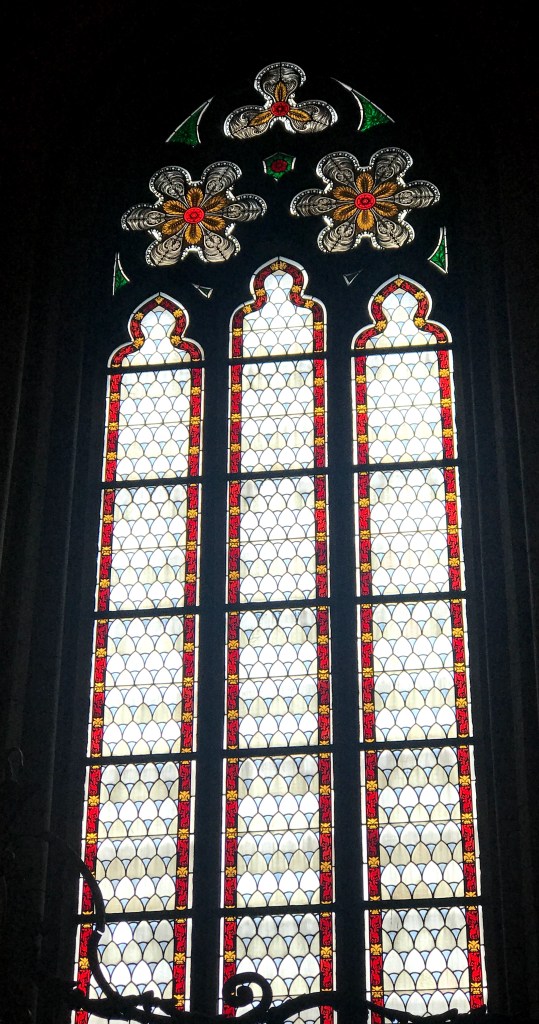
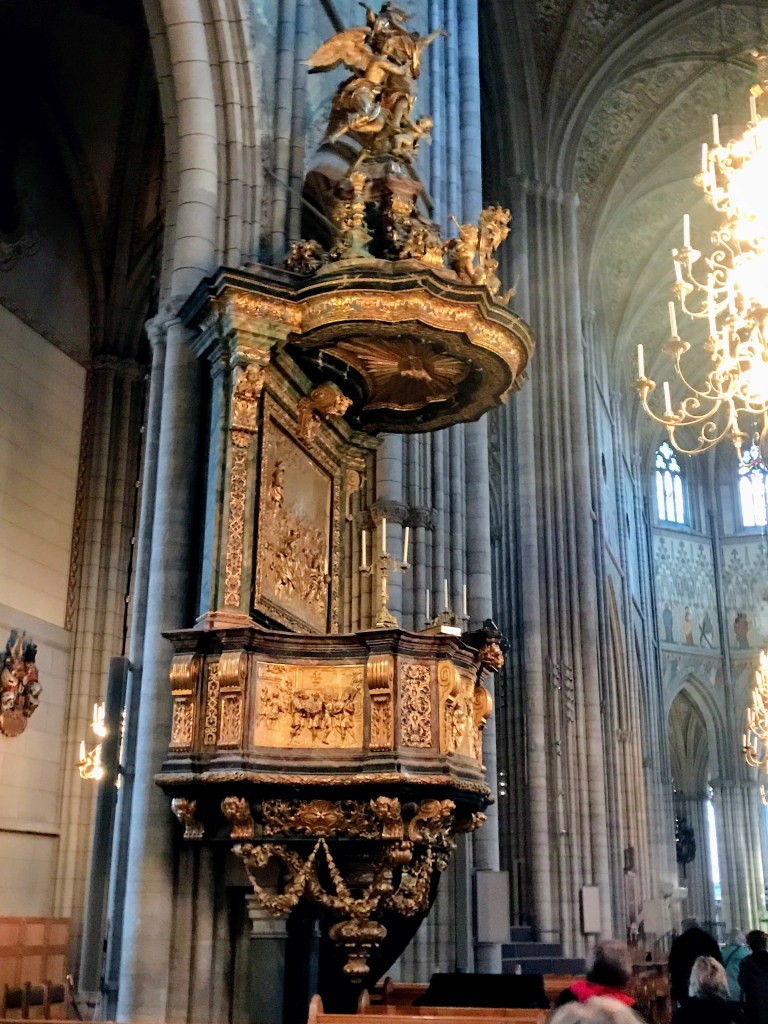
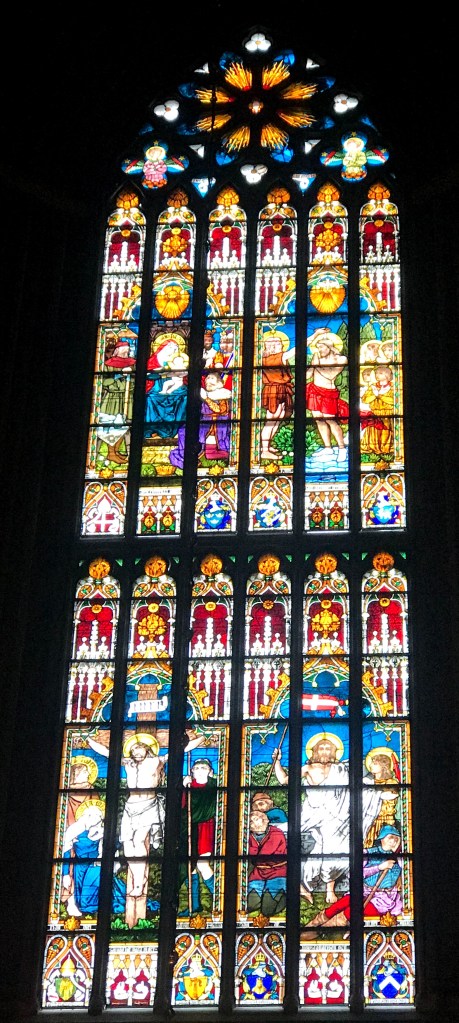
Uppsala Cathedral’s construction began in 1270 as a catholic church. It was built in Gothic Style architecture. Due to lack of funds and inclement weather the construction took a couple of hundred years to complete. In the 1500’s Sweden left the Roman Catholic Church and began as Lutheran. The cathedral houses not only royal tombs, but nobles and scientists too.
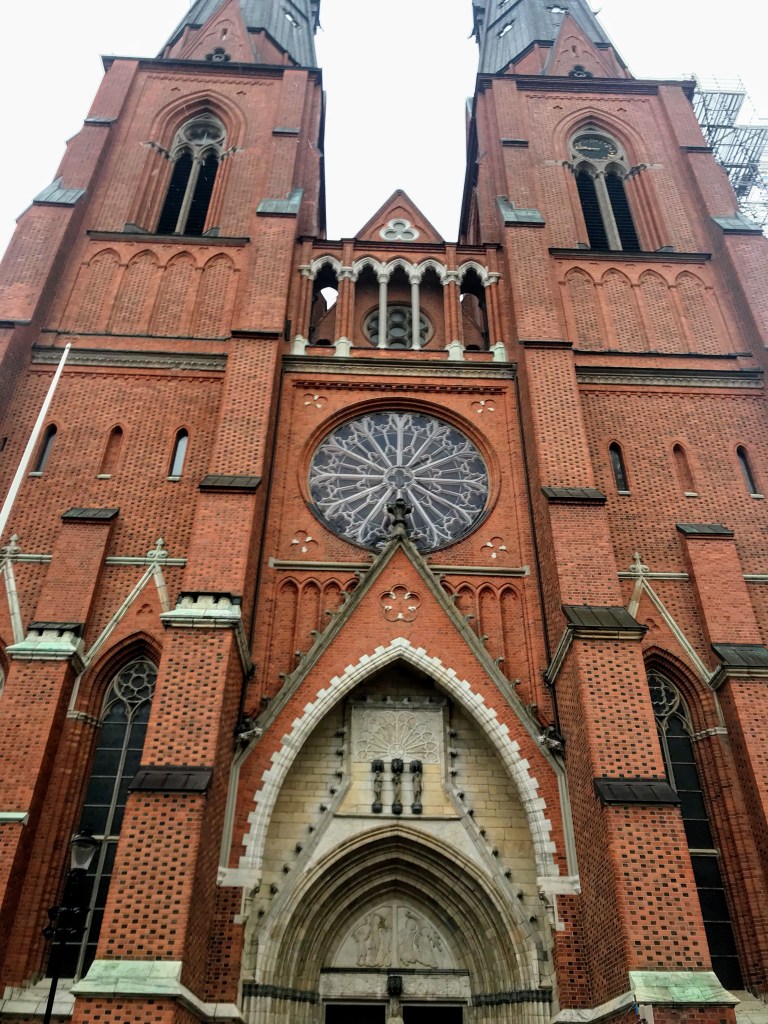

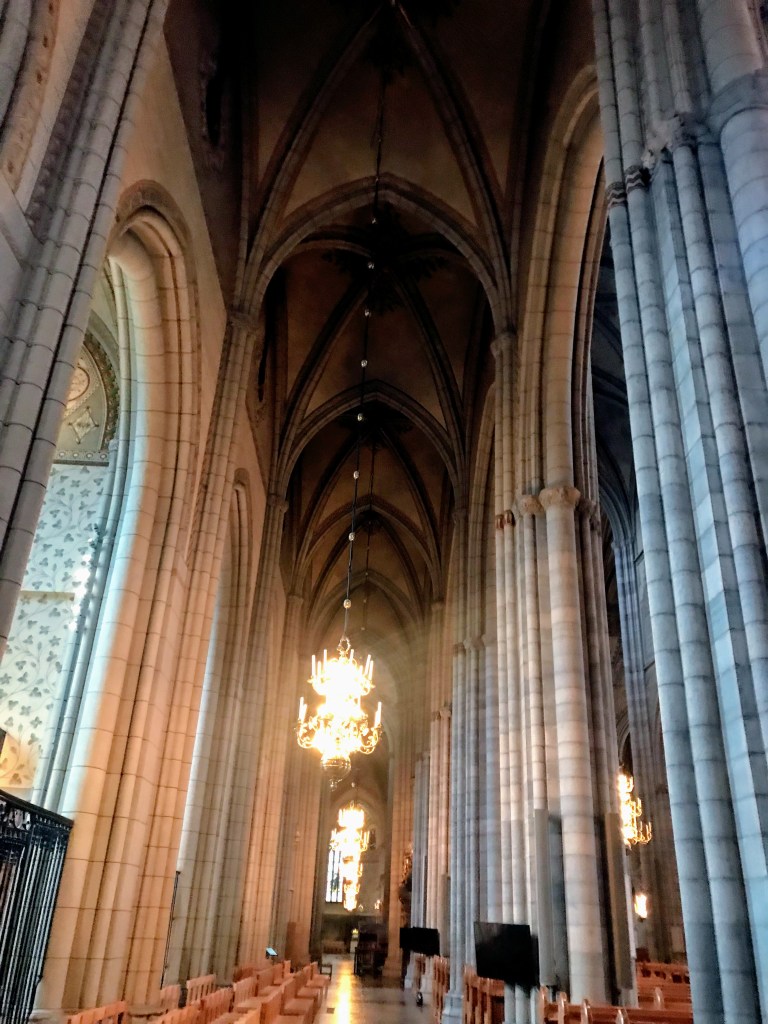




Uppsala University
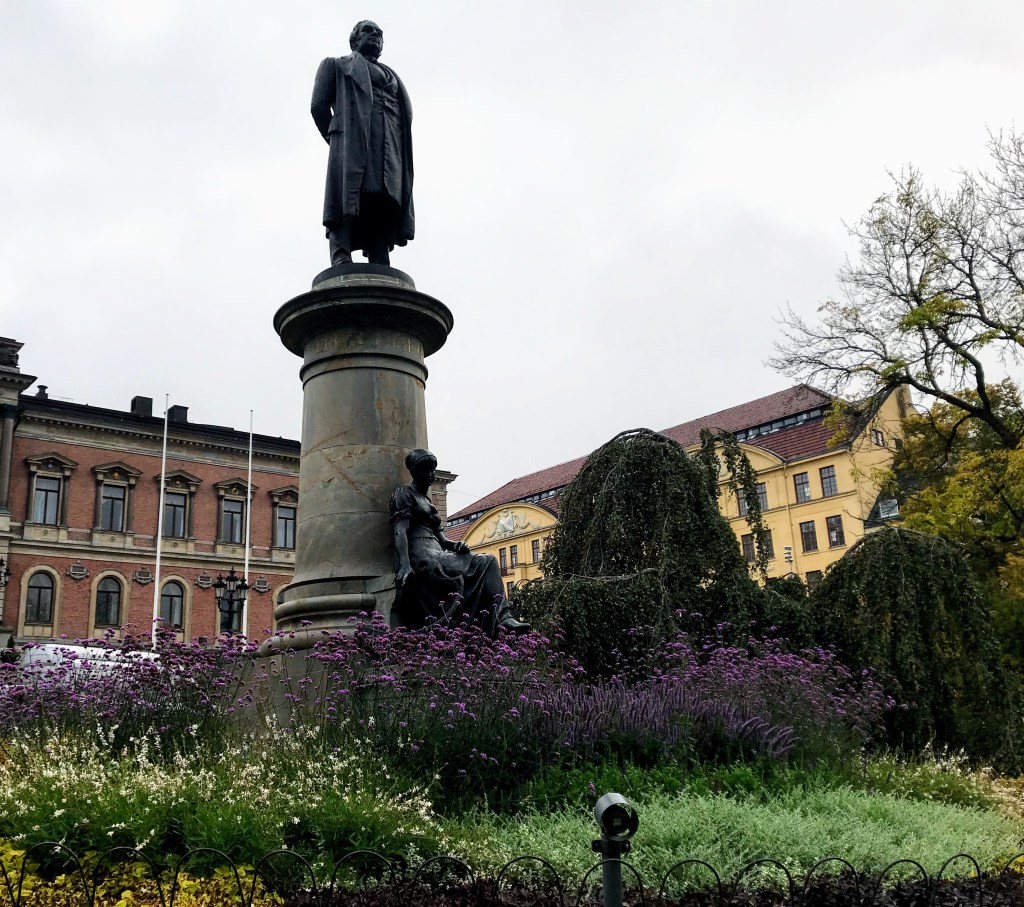
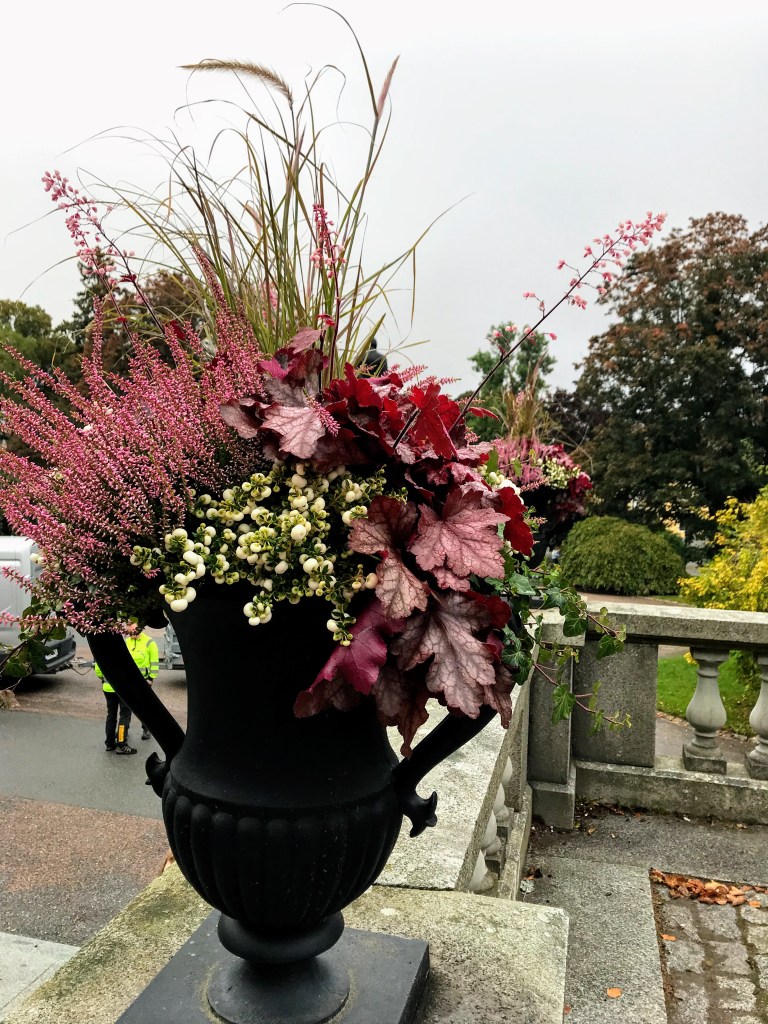
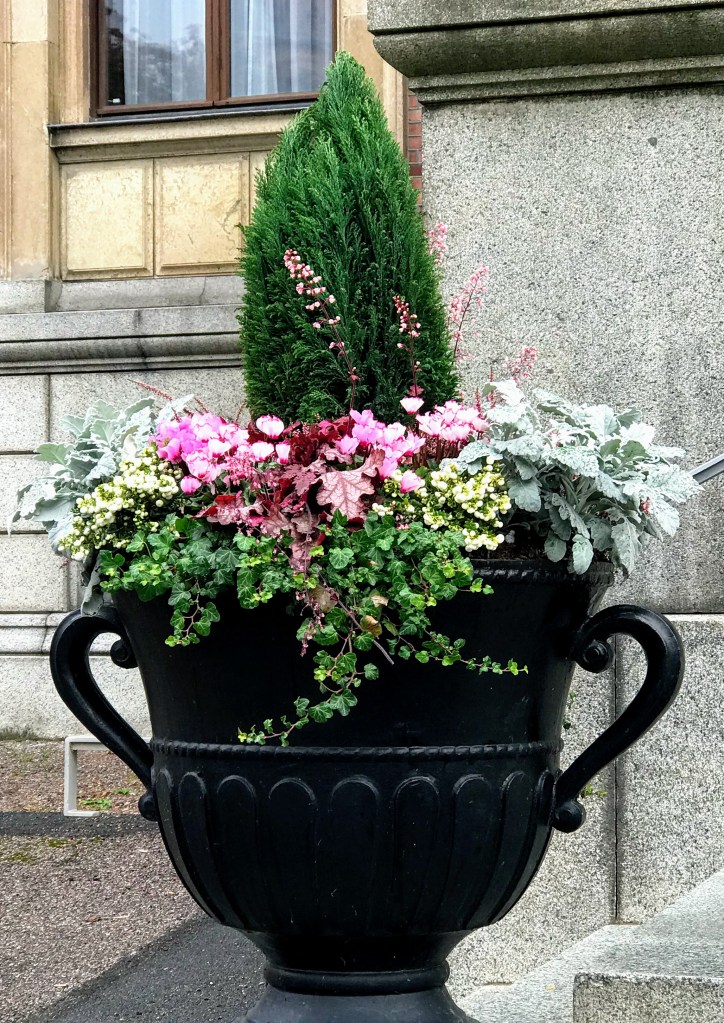
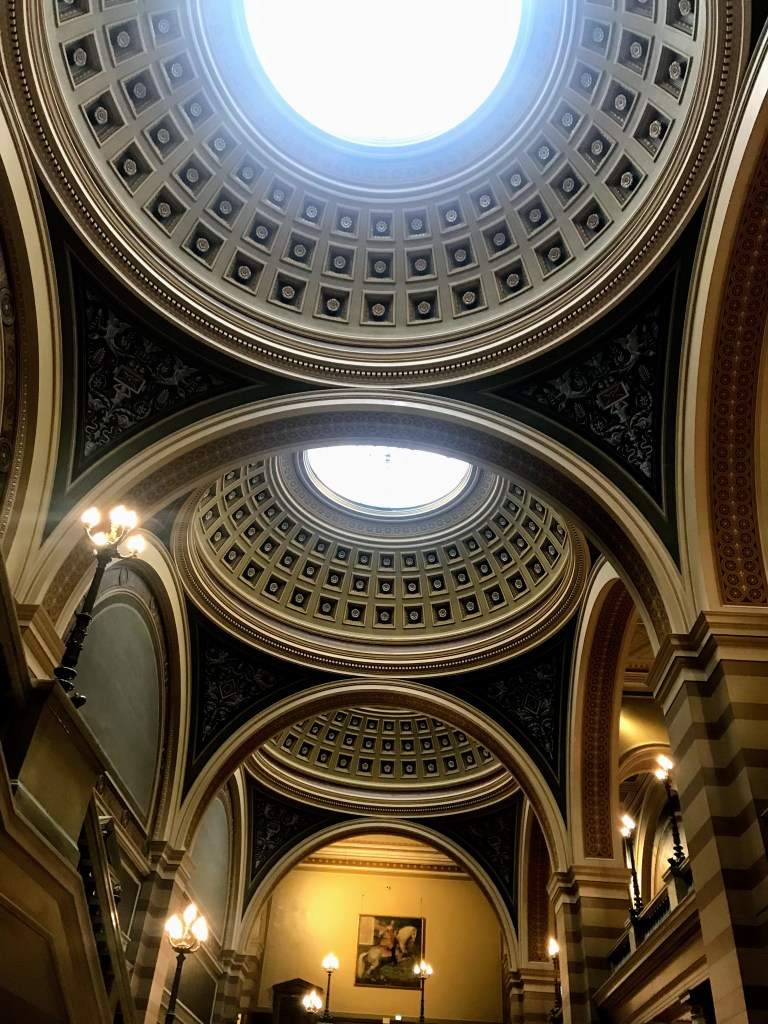
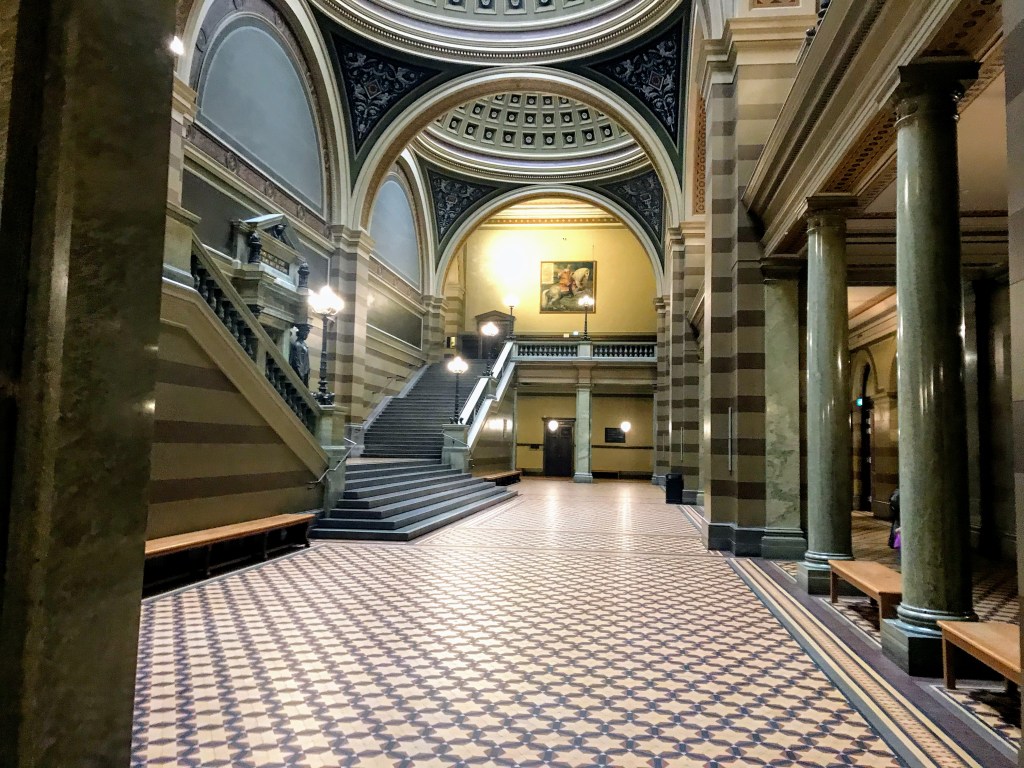
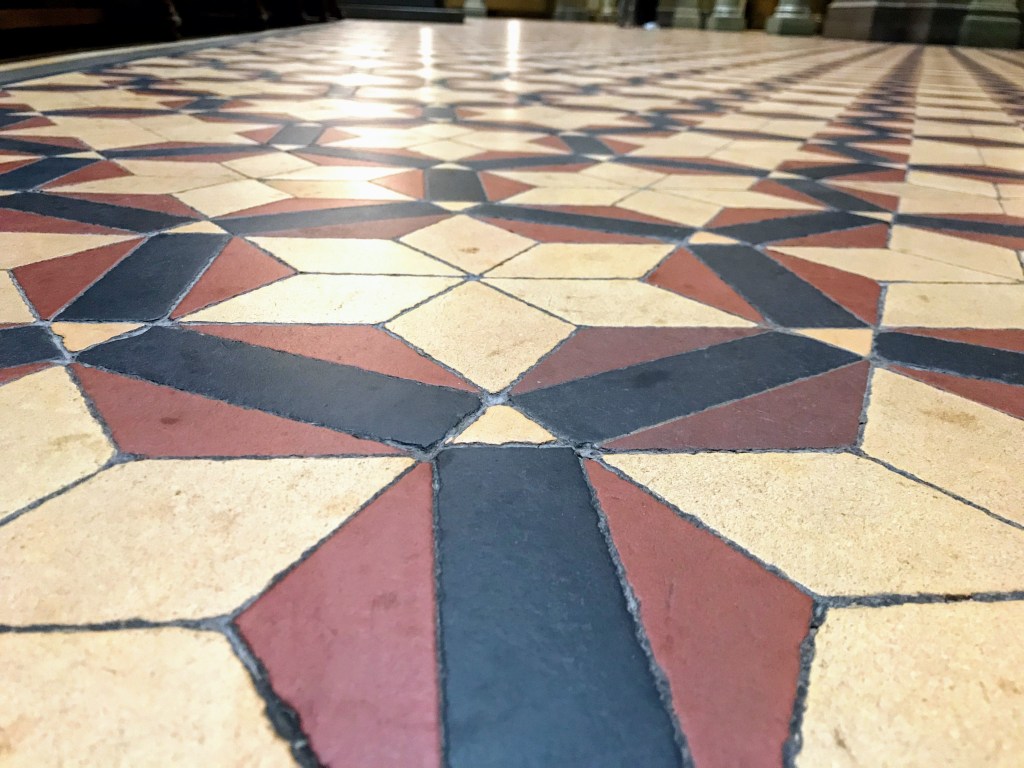
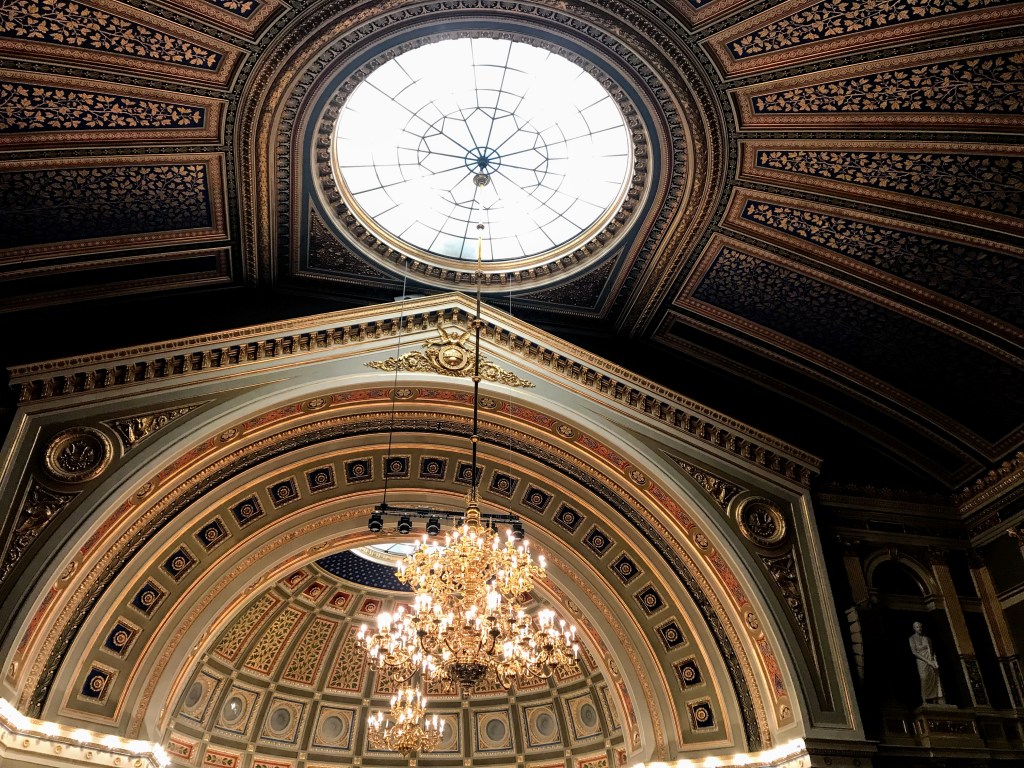


This was a first, to be shown a University on a tour! This particular university began in 1477 and has been a continually operating school of higher learner for the last 542 years. It is listed in the top 100 universities of the World.


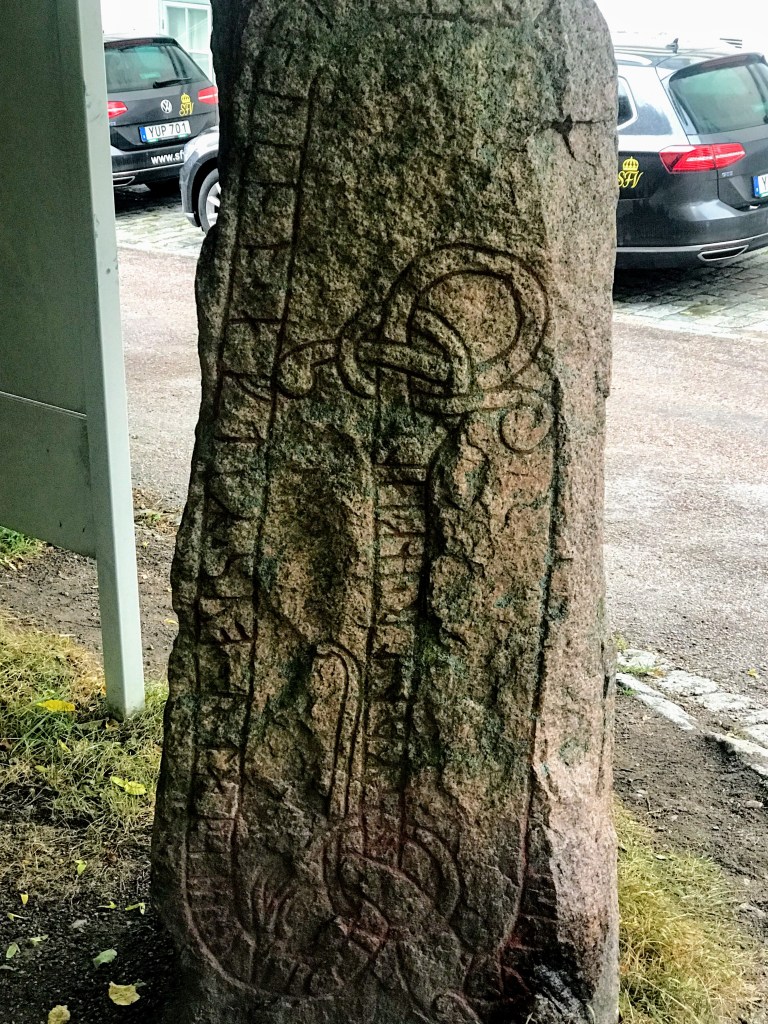
A rather amazing artifact sits outside the University.
In the center photo in dark red is the symbol we now recognize as “bluetooth”.
Not to blow your mind, but your smartphone may right now be displaying the name of an ancient Danish king.
One of the stones was ordered raised by Harald Blåtand (whose name translates, loosely, to Harald Bluetooth), King of Denmark during the 10th century, and it included a testament to his own great reign as king, including uniting Denmark and Norway.
Fast-forward a millennium later and an engineer at Intel heard about Bluetooth’s legend from a co-worker and — voila! — your phone now has a feature named for a viking.
You just never know what you may learn from traveling!
Linnaeus Garden
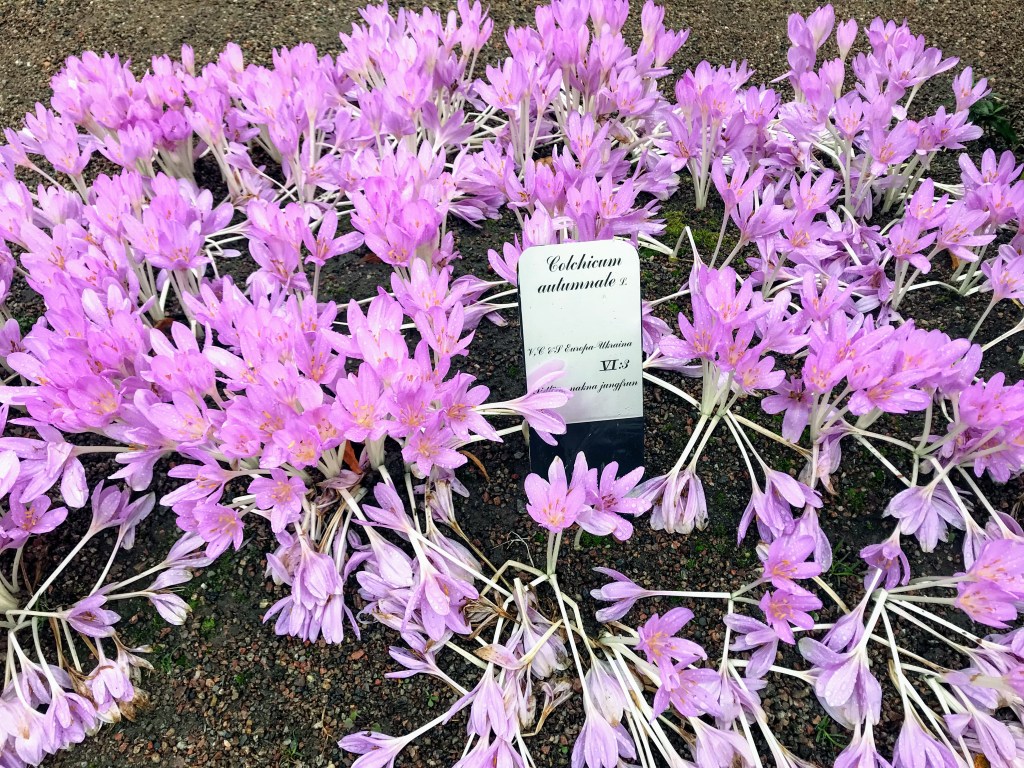
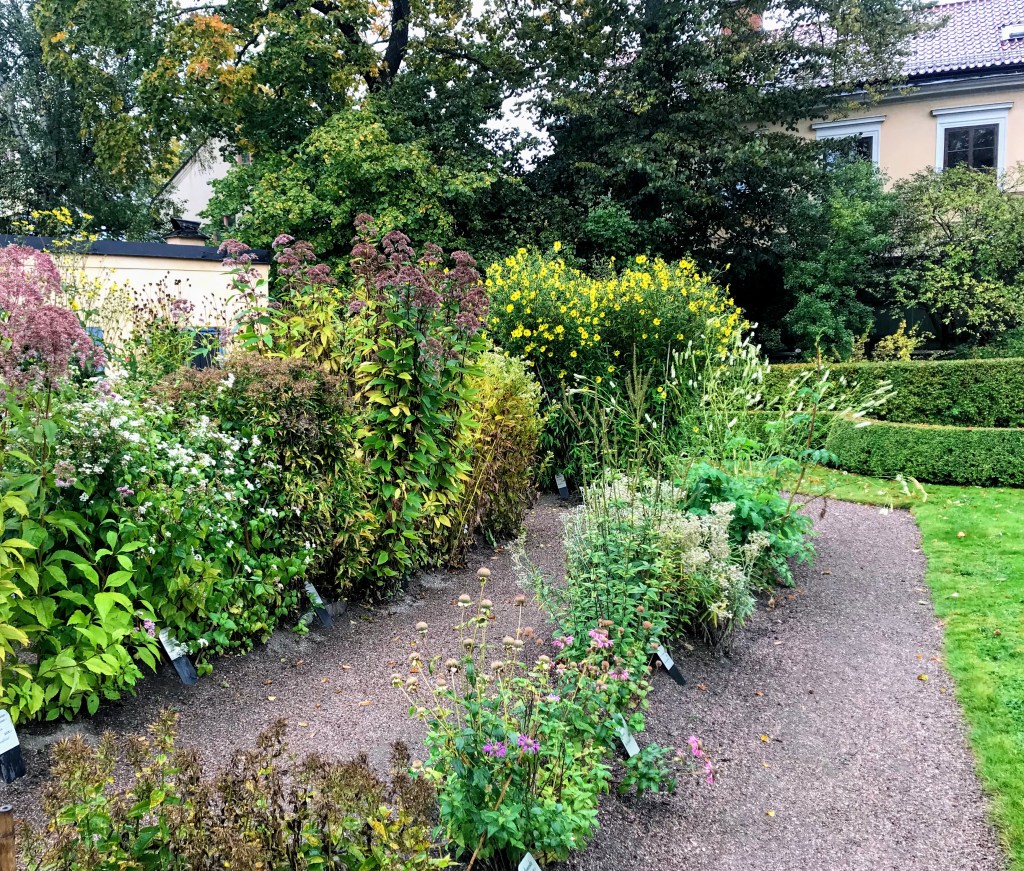
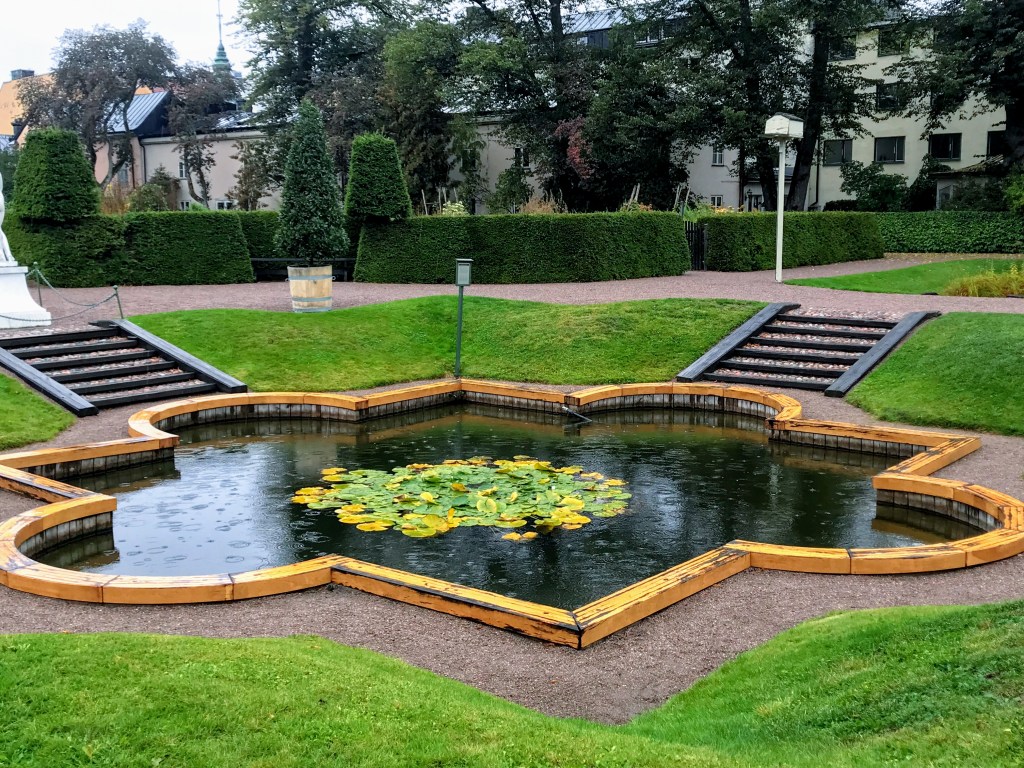

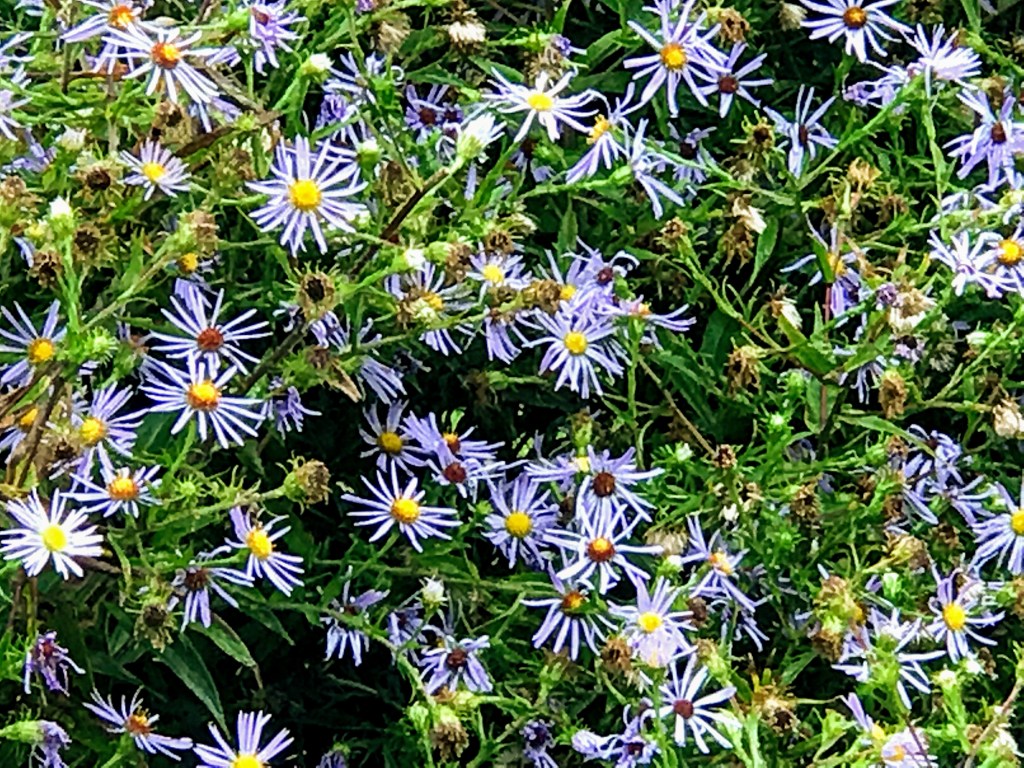
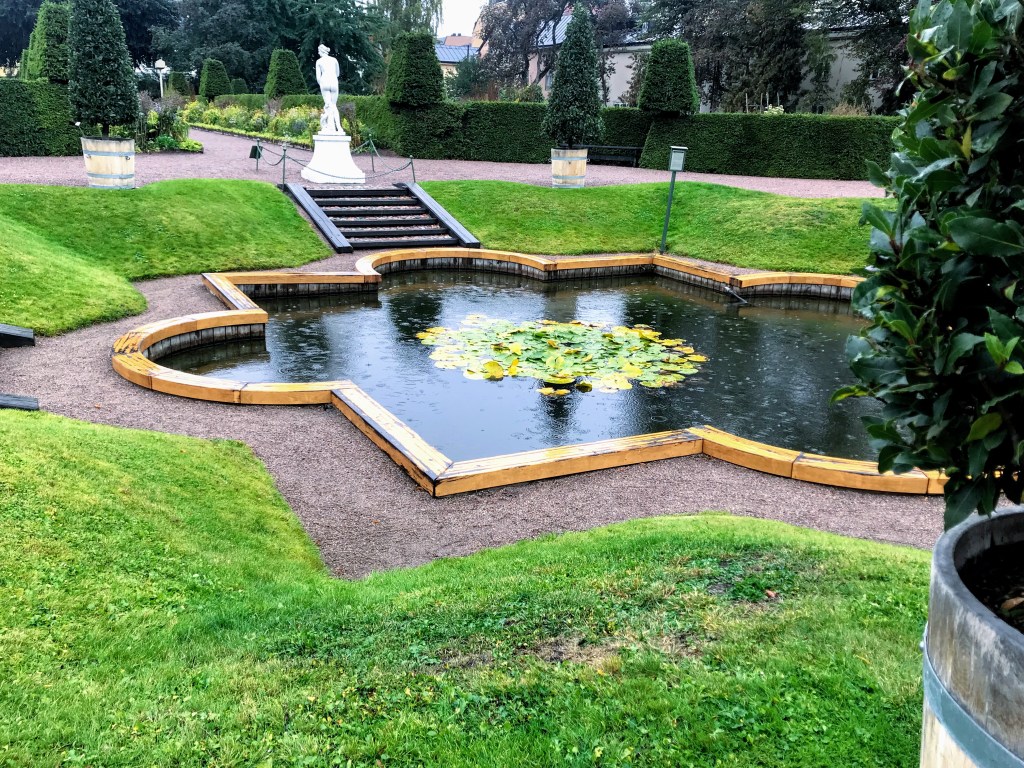
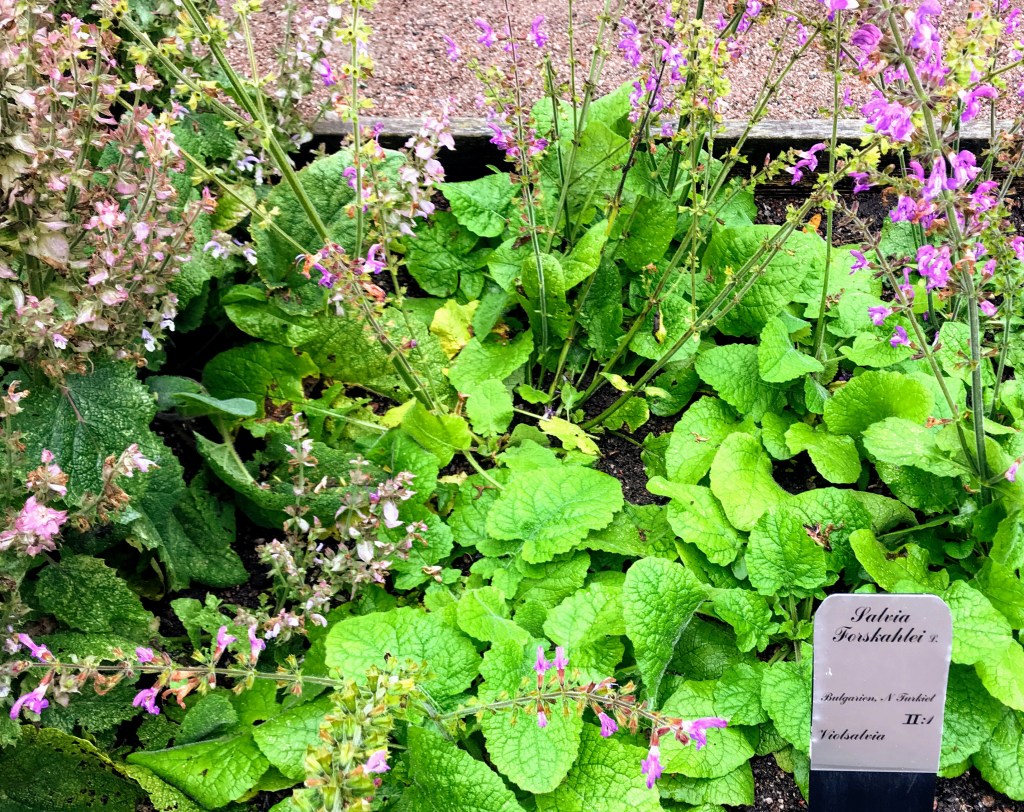


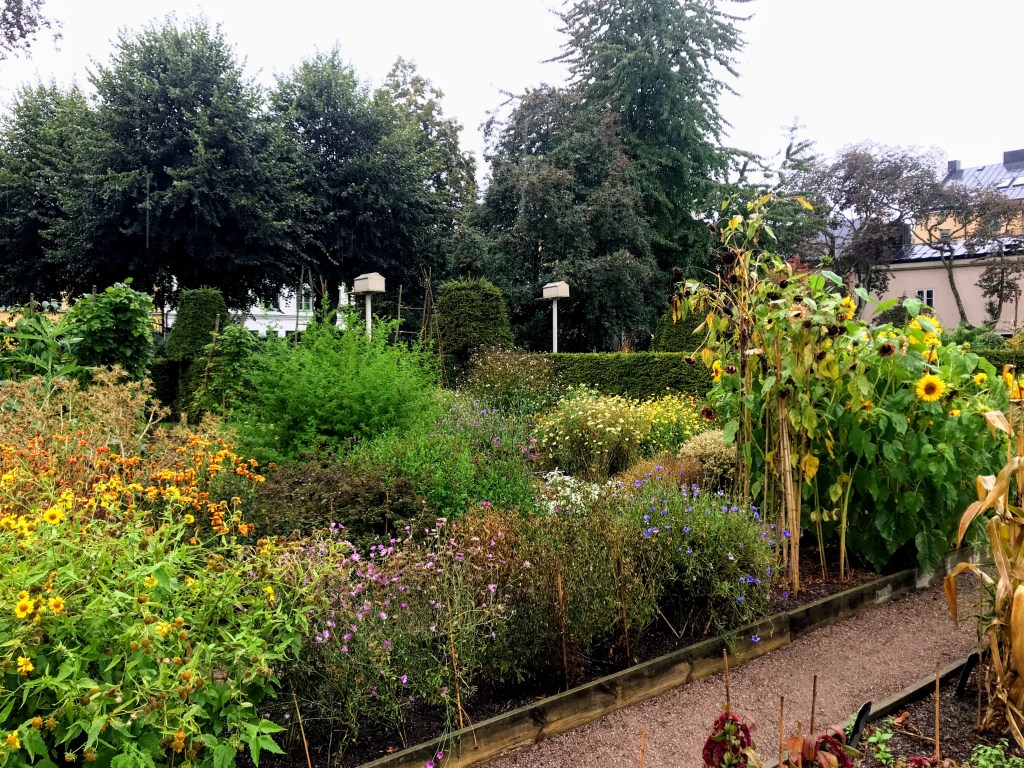
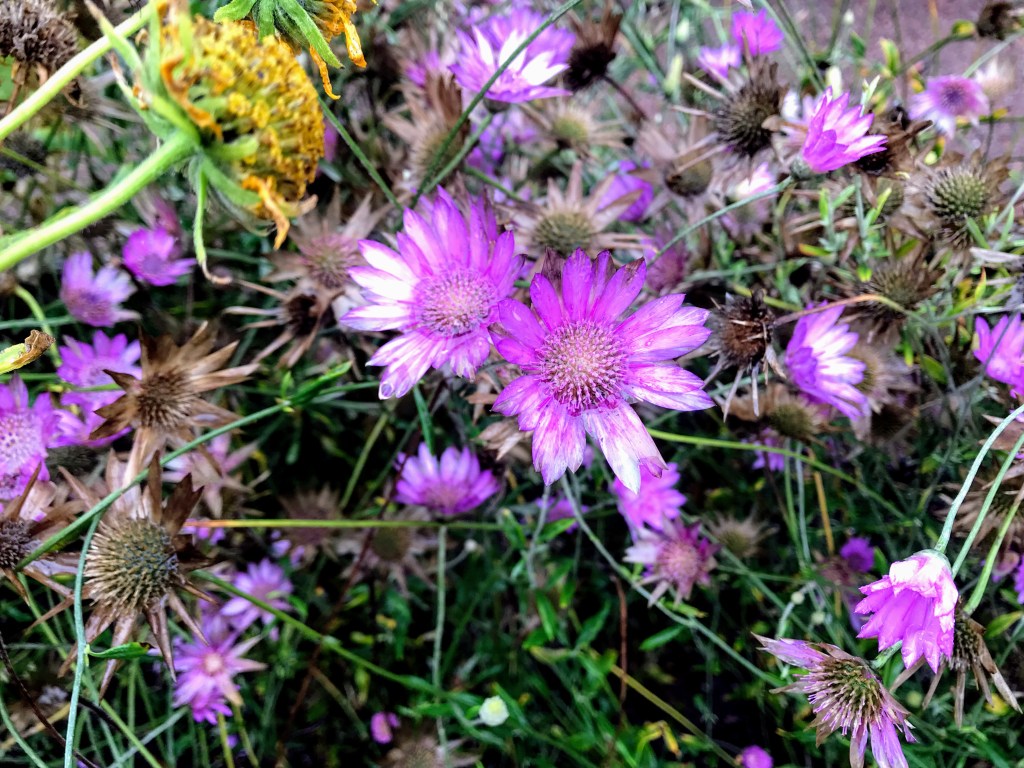

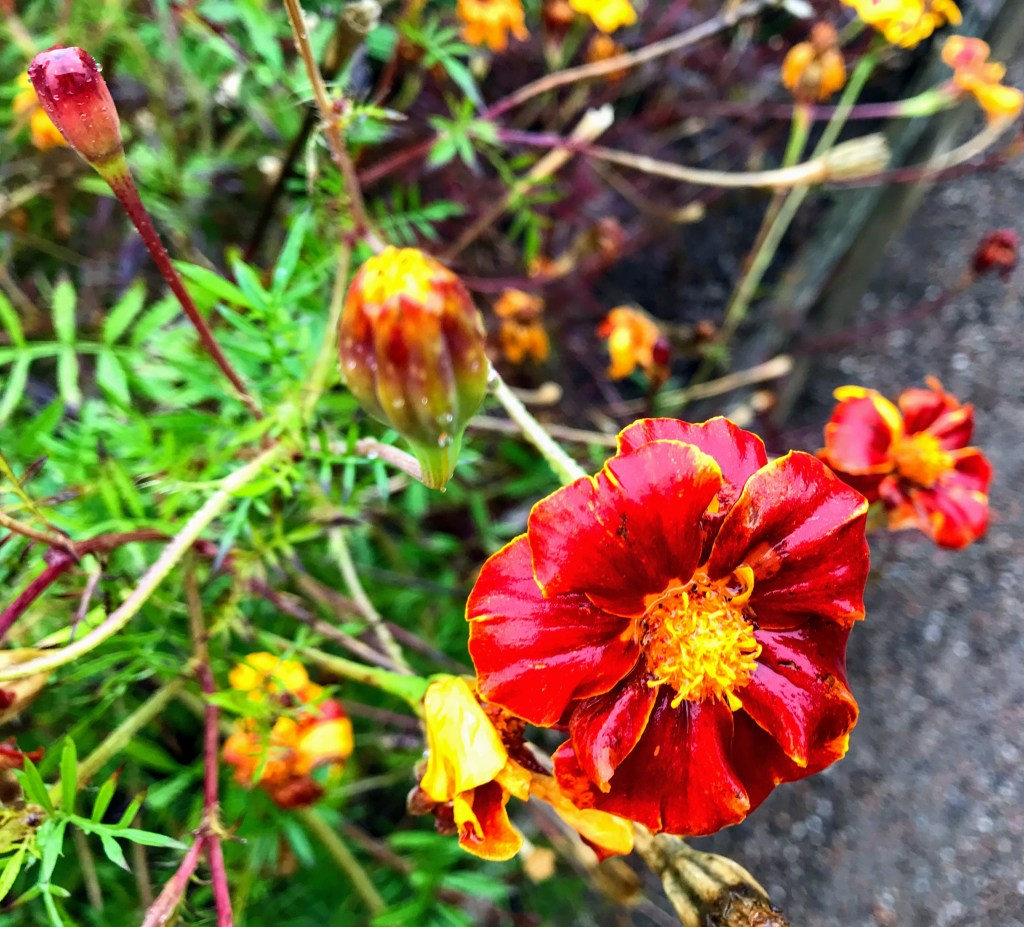
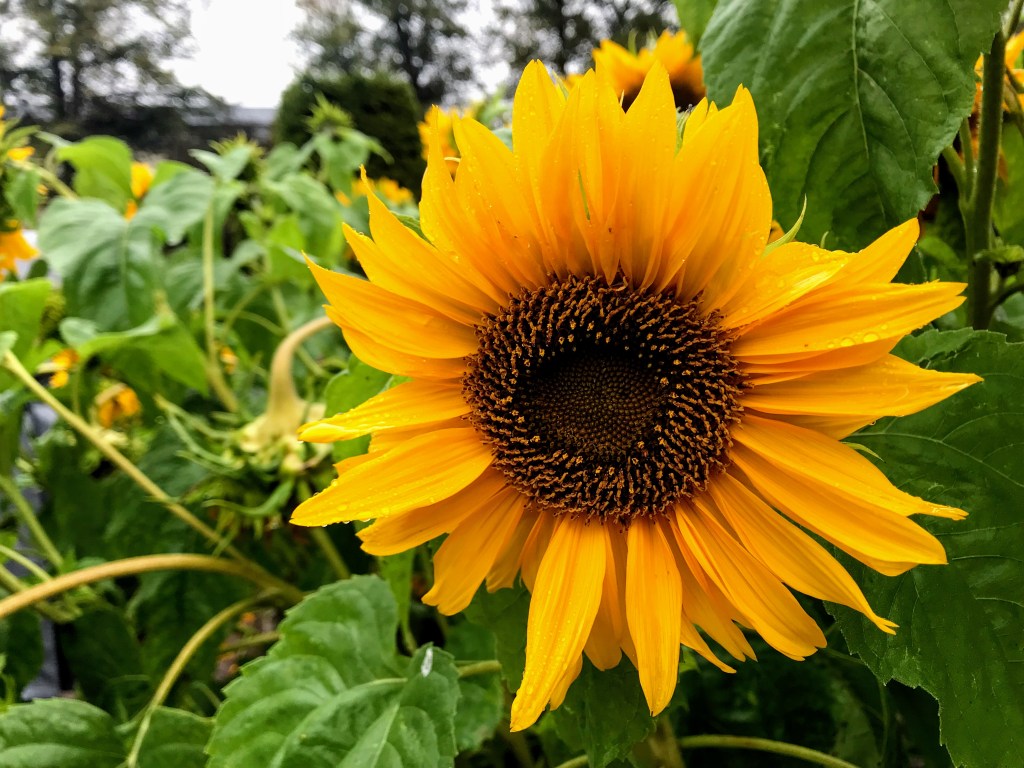
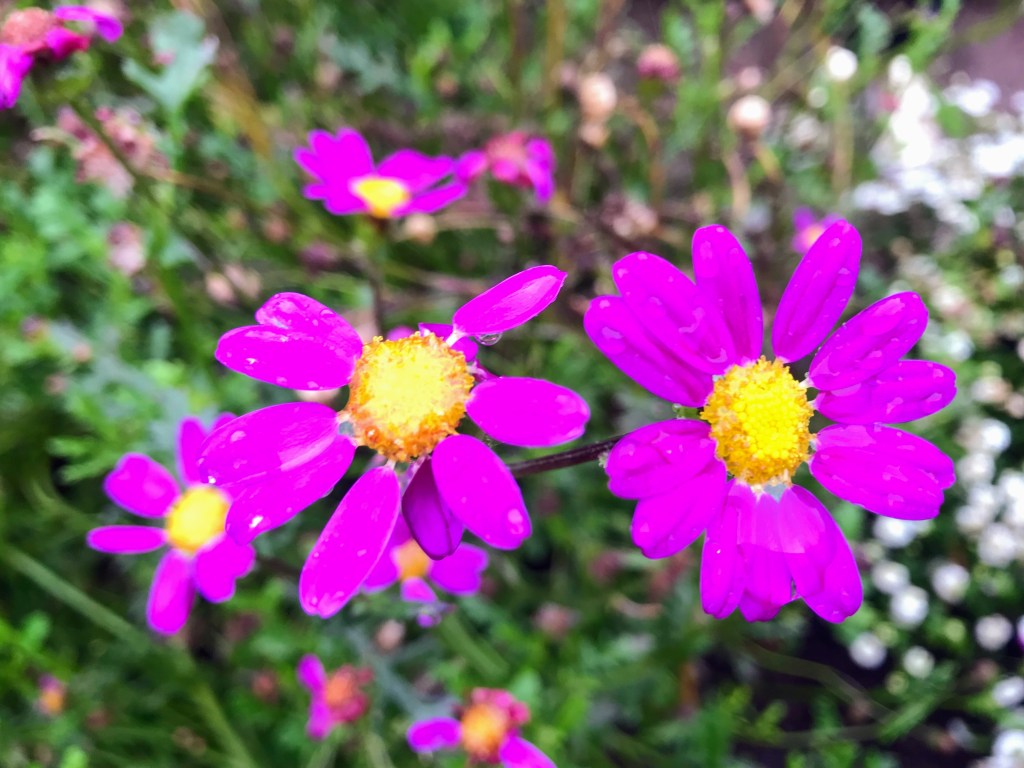
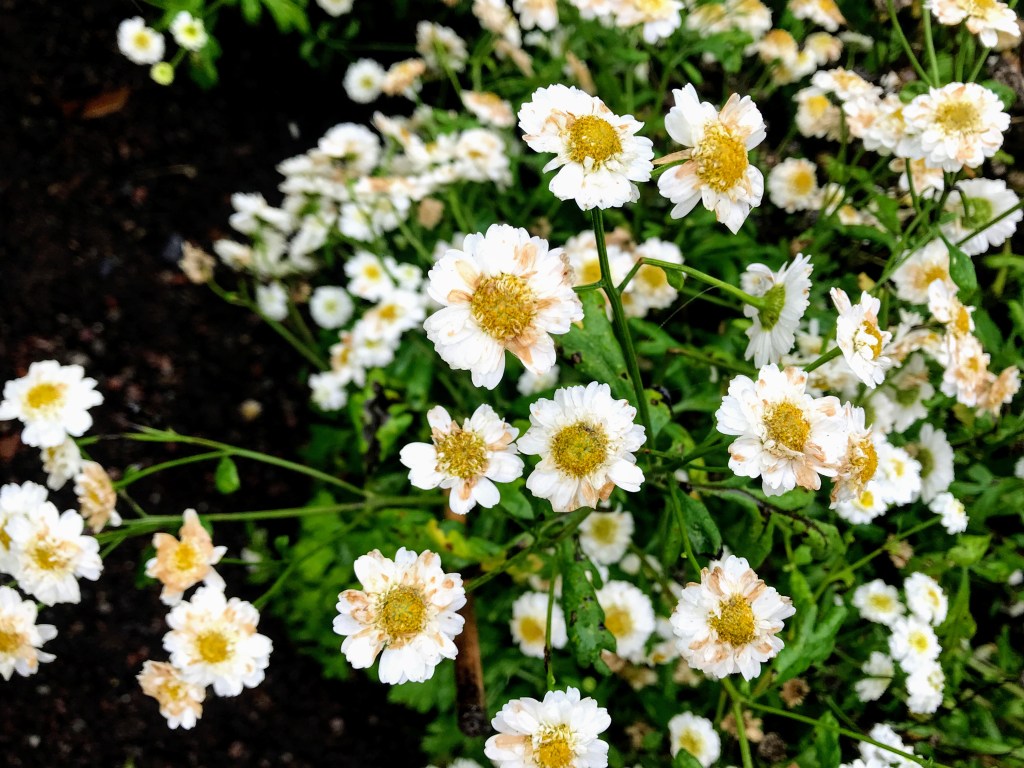
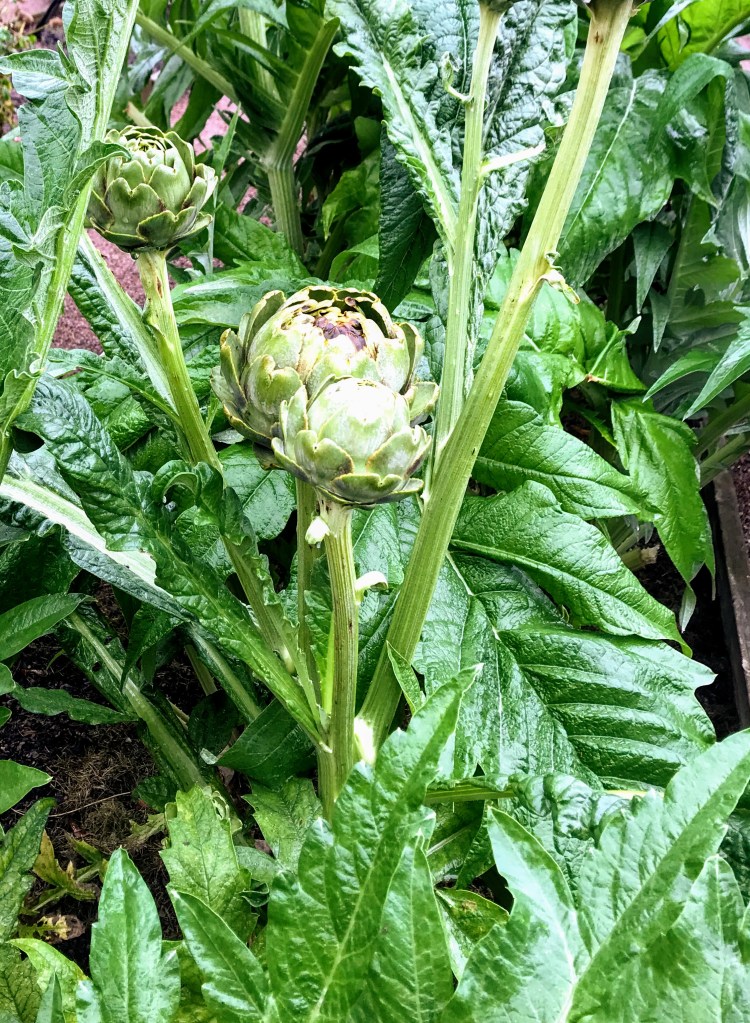
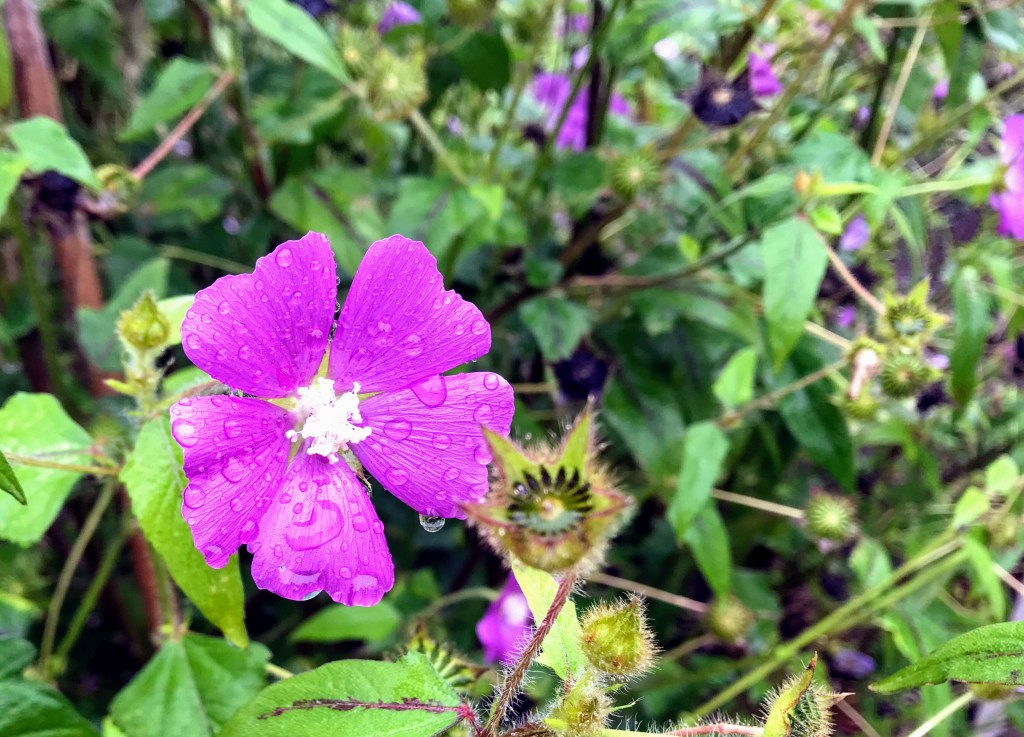
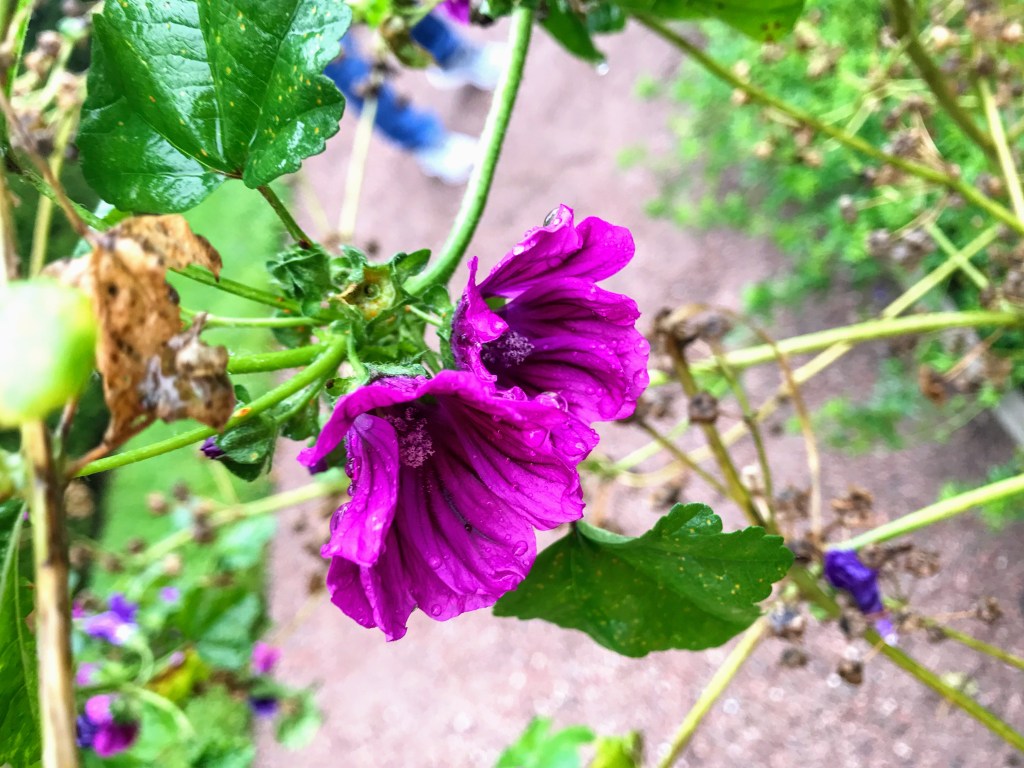
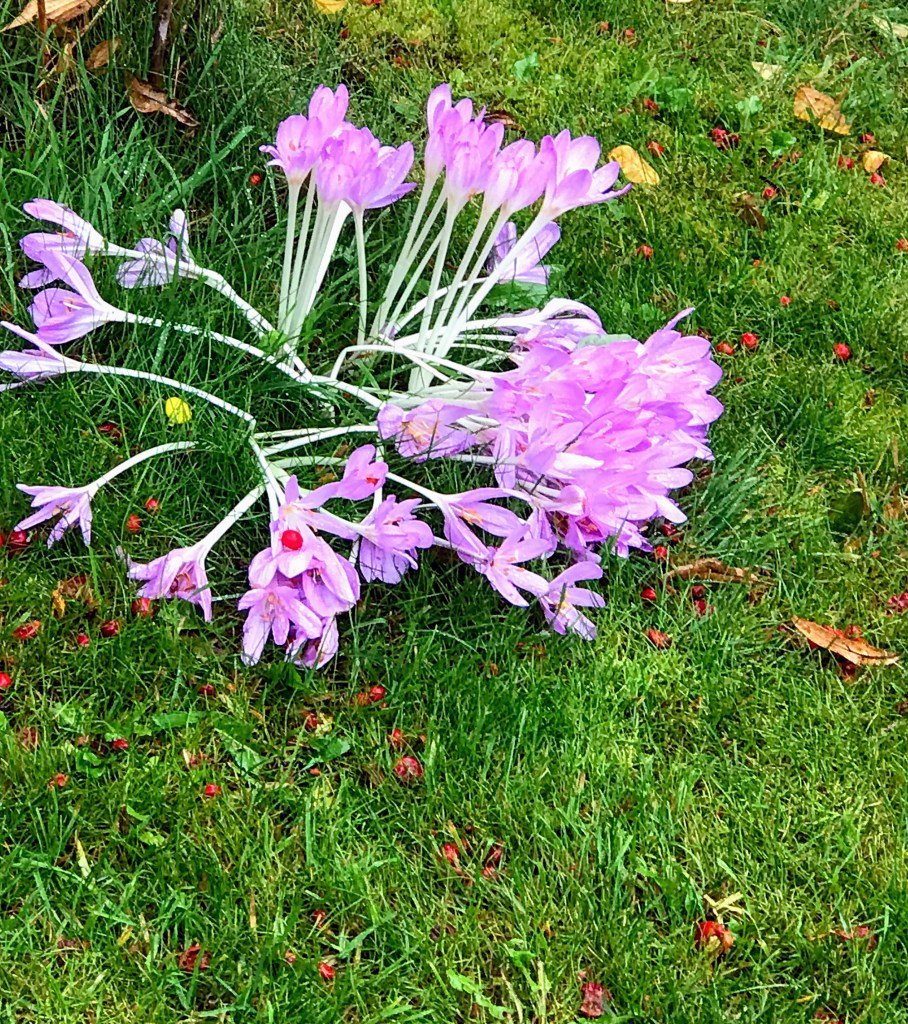
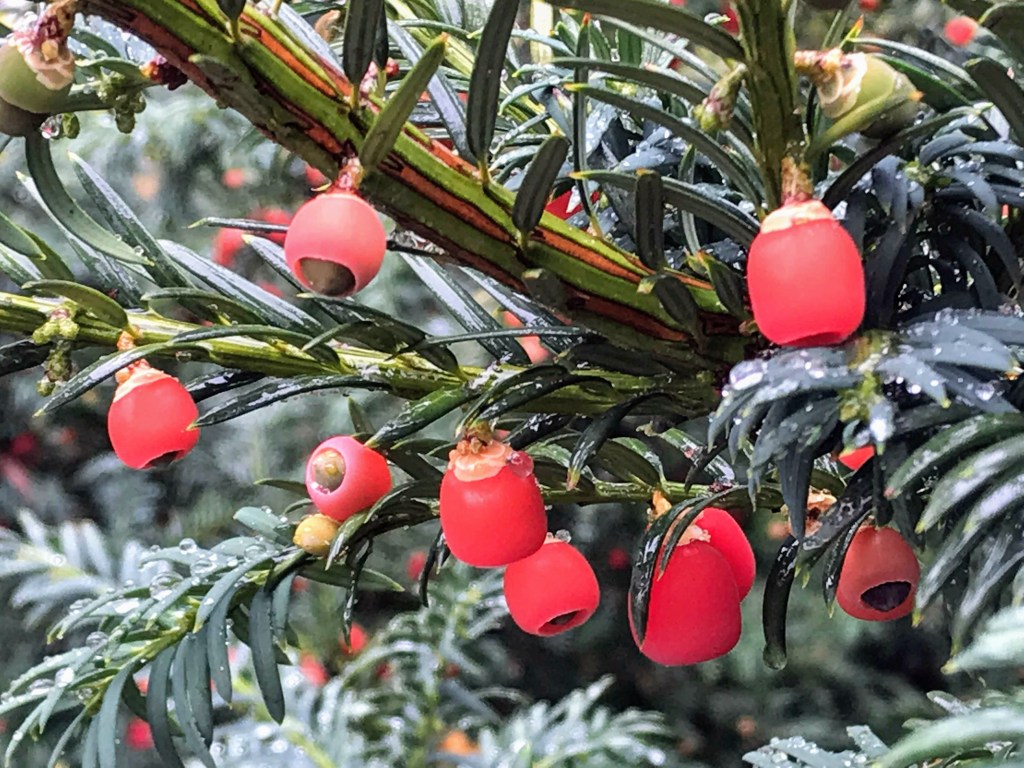
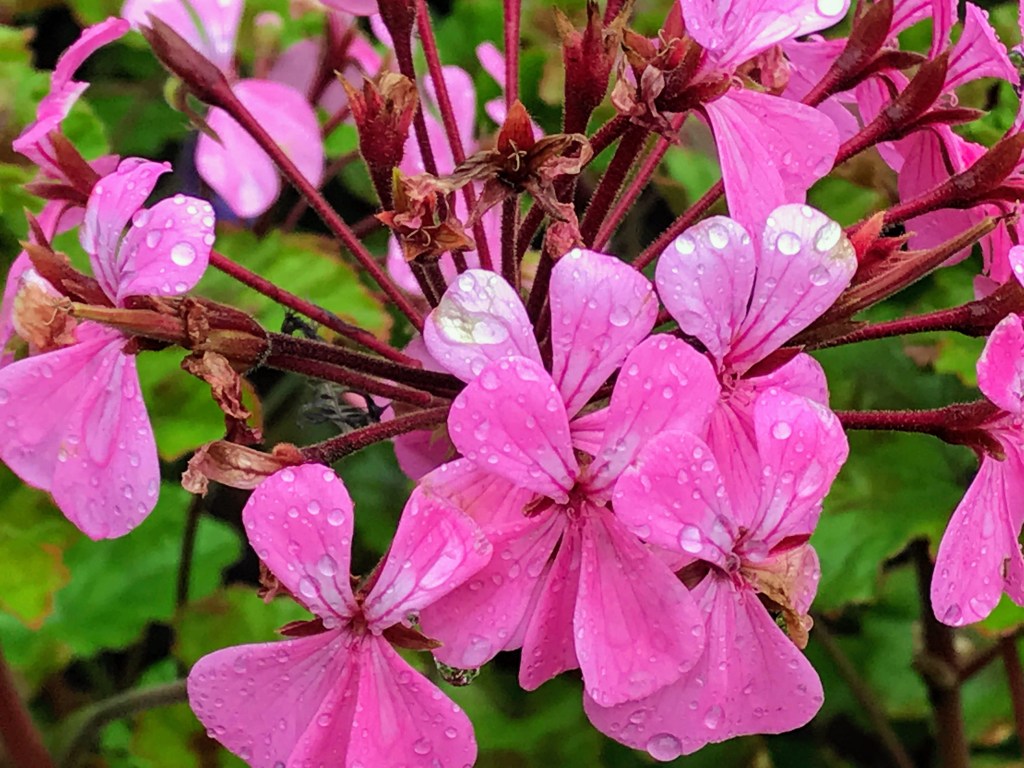
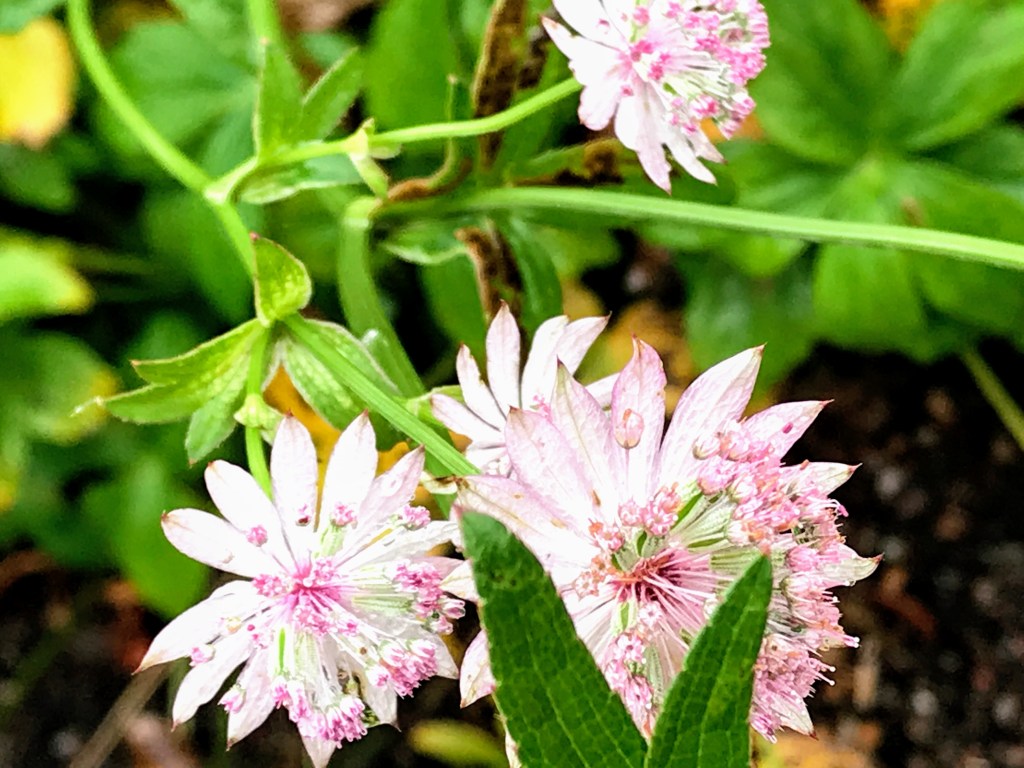
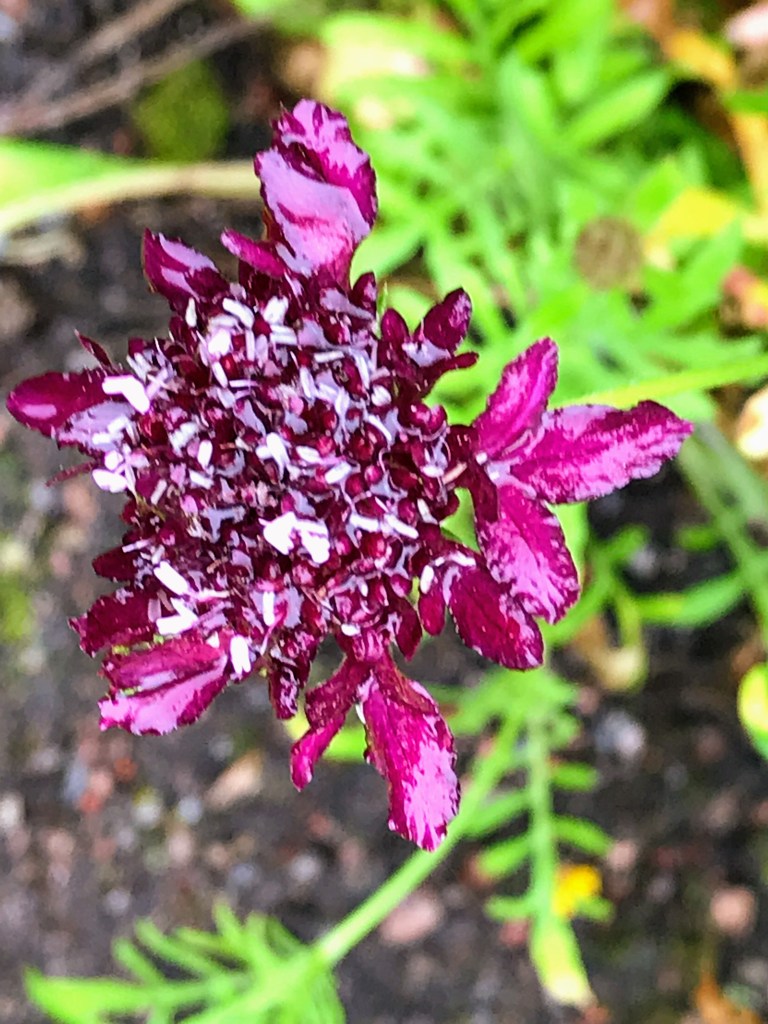
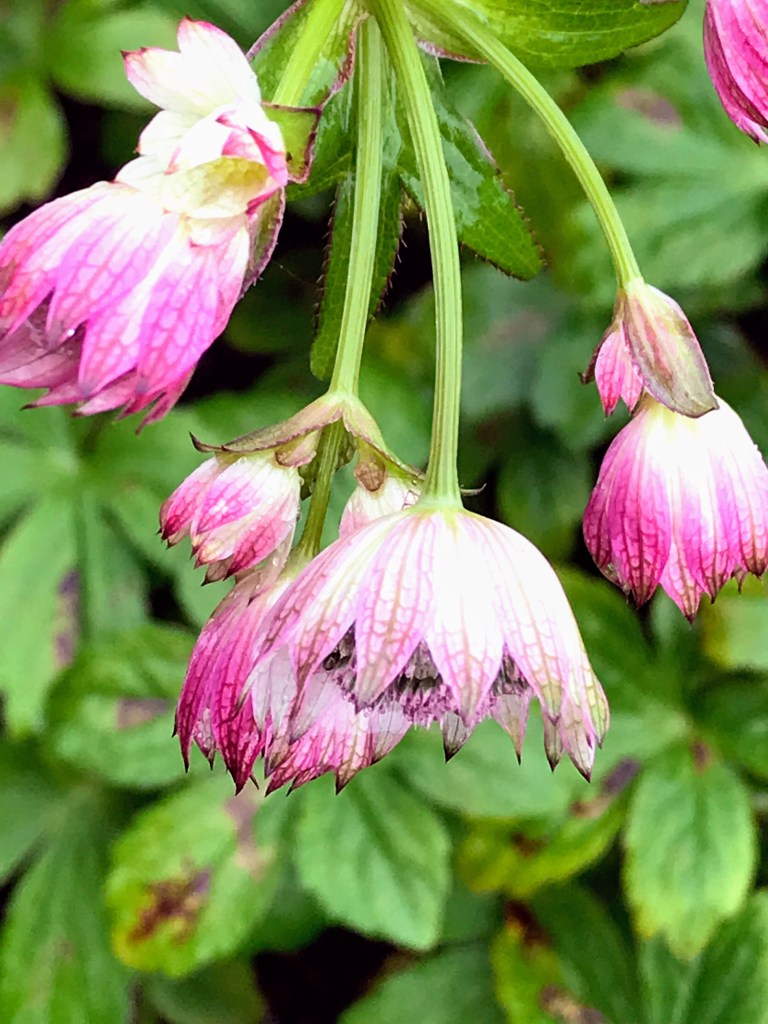

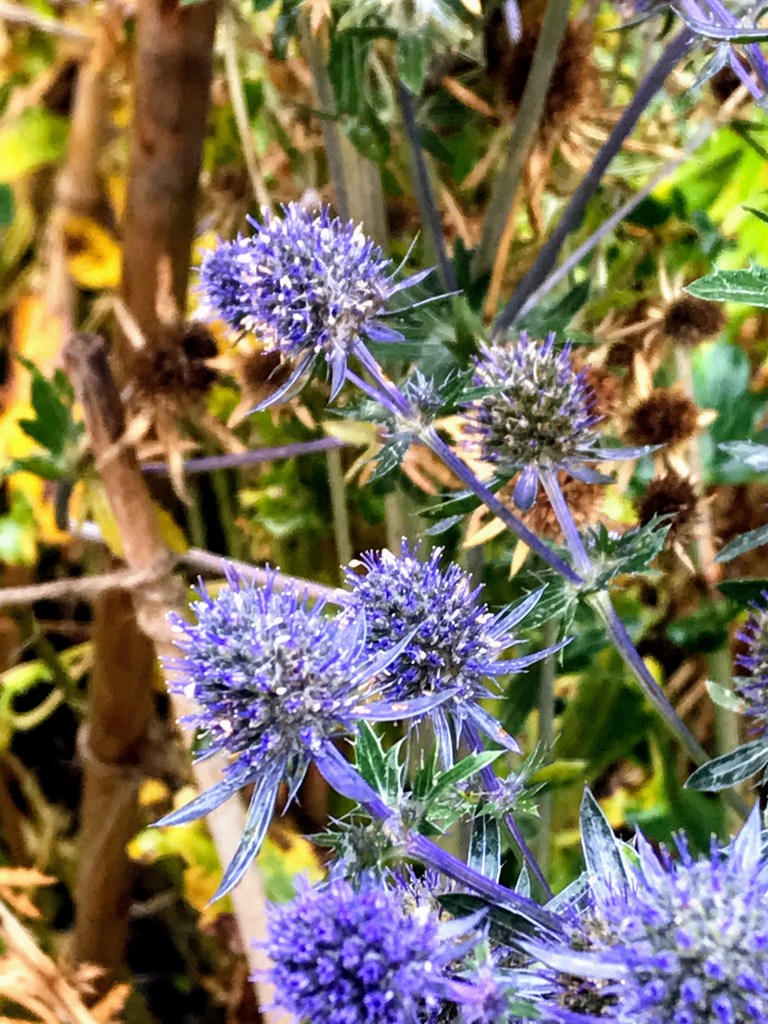
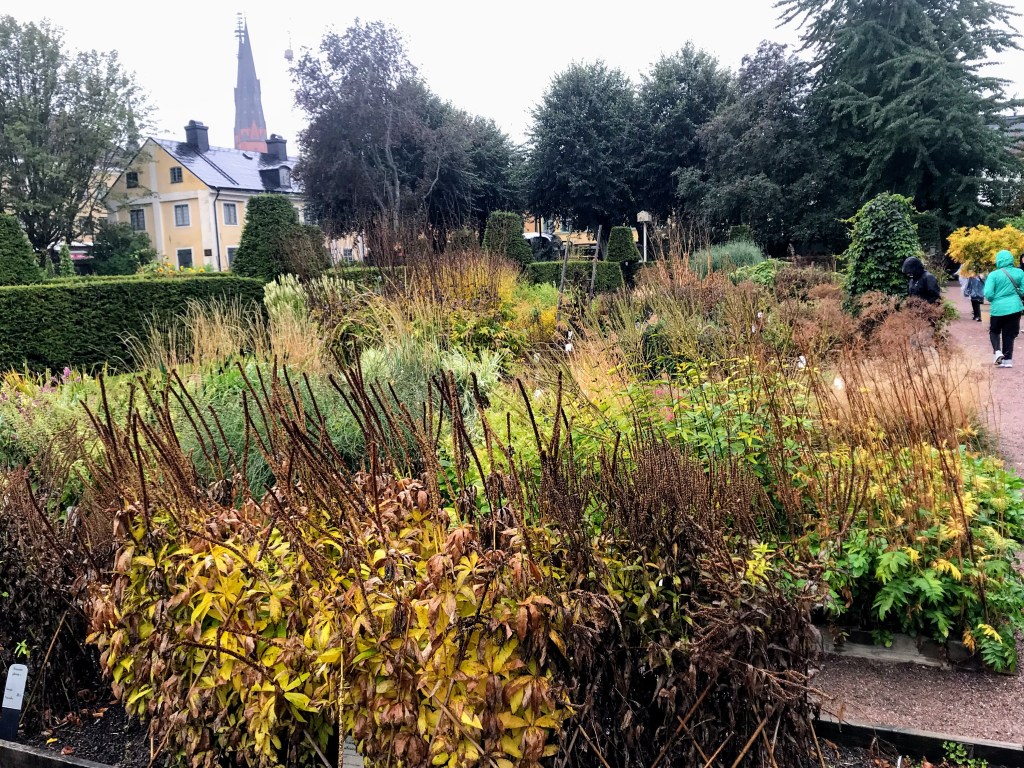
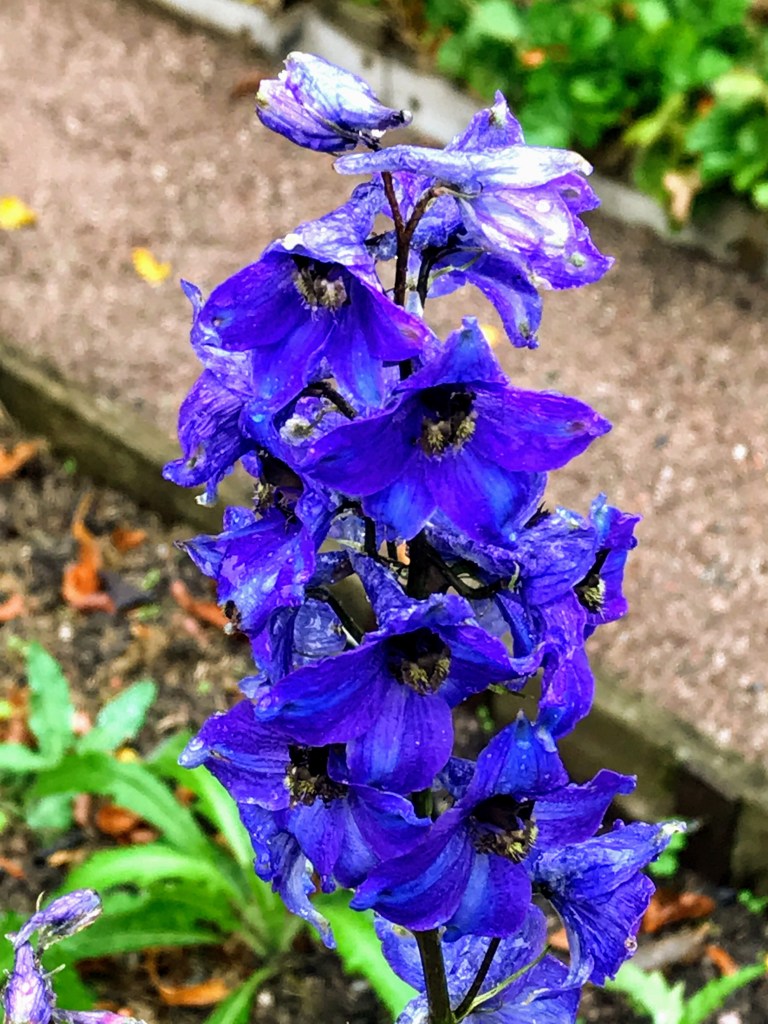
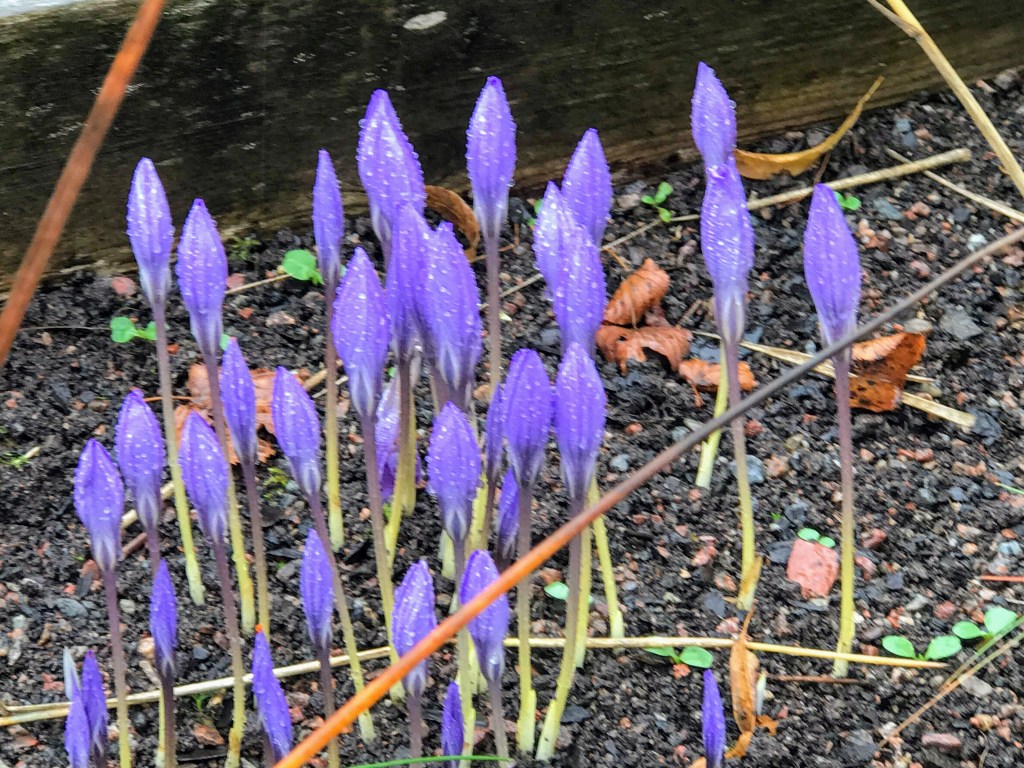

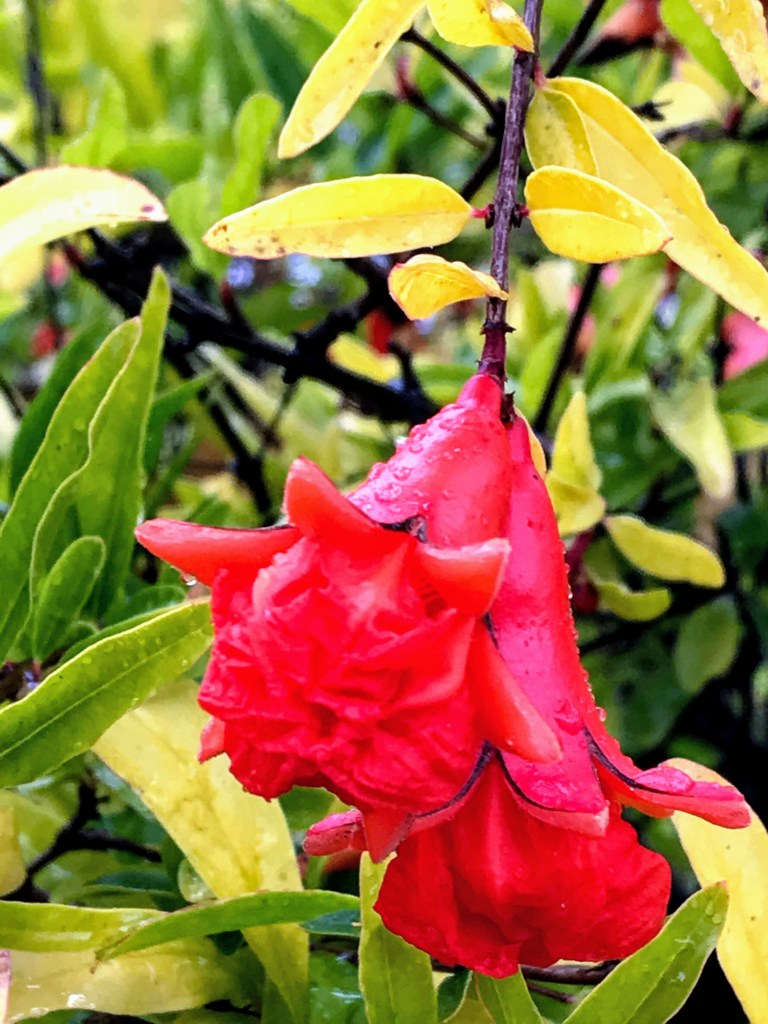

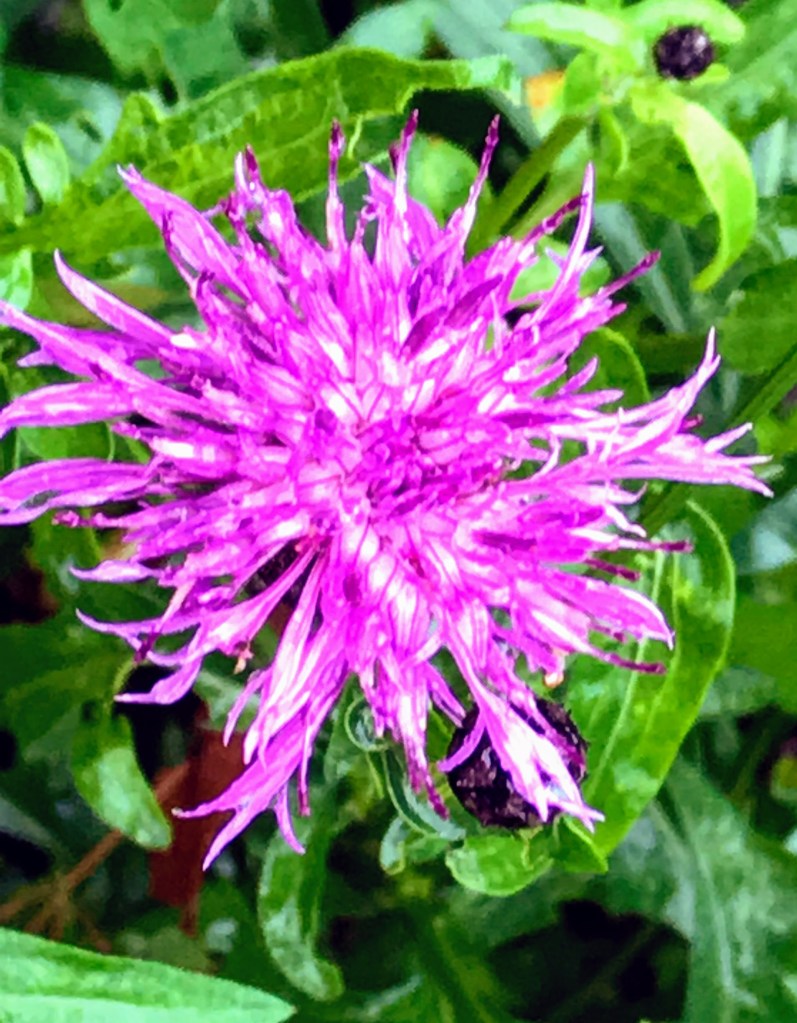
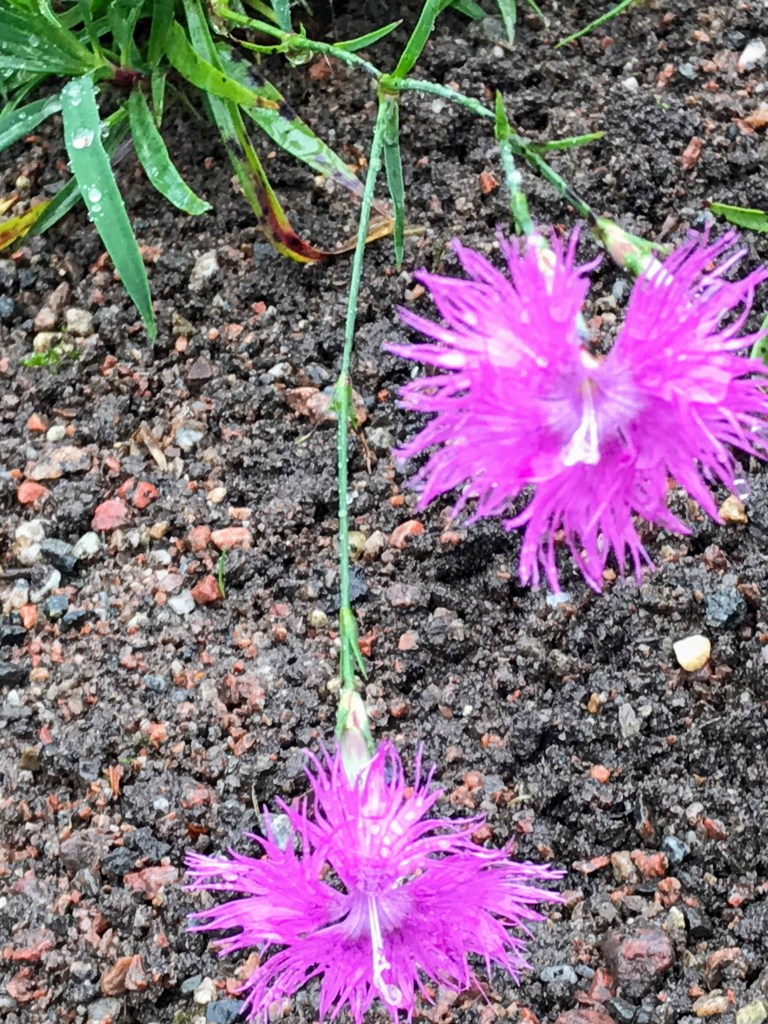
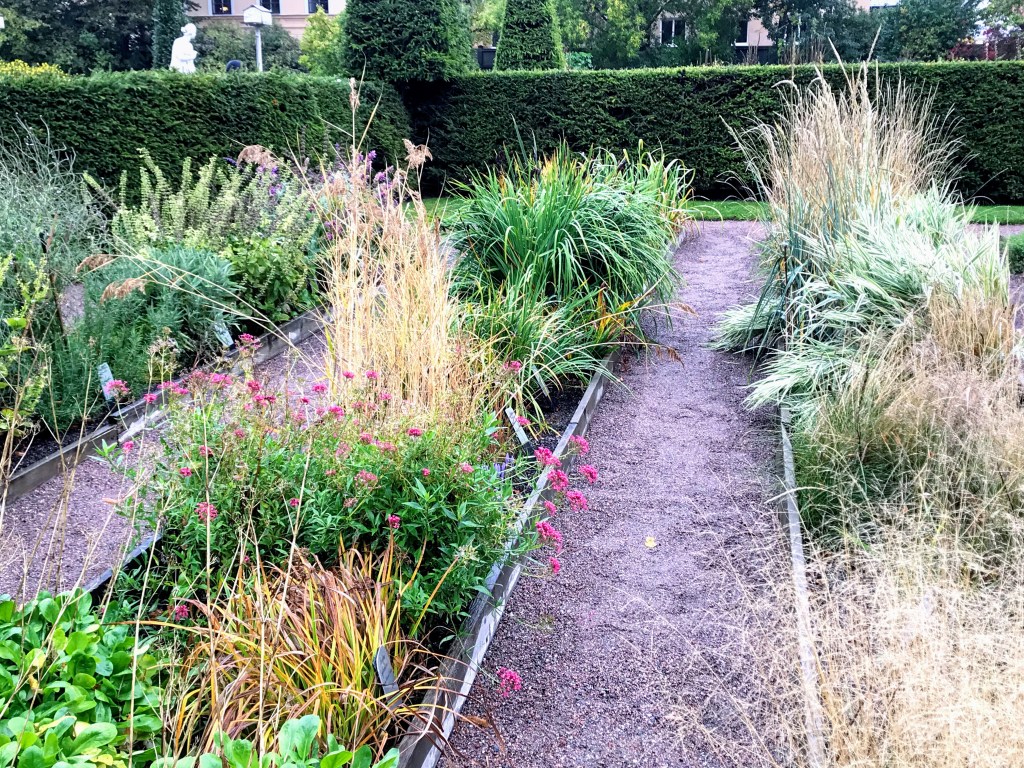
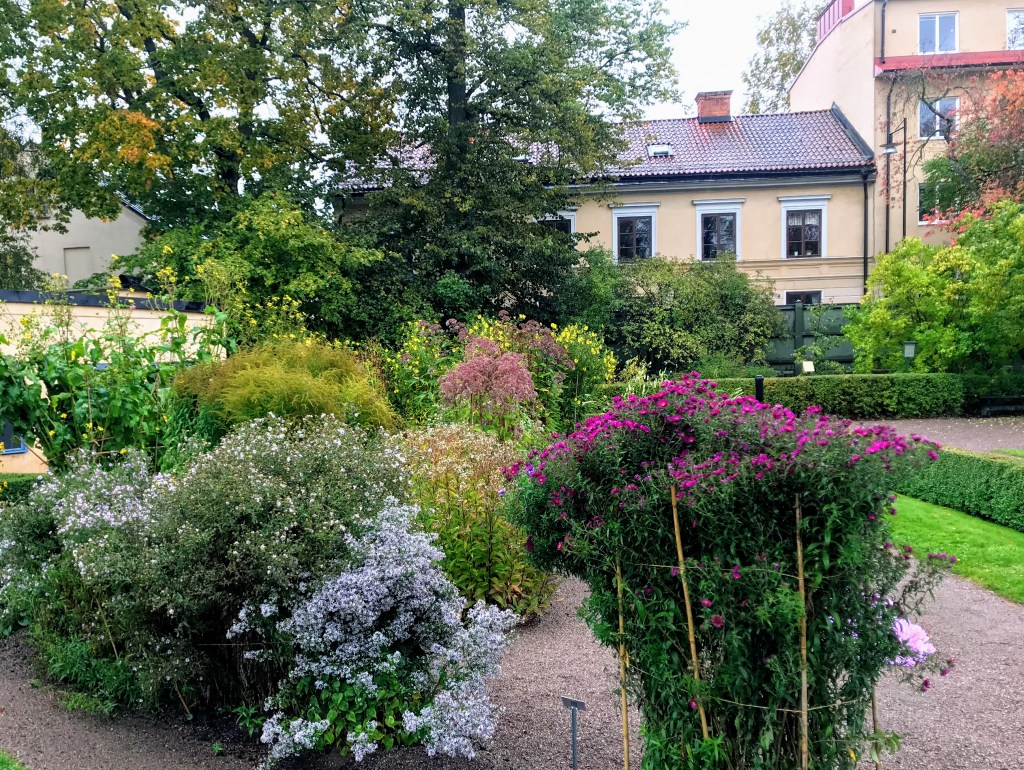
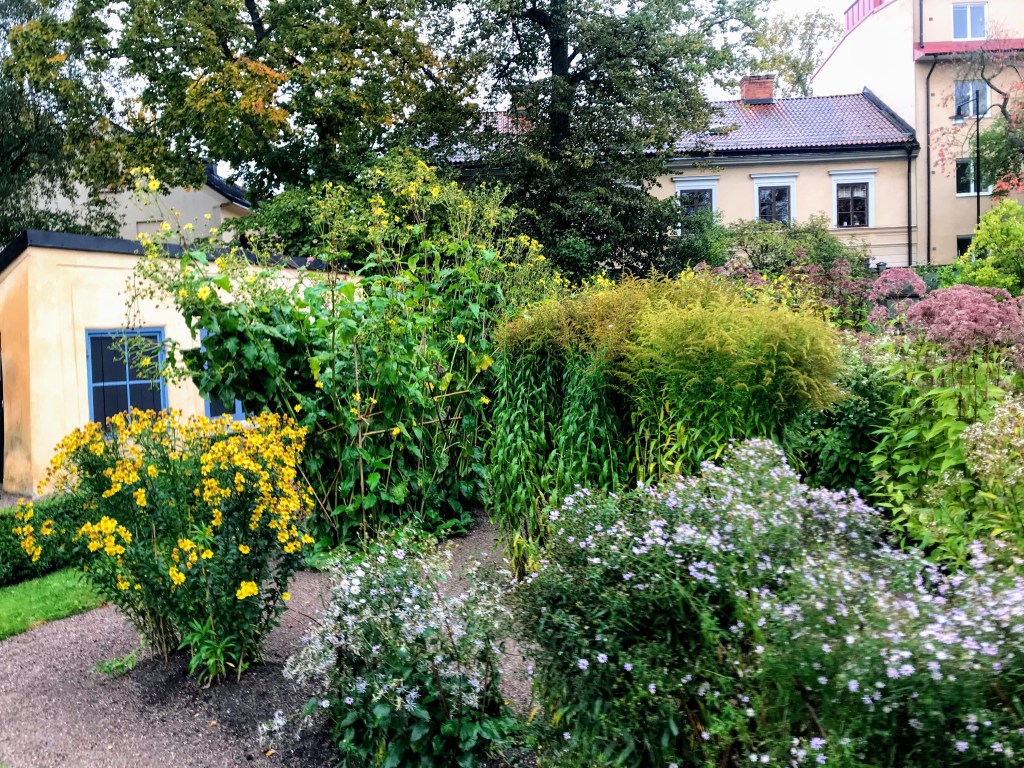
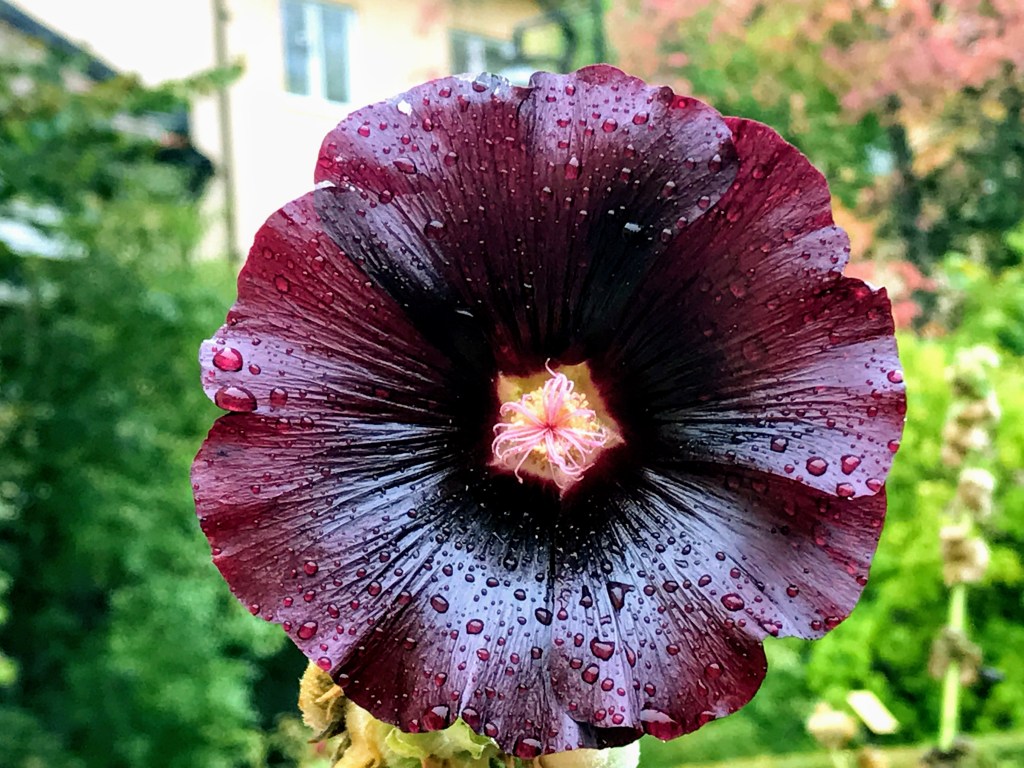
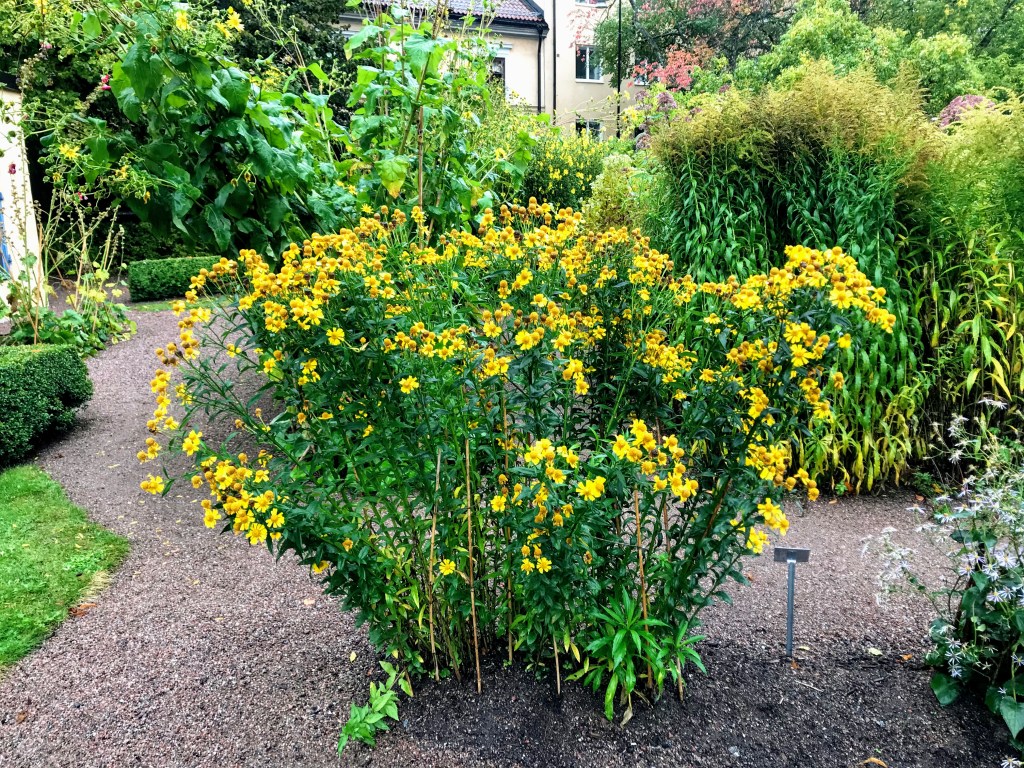
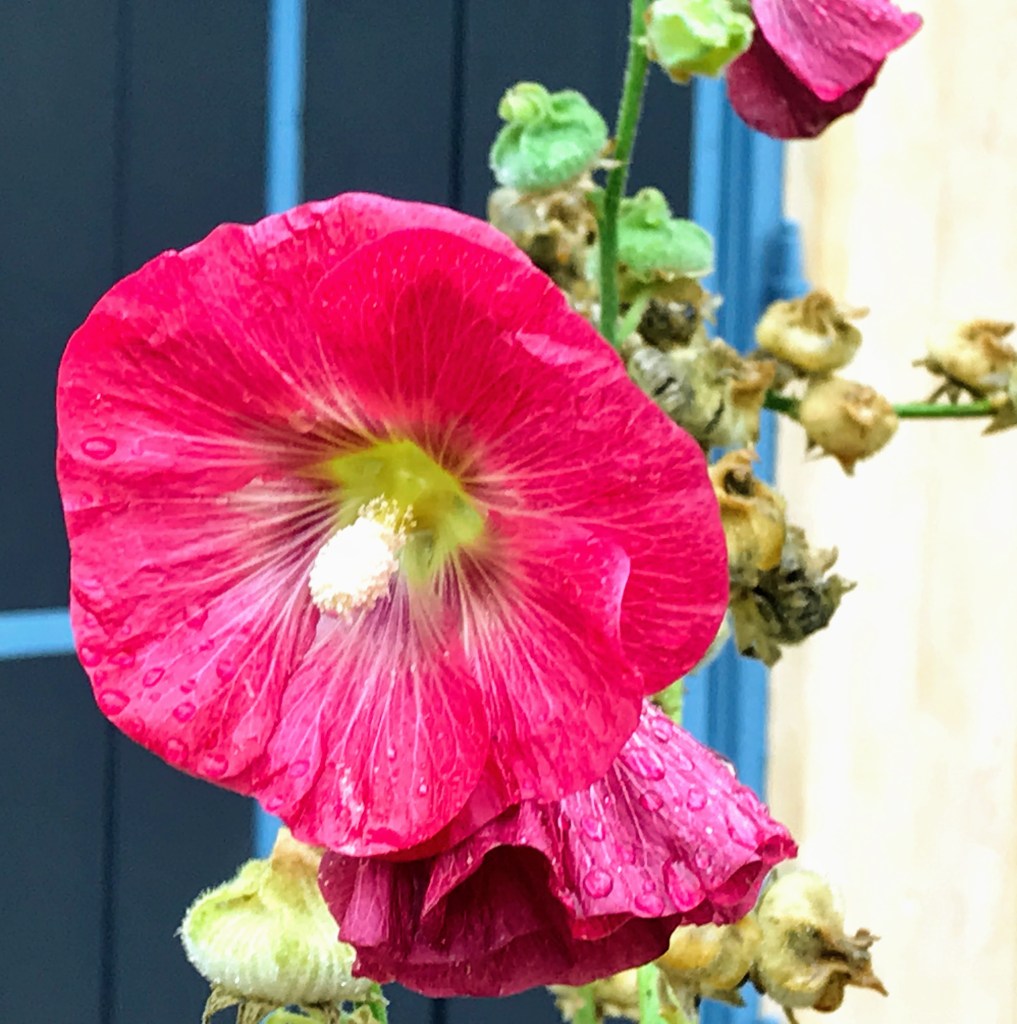
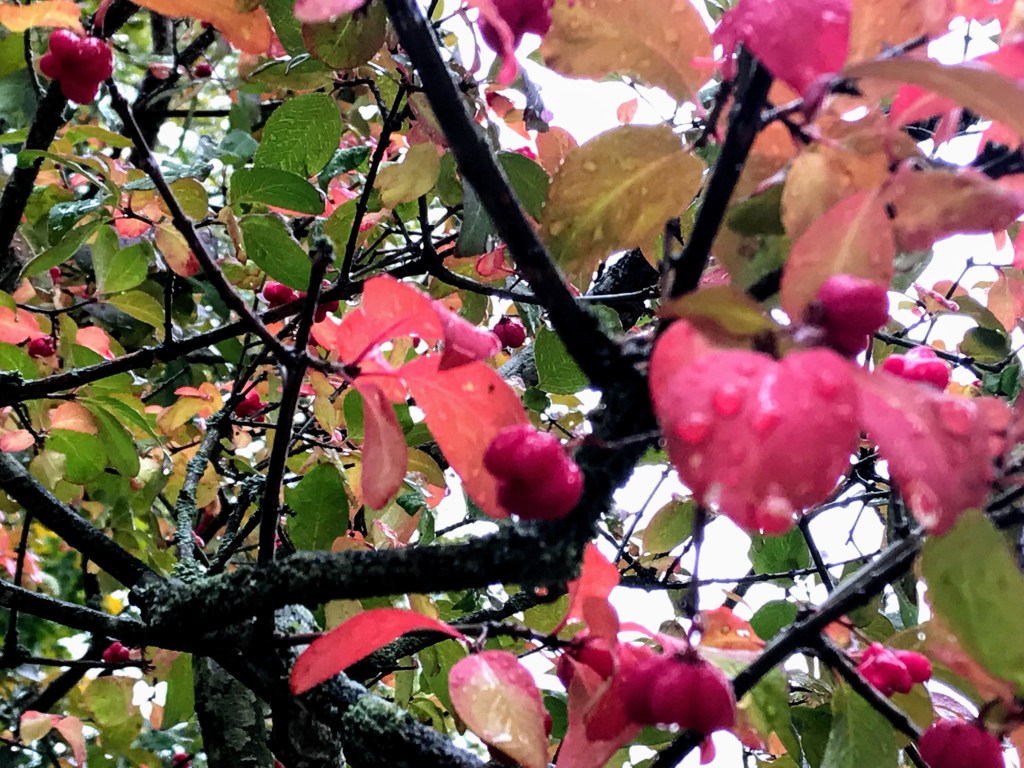
The Linnaeus Garden, the oldest botanical garden in the country (founded in 1758 by Carolus Linnaeus). There were approximately 1300 species of plants, cultivated by Linnaeus and arranged according to his own system.
His system, which is regarded as the beginning of modern botanical and zoological nomenclature, was introduced as a way to assign names to plants and animals. He created the standard of class, order, genus and species. But particularly he made it possible to identify plants and animals
It was the general consensus of the group that he was the reason for our grades in biology and botany among other science classes we all took!
The Viking Museum
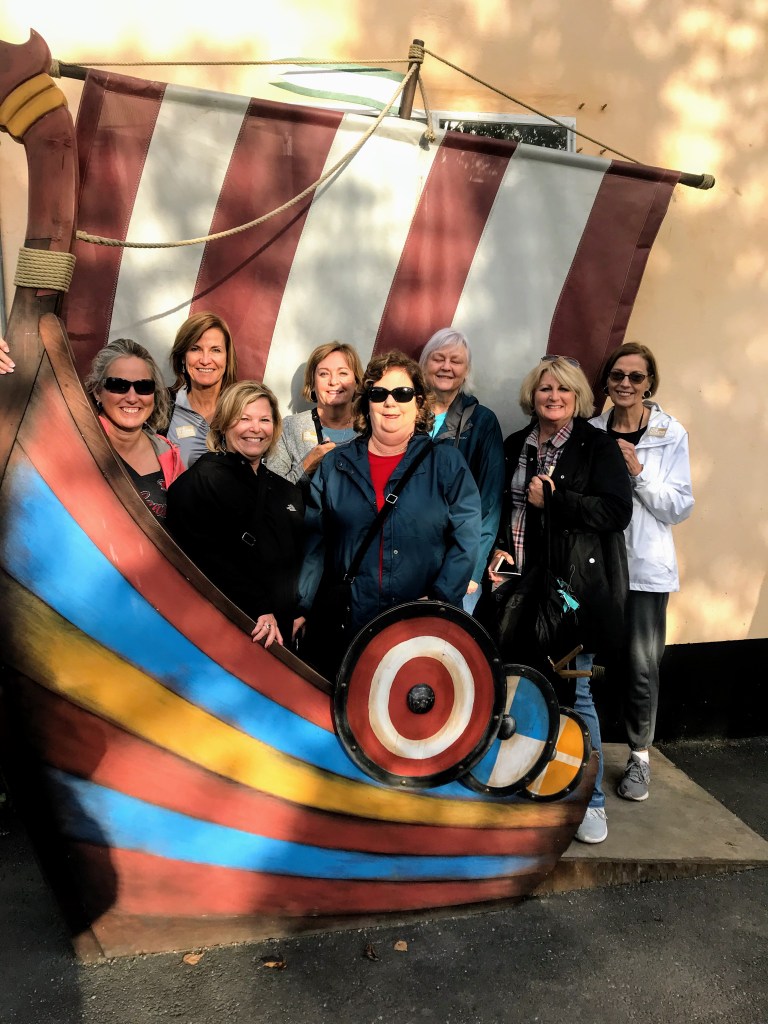
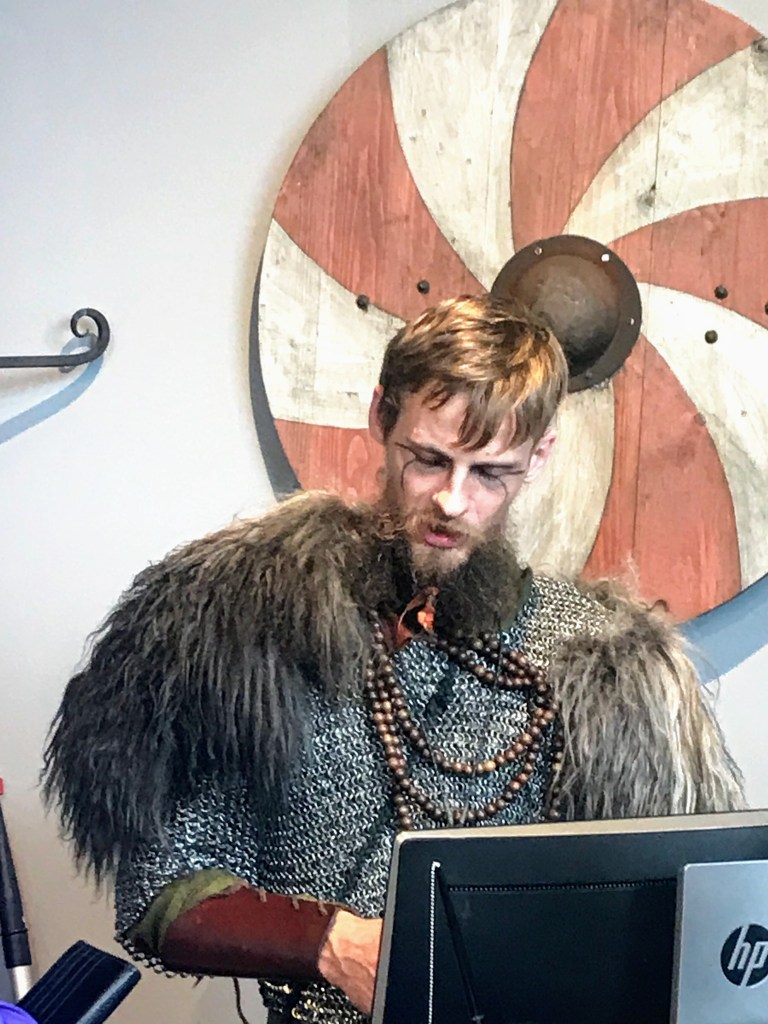
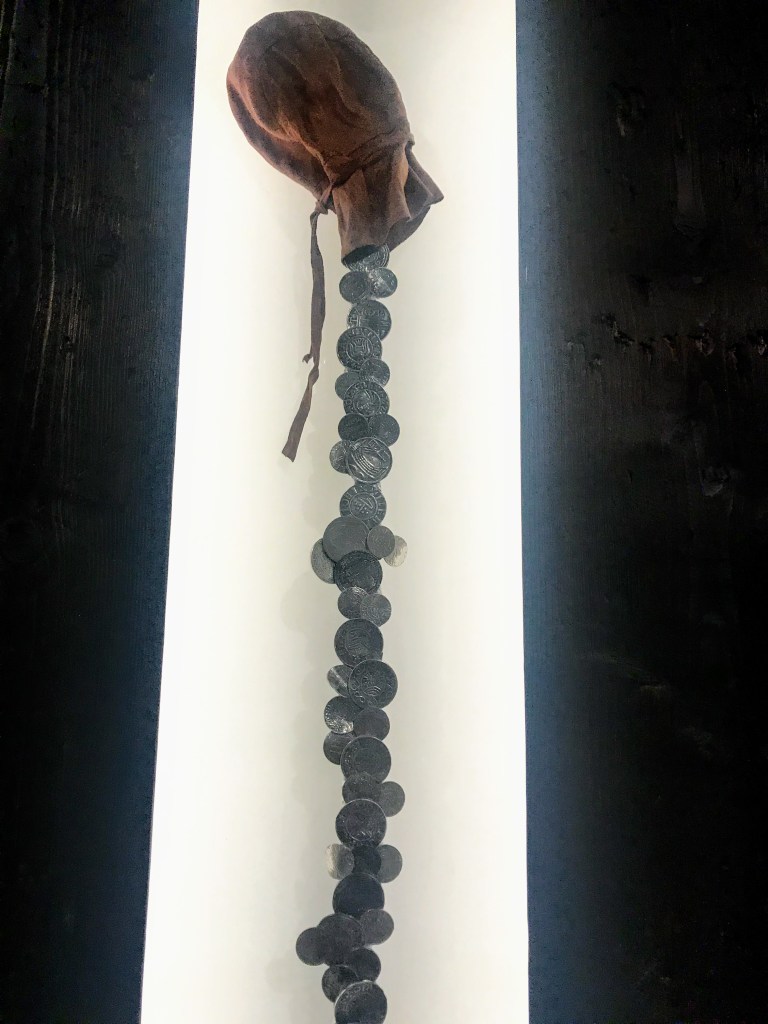
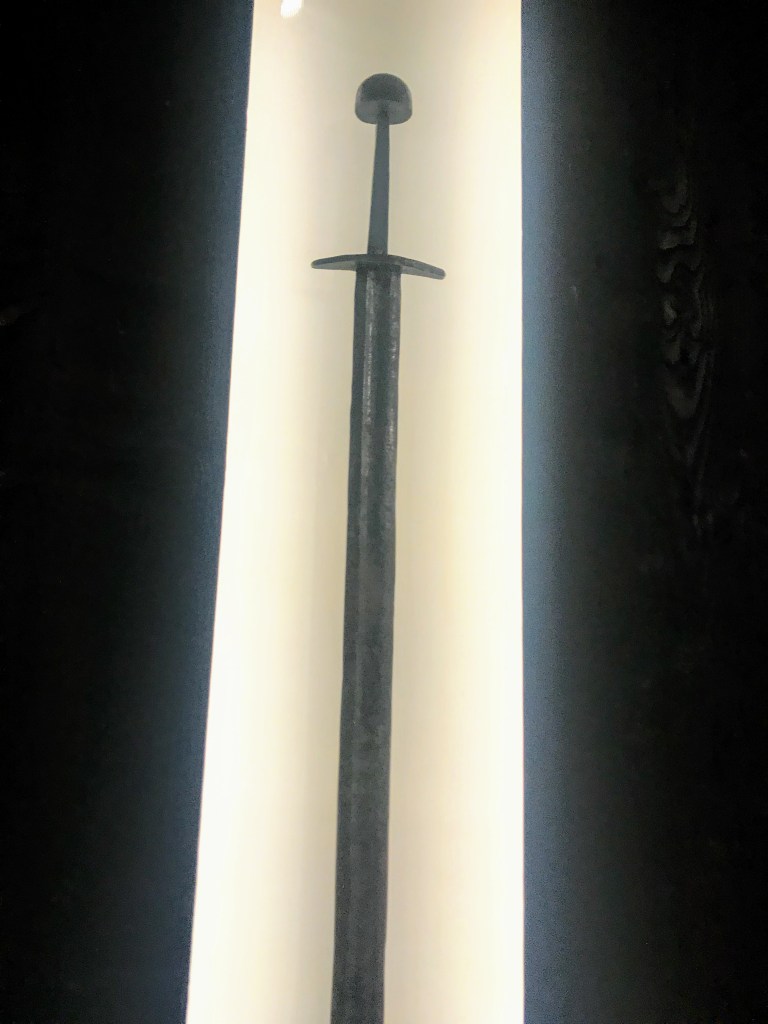
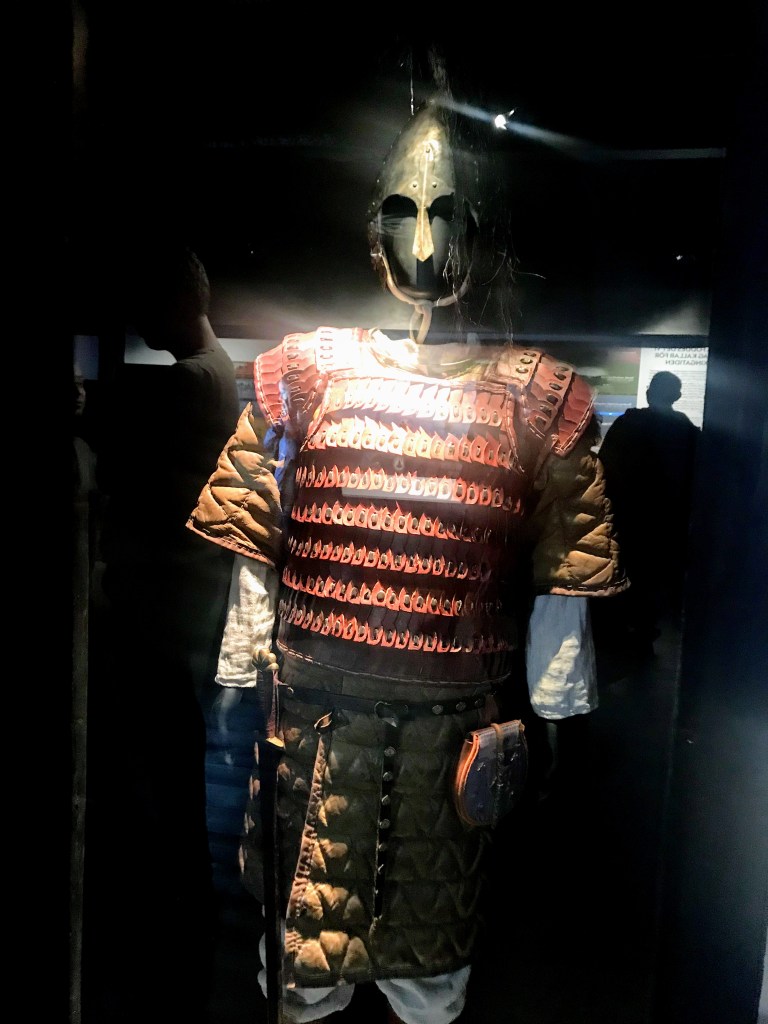
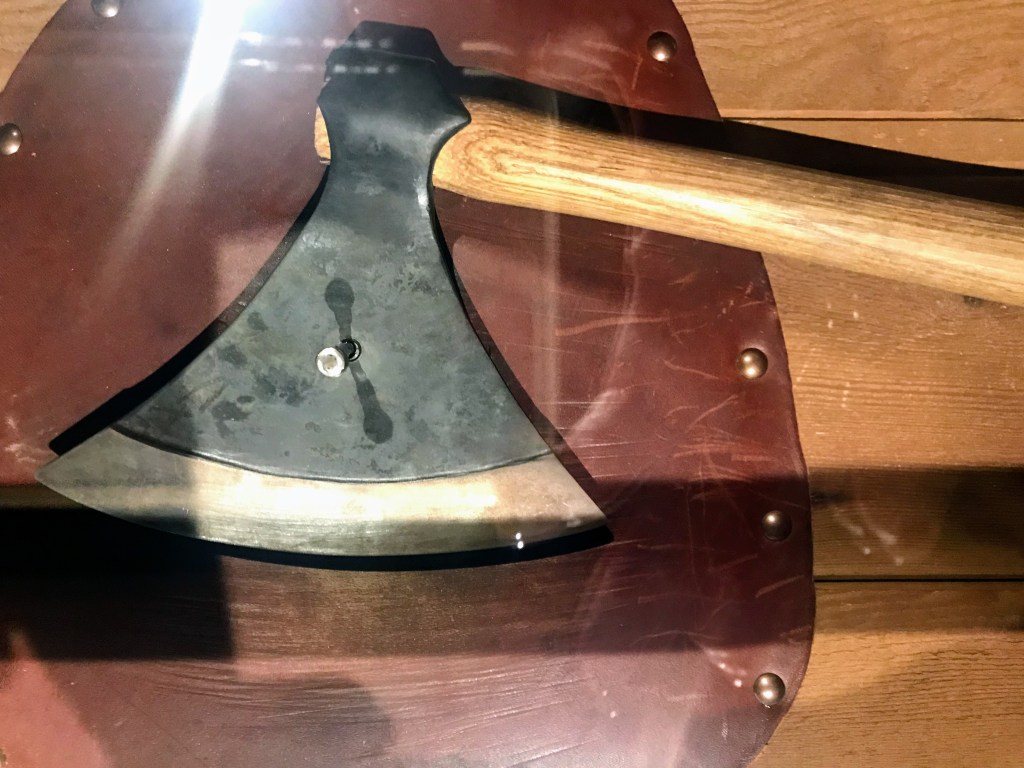
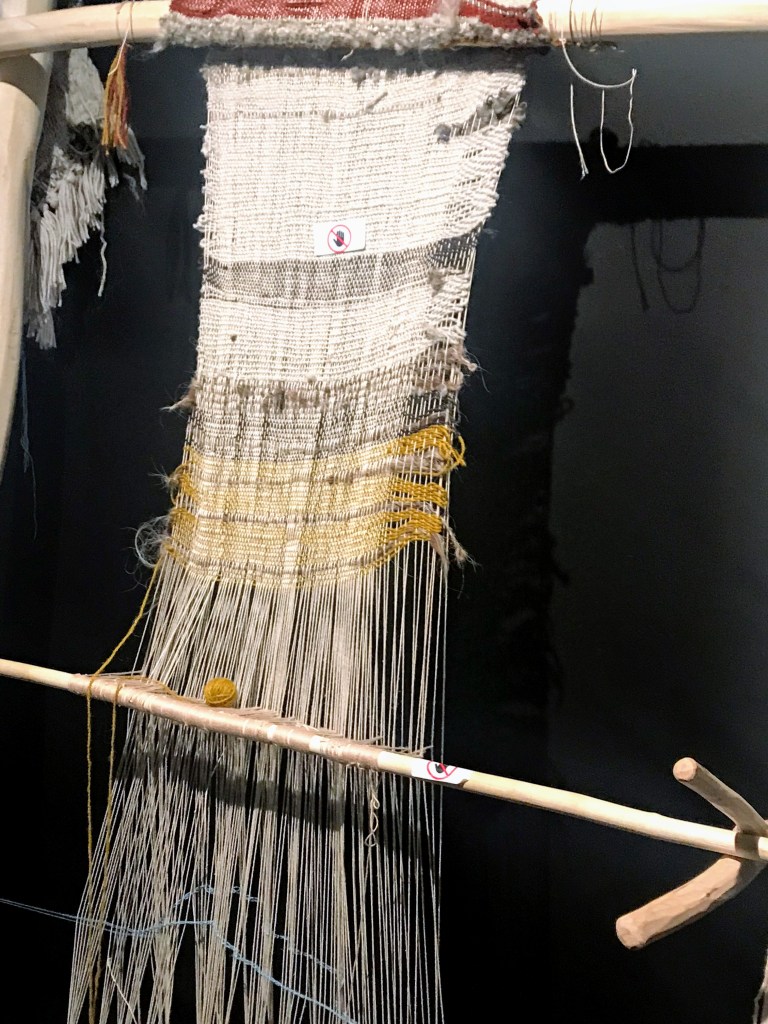
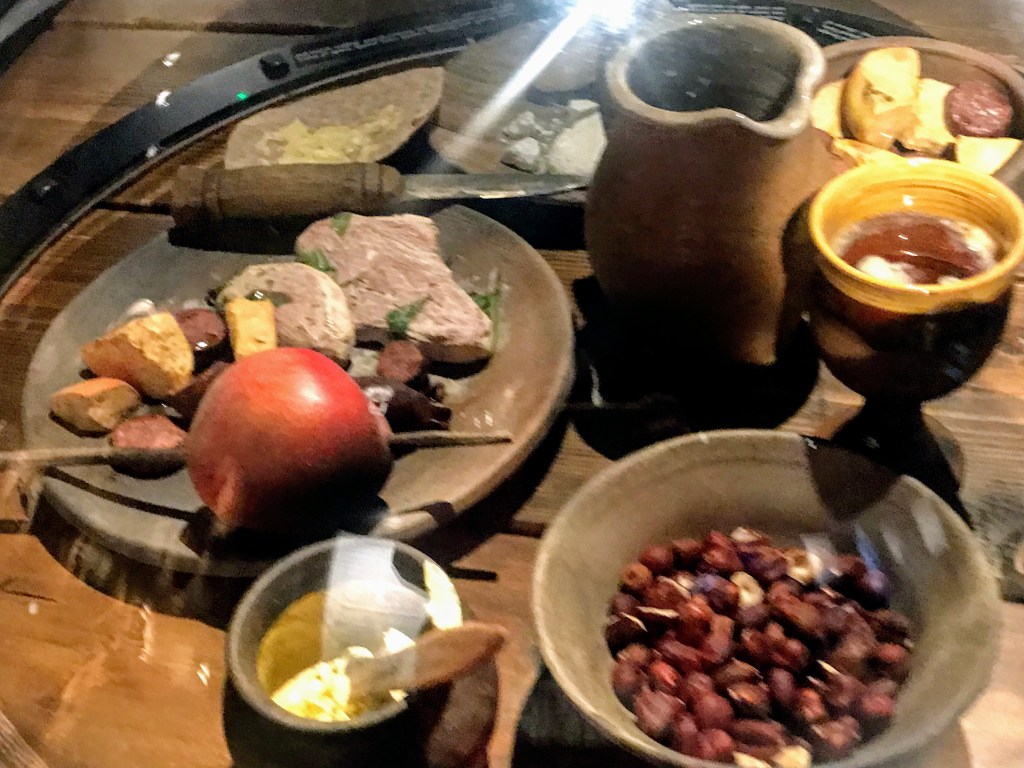

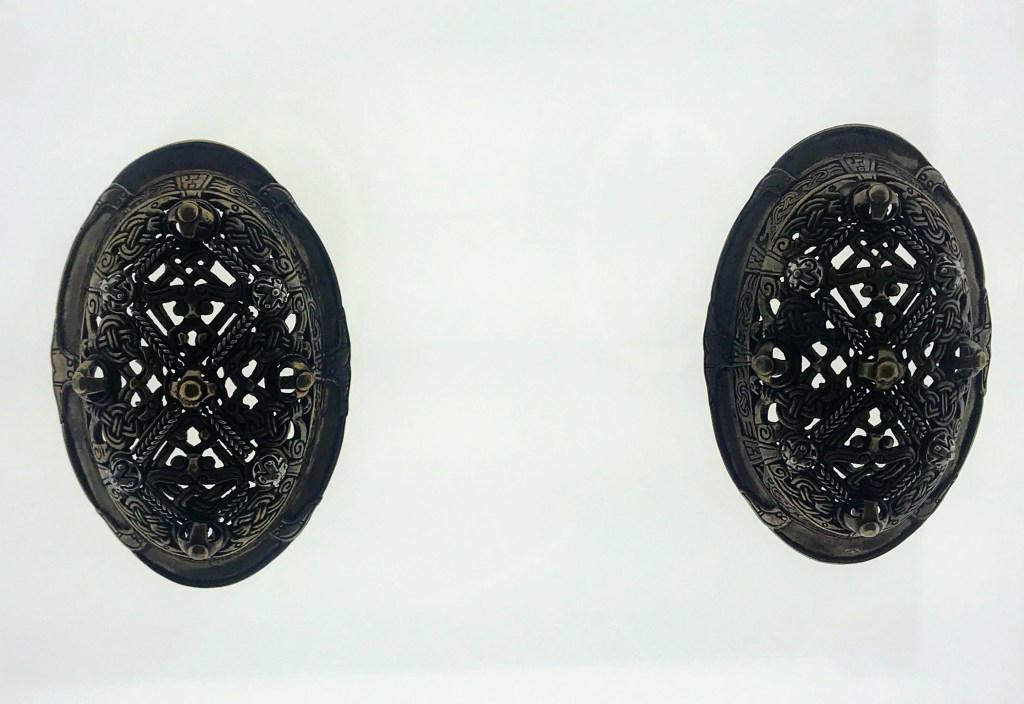
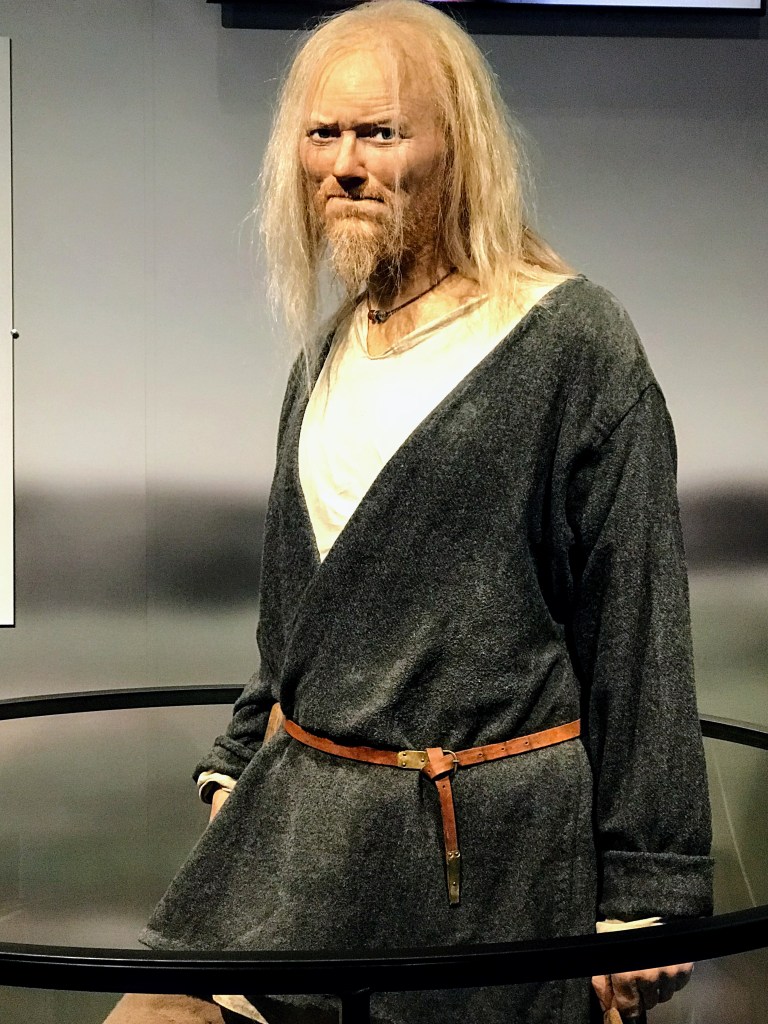
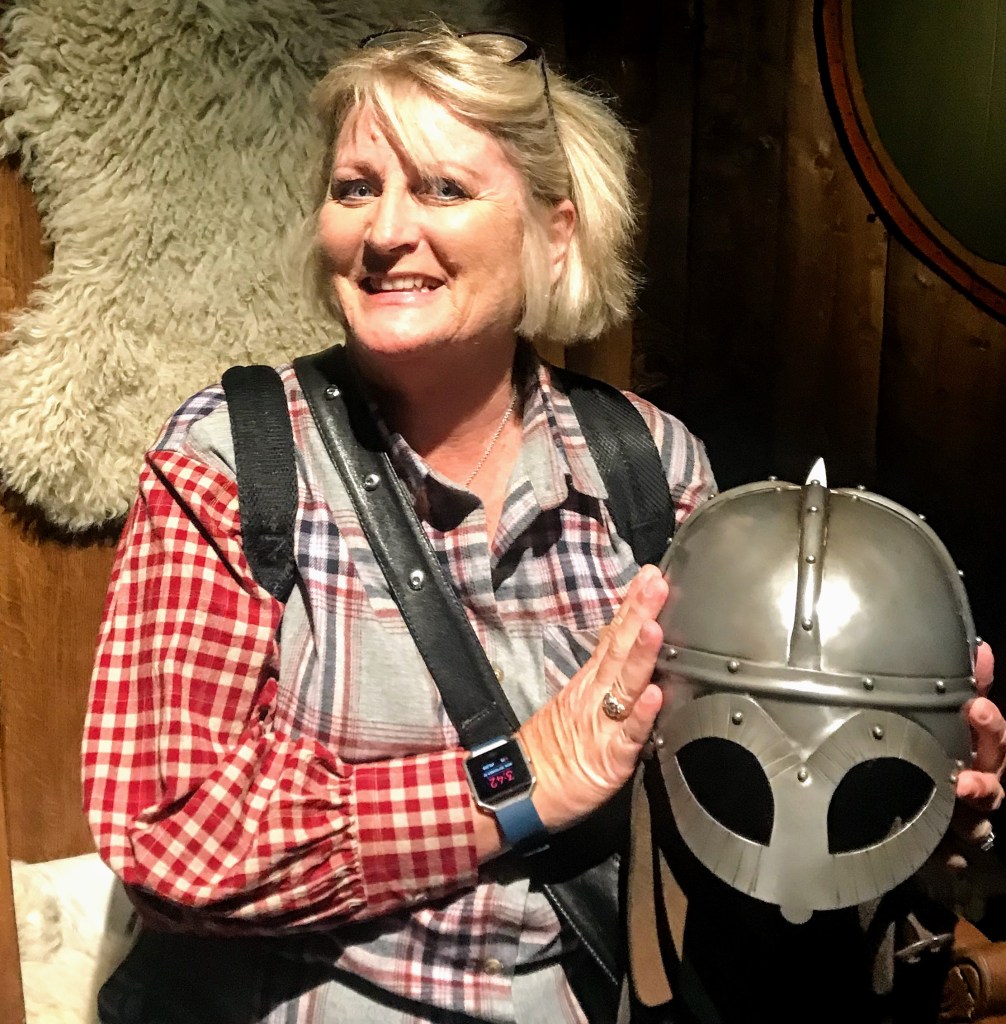
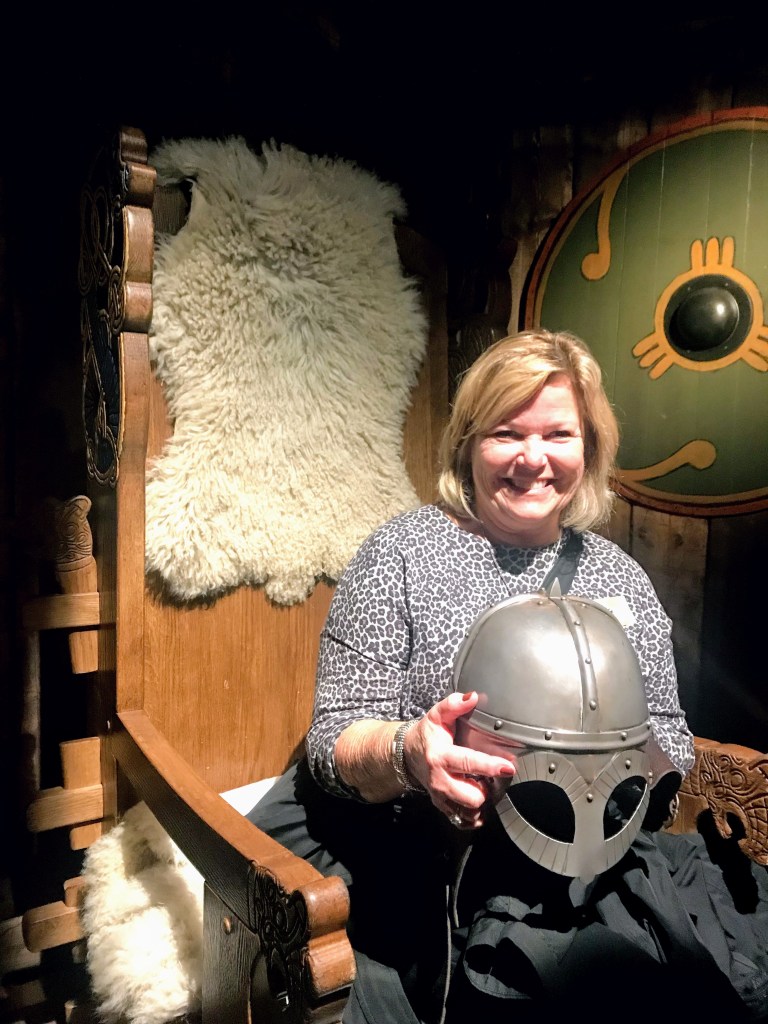
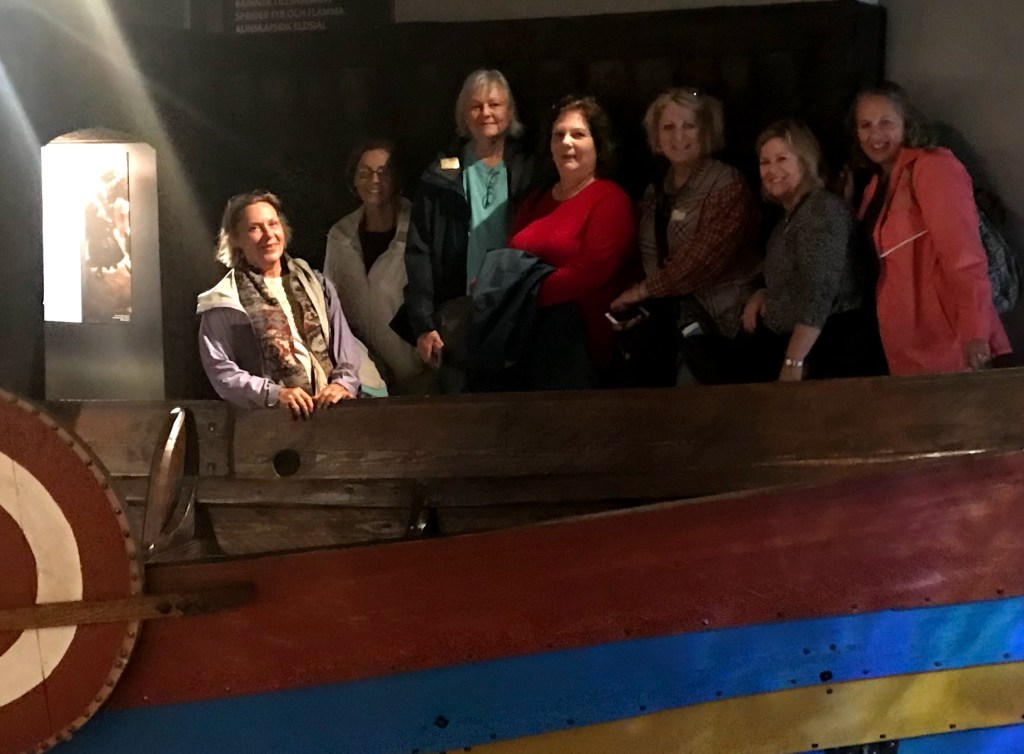
This was more than a museum, it was an interactive exhibition. We saw and learned about how they lived, what they ate and what made them infamous seafarers! You could feel the weight of a Viking sword and helmet, find out about their brutal conquests around the world, the toils of their everyday life and learn to separate fact from fiction.
In this exhibition we meet the Vikings through movies, scenery, projections and sound effects as well as archaeological objects. The Norse mythology is present everywhere and here myth meets truth.
The adventure ride Ragnfrid’s saga takes you along on a captivating journey through Viking age Europe. You will follow Harald and his crew on a dramatic quest for silver. The story told by an ageing Ragnfrid is built on historical characters and events.
Many of us had seen the Netflix show “VIKINGS” and this museum/exhibit really brought it to life.
Drottningholm Palace
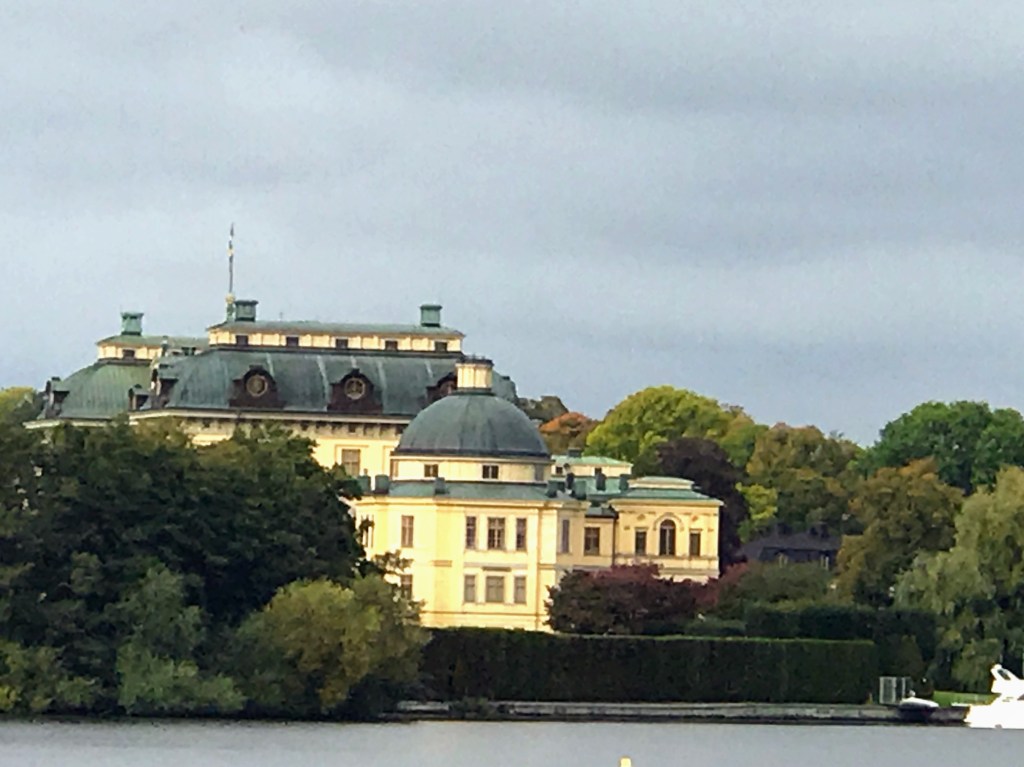
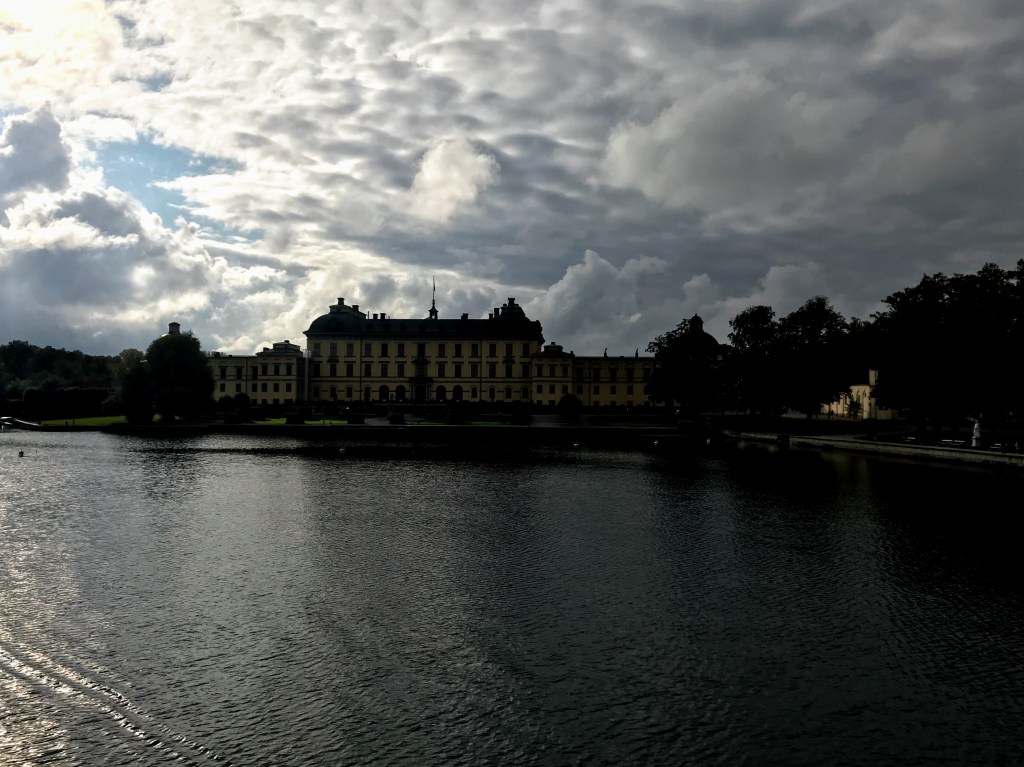

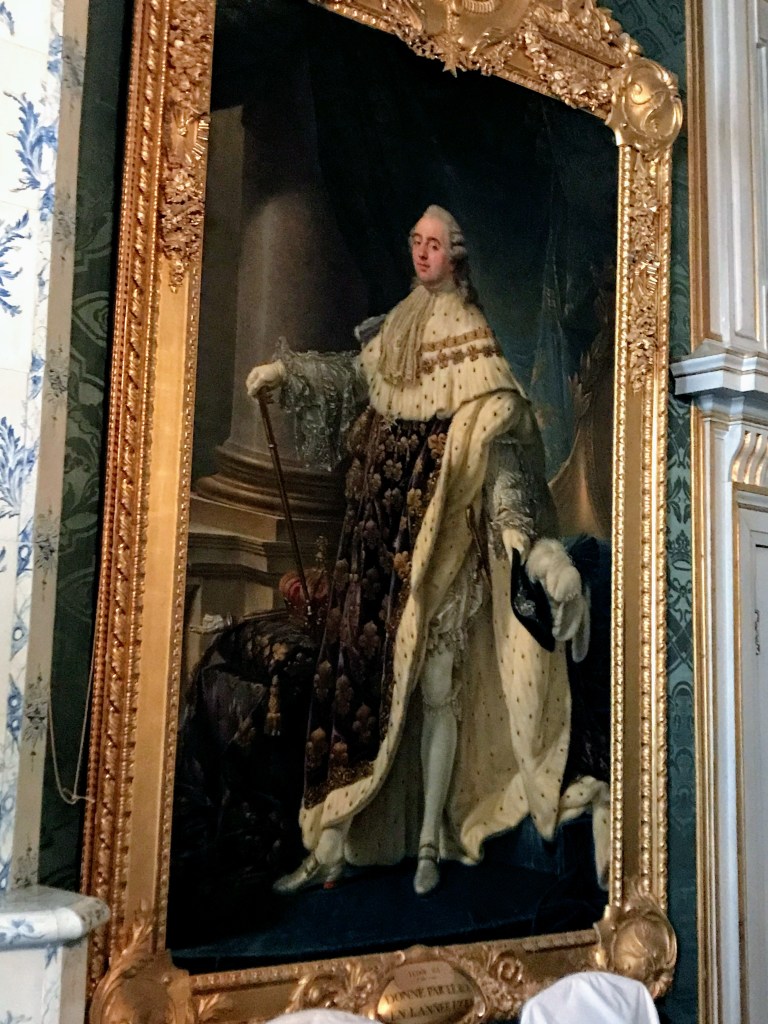


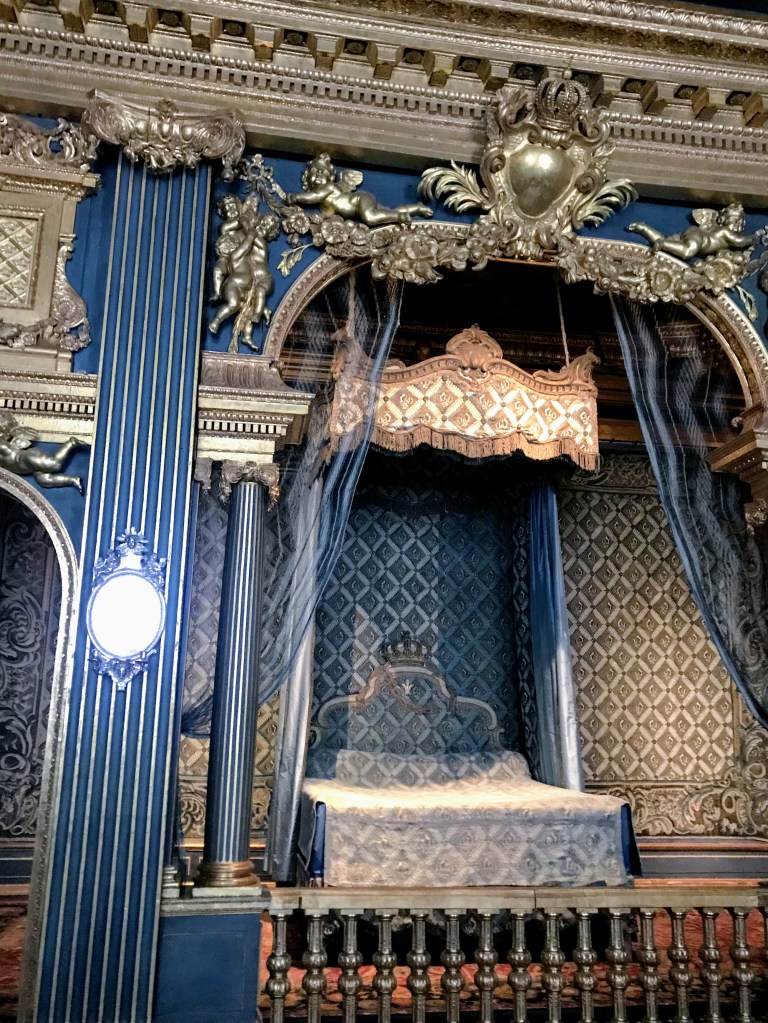
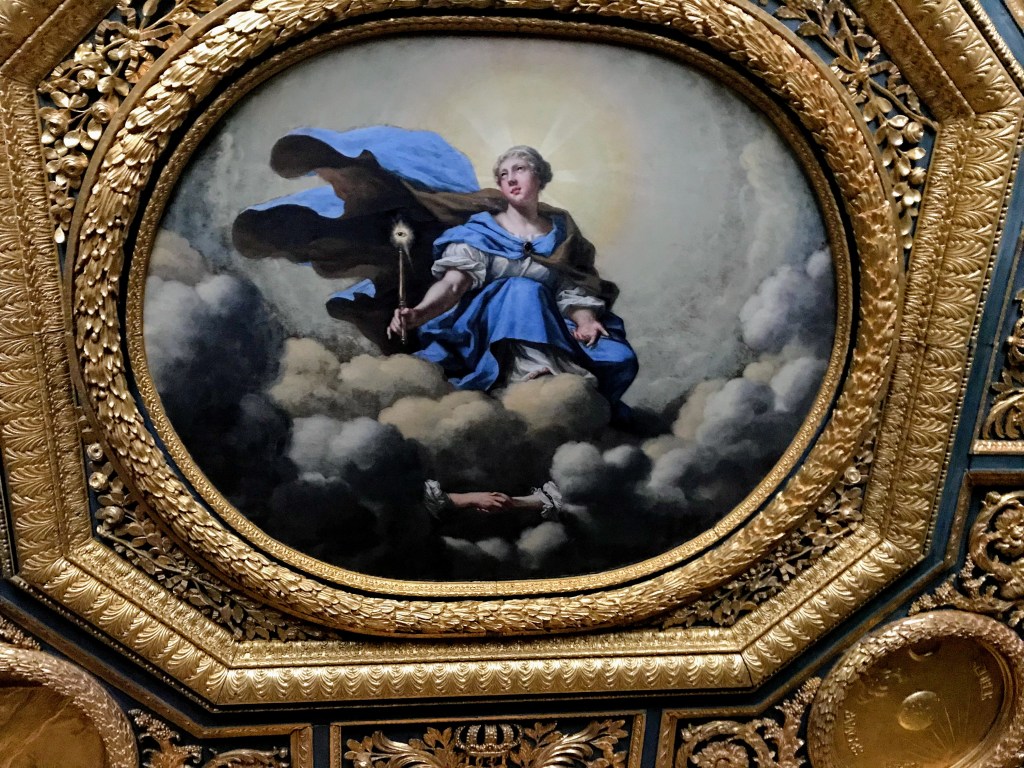
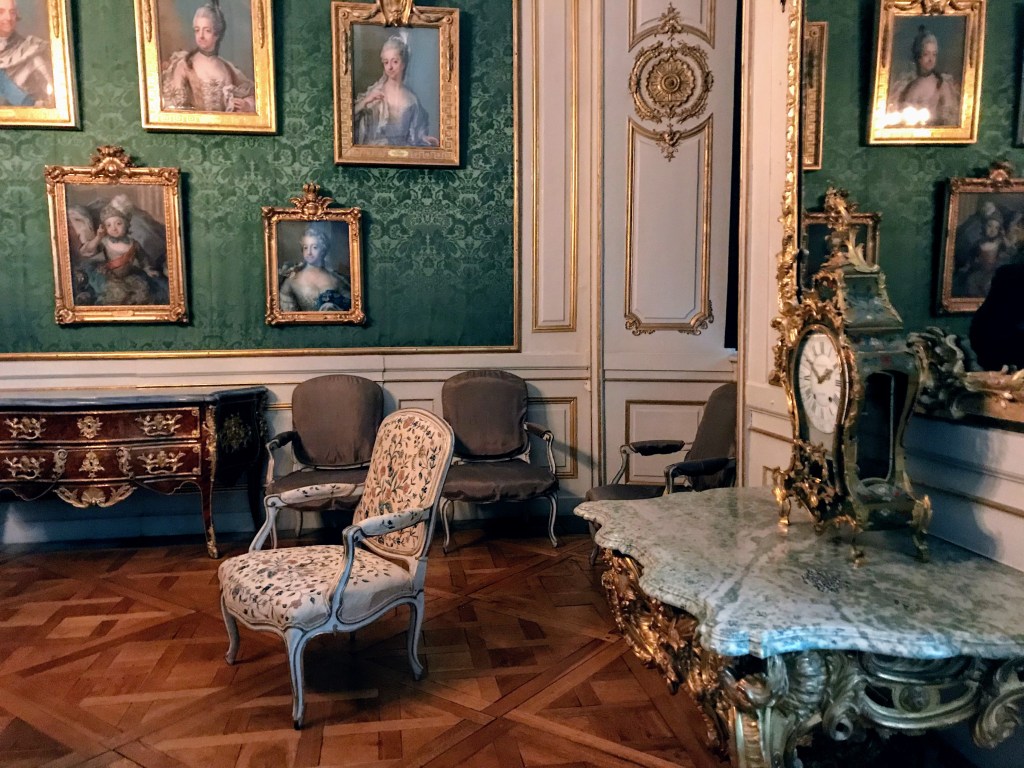
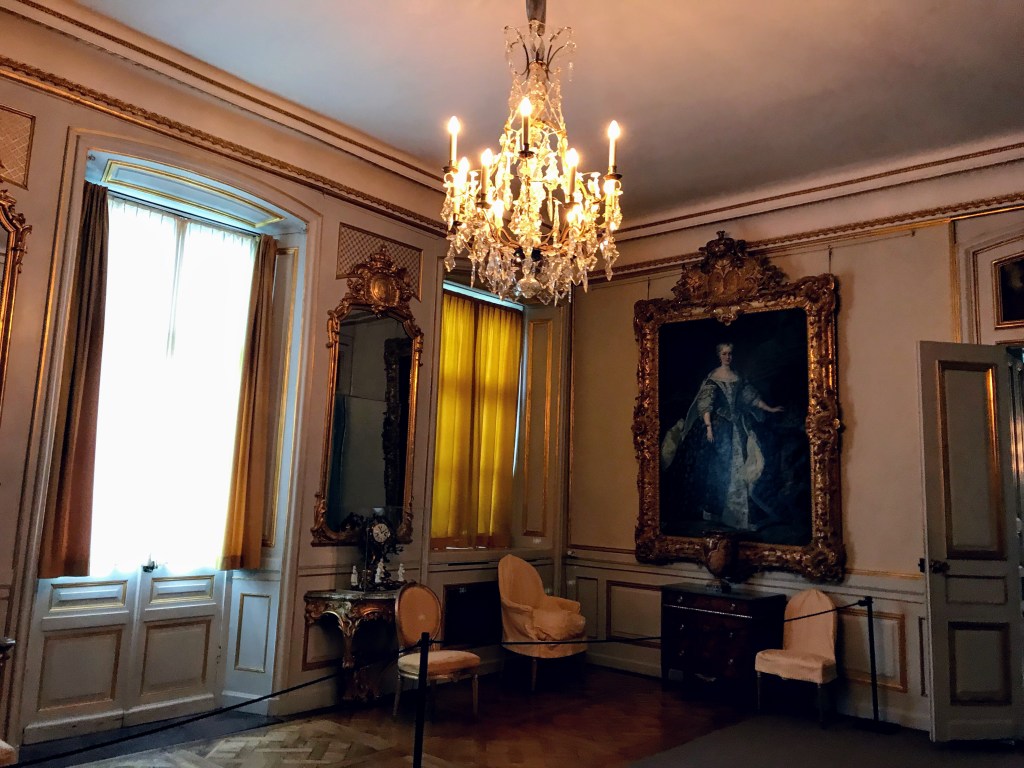
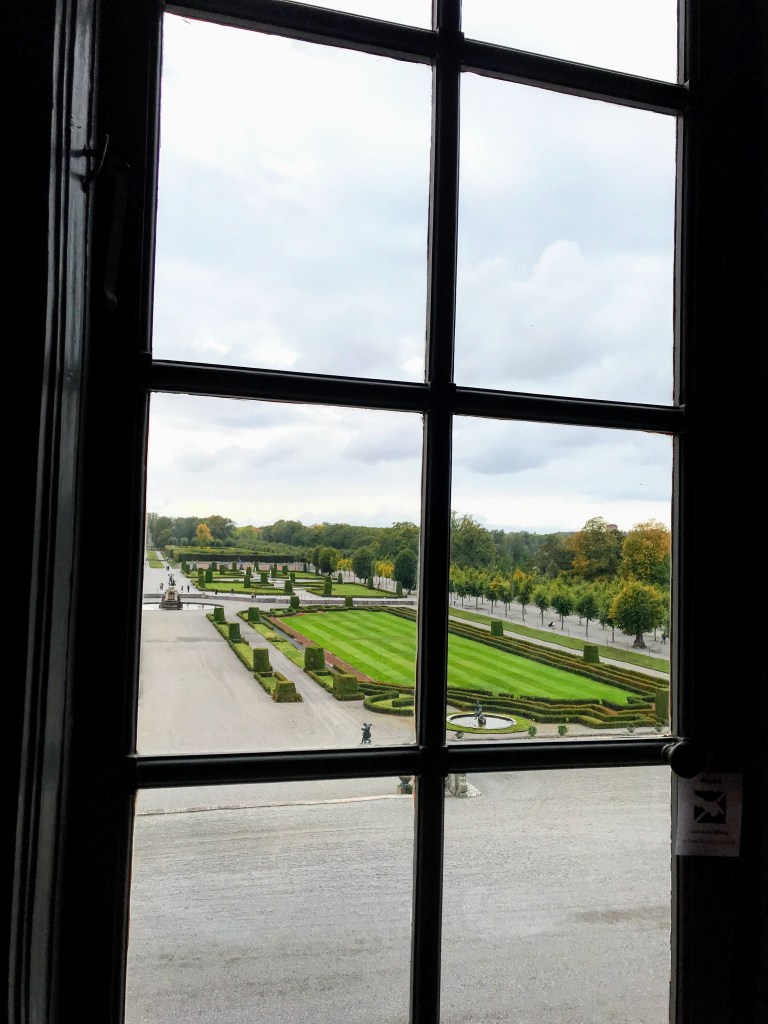
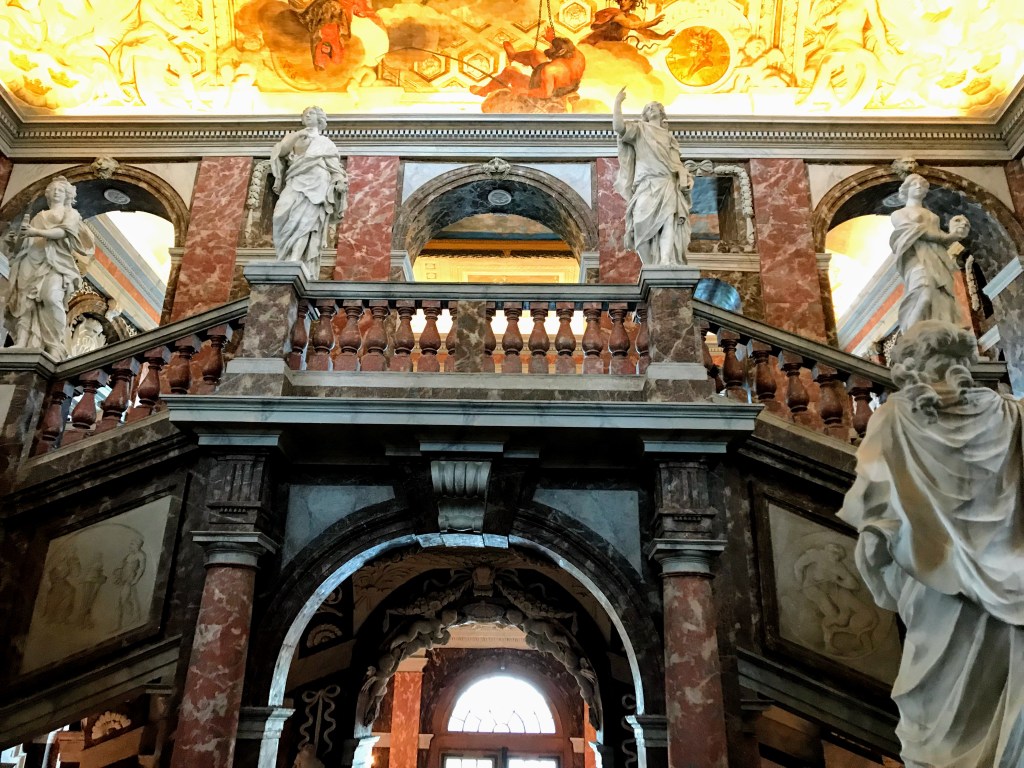
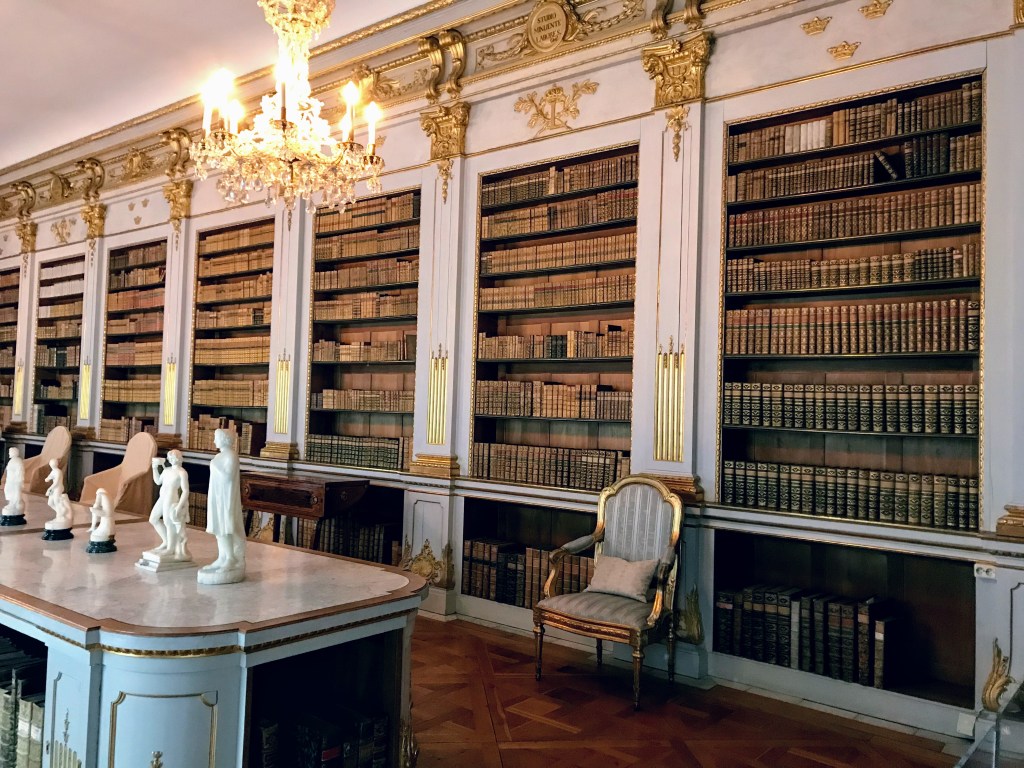
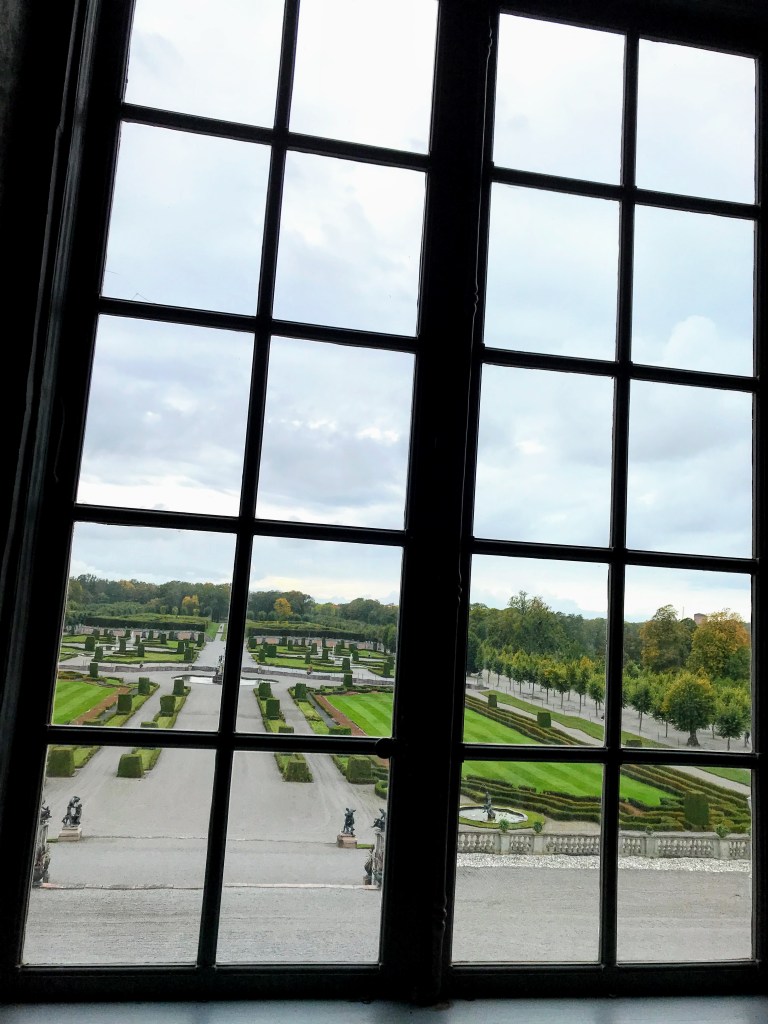

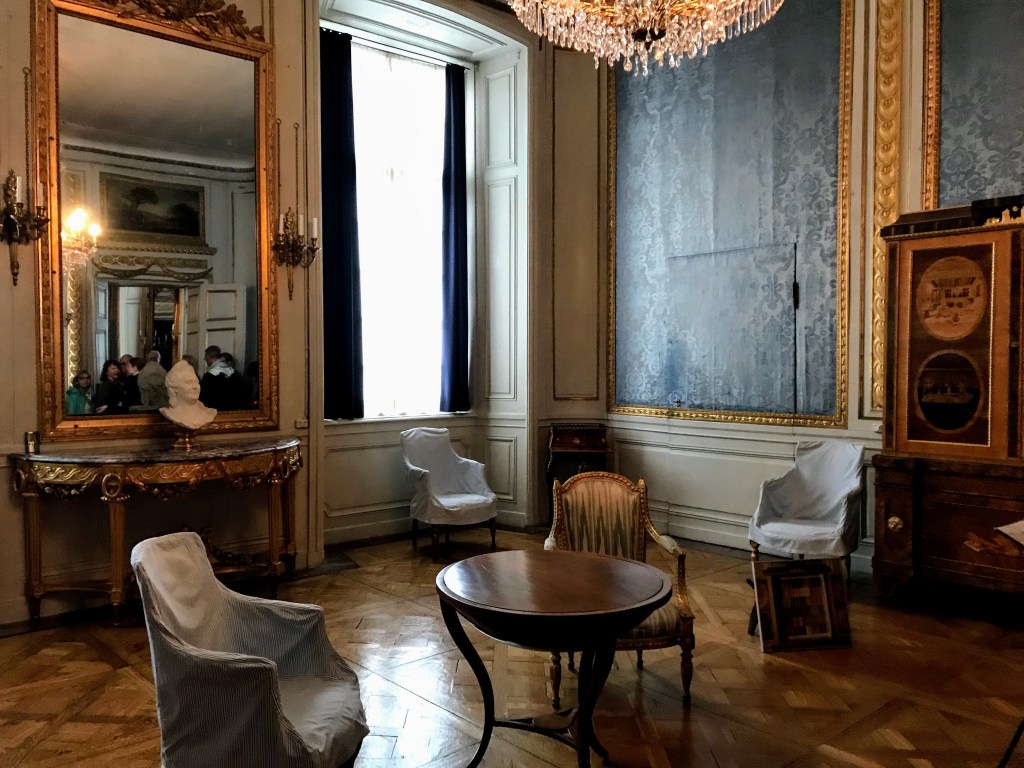
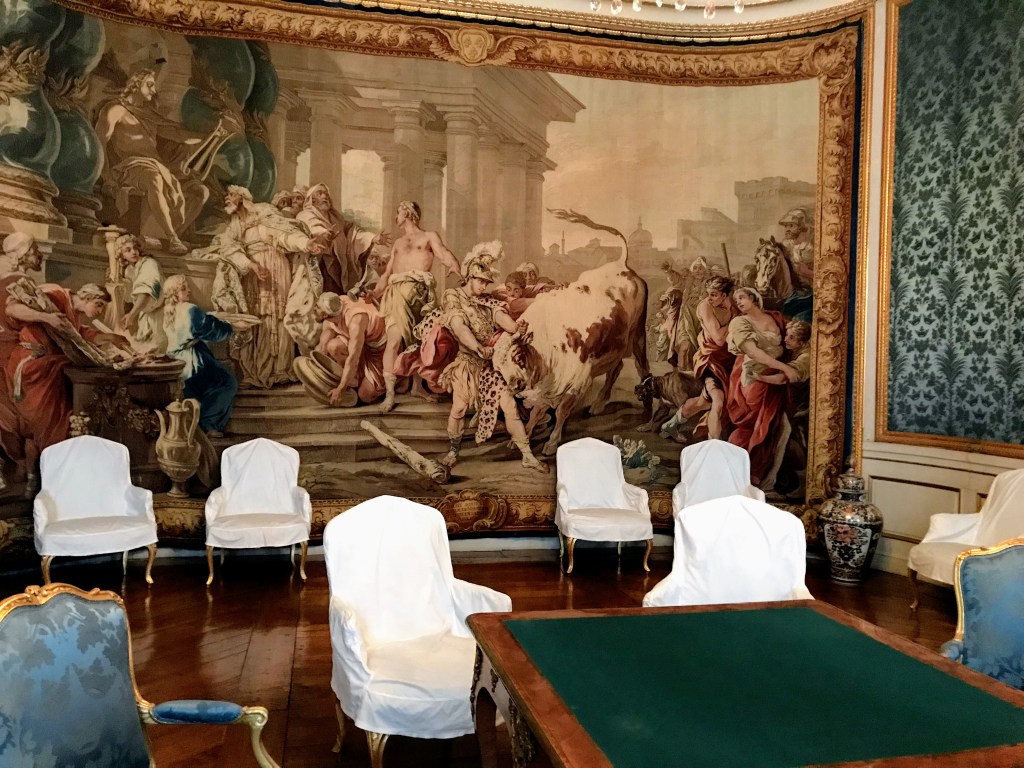
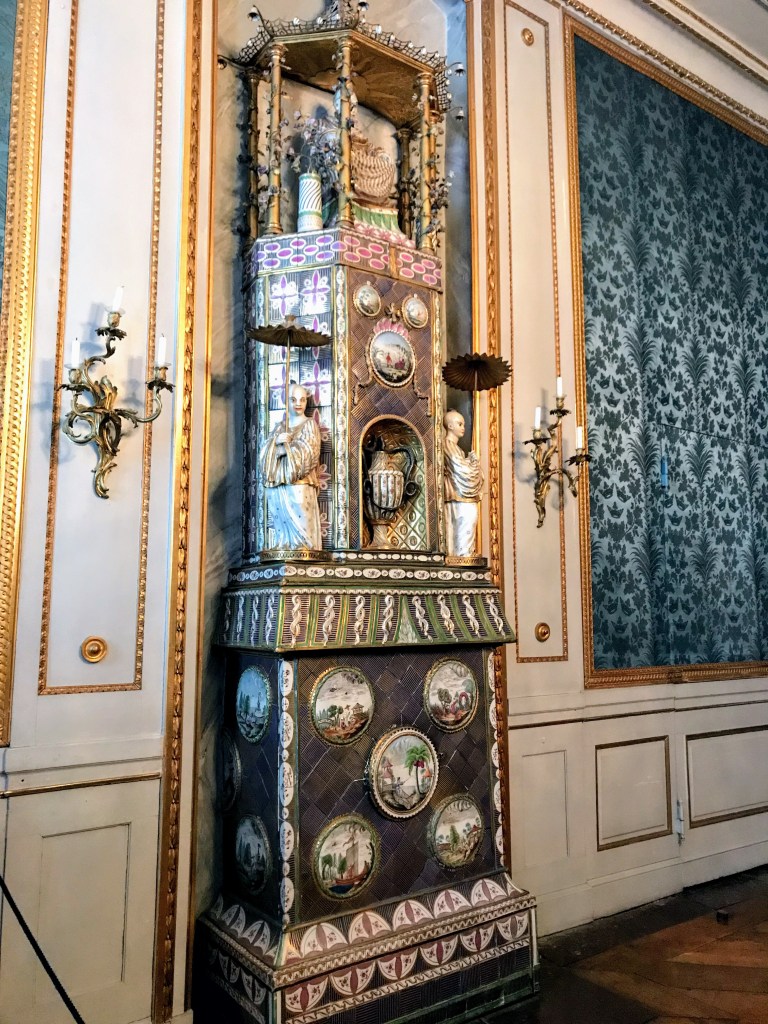
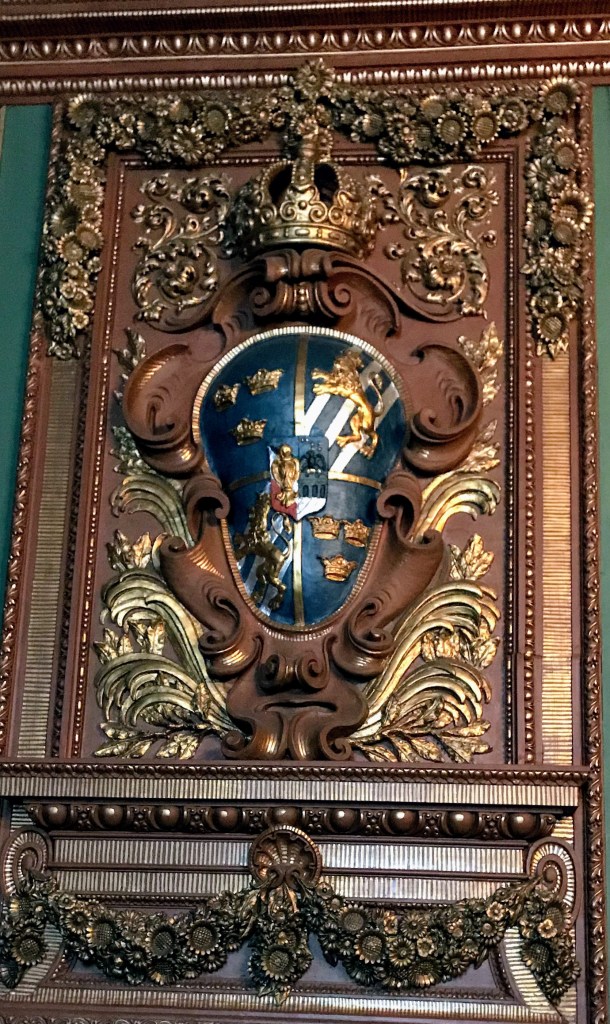
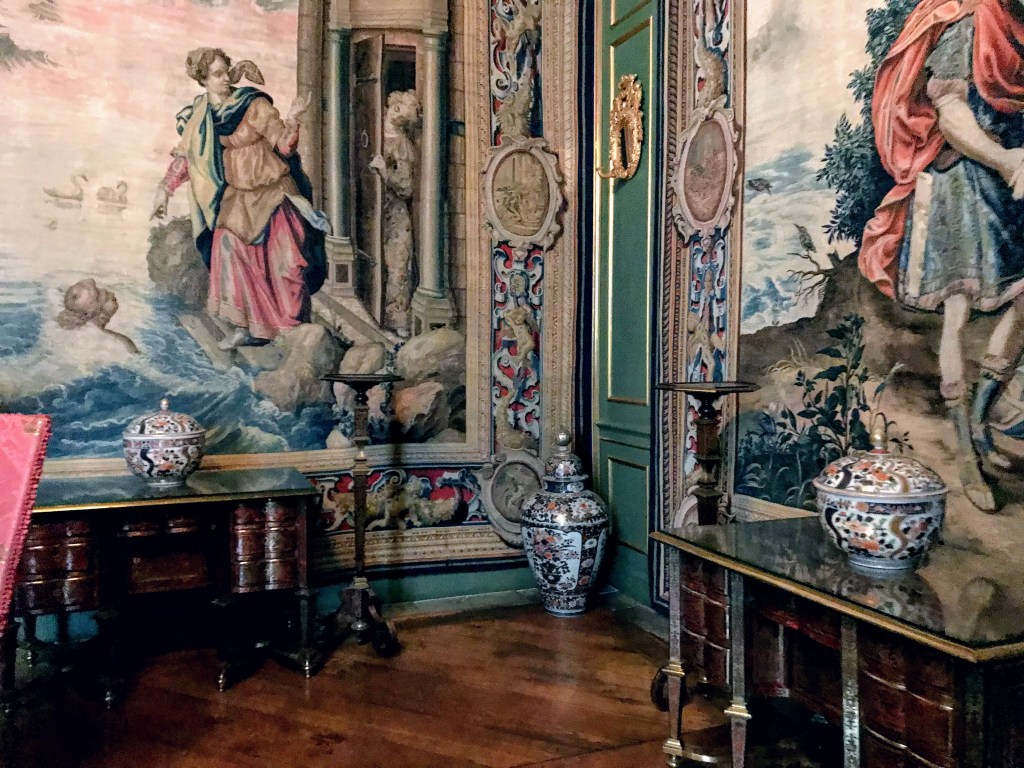
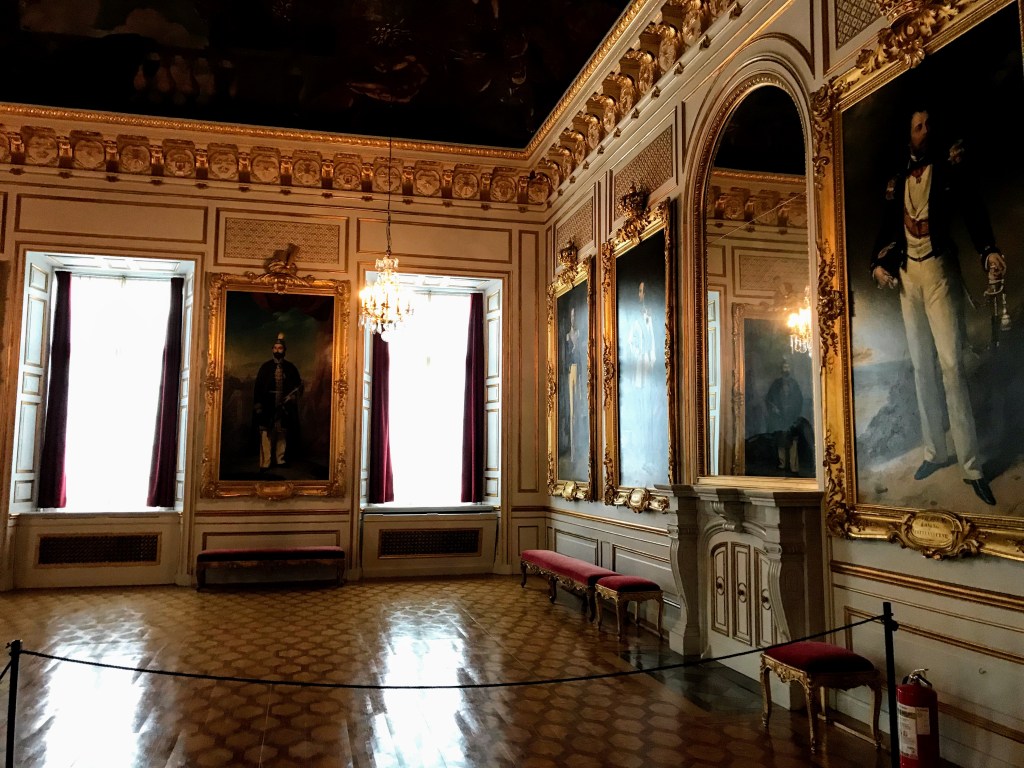
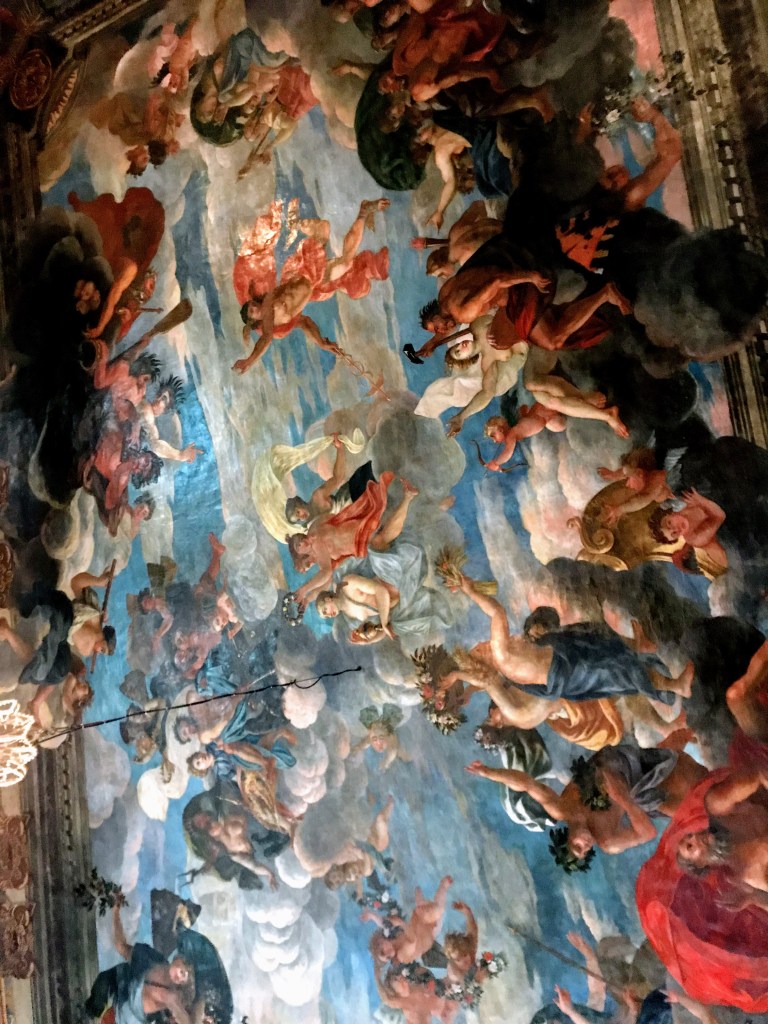
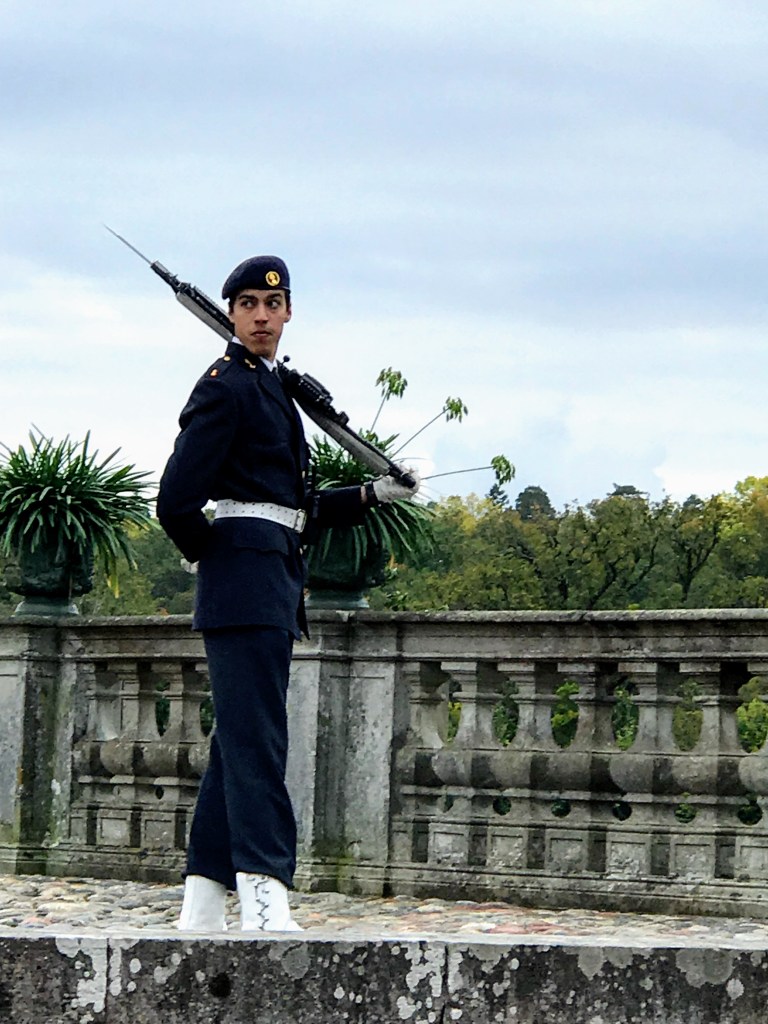
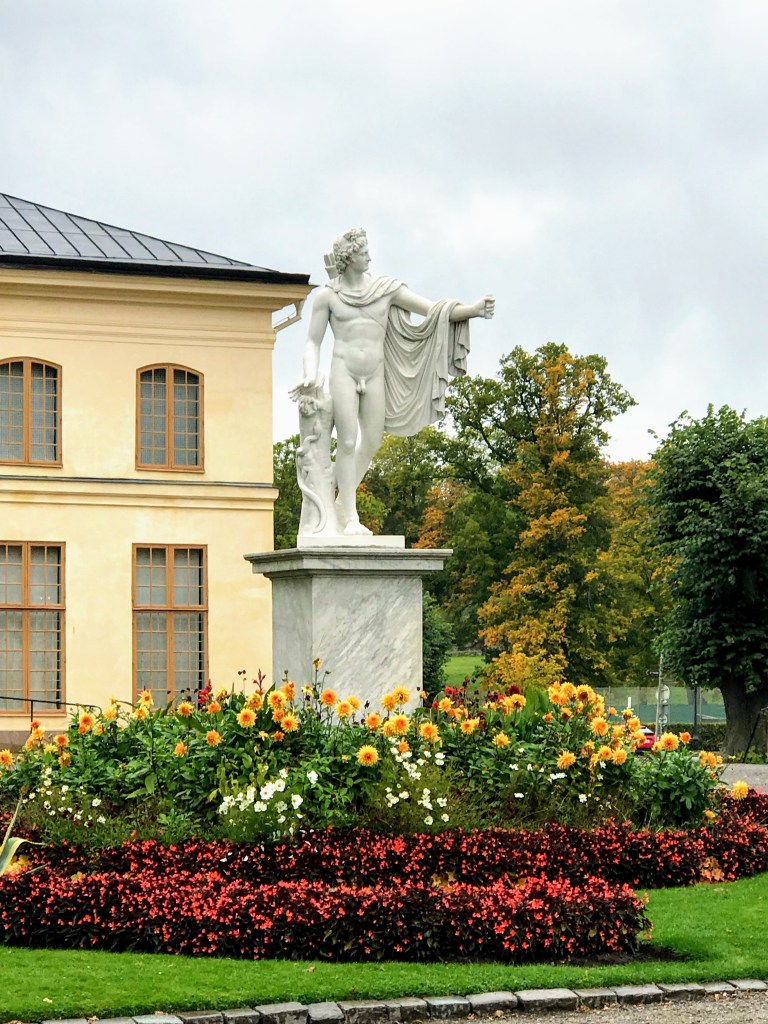
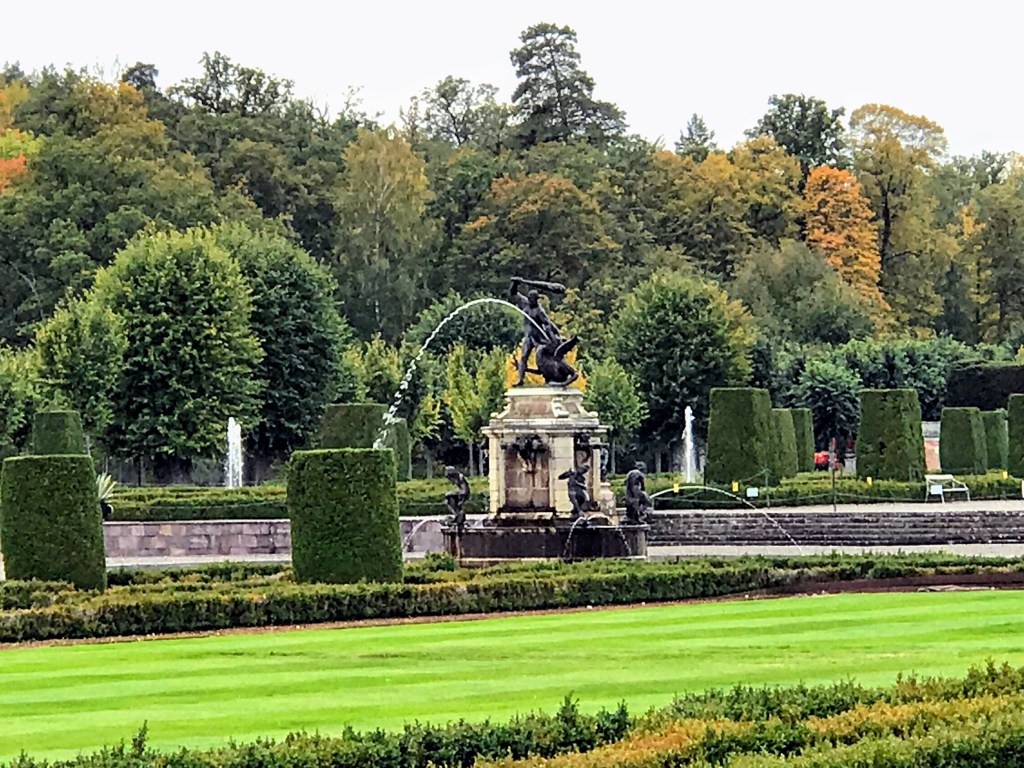
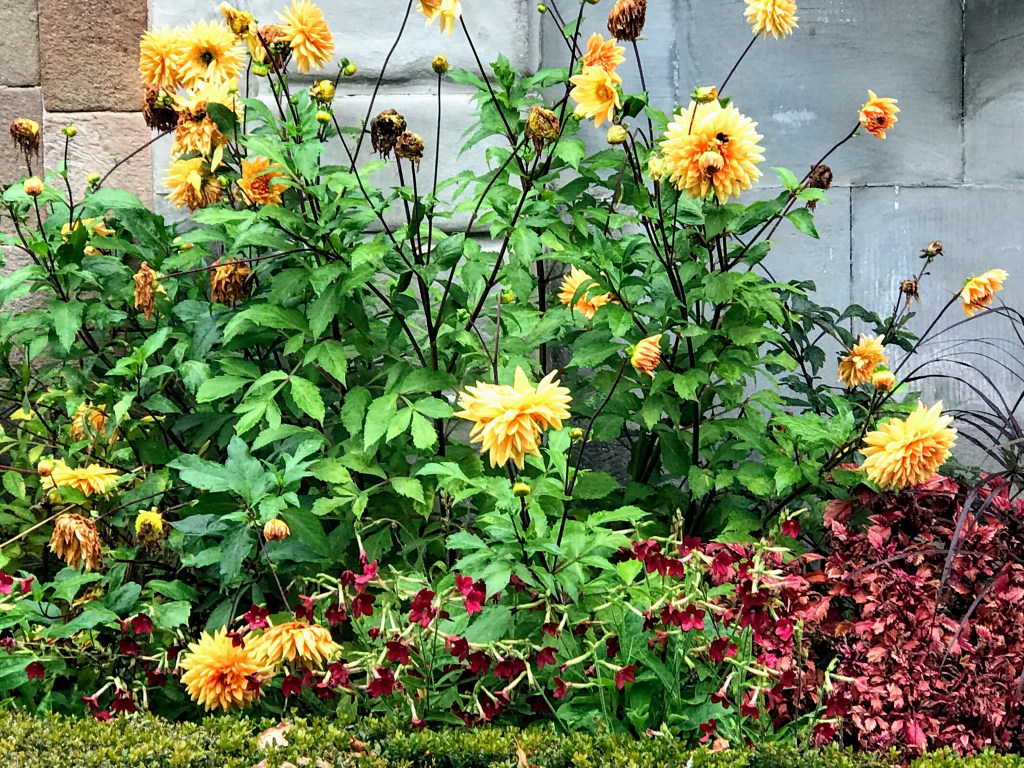

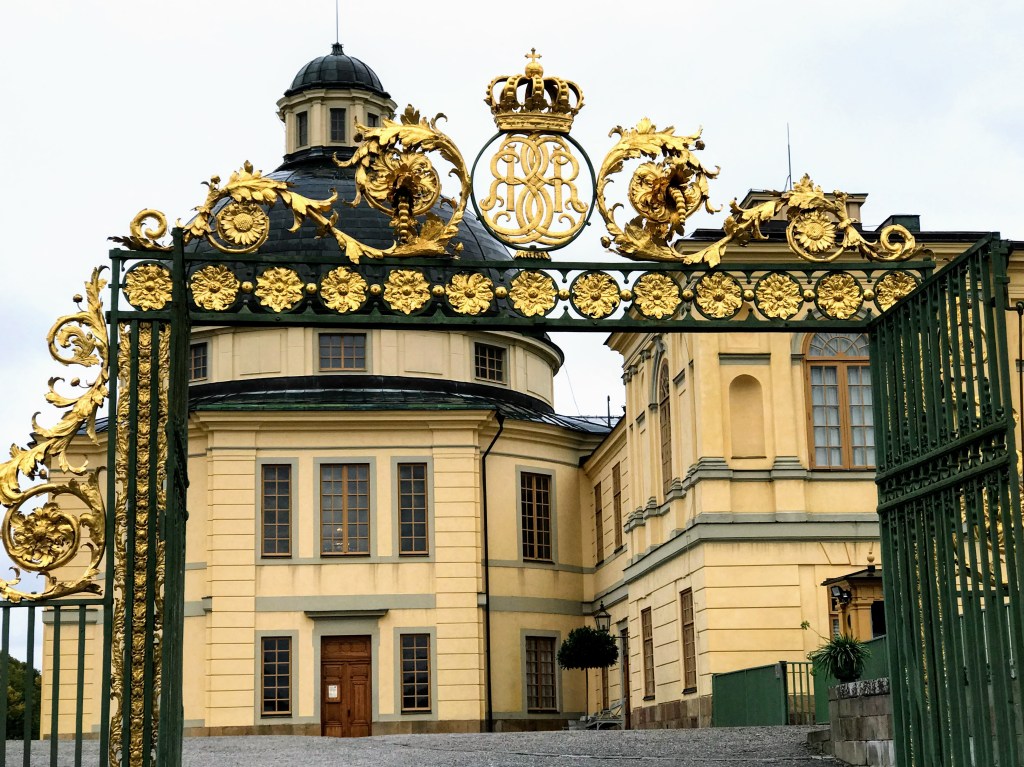

Drottningholm Palace is on UNESCO’s World Heritage list. It is one of the most well-preserved royal castles; built in the 1600s in Stockholm, Sweden and at the same time is representative of all European architecture for the period.
The Palace is Their Majesties the King and Queen’s permanent home residence. The rooms in the southern wing of the palace are reserved for this purpose. The rest of the palace and grounds are open to the public year round. I questioned our guide about the living quarters of the royalty and she stated that their “wing” of the palace was like the parts we toured. She stated they were able to make “upgrades” to their wing but could not change the structure or architecture, adding that mostly thy have added conveniences such as TV and WIFI.
Stockholm, Sweden
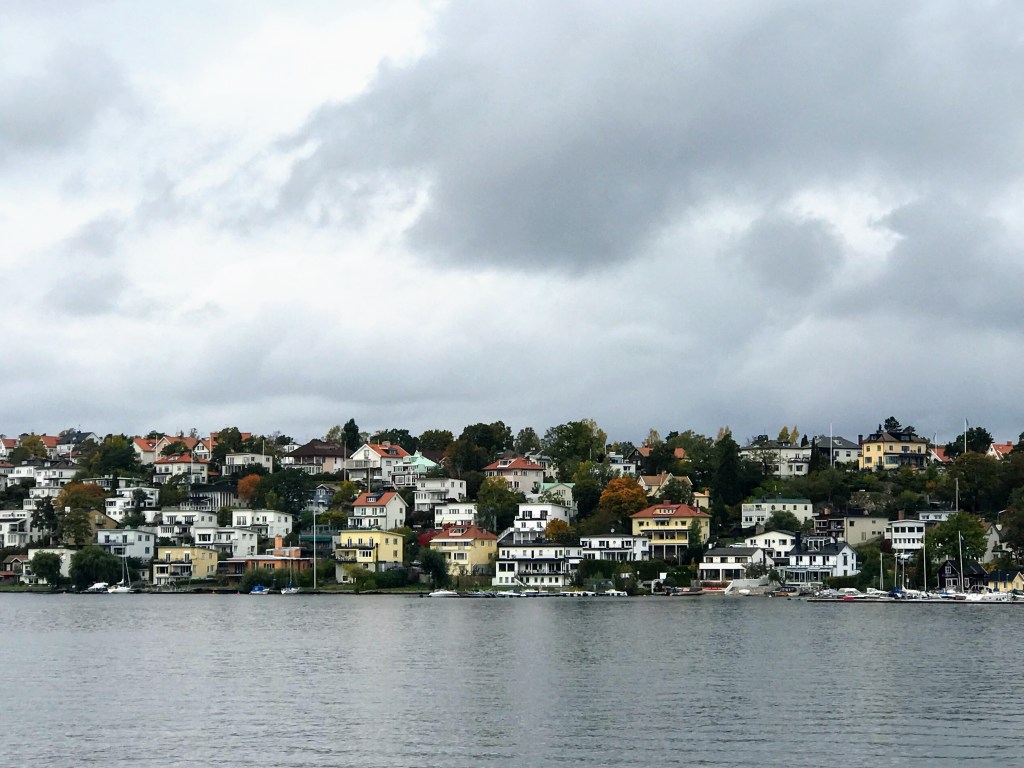
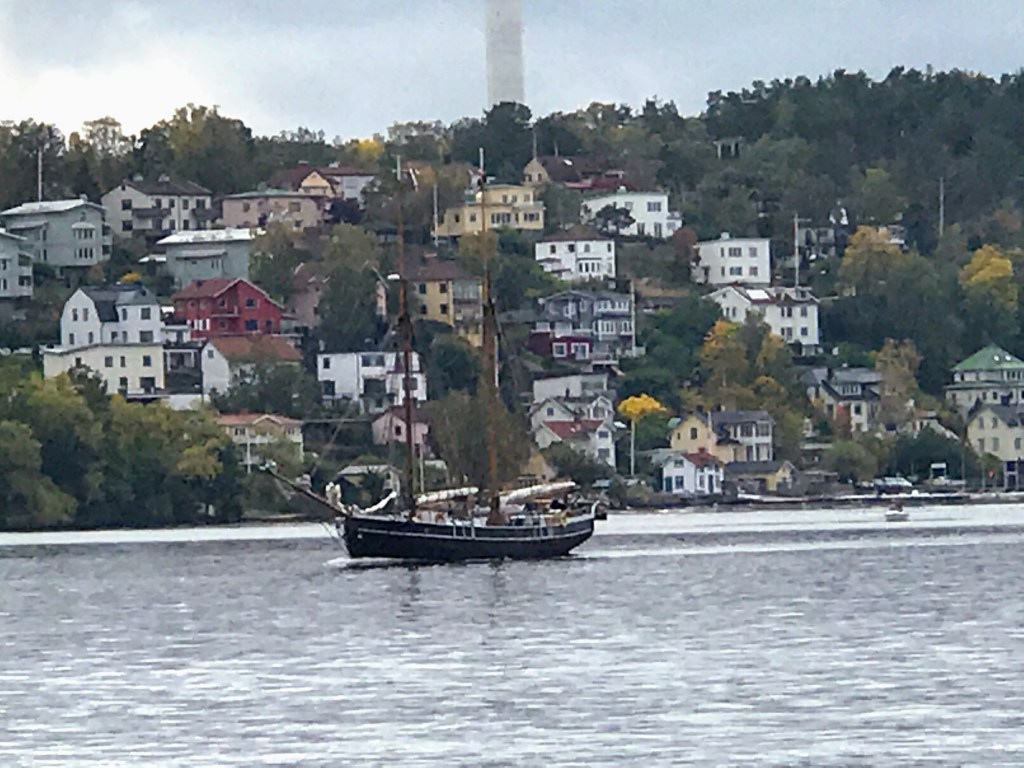
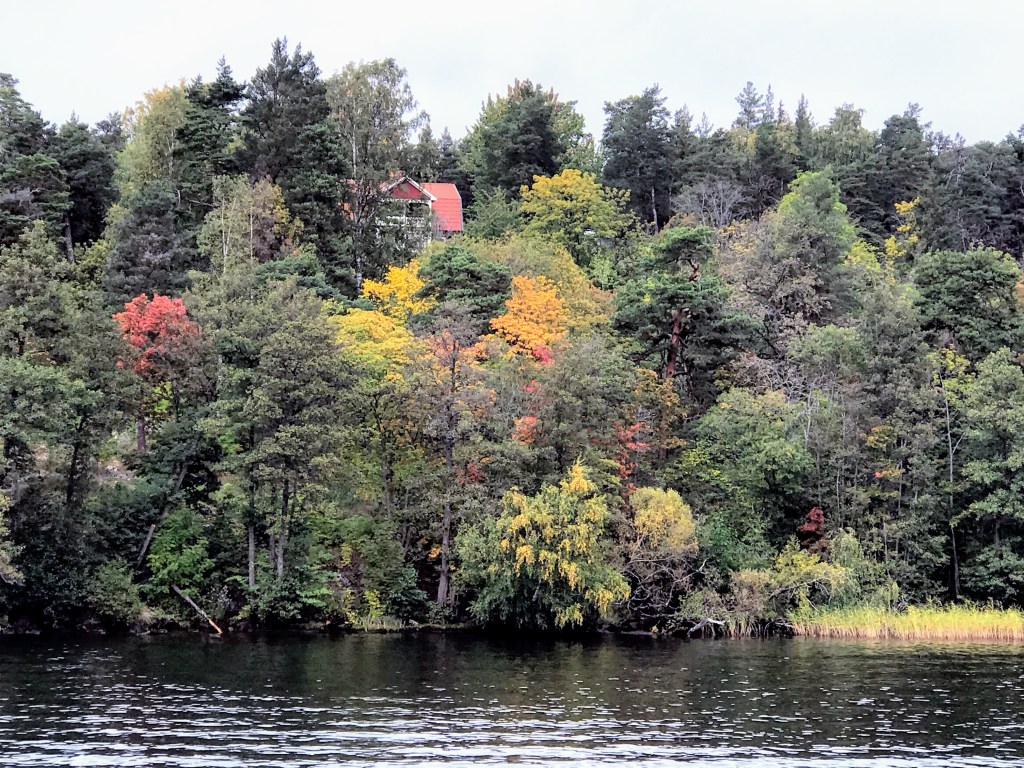
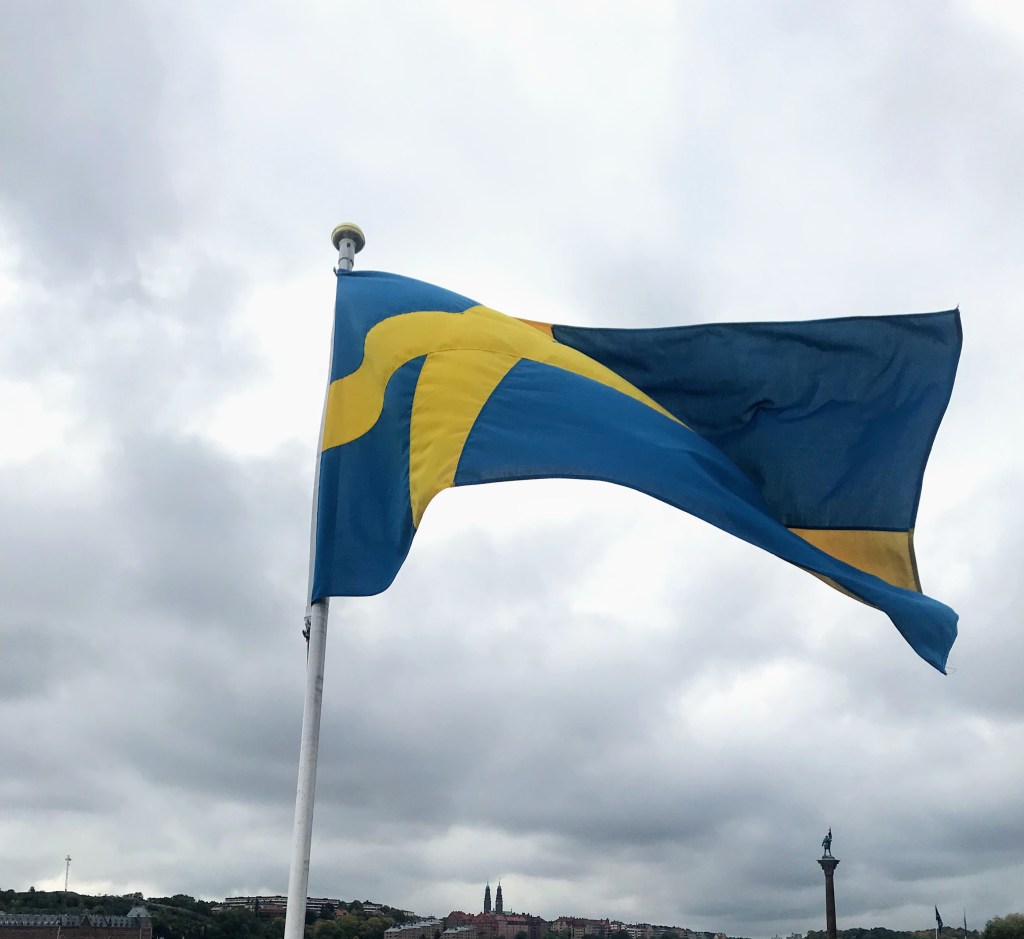


Just a couple of pictures from around Stockholm
Pics 1 & 2 & 3 were taken from the ferry. A lot of Stockholm consist of islands connected by bridges. But it is so much faster to take a ferry to the different islands.
Pic 4 is the Swedish flag; it consists of a yellow or gold Nordic cross on a field of blue. The Nordic cross design traditionally represents Christianity.
Pic 5 is the Nobel Prize Museum
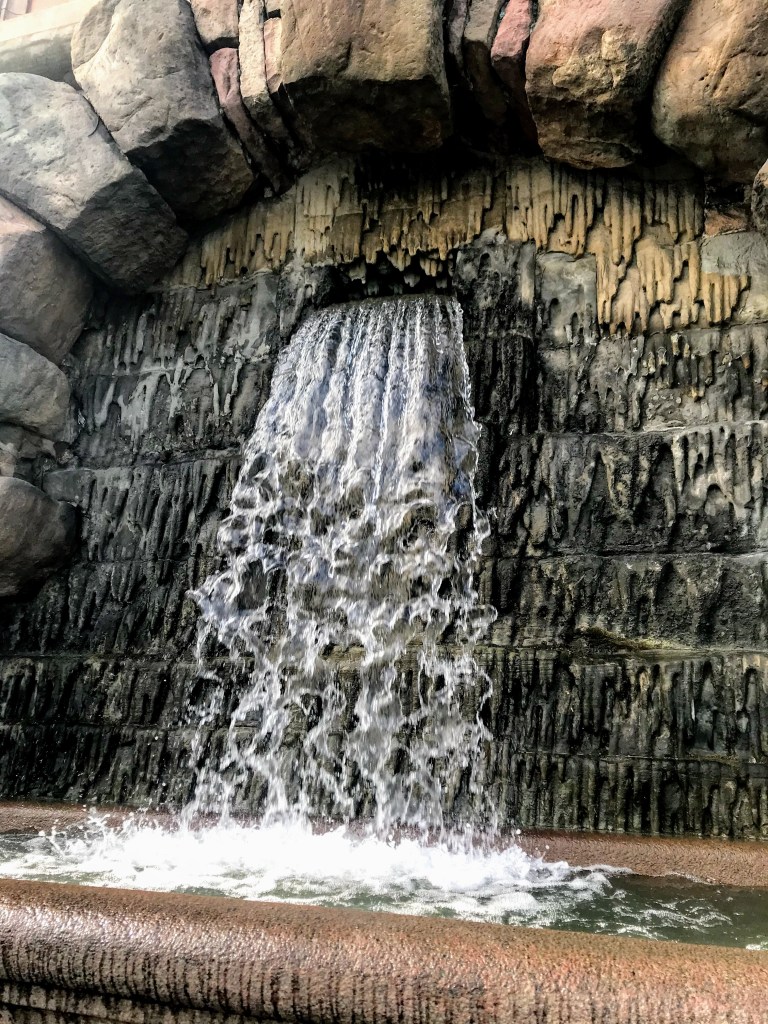
Pic 6 is a water fountain, Stockholm is one of the cleanest capitals in the world. The city was granted the 2010 European Green Capital Award by the EU Commission; this was Europe’s first “green capital”
And the video is the military coming in for the changing of the guards.
Stockholm City Hall
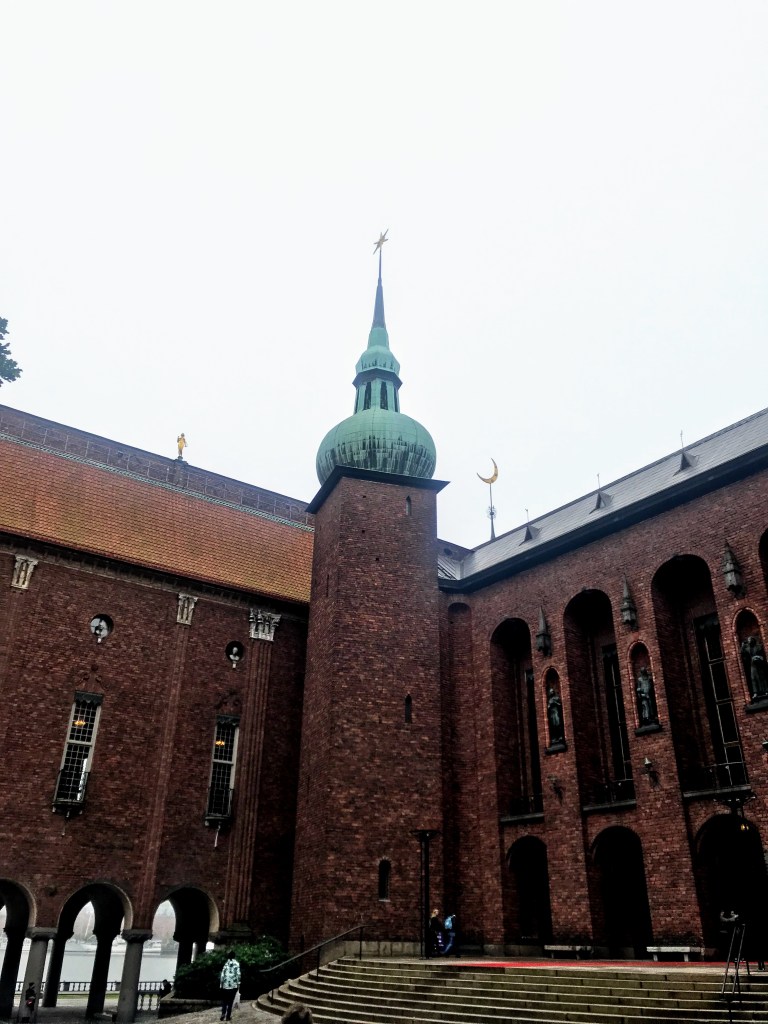

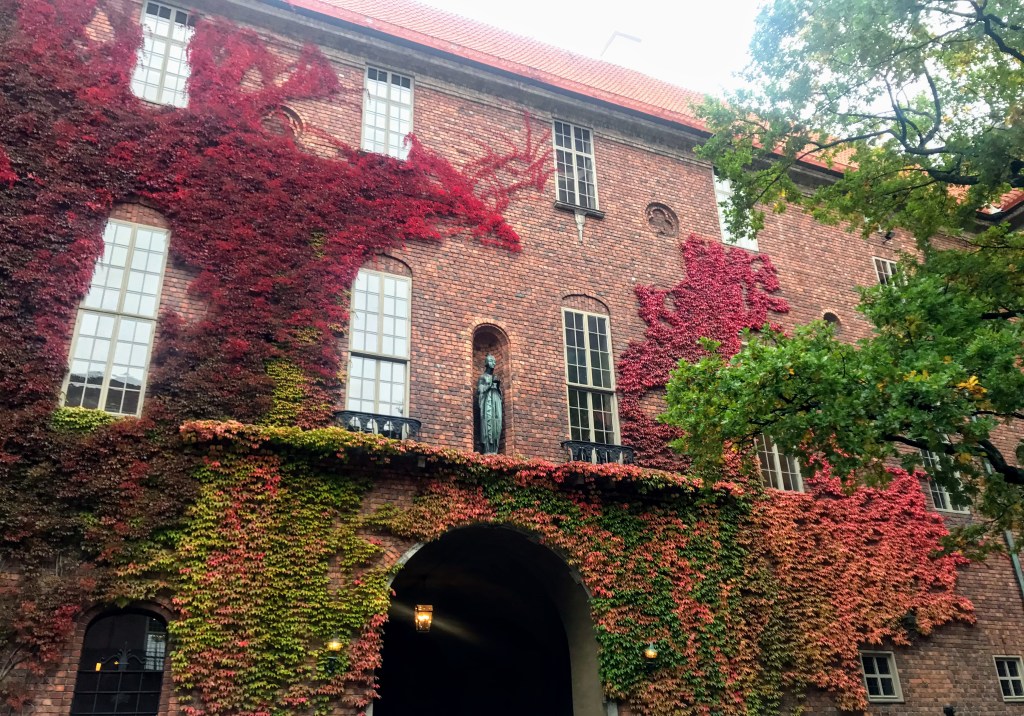
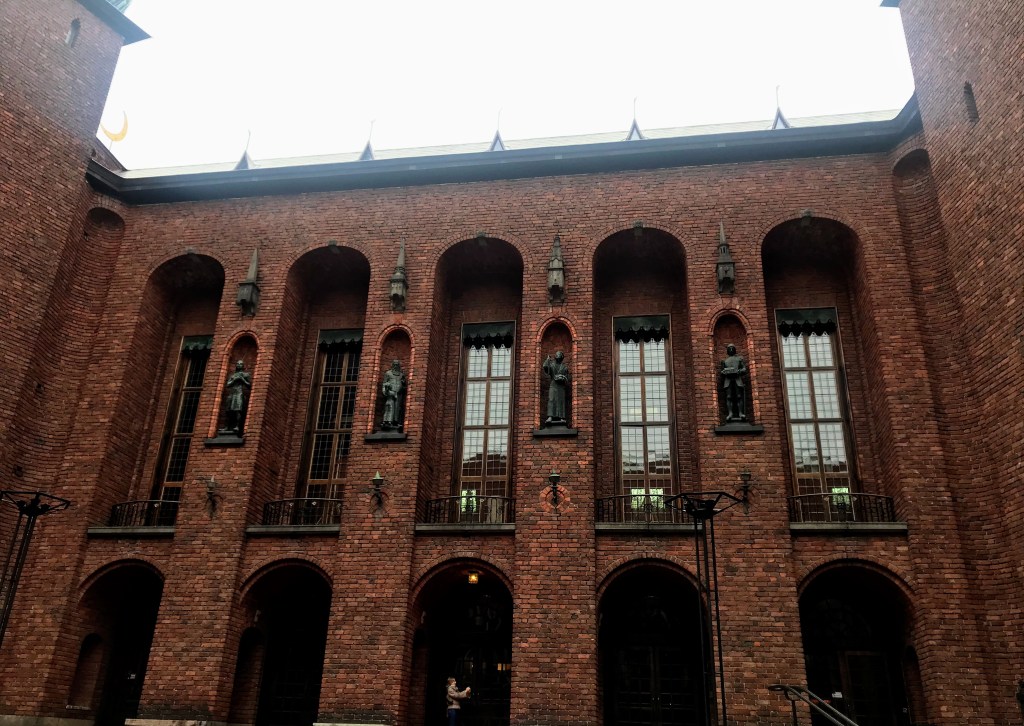


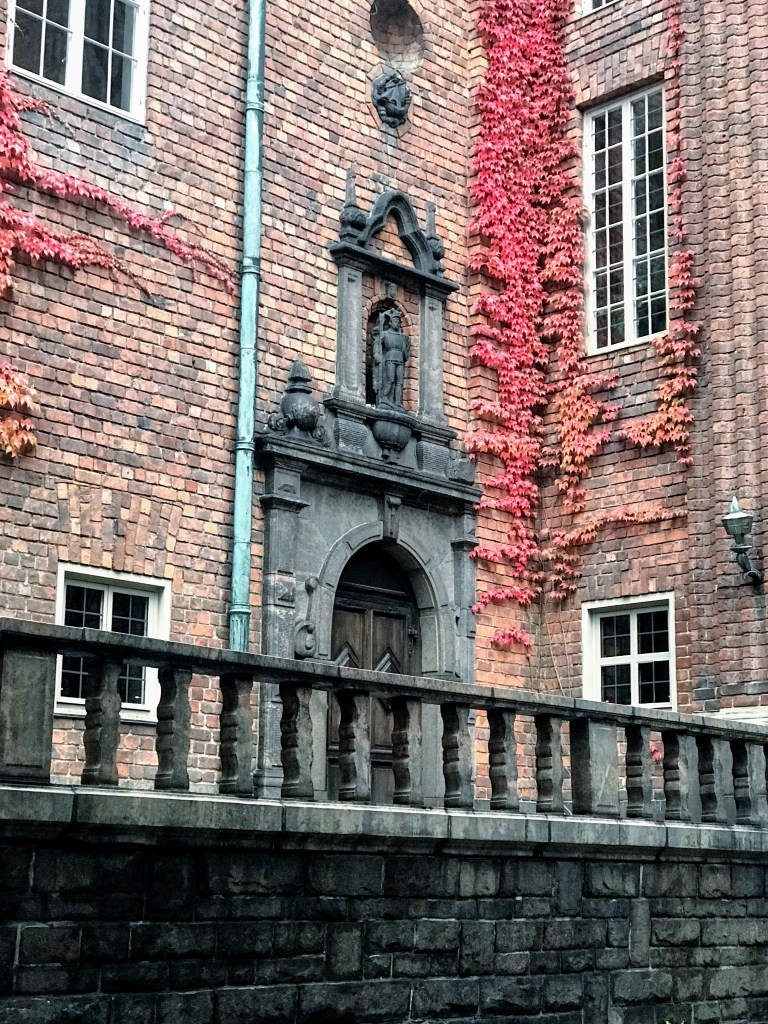
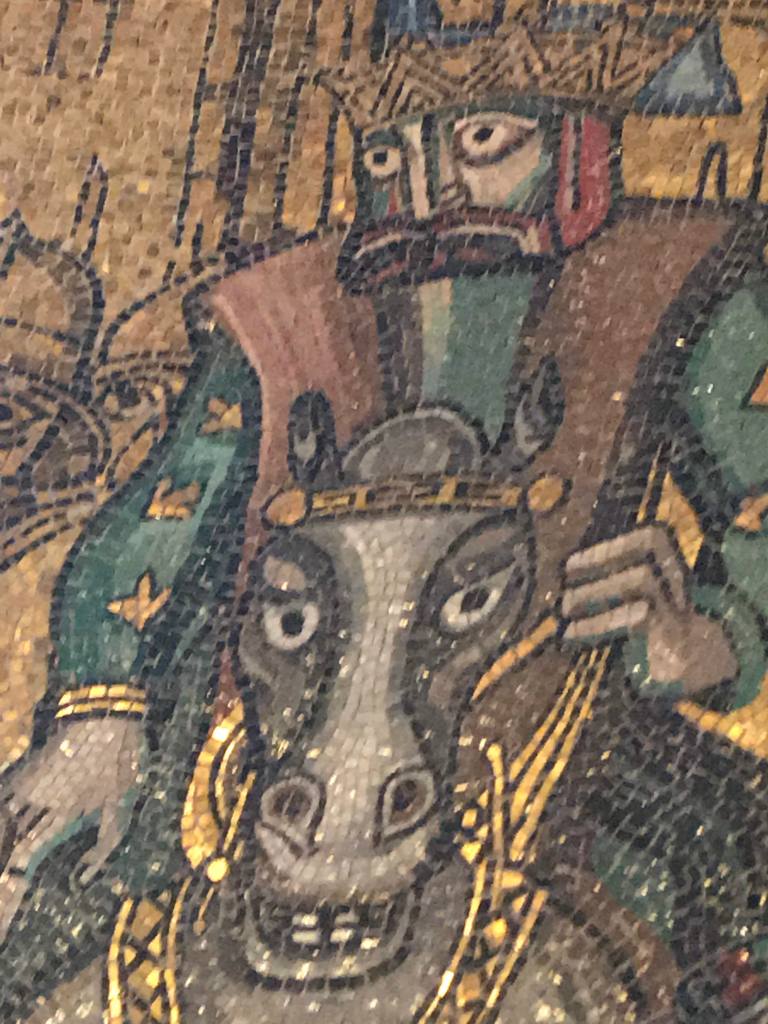
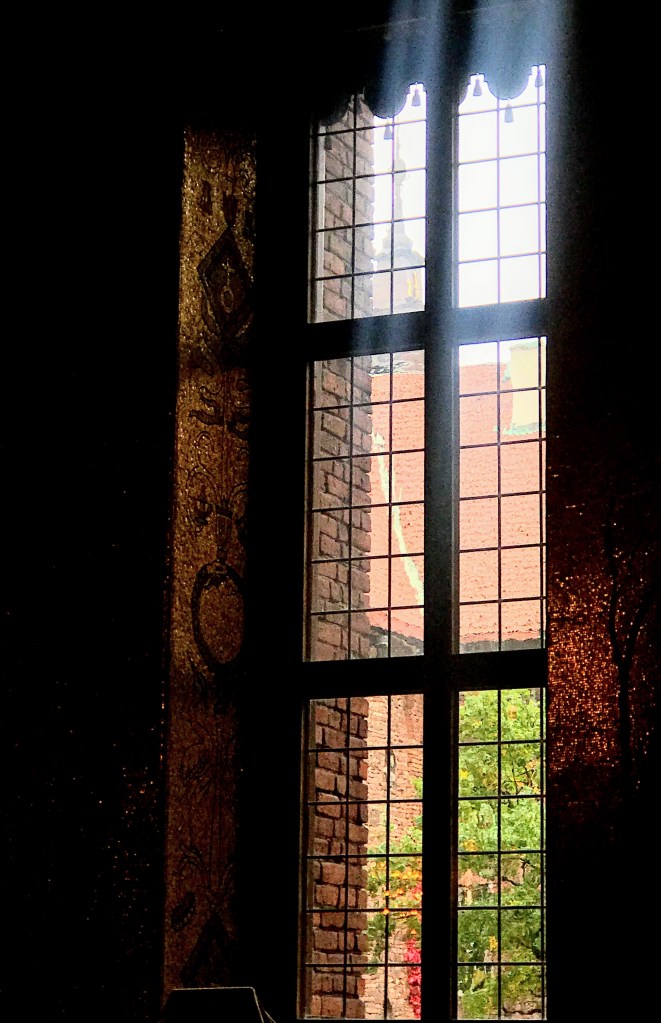

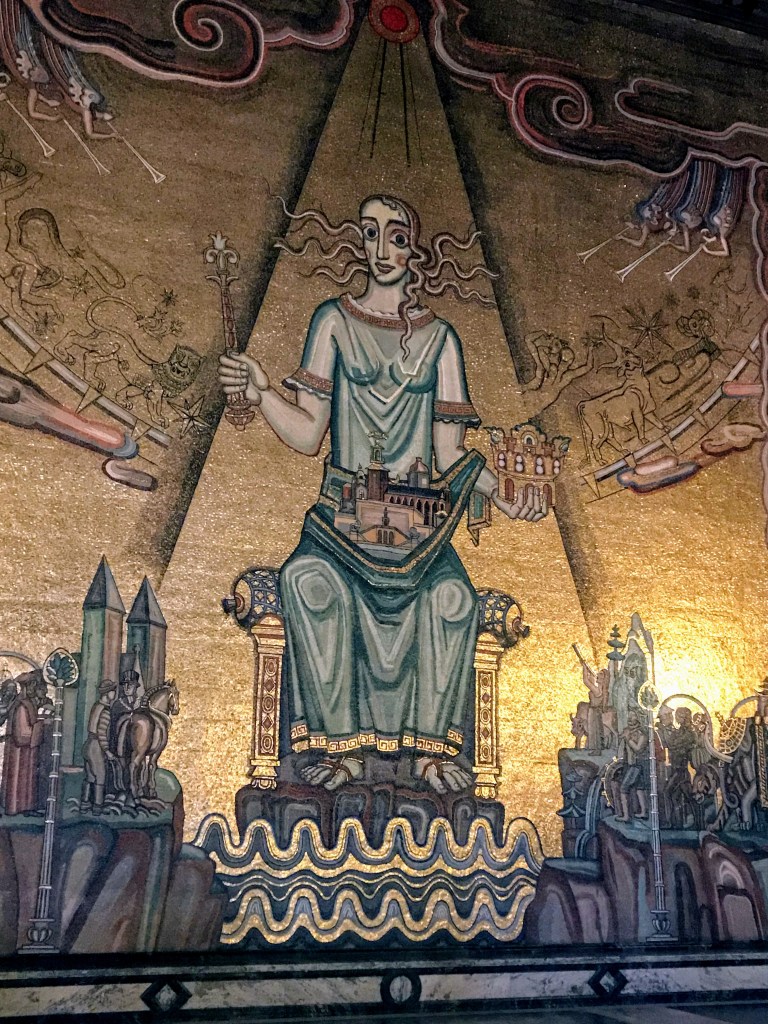



The Stockholm City Hall is one of Sweden’s most famous buildings, and one of the capital’s most visited tourist attractions. It is famous for its grand ceremonial halls and unique pieces of art and is the venue of the Nobel Prize banquet held on 10th of December each year. It also houses offices for 200 people including the Municipal Council.
In one of the main halls is the massive mosaic pictured above. There are several close-up shots of Stockholm’s tribute to the USA! And yes that is gold in the mosaic.
Vasa Museum
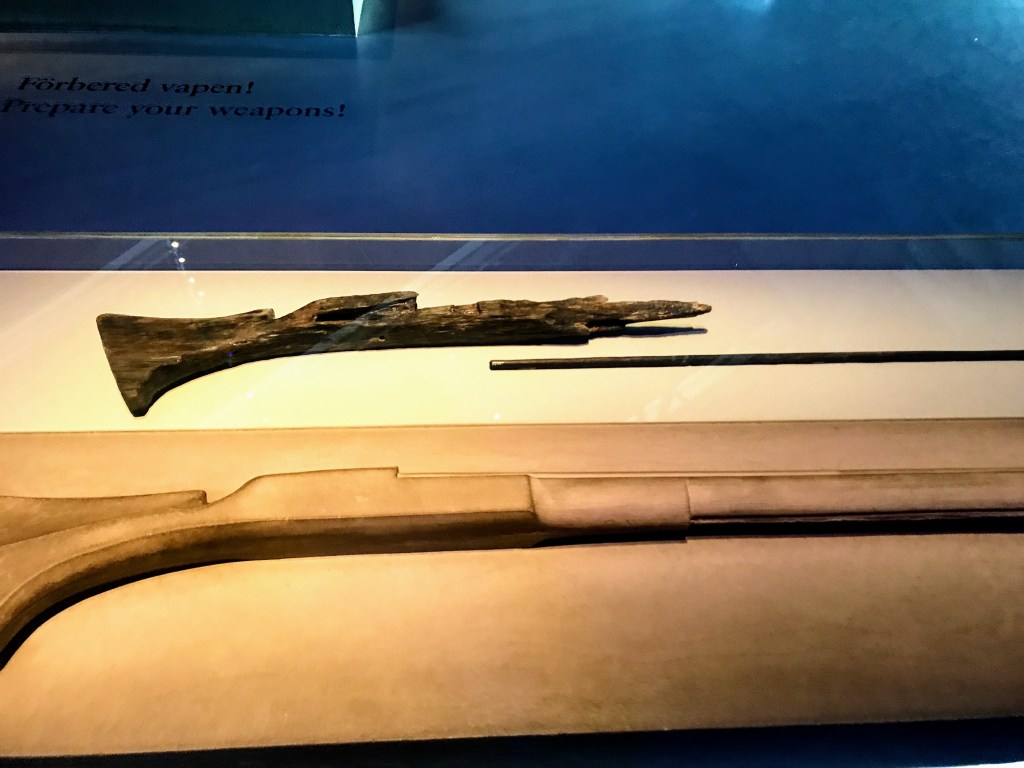

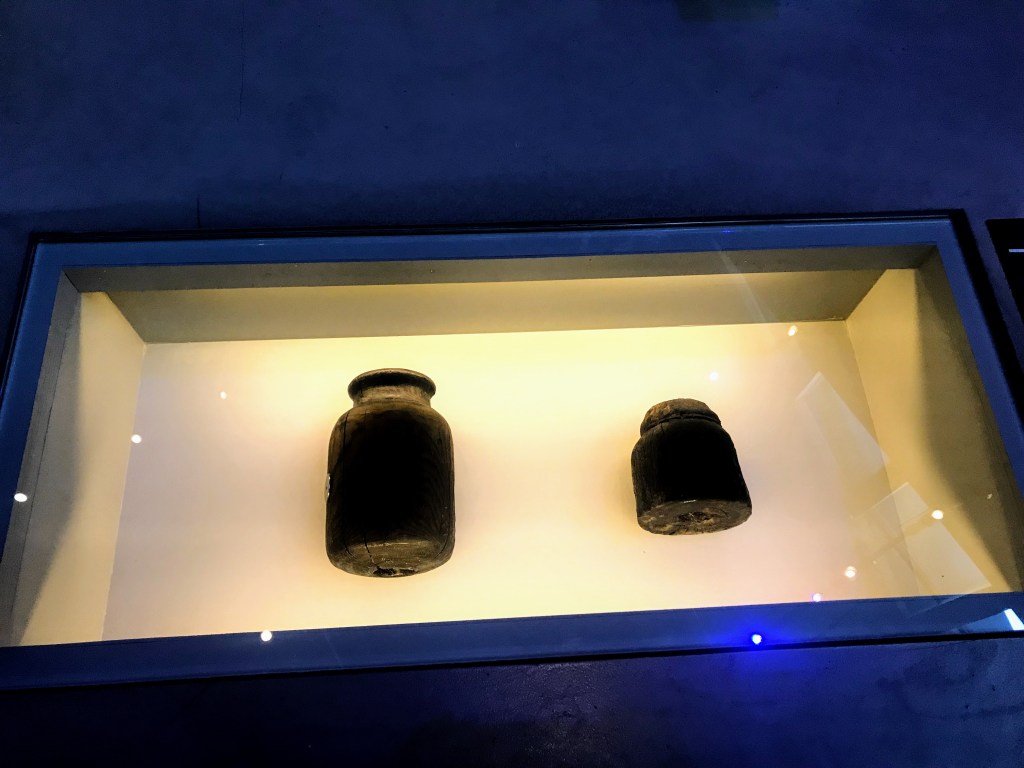
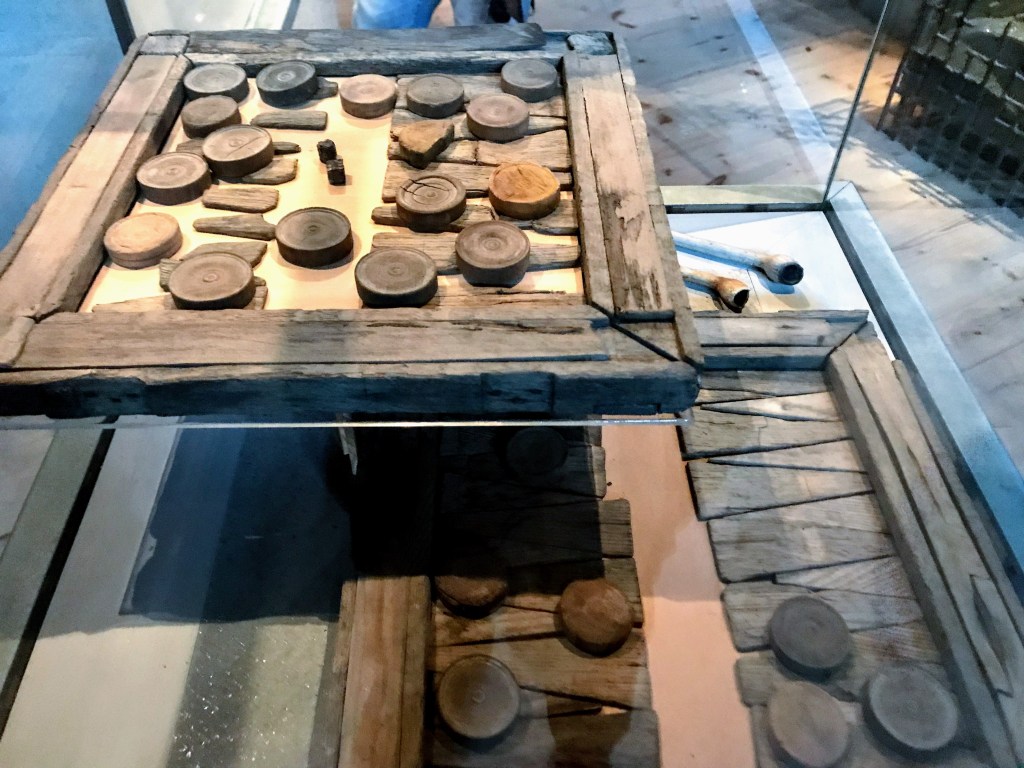
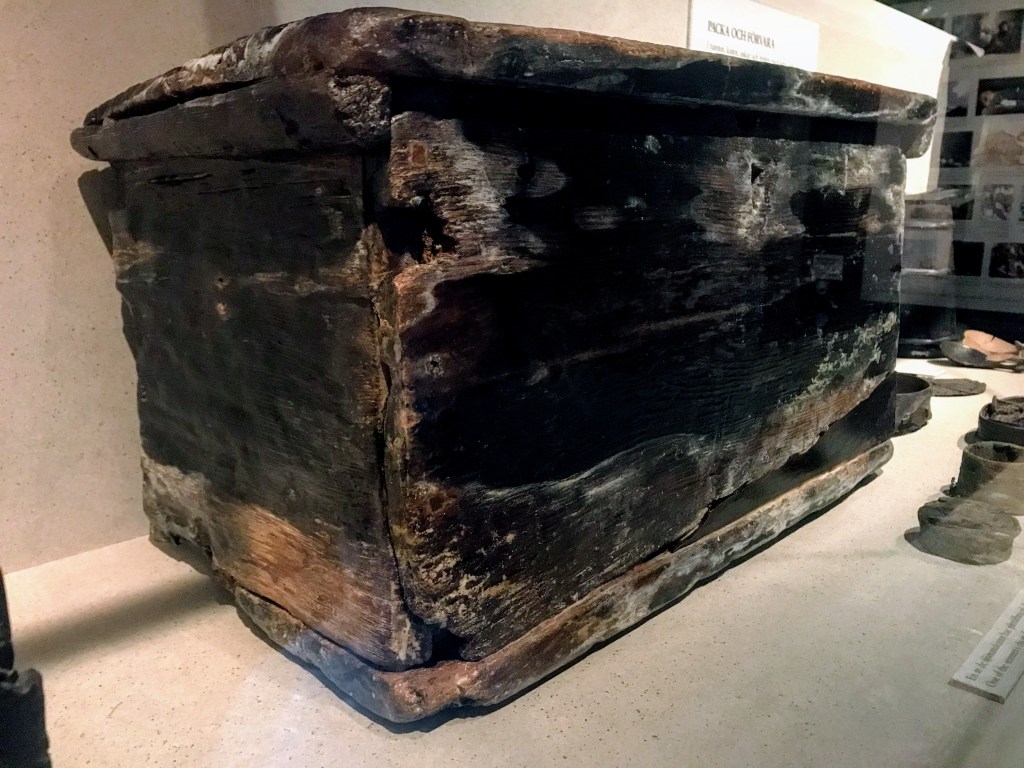
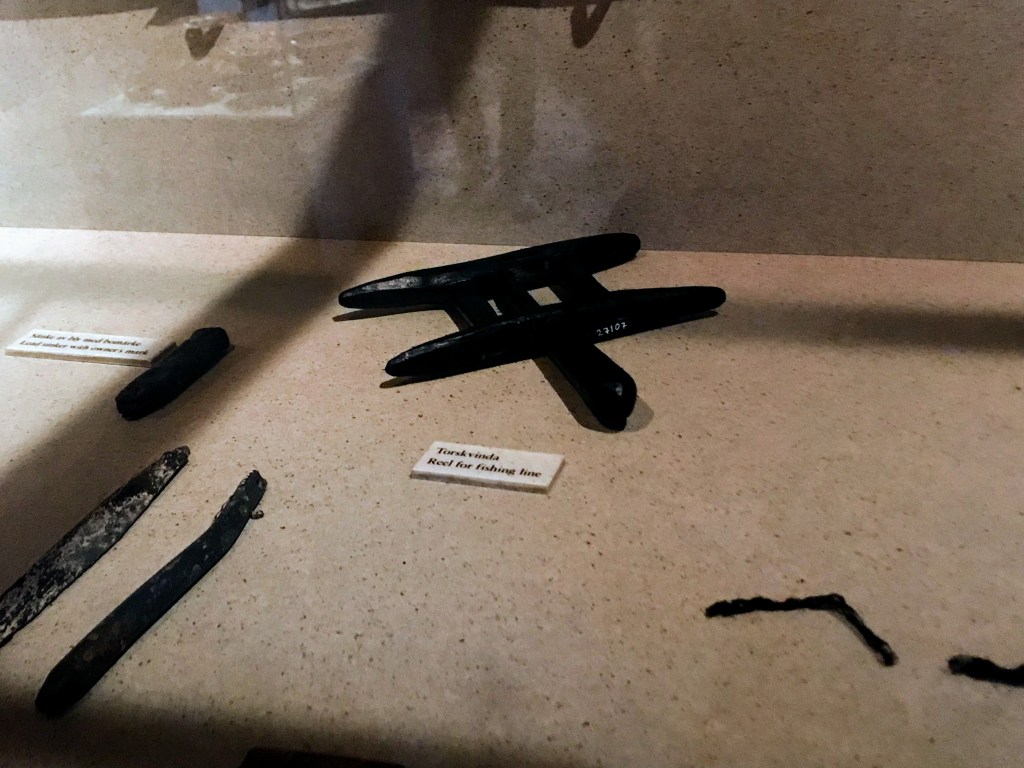
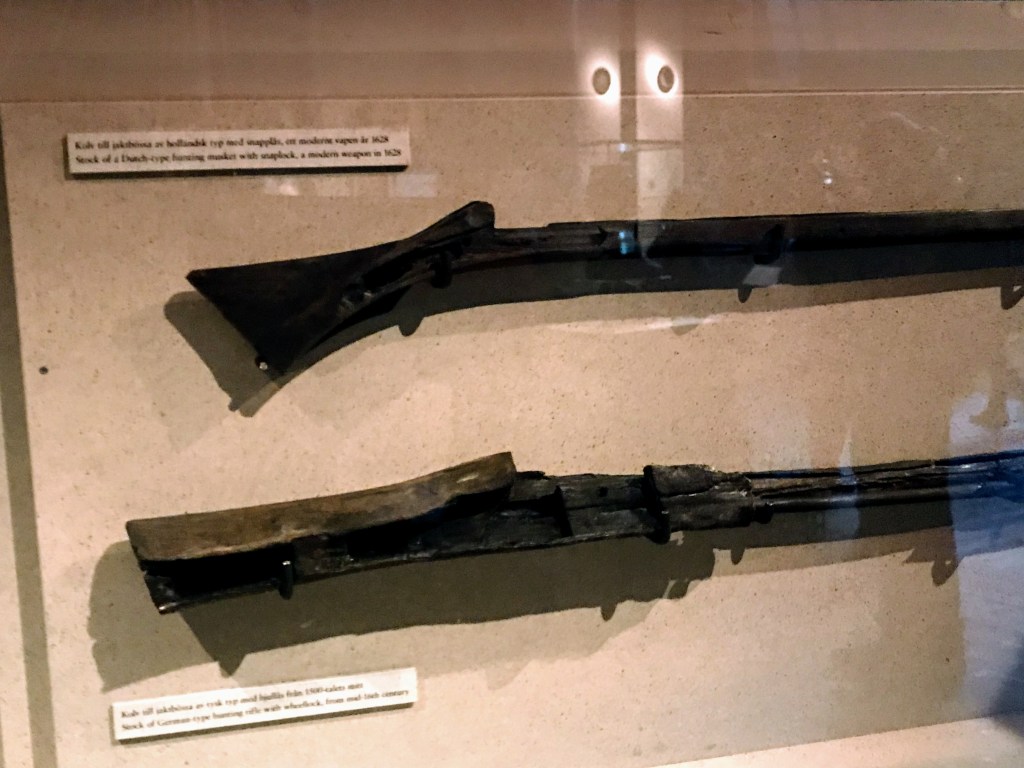


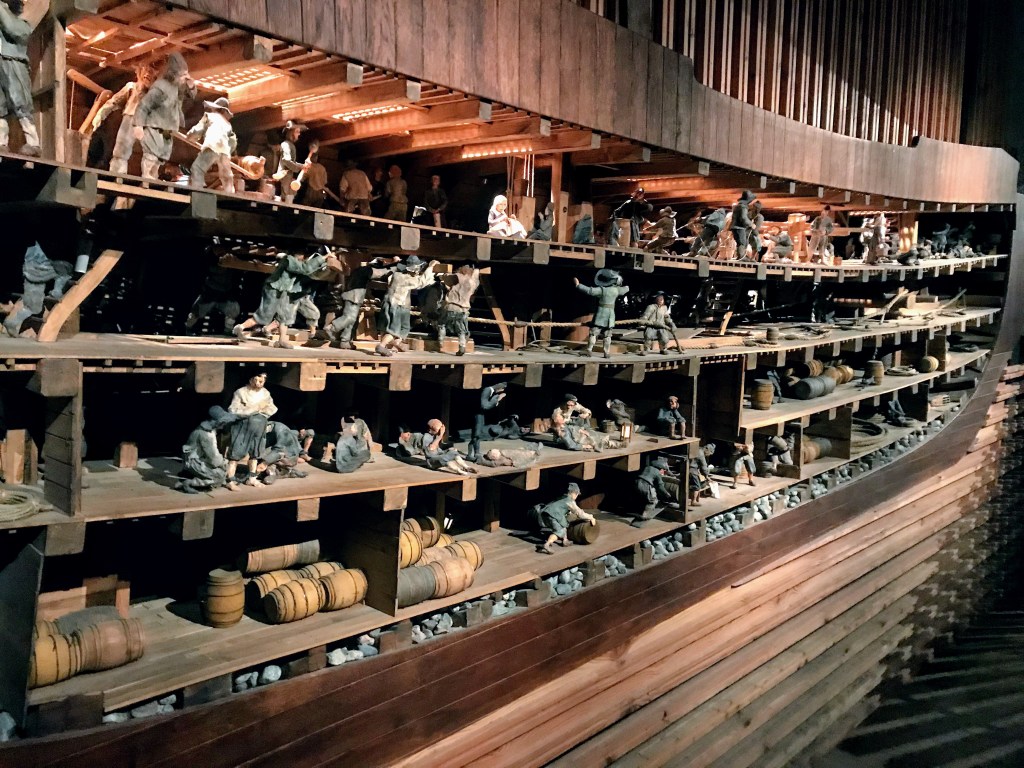
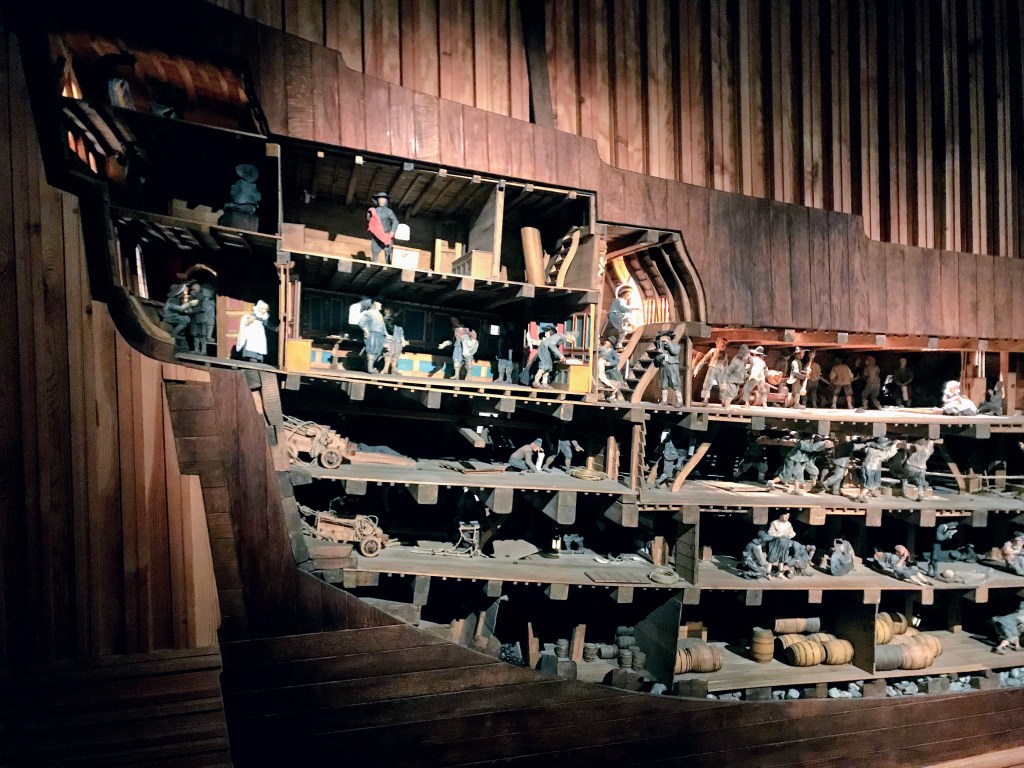
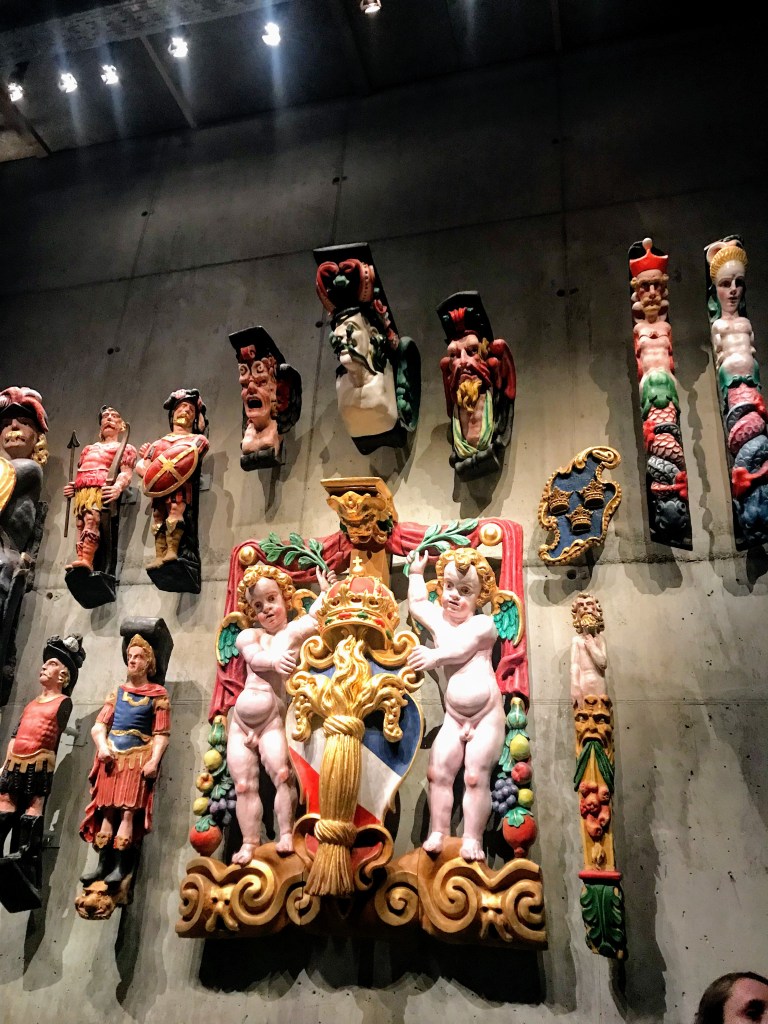
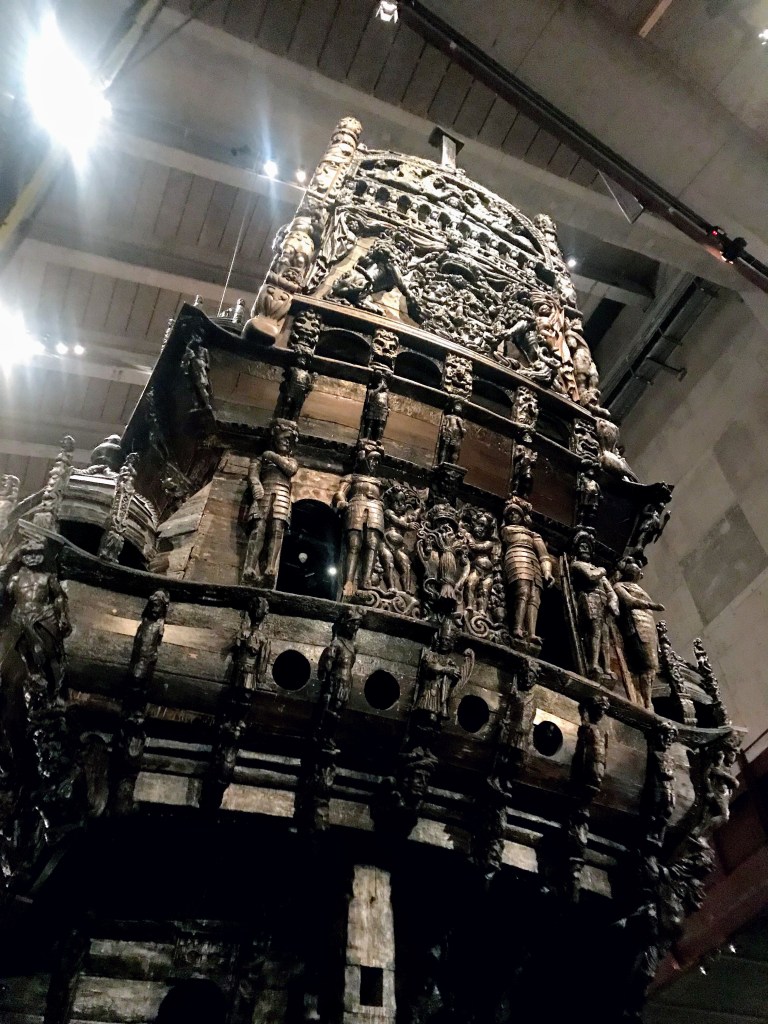
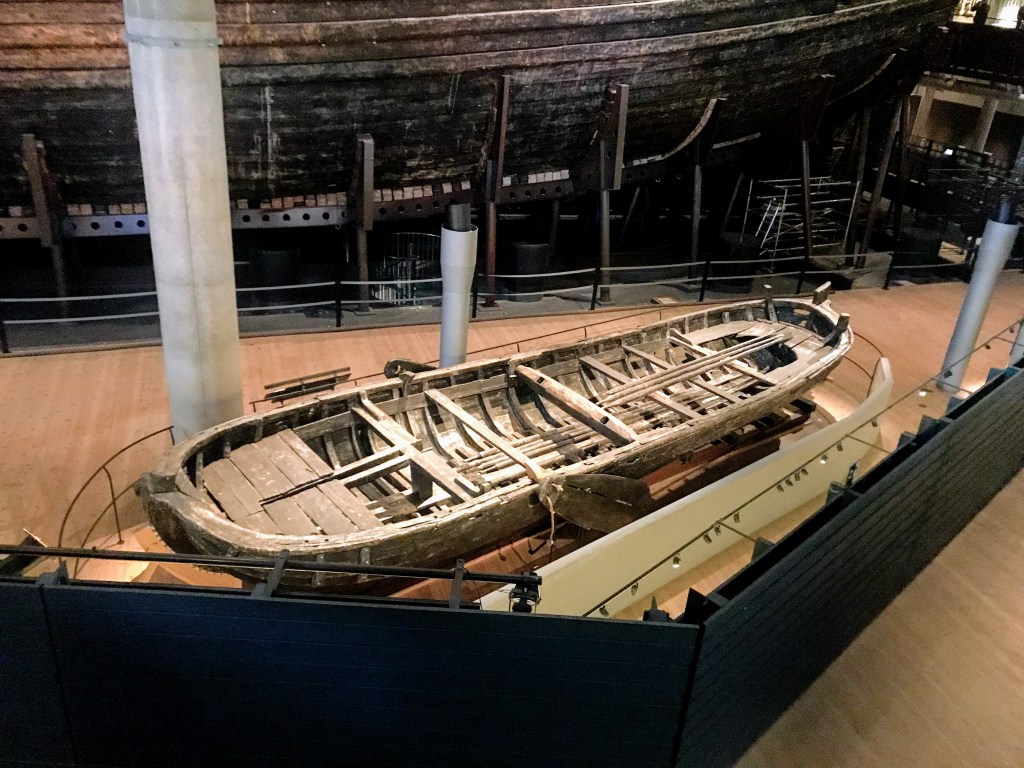

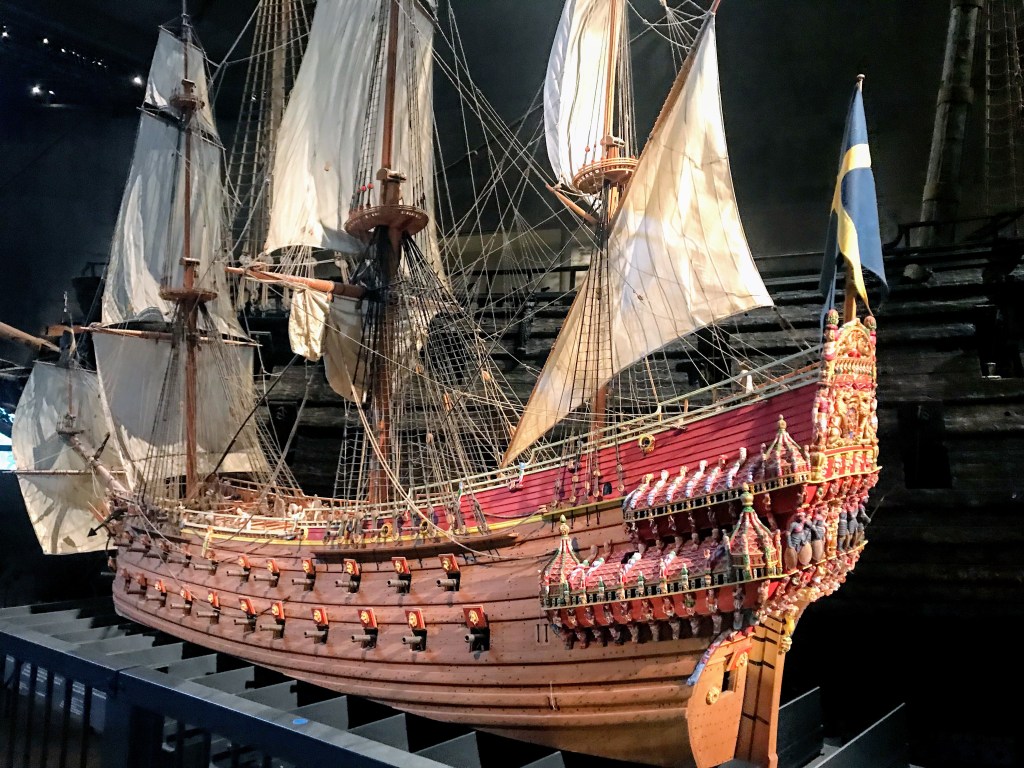
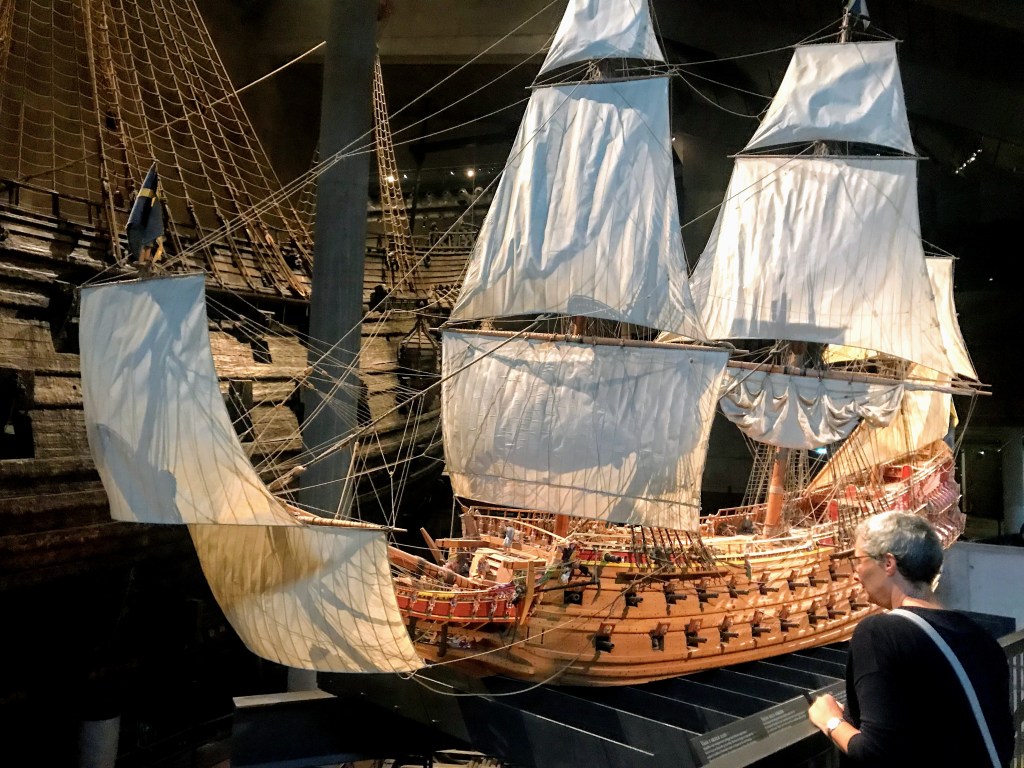
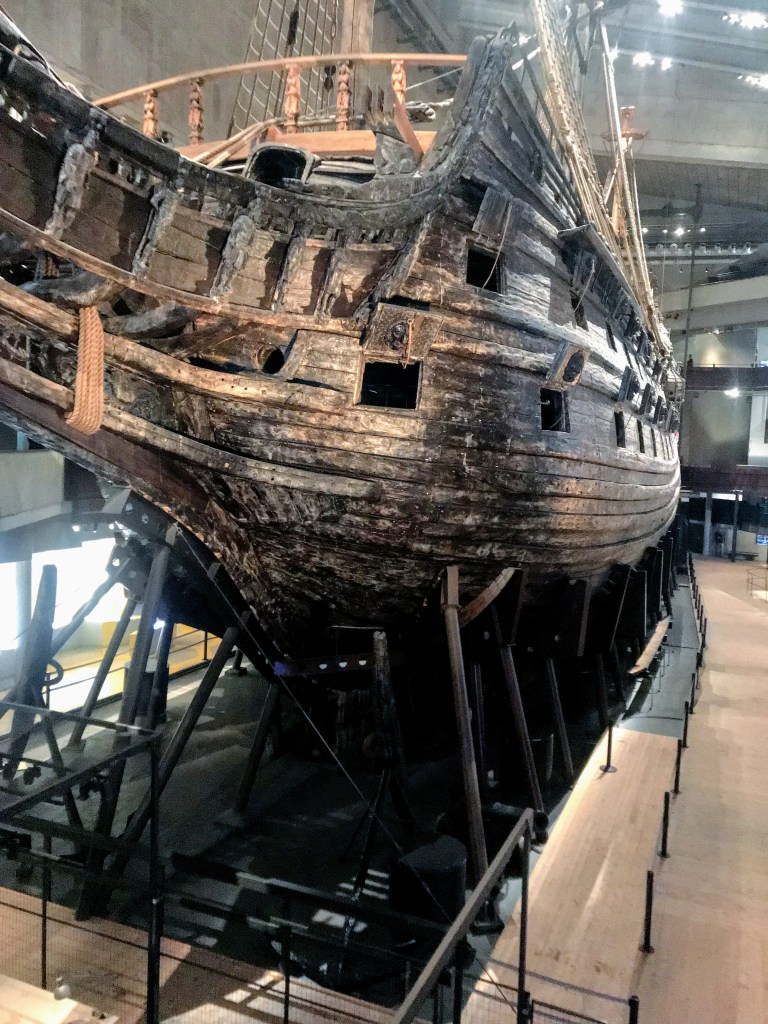
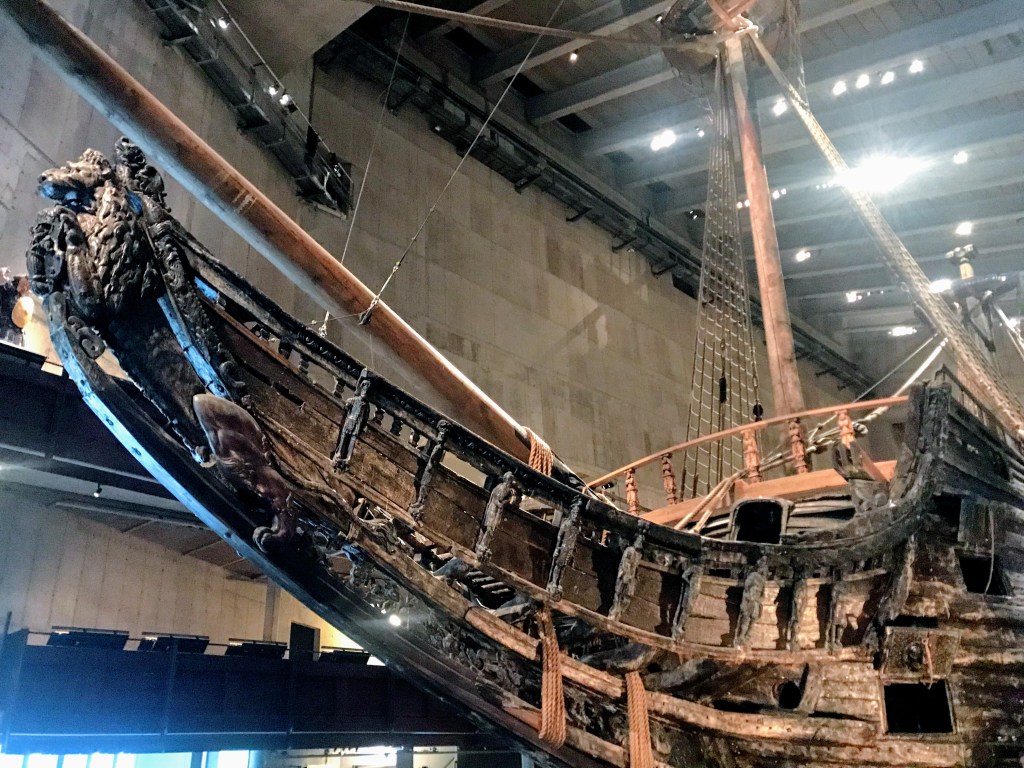

The Vasa Museum in Stockholm, Sweden on the island of Djurgården was the most fascinating museum I have ever been in. 333 years after the Vasa sunk on her maiden voyage on August 10, 1628, she was salvaged in an almost perfectly intact ship. Because of the salinity of the water the ship was in, so much of it was preserved. Even the clothes and the food was preserved and saved.
Off to Stockholm, Sweden

Our journeys in Germany were ending and we are off to Stockholm, Sweden but not before I caught a photo of a flying unicorn!
 Adventures with Cindy