Elchingen, Germany

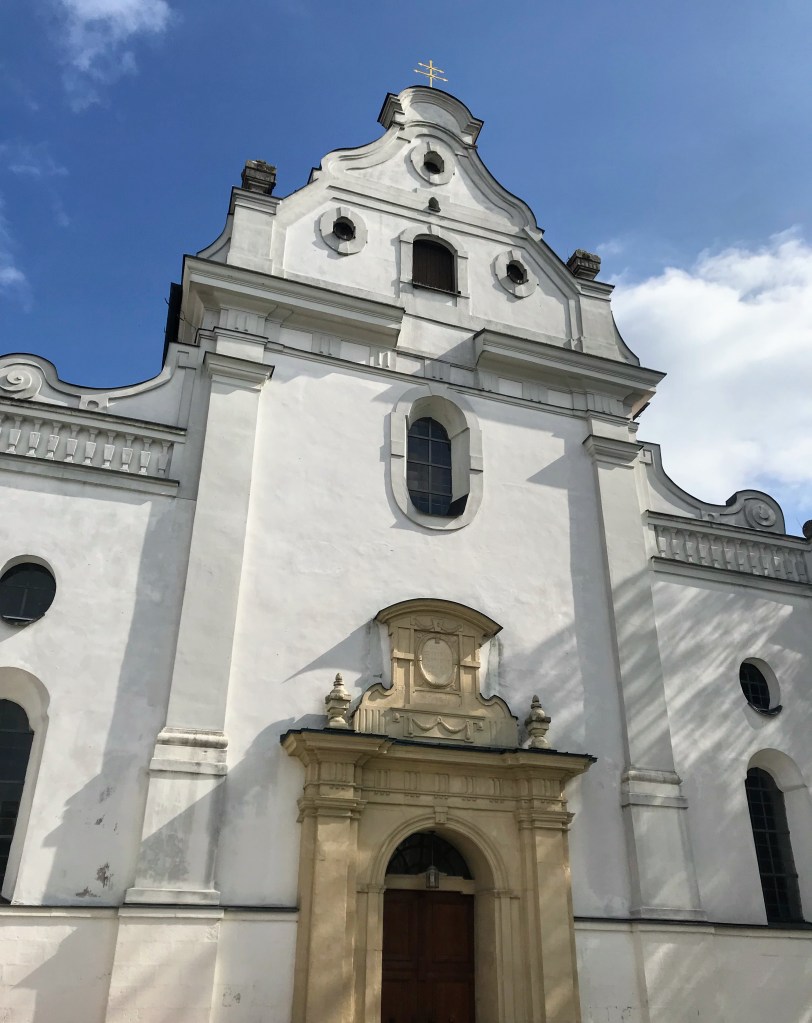
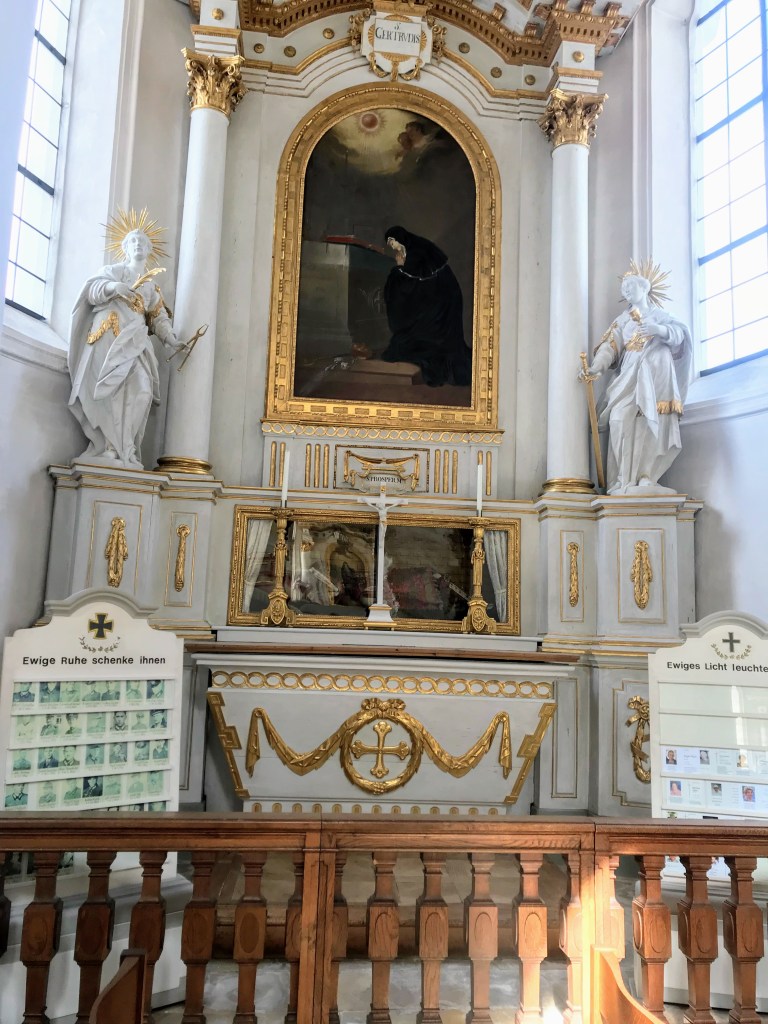
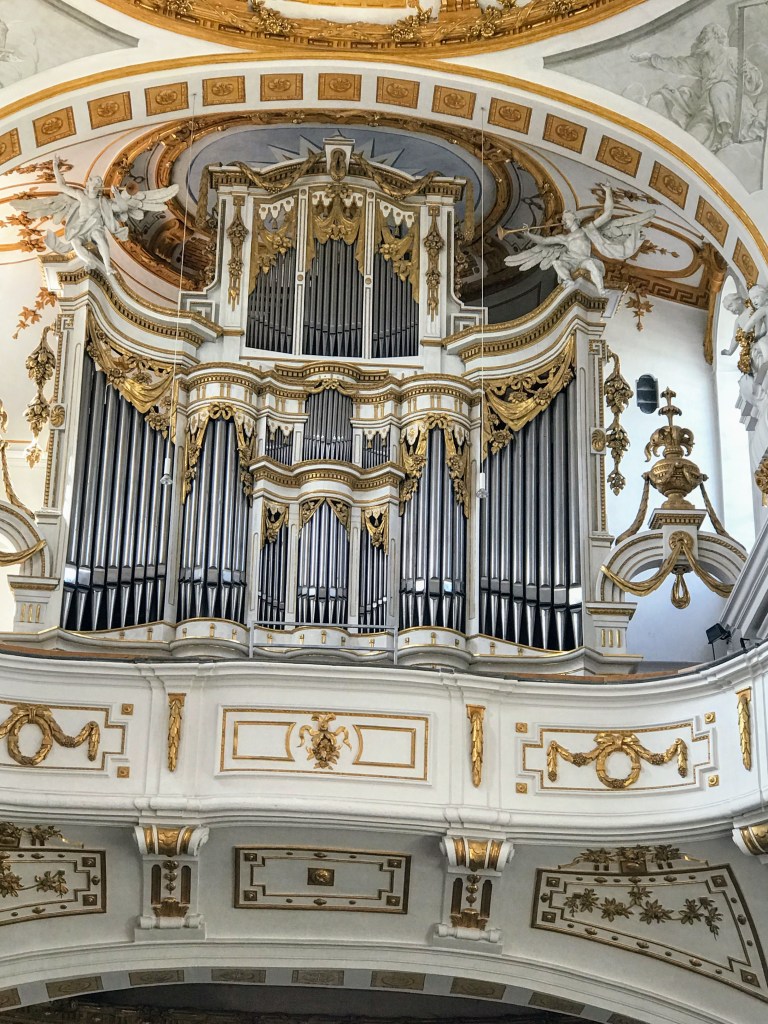
Elchingen Abbey was a Benedictine monastery in Oberelchingen. For much of its history, Elchingen was one of the 40-odd self-ruling imperial abbeys of the Holy Roman Empire and, as such, was a virtually independent state that contained several villages aside from the monastery itself. At the time of its secularisation in 1802, the abbey covered 112 square kilometers and had 4000-4200 subjects.

Dedicated to the Virgin Mary and Saints Peter and Paul, the monastery was founded by the Counts of Dillingen in 1128. The abbey was one of the very few that enjoyed Imperial immediacy (independent of the jurisdiction of any lord and answering directly to the Holy Roman Emperor, and thus a territorial principality in its own right). The abbot sat in the Reichstag of the Holy Roman Empire.

Like all the other imperial abbeys, Elchingen lost its independence in the course of the secularisation process in 1802-1803 and the monastery was dissolved. By 1840 the buildings had been almost entirely demolished. In 1921 the Missionary Oblates of Mary Immaculate settled on the site. Today the abbey church remains.

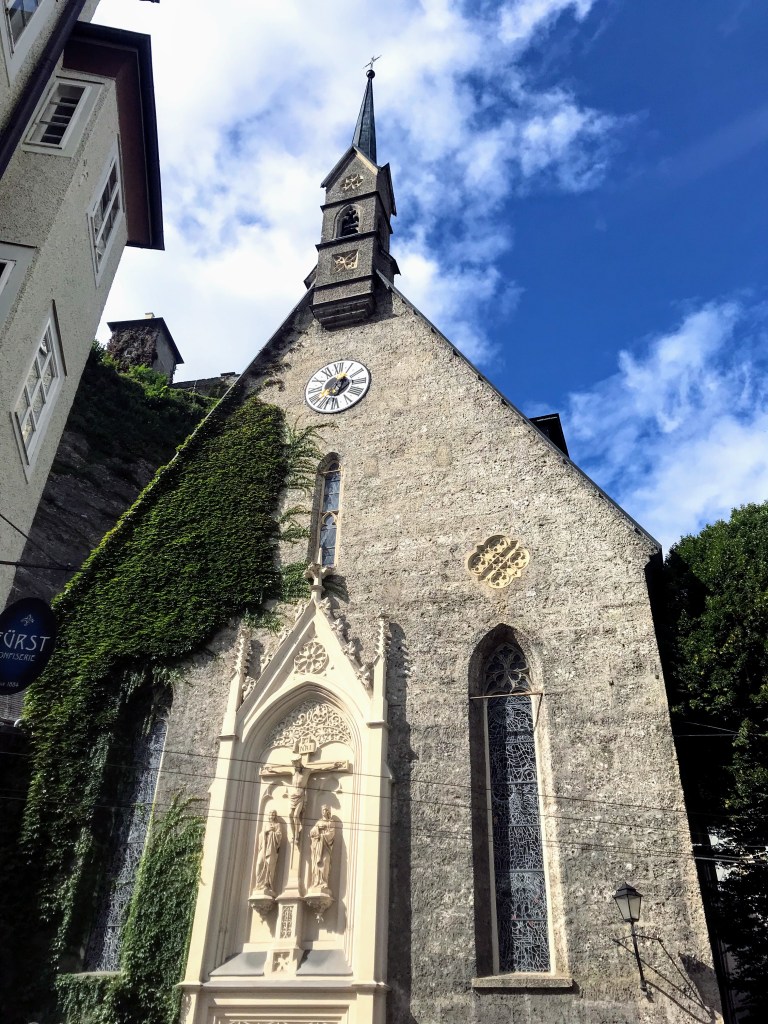
This church was directly beside Melanie’s mother’s restaurant and Melanie took us through it telling of all the history associated with the church.
Hospitality at its best!

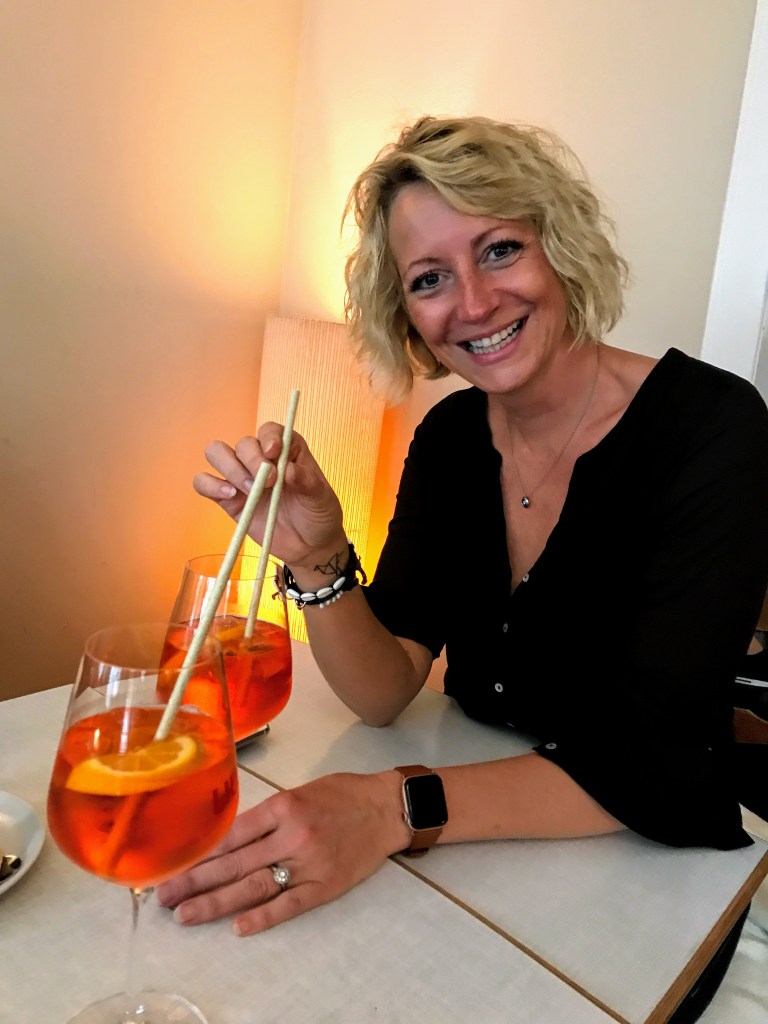
Melanie’s mother hosted us at her restaurant Klosterbräustuben in Oberelchingen! Thank you Mrs Claudia for a wonderful meal. Three different kinds of meat, potatoes salad, sour kraut, mixed grilled vegetables, mushrooms, and the two balls were like bread, very delicious. Melanie also introduced me to several different drinks, which I again I wish I could remember what they were but they were very good.

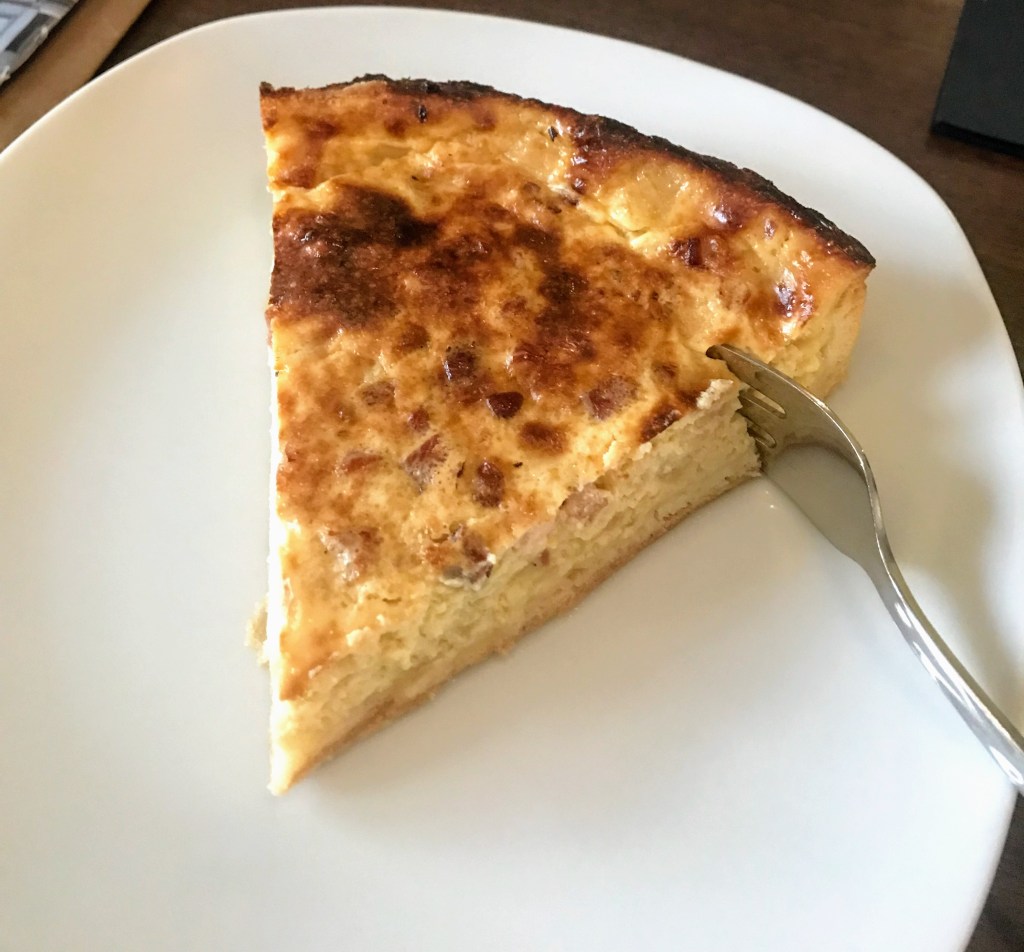
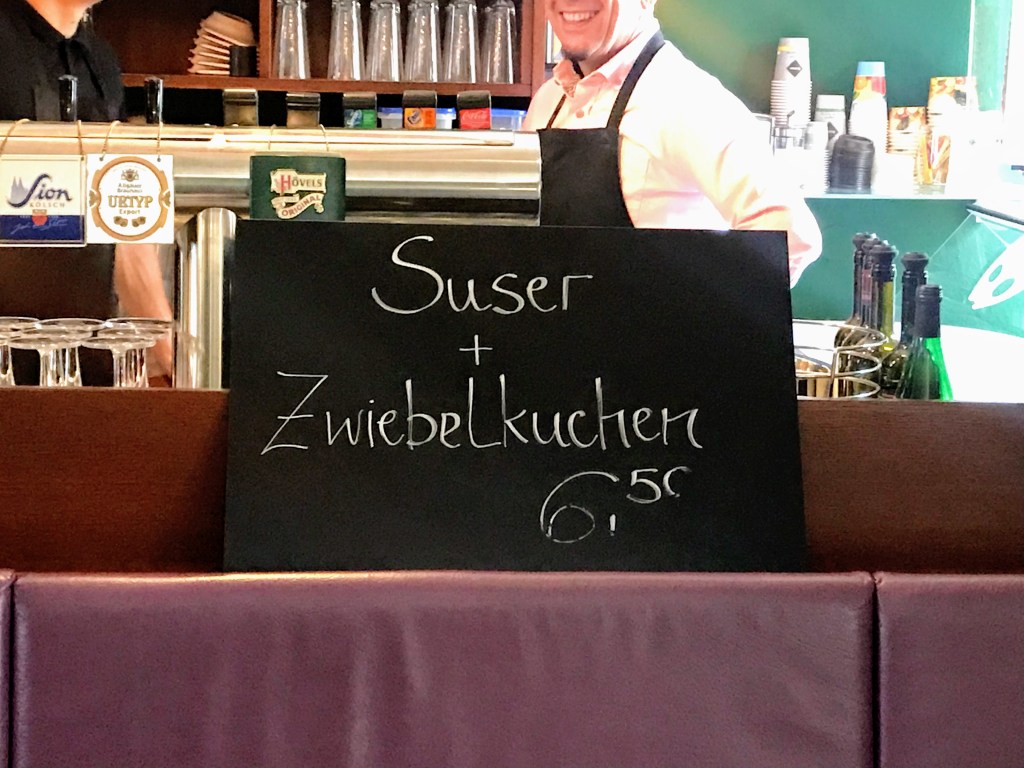
I did get the name of this drink and pie (quiche)!

Suser is ‘Federweisser’, fizzy new wine, which really looks like fresh pressed grape juice, but has around four percent alcohol! This specialty is the end result of fermented, freshly pressed grape juice, known as ‘must’. It is only available for a short time every year.

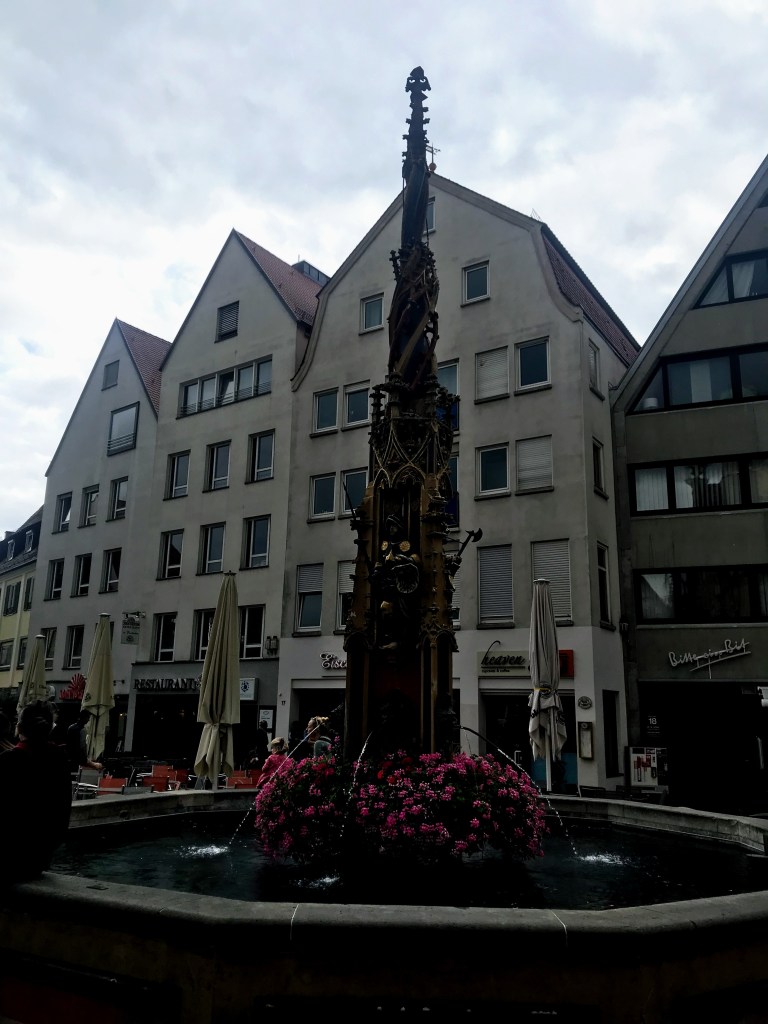
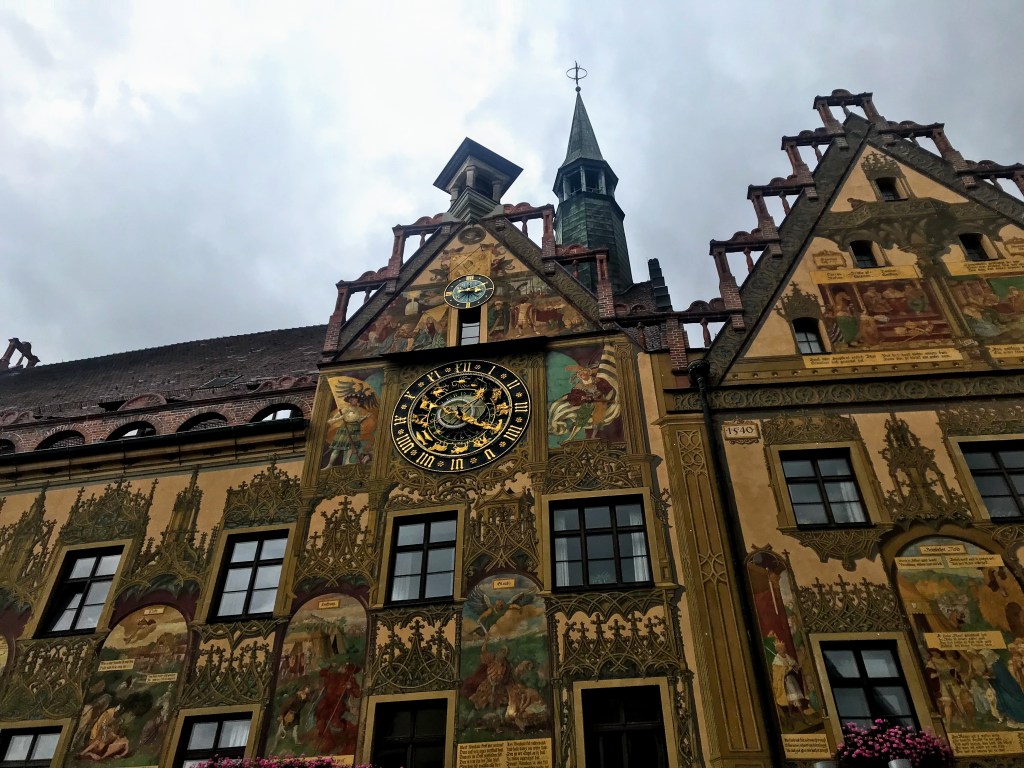
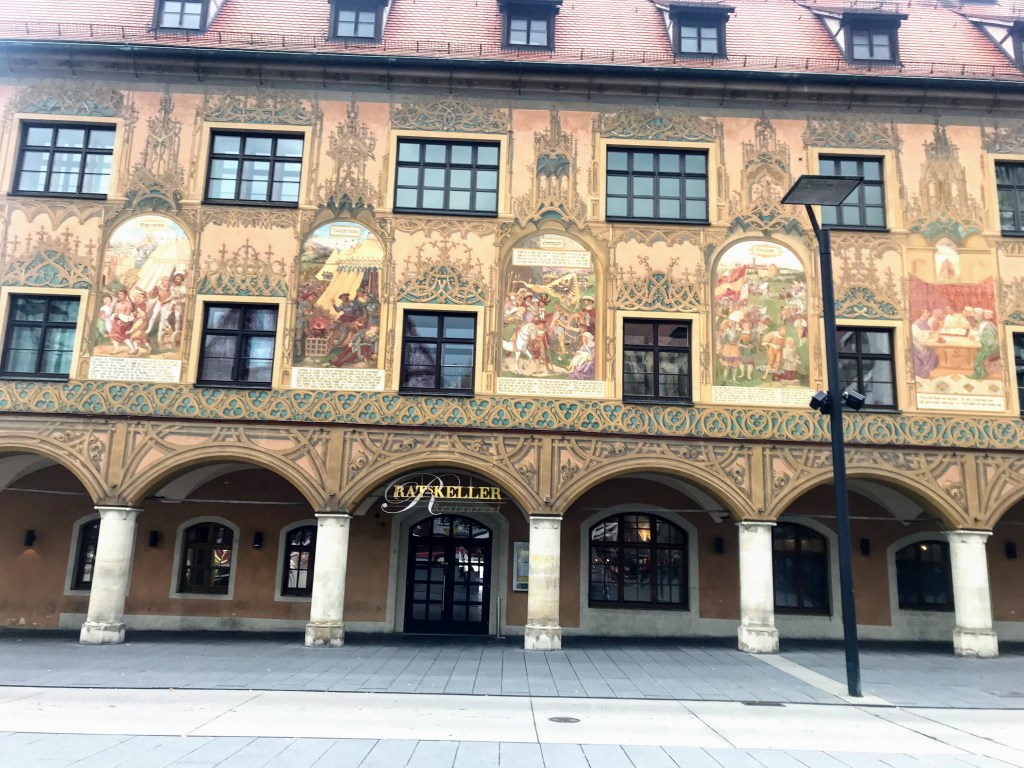
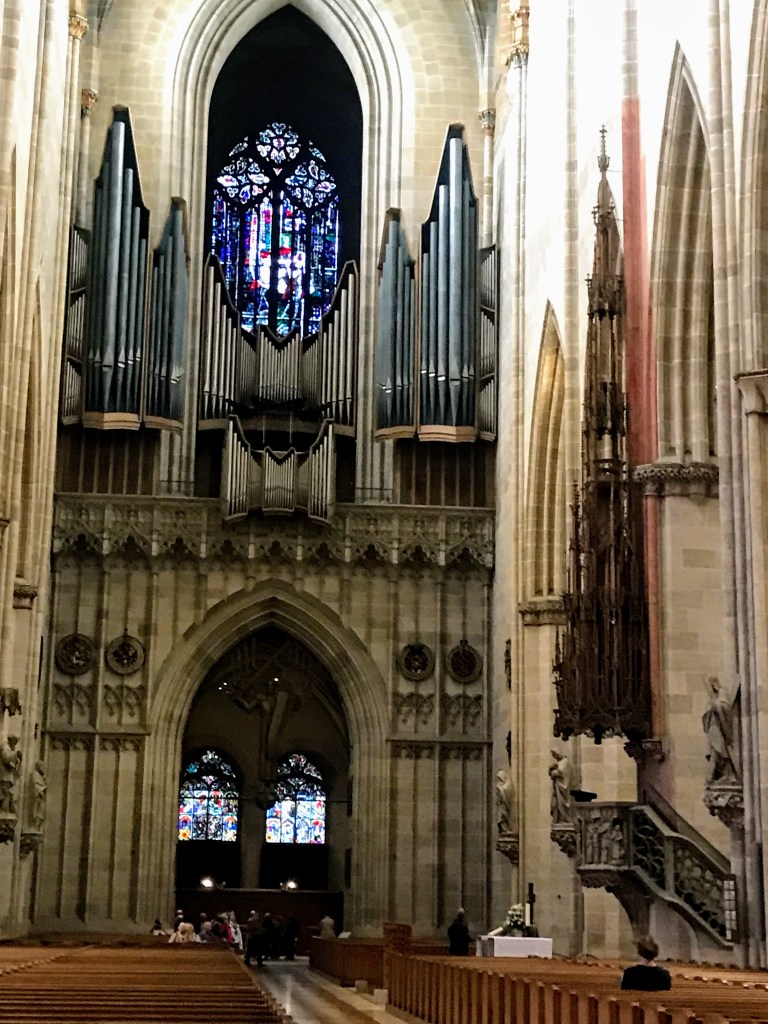
Ulm, Germany

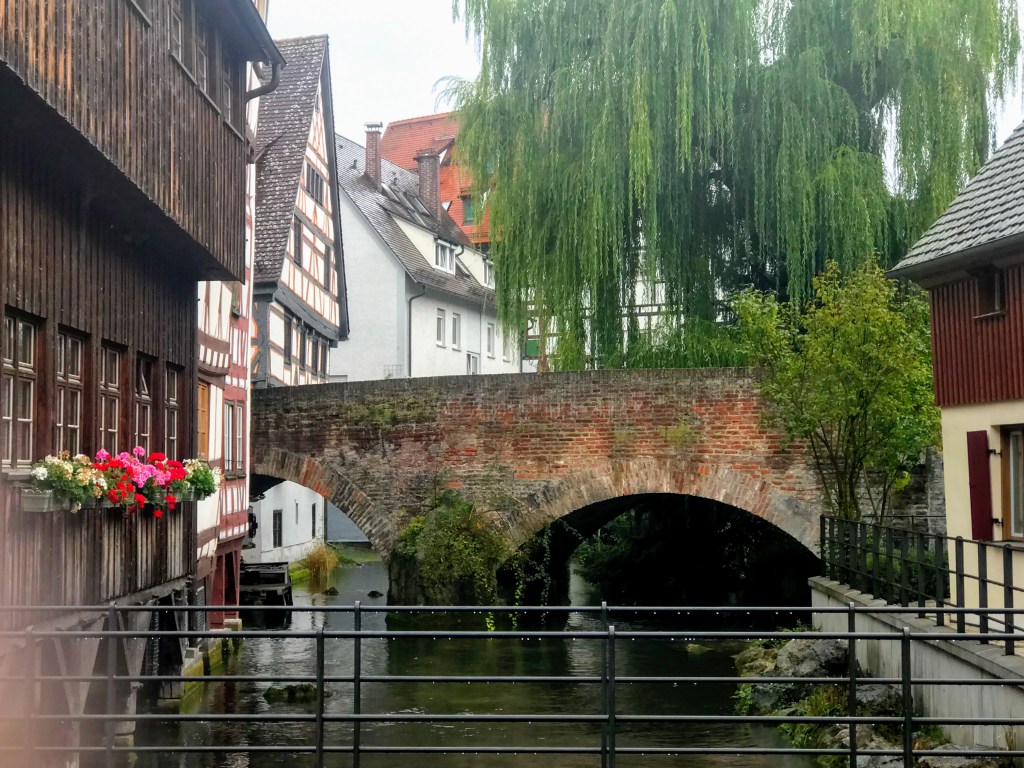
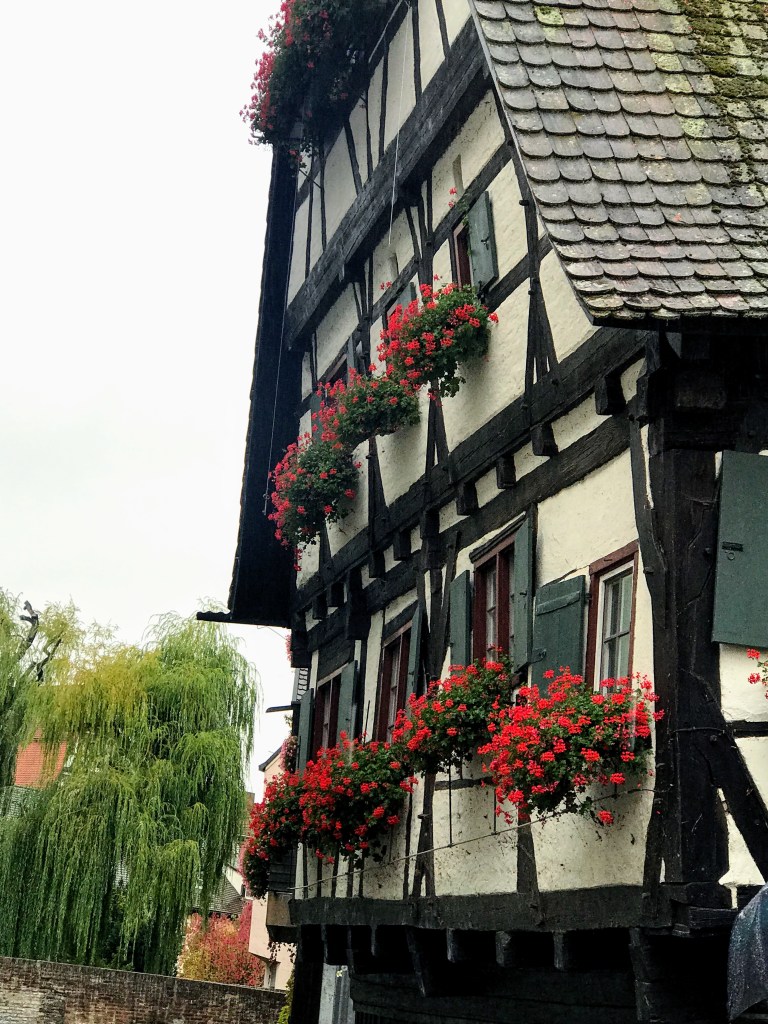
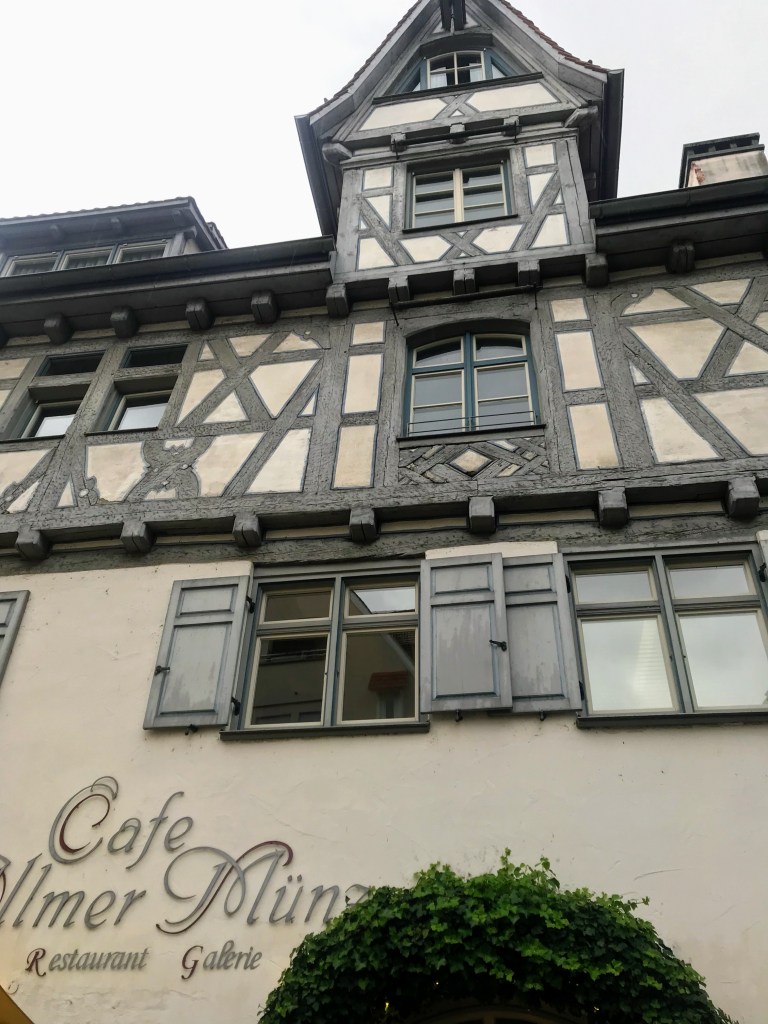
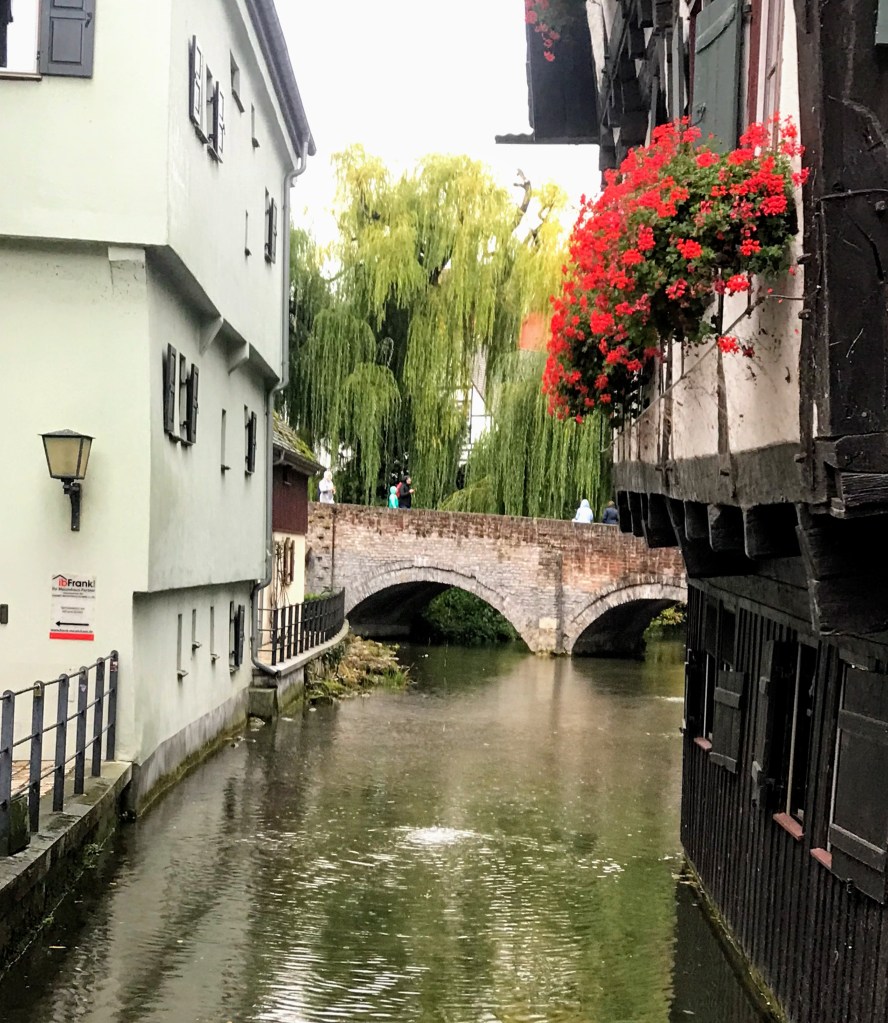
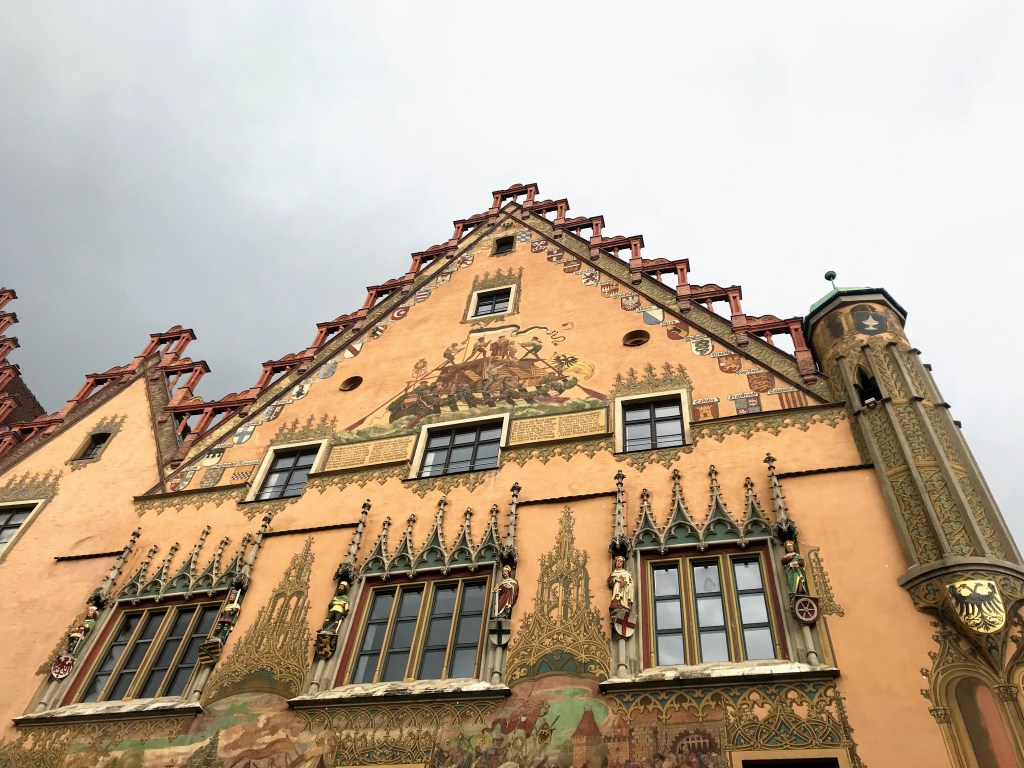
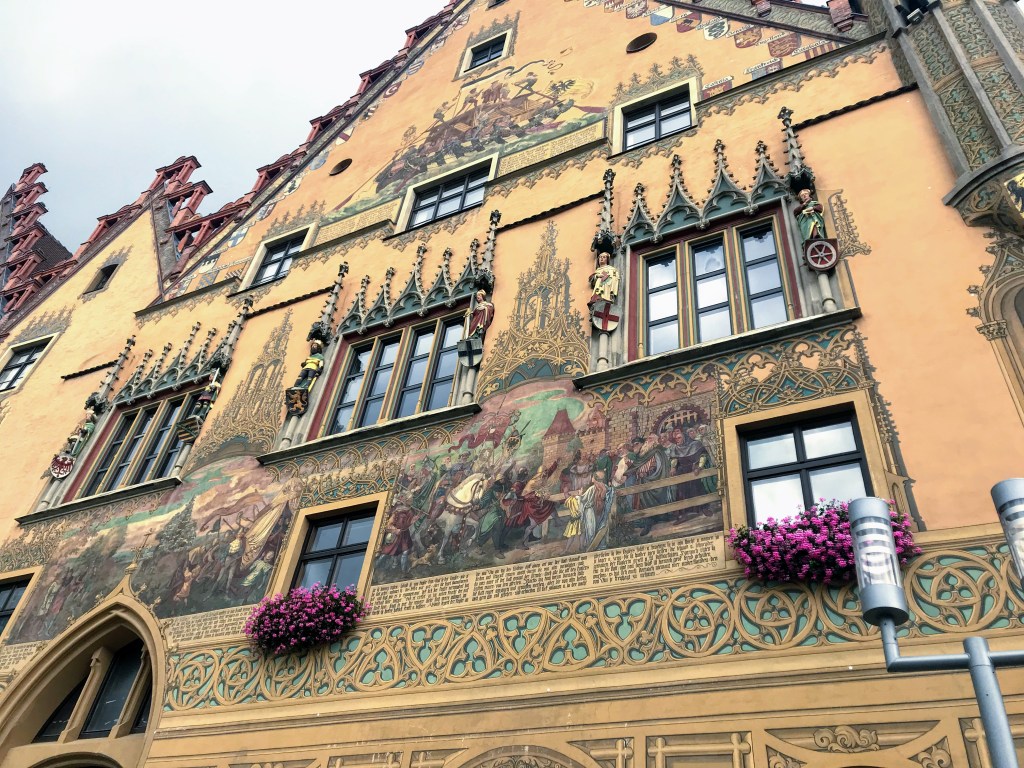
Ulm ( is a city in the federal German state of Baden-Württemberg, situated on the River Danube. The city, whose population is estimated at almost 120,000 (2015), forms an urban district of its own (GermanStadtkreis) and is the administrative seat of the Alb-Donau district. Founded around 850, Ulm is rich in history and traditions as a former free imperial city (Germanfreie Reichsstadt). Today, it is an economic centre due to its varied industries, and it is the seat of the University of Ulm. Internationally, Ulm is primarily known for having the church with the tallest steeple in the world (161.53 m or 529.95 ft), the Gothic minster (Ulm Minster, German: Ulmer Münster), and as the birthplace of Albert Einstein.

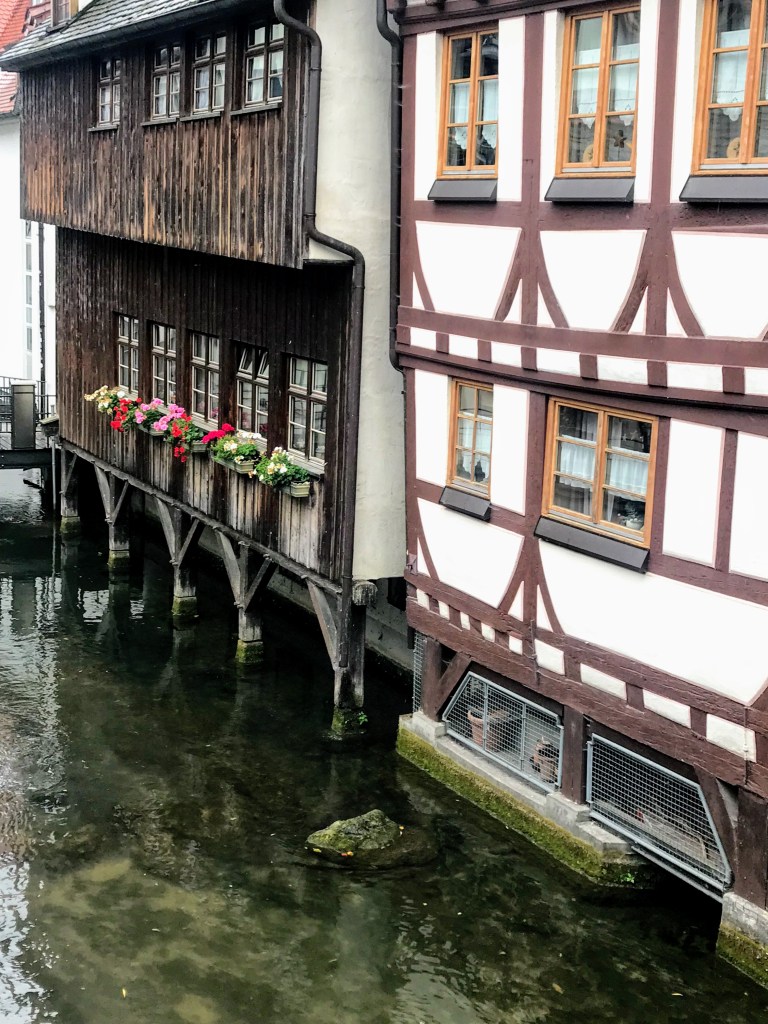
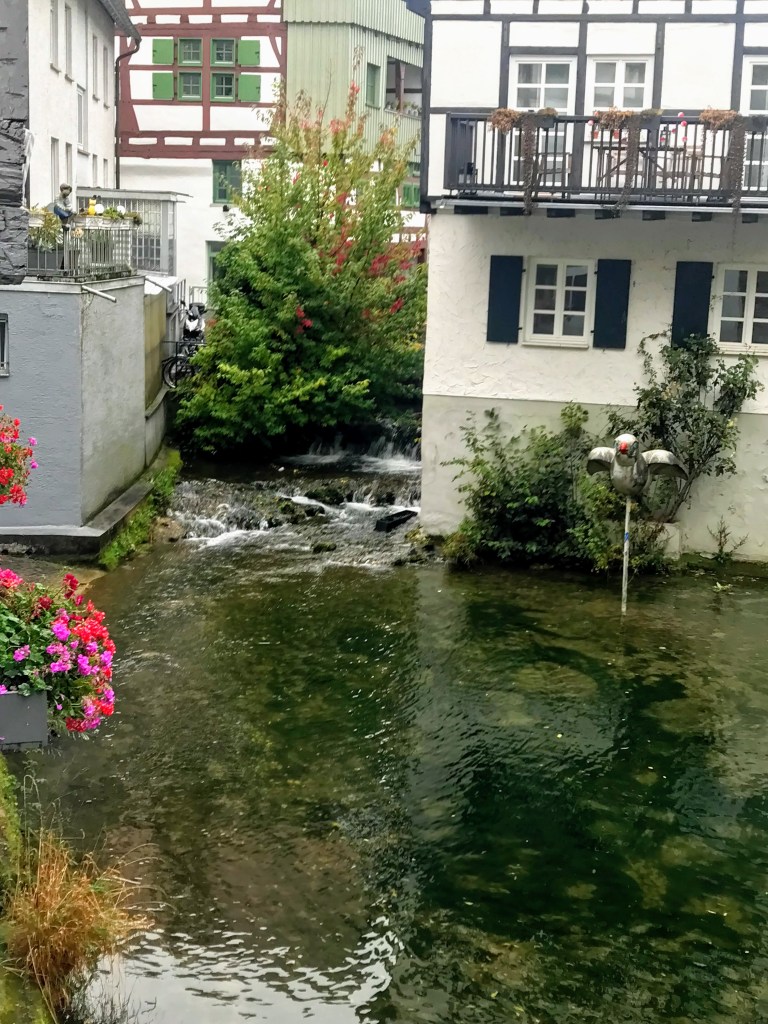
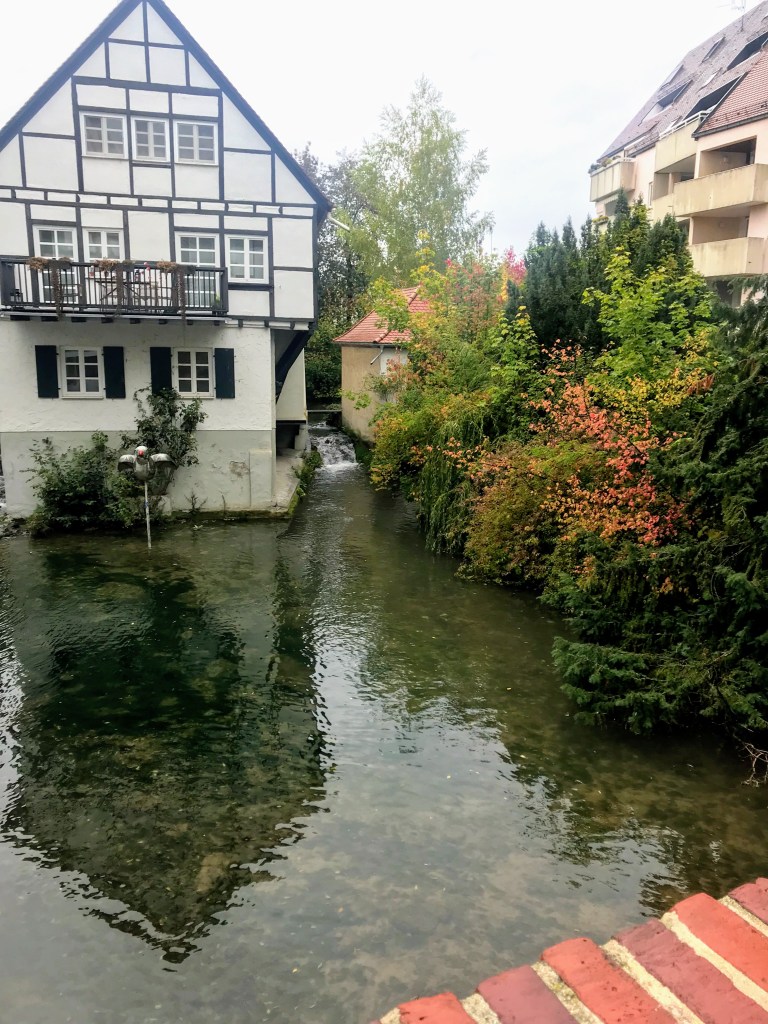
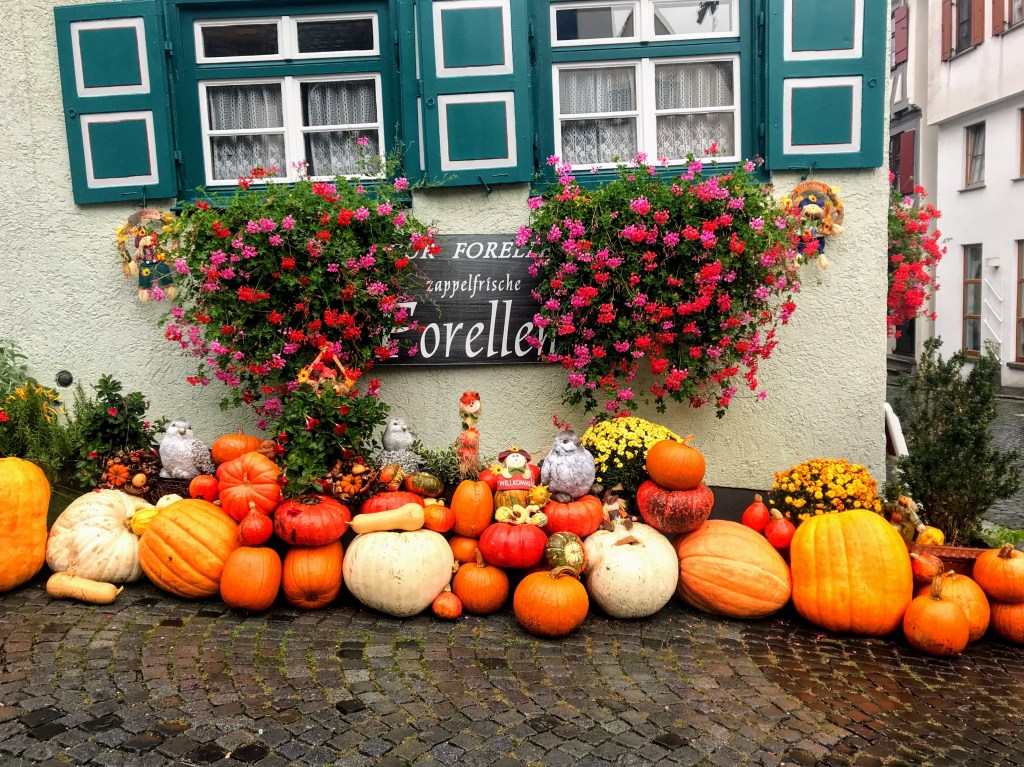
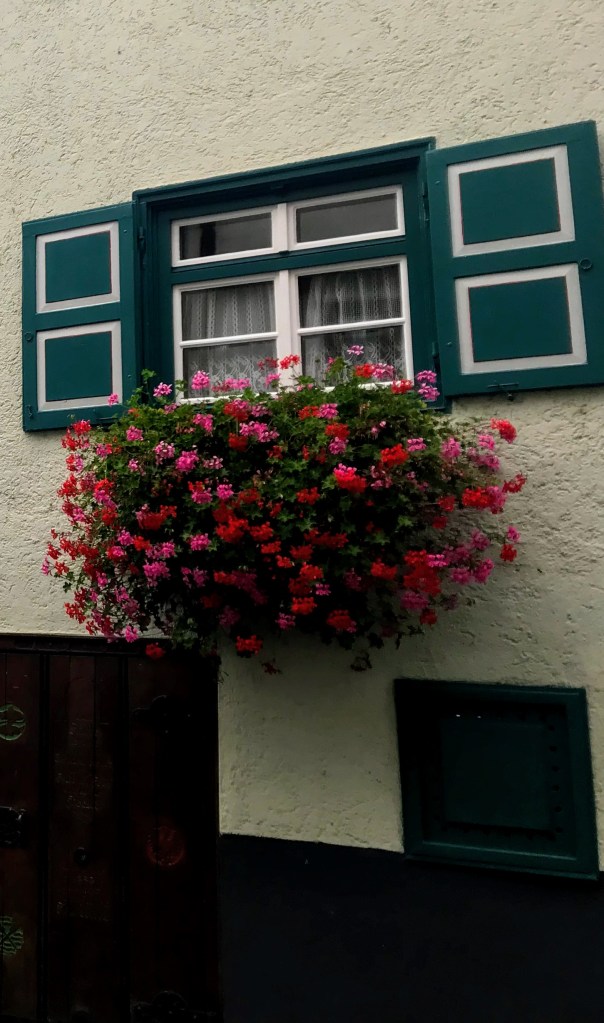
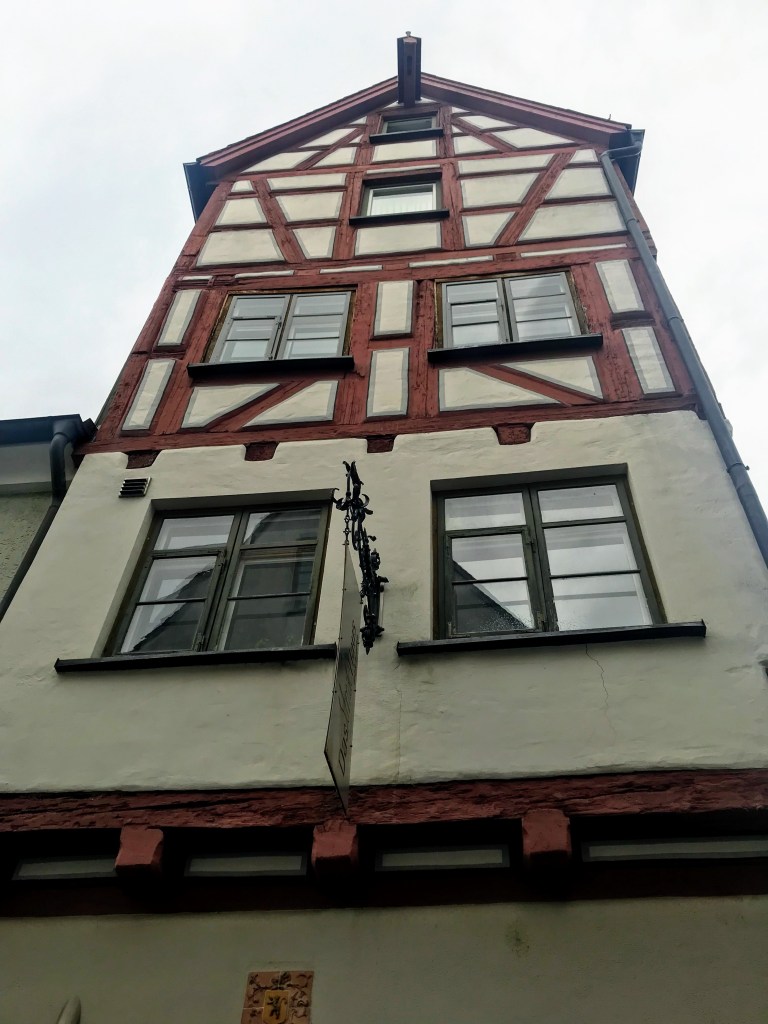
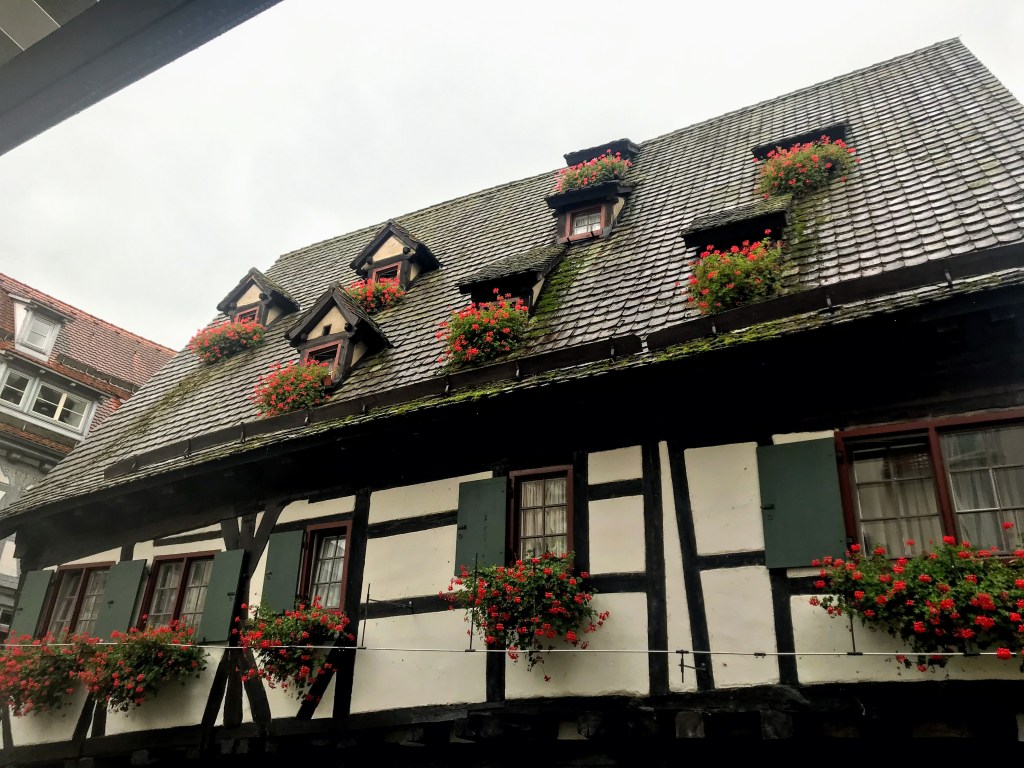
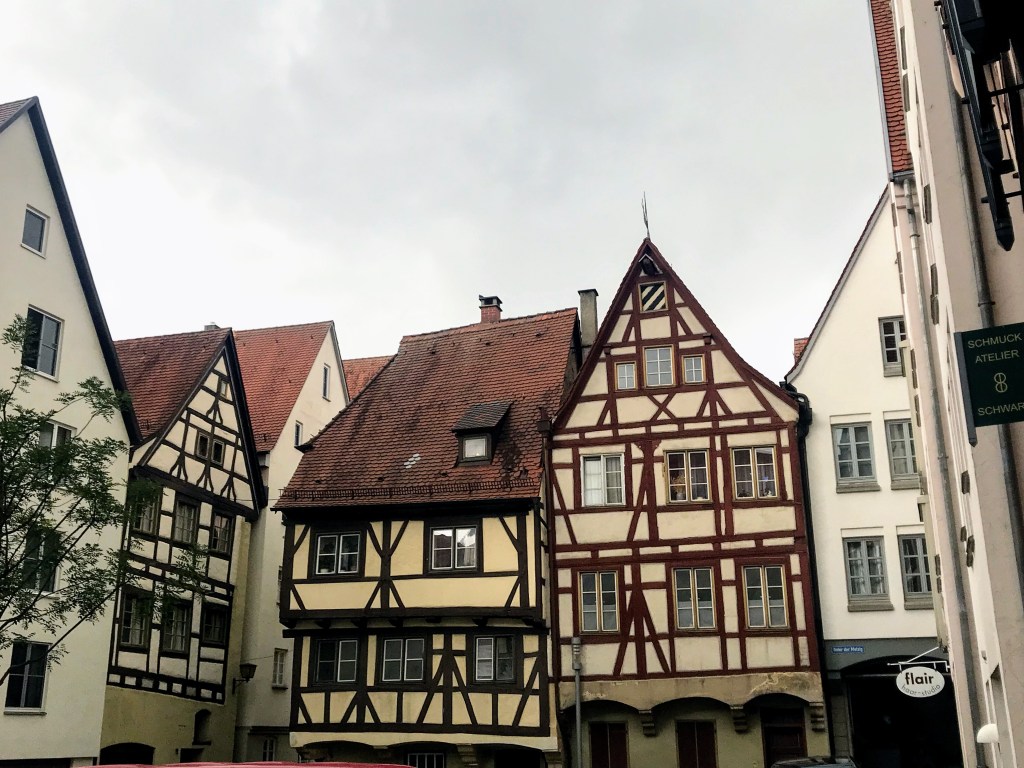
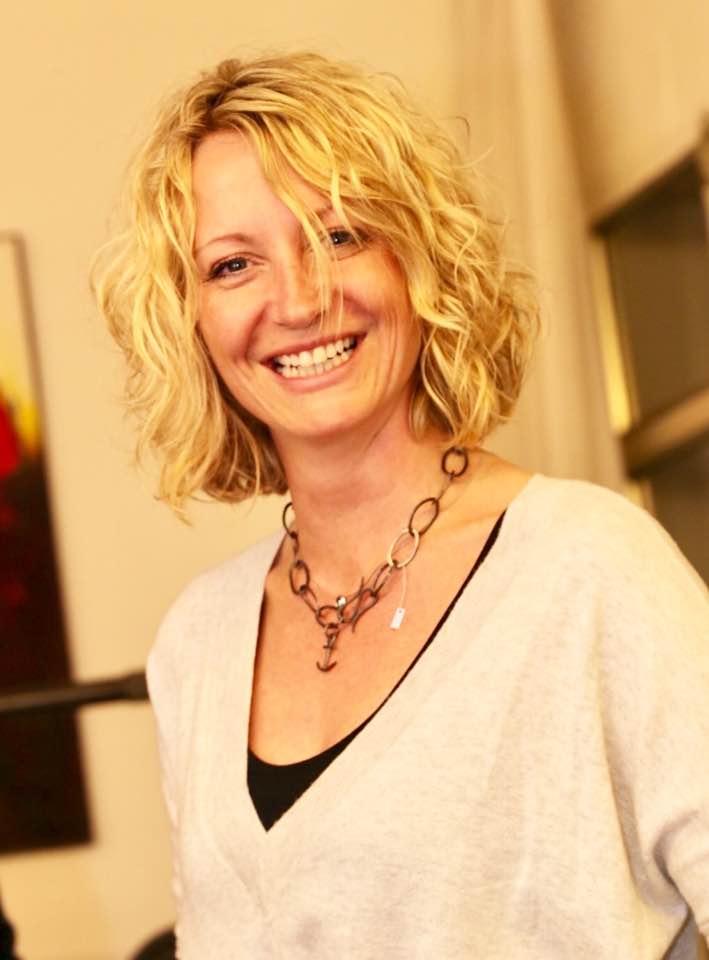
We were lucky to have our own tour guide, Melanie Williams, who chauffeured and showed us around Ulm, giving us an up close and personal tour of this beautiful little village.

Melanie and her family will be visiting Arkansas next year so we will reciprocate her kindness and be their personal chauffeurs and tour guides.

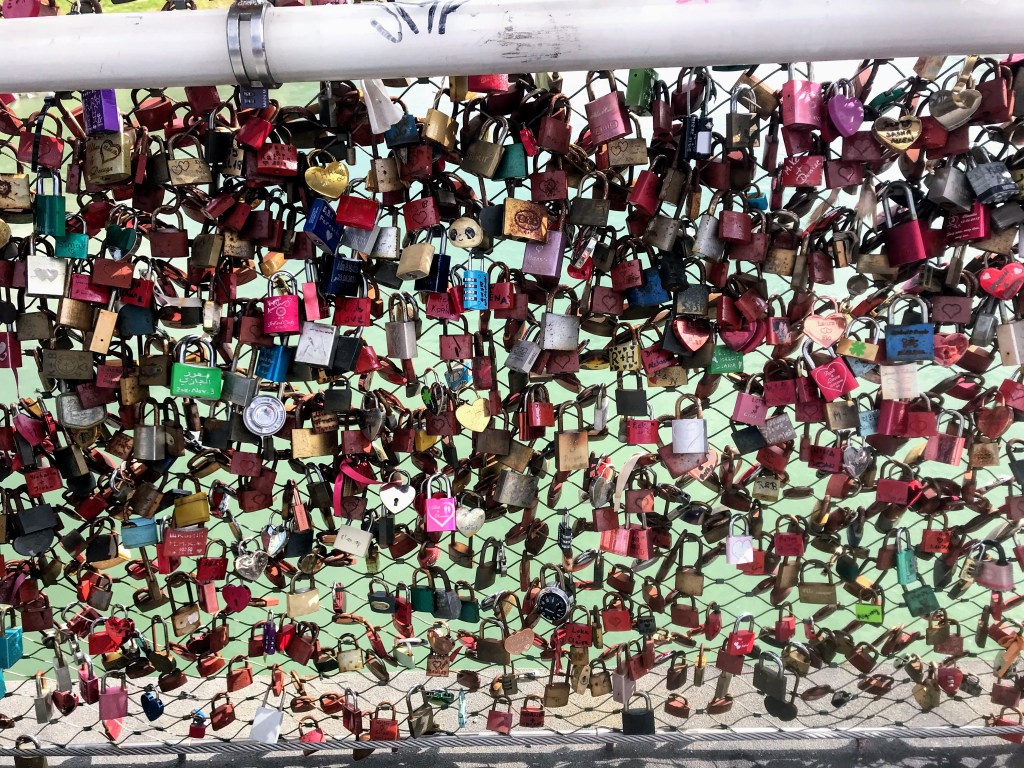
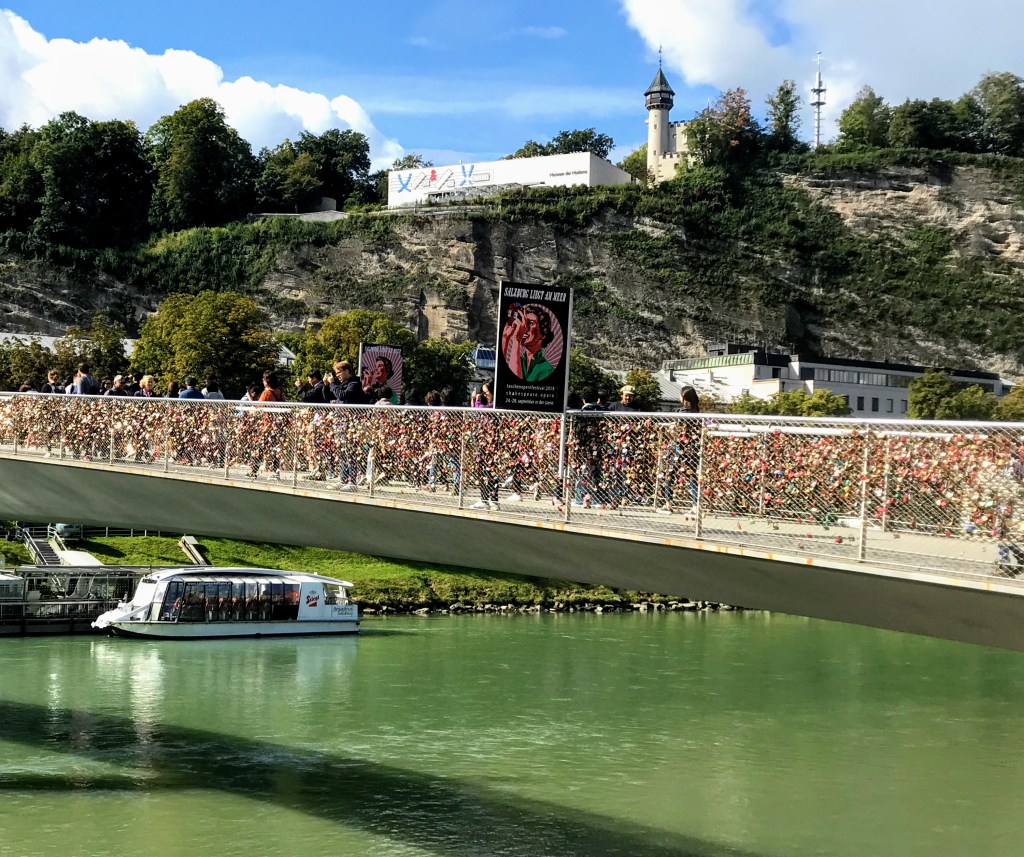
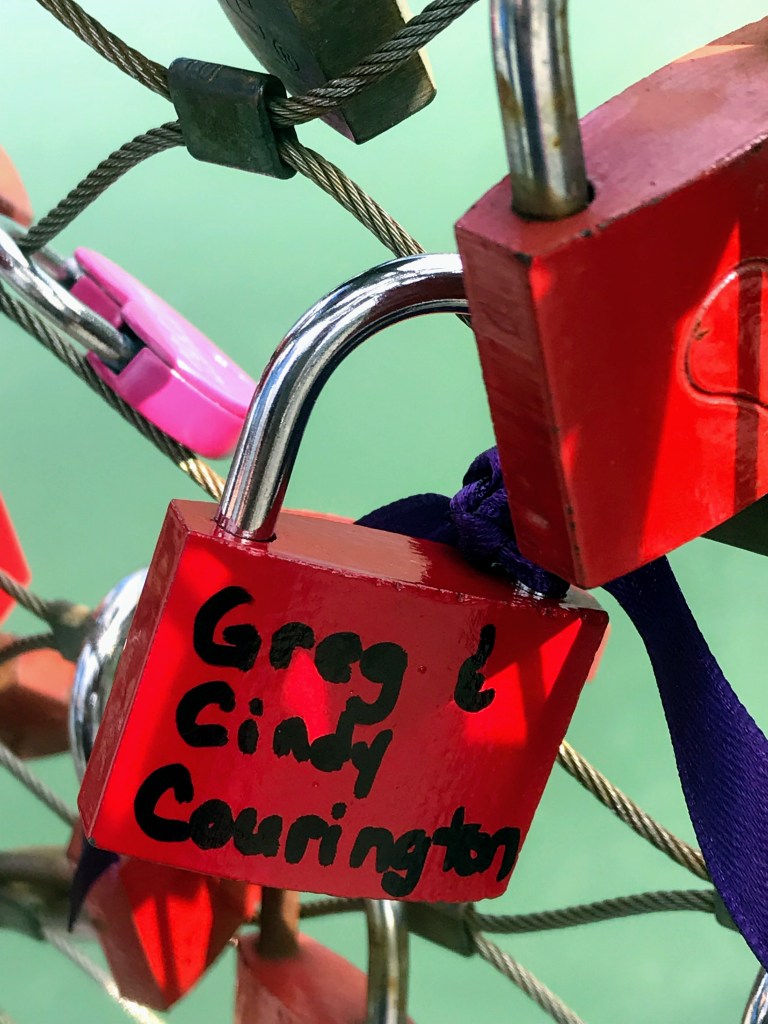
“Love Locks”

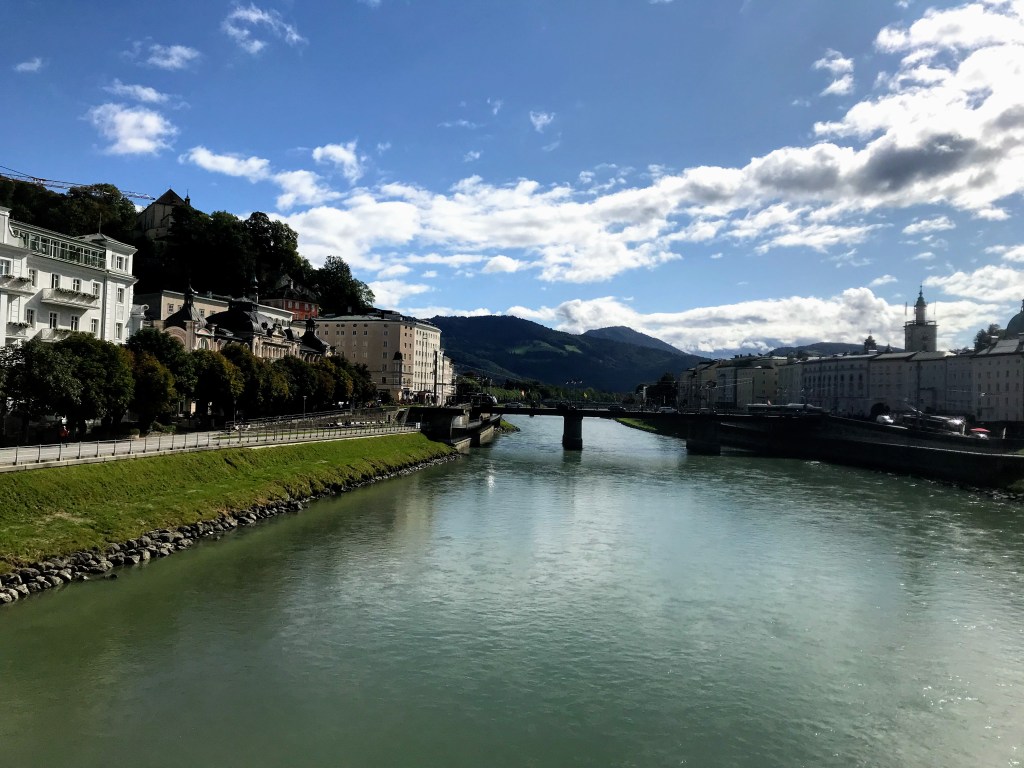
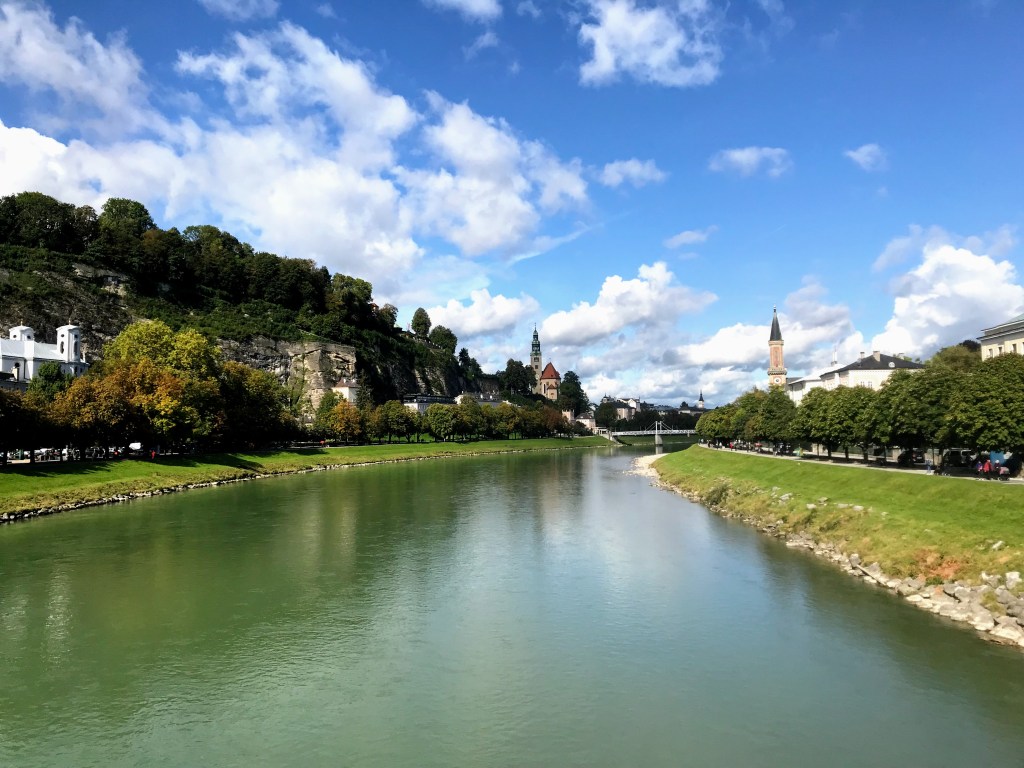
The pedestrian foot bridge “Makartsteg Bridge” over the Salzach River in Salzburg Austria

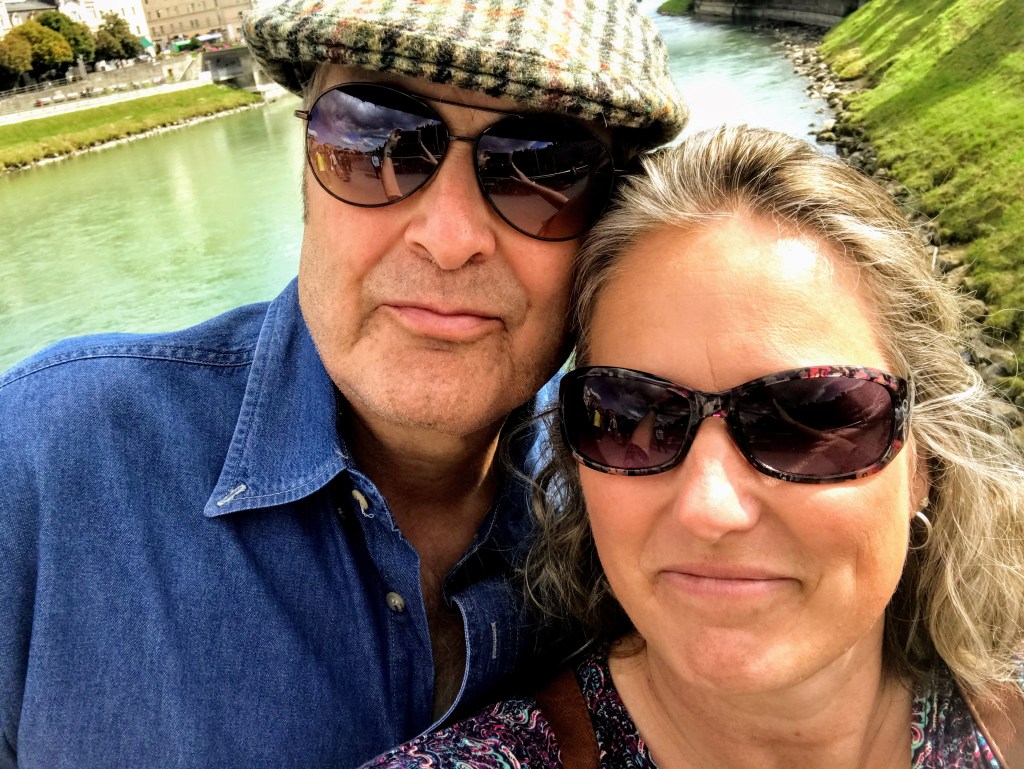
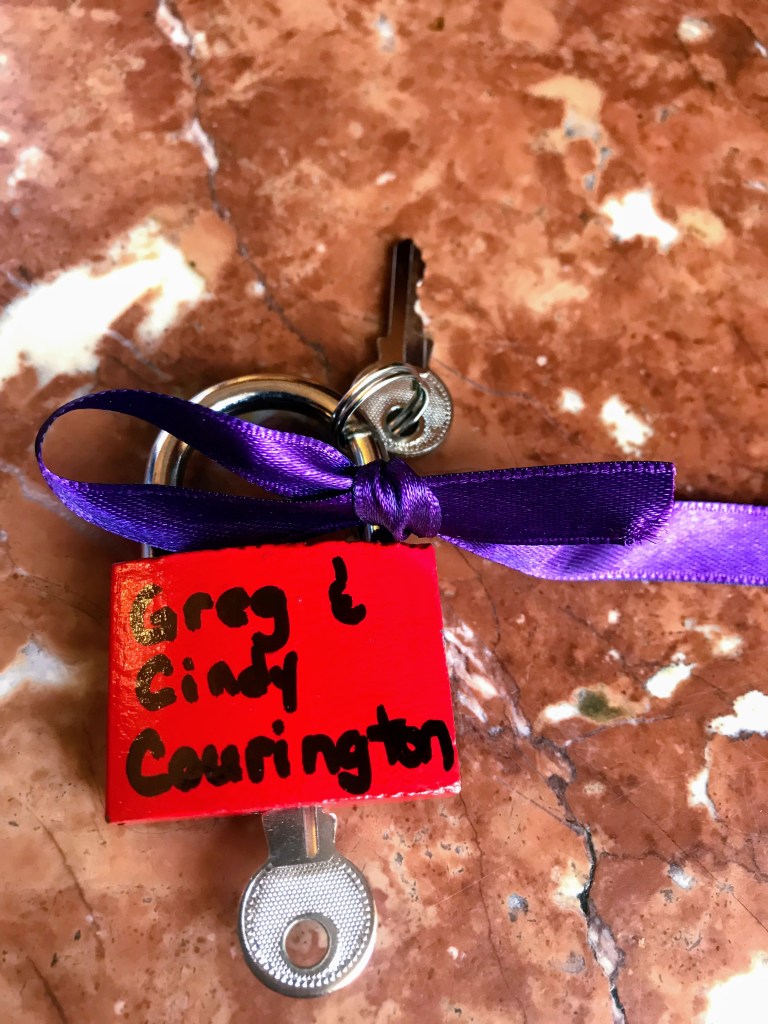
Did you know  ” Love Locks” are the latest craze when it comes to couples declaring their eternal devotion?  That’s okay; neither did we, but we soon learned from a nearby shop! We purchased our lock and the store owner even supplied the pen so we could add our names. 

Picture

Whatever happened to carving initials in a tree and topping off the declaration of everlasting love with a big heart? 

Actually, according to some sources (the Internet is my go-to destination) the practice was fueled by the Italian movie, IWant You, based on the 2006 book of the same name by Federico Moccia.  Apparently two teen lovers attach a padlock engraved with their names to a lamppost on the Ponte Milvio in northern Rome, then throw the key into the River Tiber.  

Isn’t love grand!     

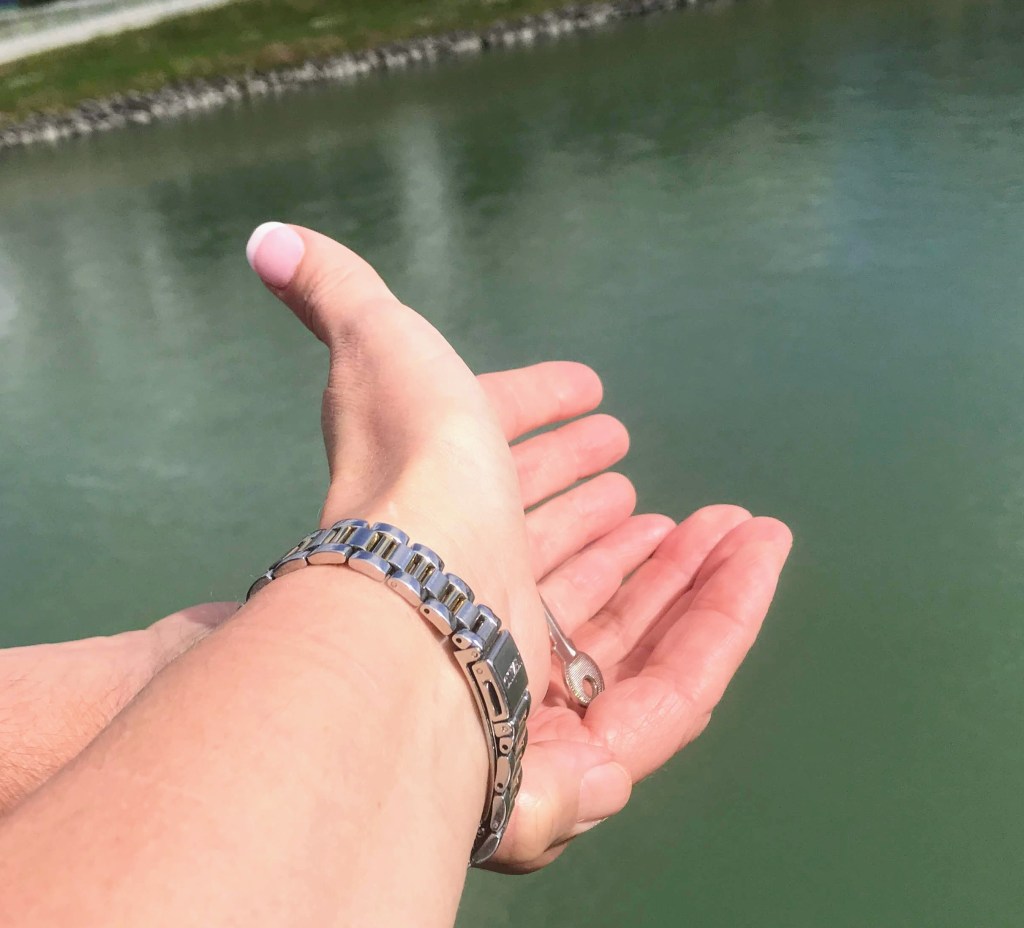
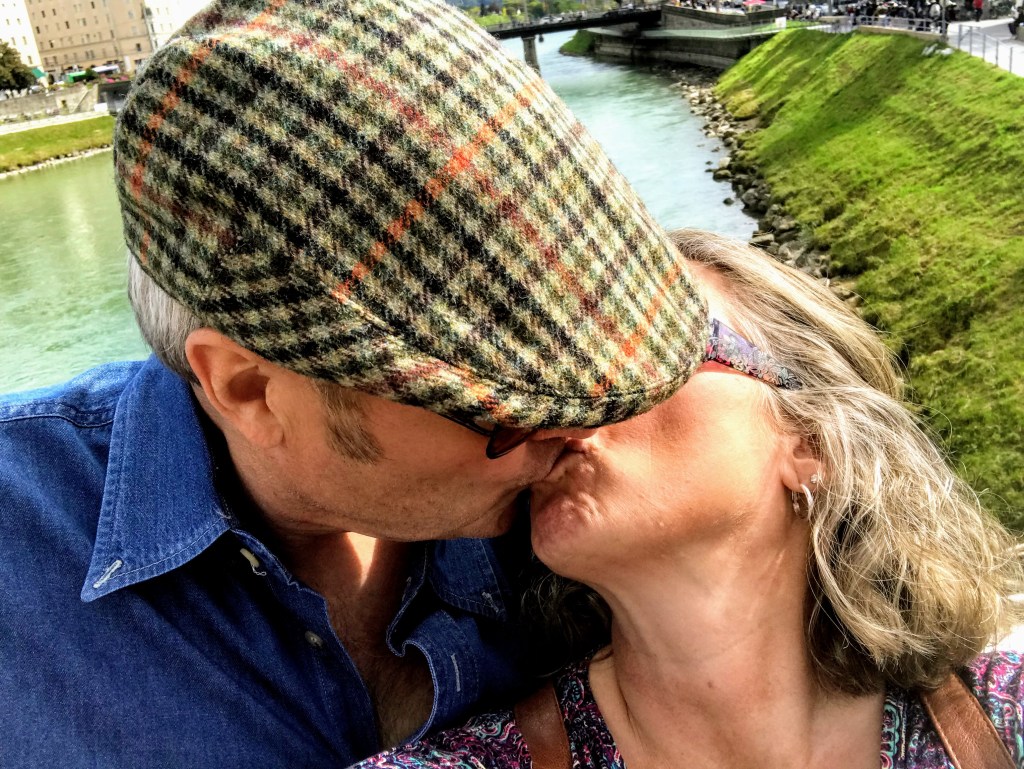
Well now our lock is sealed with a kiss and the key is somewhere in the Salzach River is Salzburg Austria  

Austria’s Lake District

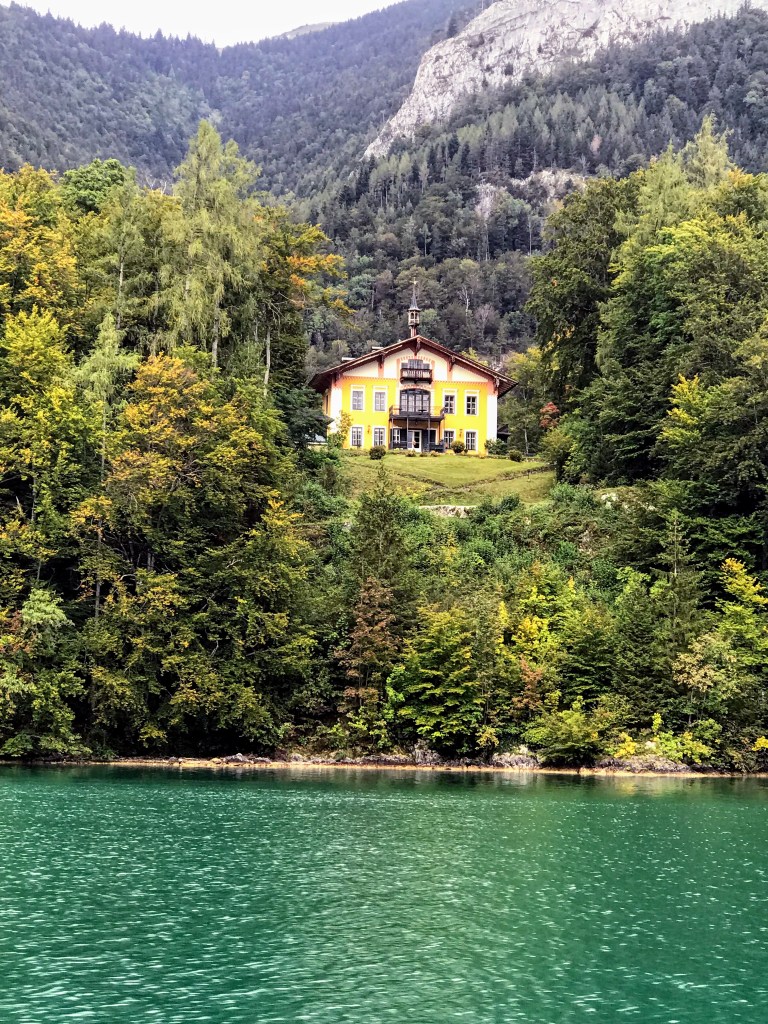
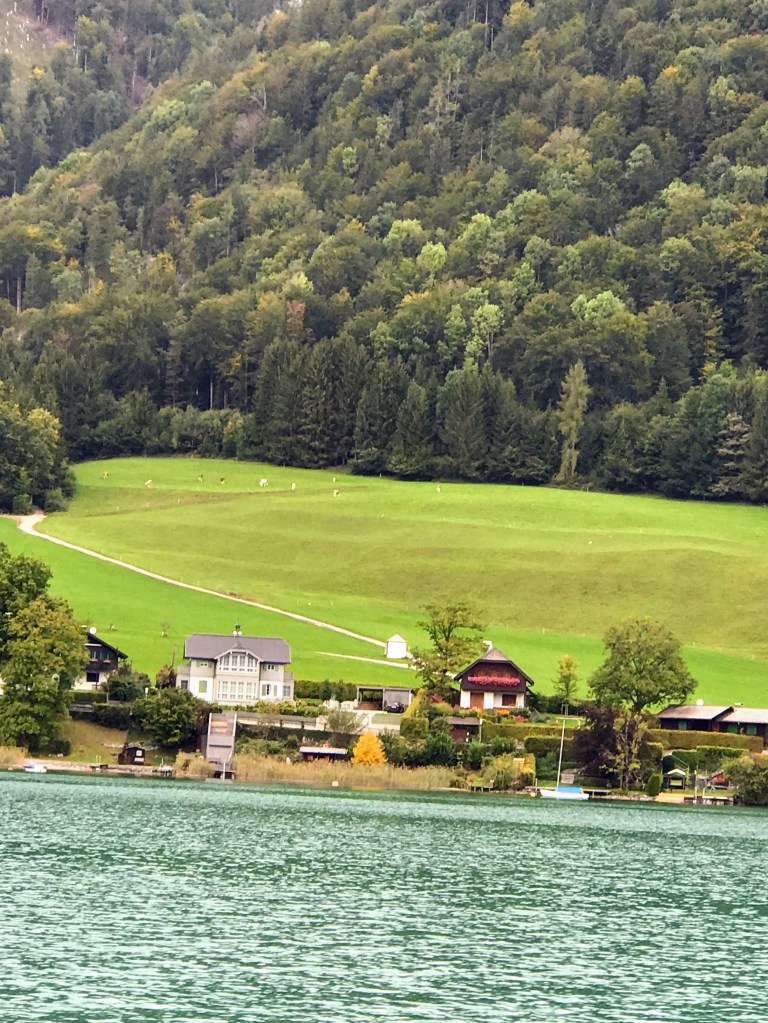
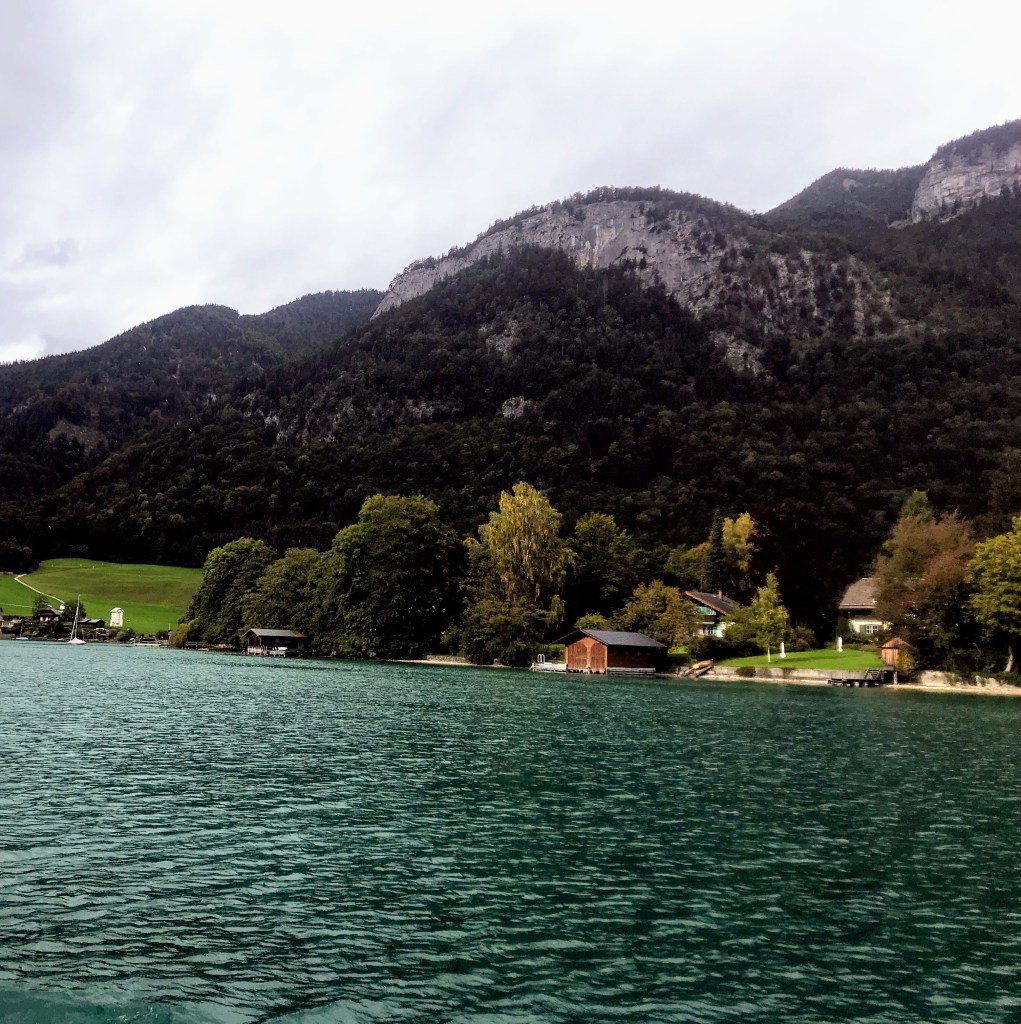
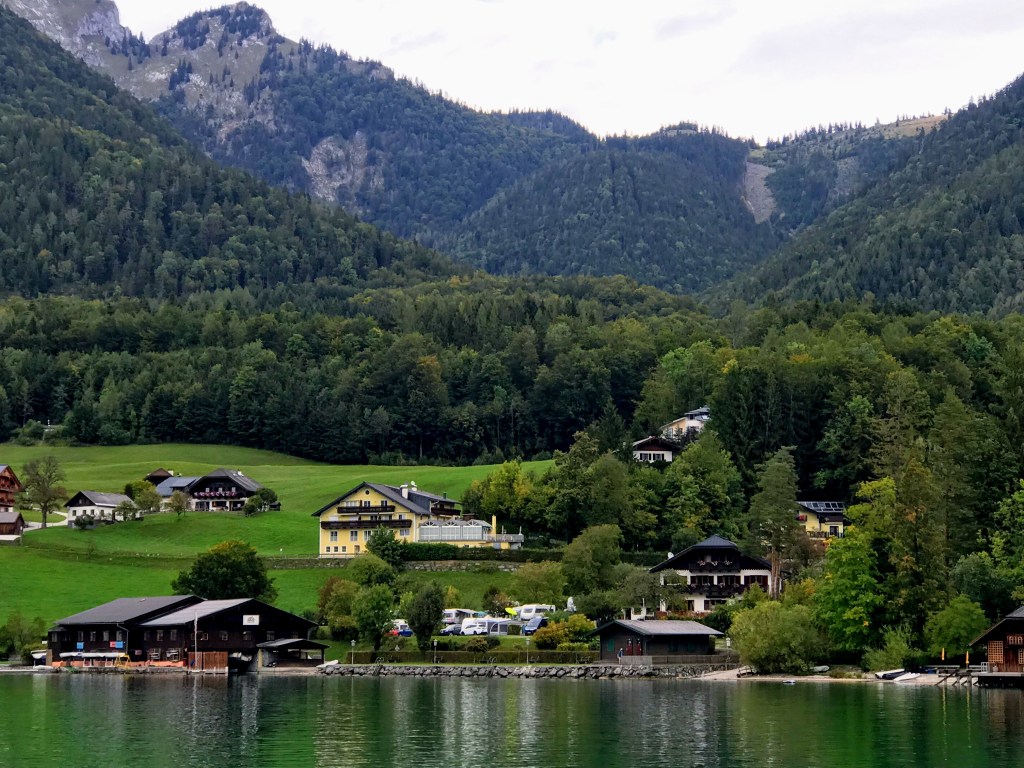
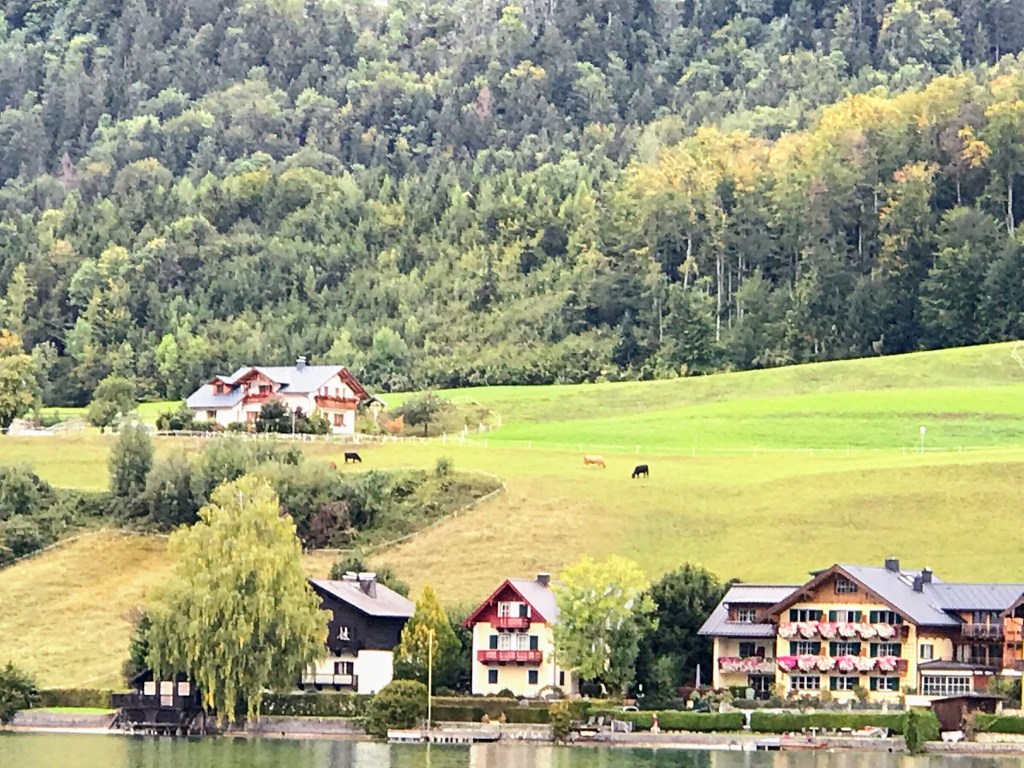
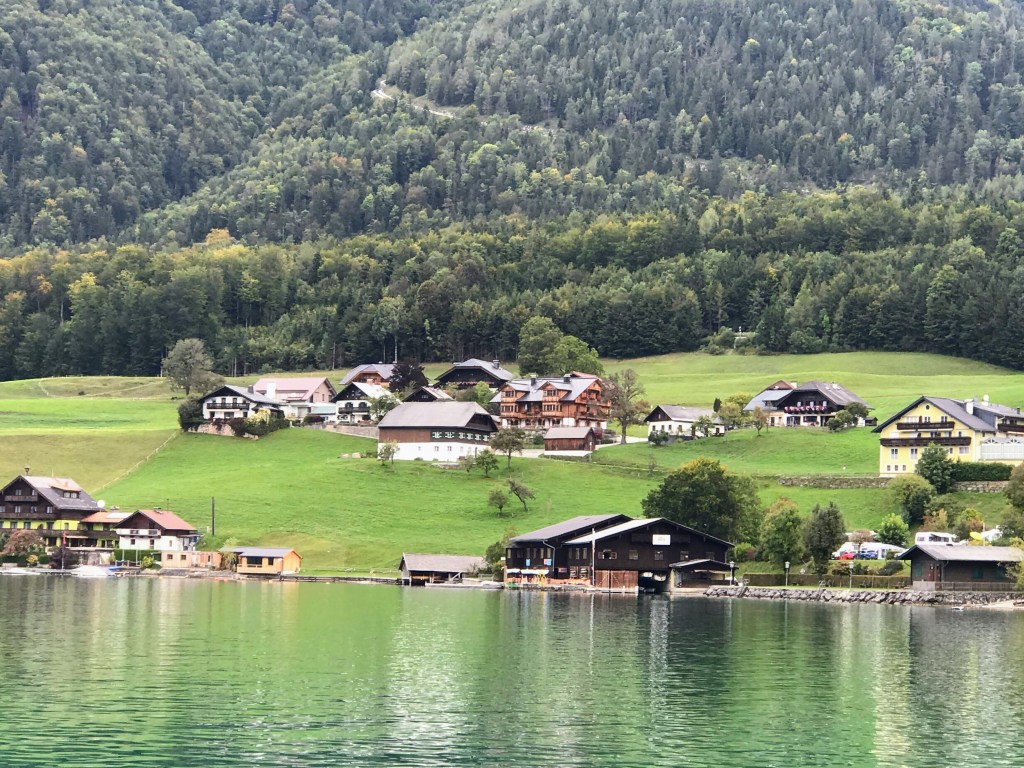
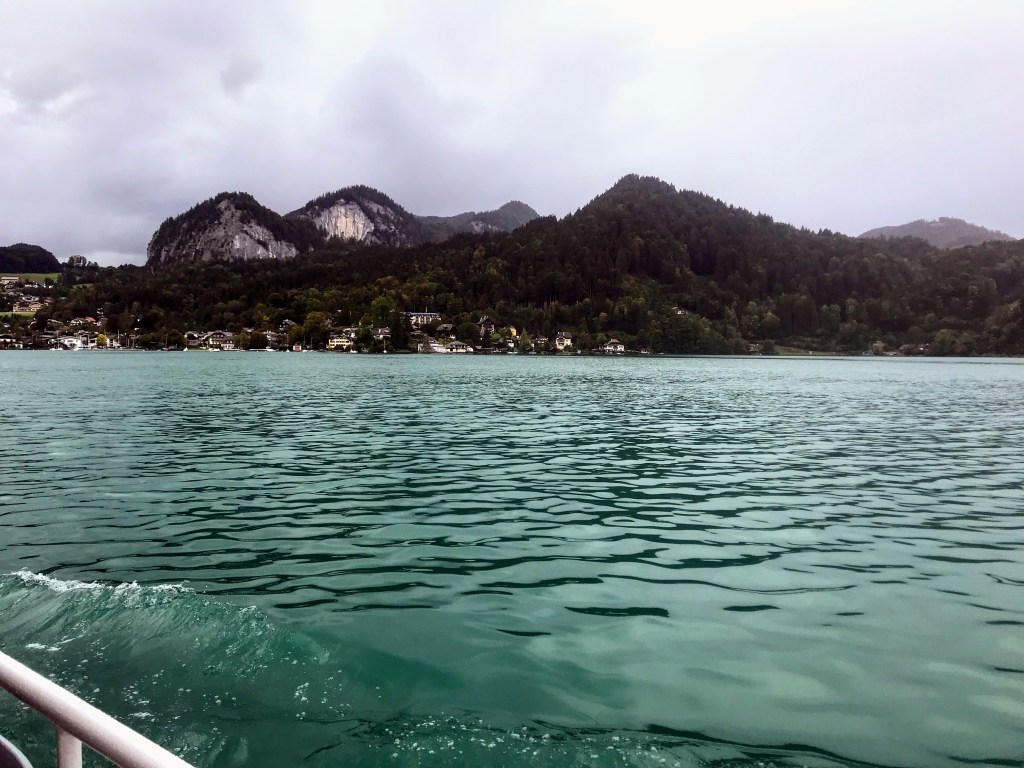
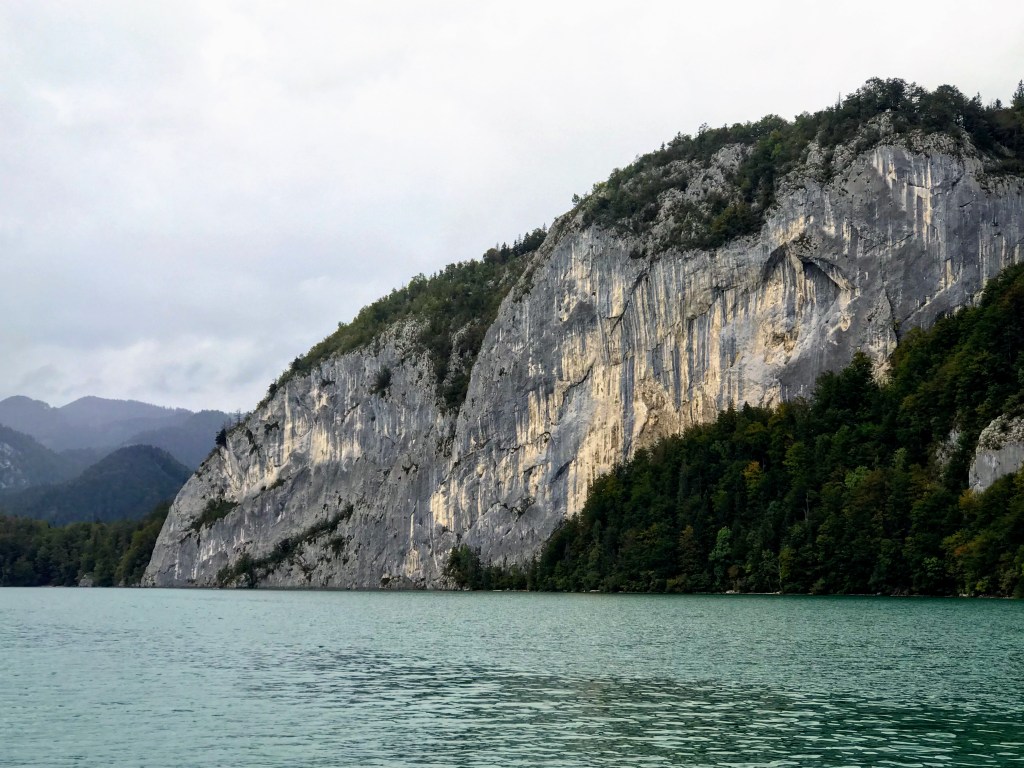
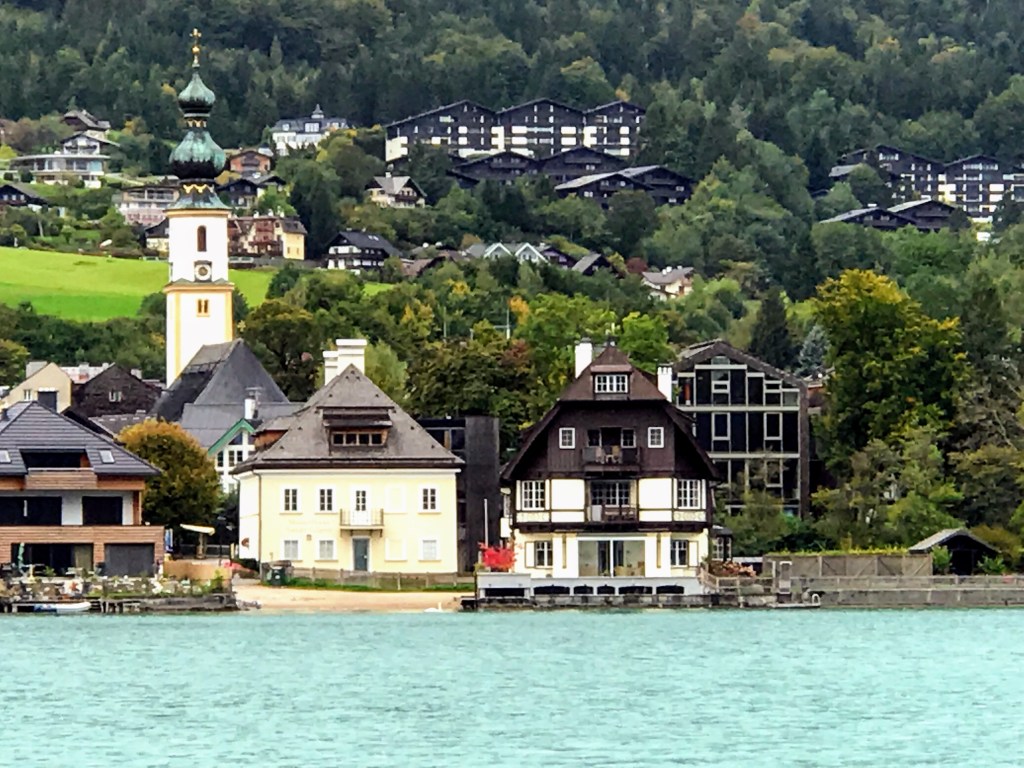
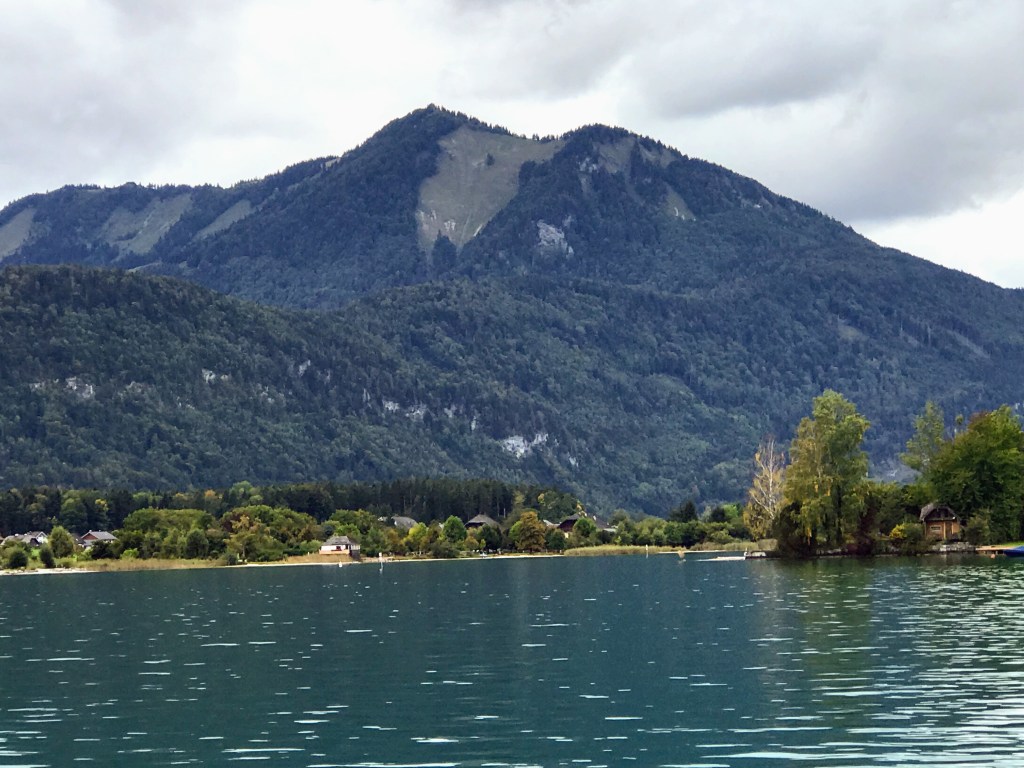
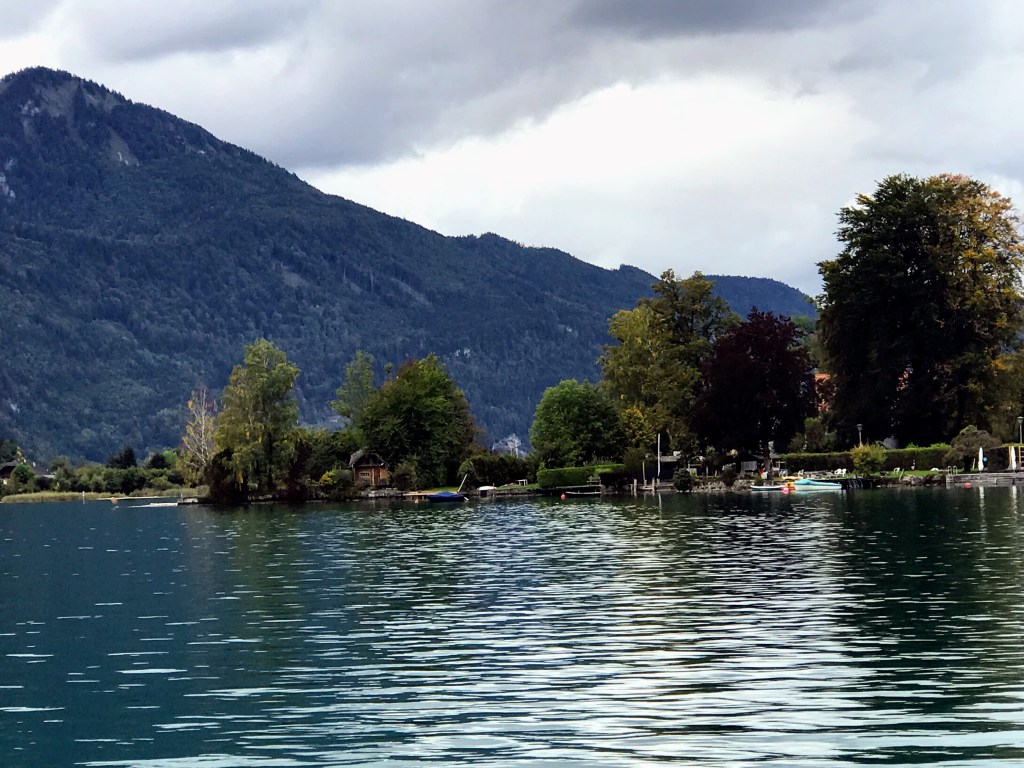
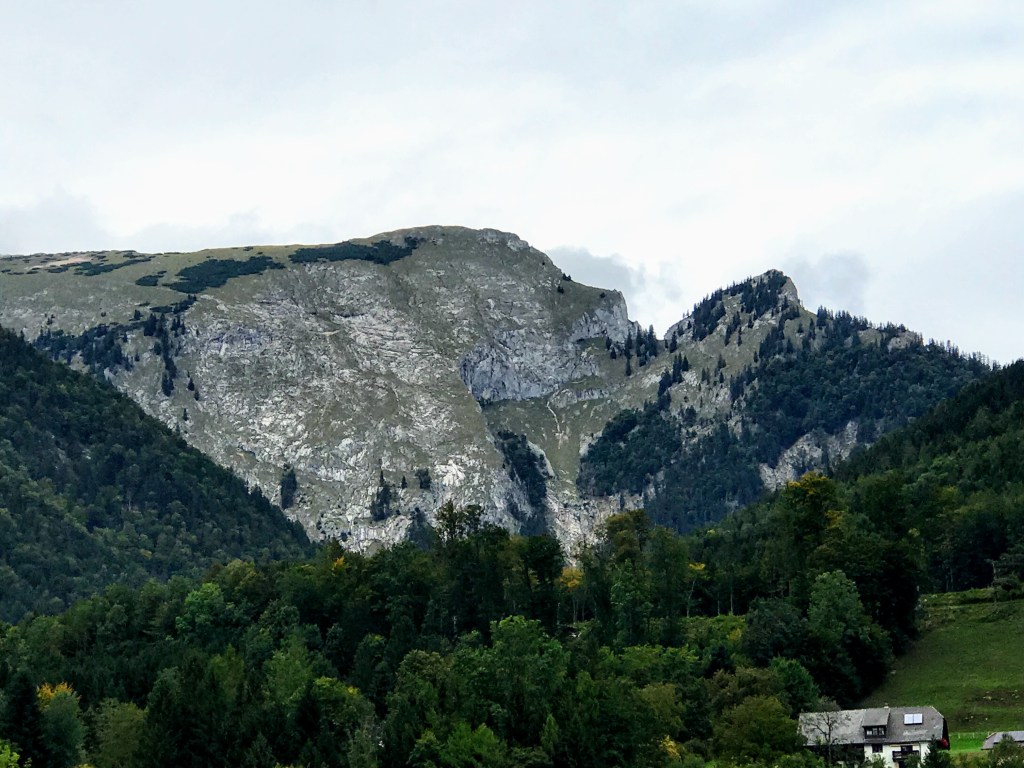
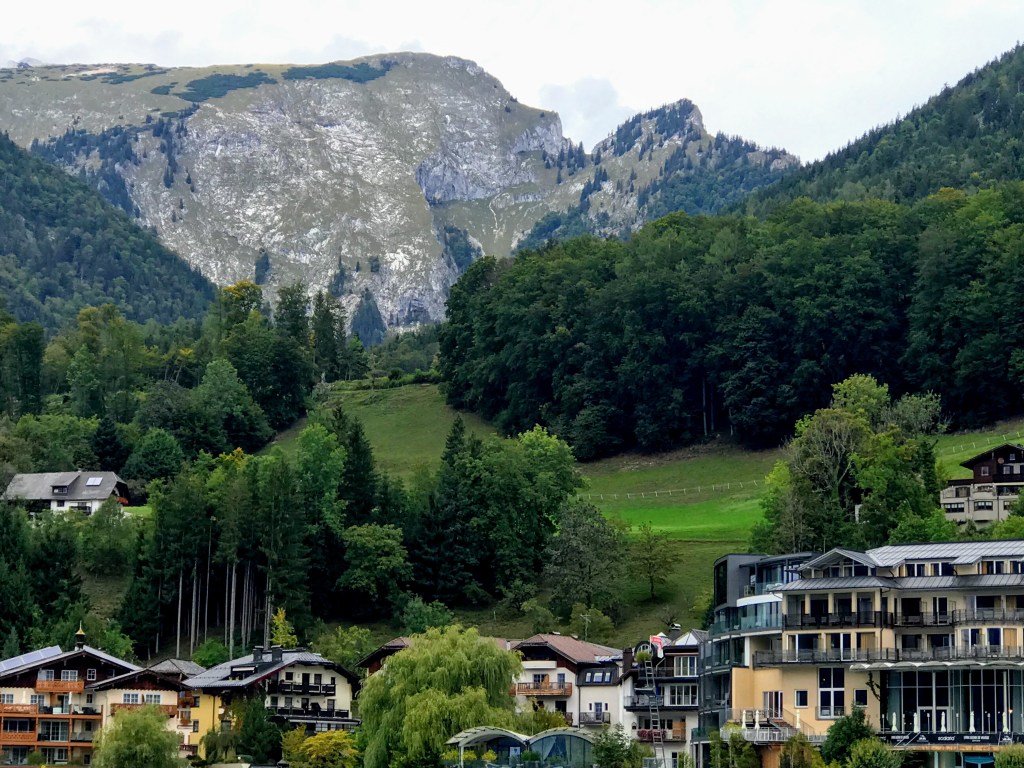
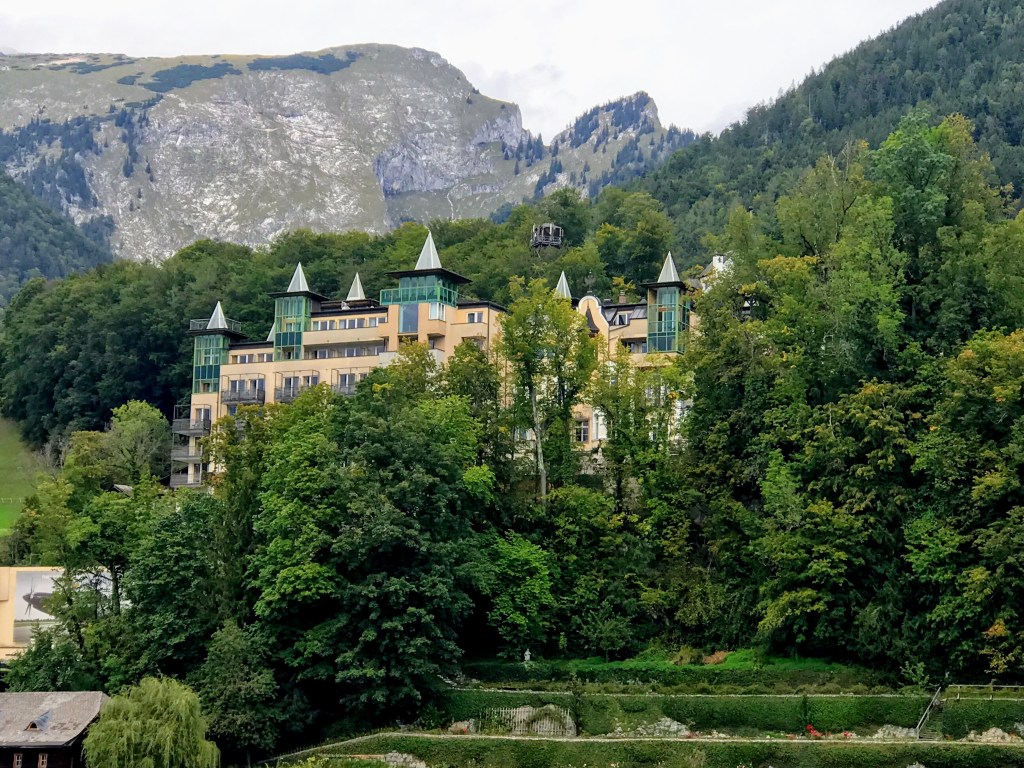
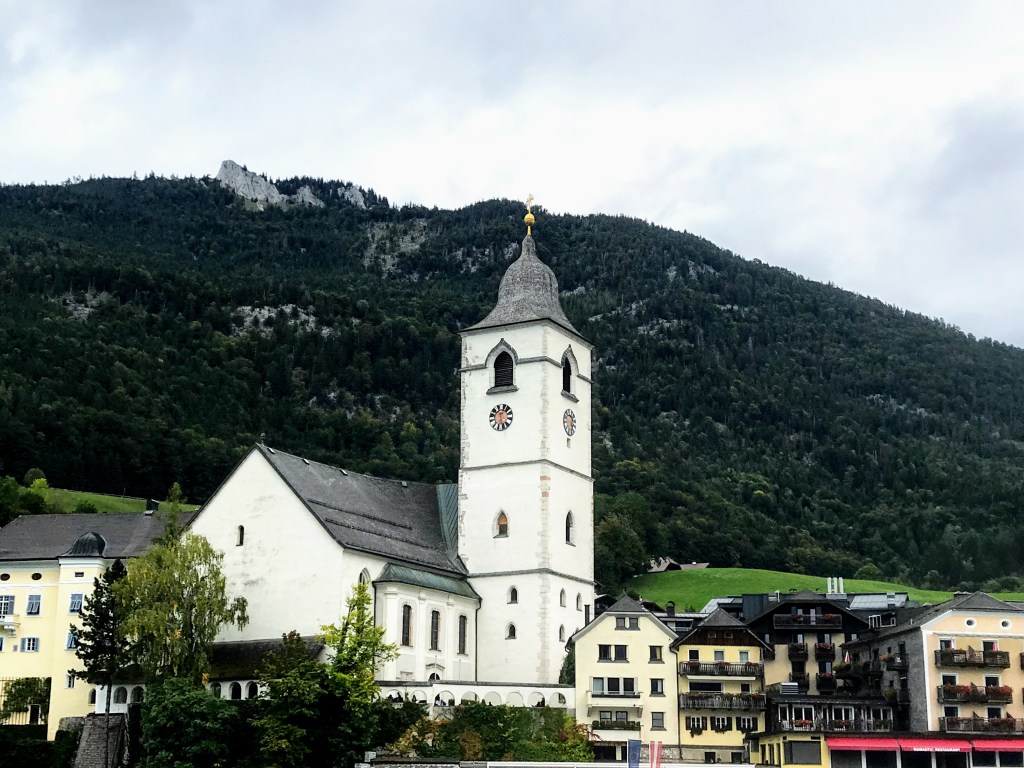
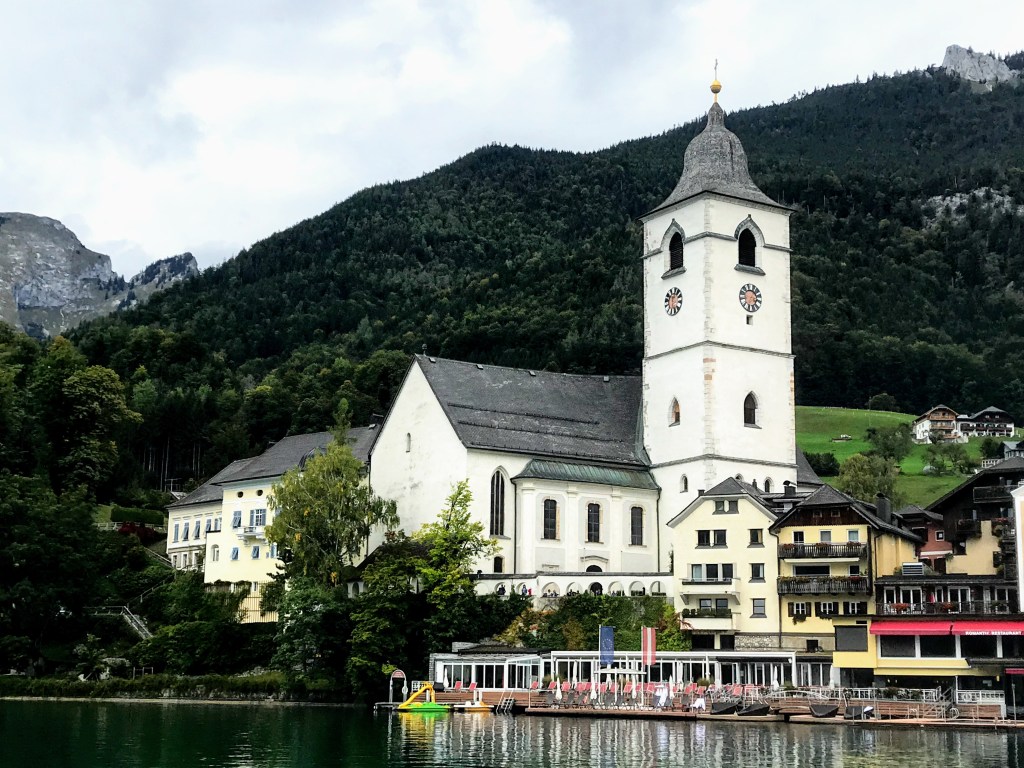
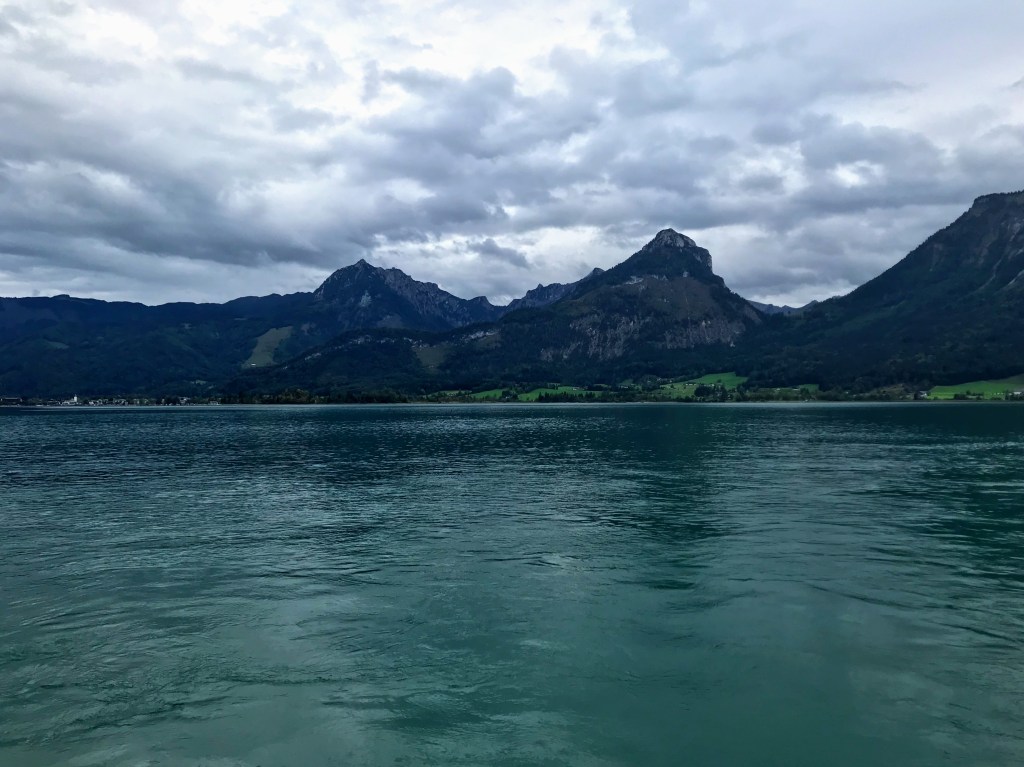
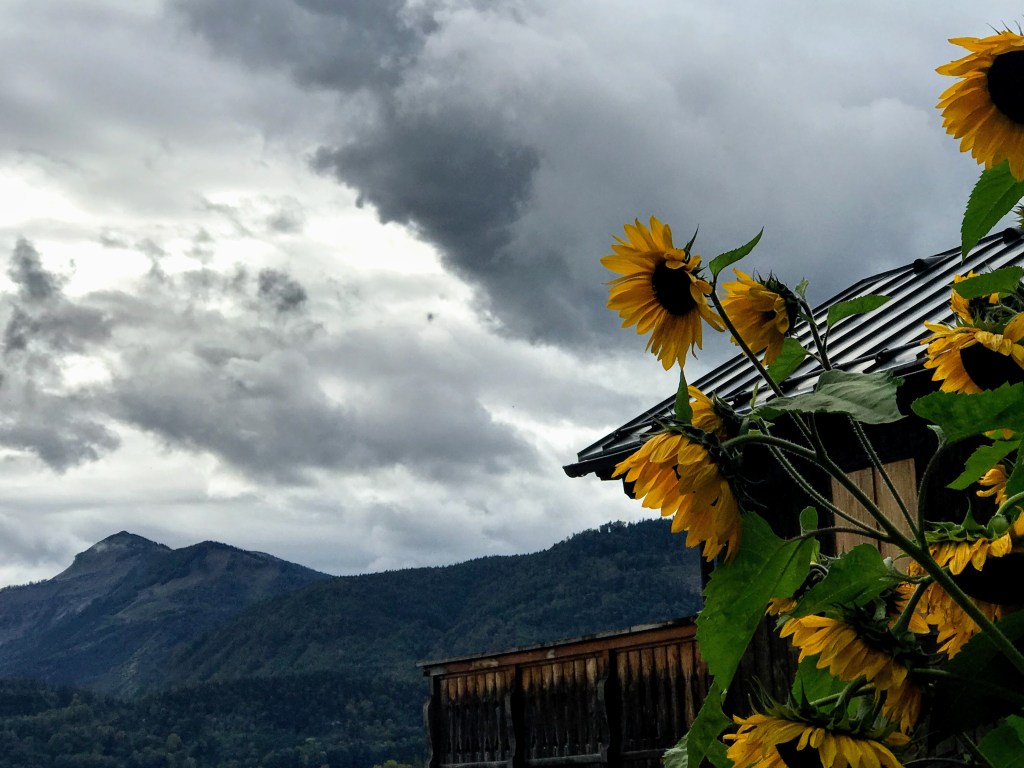
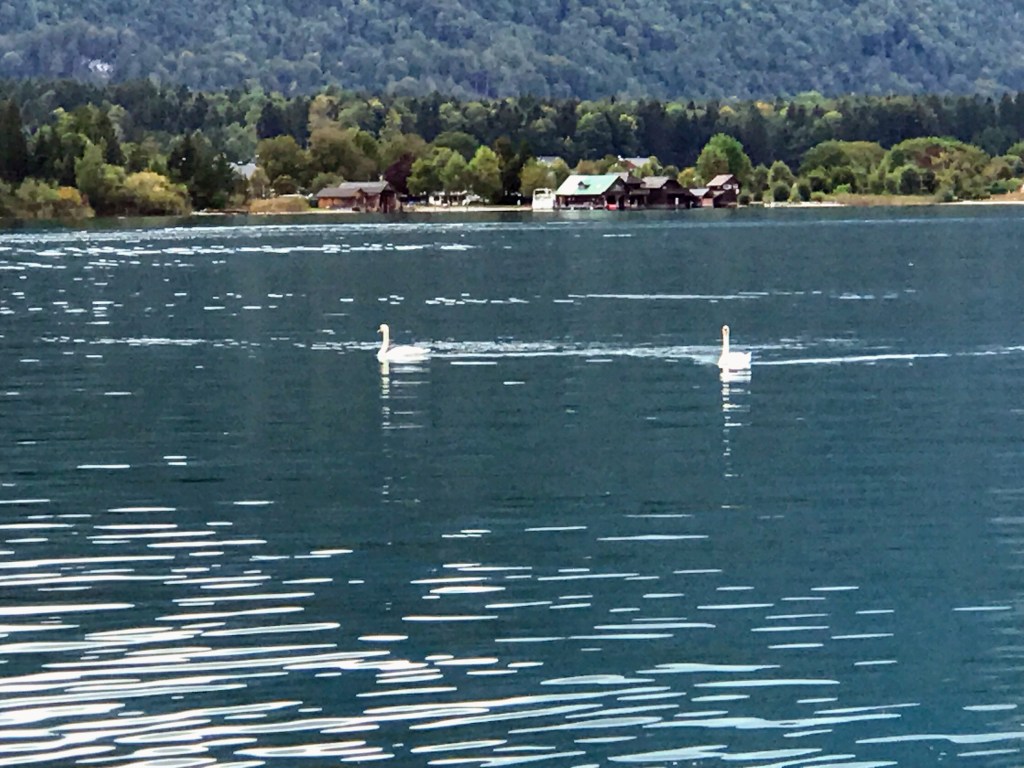
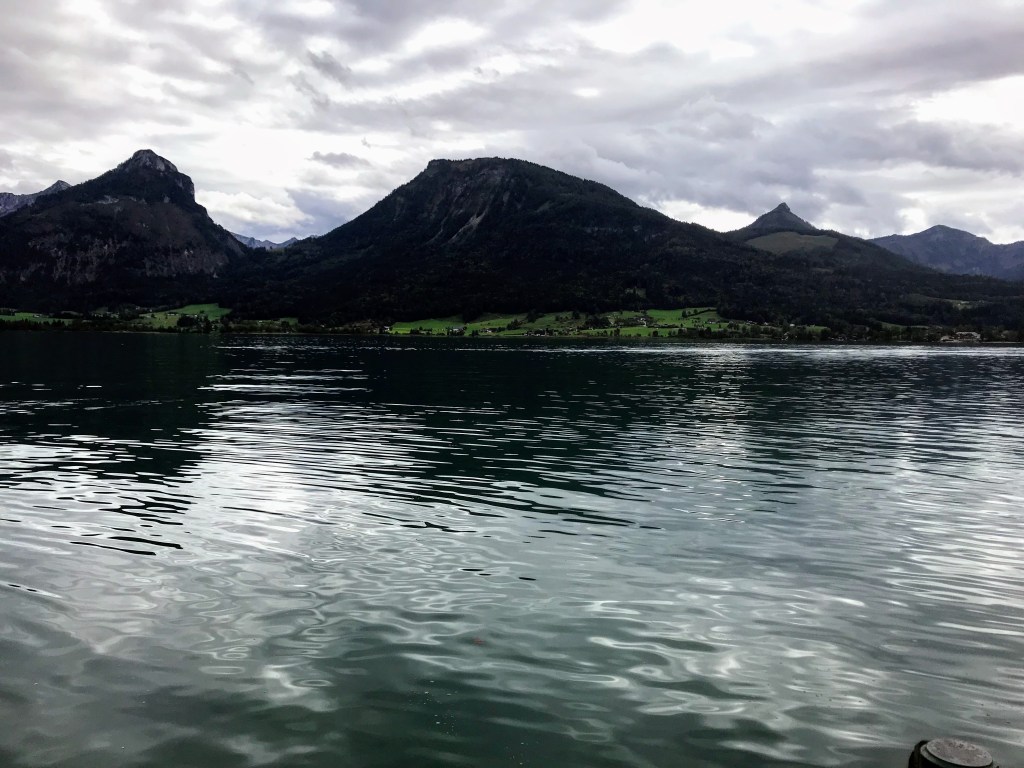
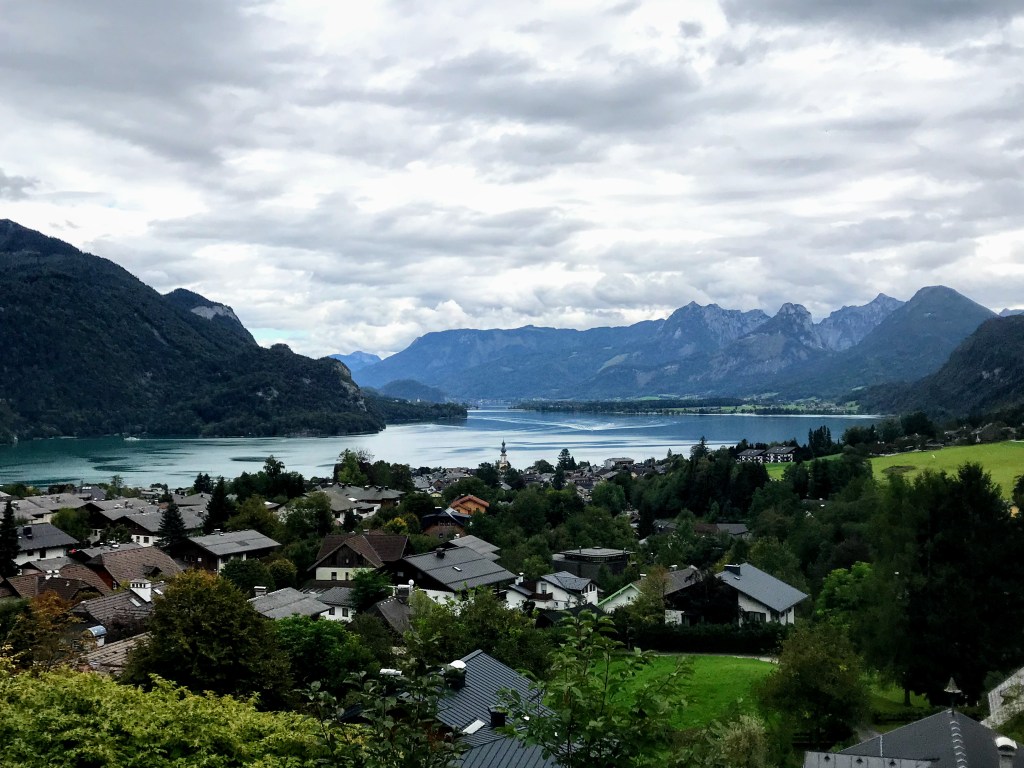
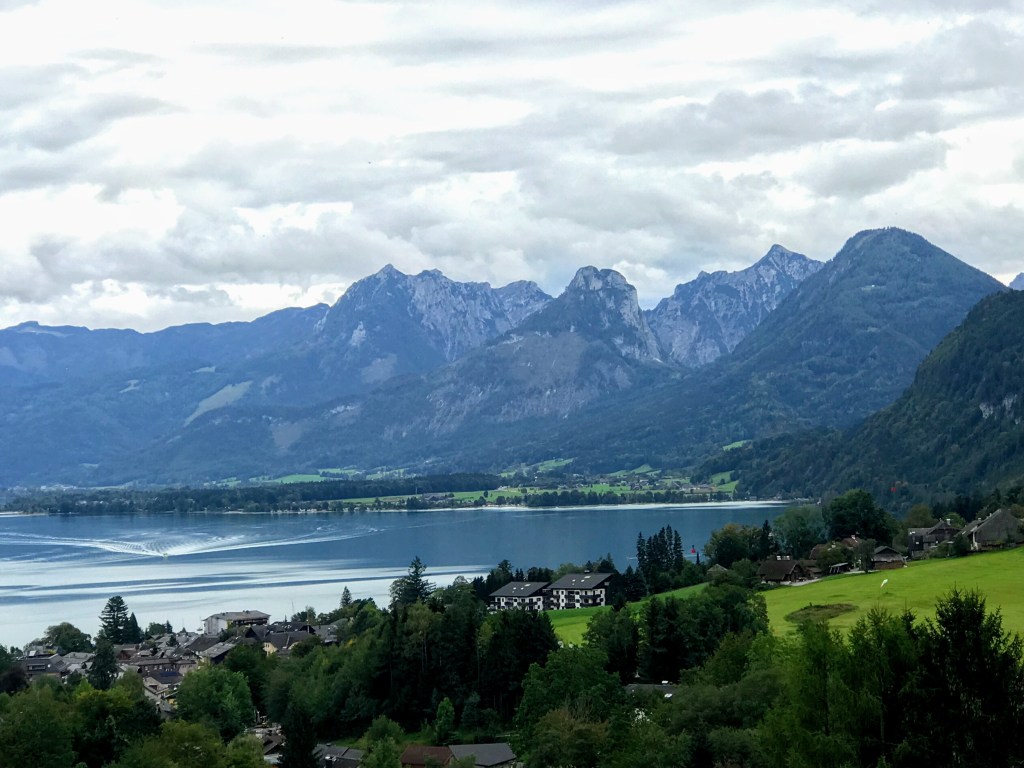
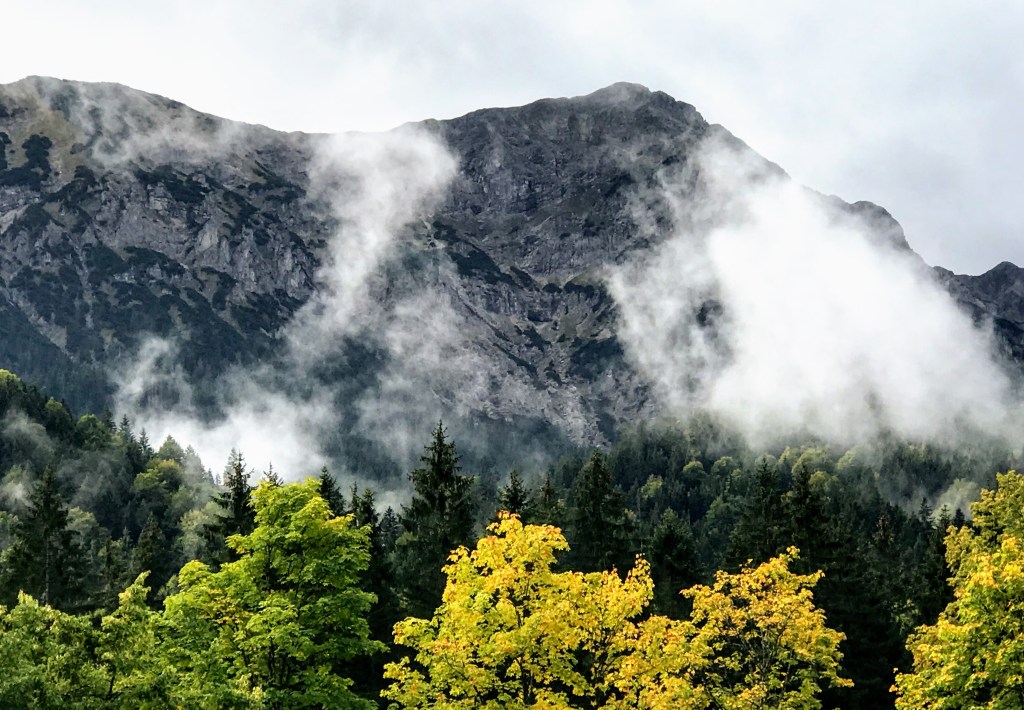
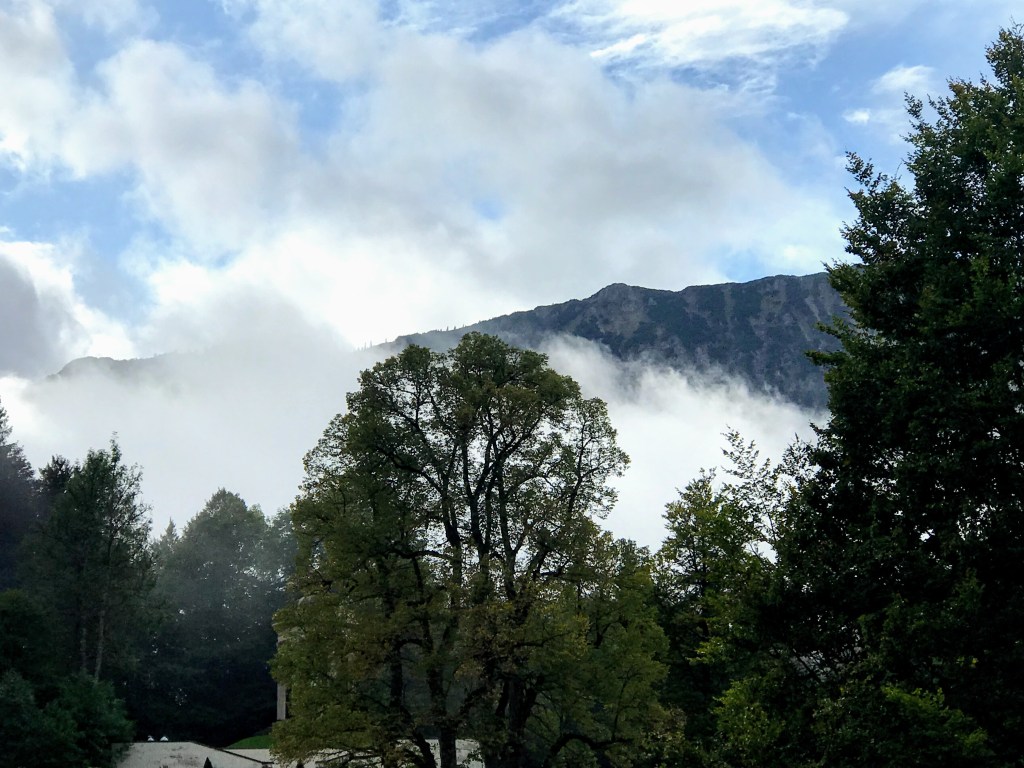
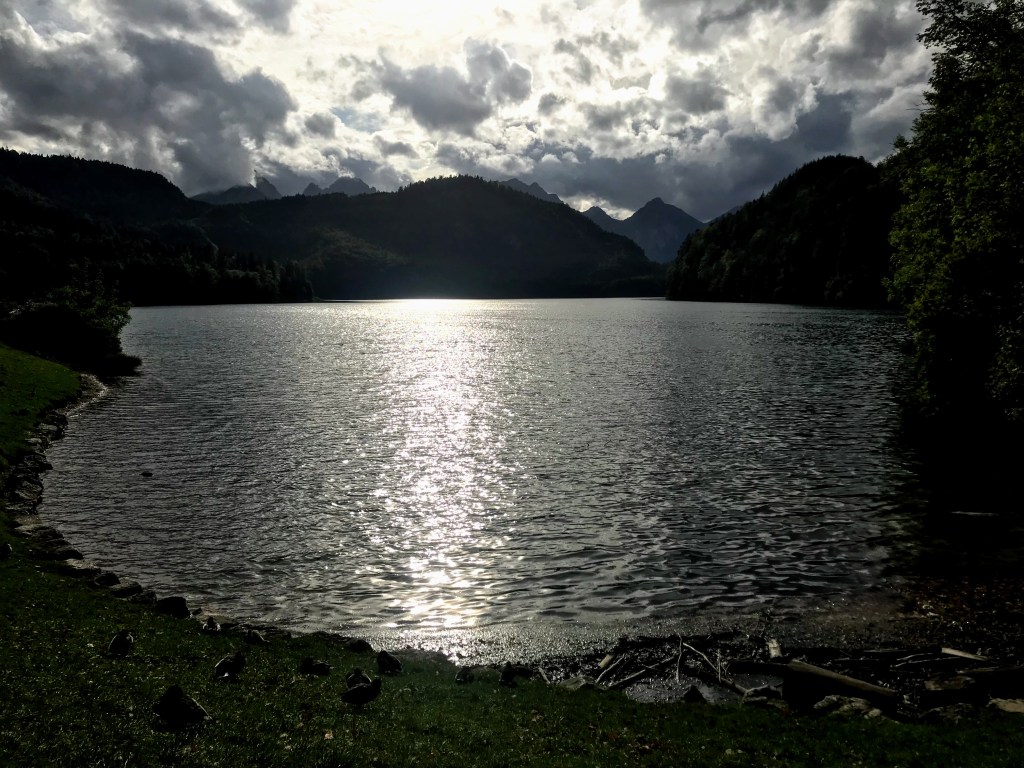
Austria’s Lake District. We took in the beautiful Lower Bavarian Alps as we journeyed south, to the Lake District toward the postcard-pretty town of St Wolfgang. We then became quite amazed at the picturesque mountain scenery on our boat trip on Lake Wolfgang. The small villages were quaintly positioned between the mountains and the lakes. Absolutely beautiful!

Places Fairy Tales are Dreamed of

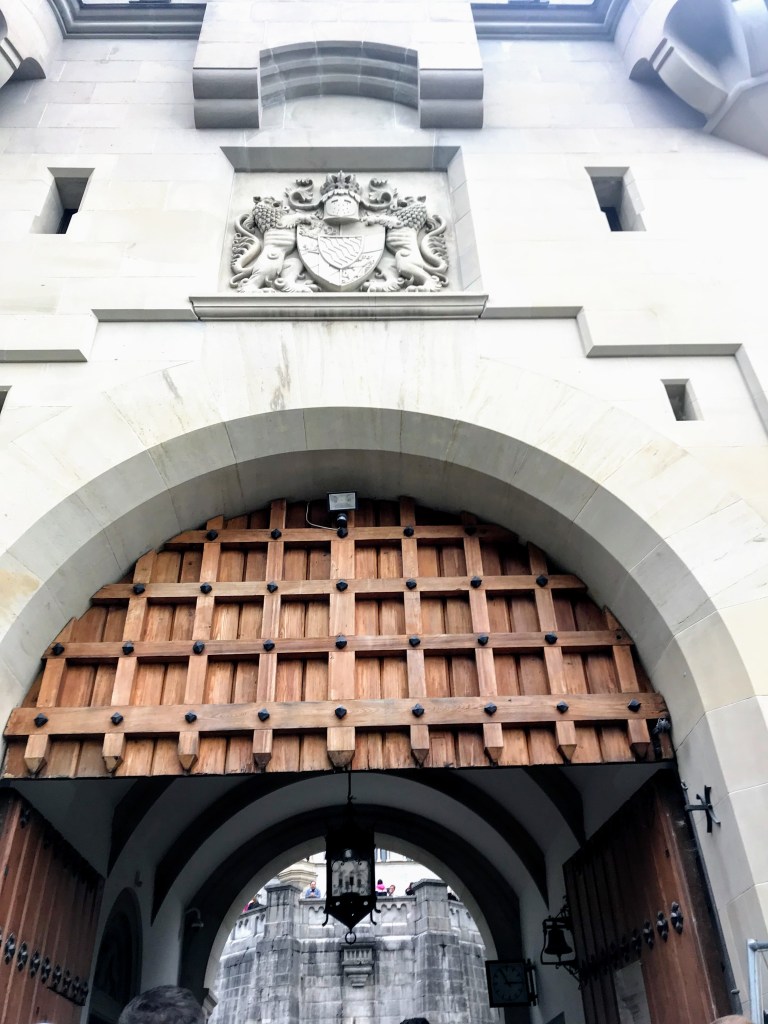
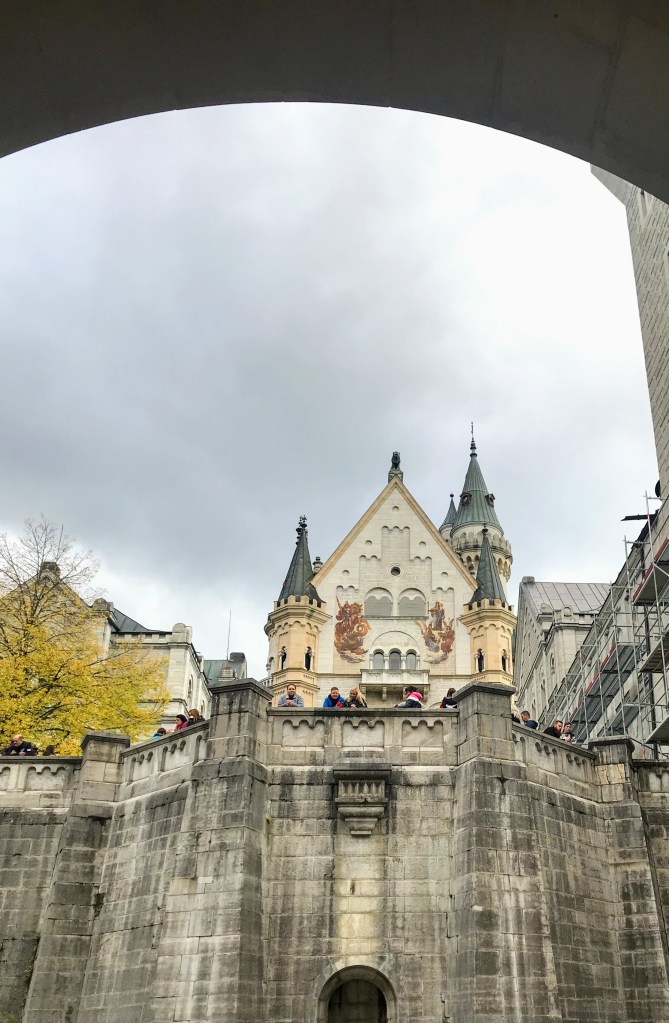
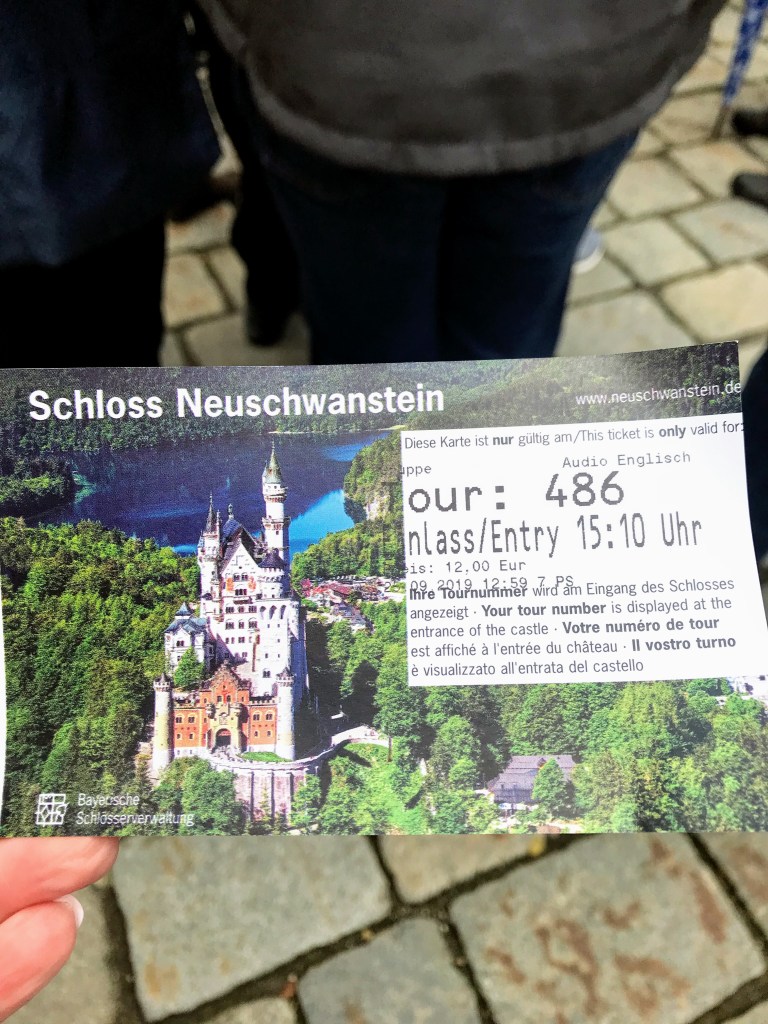
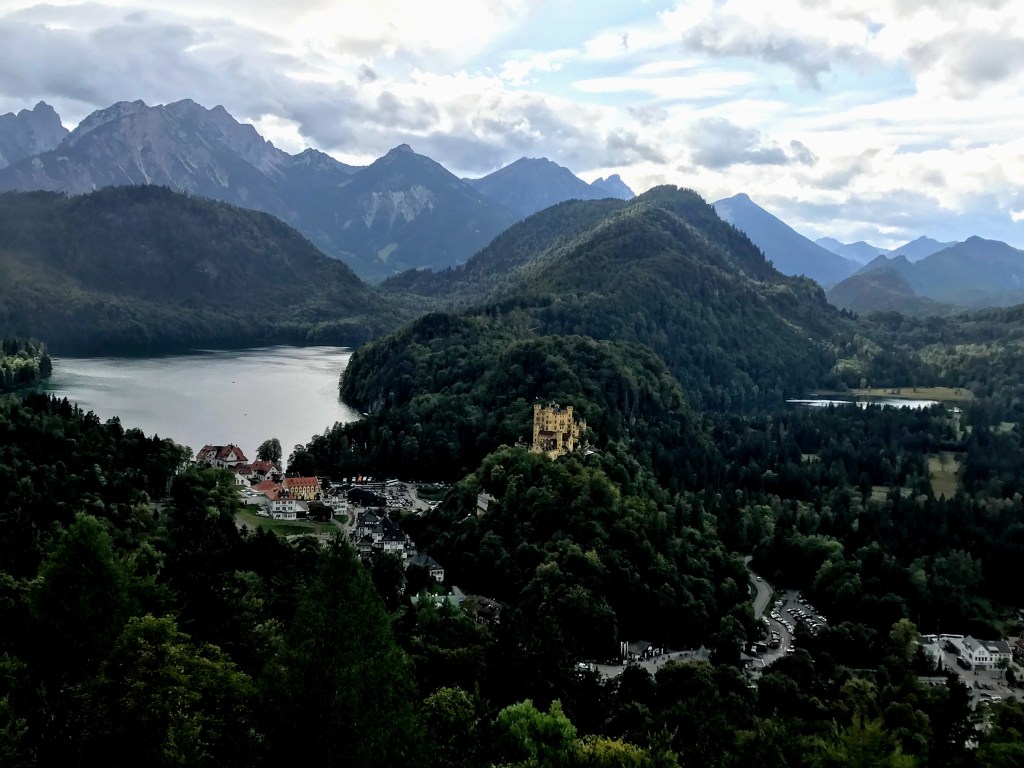
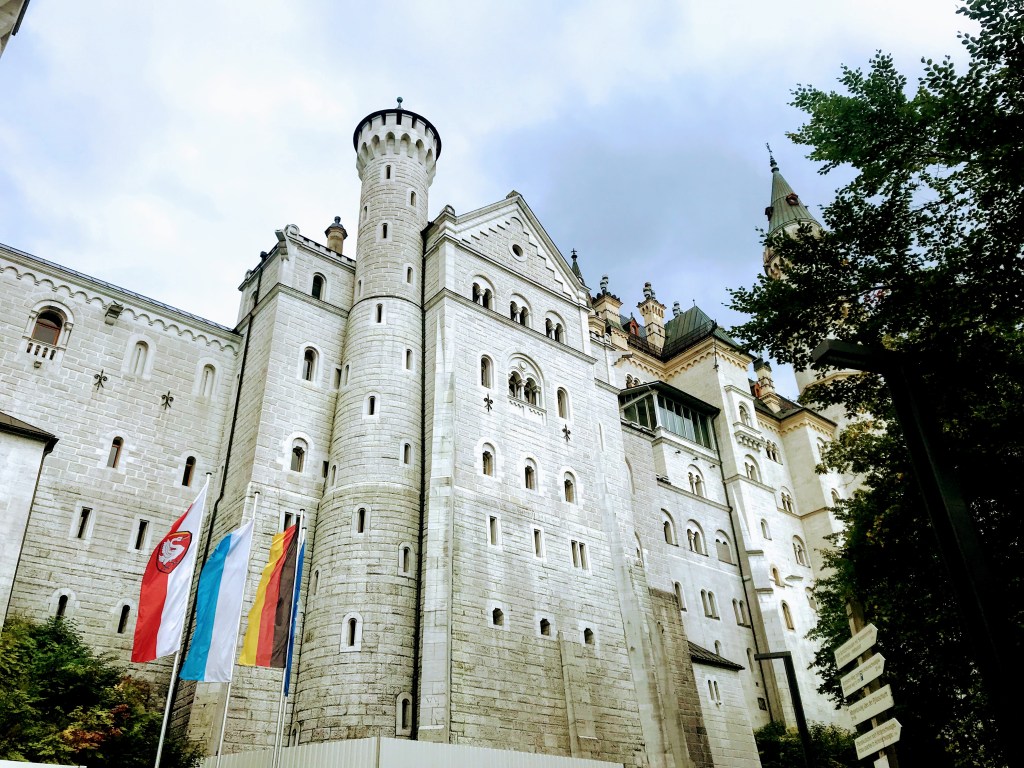
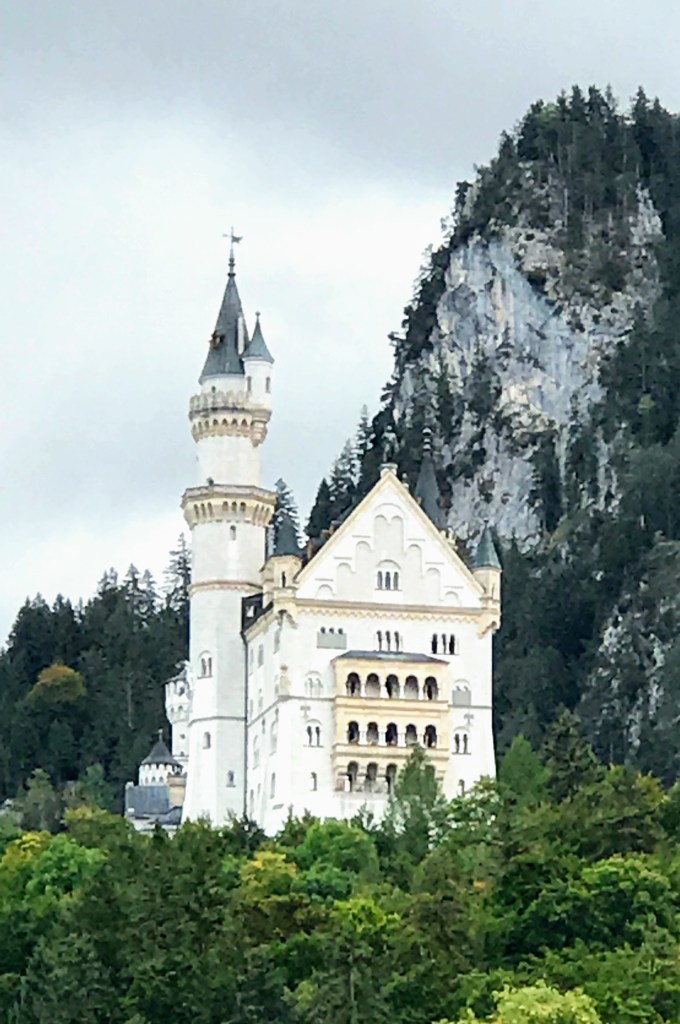
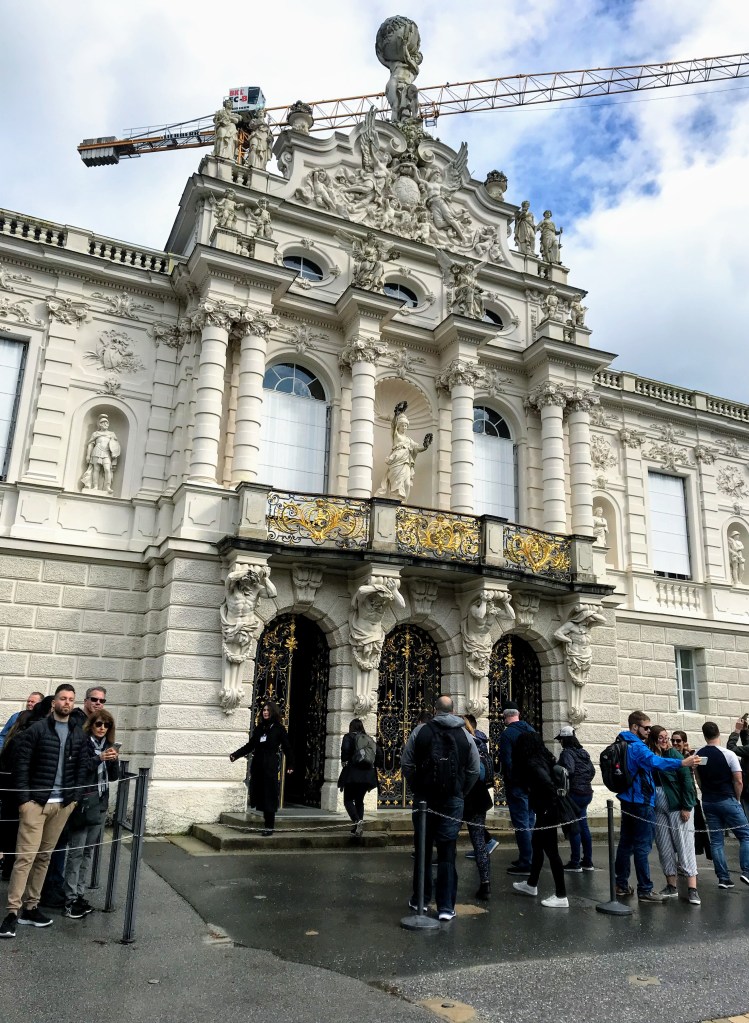
Witness the fairy tale castles of Neuschwanstein and Linderhof, created by Germany’s 19th-century King Ludwig II, on a day trip from Munich. Traveling by air-conditioned coach, admire Bavaria’s magnificent scenery as you journey to Linderhof, Ludwig’s rococo-style hunting lodge and last home. Join an optional interior tour and then continue to Neuschwanstein, a picture book clutch of turrets and chambers that inspired Disney’s Sleeping Beauty castle. Enjoy free time in nearby Hohenschwangau village for lunch and to explore Neuschwanstein’s grounds, and take an optional castle tour. Entrance fees not included.
  • King Ludwig II’s Royal Castles day trip from Munich
  • Admire lush Bavaria on route to Neuschwanstein and Linderhof, both built by Germany’s ‘mad’ King Ludwig II
  • Tour (own expense) the inside of the lavish Linderhof or visit the Moorish Pavilion in the grounds
  • Ogle the hilltop Neuschwanstein, the model for Disney’s Sleeping Beauty castle
  • Enjoy free time to tour Neuschwanstein’s interior (own expense) and explore its grounds and Hohenschwangau village
  • Learn about the ‘mad’ Ludwig and his desire to create his own fantasy castles
  • Enjoy a shopping stop in postcard-pretty Oberammergau, famous for its Passion Play

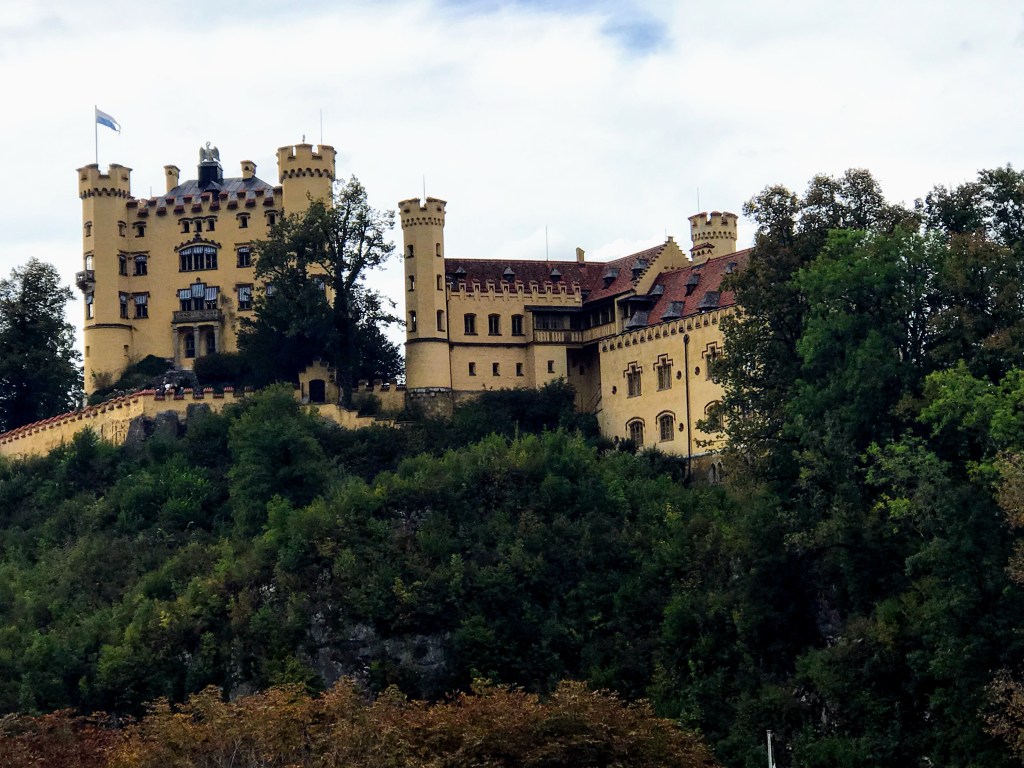
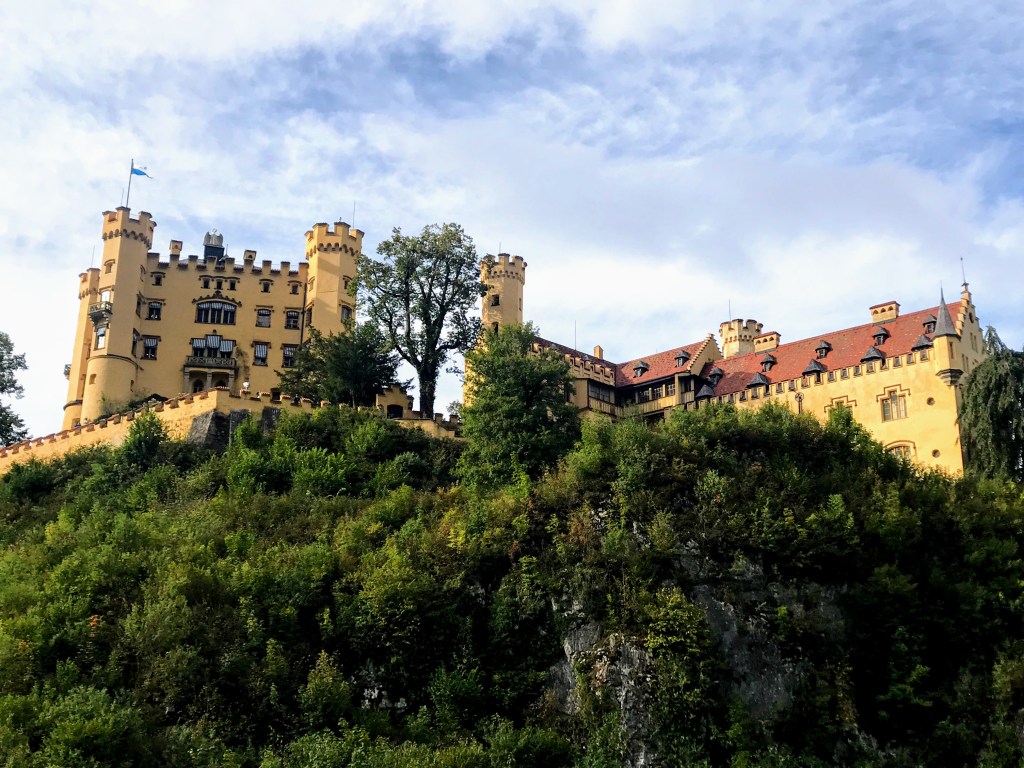
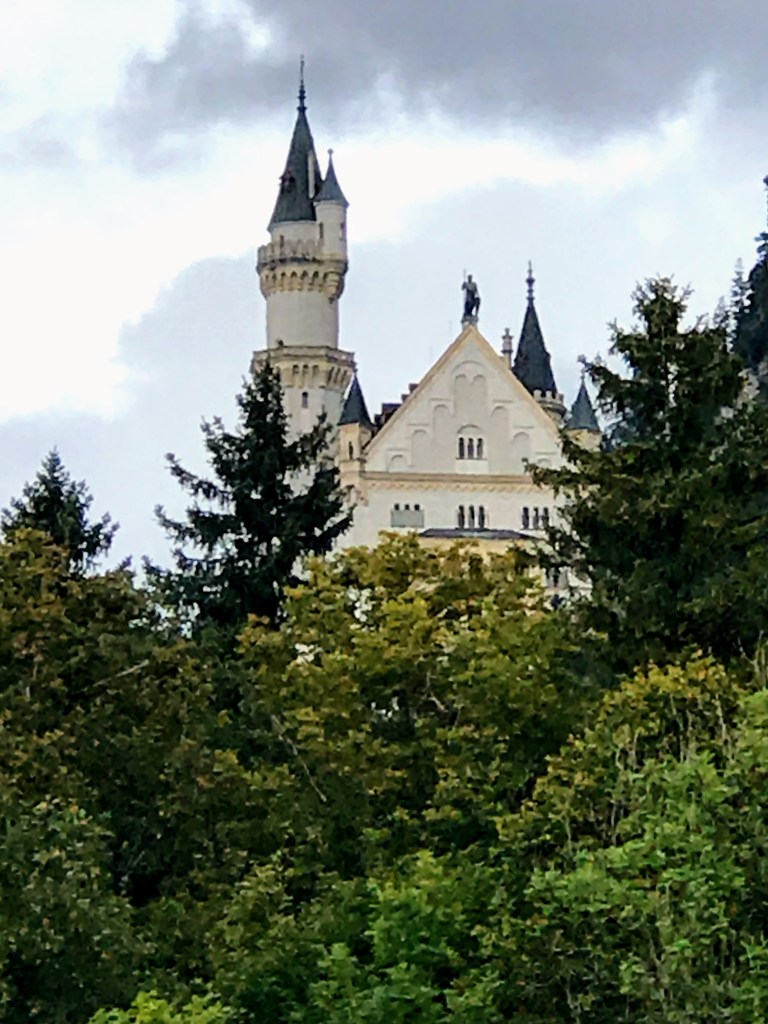
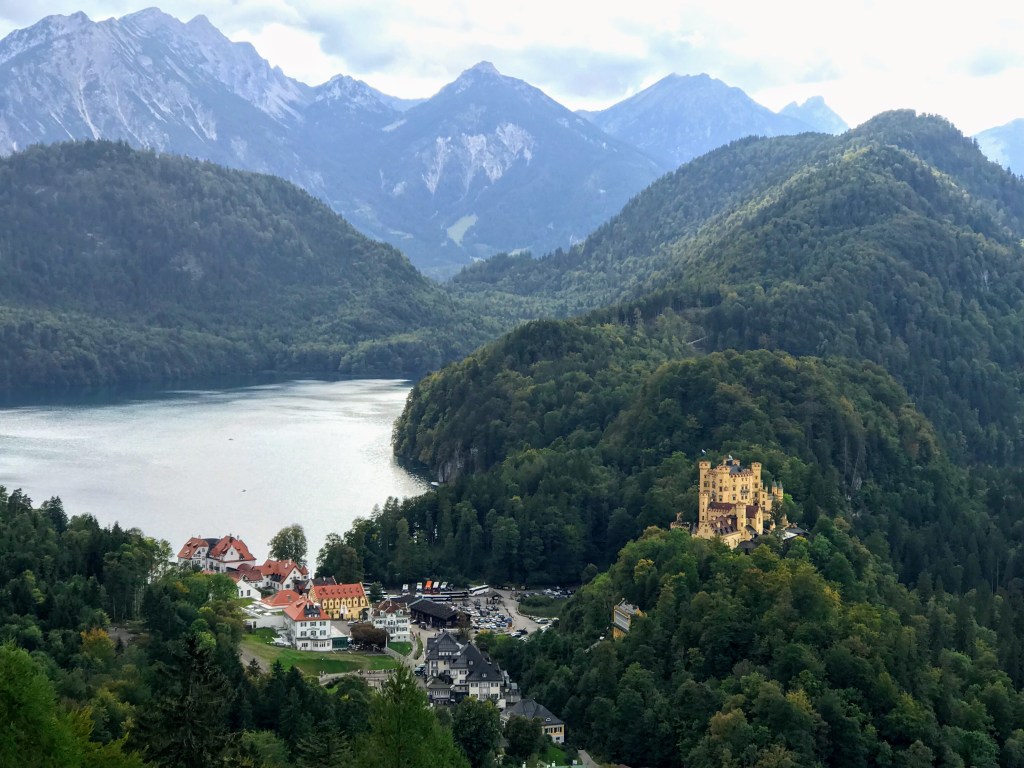
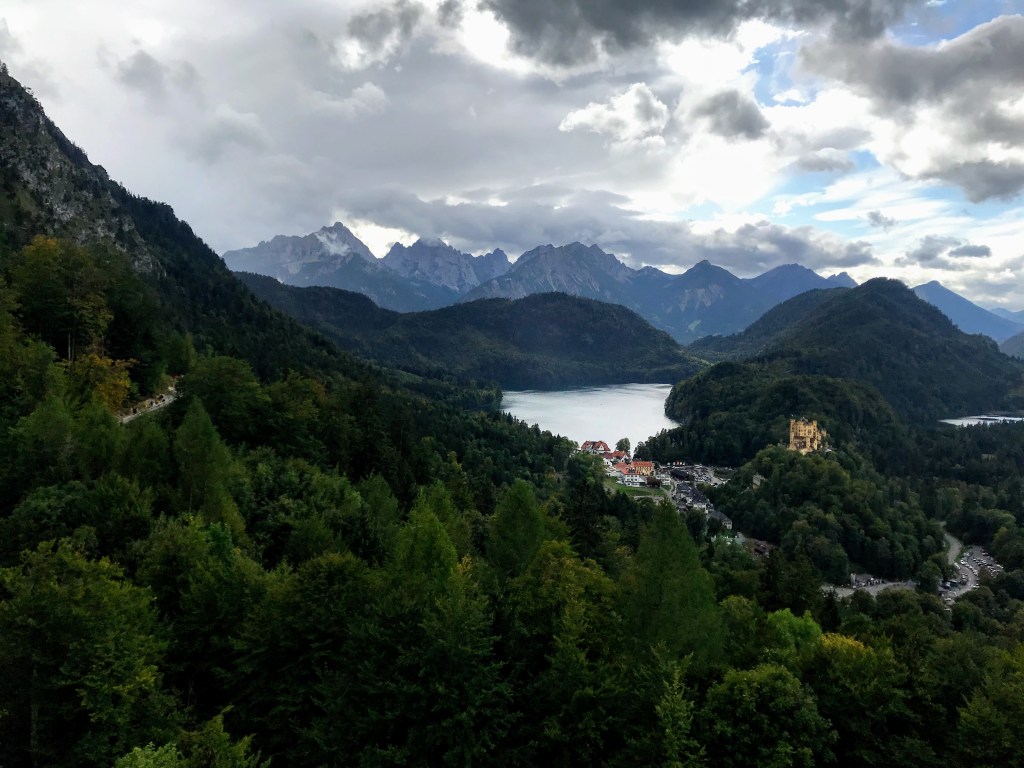
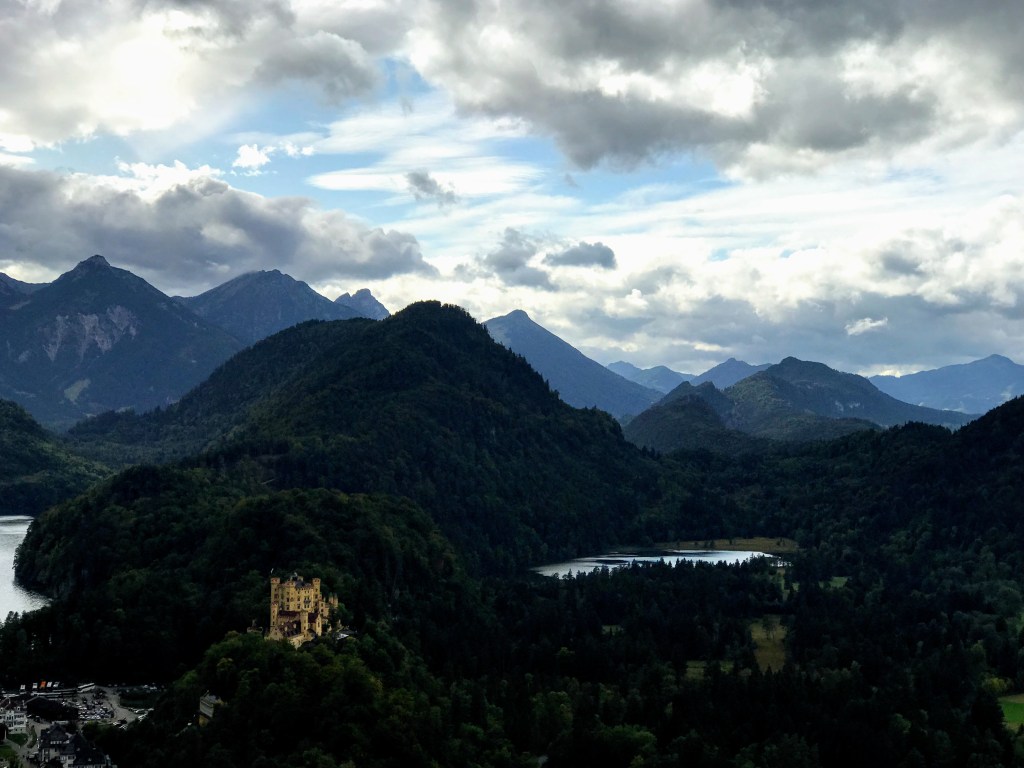
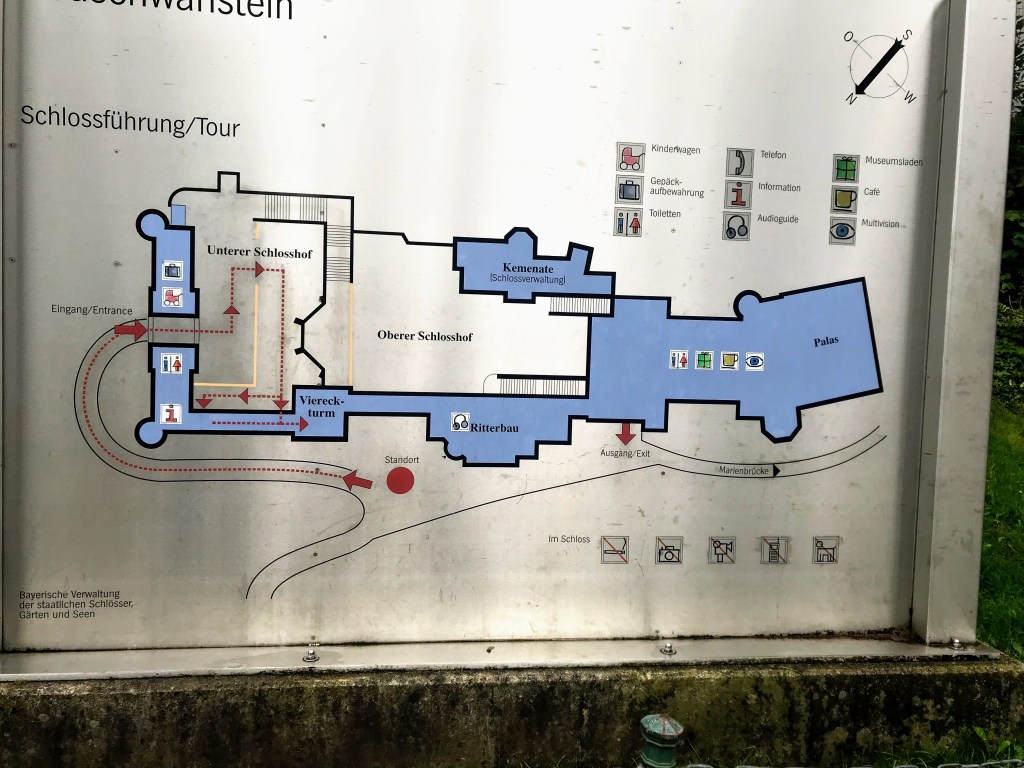
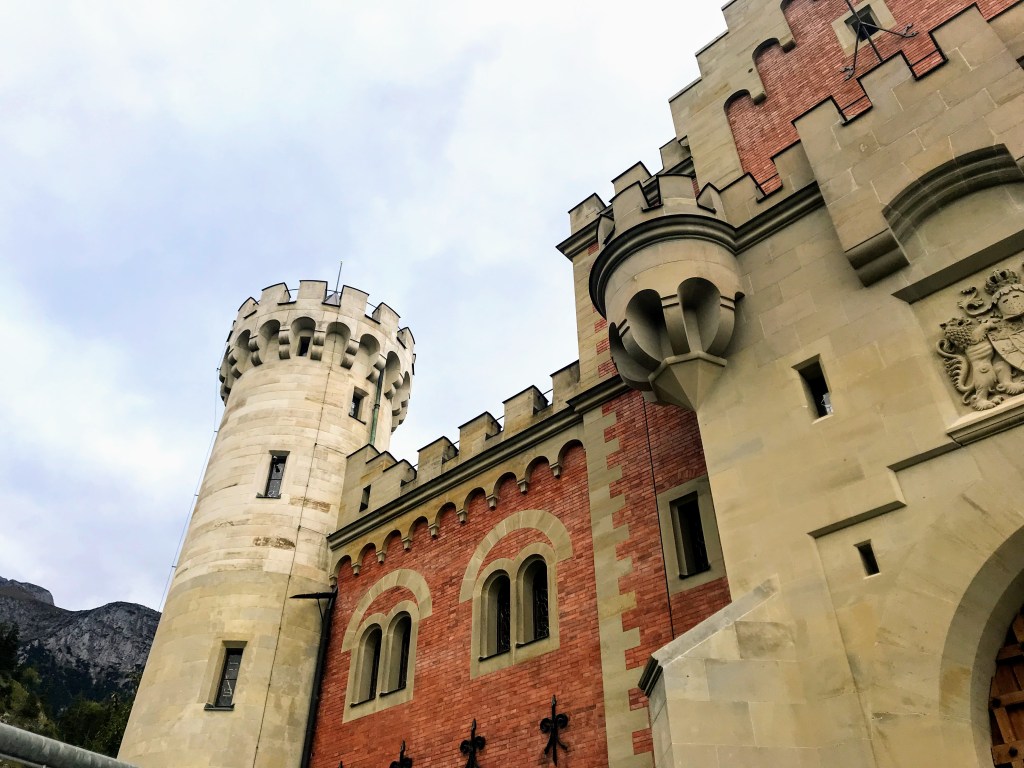
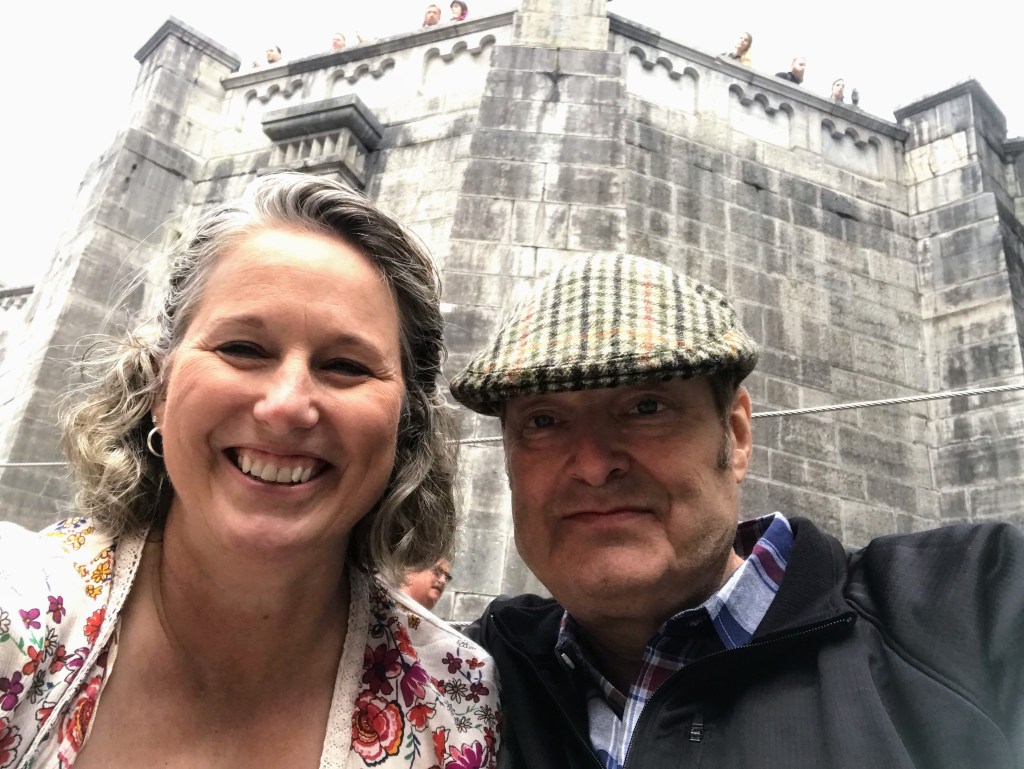
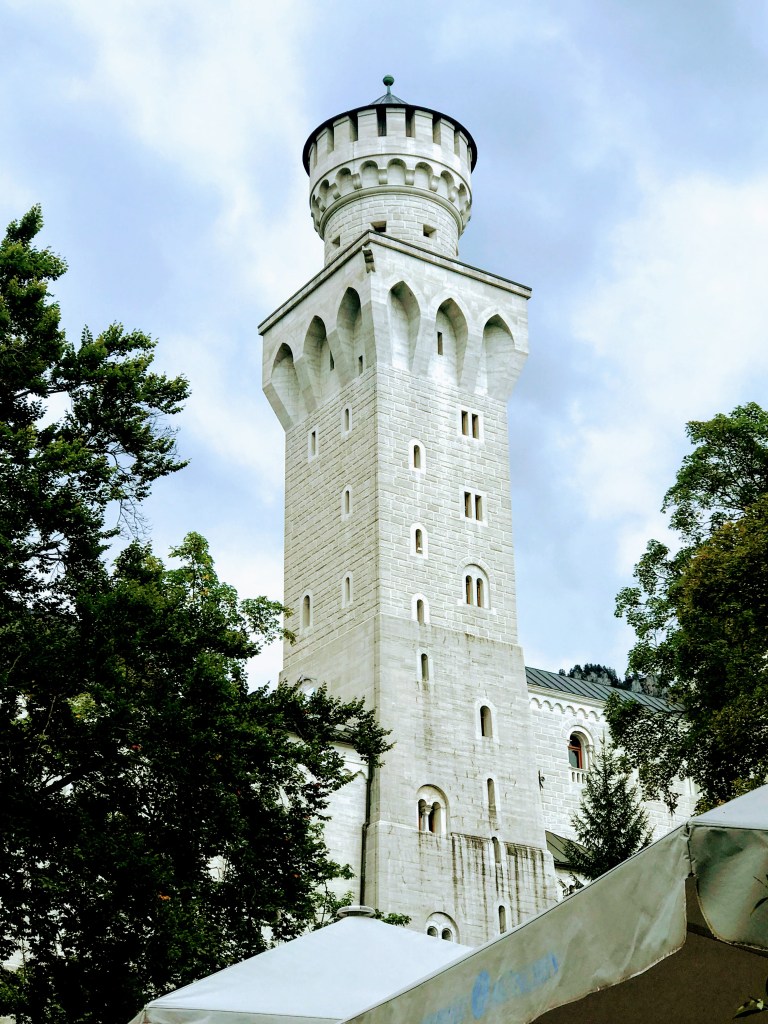
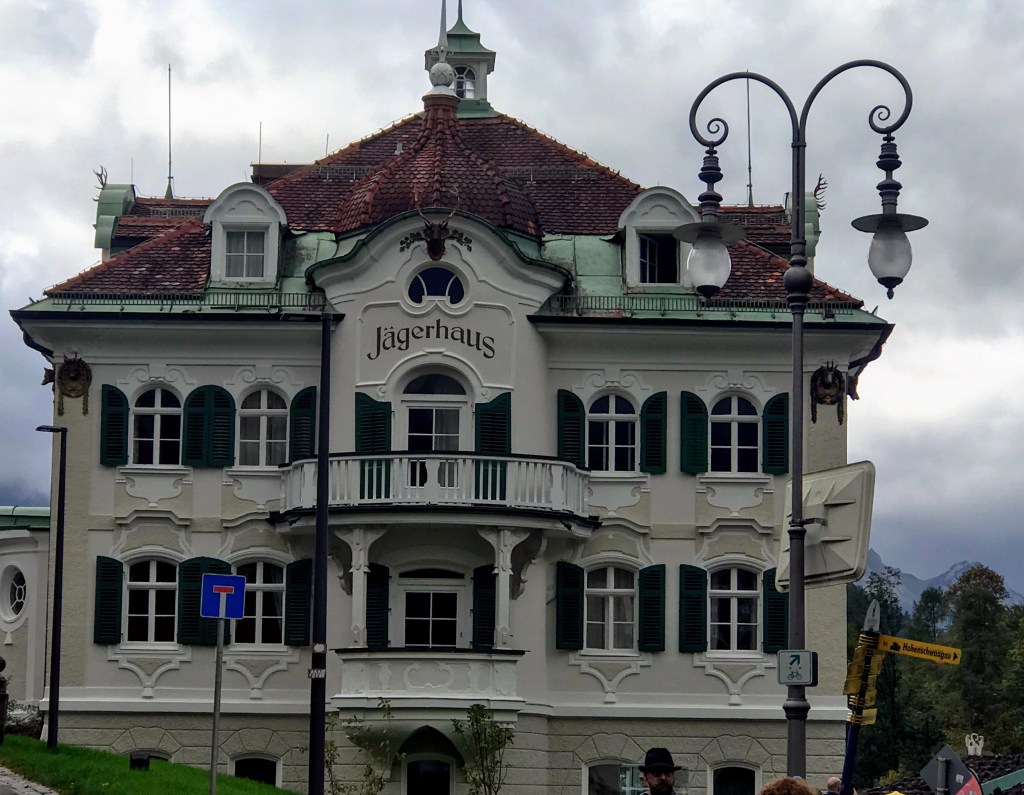
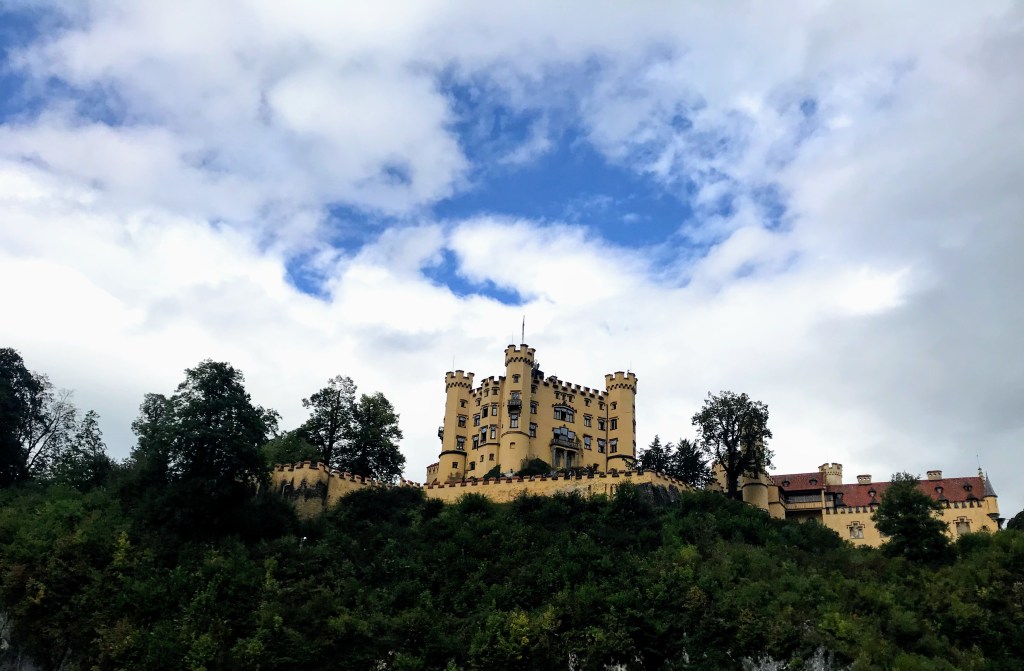
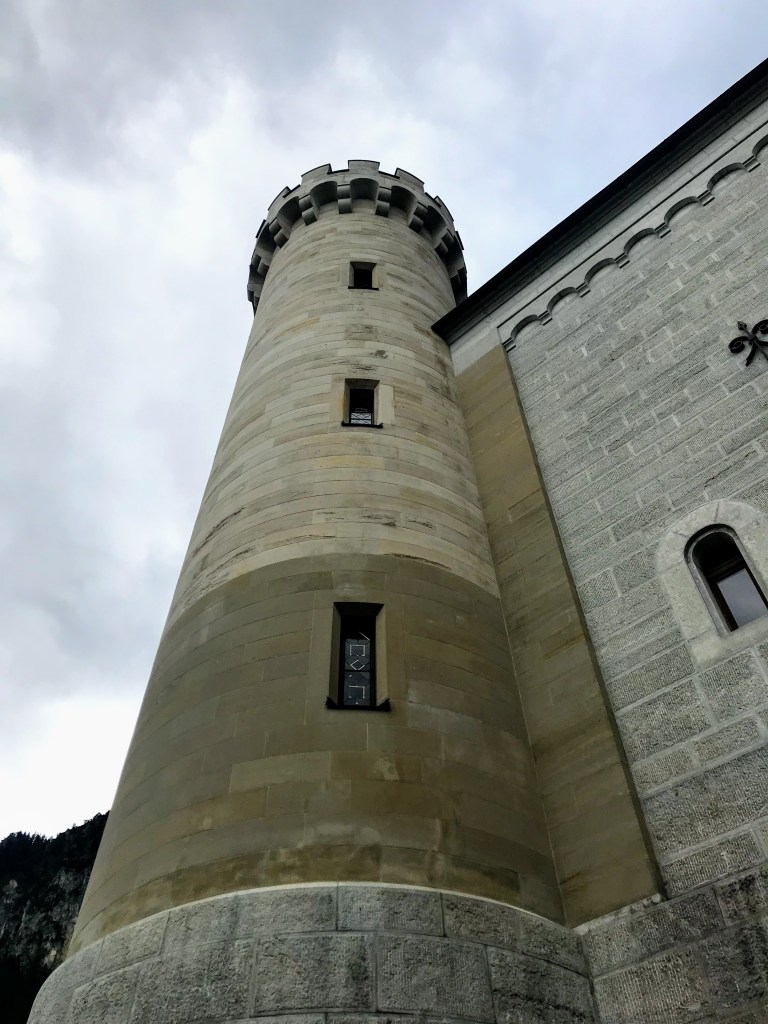
Words can not describe these castles! We toured the Linderhof castle which was the King’s hunting lodge – wow don’t show this to any of my hunting friends, I’m afraid our deer camps pale in comparison. Then we were off to see Neuschwanstein Castle! It is unbelievable and so enchanting just like in fairy tales. Having seen Sleeping Beauty’s castle at Disneyworld it definitely was inspired by this castle. The third castle pictured is Hohenschwangau, this is where King Ludwig grew up and was is father’s castle.

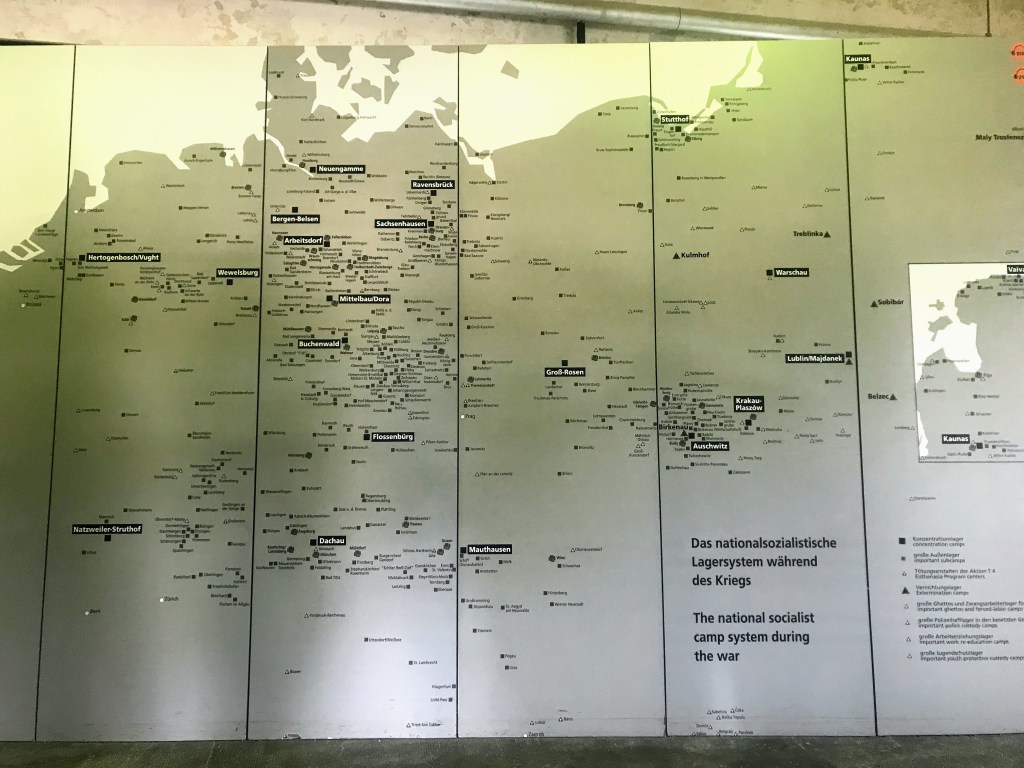
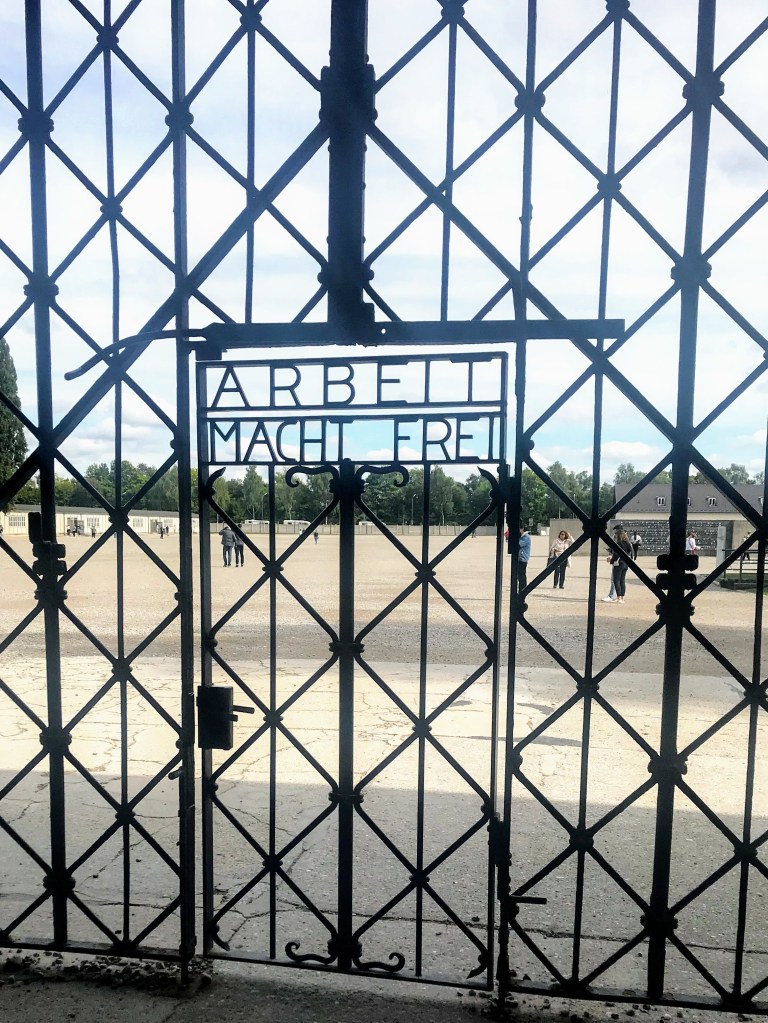
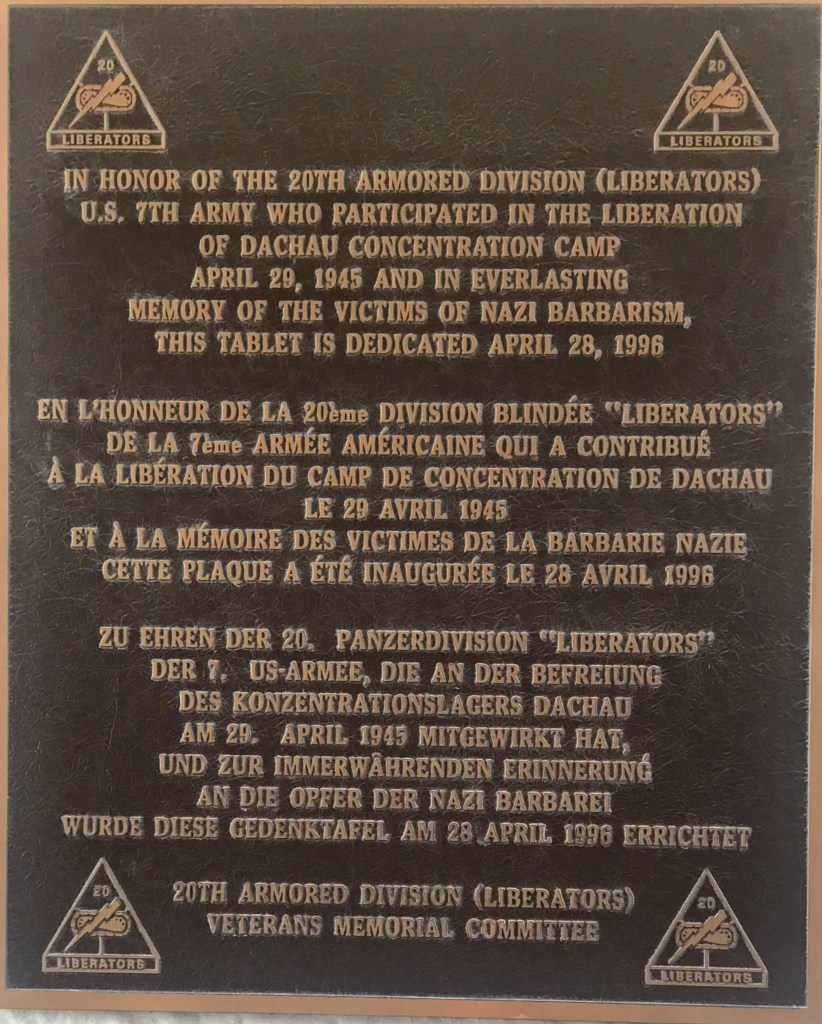
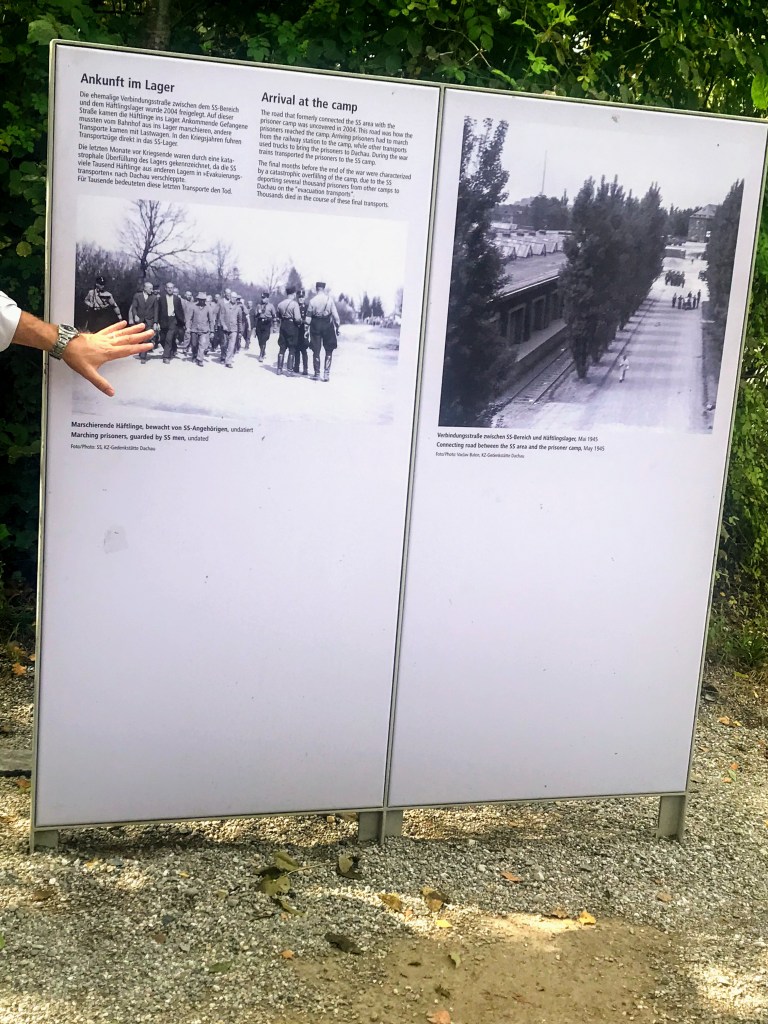
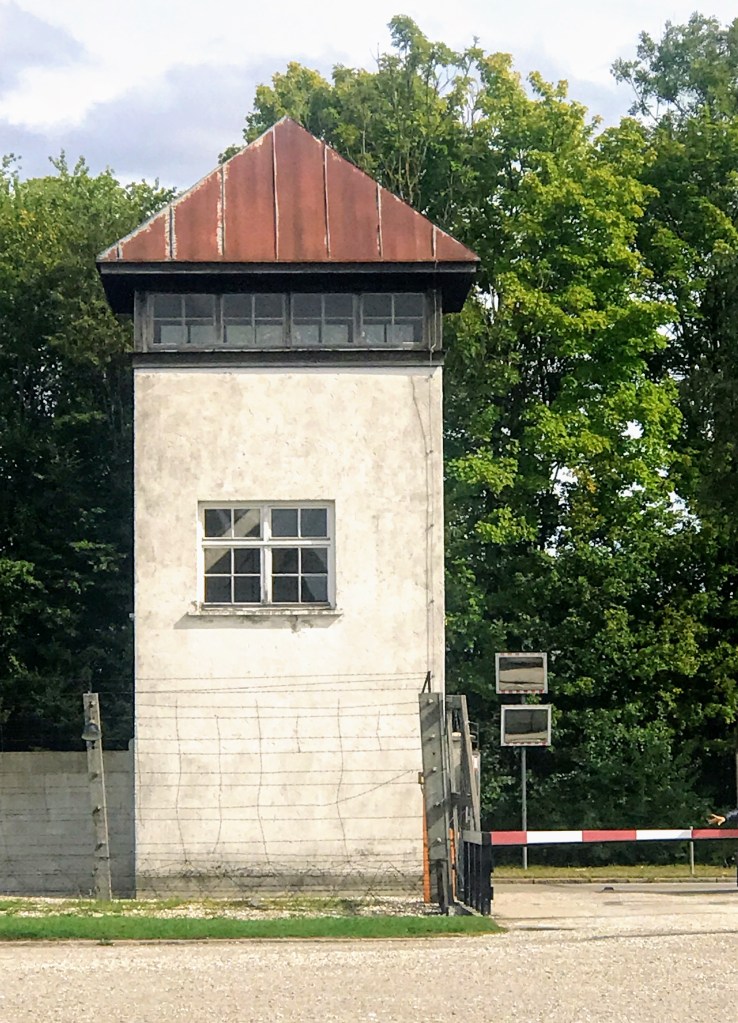
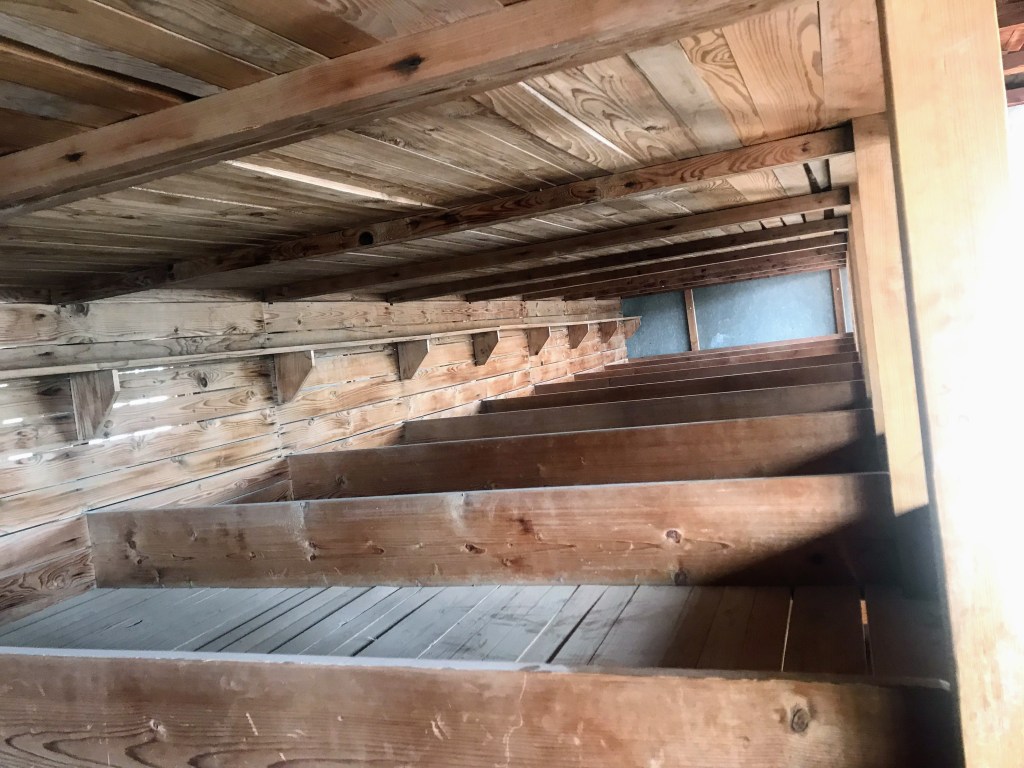
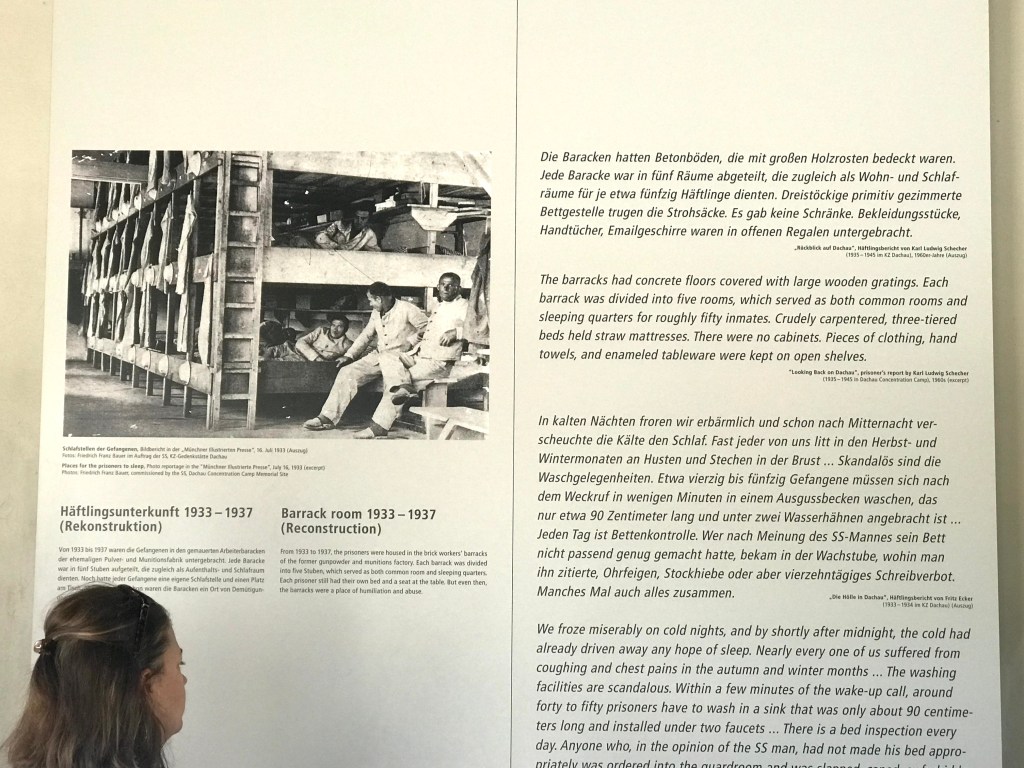
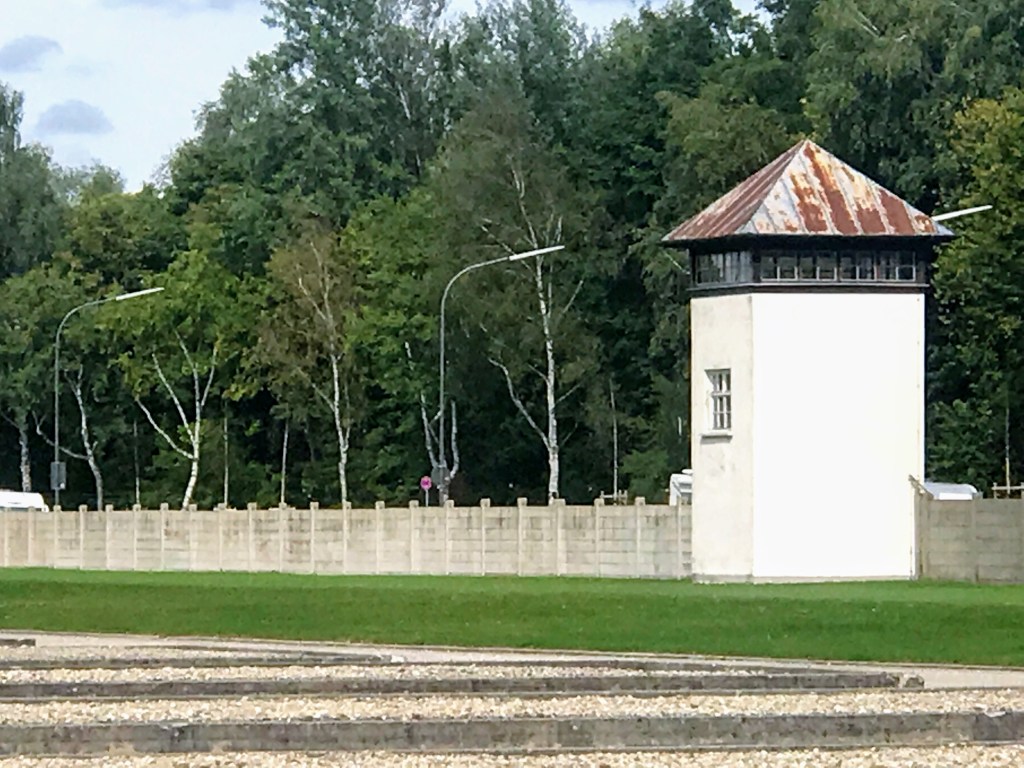
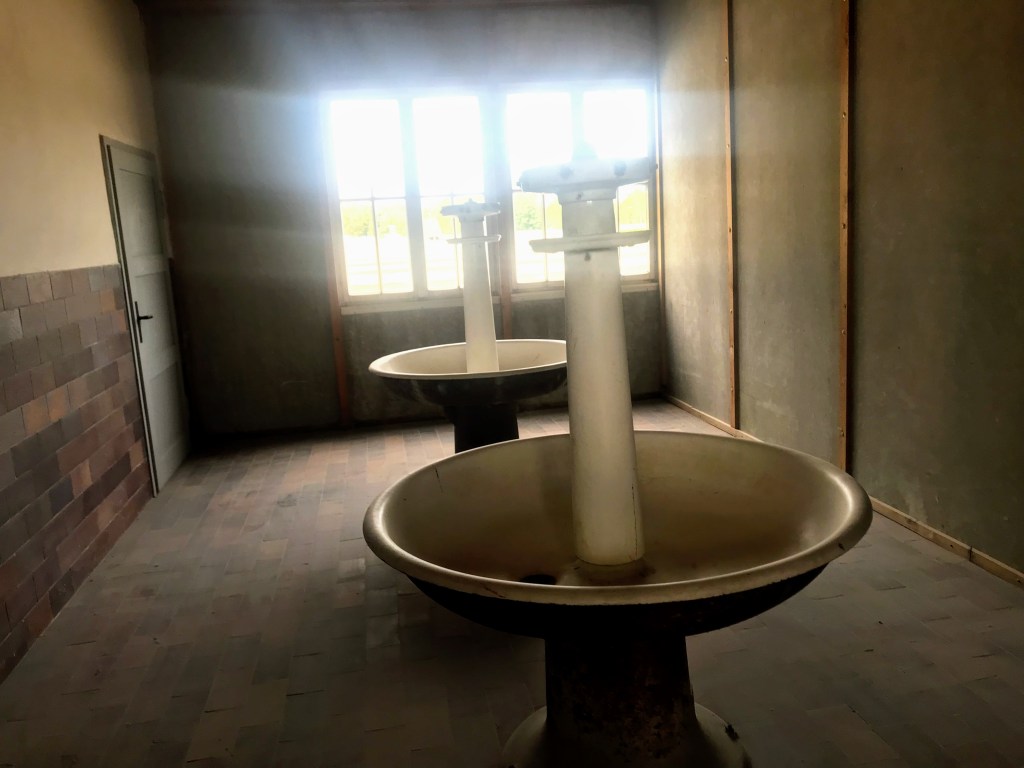
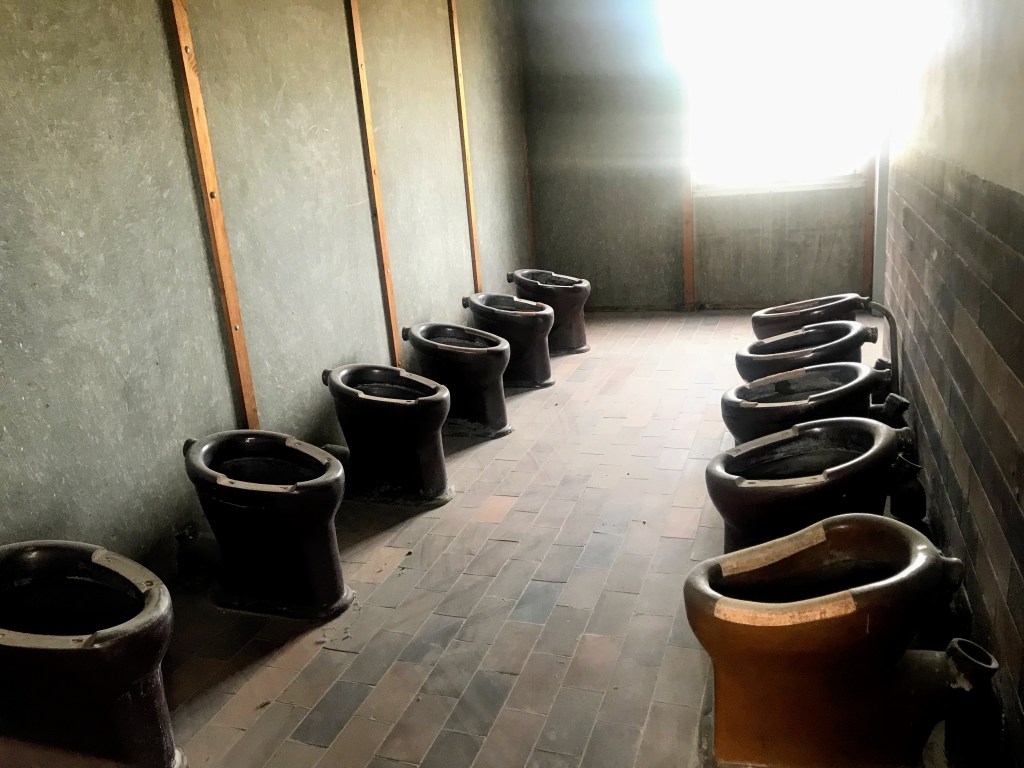
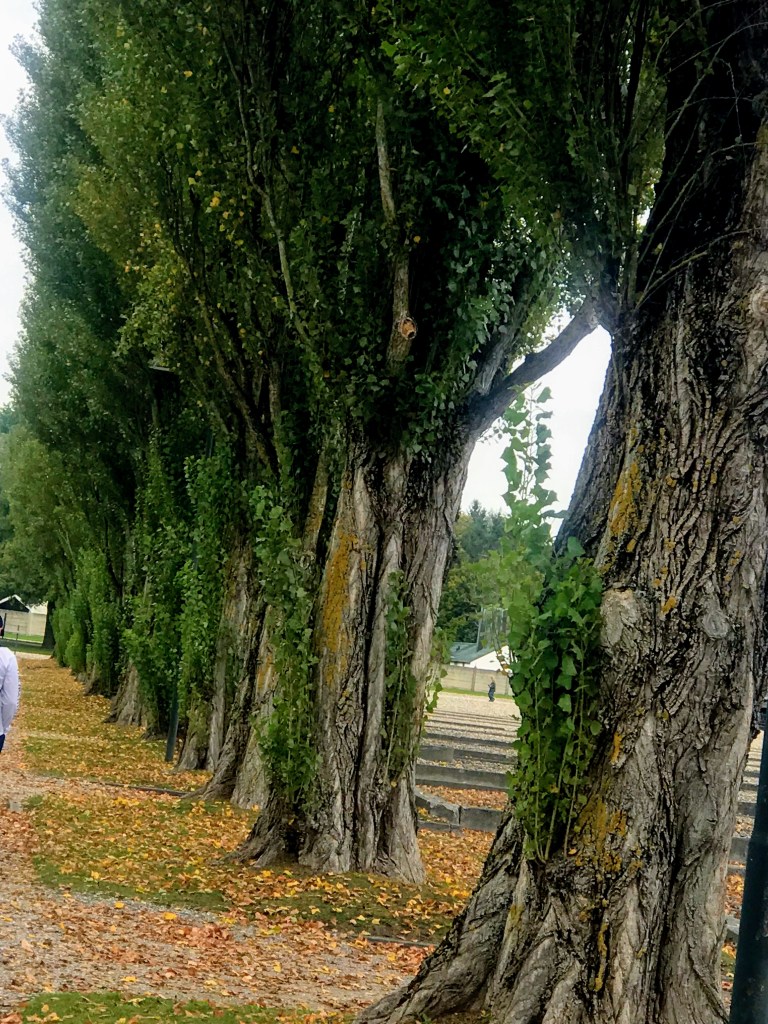
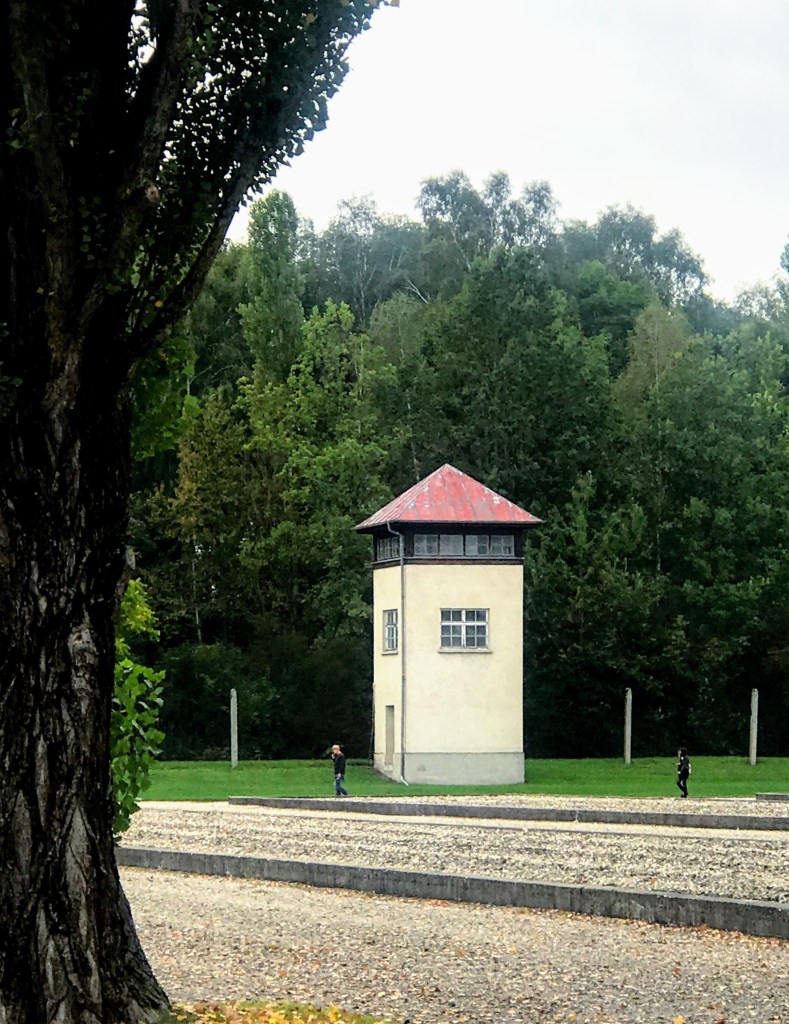
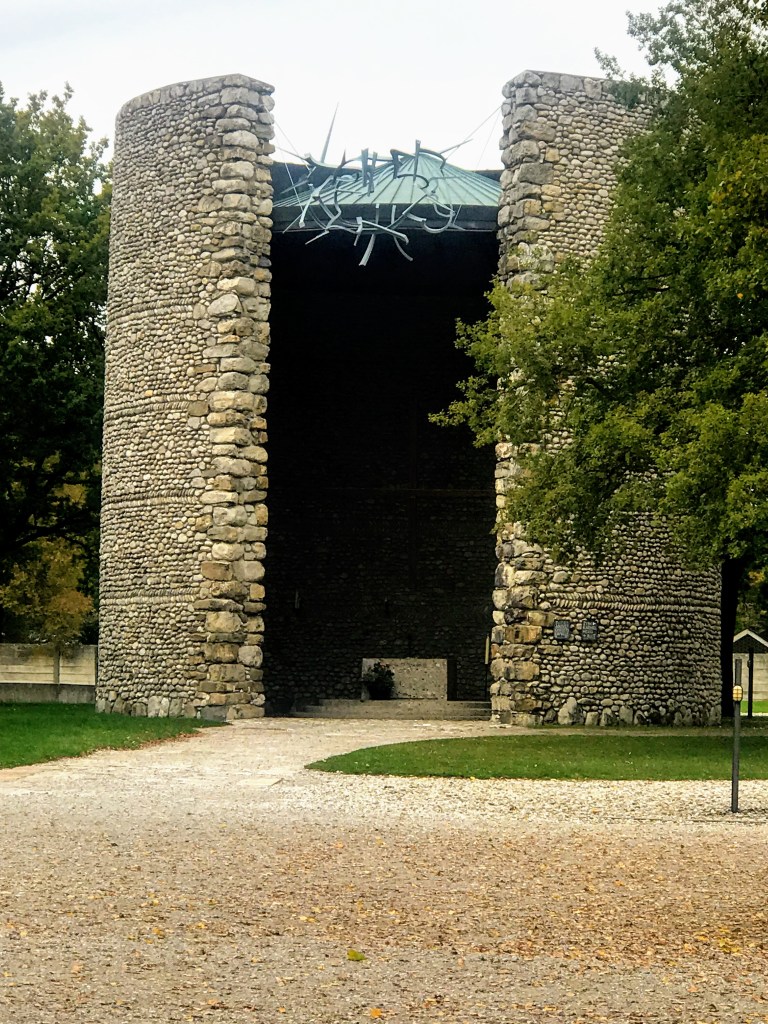
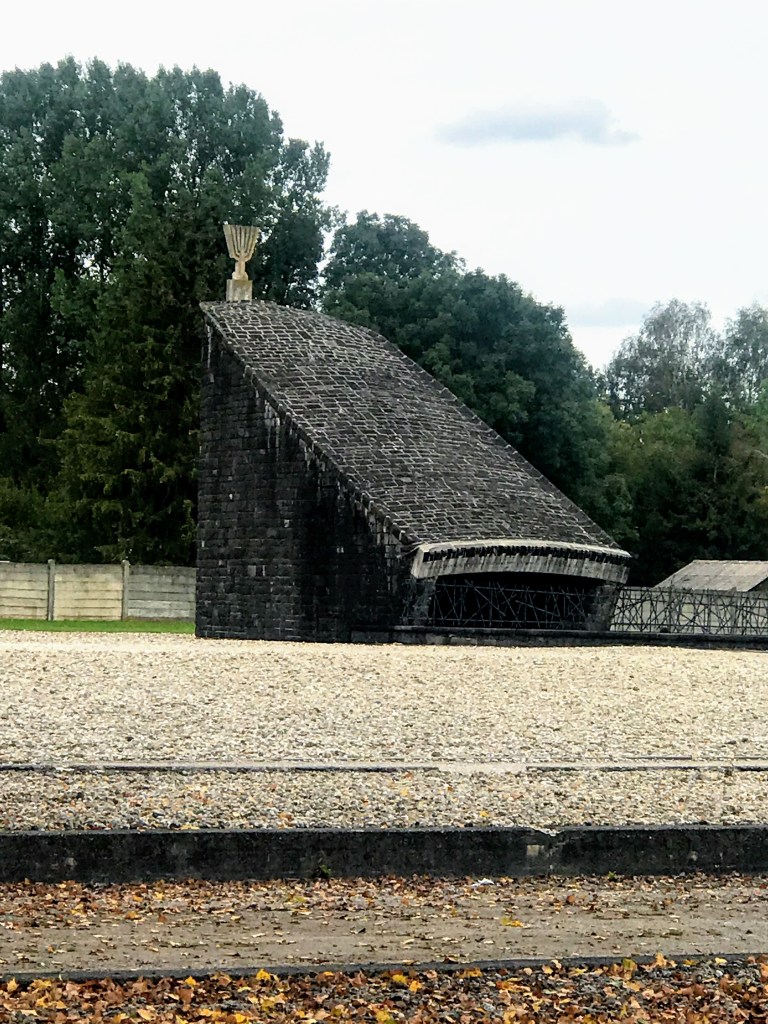
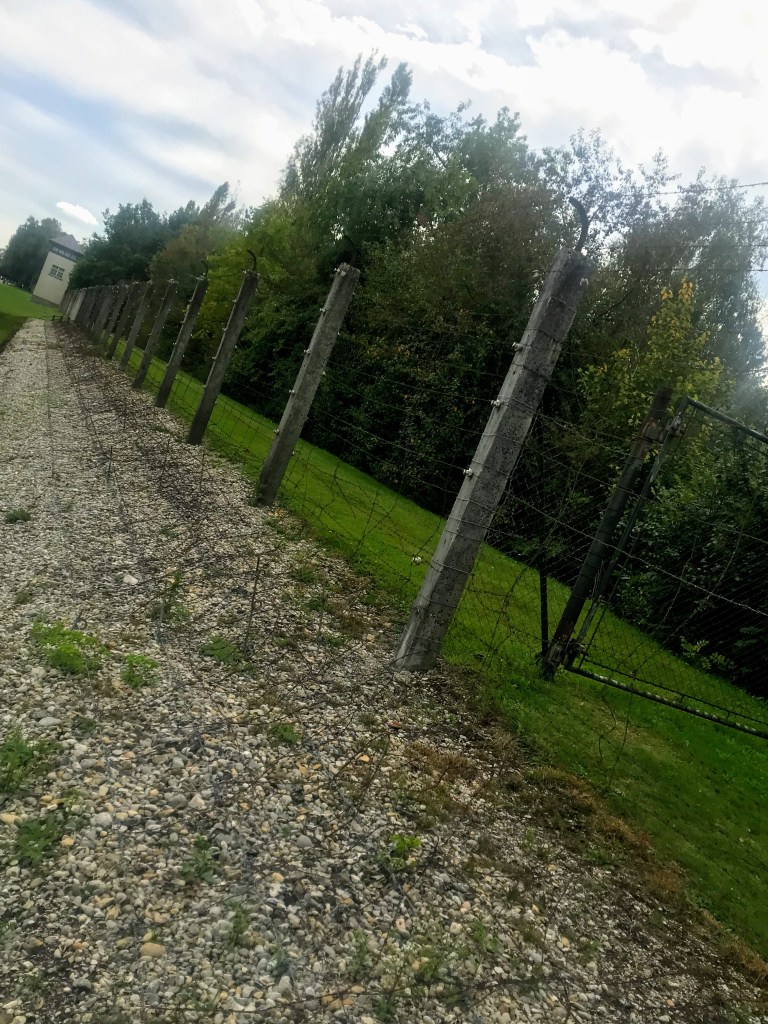
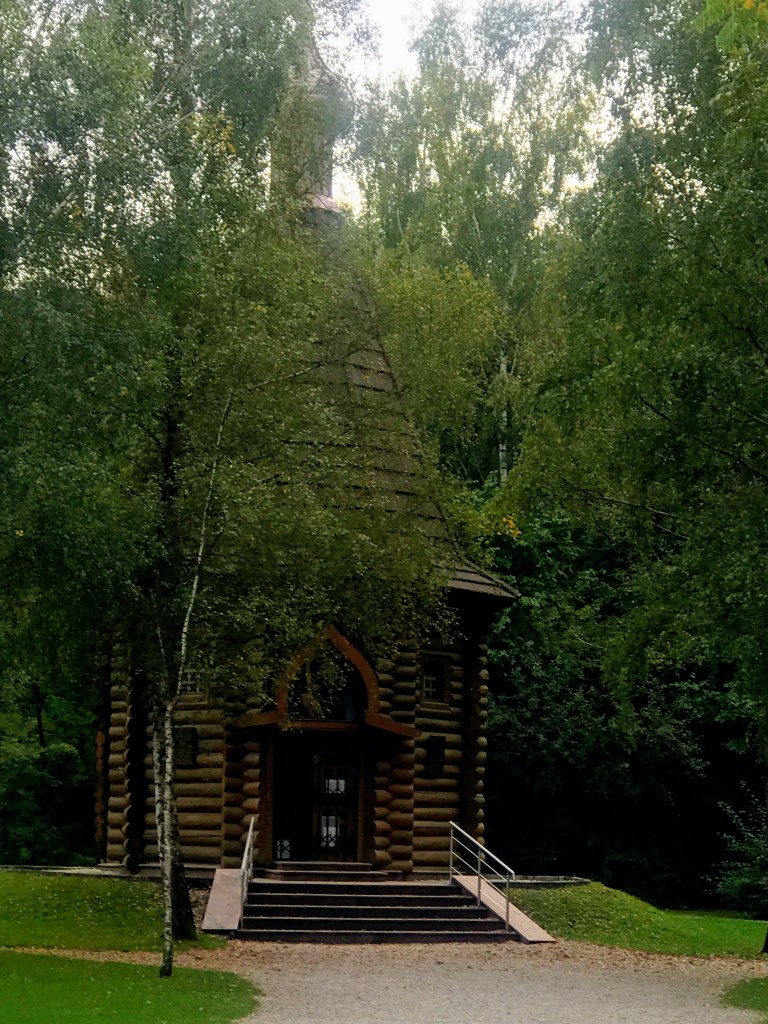
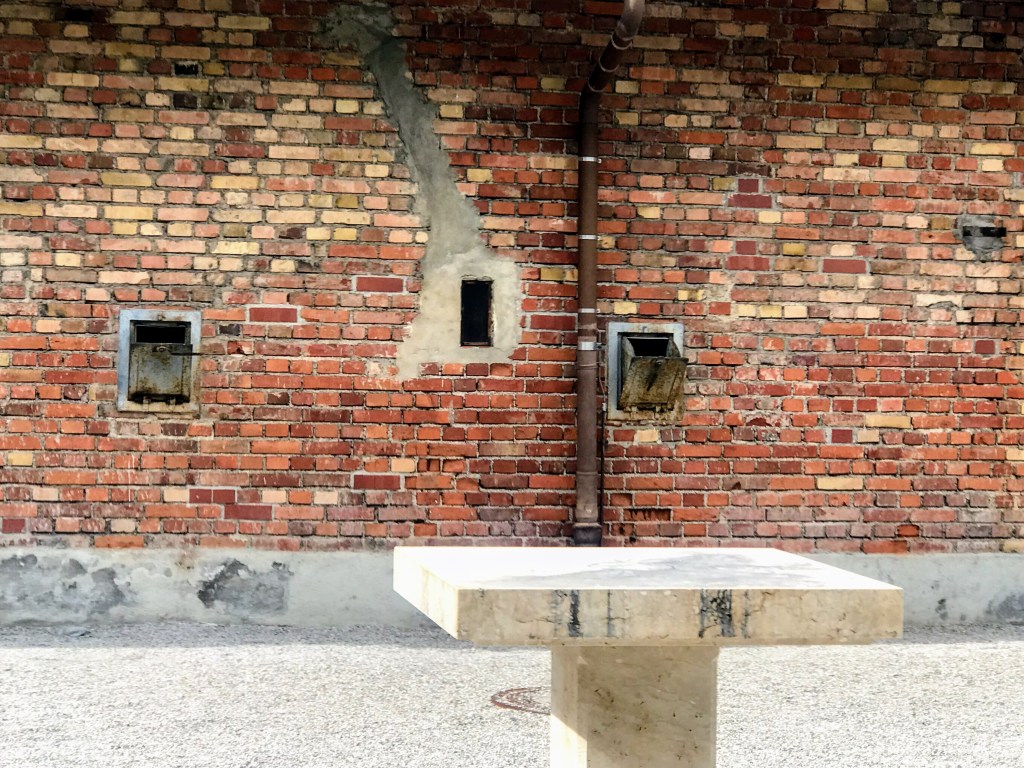
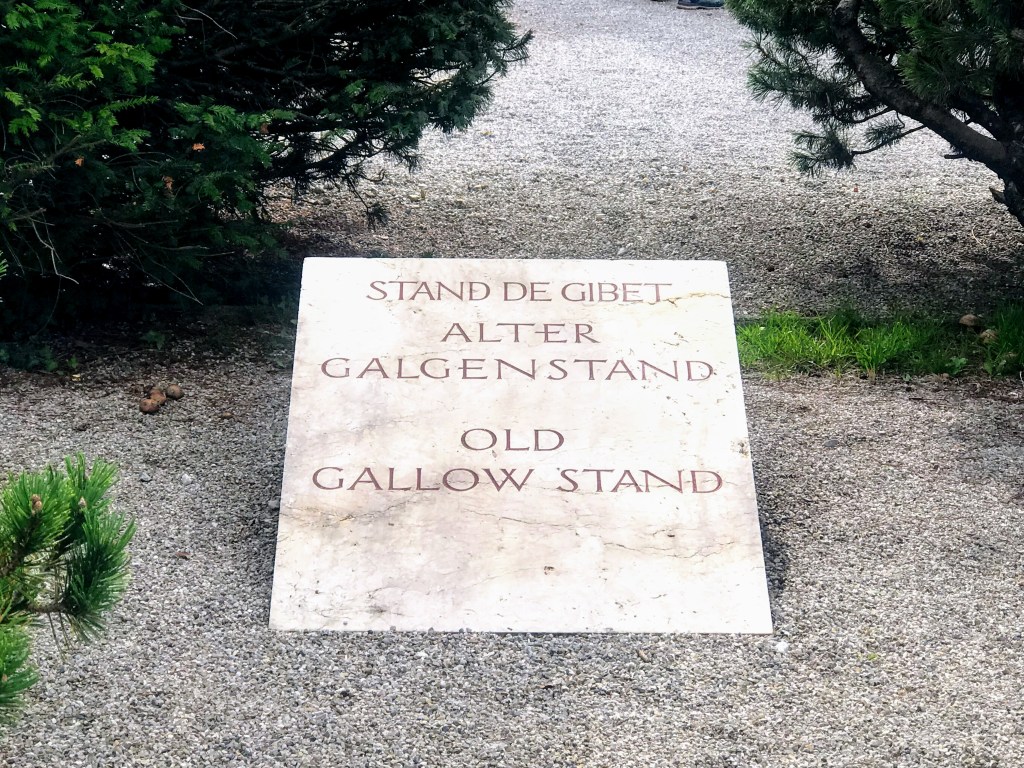
Dachau Concentration Camp Memorial

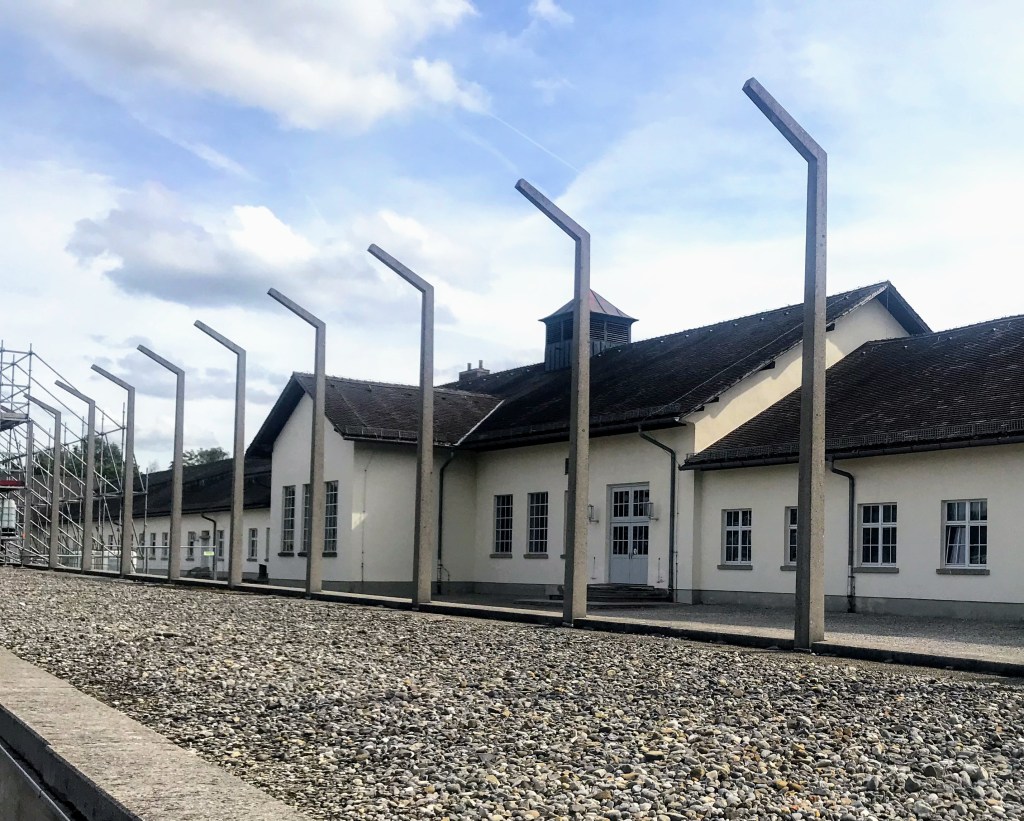
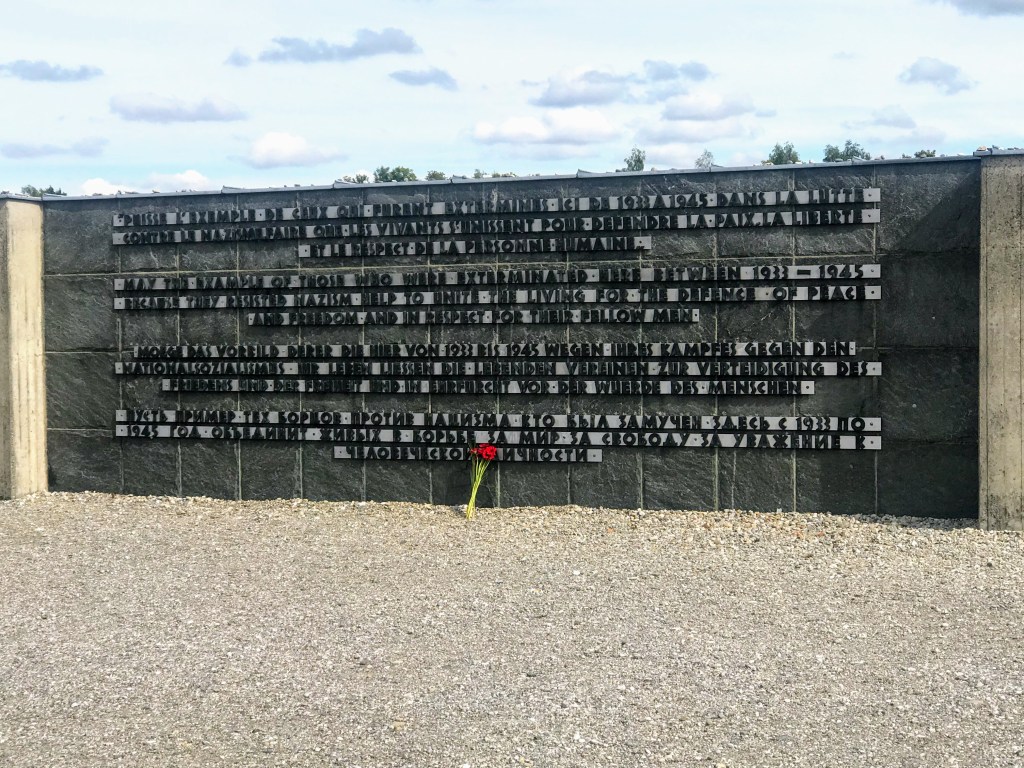
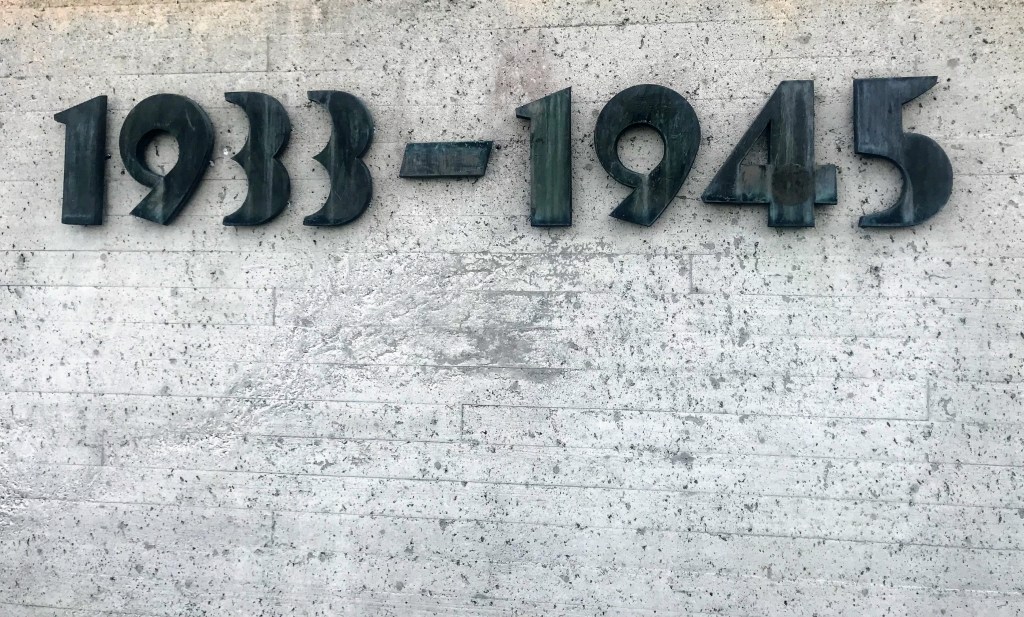
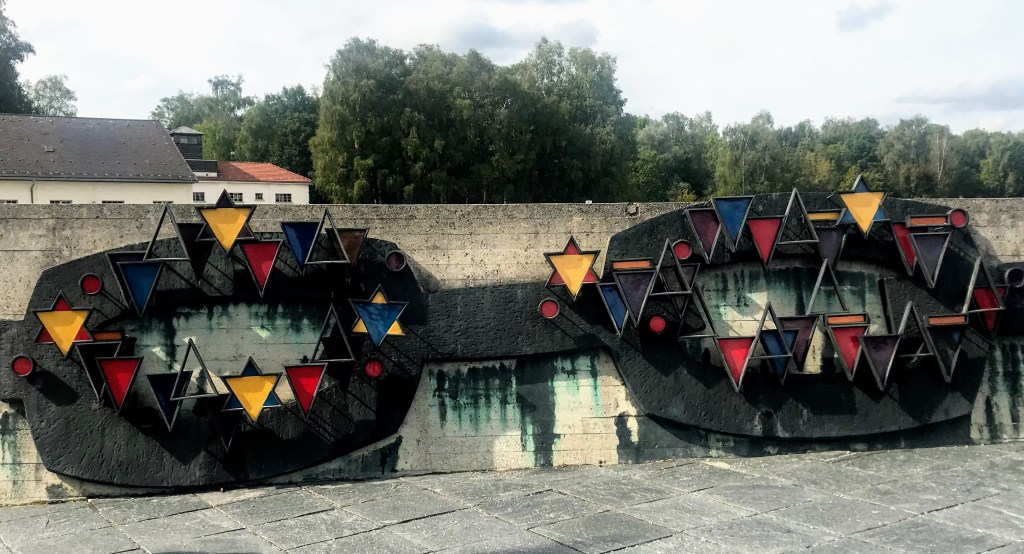
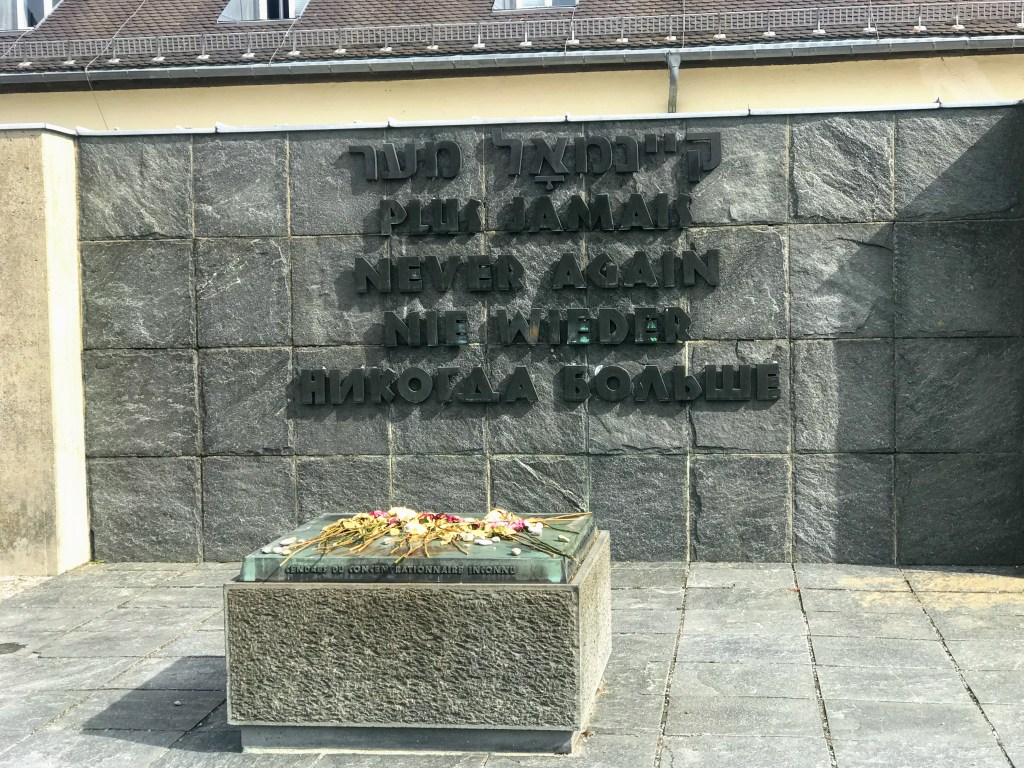
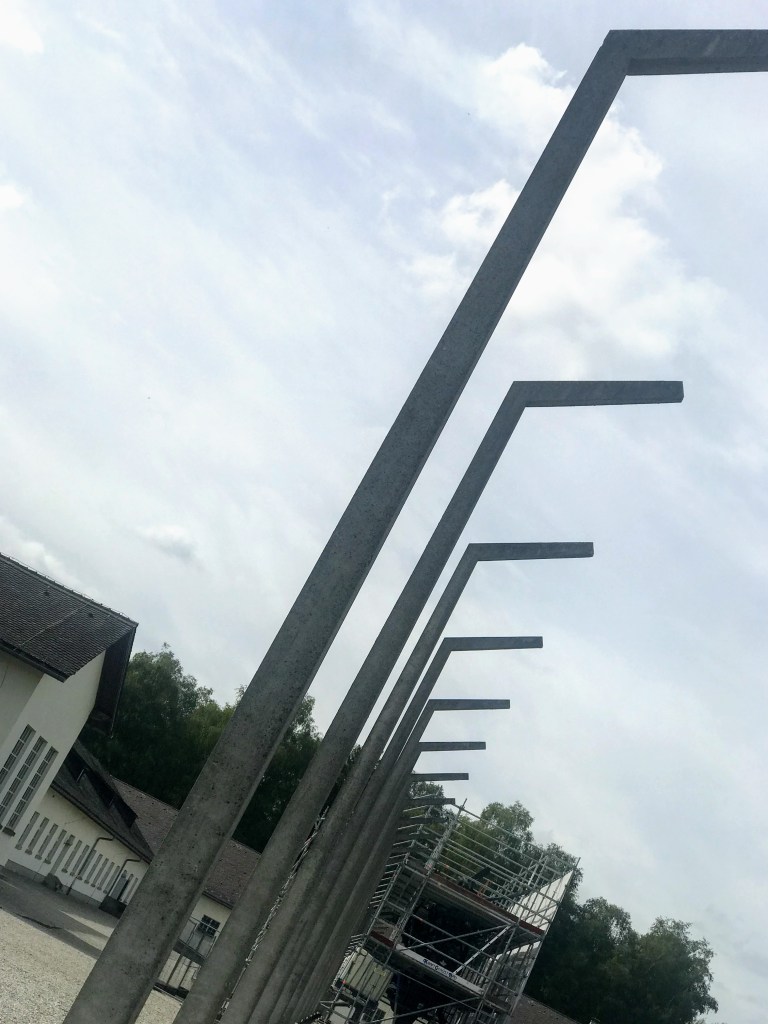
Gain insight into the Holocaust of World War II on this half-day tour of Dachau Concentration Camp Memorial Site from Munich. Travel by train and bus to the memorial site, and take a guided tour of the compound, a place of memorial and education dedicated to the thousands who were imprisoned and lost their lives there between 1933 and 1945. Learn how Dachau provided a model for all Nazi camps, and see the exhibitions and memorials, together with the reconstructed barracks and cells, as your guide provides illuminating, informative and sensitive commentary.
  • Dachau Concentration Camp Memorial Site tour from Munich
  • Tour the exhibition center and former compound with a professional guide
  • Learn about Dachau’s history at the exhibition center
  • See the camp gate and reconstructed barracks, cells, guard houses and other buildings
  • Pay your respects at the international and religious memorials
  • Round-trip travel to Dachau by local train and bus included

I’m not going to ponder long on the concentration camp, it is what it is. After going to Auschwitz and Birkenau in Poland, we knew what to expect. It is sad to know that there are these type of people in the world.

Berchtesgaden and the Eagle’s Nest

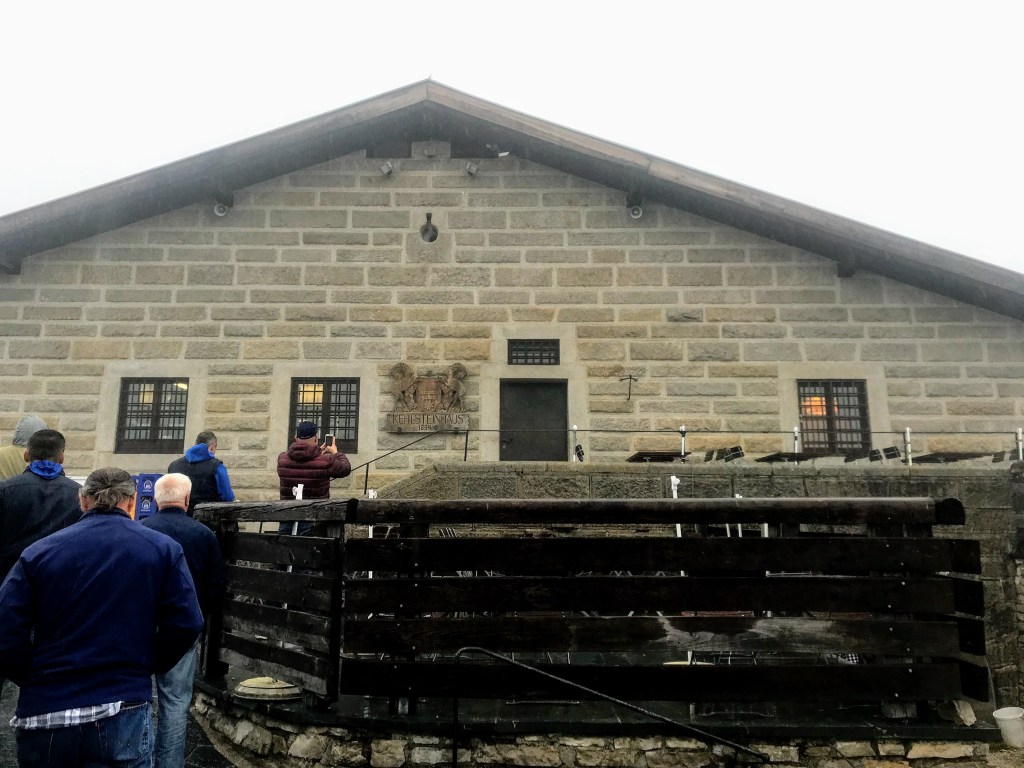
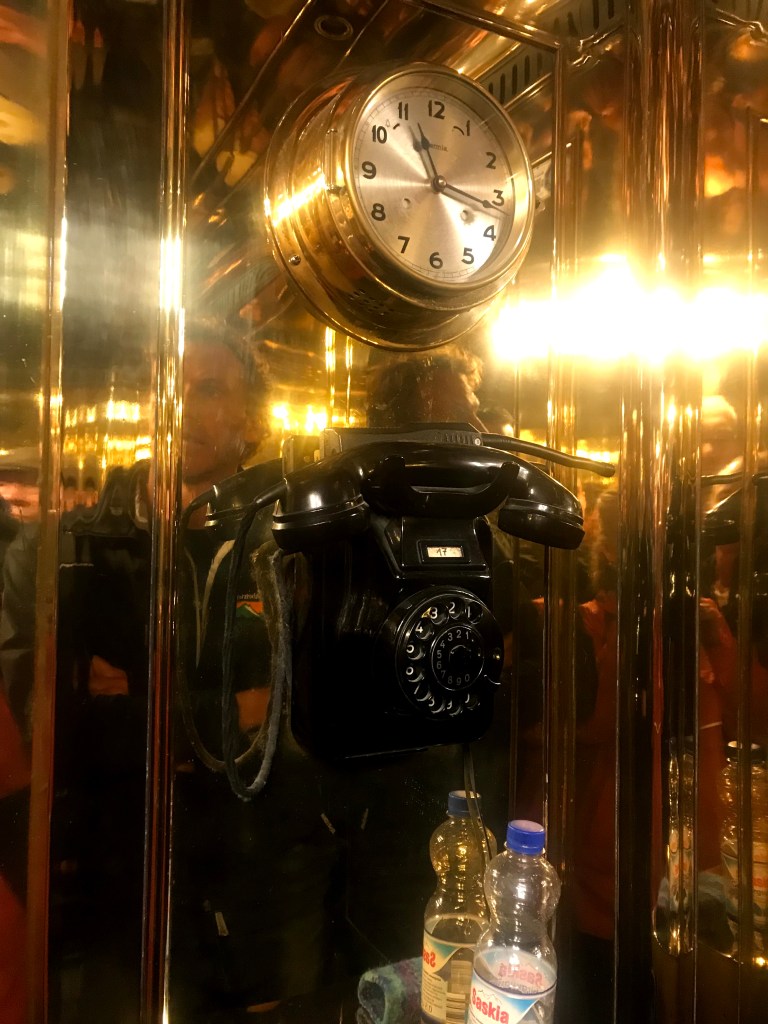
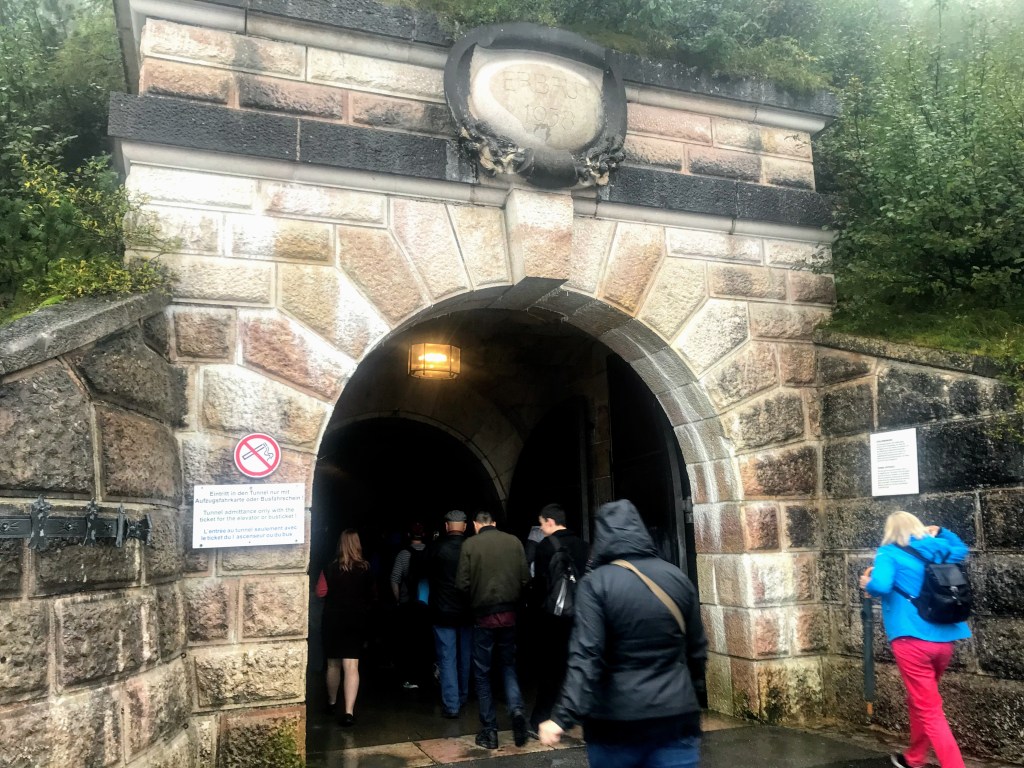
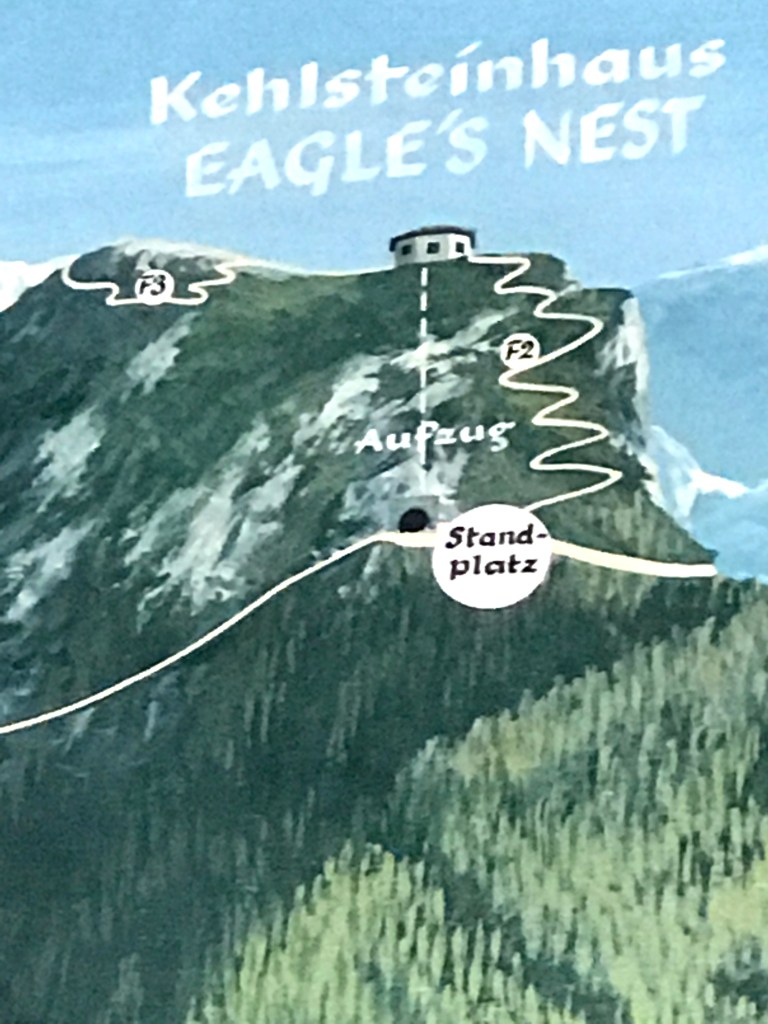
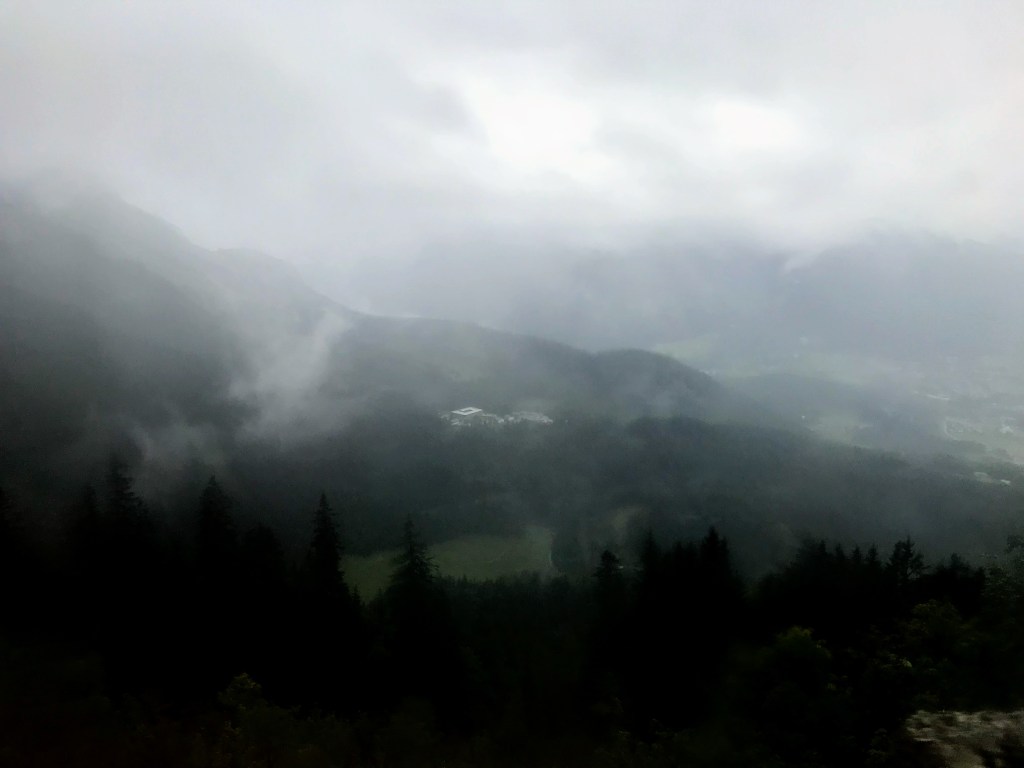
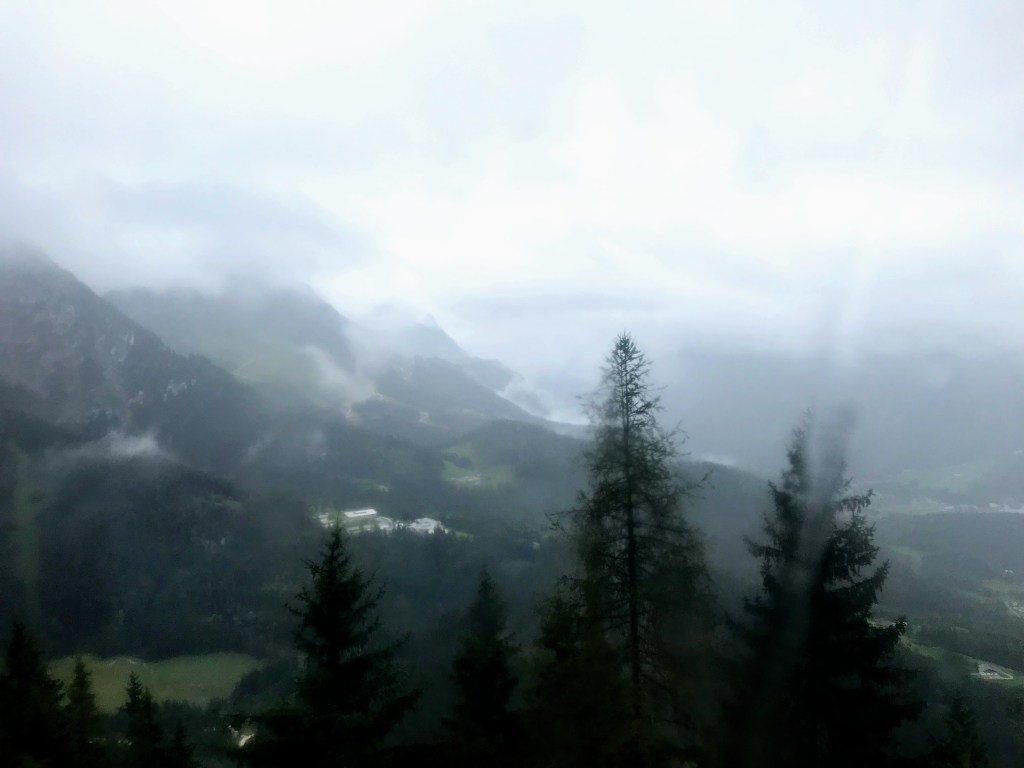
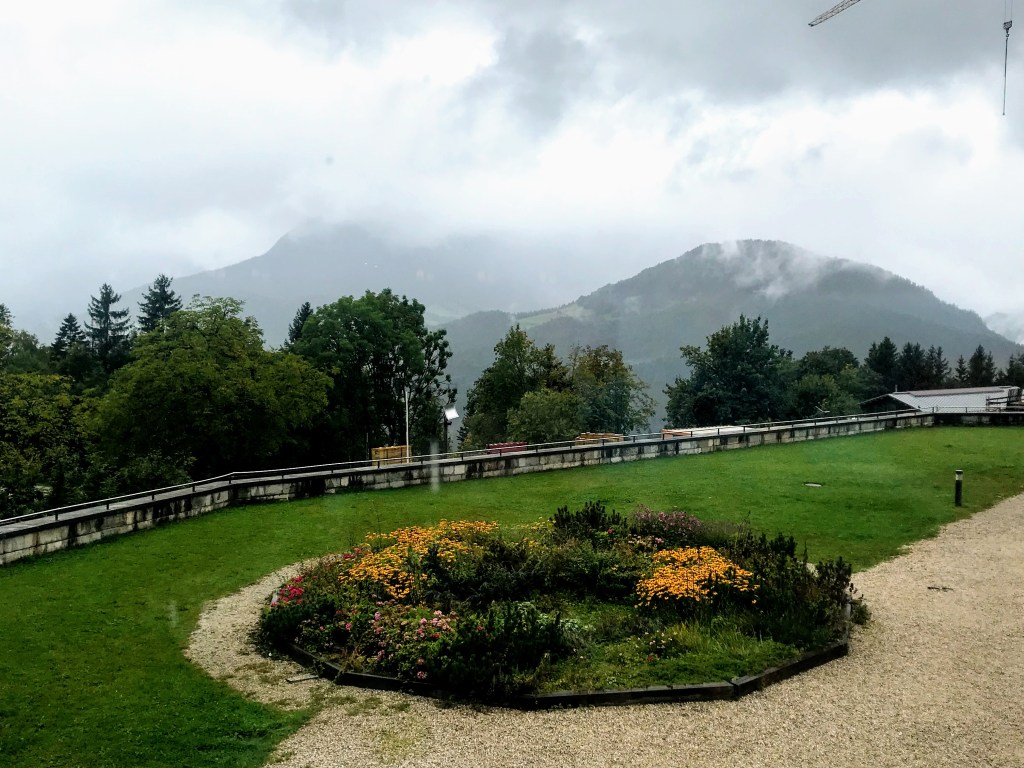
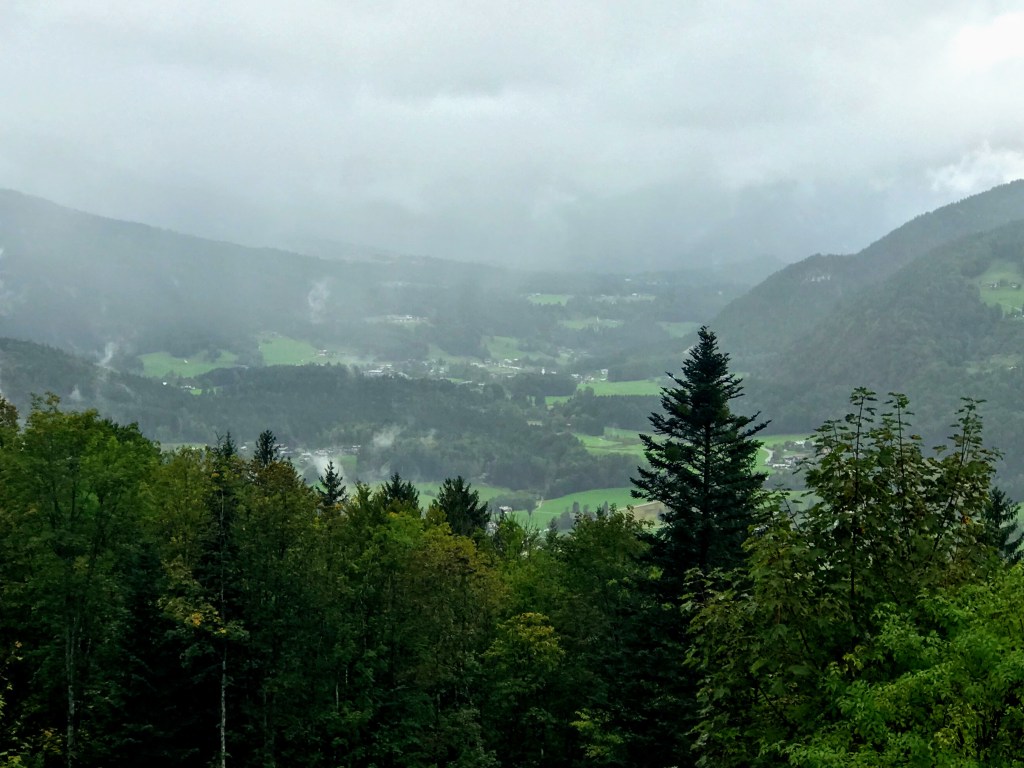
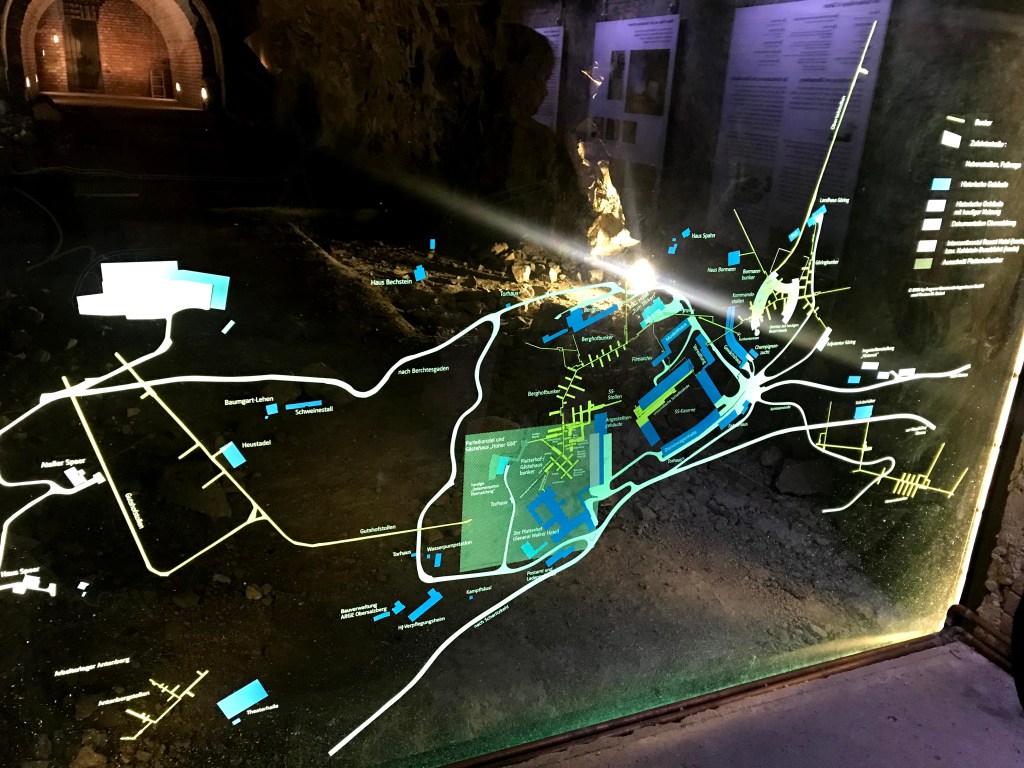
The impressive mountain scenery and the beautiful landscape of the Berchtesgadener Land will definitely fascinate you. Our tour will offer you the opportunity to pay a visit at the NS Documentation Center on Obersalzberg. A special bus and lift then take you up to the Kehlsteinhaus at an altitude of 1,834m where you will be rewarded with spectacular views.

Our guide will give a comprehensive summary of the historical events and answer any questions. Afterwards, we will have a short stop in the town of Berchtesgaden.

The return journey via the German alpine road shows you the impressive valleys of Bavaria. 

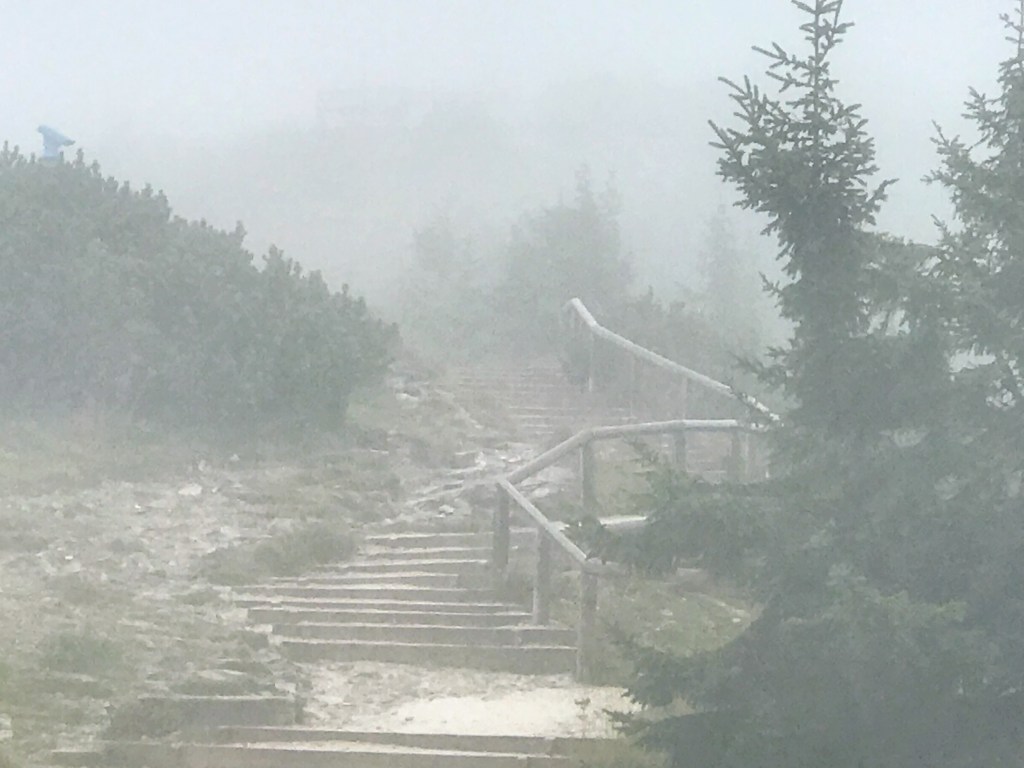
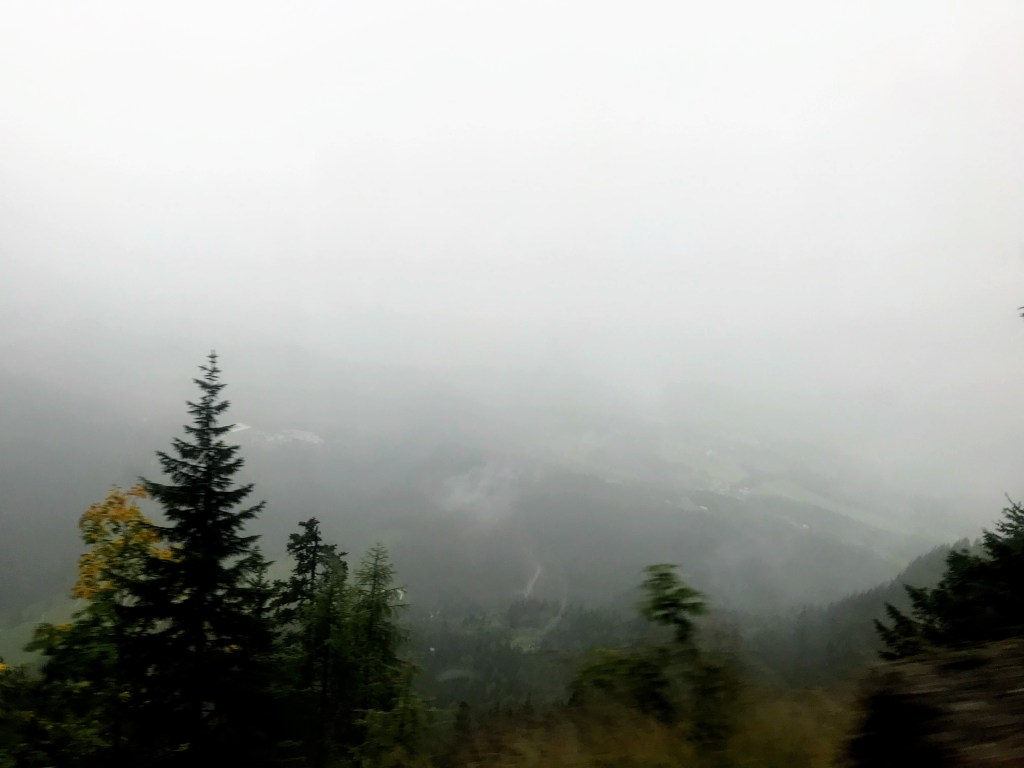
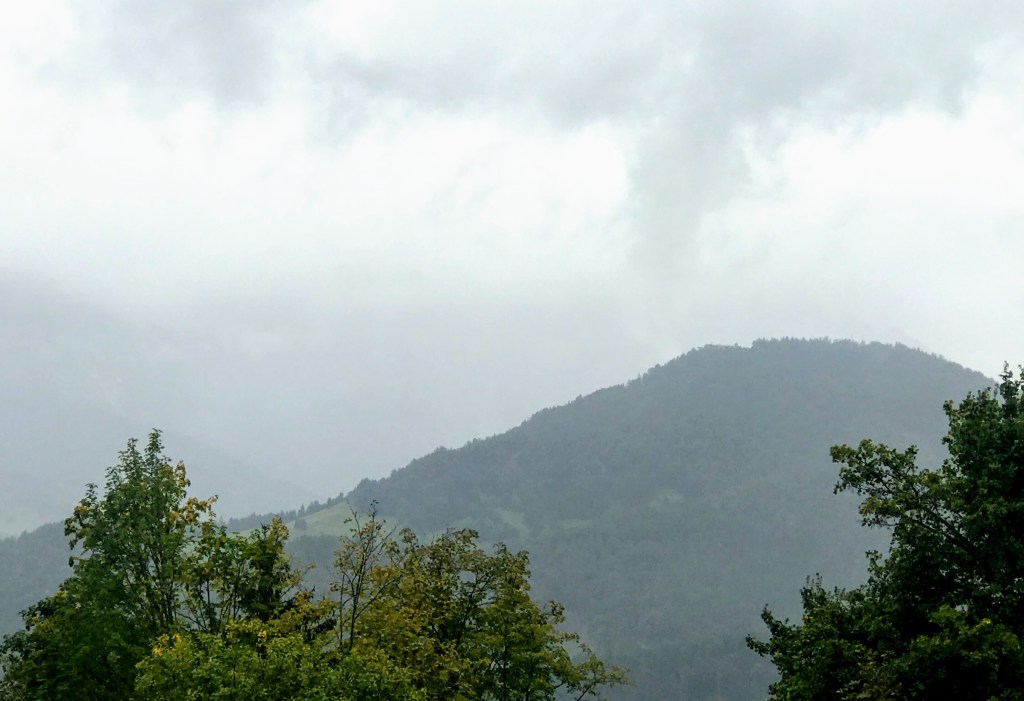
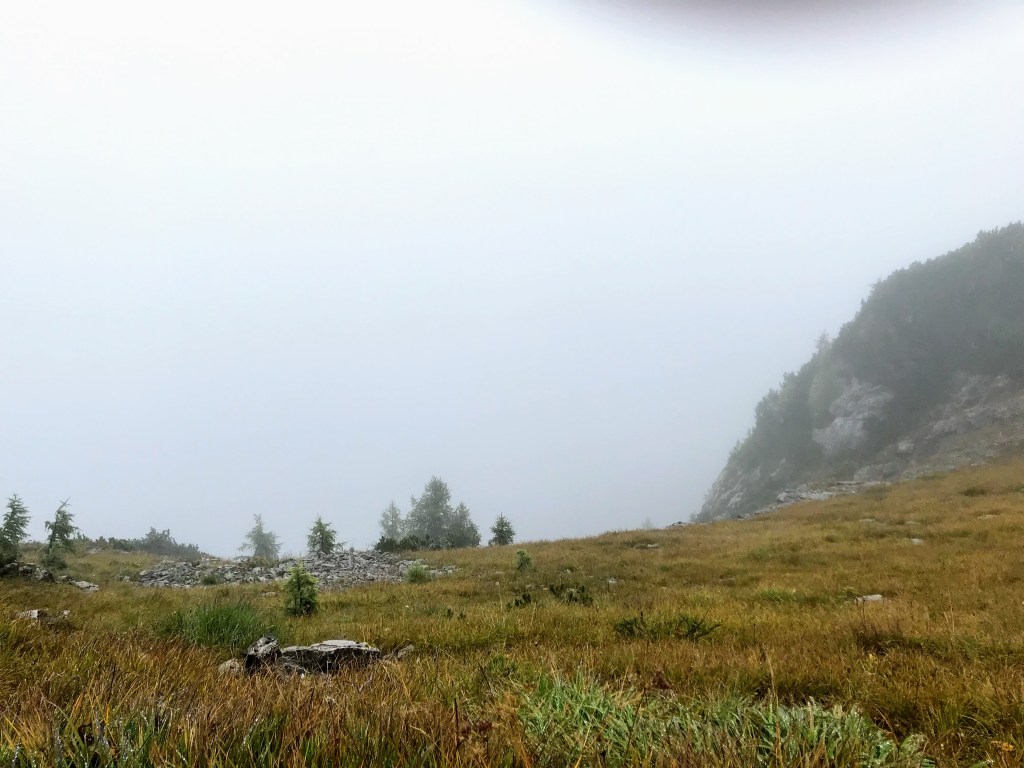
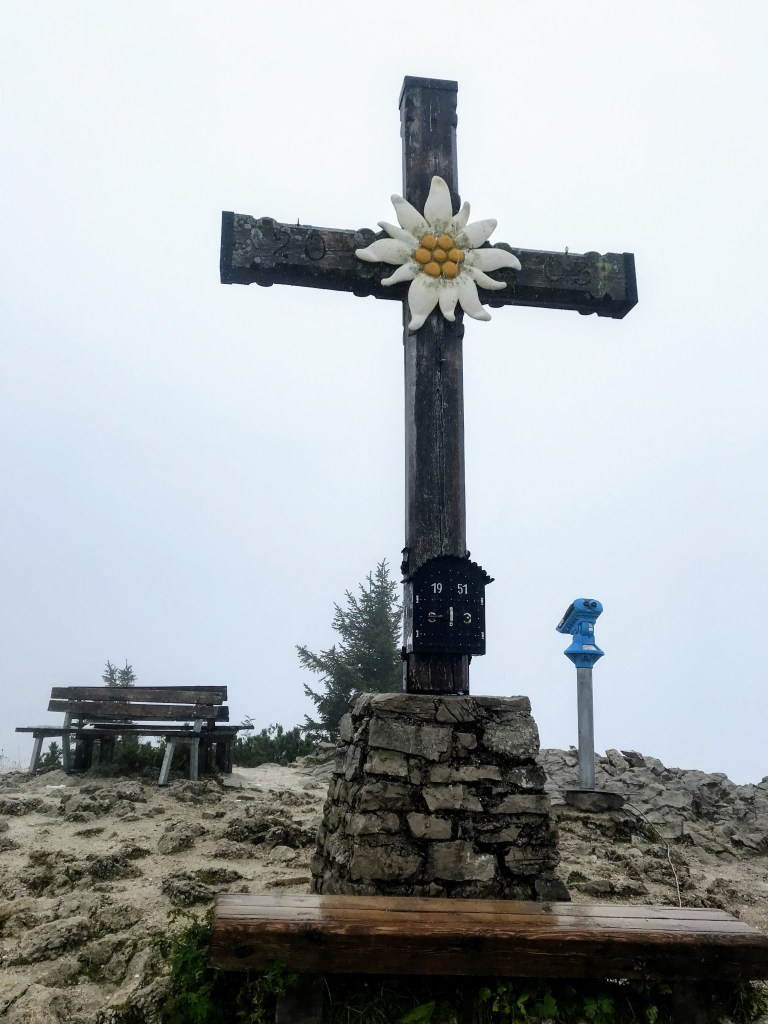
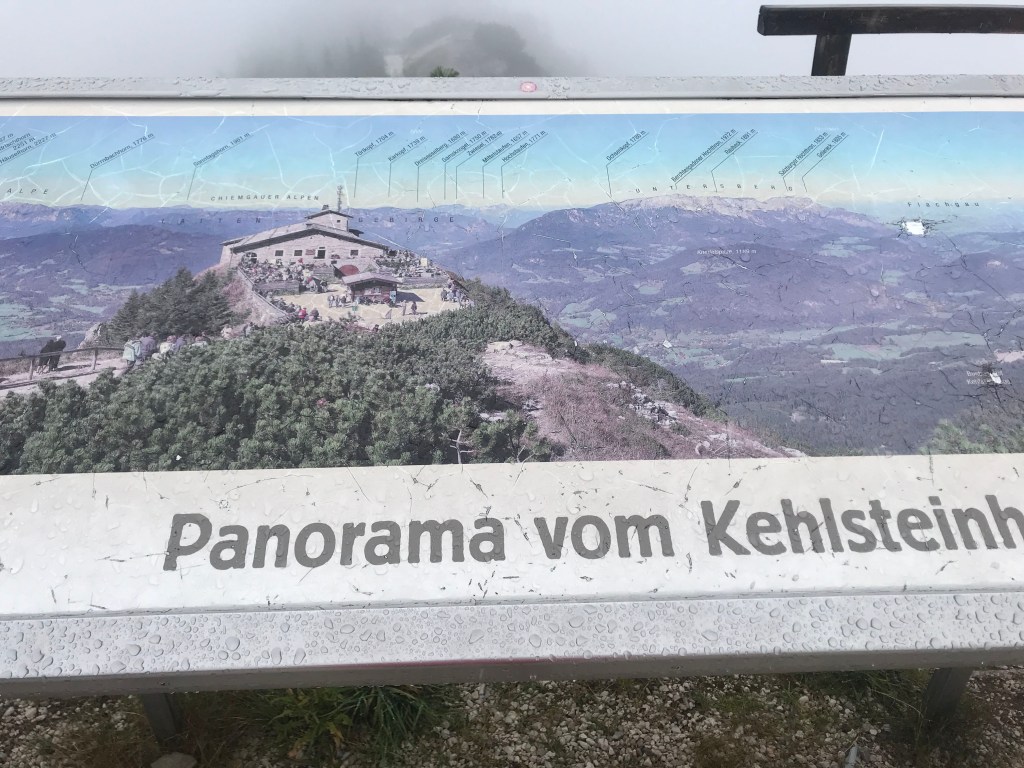
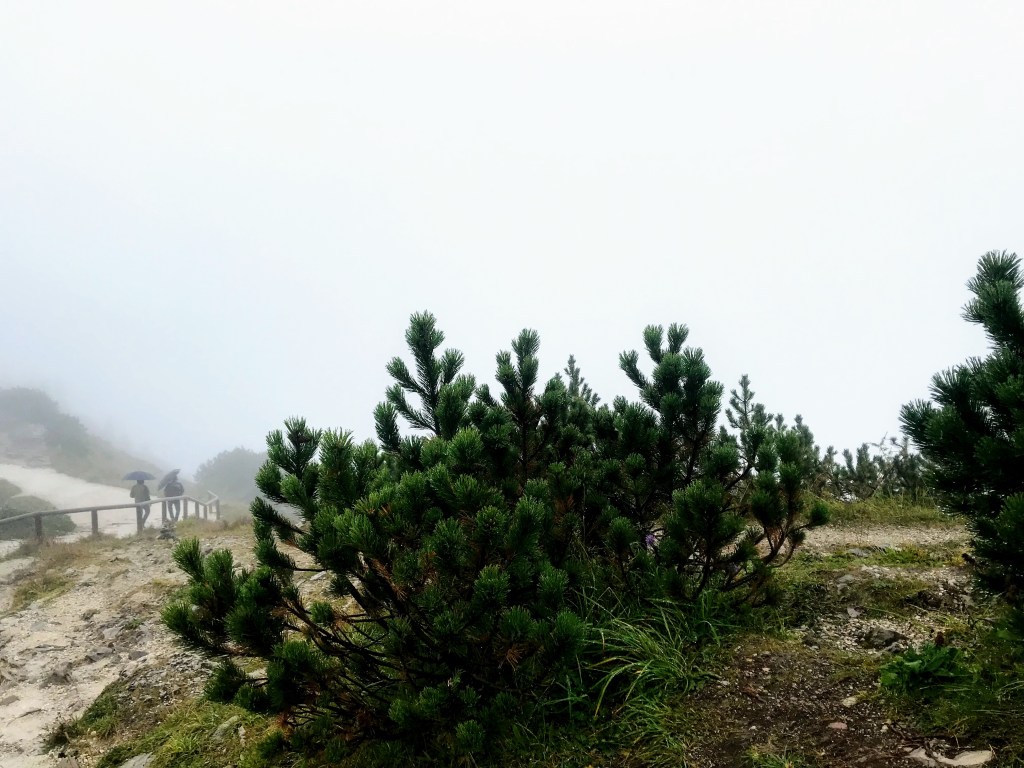
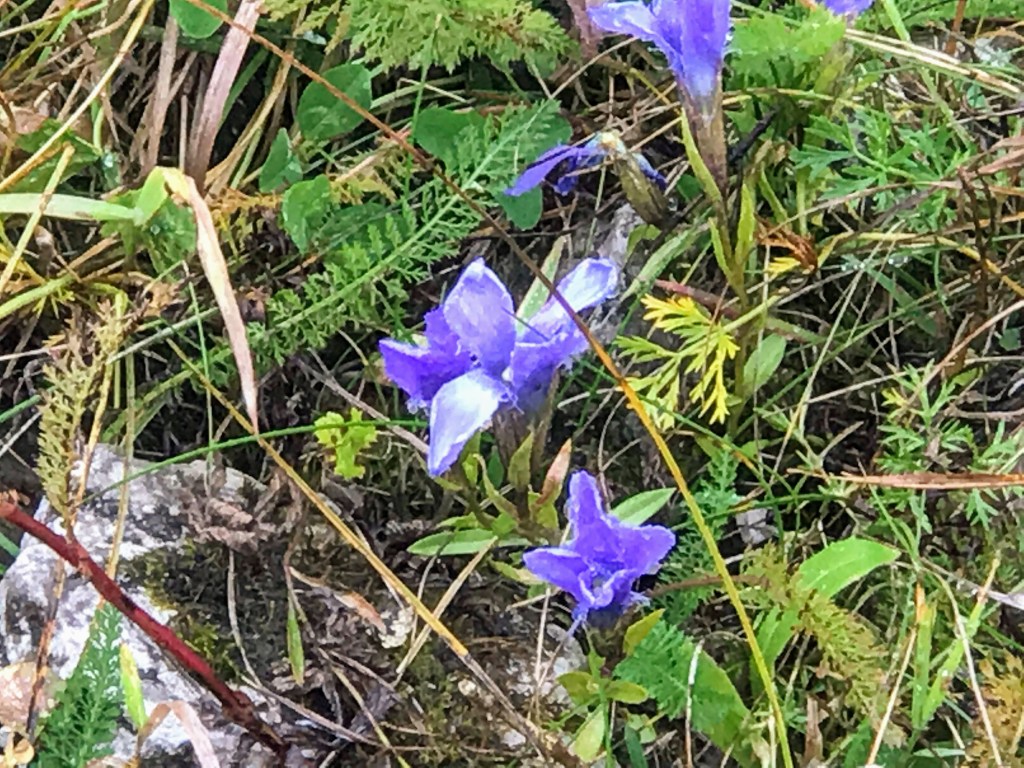
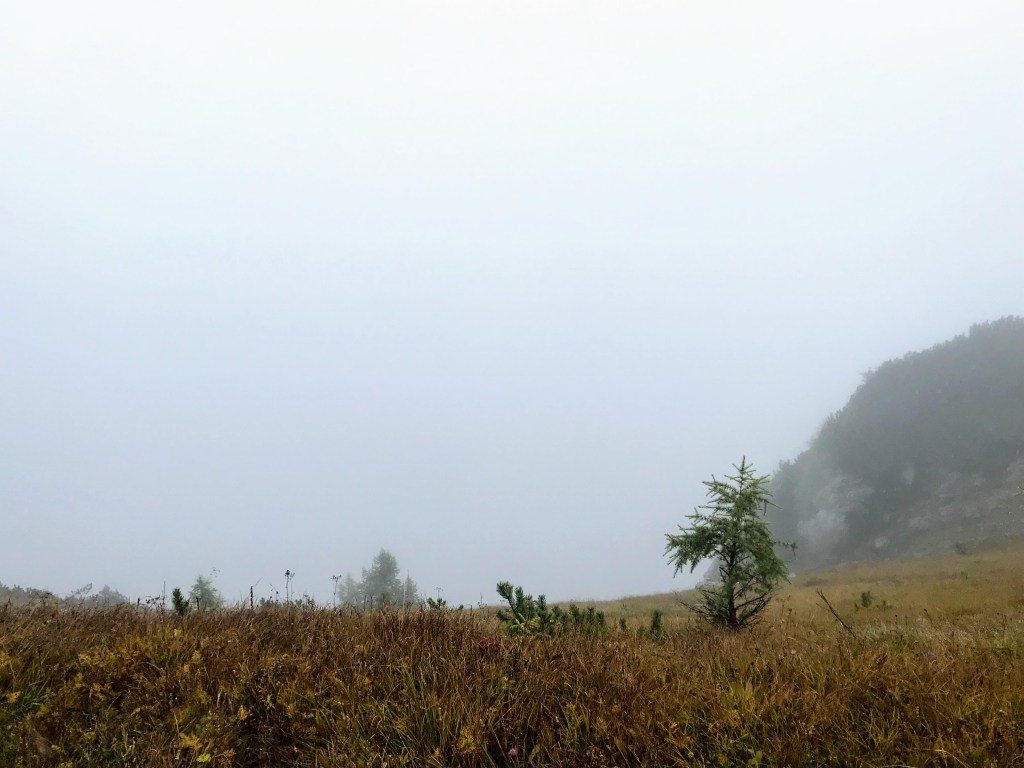
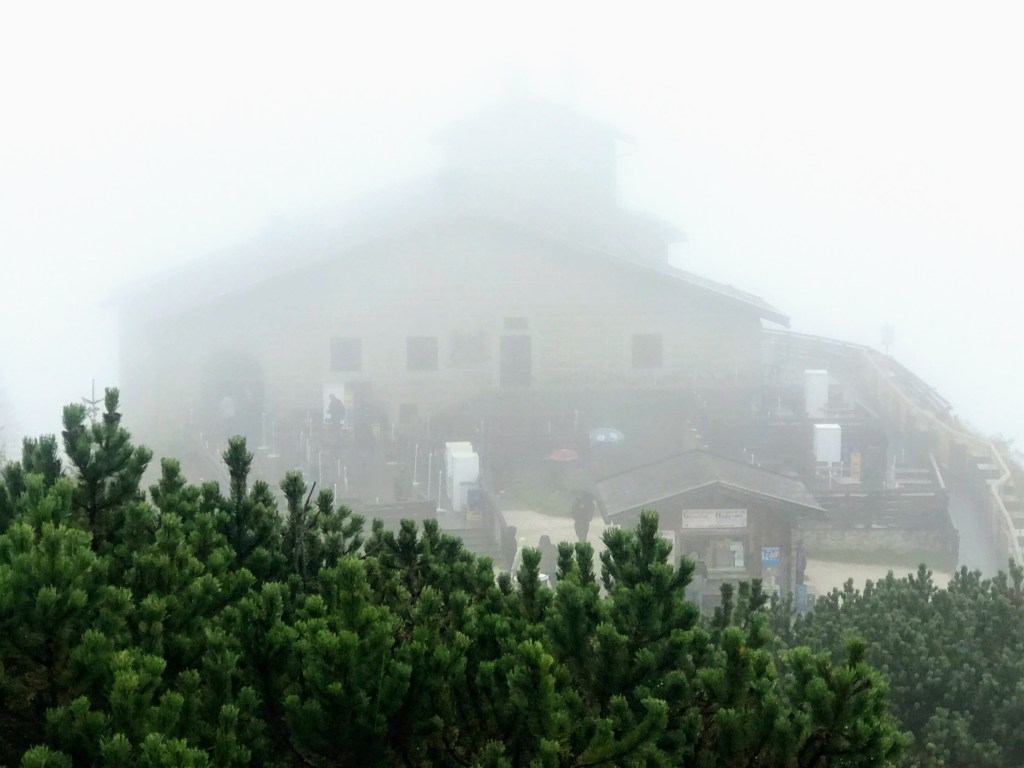
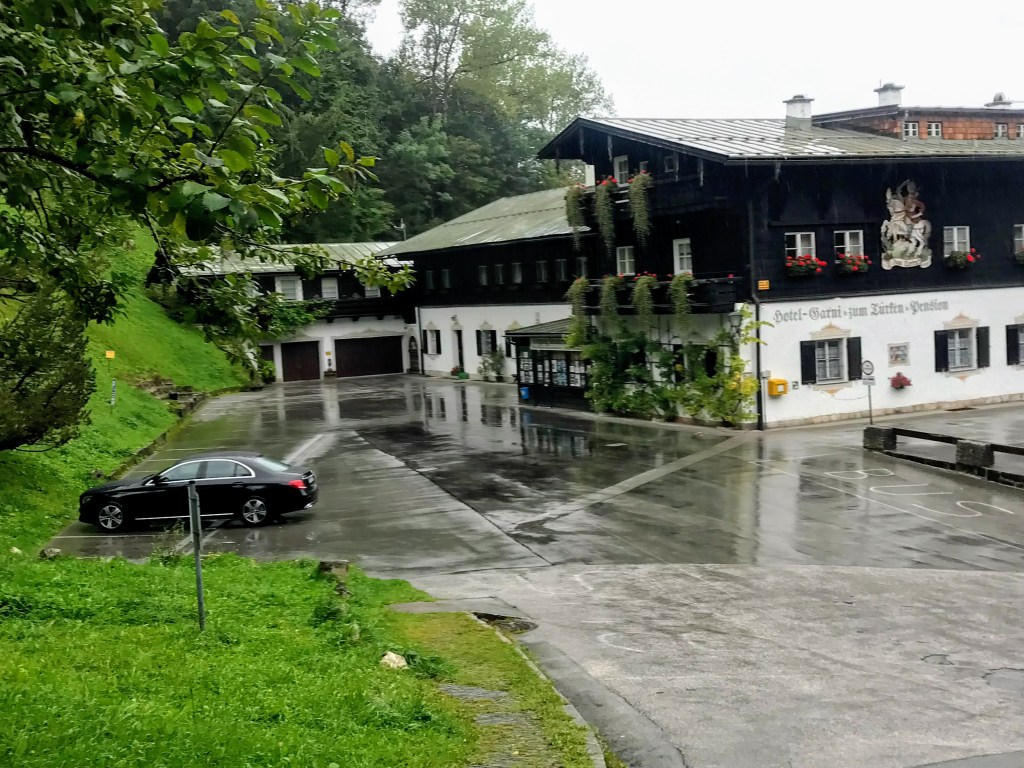
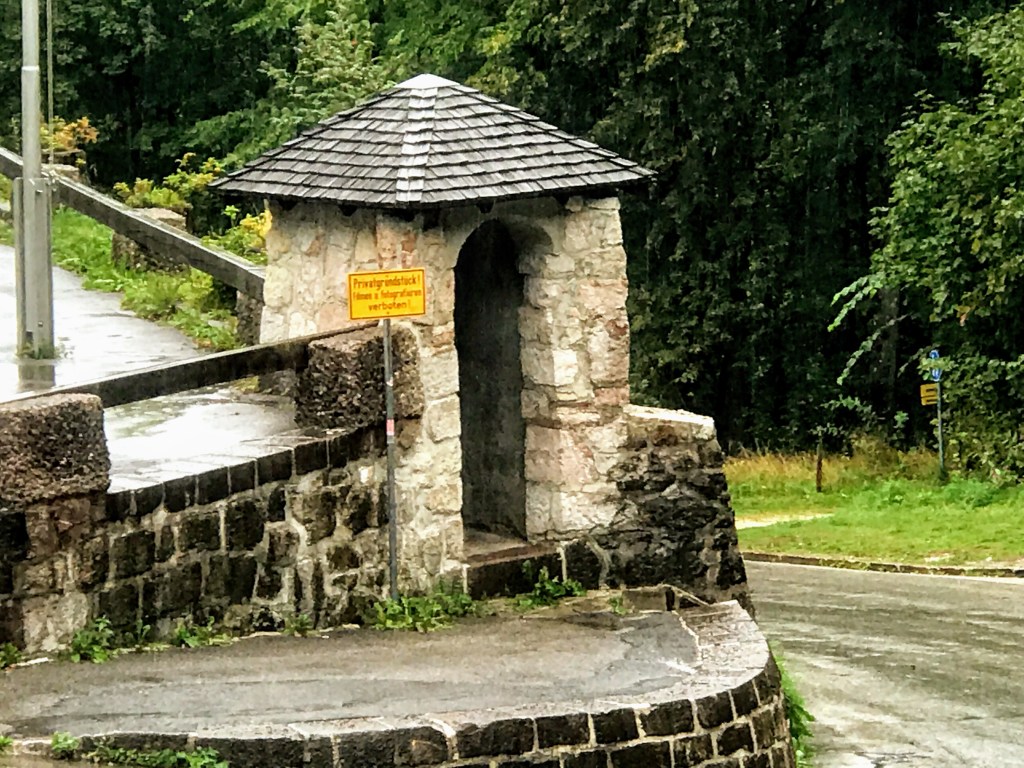
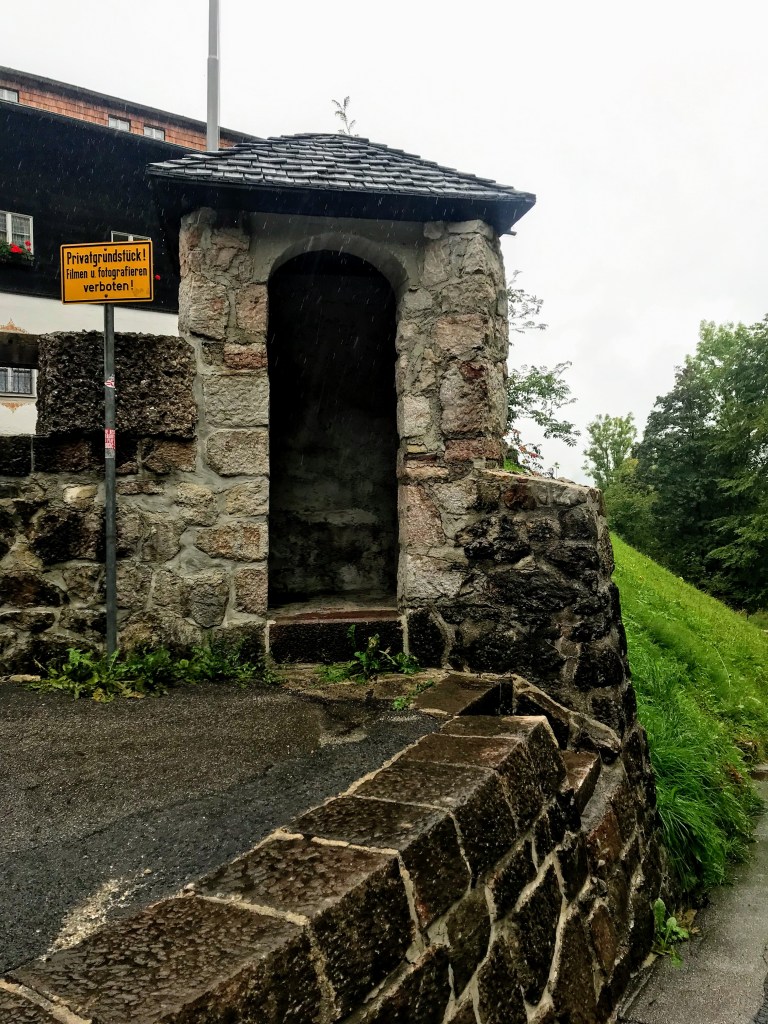
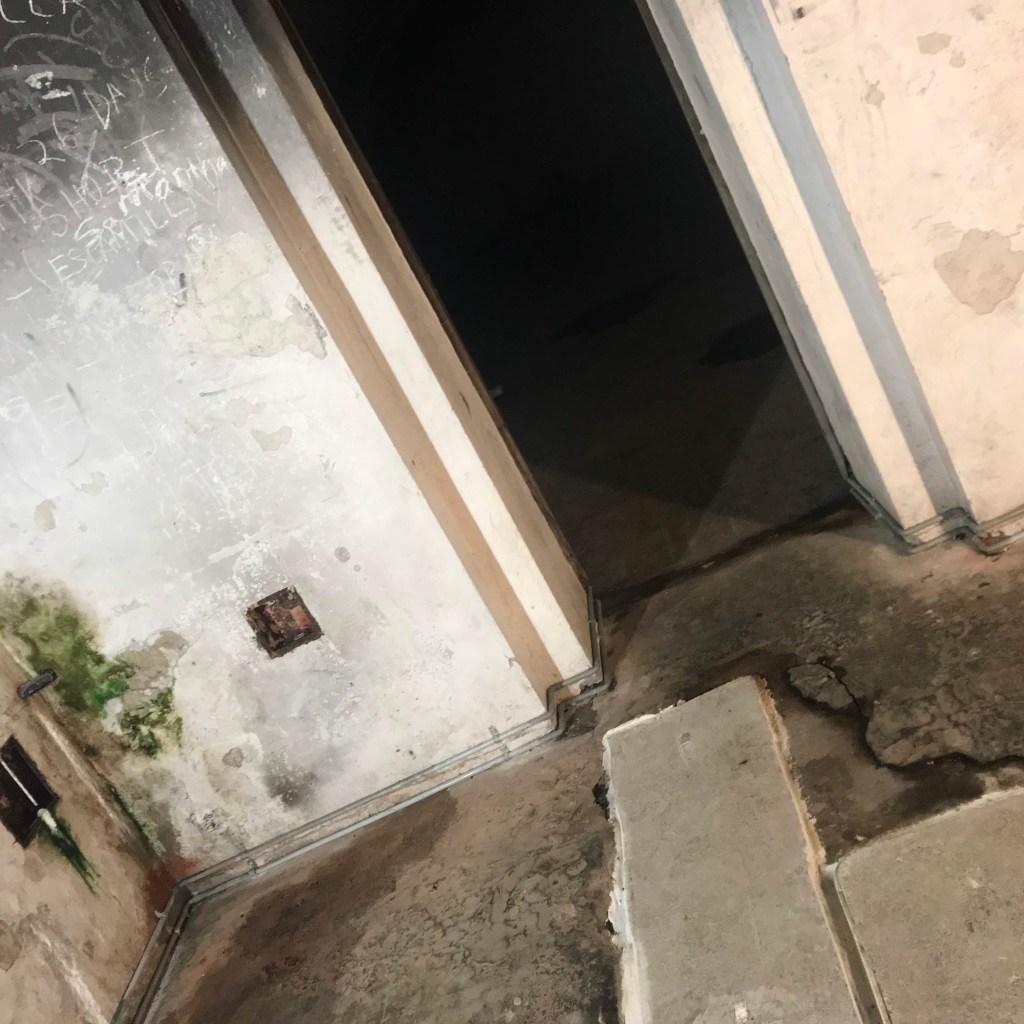
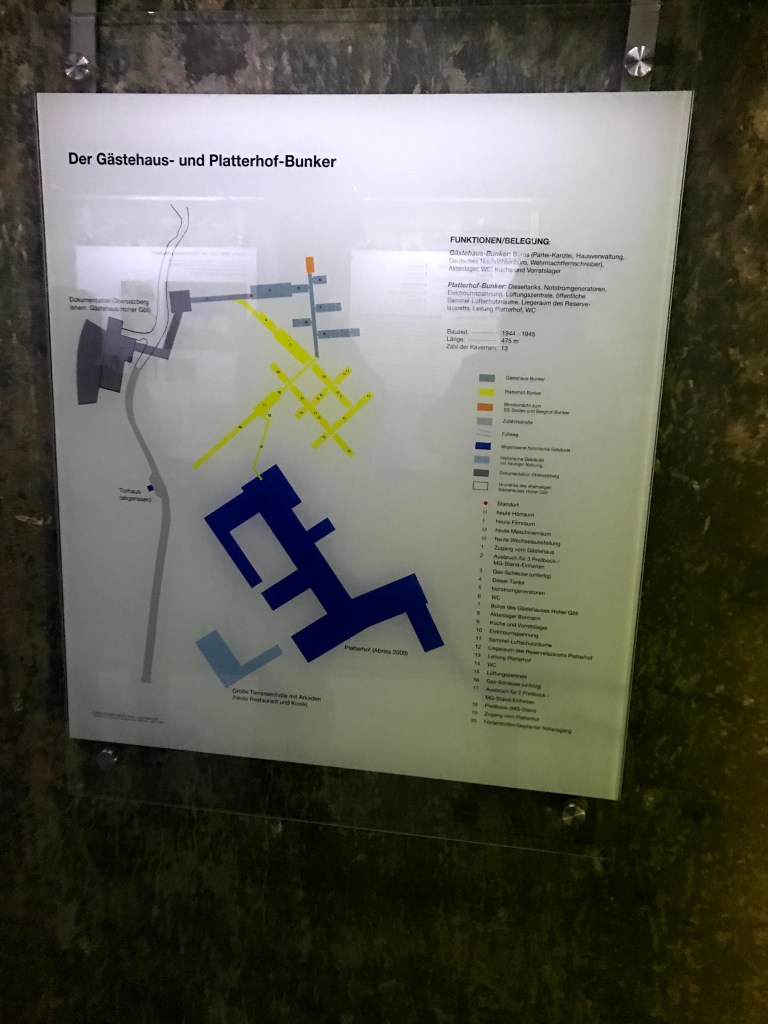
It was super foggy during our tour! You could barely see in front of you but I captured as many photos as I could and even took a few of signs so you would know what you are looking at 🙂 ! As you can tell it was also raining! But all in all we can say we have been there. Another check on Greg’s bucket list and another day devoted to WWII.

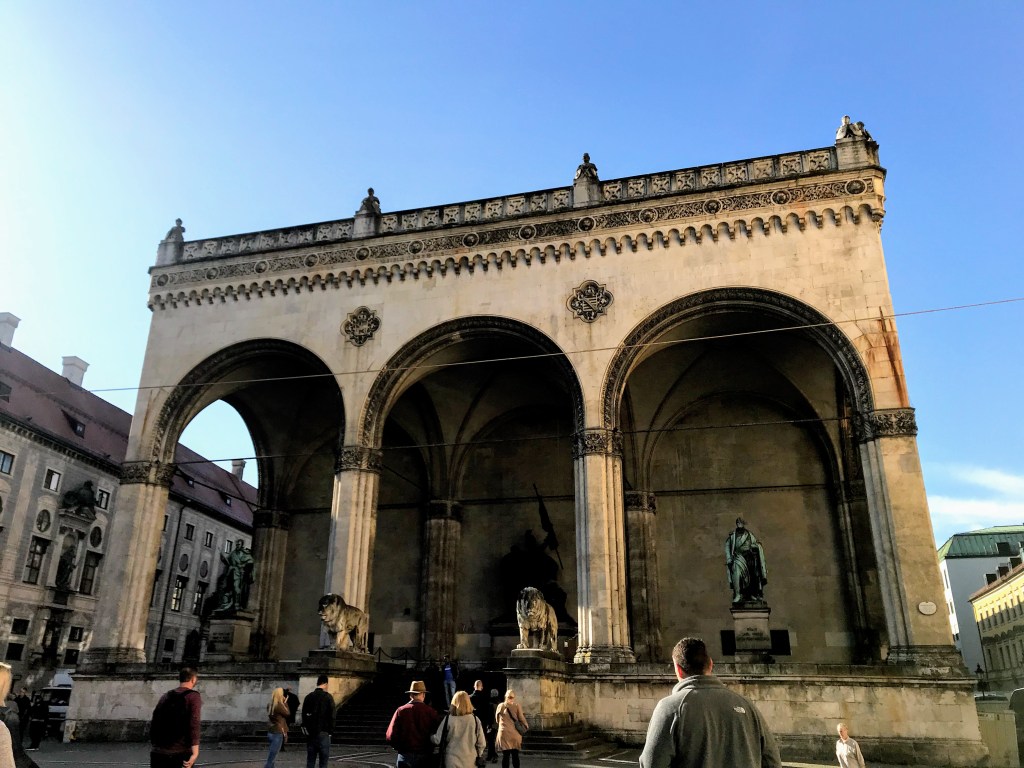
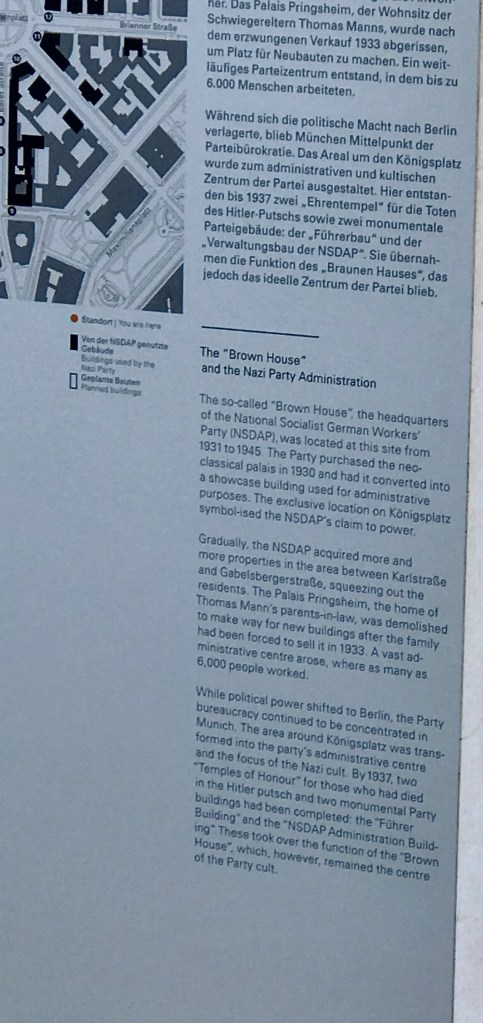
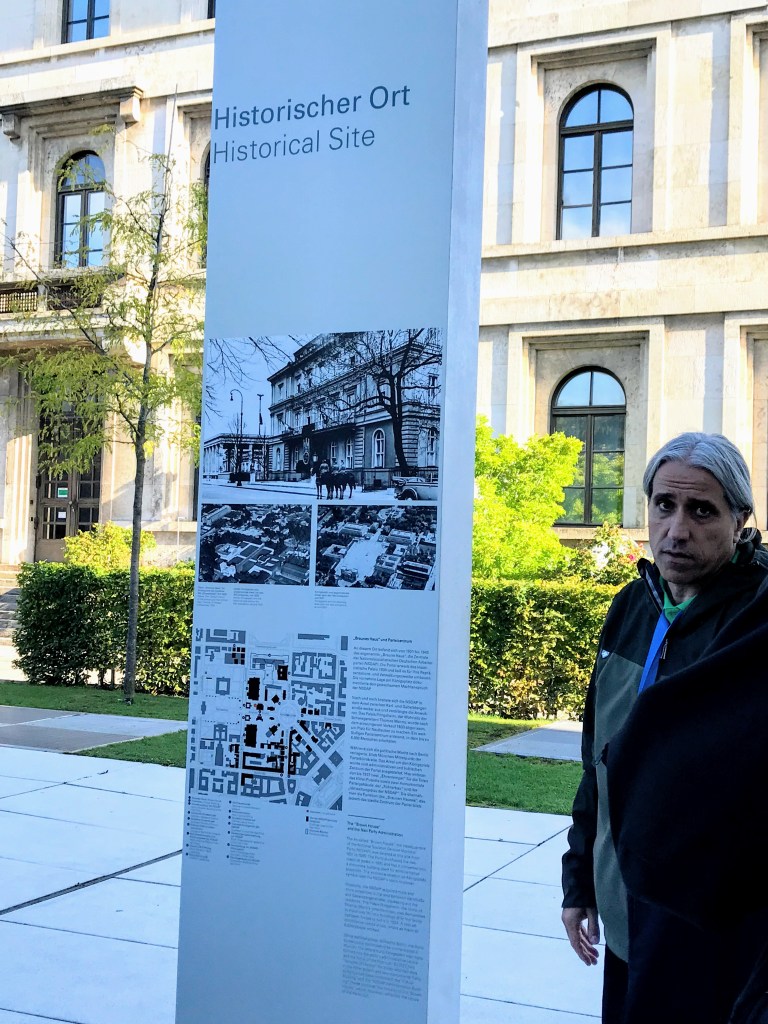
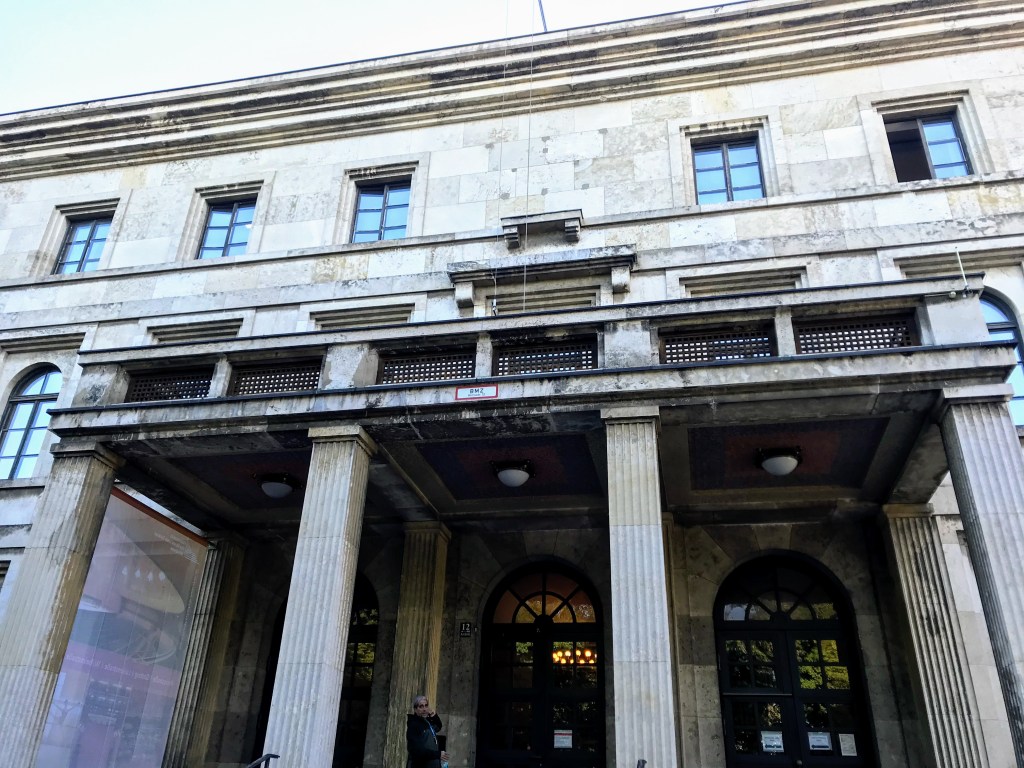
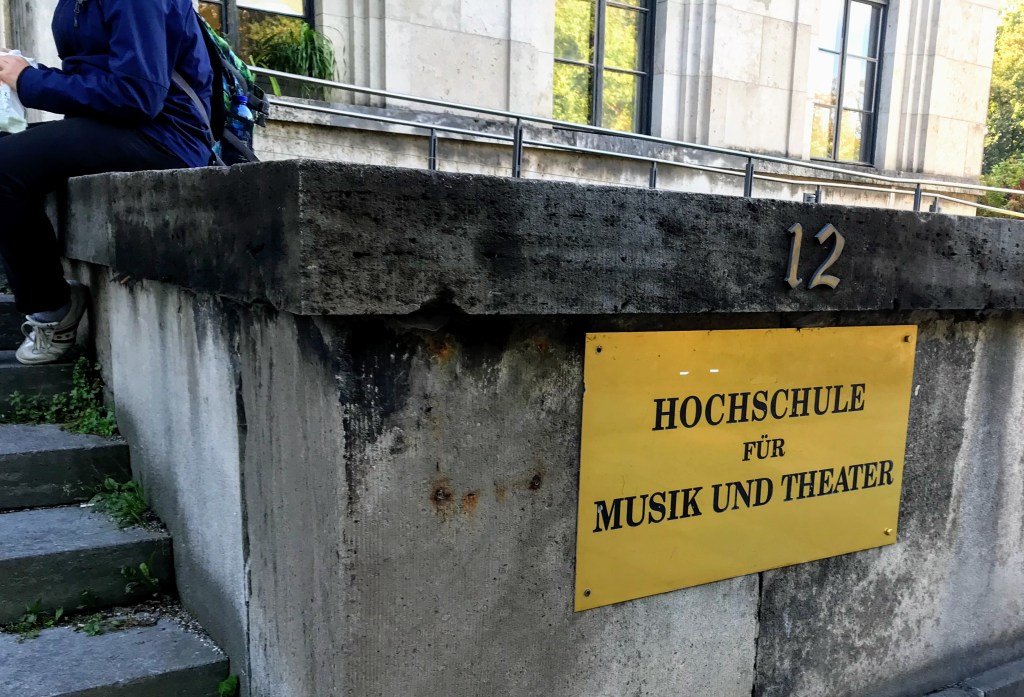
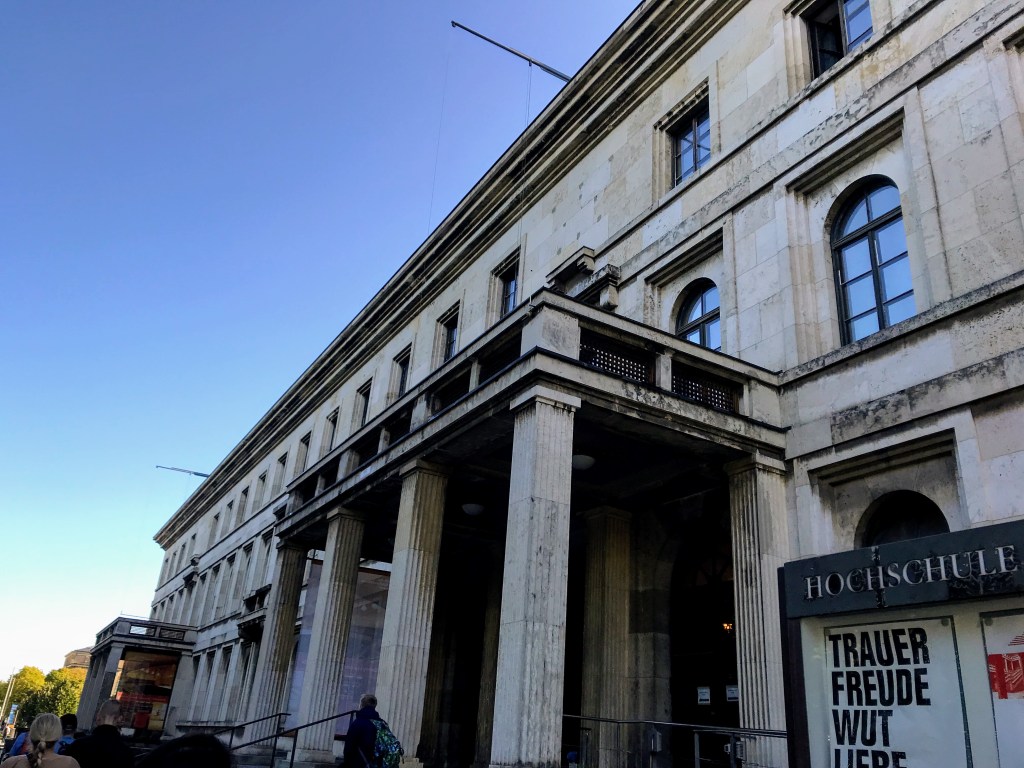
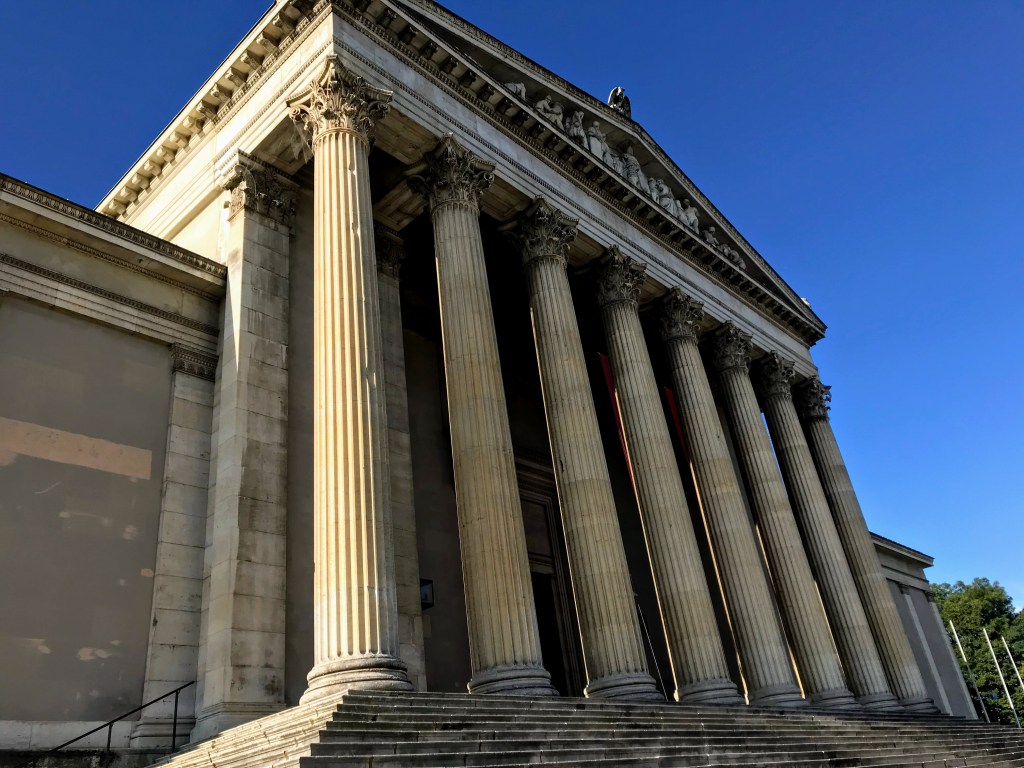
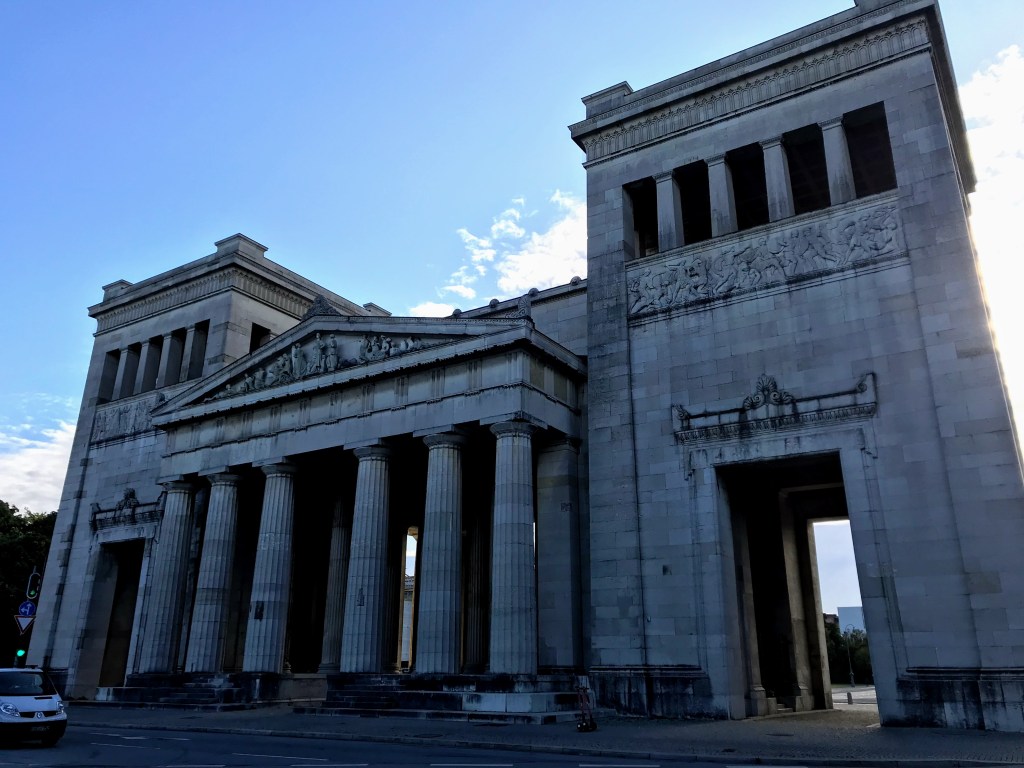
Hitler and the Third Reich Walking Tour of Munich

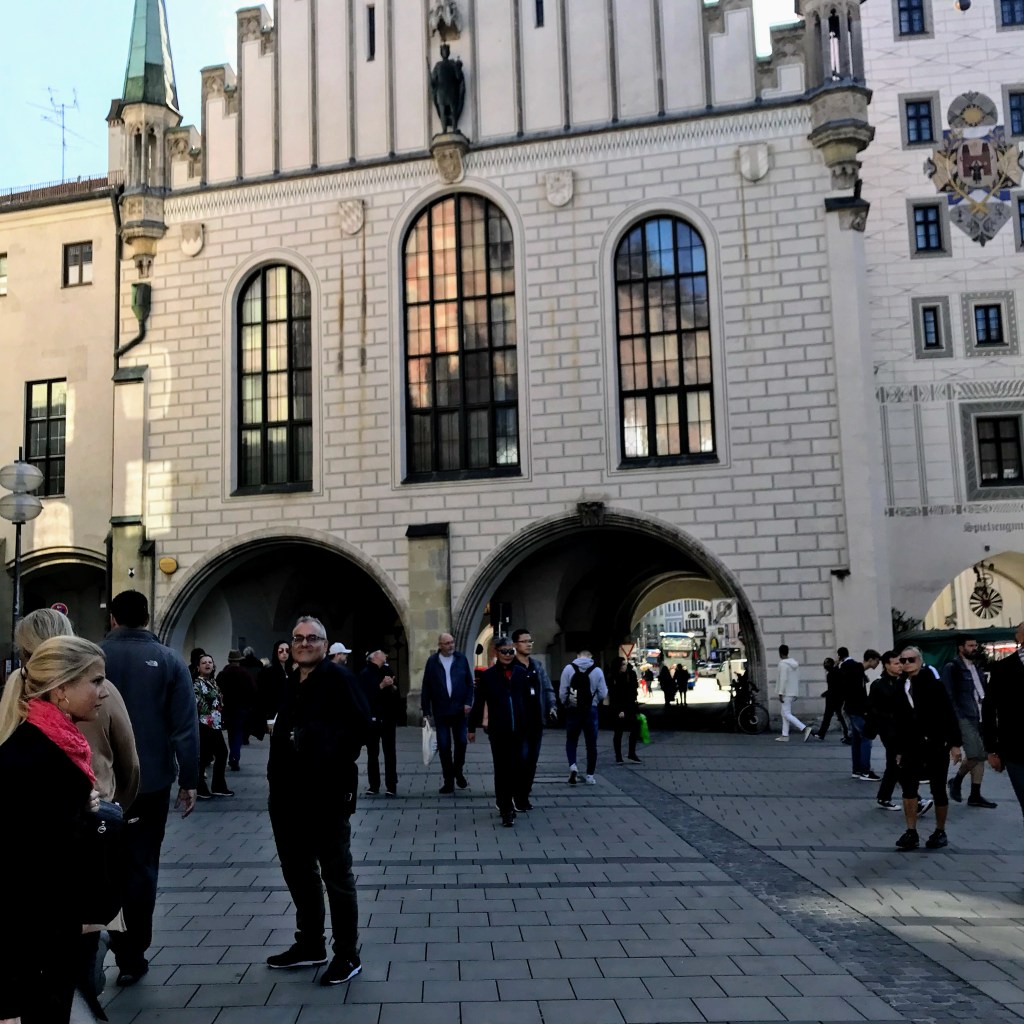
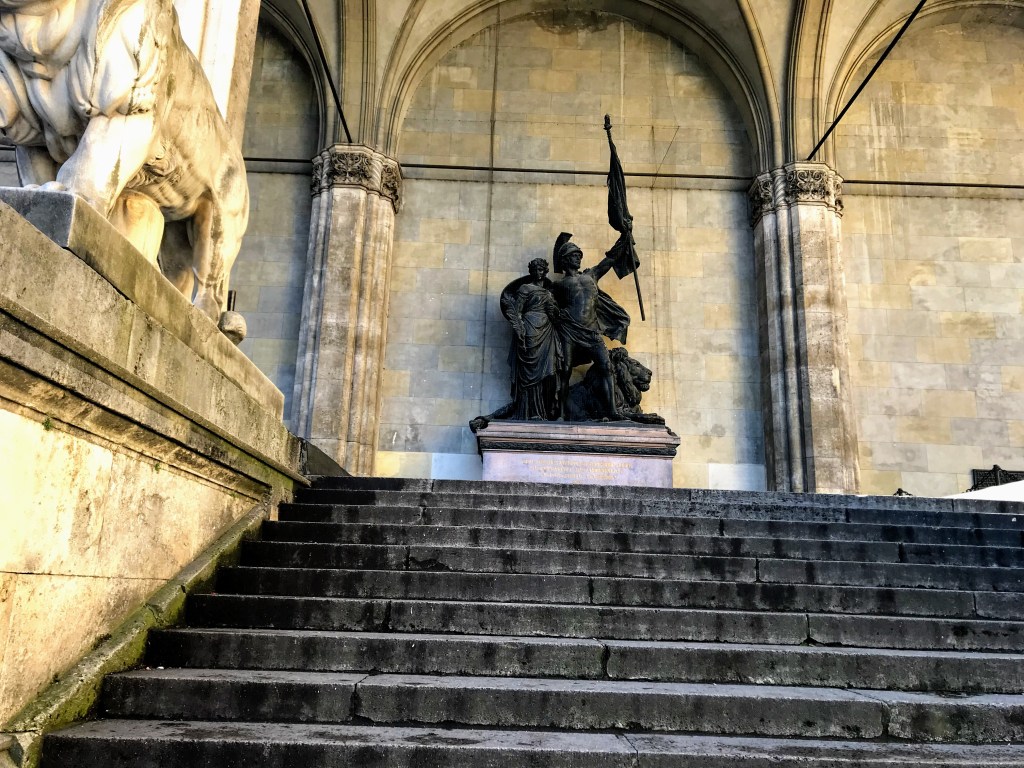
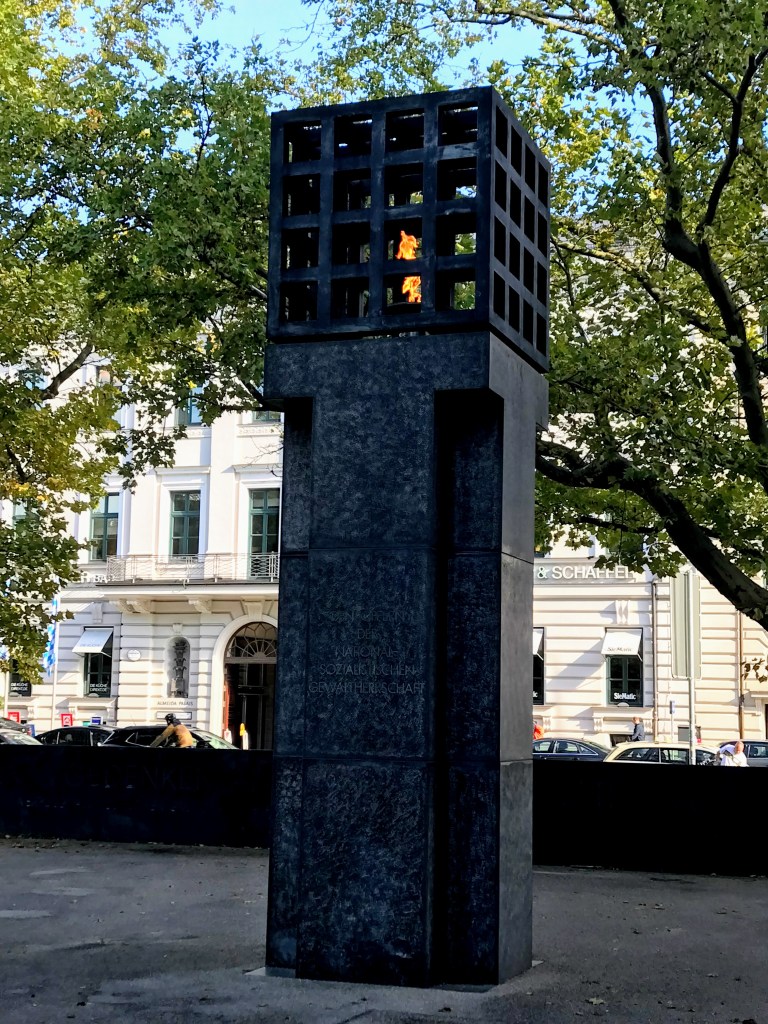
Delve into Munich’s dark past and the birth of the Nazi ideology on a revealing 2.5-hour city walking tour. Led by a knowledgeable guide, discover the sites that provided backdrops to Adolf Hitler and his followers as they set about founding the Third Reich, giving Munich its title as the ‘Capital of the Nazi Movement.’ See beer-halls where Nazi brown shirts first gathered, buildings from where Hitler delivered speeches, and memorials to opposers of the movement, all as your guide charts the events that saw Hitler take power in 1933.

  • 2.5-hour Munich and the Third Reich walking tour with an expert guide
  • Learn how Munich saw the rise of Adolf Hitler and the Nazis in the 1920s and 1930s
  • See streets and buildings where Hitler fought his way to power and gave speeches
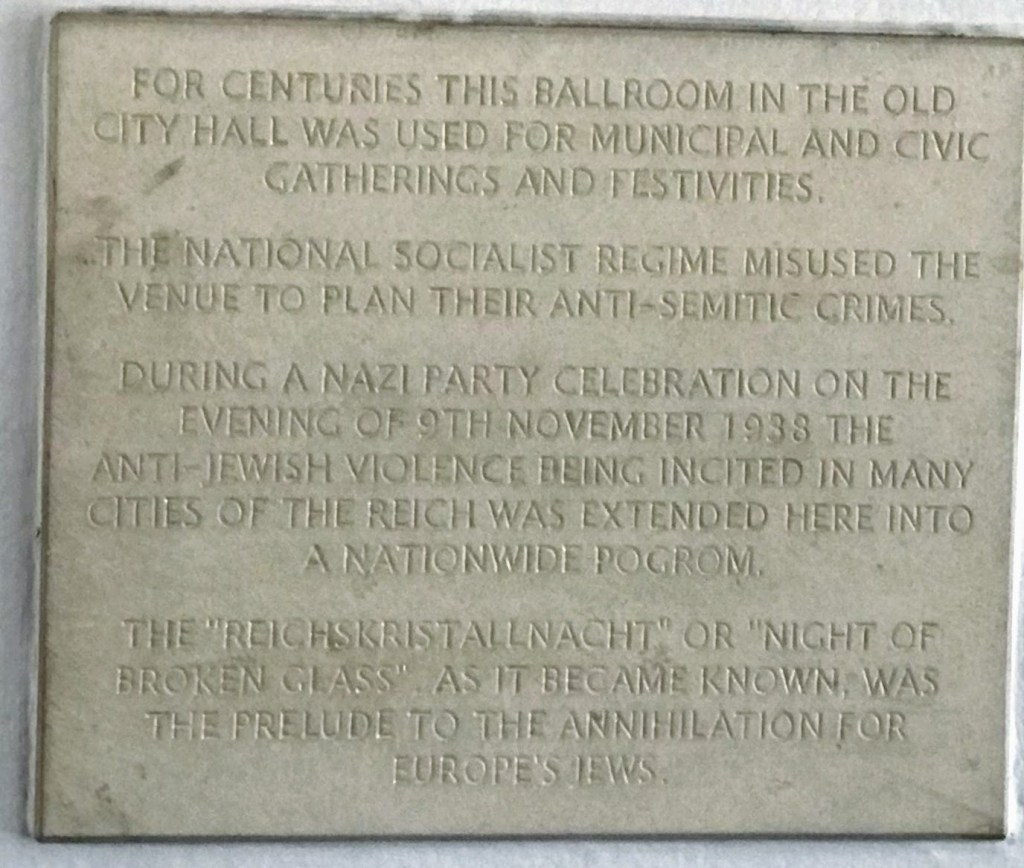
  • View beer-halls where Nazi fanatics gathered and sites linked to the 1938 anti-Semitic pogrom of Kristallnacht
  • Visit memorials to those who died opposing the hate-filled Nazi ideology
  • Hear about the Nazi propaganda machine and lead-up to World War II from an informed guide

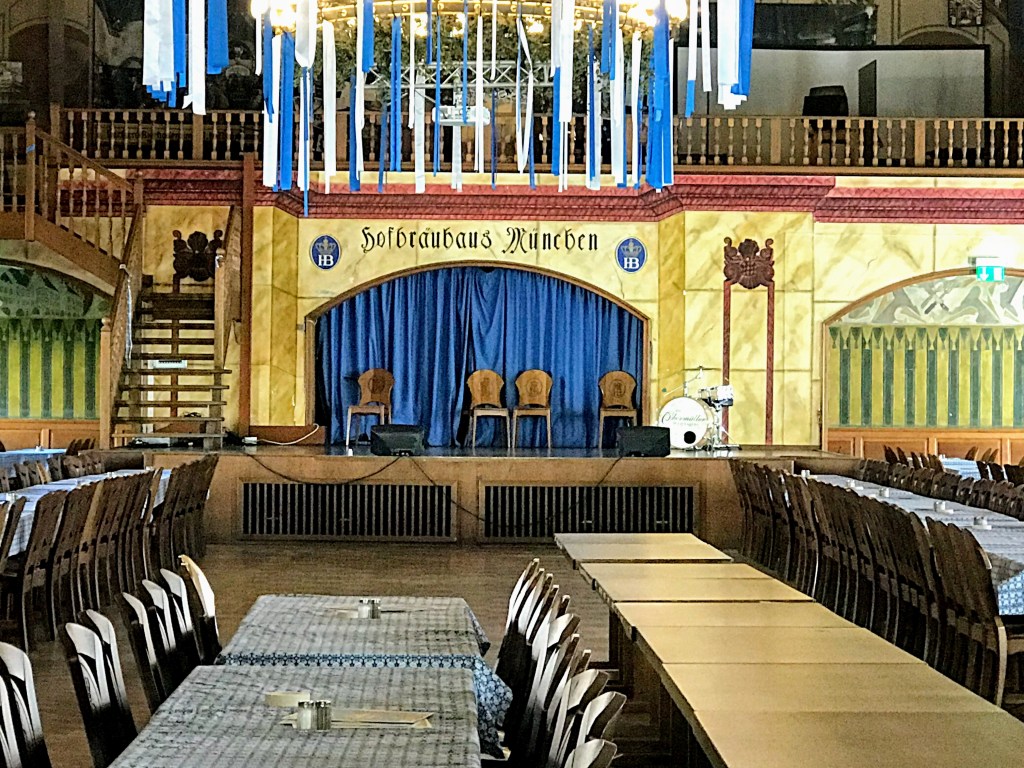
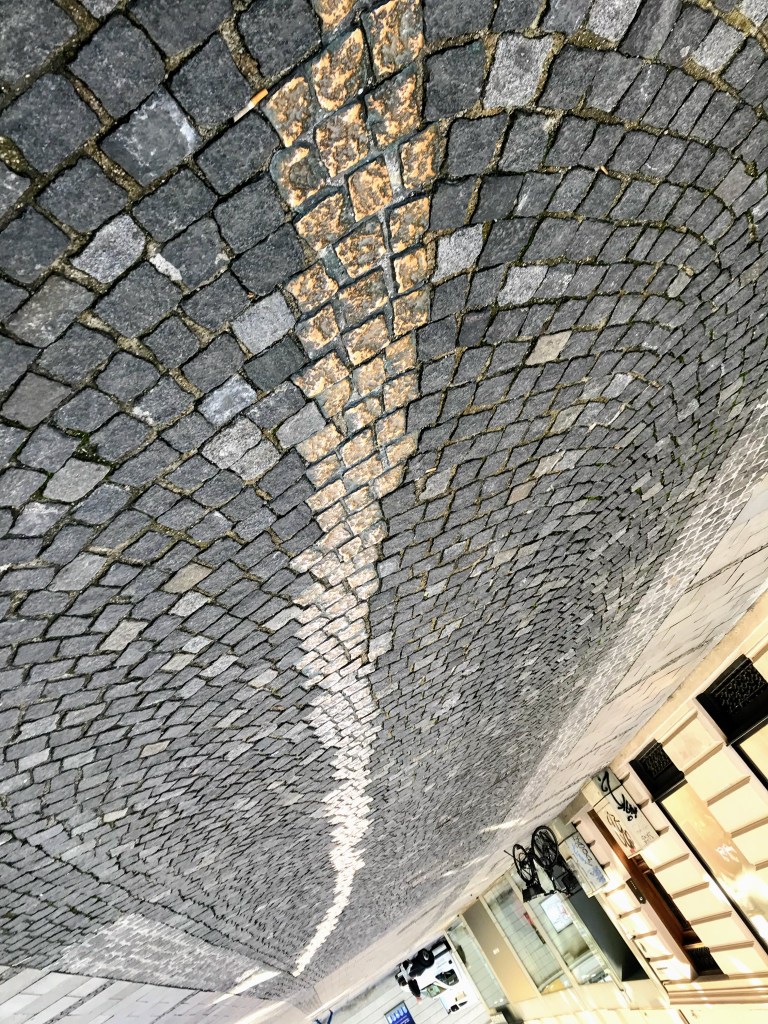
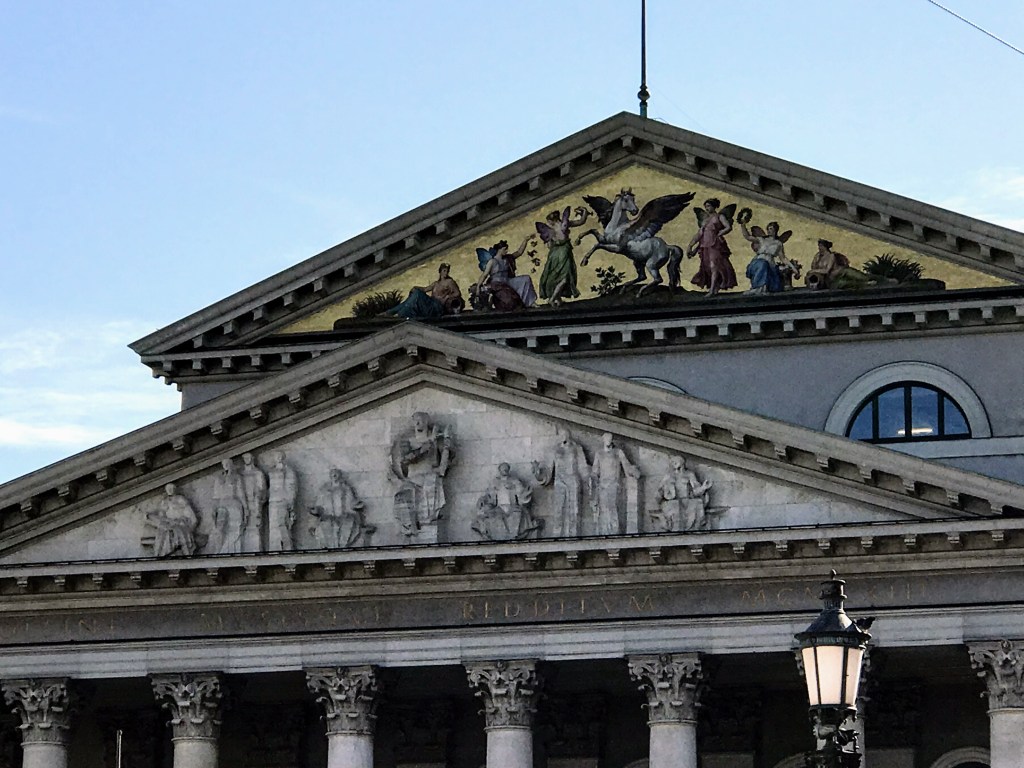
Three weeks of travel; so I guess I had to indulge Greg a couple of days of WWII. History is interesting and I am afraid may be repeating itself. But no politics here only travel and sightseeing. For a two and half hour walking tour of Munich it was more like running and grasping as much as you could as fast as you could. I really appreciate with the tour guides show you photos of then versus being in front of the actual place now. It really brings things to light.