Day 5 Continued

Day Five was a long day but so full of fun and sights. We checked out of Kenmore Park Estates and headed to Galway. Bunratty Castle and Park were our first stop as documented in the previous post.

Then we were off to Kylemore Abby and Victorian Walled Garden.
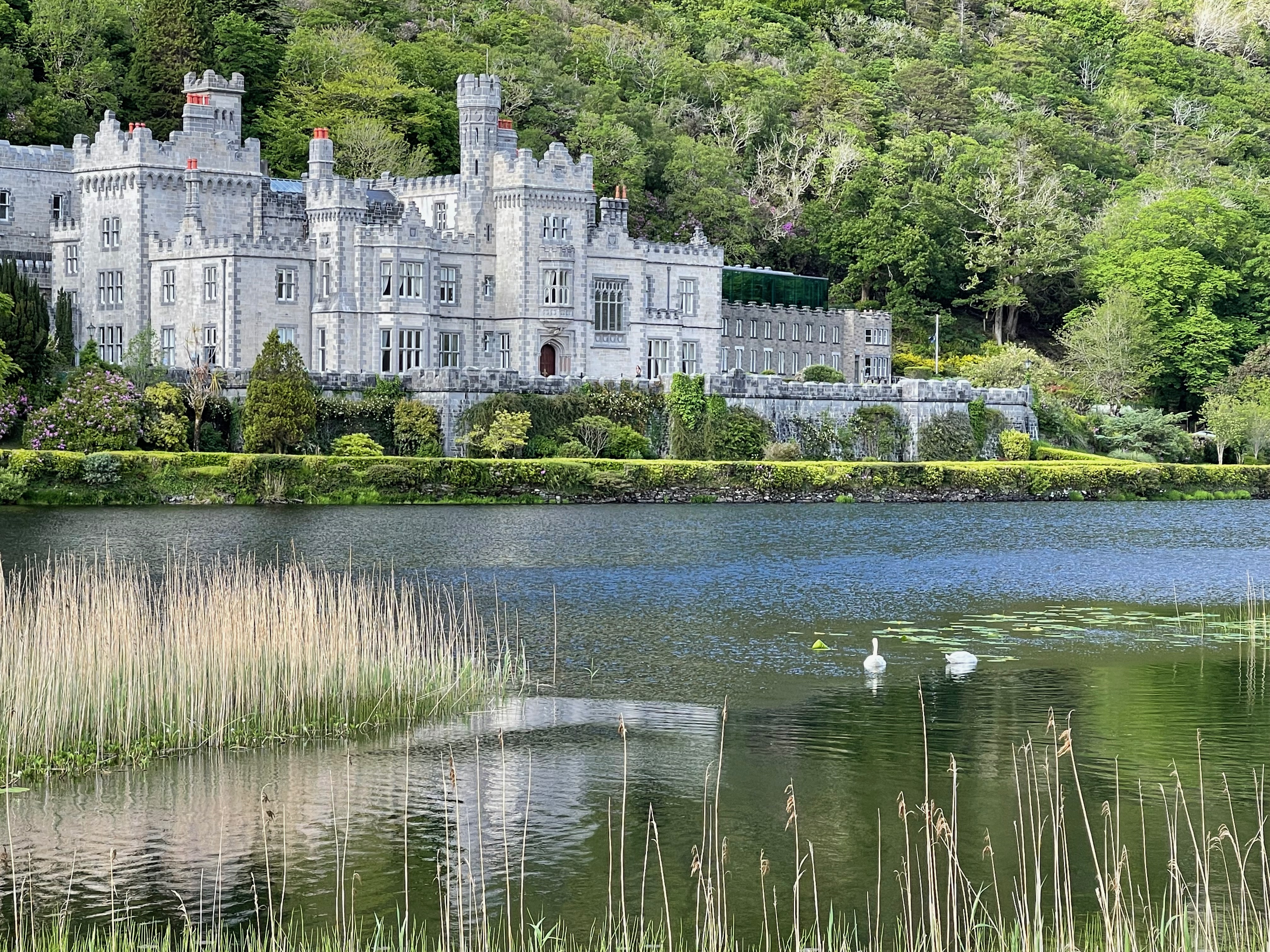
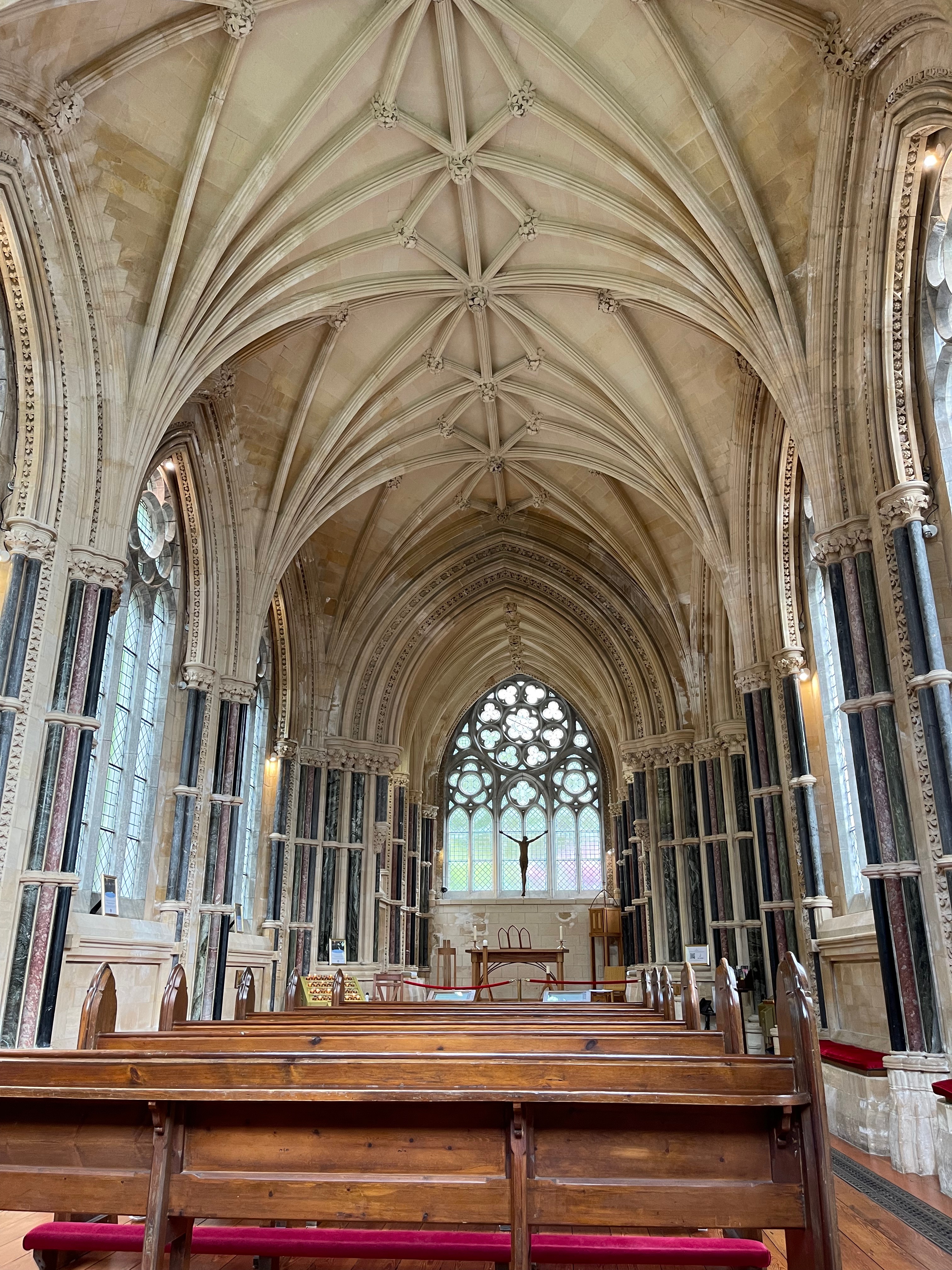
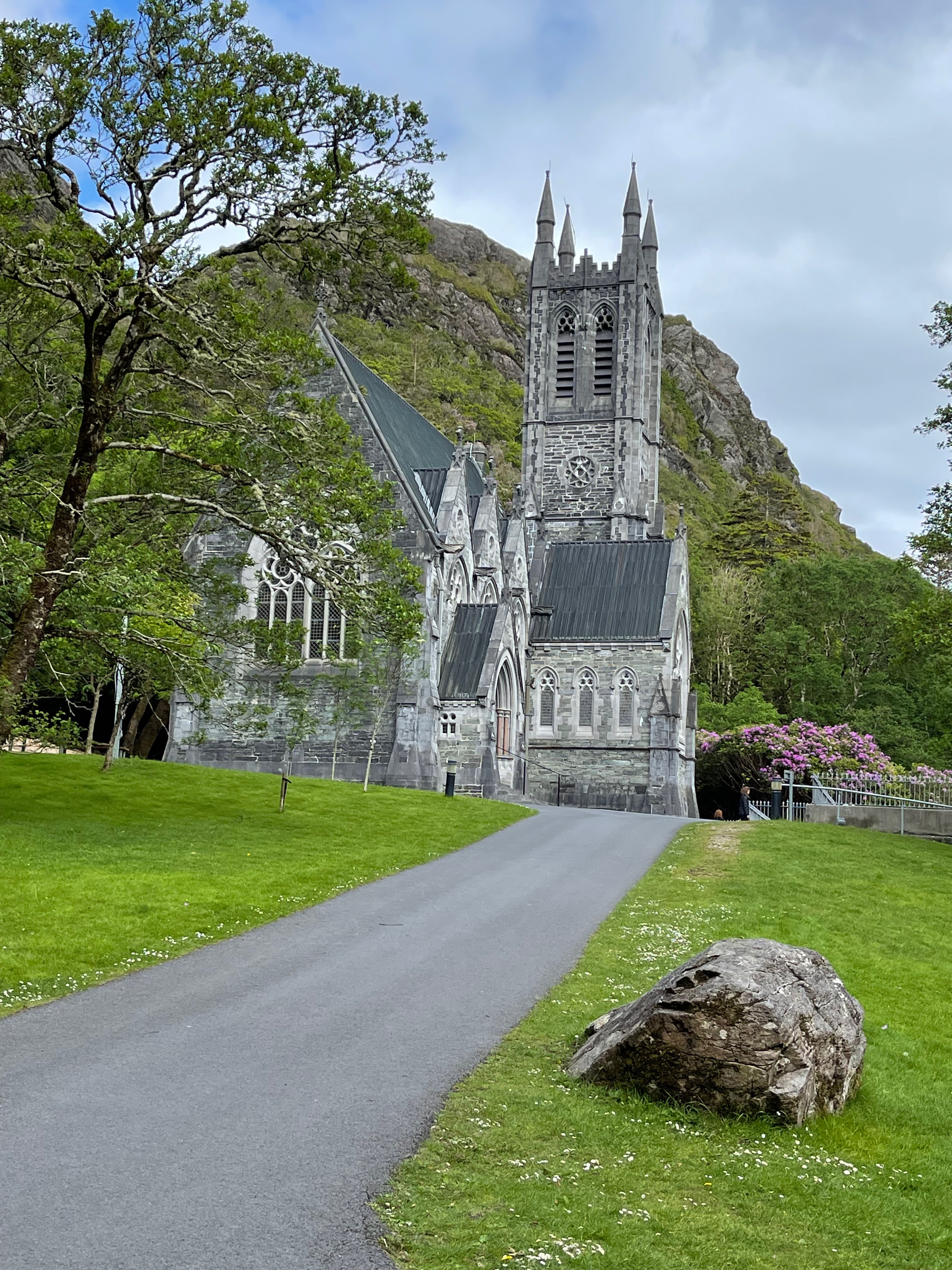
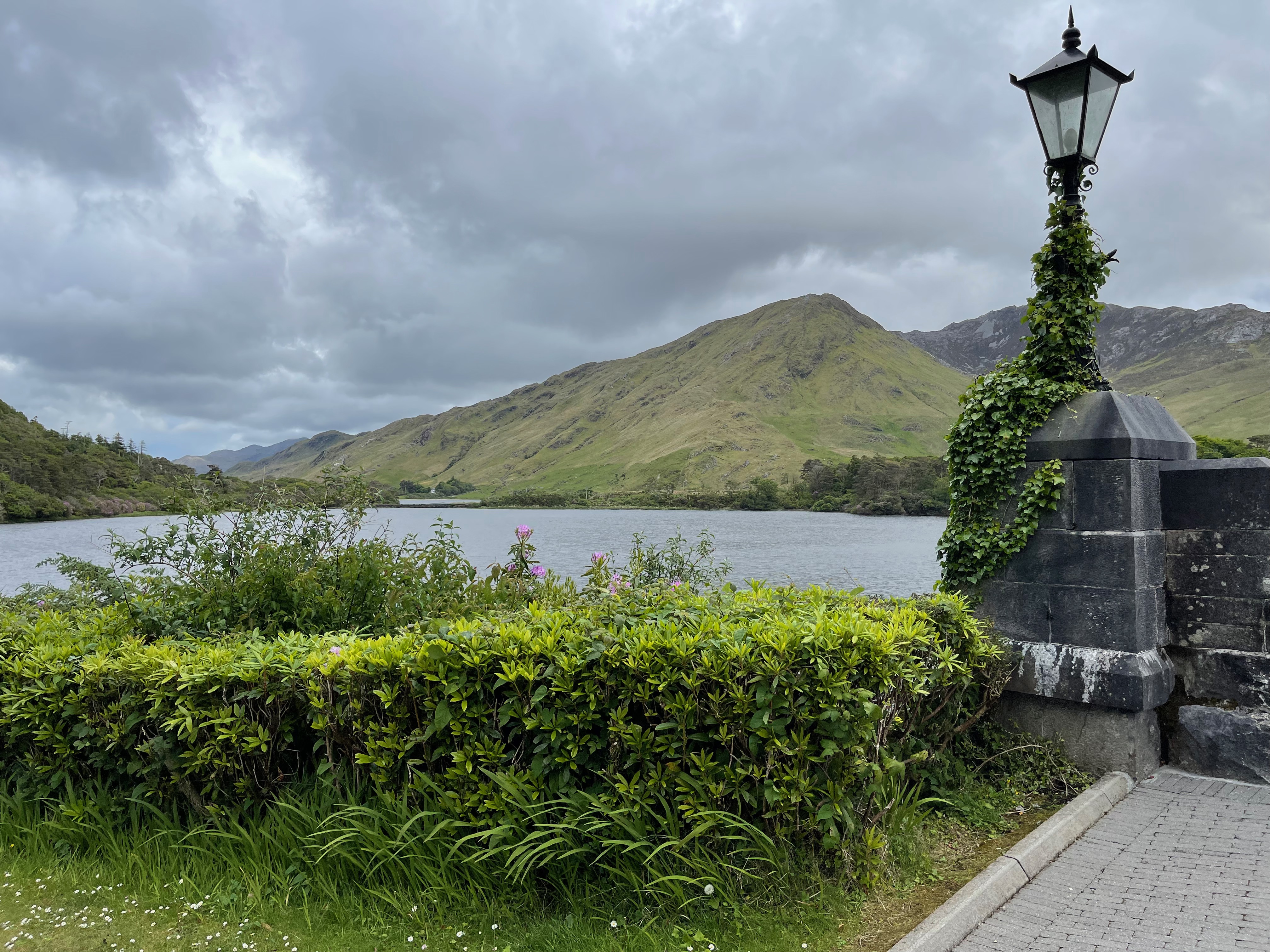
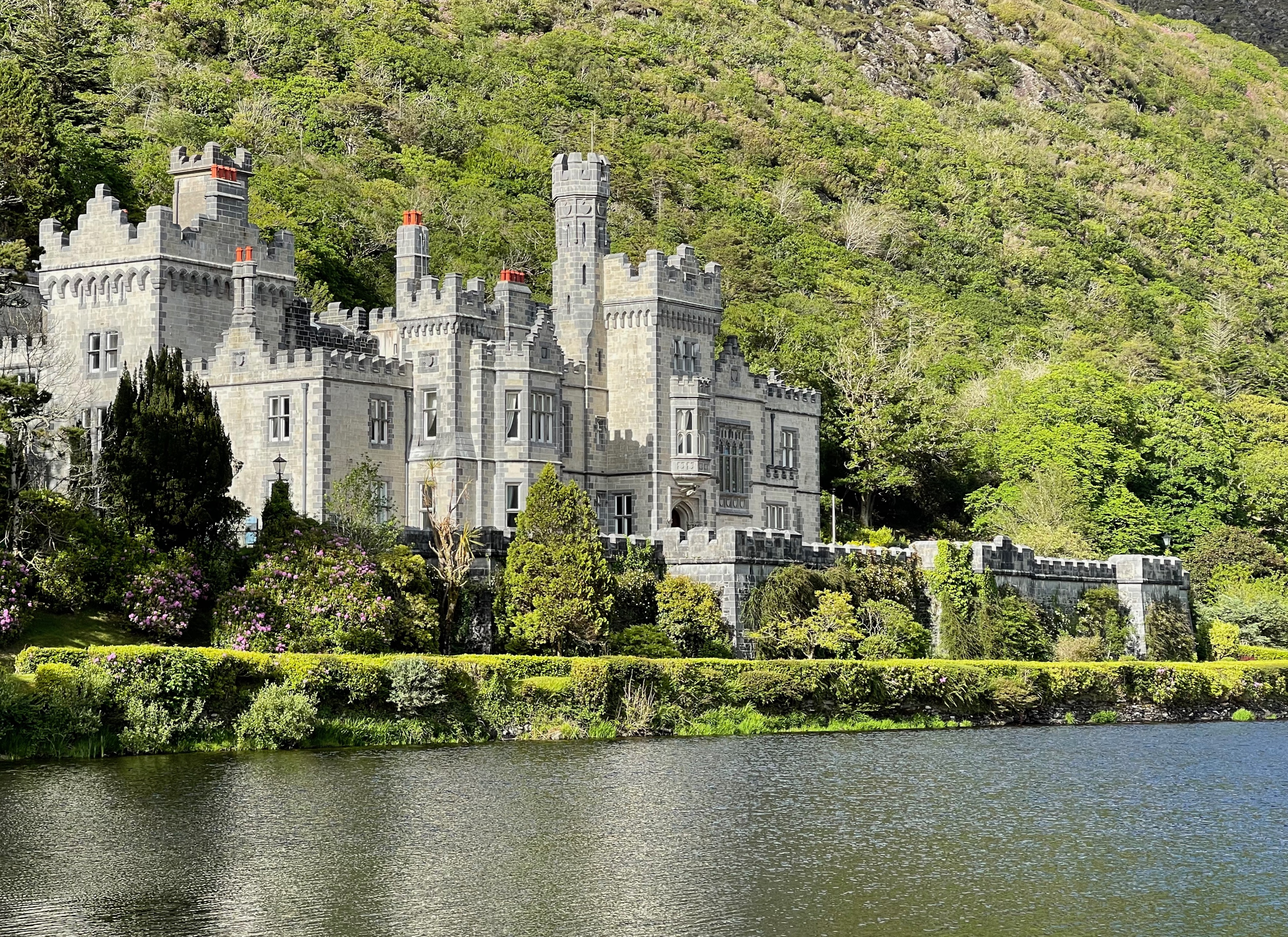
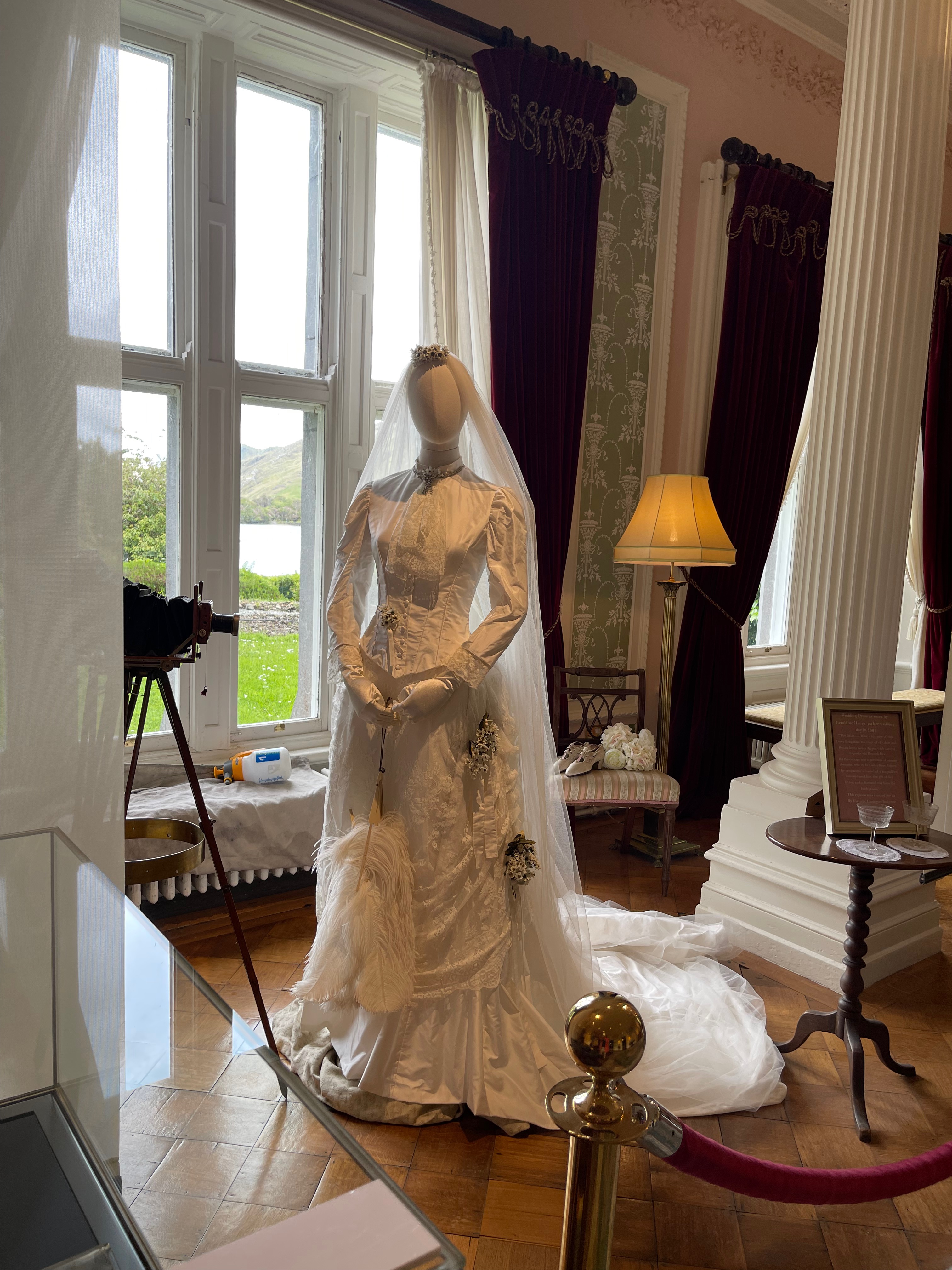
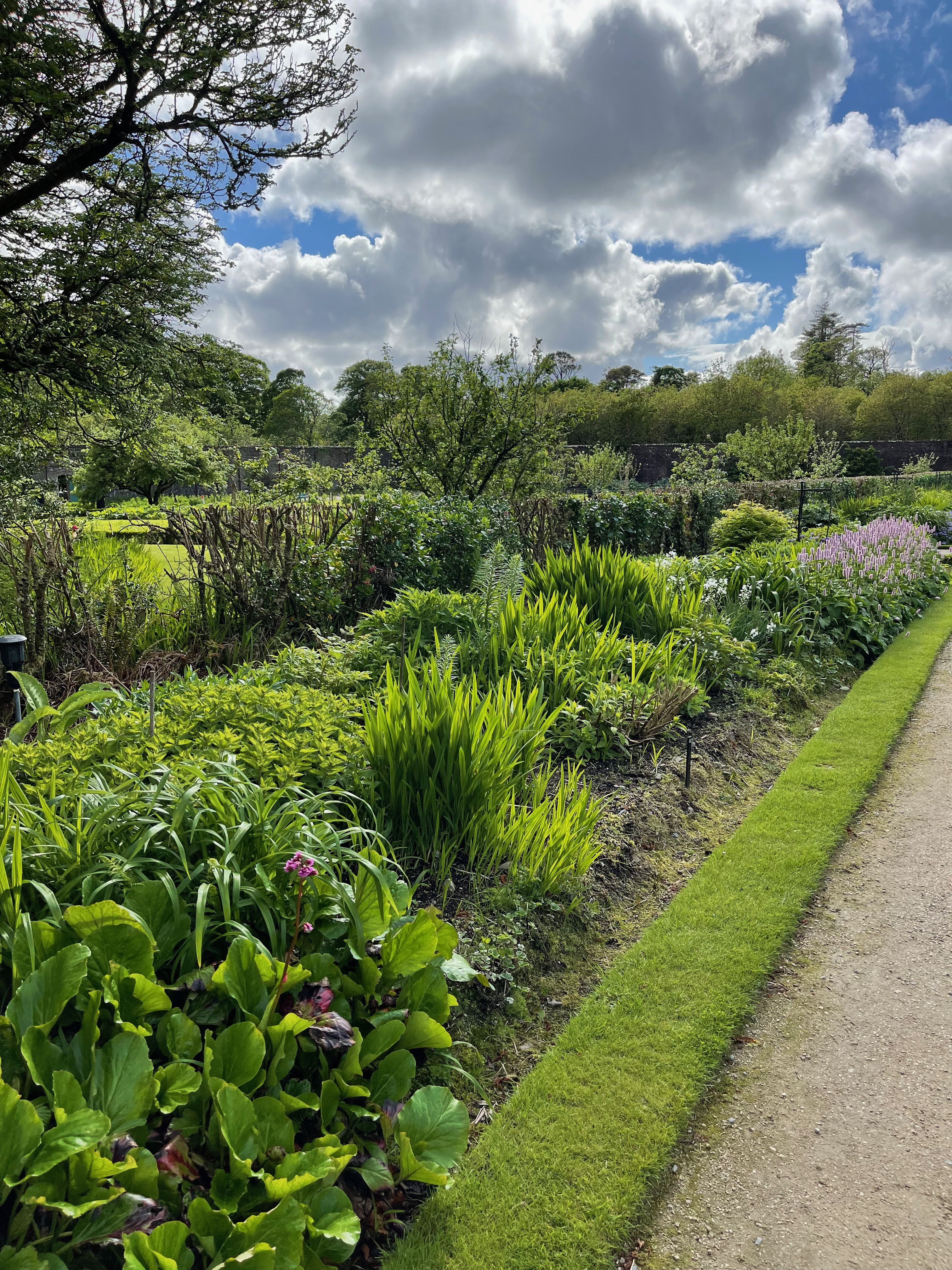
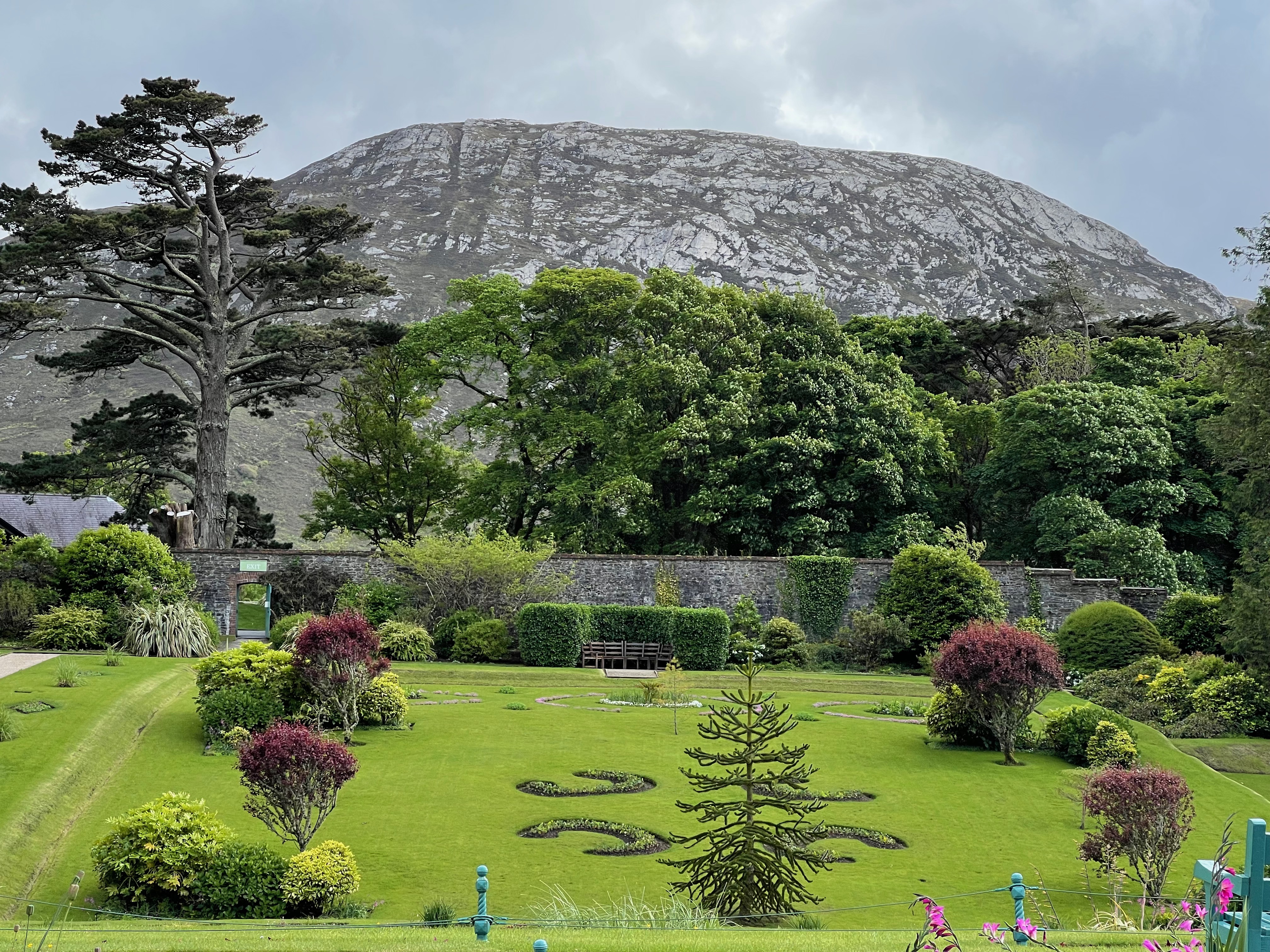
Kylemore Abbey, Castle, Church and Walled Victorian Gardens are what dreams are made from.

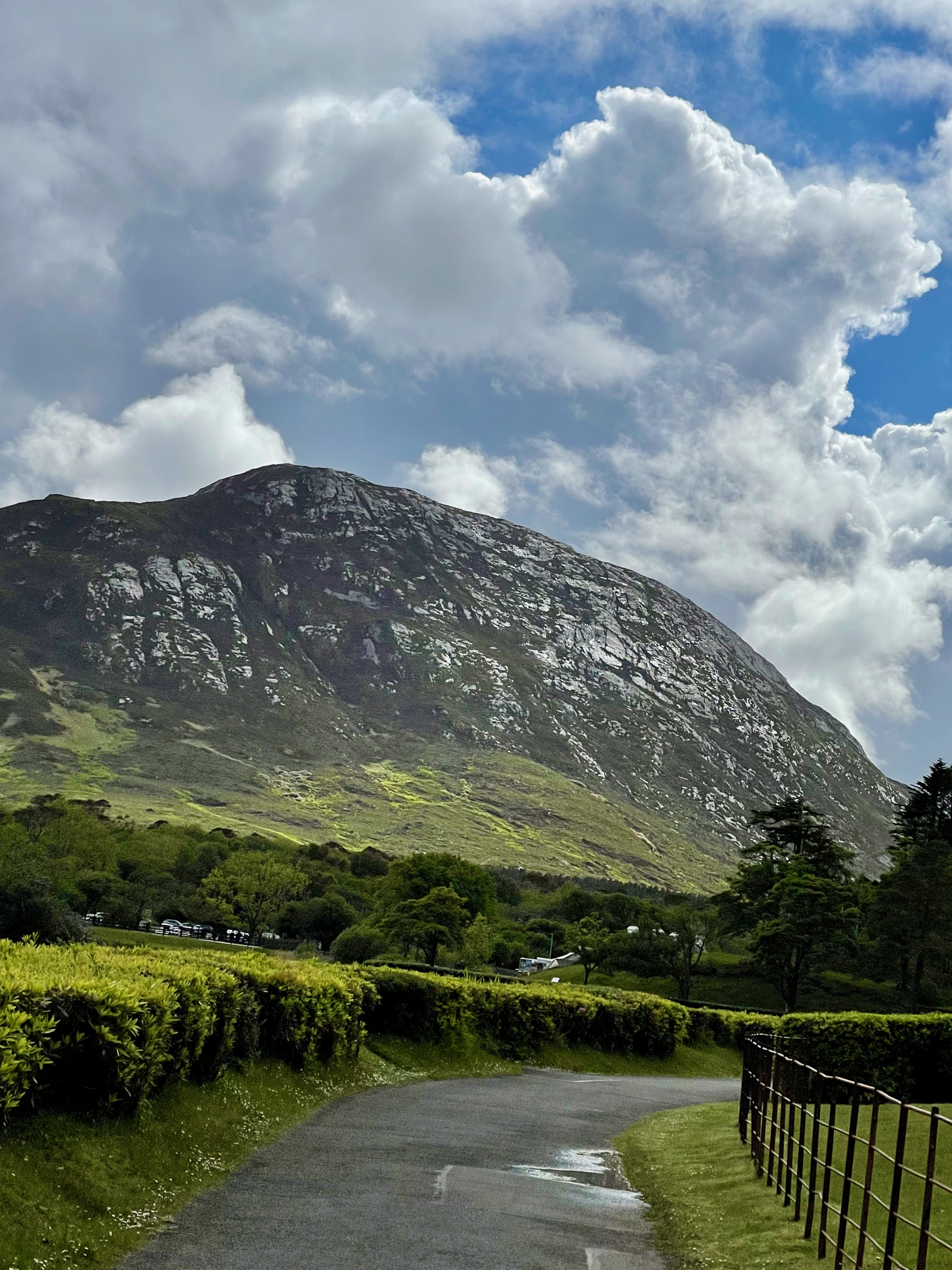
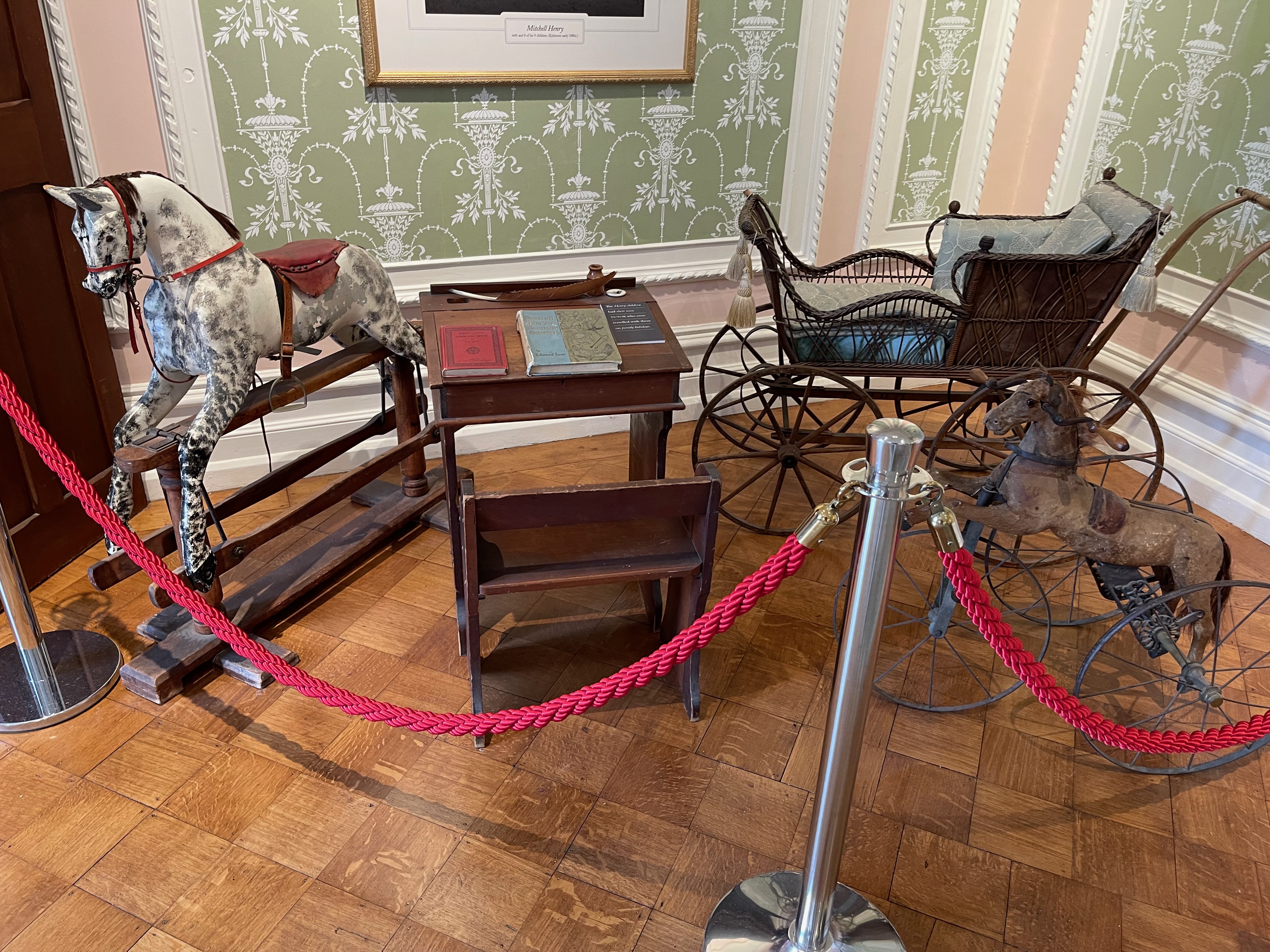
The Castle was built in the late 1800s by Mitchell Henry. The son of a wealthy cotton merchant. Henry was a skilled pathologist and eye surgeon. On his father’s death he inherited the family business and became one of the youngest wealthy man of his time. Henry purchased Kylemore Lodge and began construction of the castle. Forty years under Henry’s guiding hand the locals were able to turn the wasteland into productive acres.
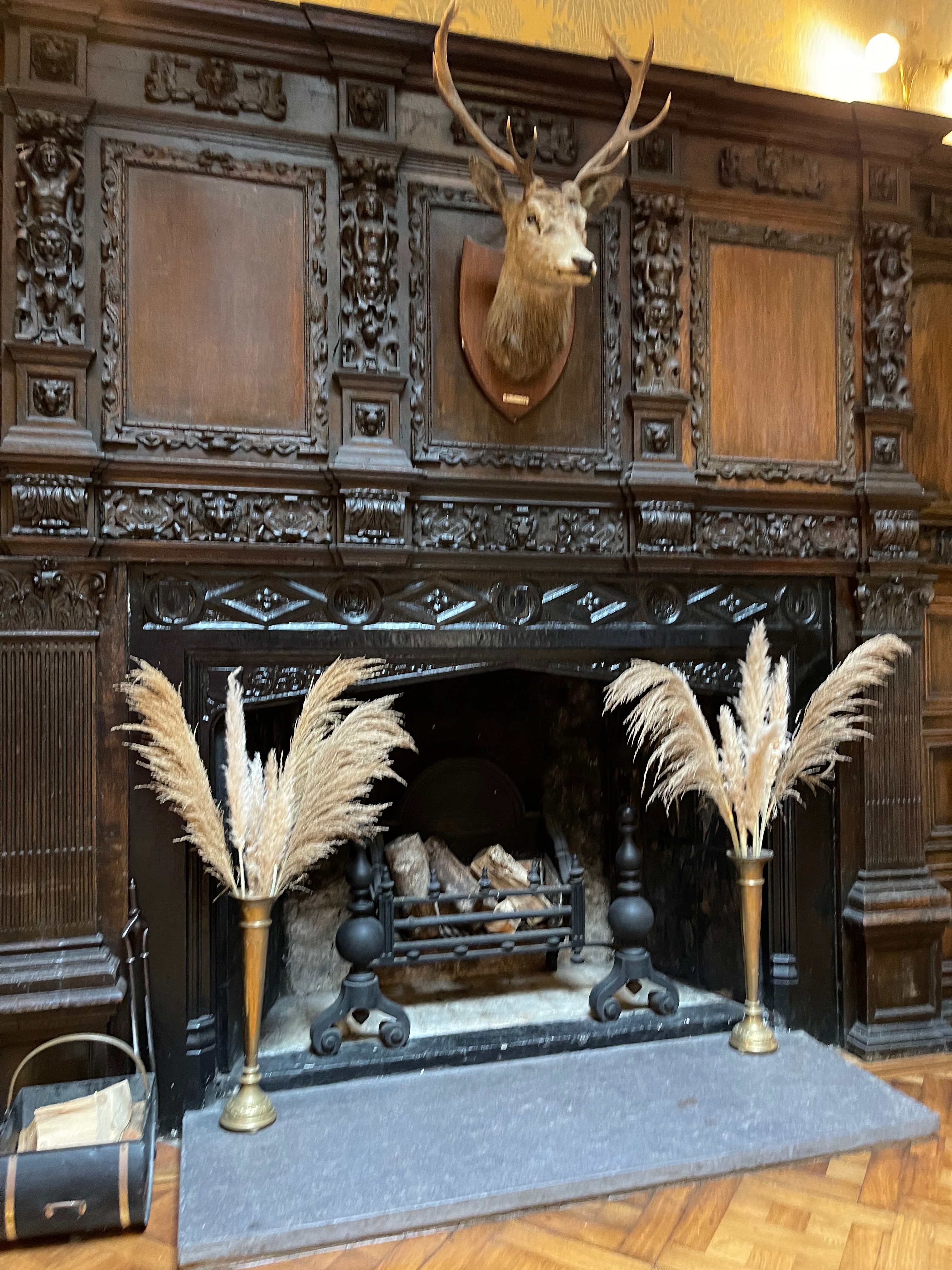
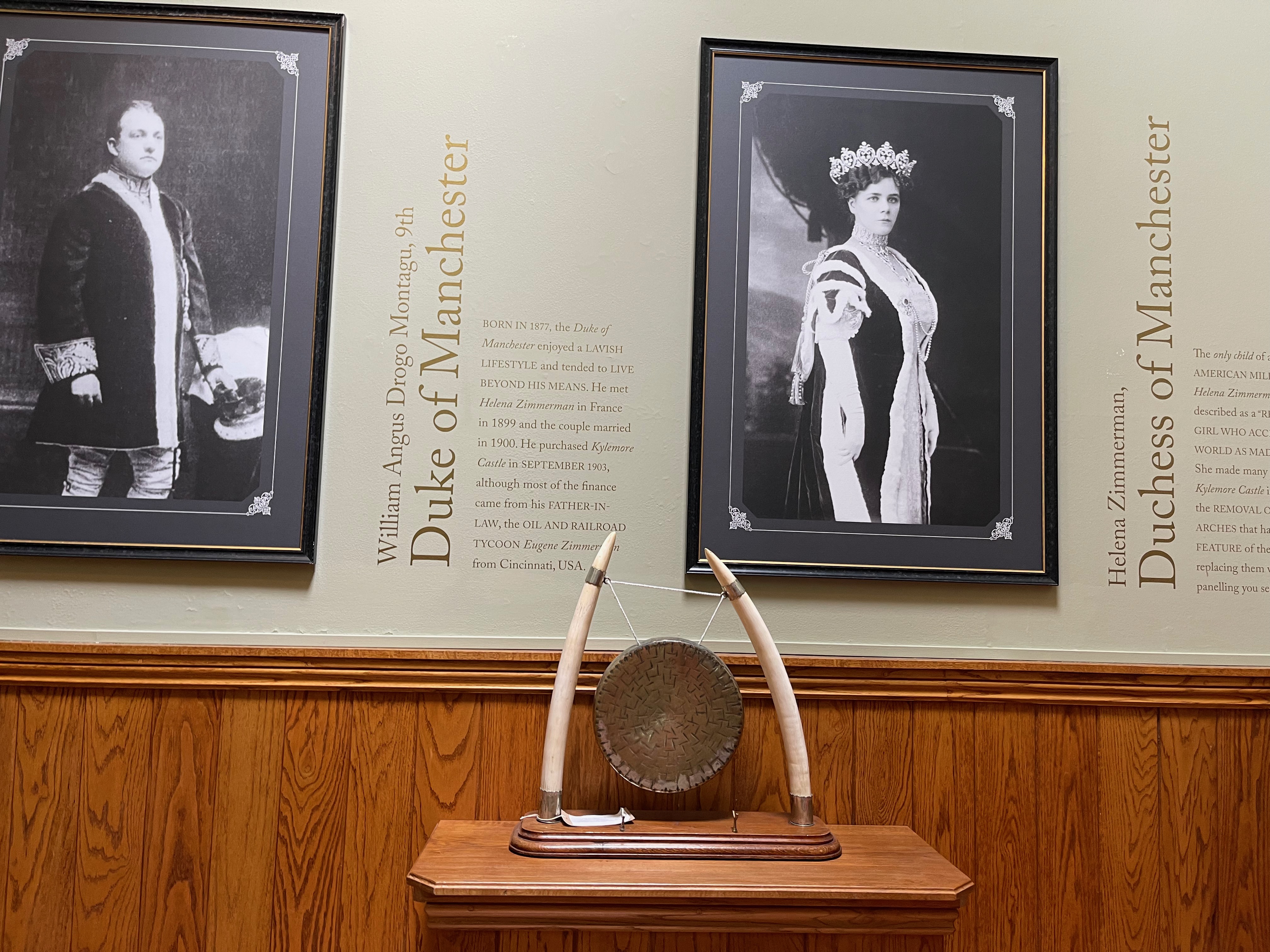
The Henry family eventually left Kylemore in 1902 when the estate was sold to the Ninth Duke of Manchester.

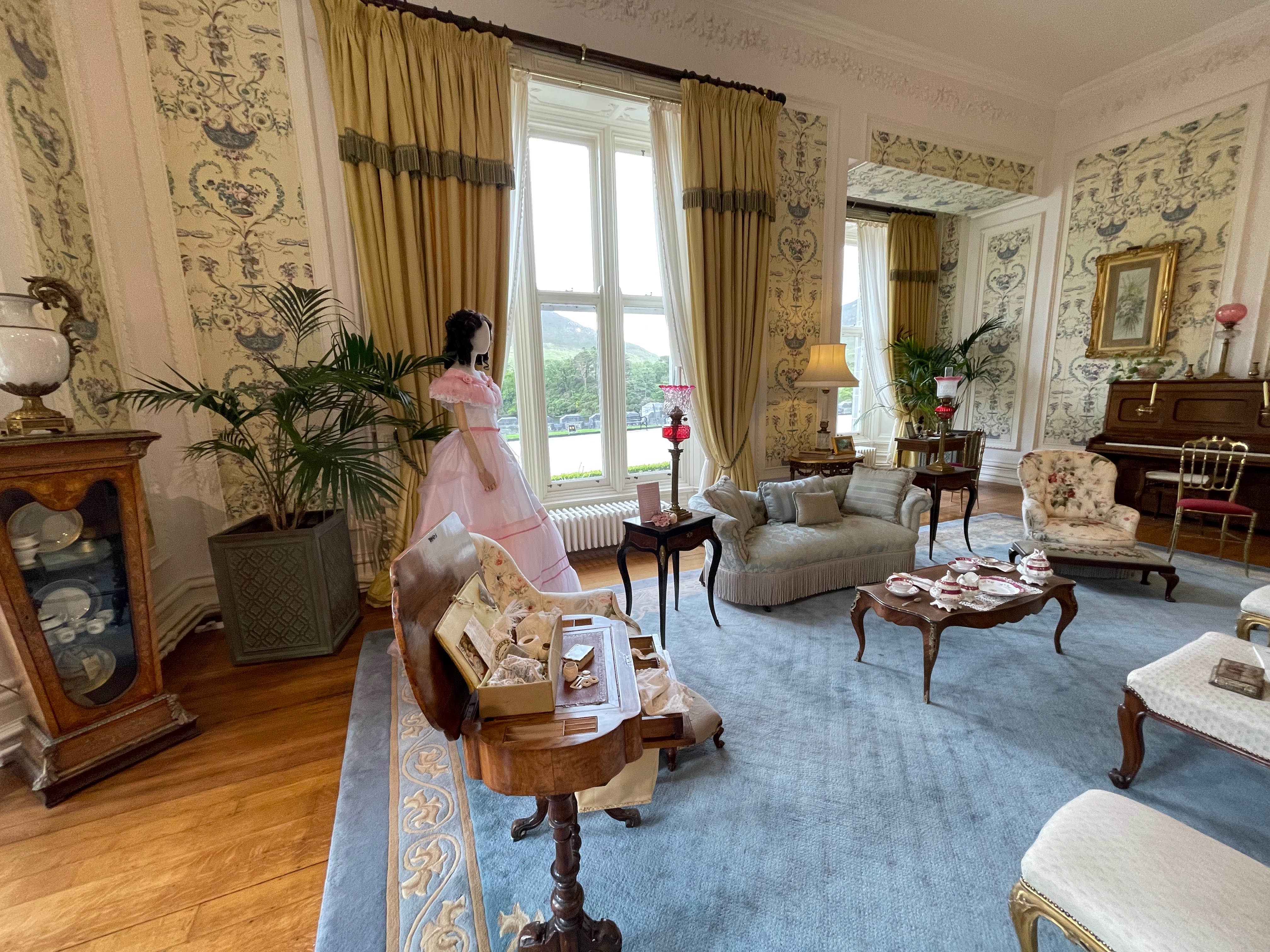
The Duke and Duchess lived a lavish lifestyle financed by the Duchess’s father, a wealthy American. Helen Zimmerman- The Duchess, was referred to in the English and American press as a “dollar princess”, the title was given to weathy American heiresses who married into the British royal line.

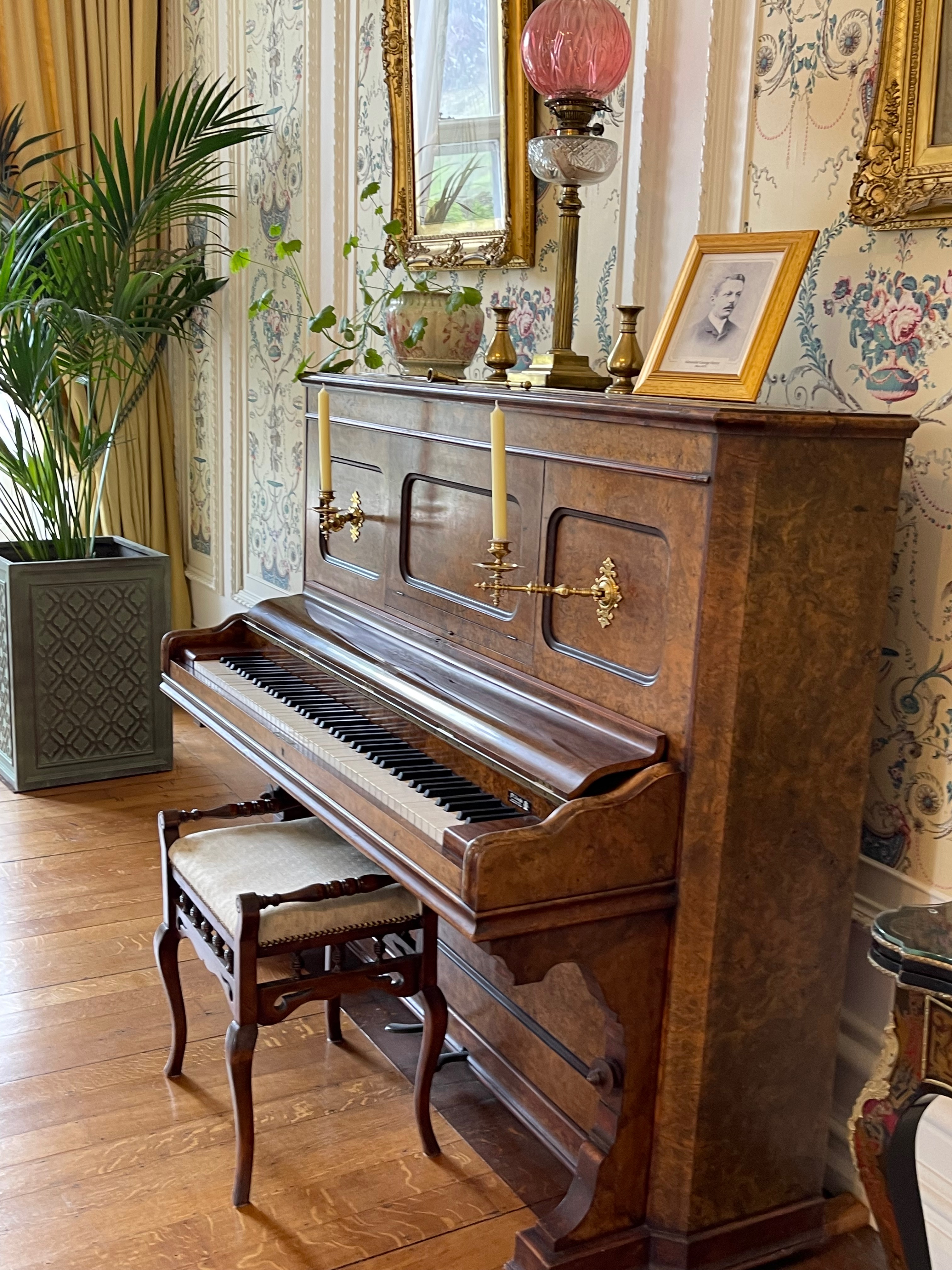
In December 1920 a community of nuns known as the “Irish Dames of Ypres” settled into Kylemore. The nuns turned the estate into a boarding school and a day school for girls. The principal reception rooms and bedrooms in the Abbey were converted into classrooms with other rooms being converted into dormitories. The nuns maintain the main floor of the castle as a tourist attraction and a profitable income to help sustain the Abbey.

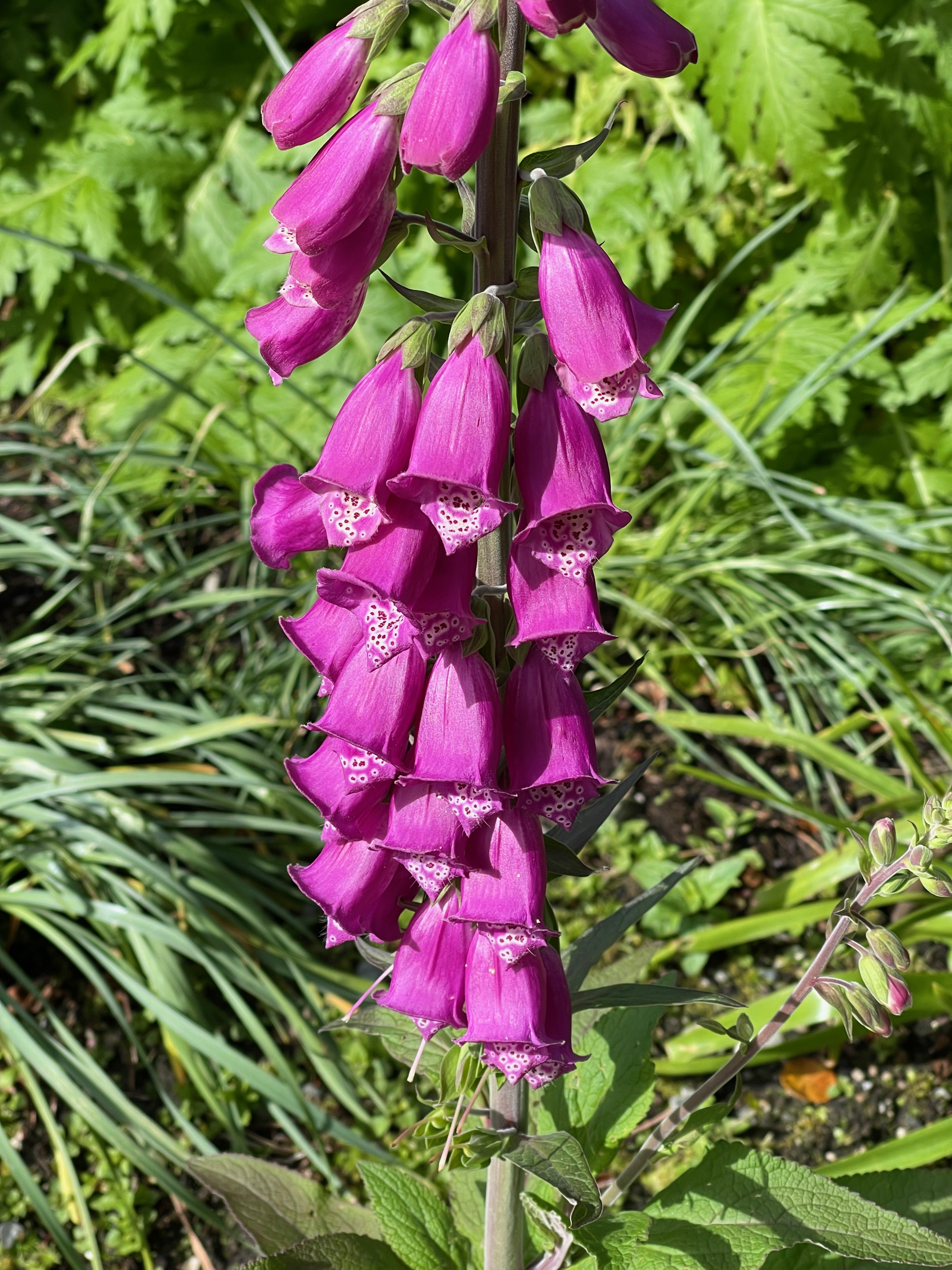
The garden boast one of the first glass greenhouses of Ireland.

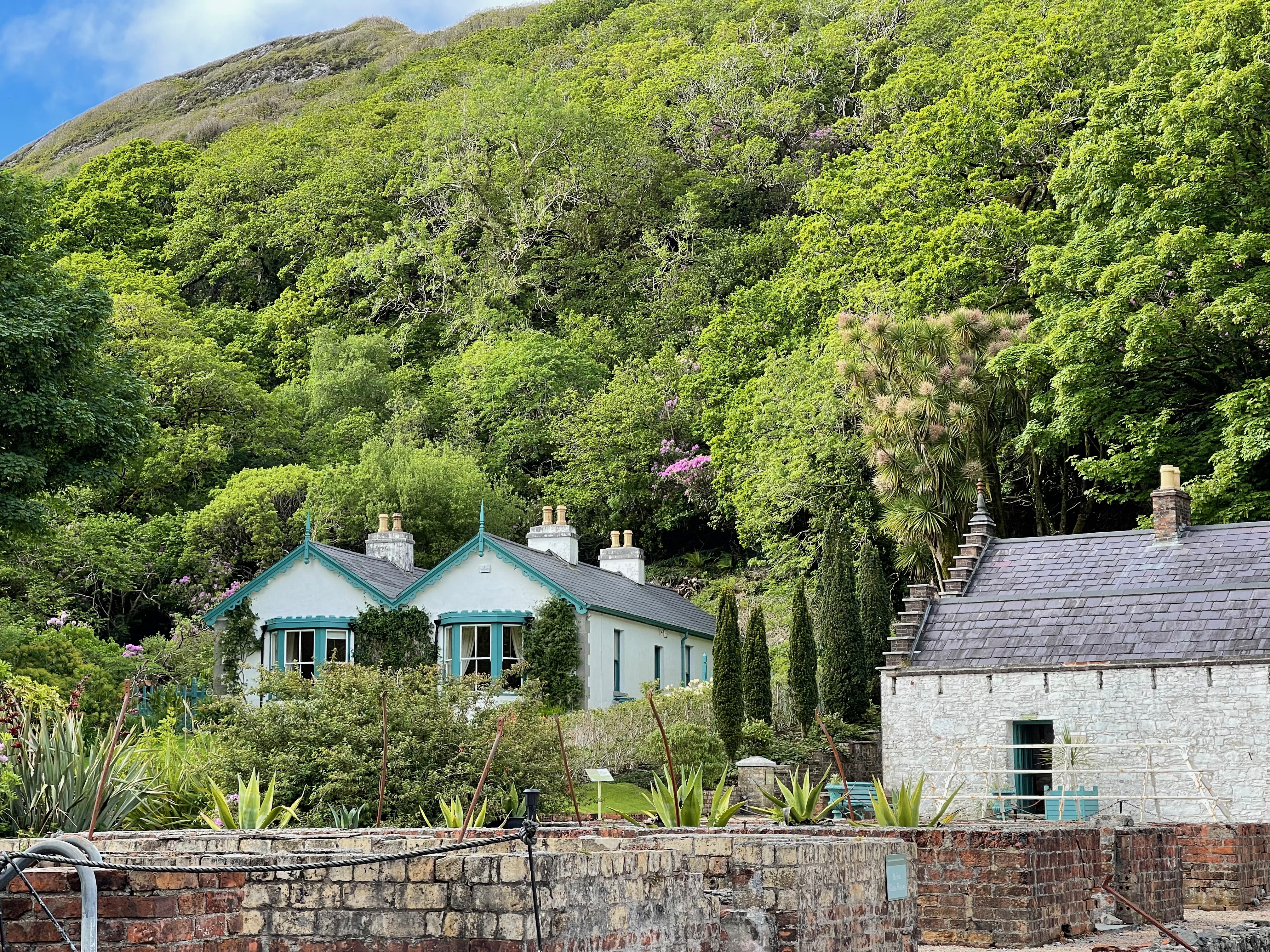
The white cottages with blue trim are homes to the Master Gardeners.

The walled gardens provide a wide range of fruit and vegetables, a well equipped kitchen with several pantries, an ice house, fish and meat larder and a beer and wine cellar.
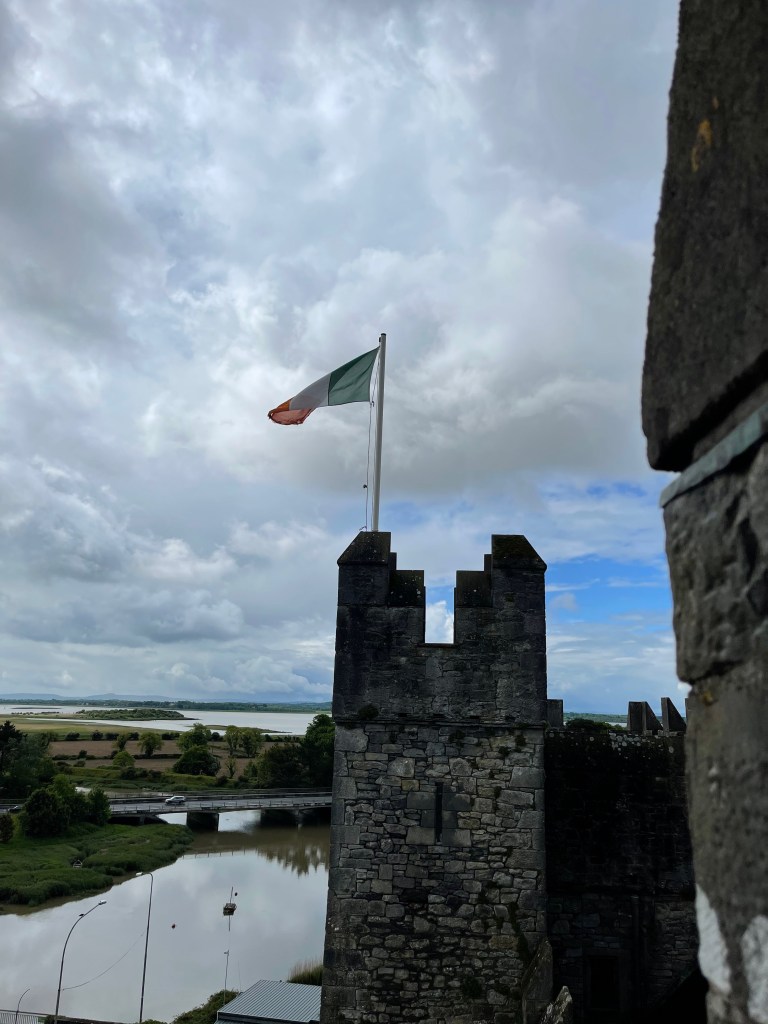
Day 5 in Ireland

Today we leave Kerry and head to Galway, but along the way we stopped at Bunratty Castle and Folk Park.

Bunratty Castle is a window on the past. The present castle, last of a series on the same site was built around 1425. During the 16th and 17th centuries it was an important stronghold of the O’Briens – kings and laters earls, of Thomond or North Munster. It is furnished with mainly 15th and 16th century furnishings in the style of the period of the Great Earl. The main block has three floors, each consisting of a single great room or hall. The four towers have six stories each. The castle is entered by a drawbridge to the Main Guard.

The lowest of the three central large rooms of the castle may have been used as a store room or stable. The vaulted hall with its Minstrels’ Gallery was the main living room of the common soldiers and of the Earl’s retainers. It is now used for medieval banquets. A small gate leads to a dungeon.

The Captain’s quarters is named for the captain of the guard and has a finely decorated ceiling.

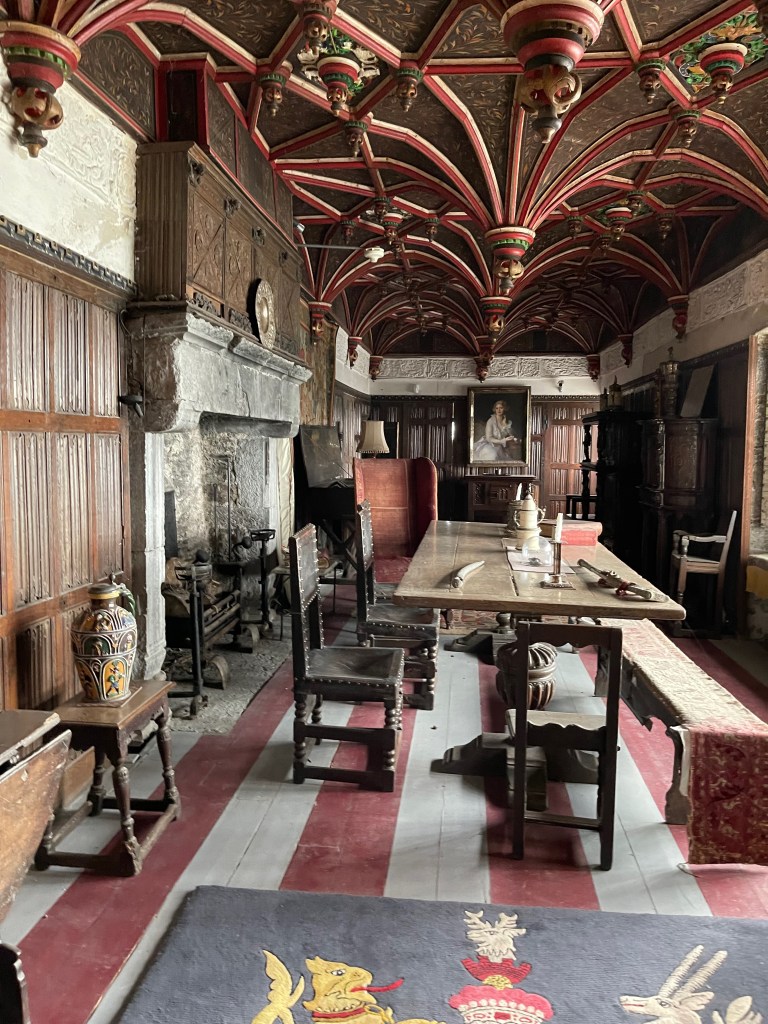
The Great Hall was the original banquet hall and audience chamber of the Earls of Thomond. The Earl gave judgements while sitting his Chair of the Estate. The walls were hung with French, Belgian and Flemish tapestries. The oak dower-cupboard is dated 1570, and the 16th century standard displayed the coat of arms of the reigning family.

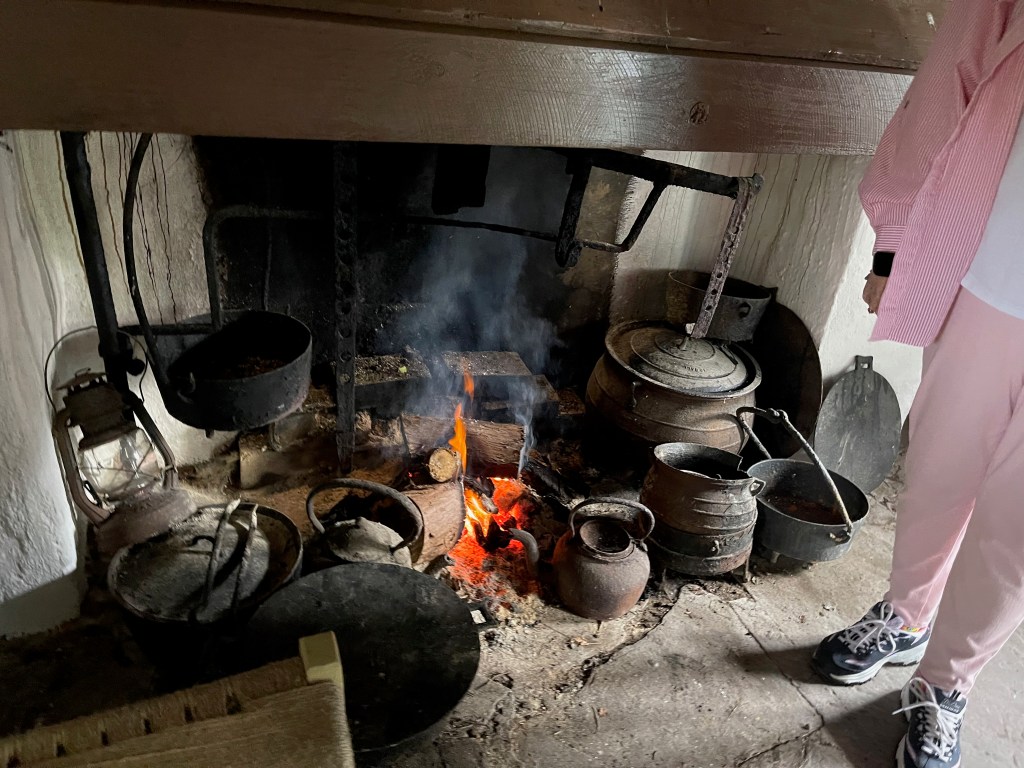
Earl’s Kitchen is where food was cooked for guests in the Great Hall. Large turtle shells were used as dishes and covers. The Kitchen even had its own garbage chute.

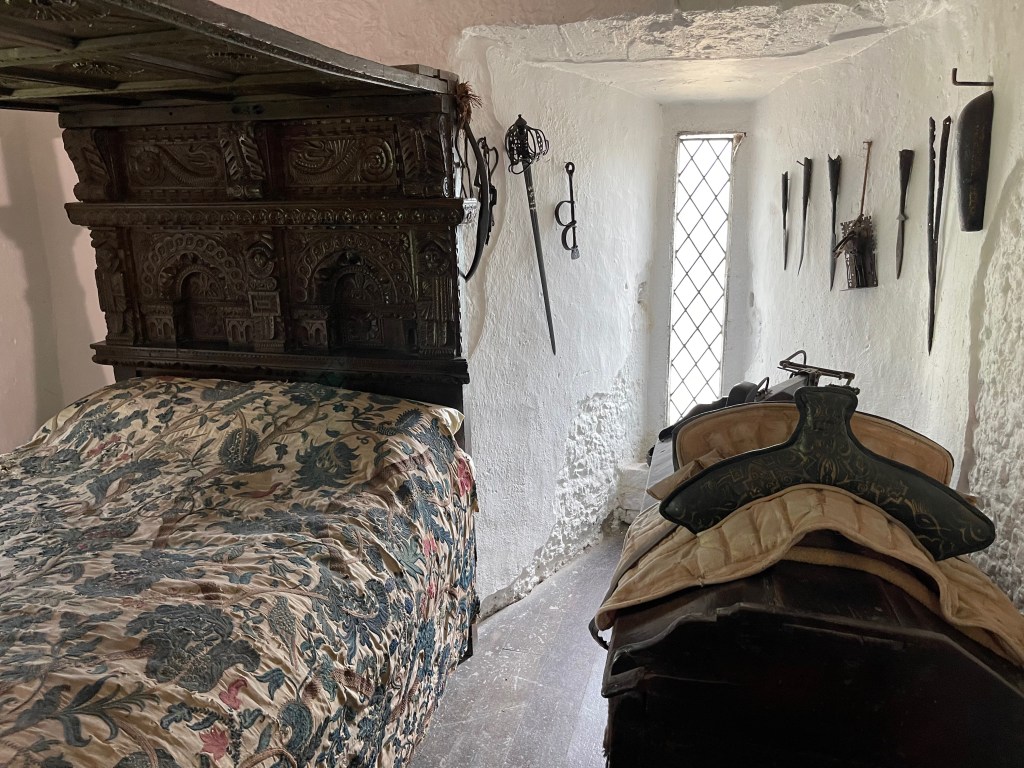
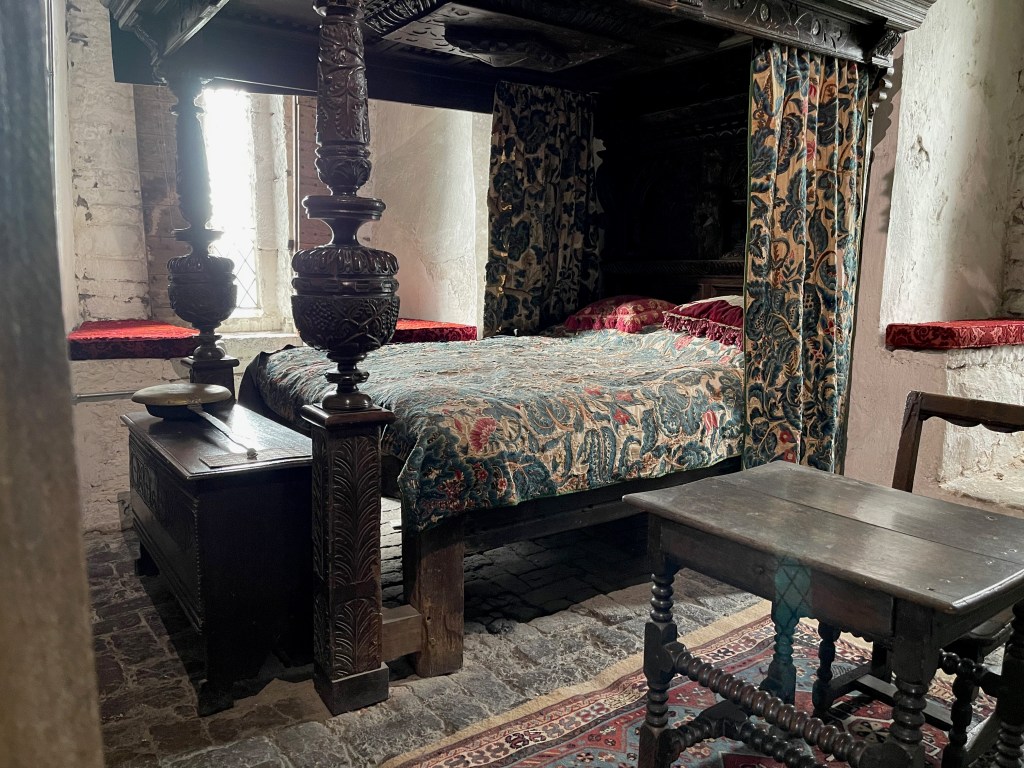
The Earl’s Bedroom is draped with damask and there is a magnificent carved bed. One of her ladyship’s dresses (on the bed) is elaborately beaded. Also pictured is an extremely rare example of a 15th century cupboard with writing flap.

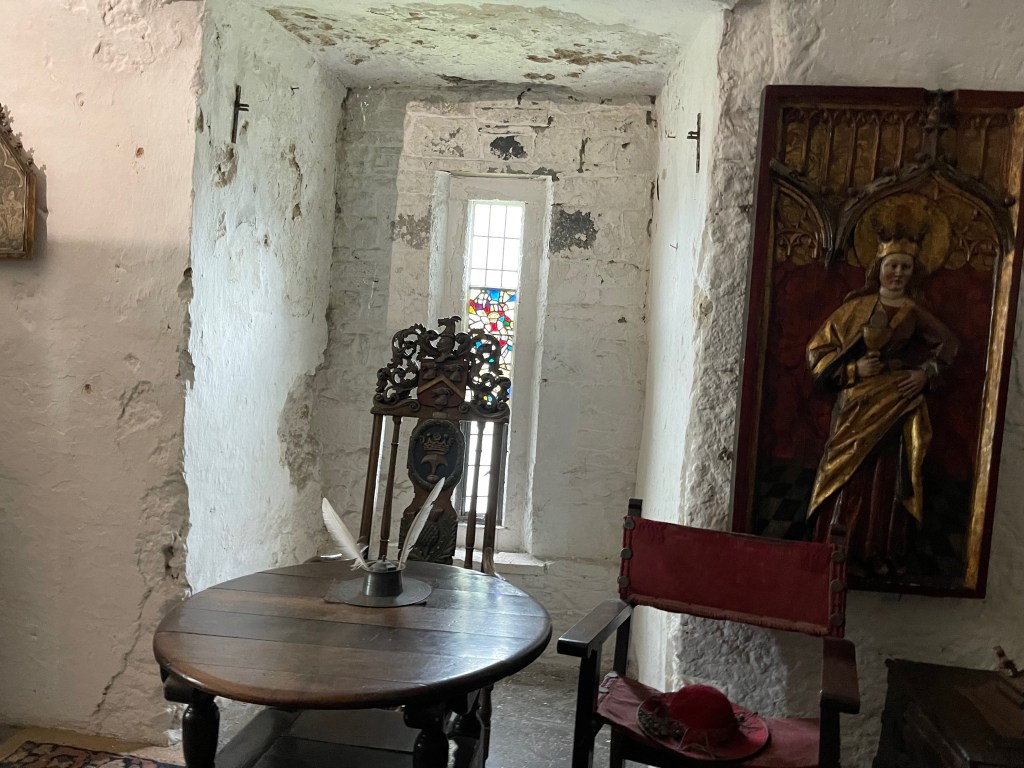
The North Solar was the private apartment of the Earl and his family. The oak paneling dates to c. 1500. The table is said to have been salvaged the wreck of a Spanish Armada ship. Attached is a private chapel containing several valuable and beautiful items.

Next was the Earl’s Pantry which may have been used as a kitchen or Servant’s Quarters.

The Public Chapel has a finely decorated 16th century stucco ceiling and several precious artifacts including a 15th century Swabian alter piece. The chaplain’s bedchamber is immediately overhead and his robing room directly across the hall.

The last room is the South Solar comprising the guest’s apartments. The ceiling is partially a replica, in Tudor style. Furnishings include a rare virginal dated 1661 and signed “Jacob’s white, Londoni”.

After touring the castle we ventured to the Park. The Park reminded us of Silver Dollar City and Mountain Home Folk Center, of course without rides.

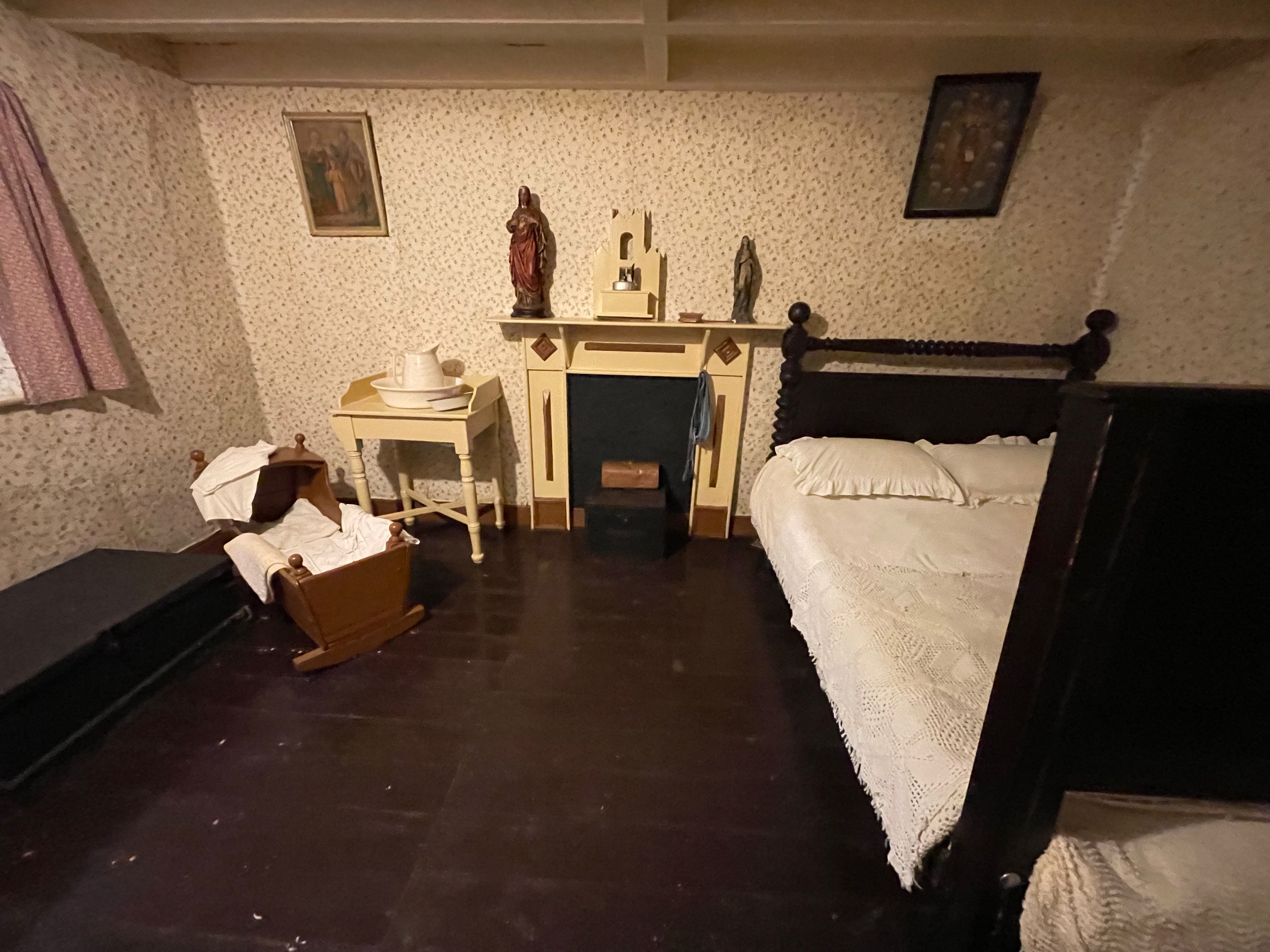
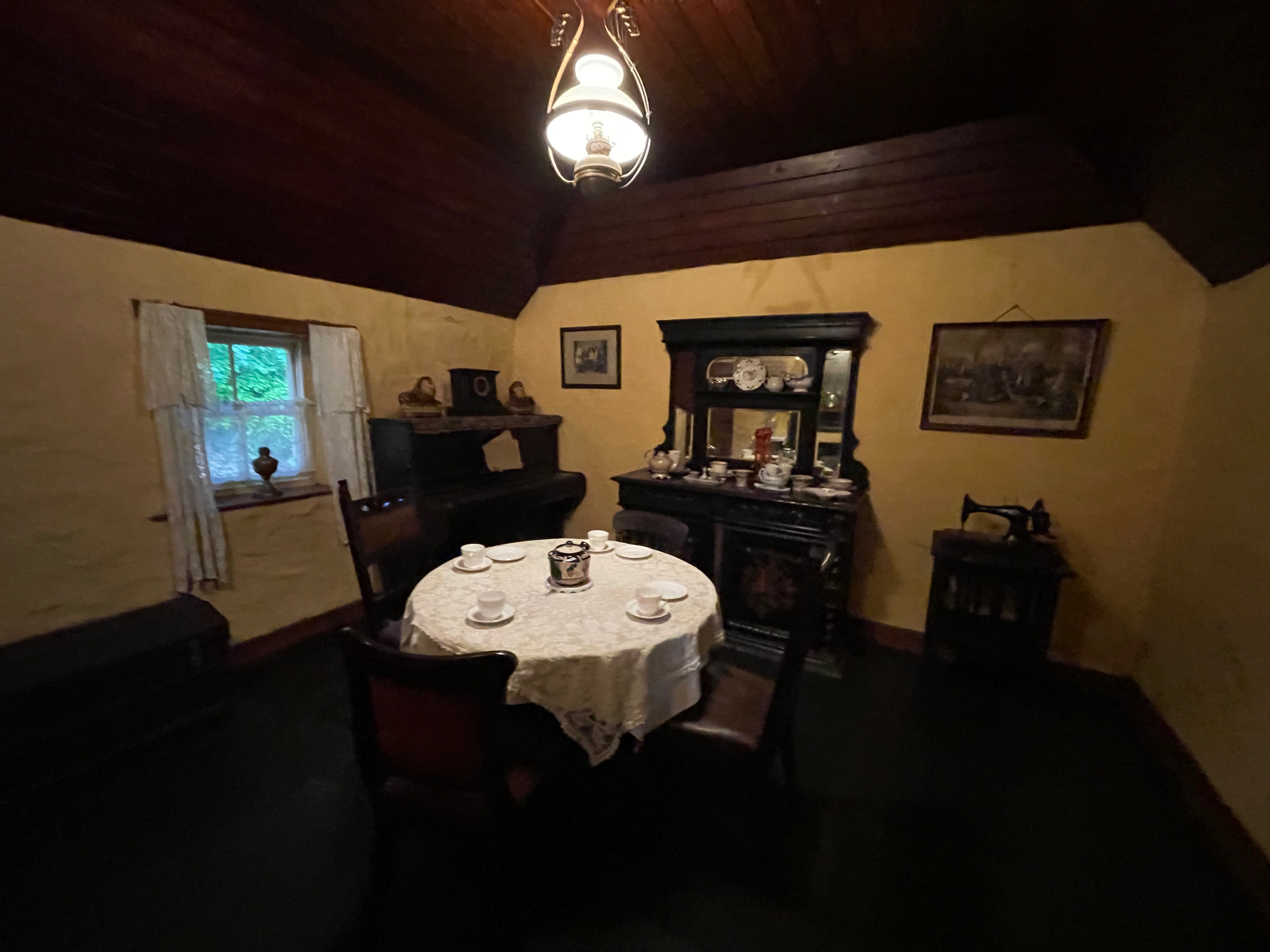
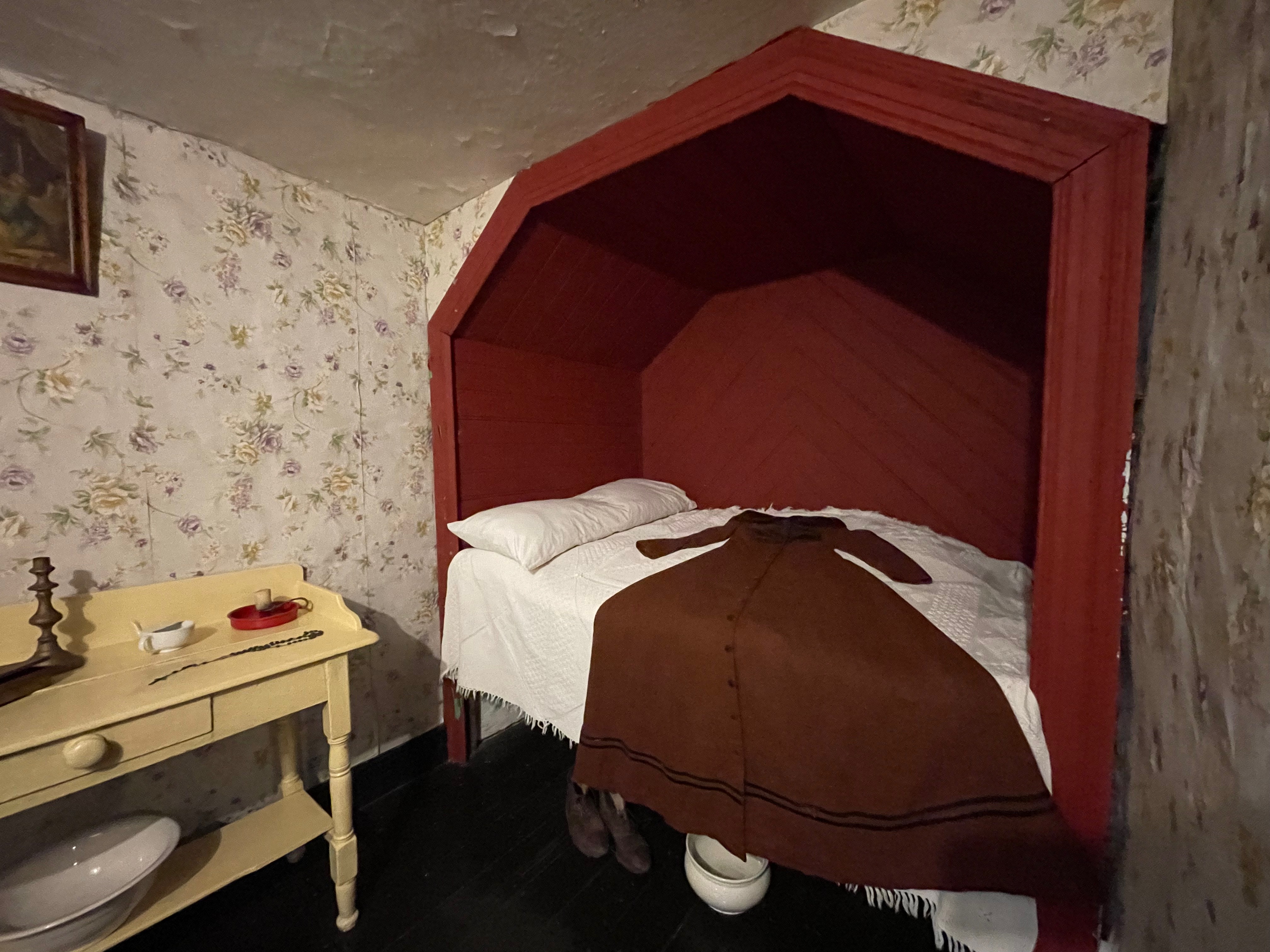
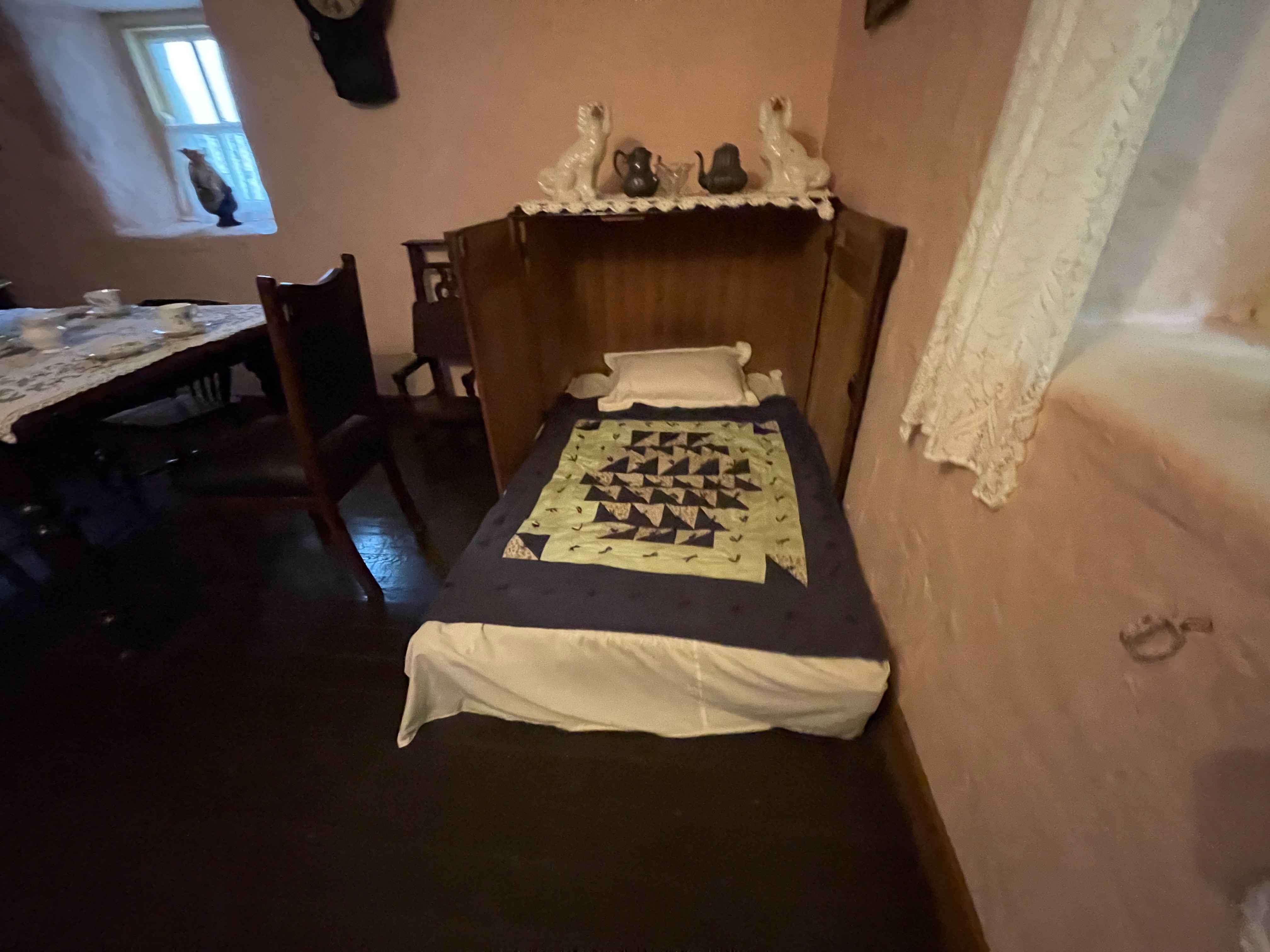
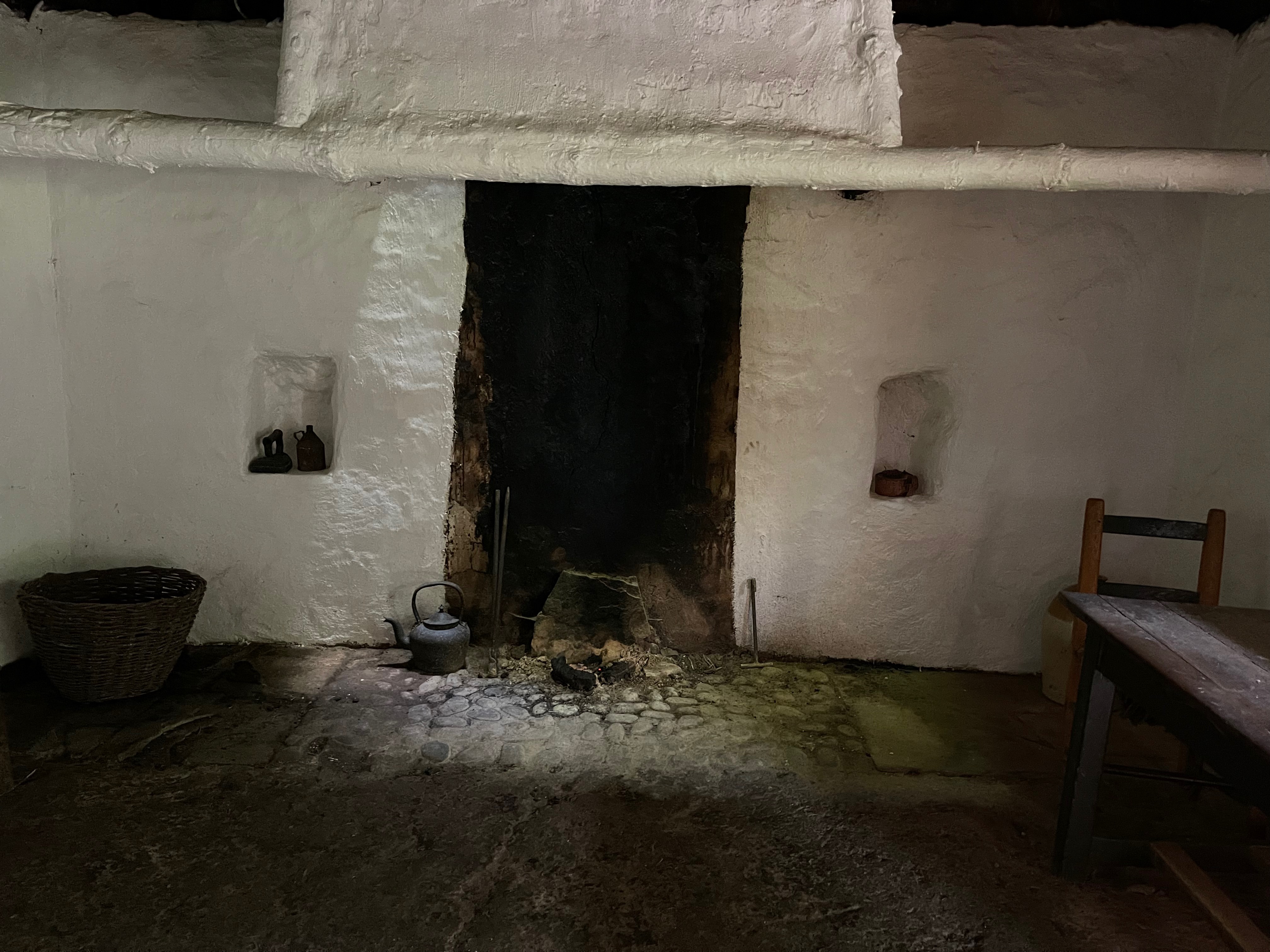
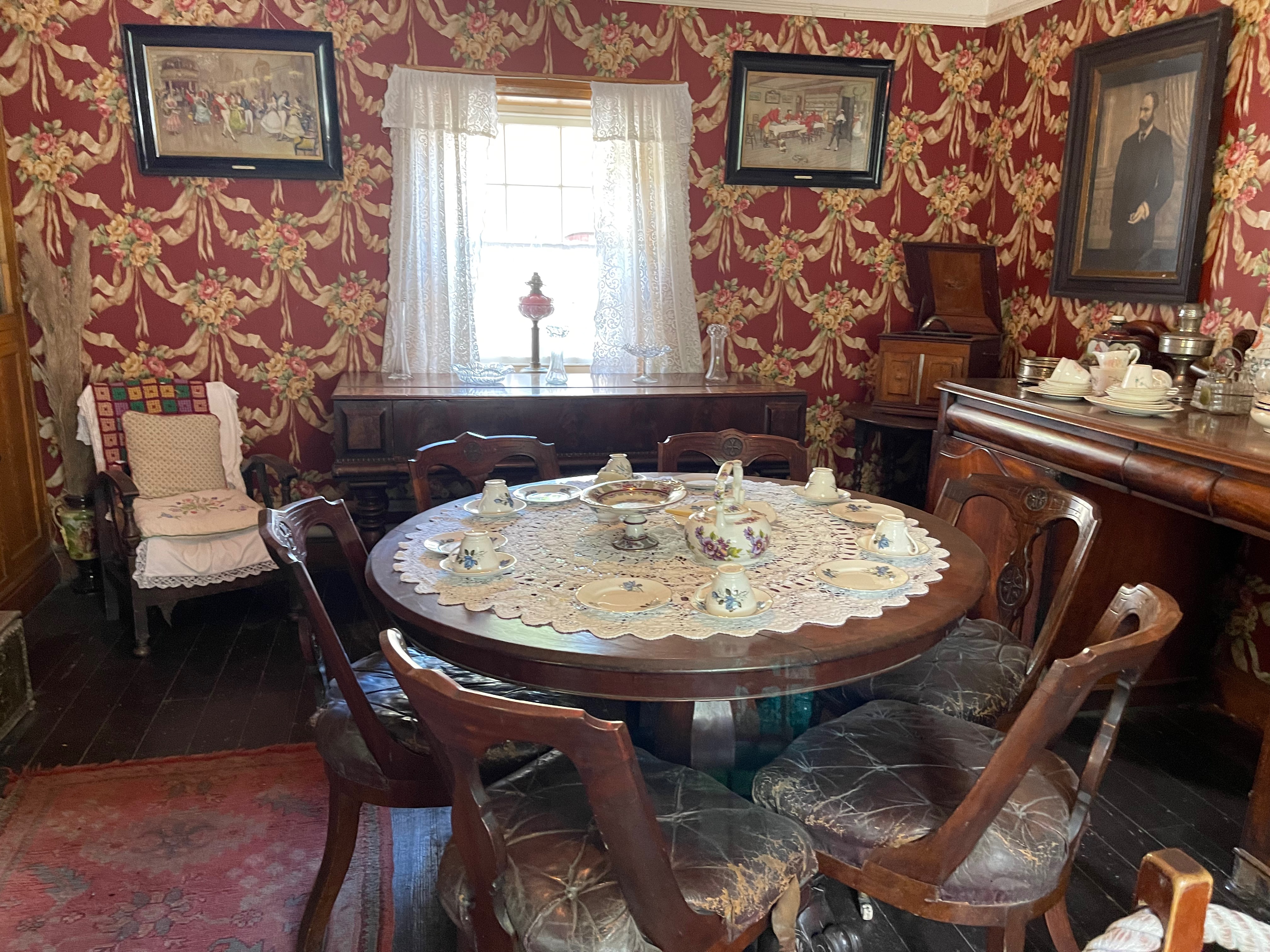
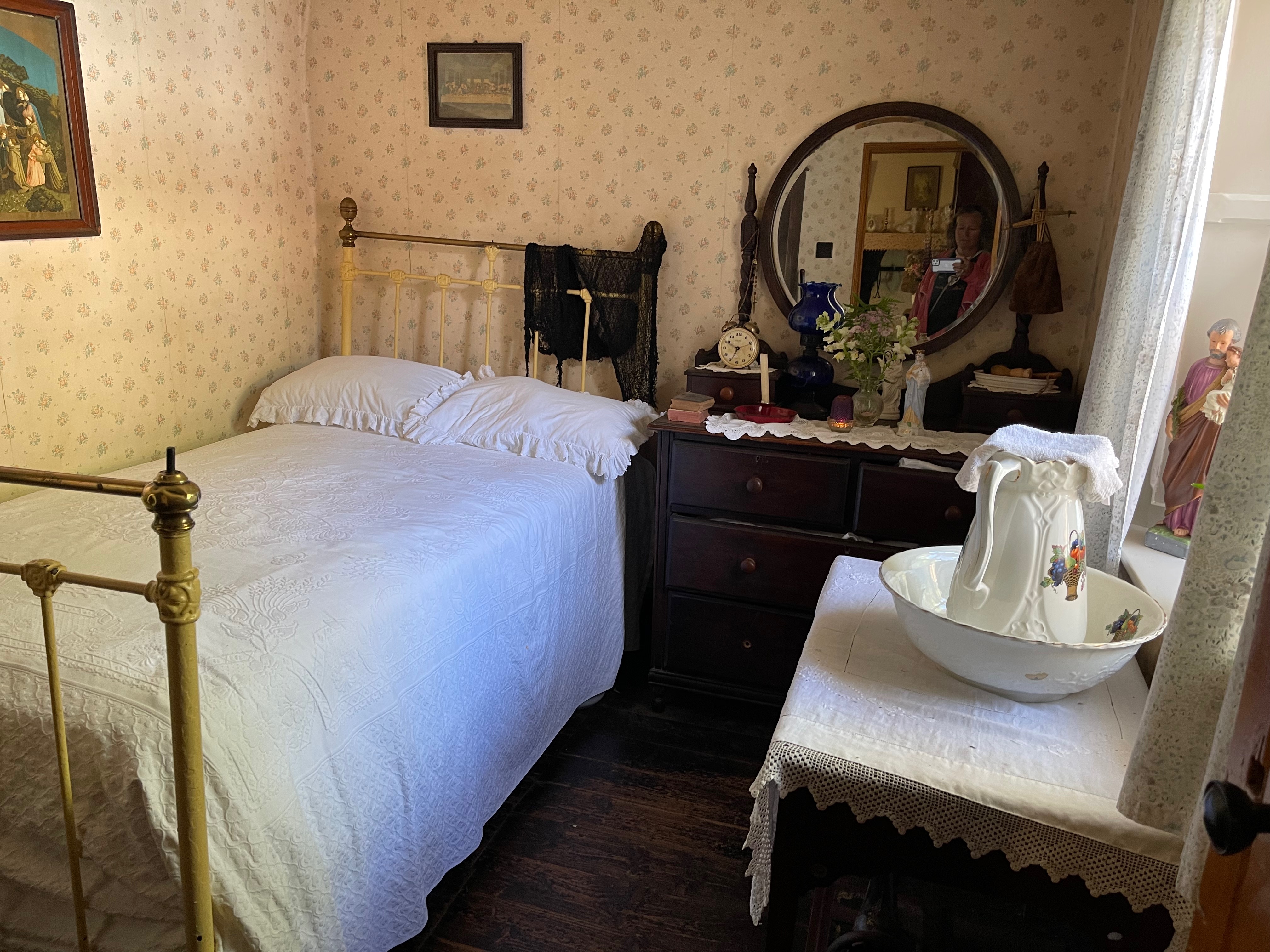
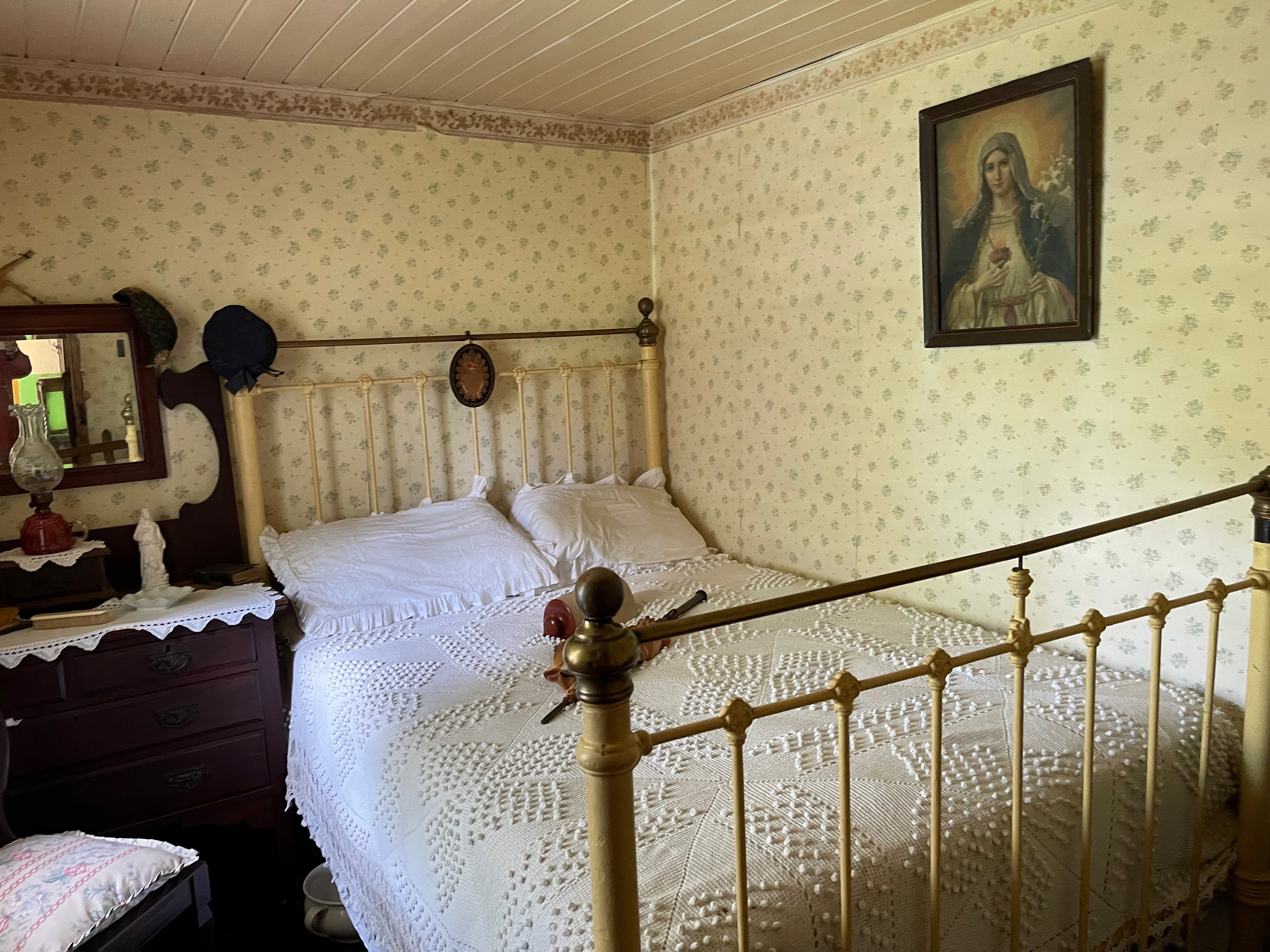
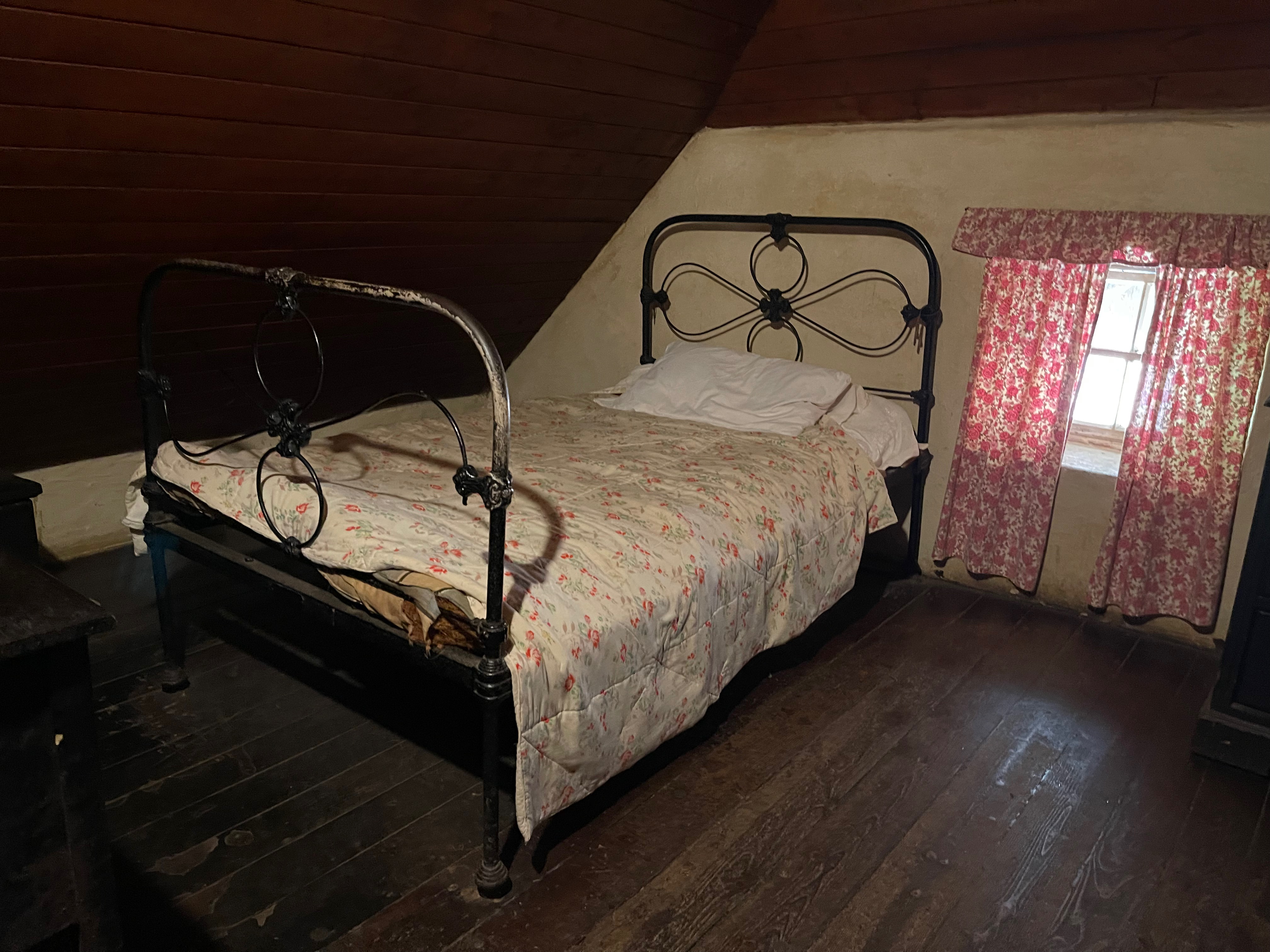
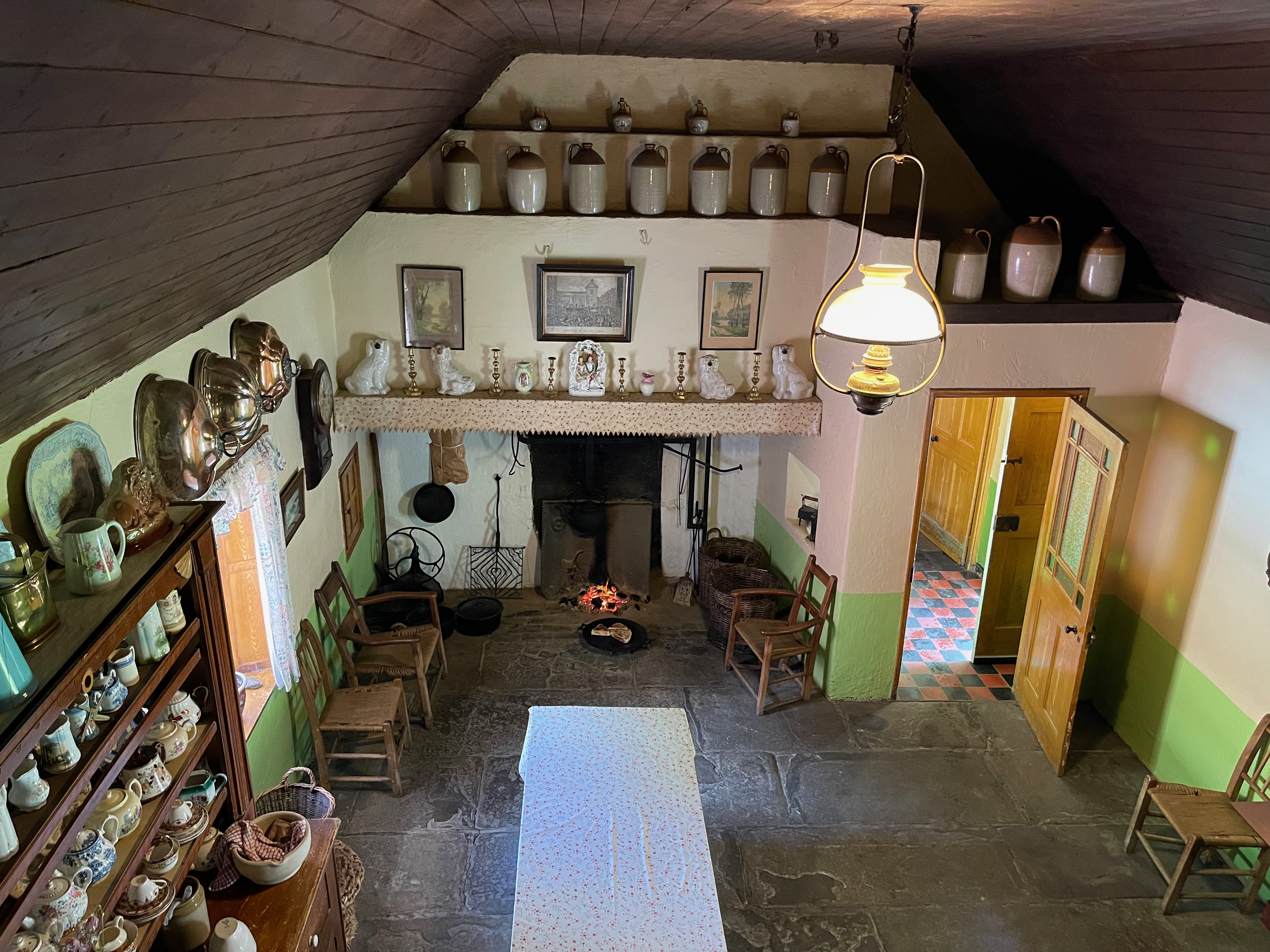
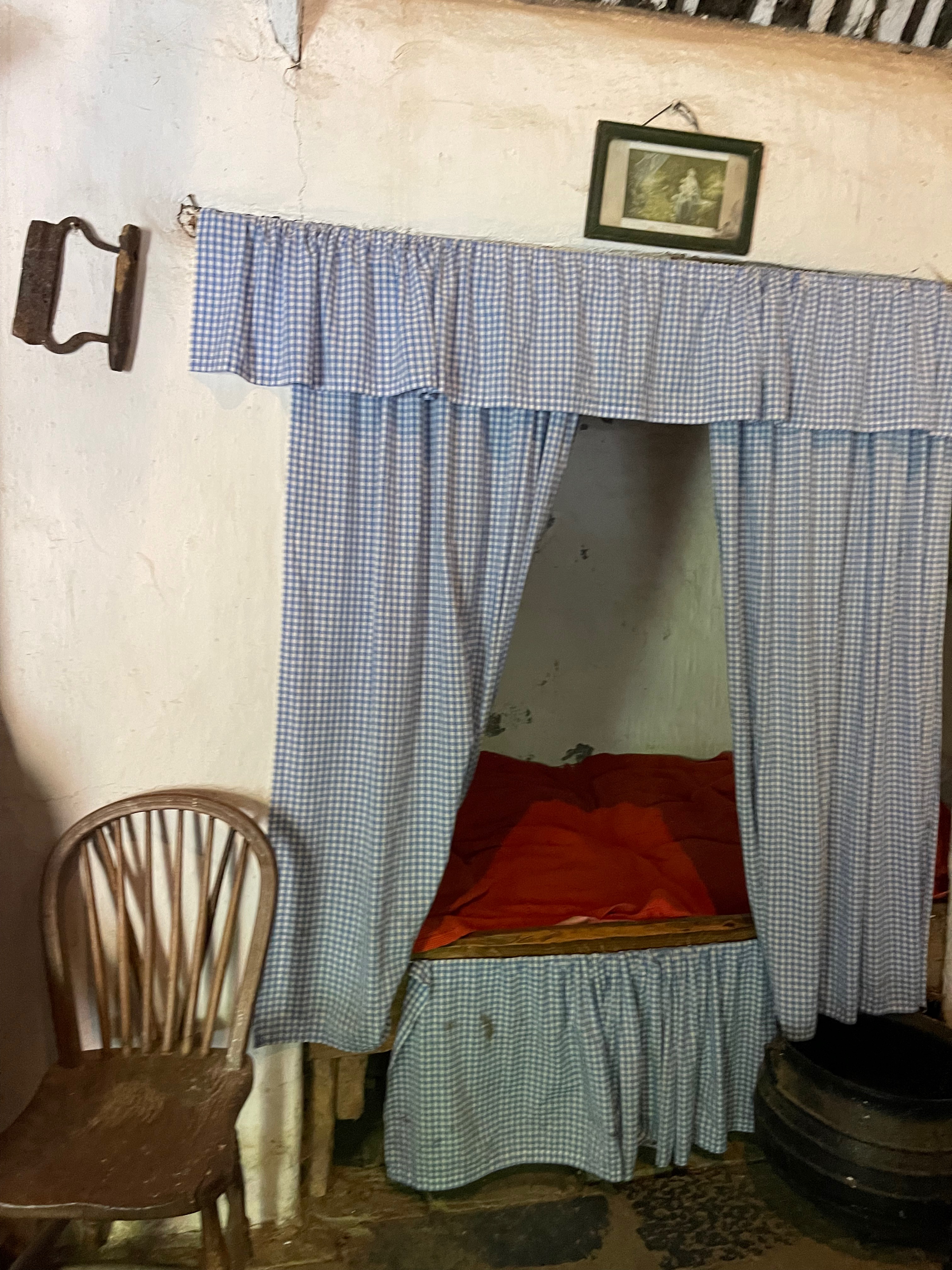
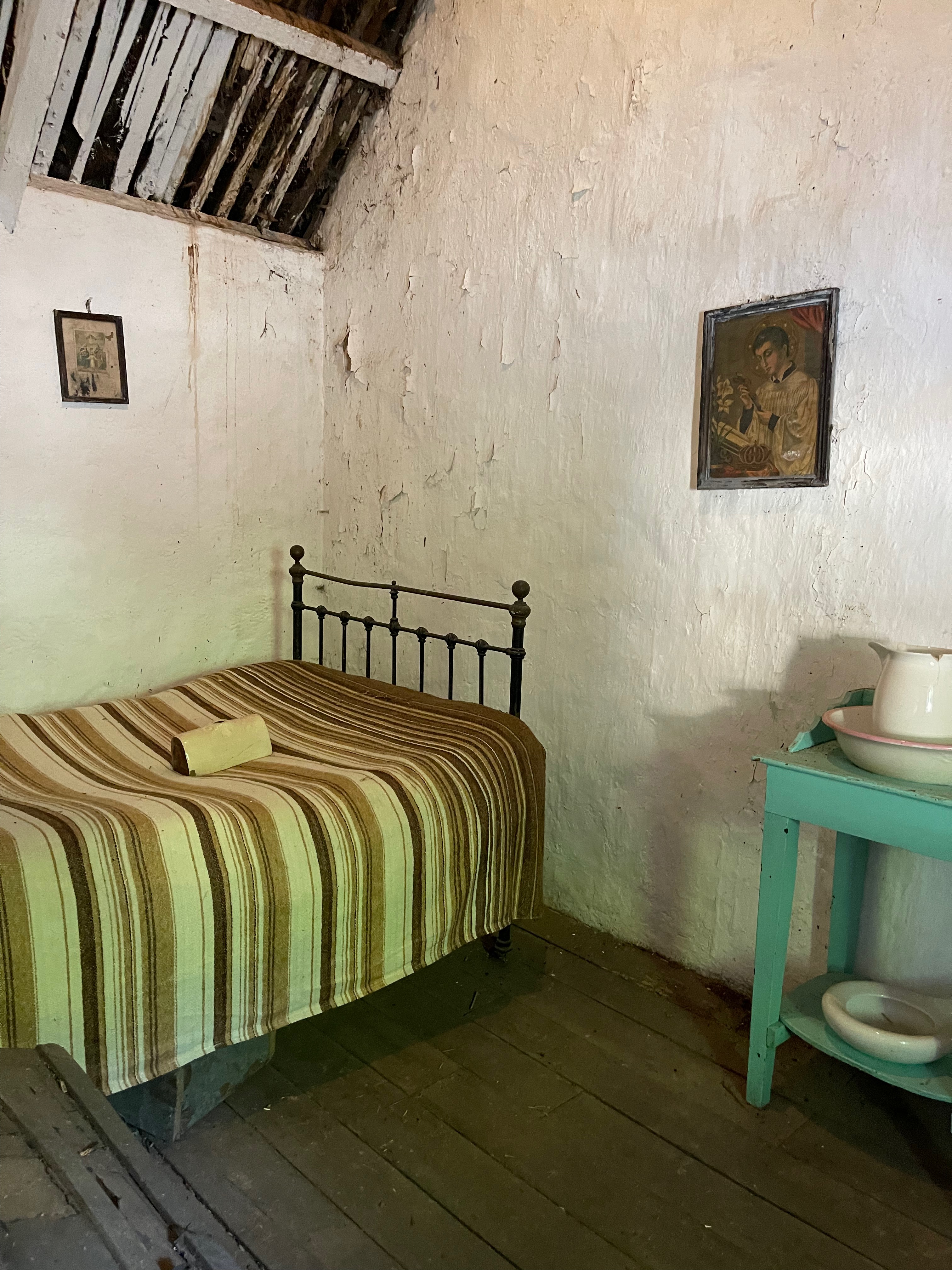
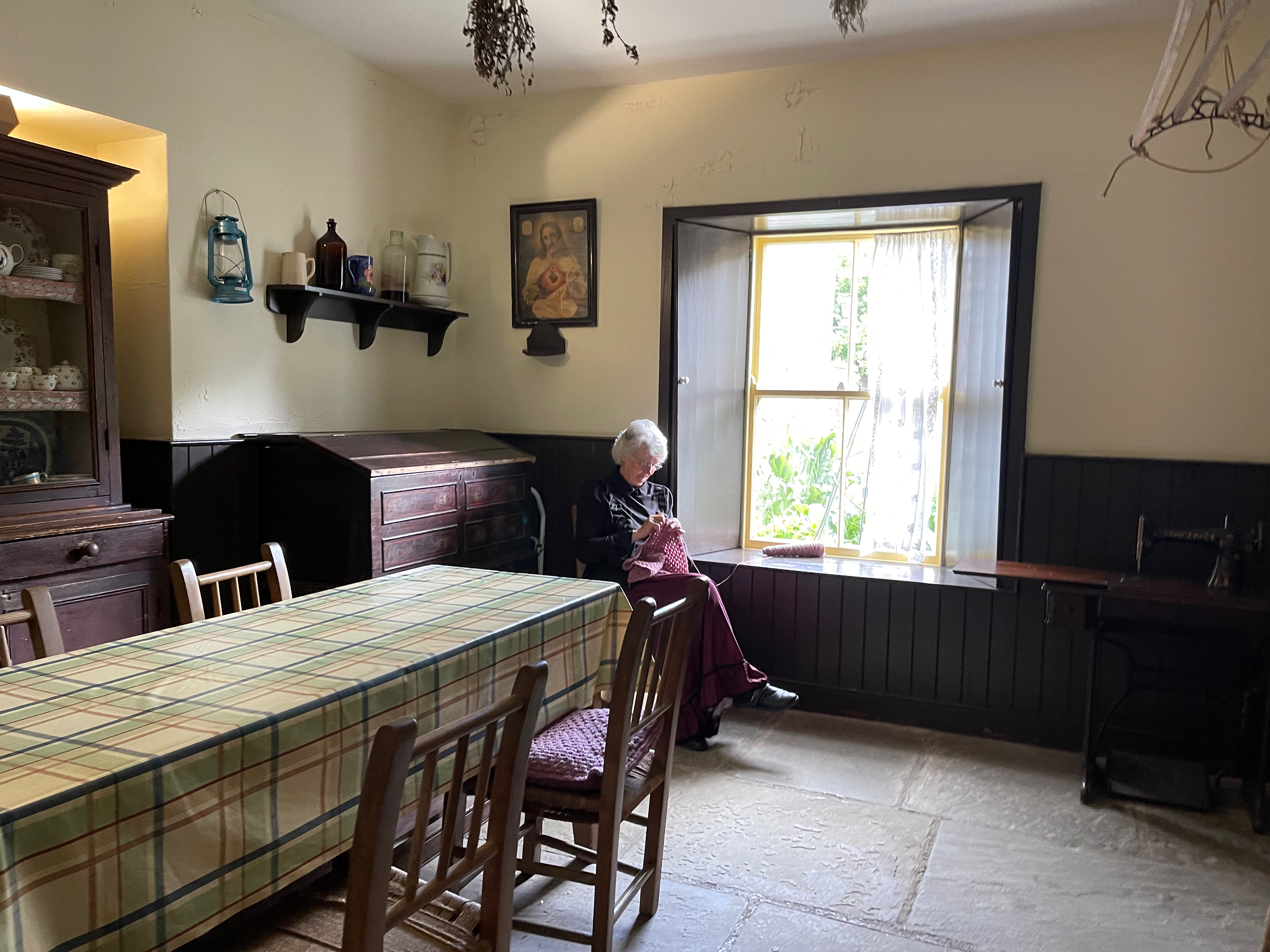
Bunratty Folk Park is a living reconstruction of the homes and environment of Ireland over a century ago. Rural farmhouses, a village street complete with shops and Bunratty House with its formal regency gardens are recreated and furnished as they would have appeared at the time.

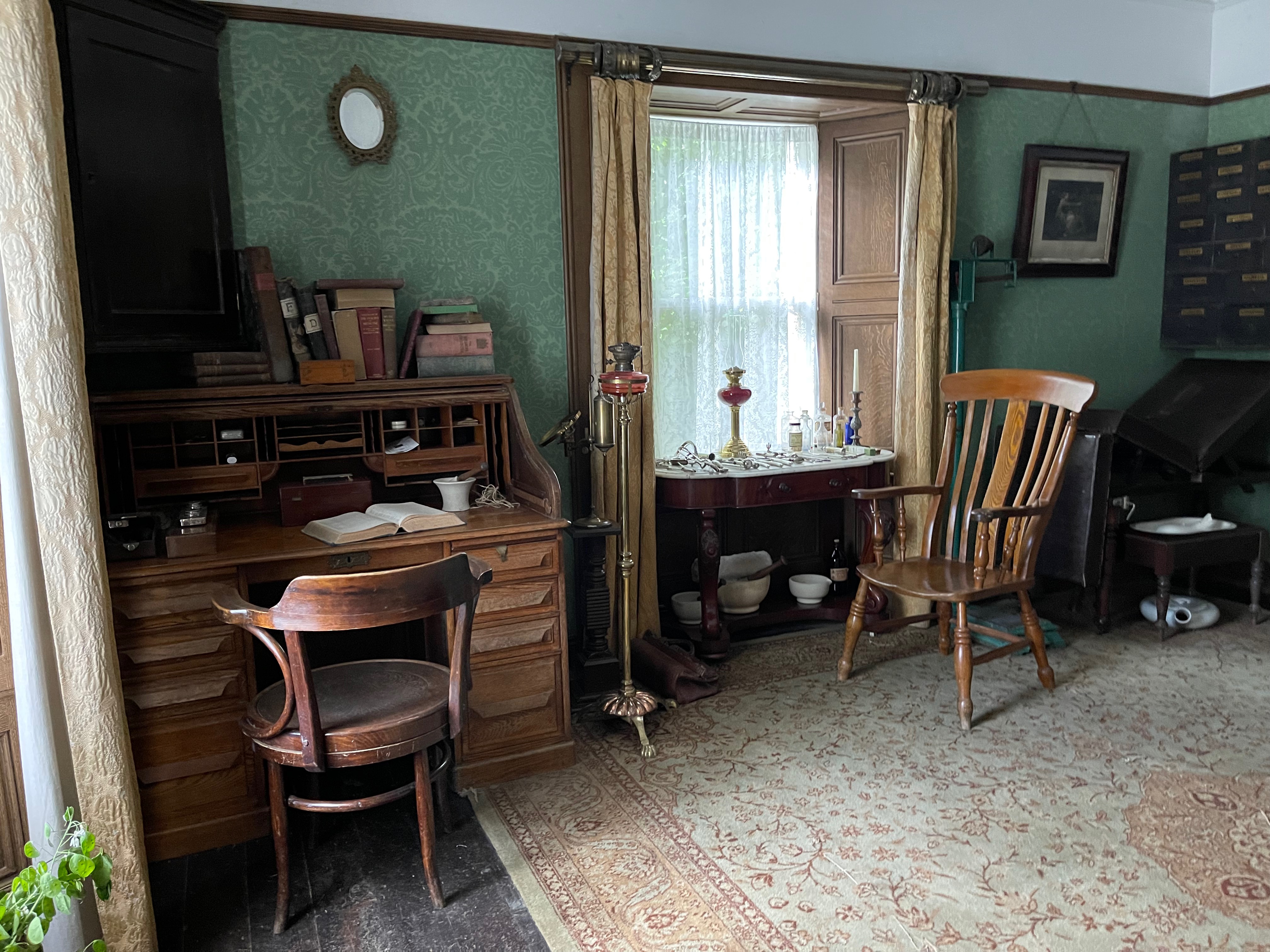
The Doctor’s house where the parlor was used as both dispensary and surgery was first on the “Village Street”. Next was an Artisan House, a small thatched dwelling which has been adapted as a potter’s workshop. Then Brown’s Pawnbroker, these ships were often an important part of the local economy. And of course there was JJ Cory’s Pub, a typical village pub. Each store front was also a home and many times the families kitchen would be used by well known customers. At Sean O’Farrell’s Drapery store you could find Irish linen, poplin and woolens. The family lived upstairs. Foster’s Printworks was typical of a small town printer which produced pamphlets, handbills, notices and newspapers, setting all they type by hand. So many shops/houses were to be seen. Everything from the Post Office to Grocery and Hardware stores.