Exploring Abu Simbel: The Temples of Ramses II and Nefertari

Day 8 – November 5, 2024

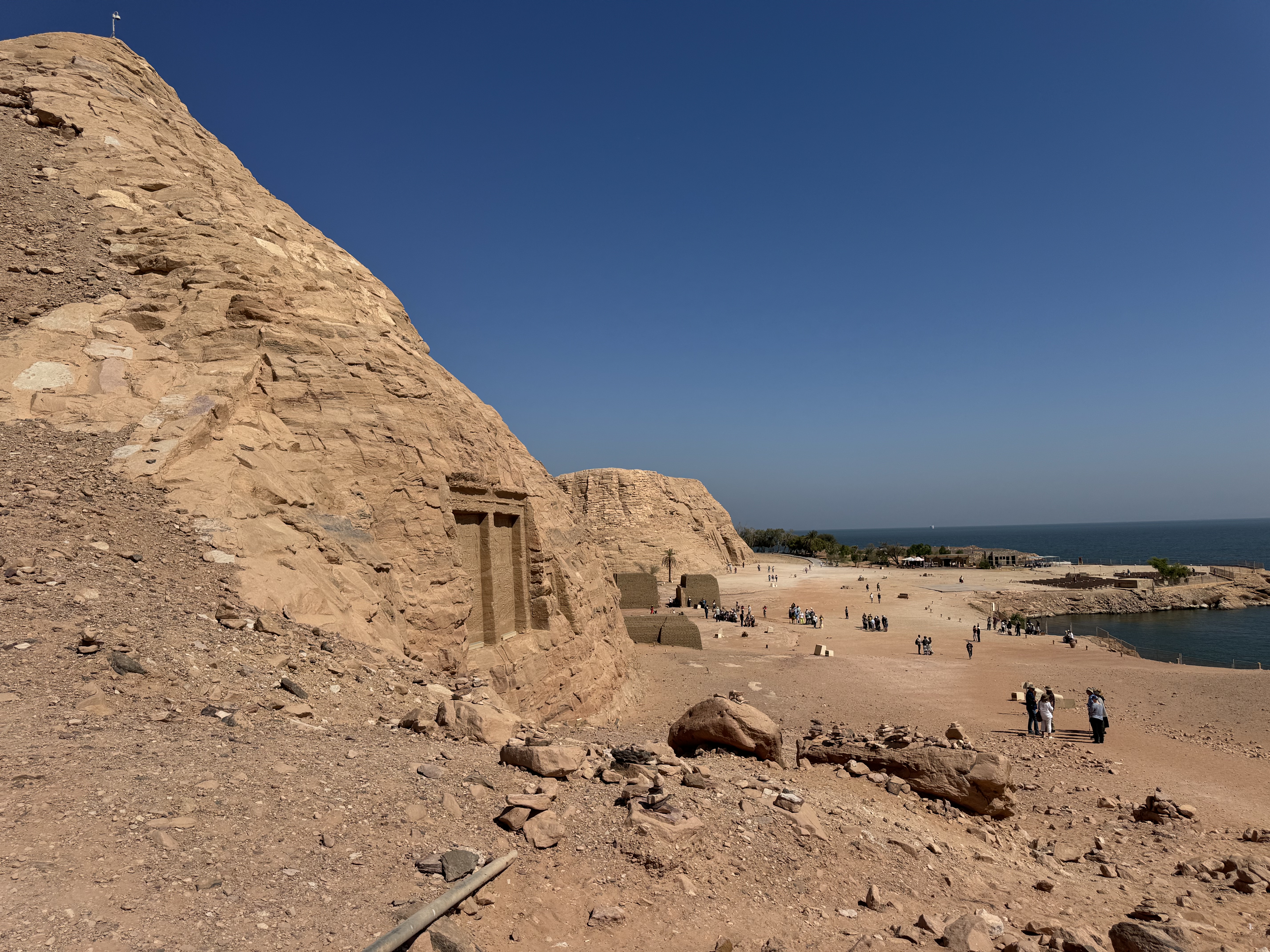
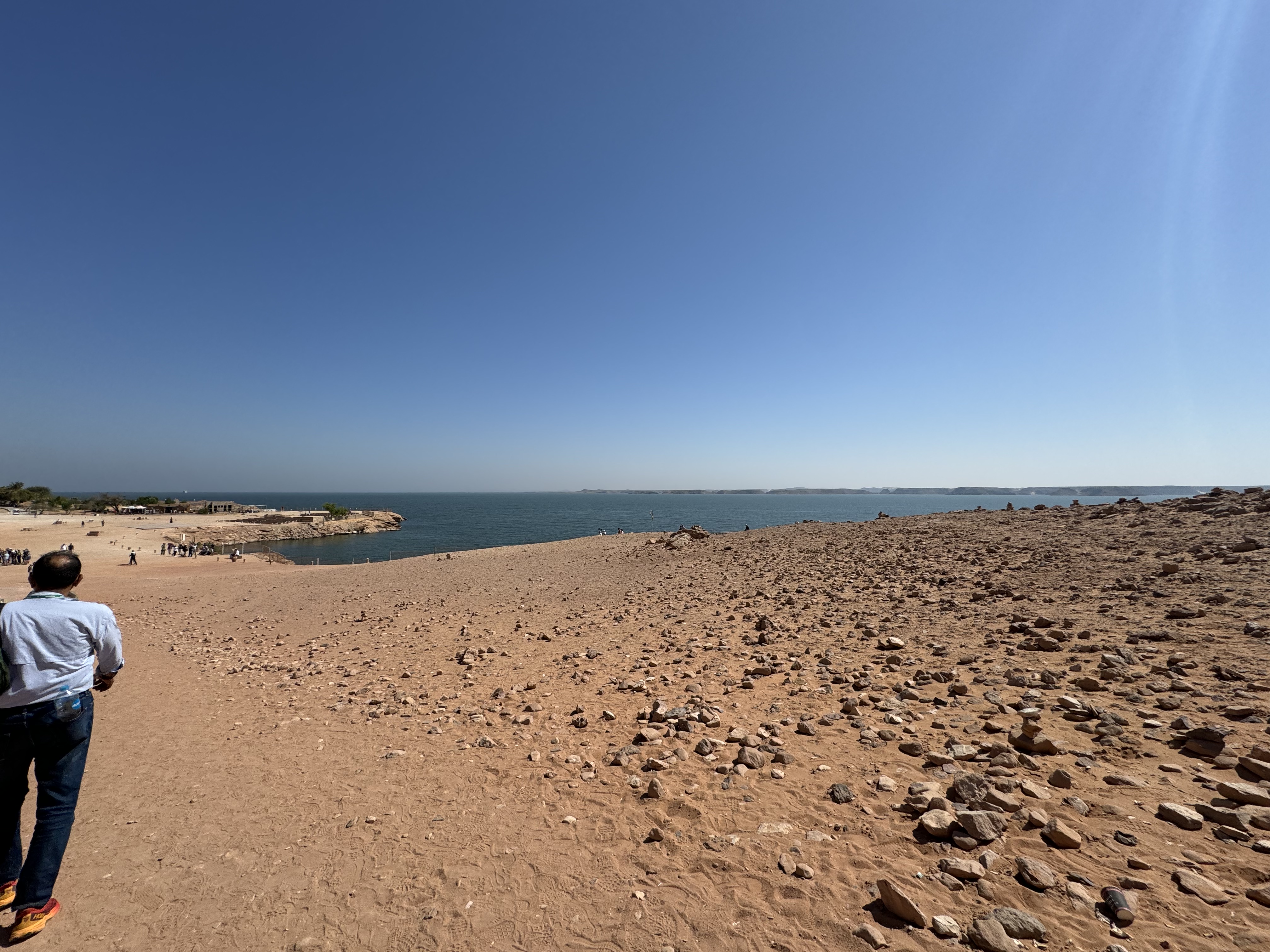
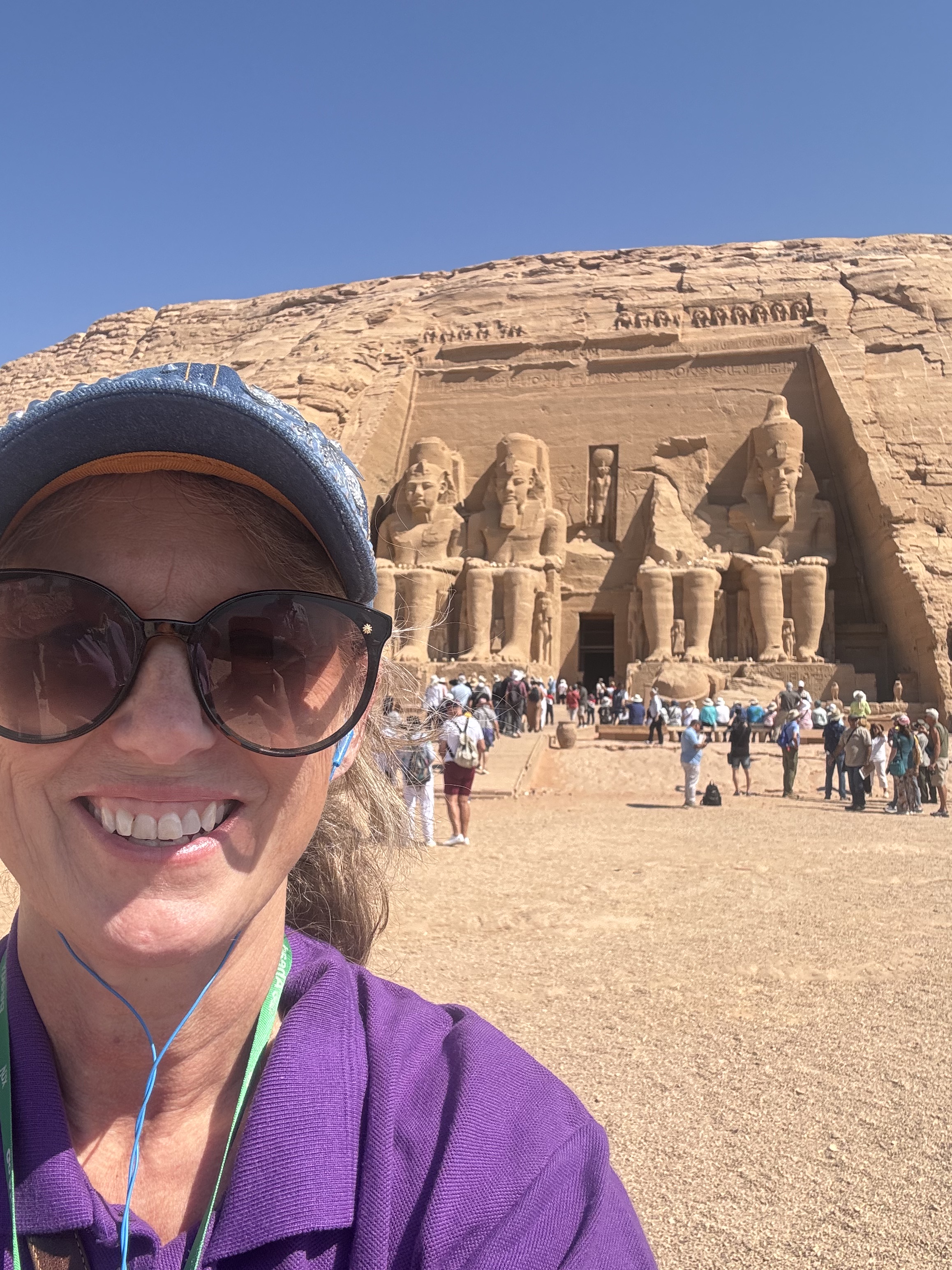
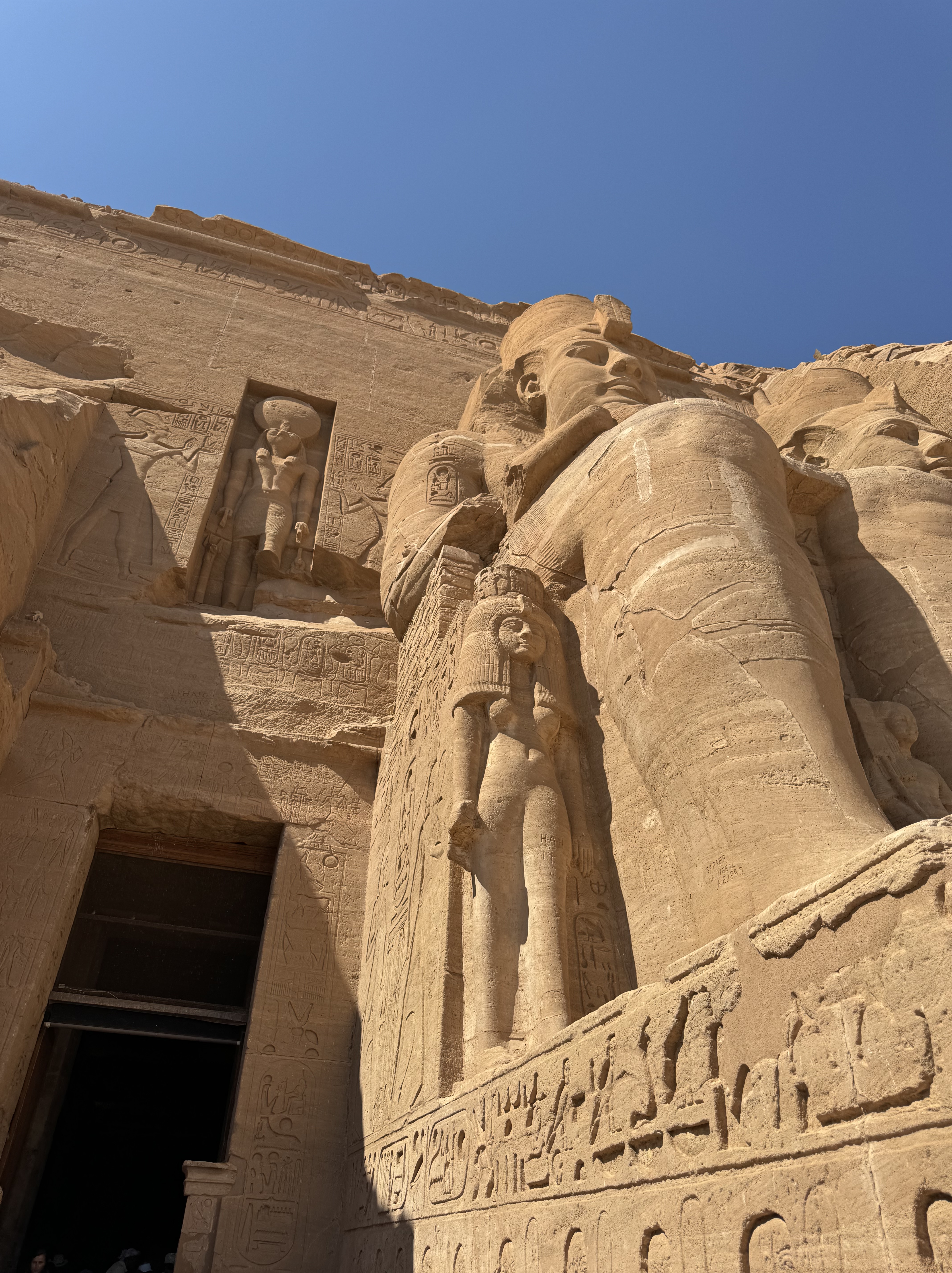
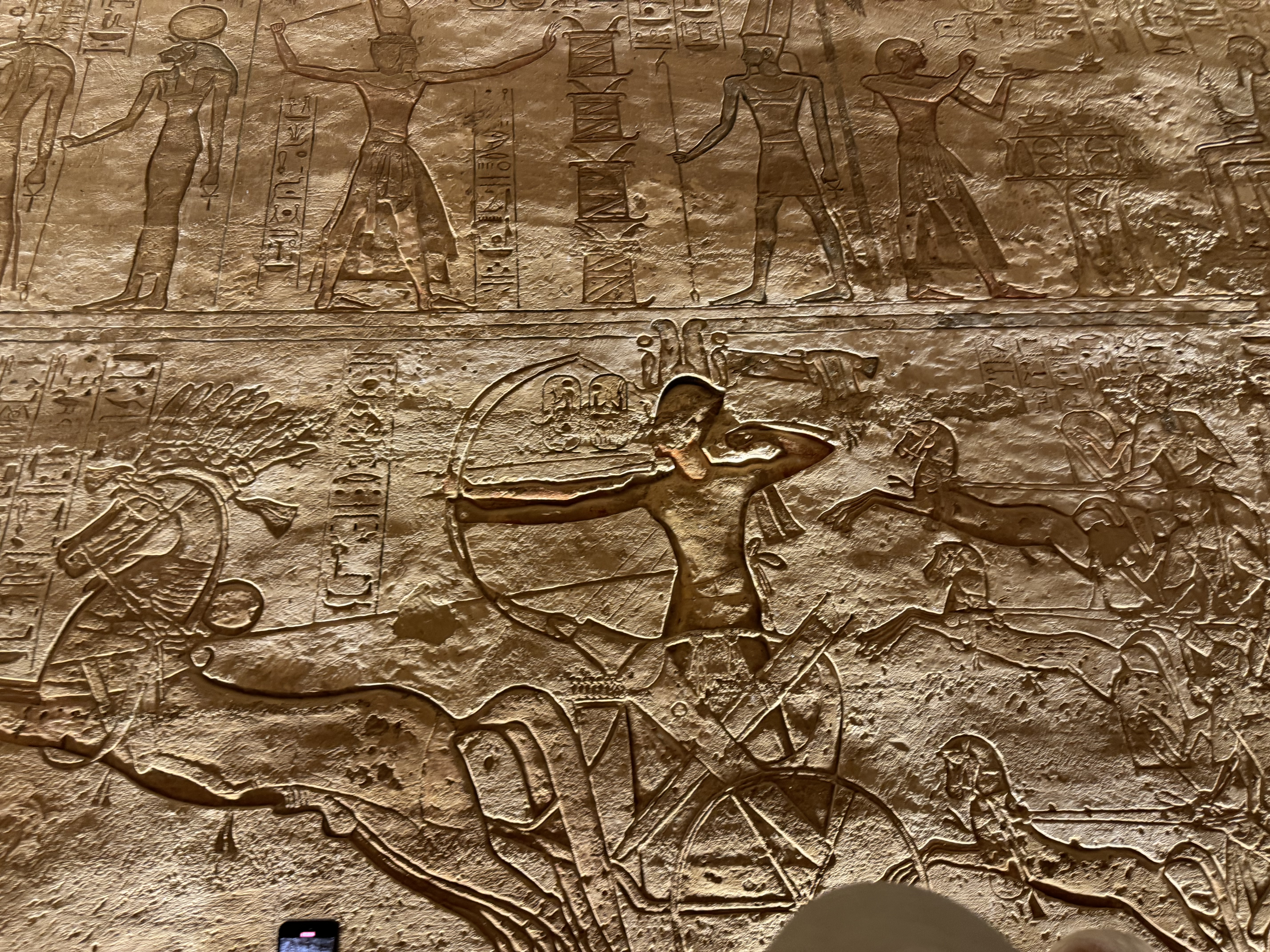
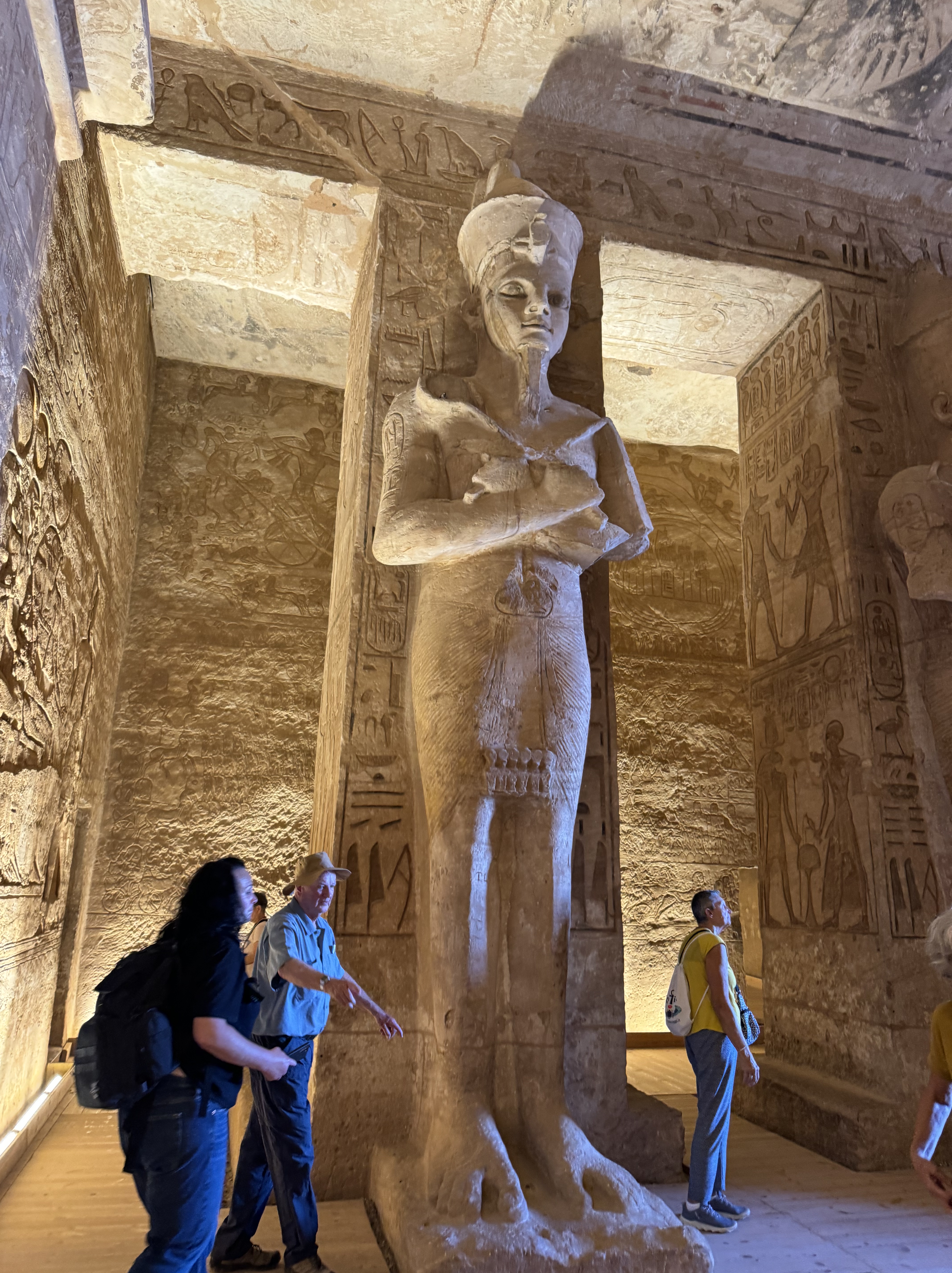
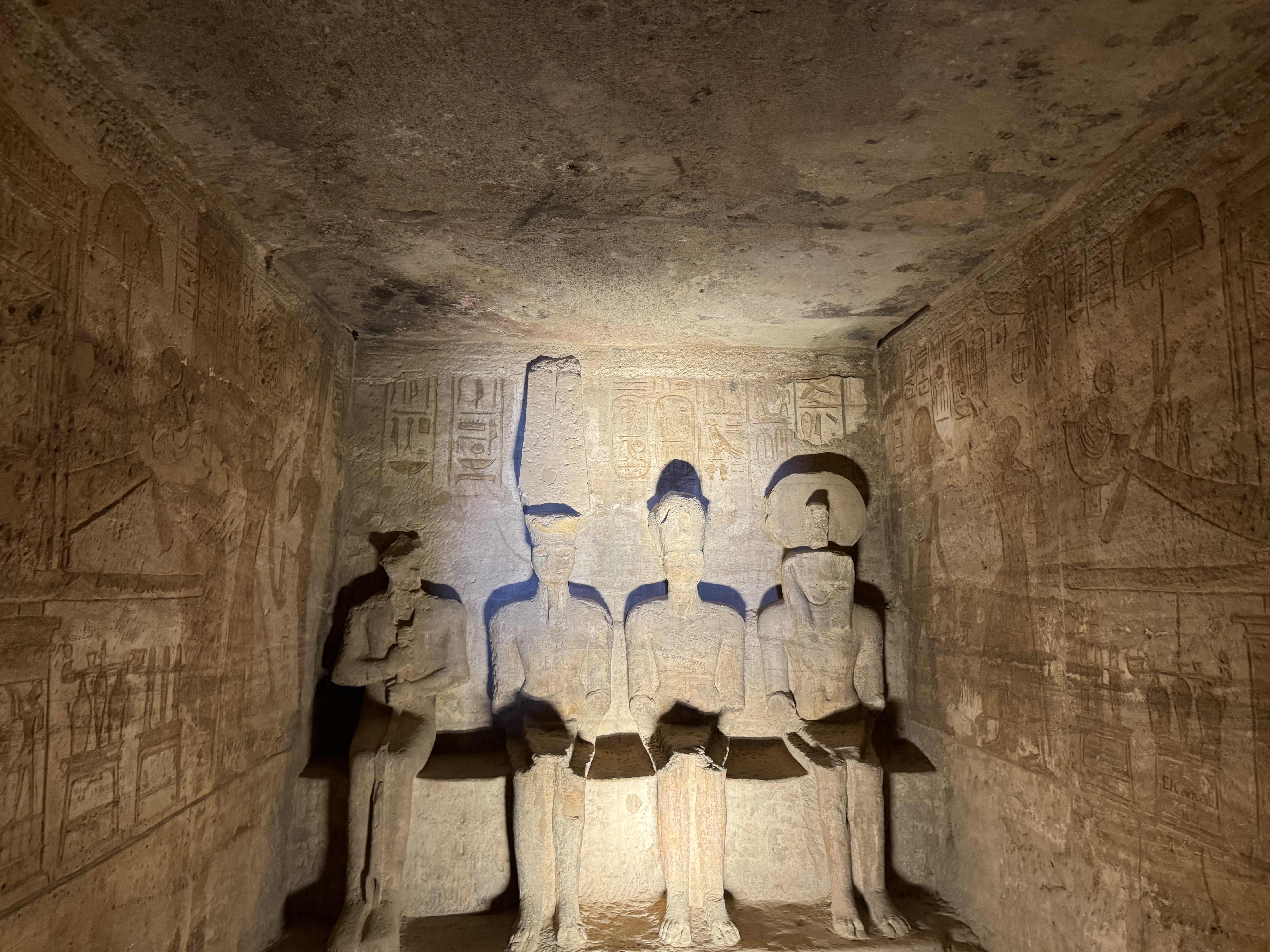
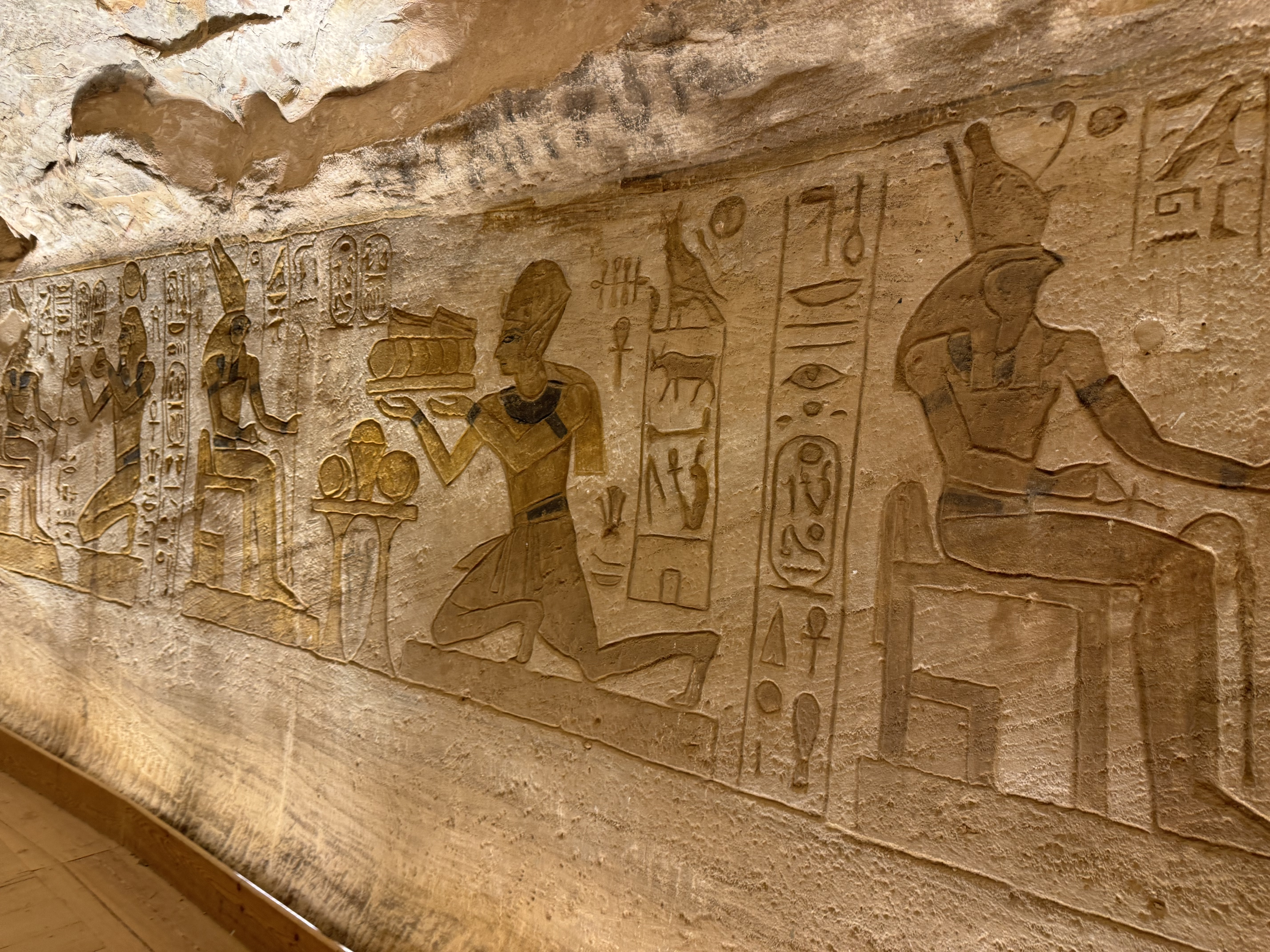
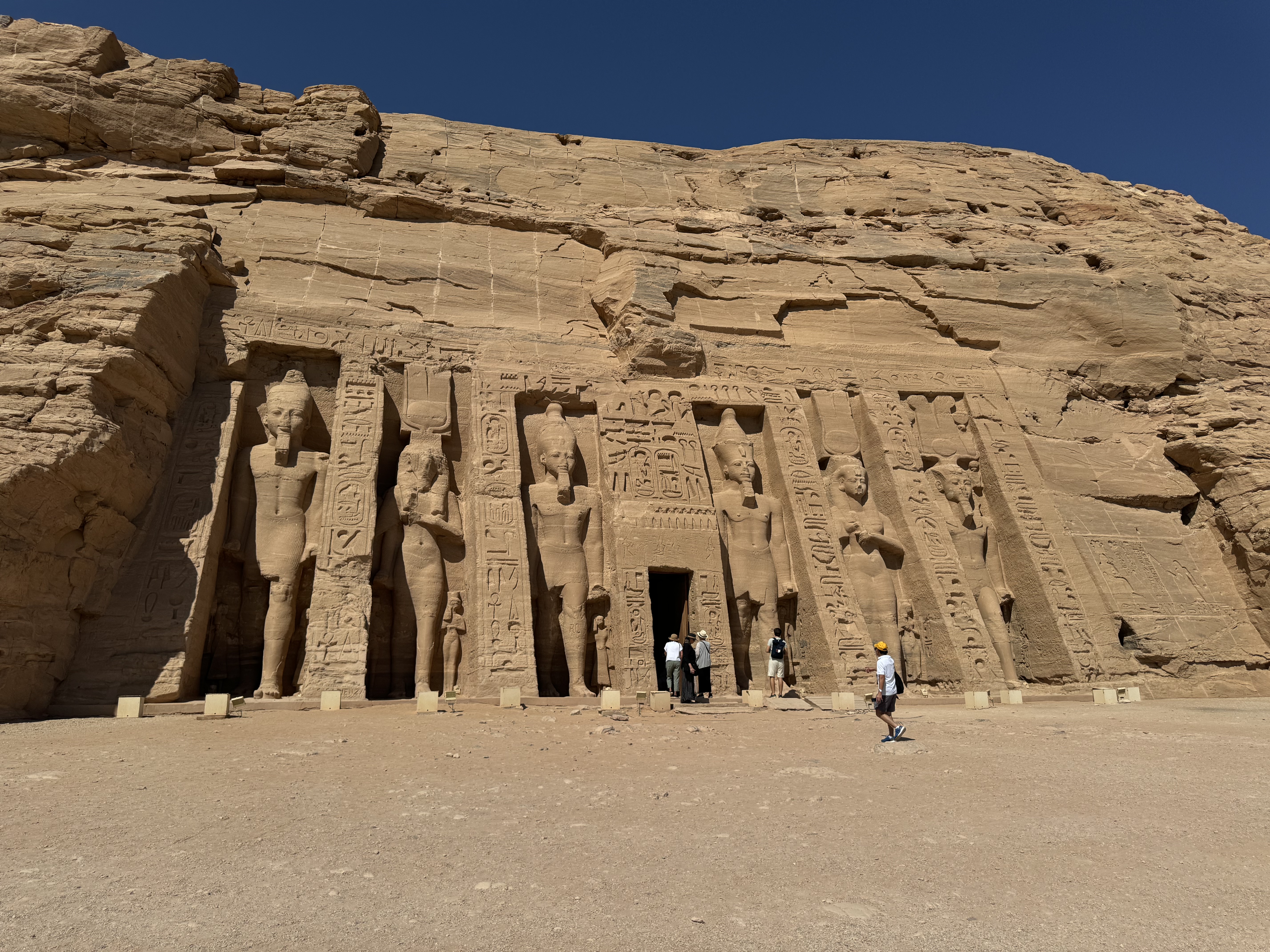
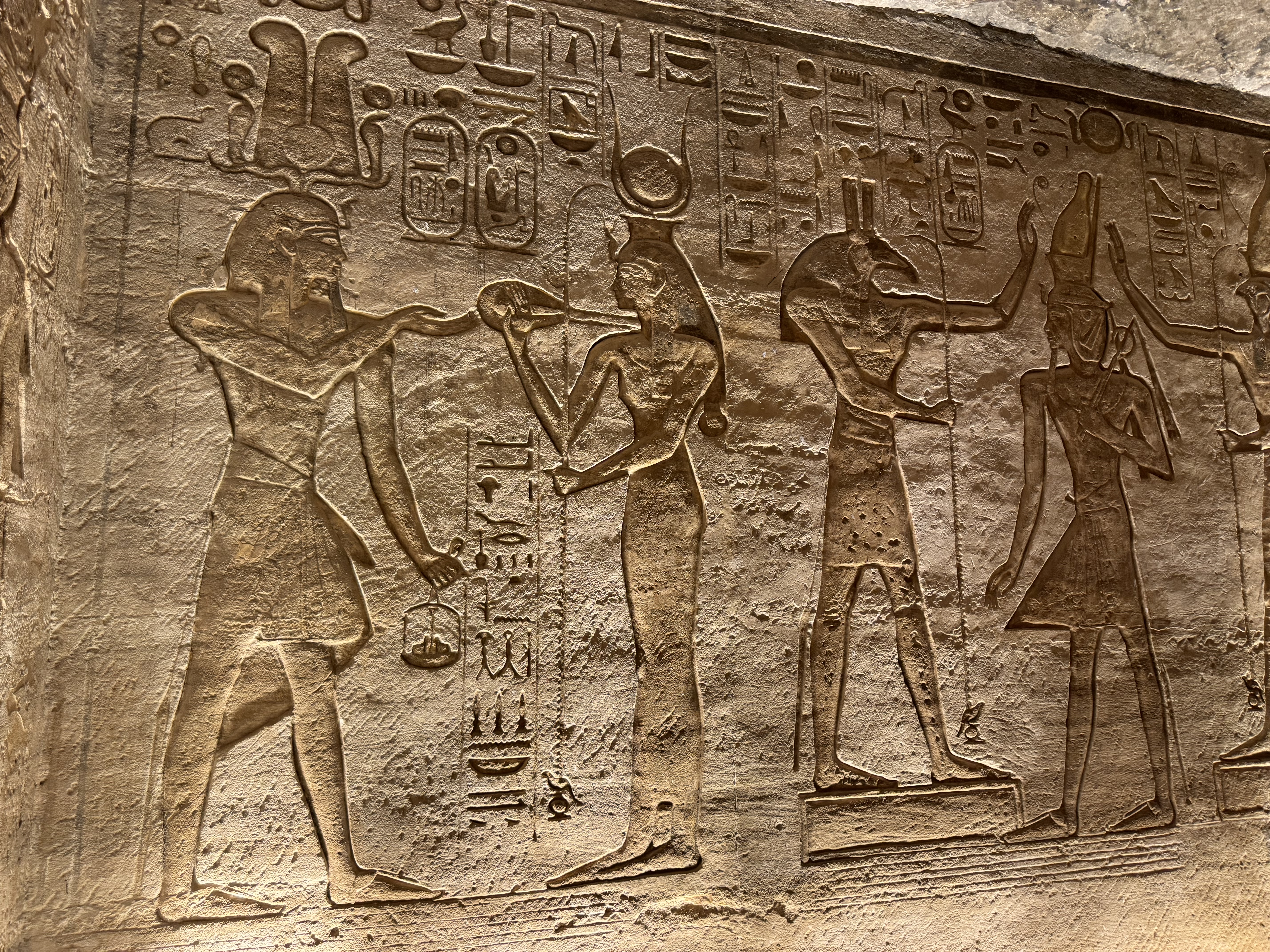
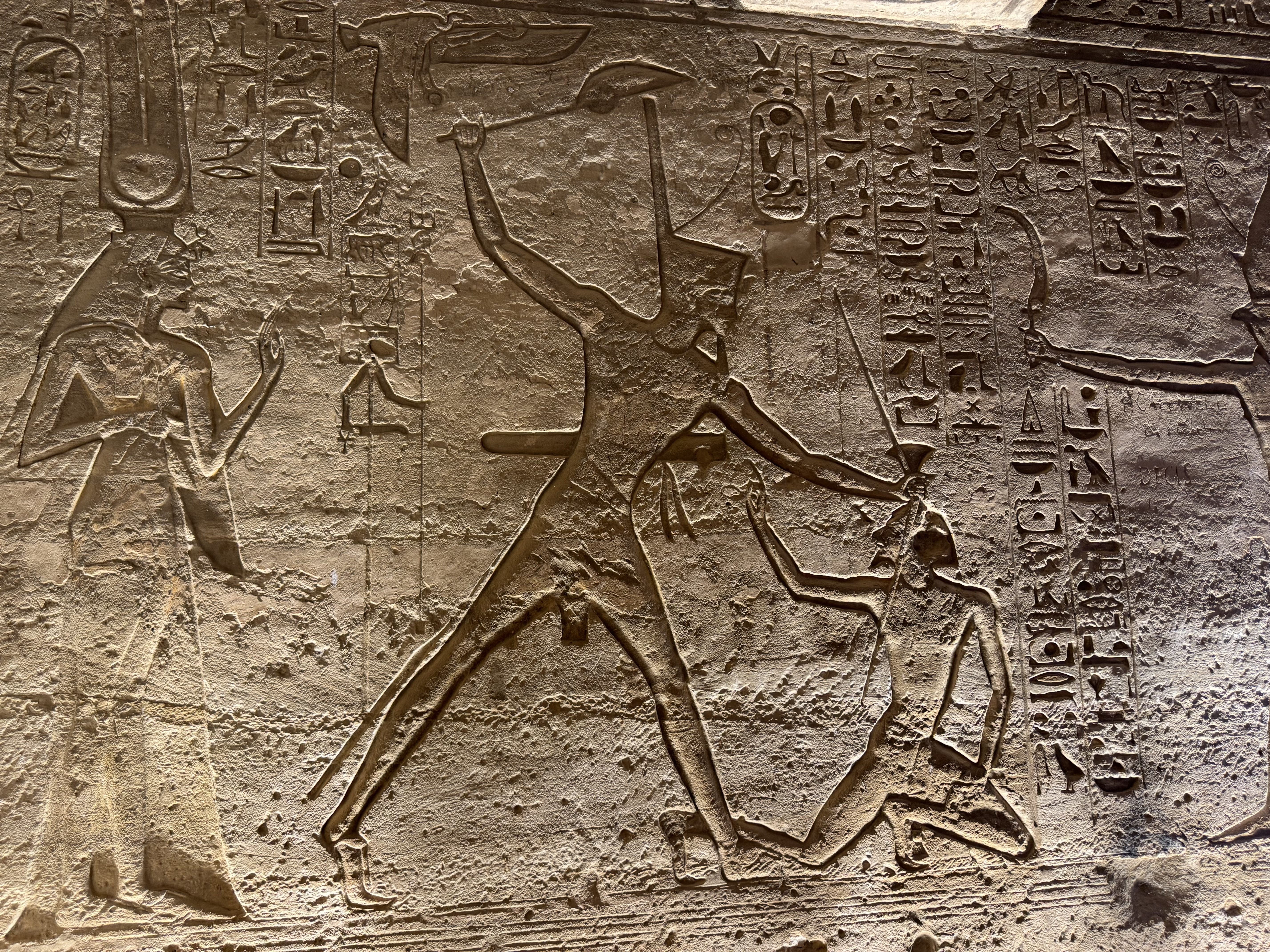
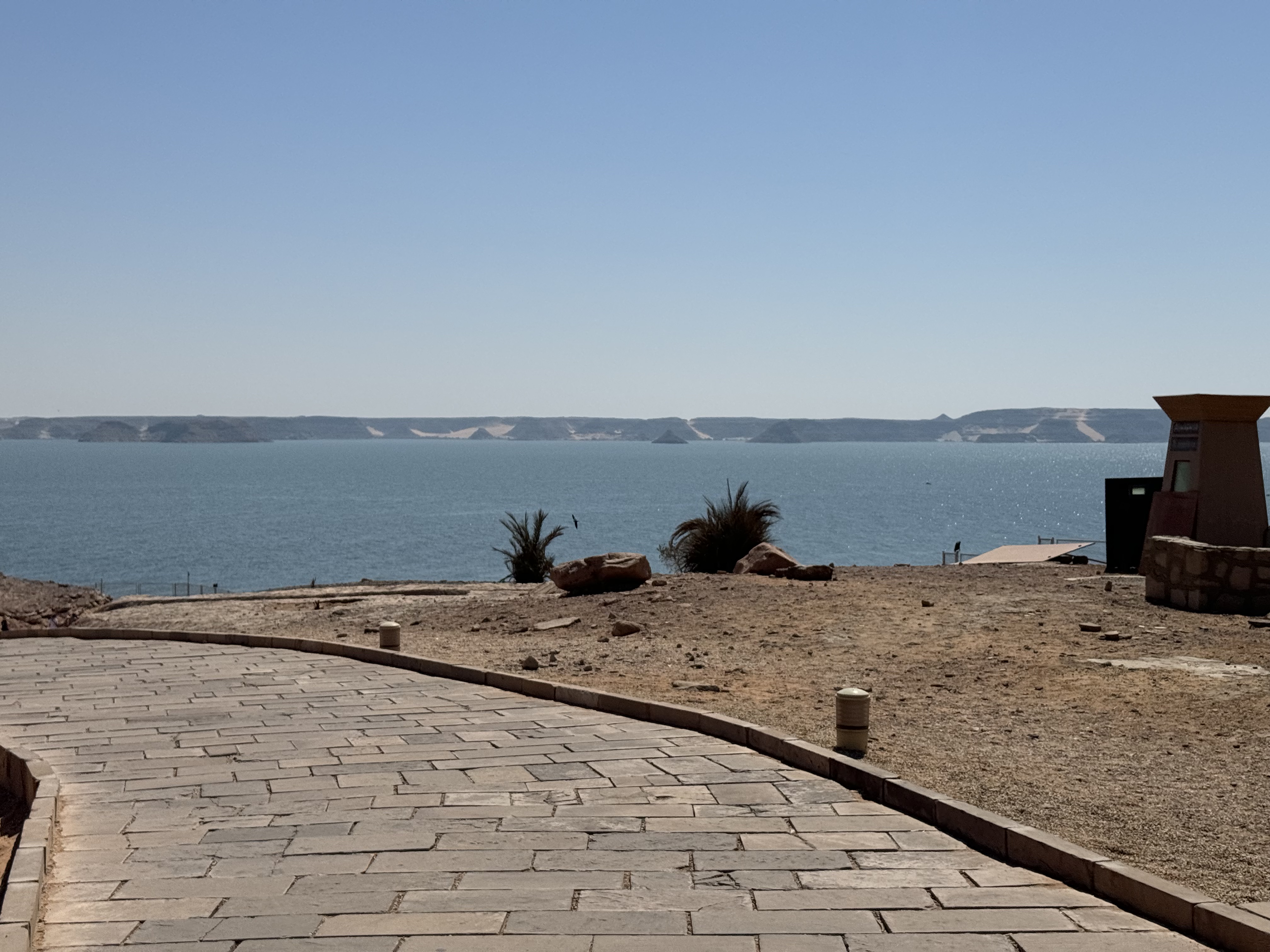
No free time for us as we trek to Abu Simbel, by Egyptair. The temples of Ramses II and his wife Nefertari were originally carved into the mountainside. They were painstakingly relocated to save them from being submerged by the damming of the Nile. These temples stand as monumental testaments to ancient Egyptian artistry and engineering. These remarkable structures boast intricate hieroglyphics and stunning sculptures. They tell stories of power and devotion. These stories reflect the grandeur of a civilization that flourished millennia ago. As we approach, the sheer scale and beauty of the temples captivate our senses. They invite us to imagine the vibrant ceremonies and daily life. These events once echoed within these hallowed walls.

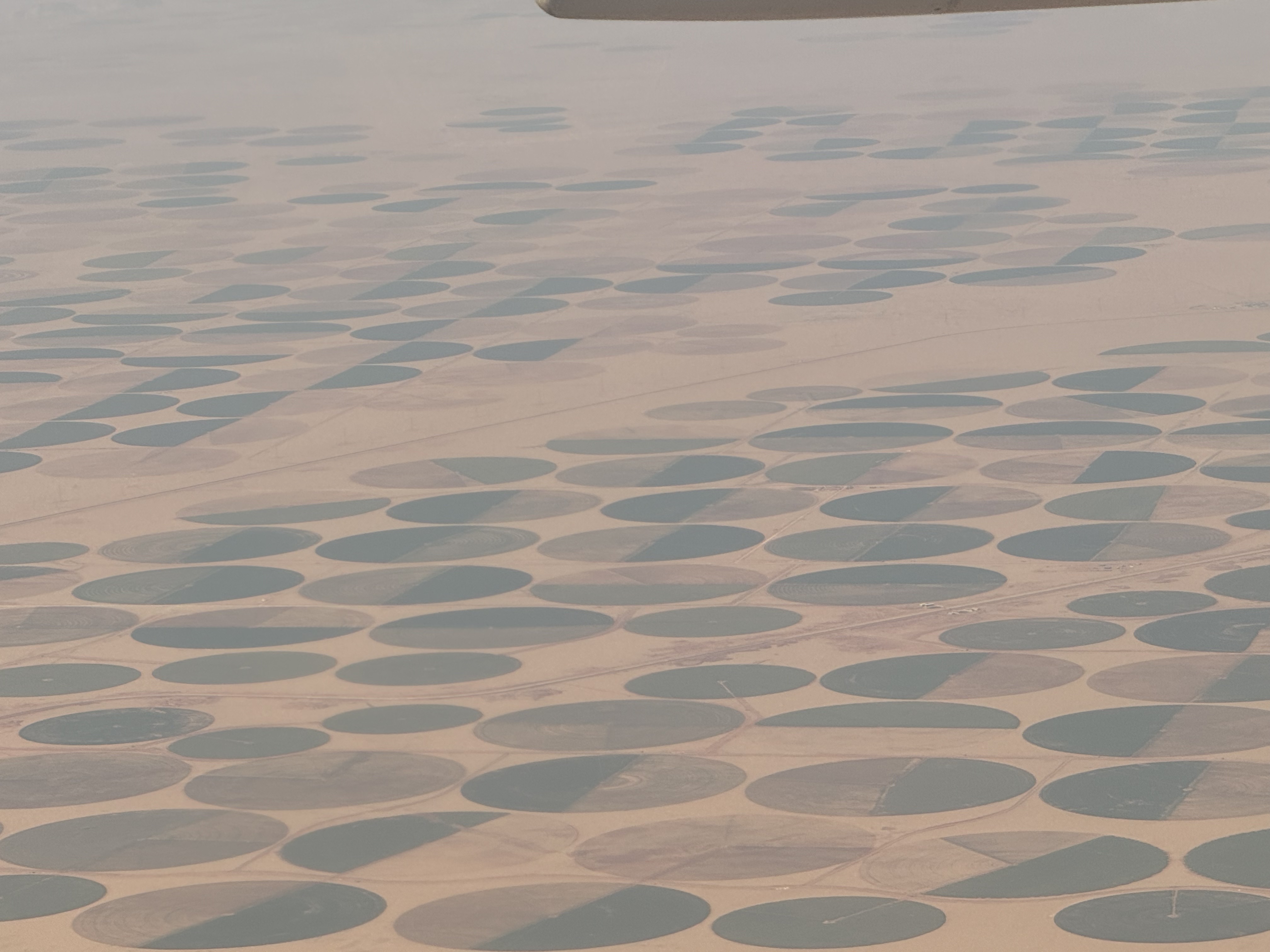
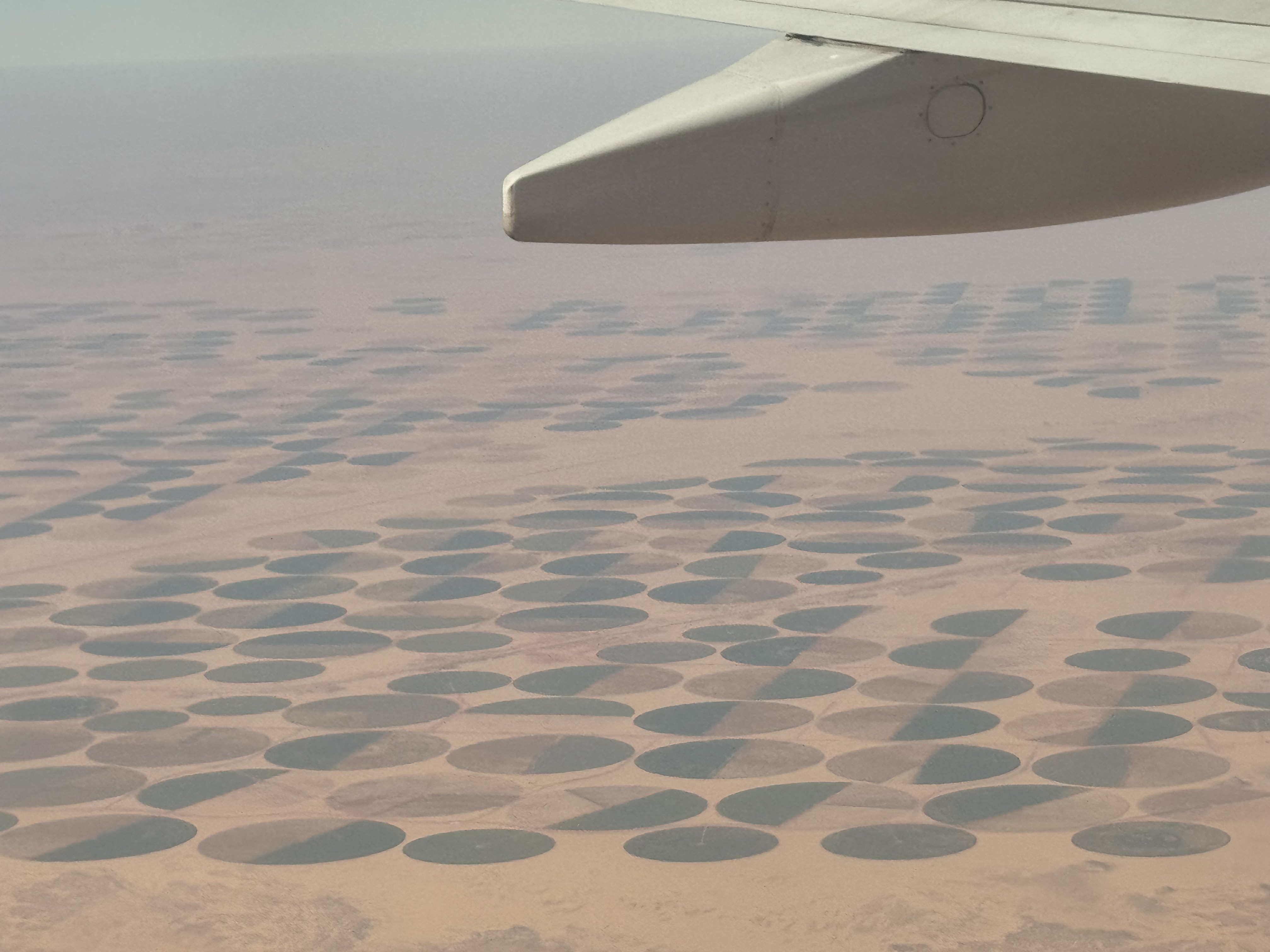
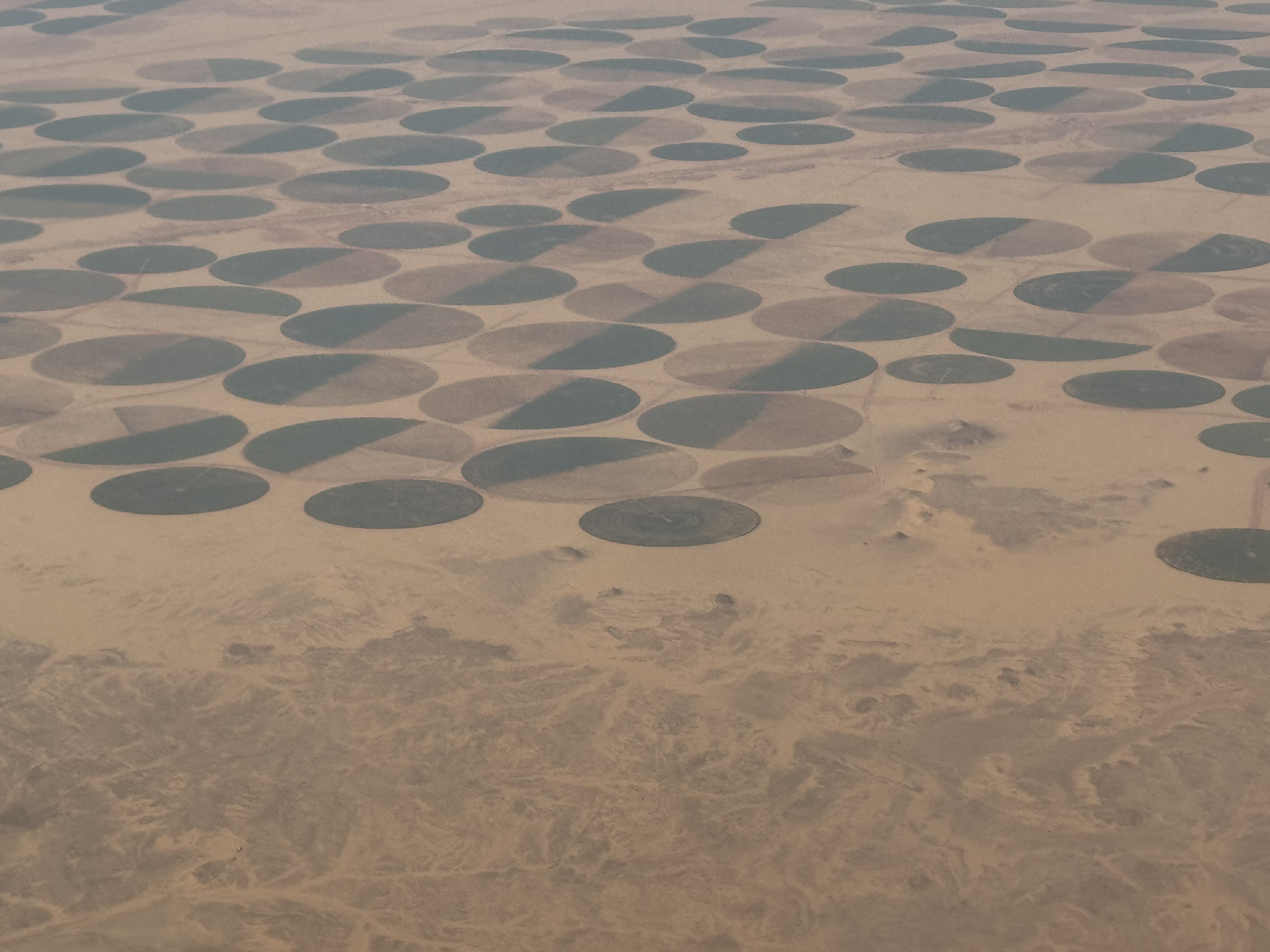
Egyptian Crop Circles? No they are aqueducts to supply water to a very arid desert area.
Exploring the Temple of Kom Ombo: A Historical Gem

Day 7 – November 4, 2024

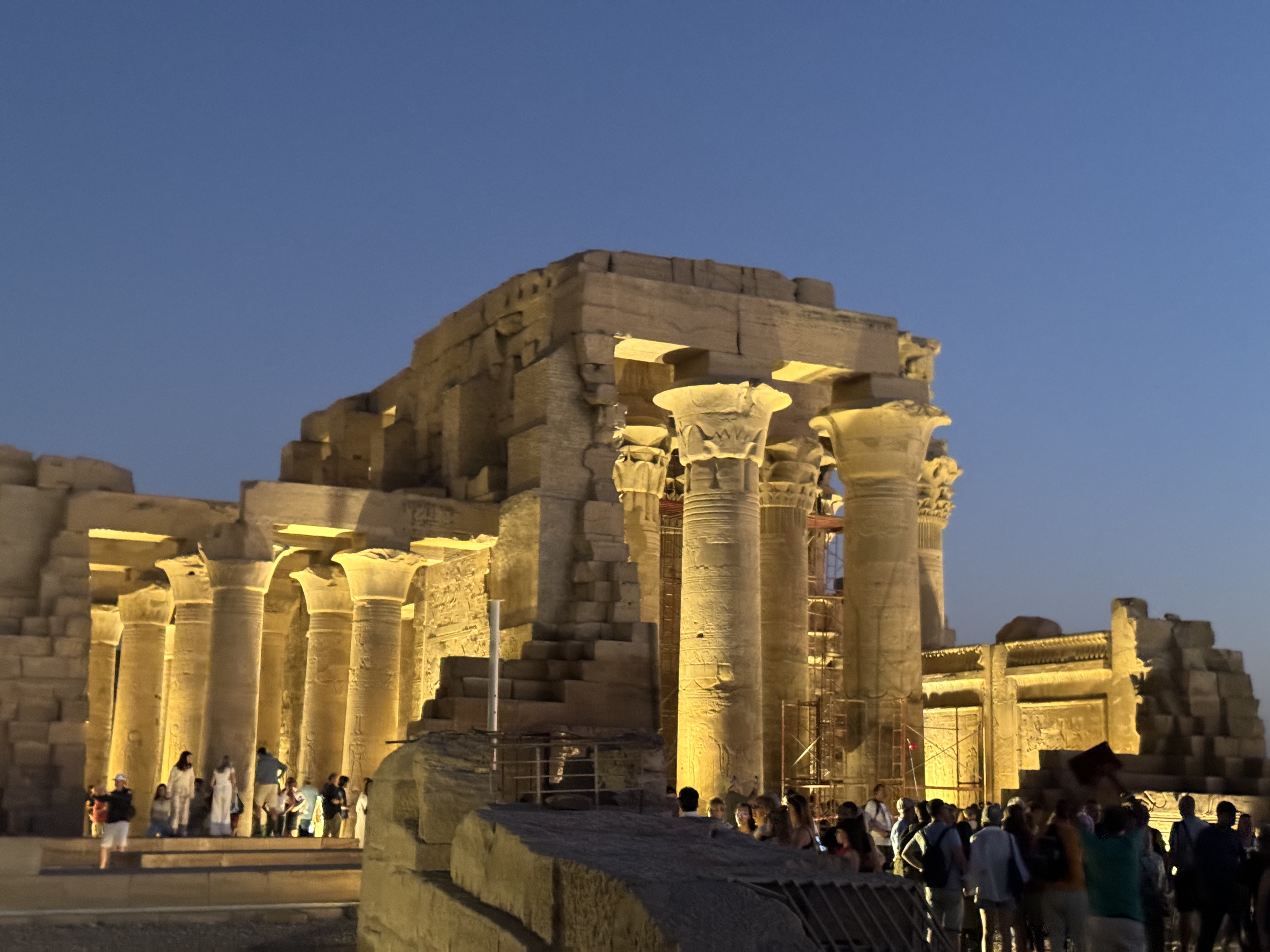
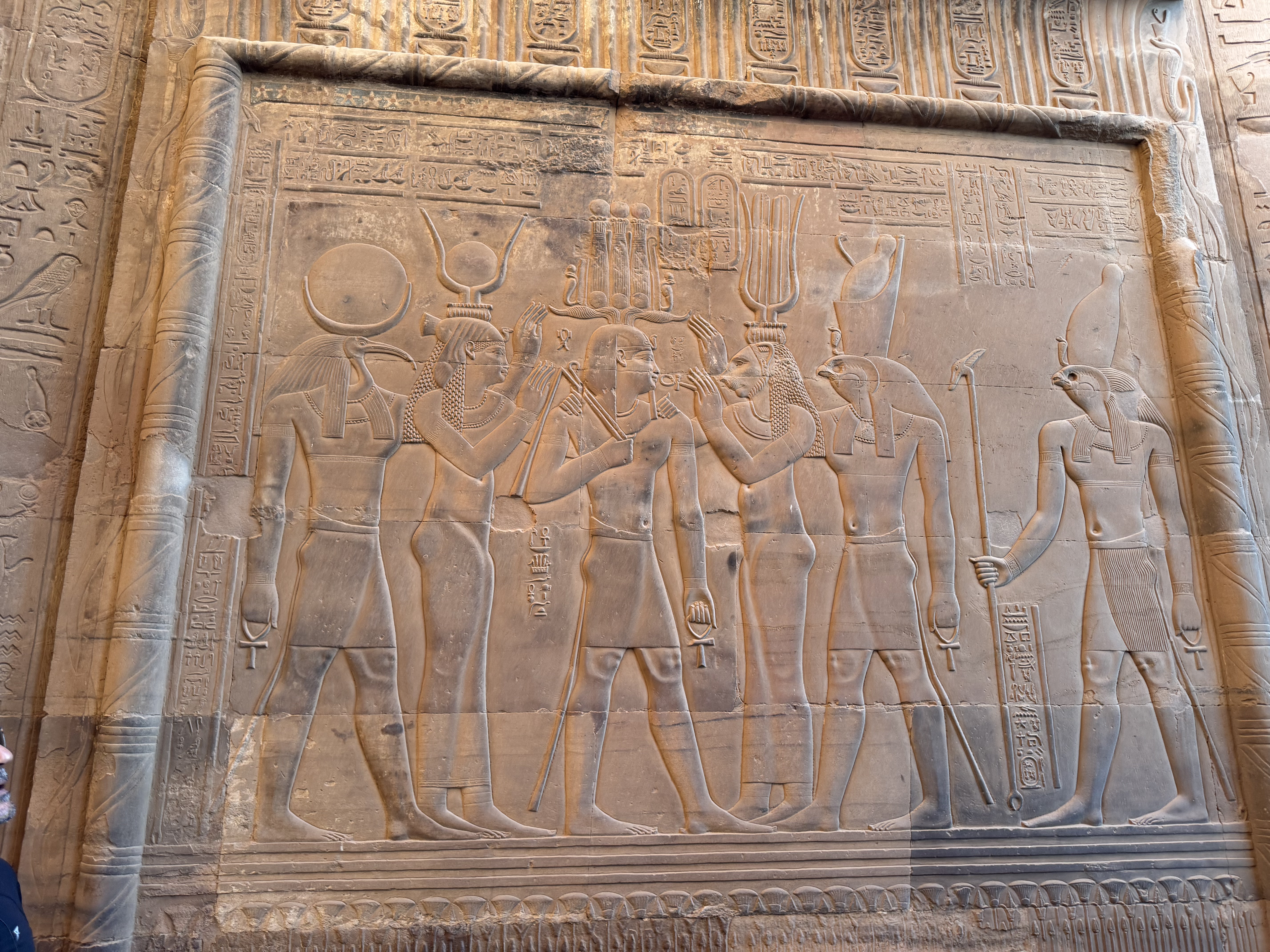
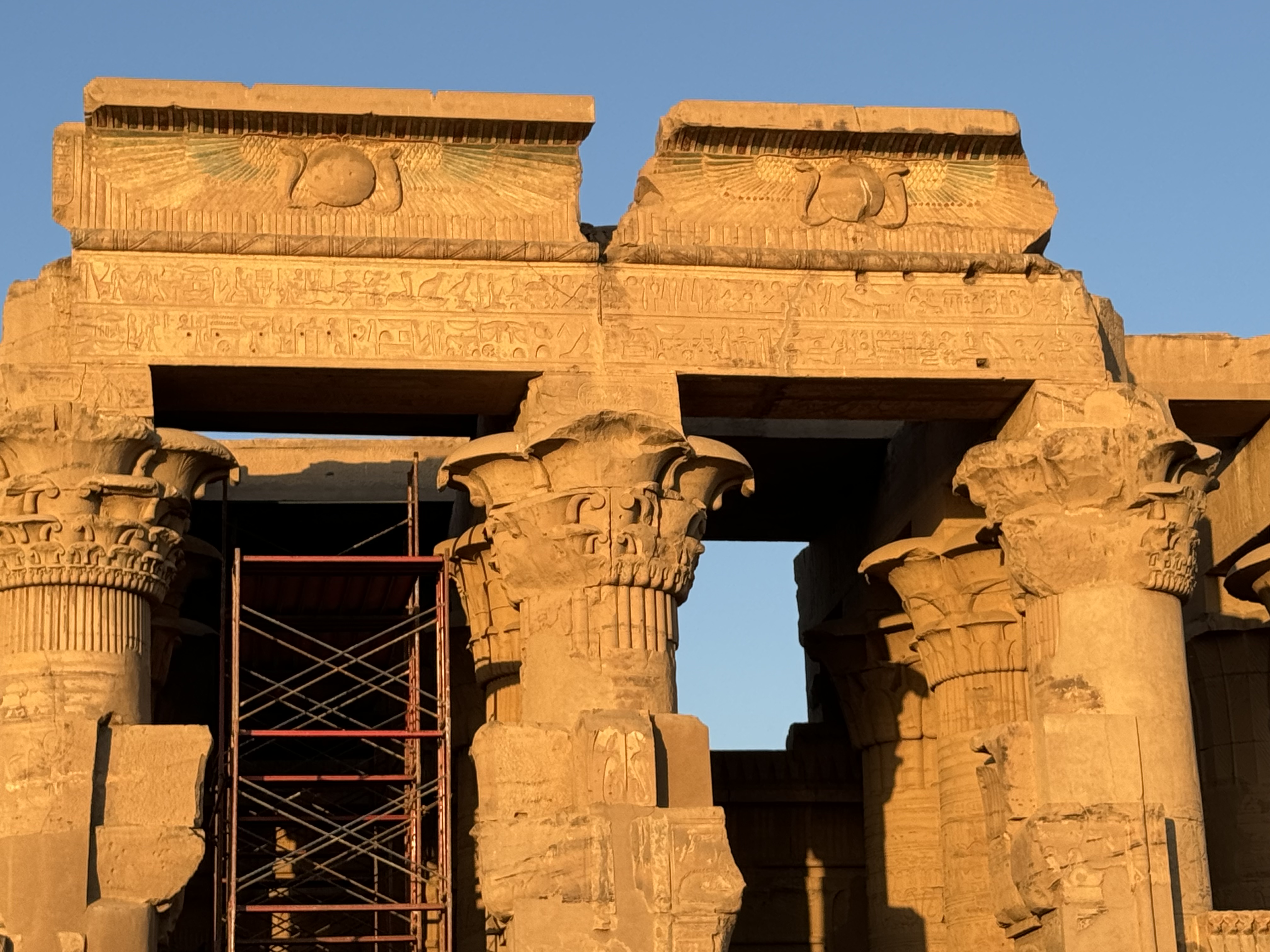
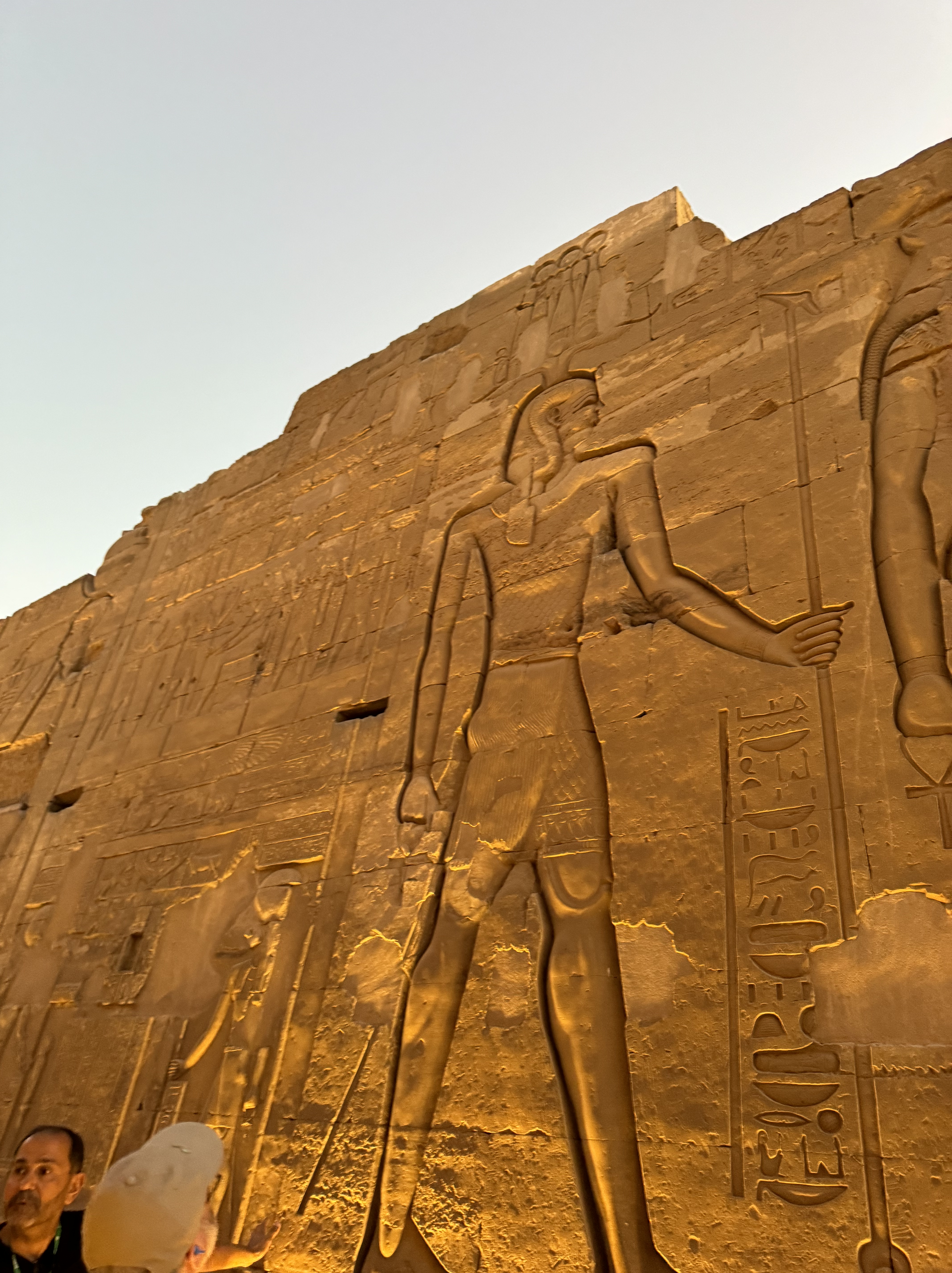
Uncovering the wonders of the Temple of Kom Ombo. Dedicated to the deities Sobek and Horus, it was constructed as two symmetrical temples aligned in parallel. They were initially built during the Ptolemaic period. The Romans expanded them after conquering Egypt. This resulted in a blend of both local and Greco-Roman architectural styles.

It was originally an Egyptian city called Nubt. This means City of Gold. (It is not to be confused with the city north of Naqada that was also called Nubt/Ombos). Nubt is also known as Nubet or Nubyt (Nbyt). It became a Greek settlement during the Greco-Roman Period. The town’s location on the Nile was 50 kilometres (31 mi) north of Aswan (Syene). This gave it some control over trade routes from Nubia to the Nile Valley. Its main rise to prominence came with the erection of the Temple of Kom Ombo in the 2nd century BC.

The beautiful sunset and the rising moon, created an peaceful atmosphere.